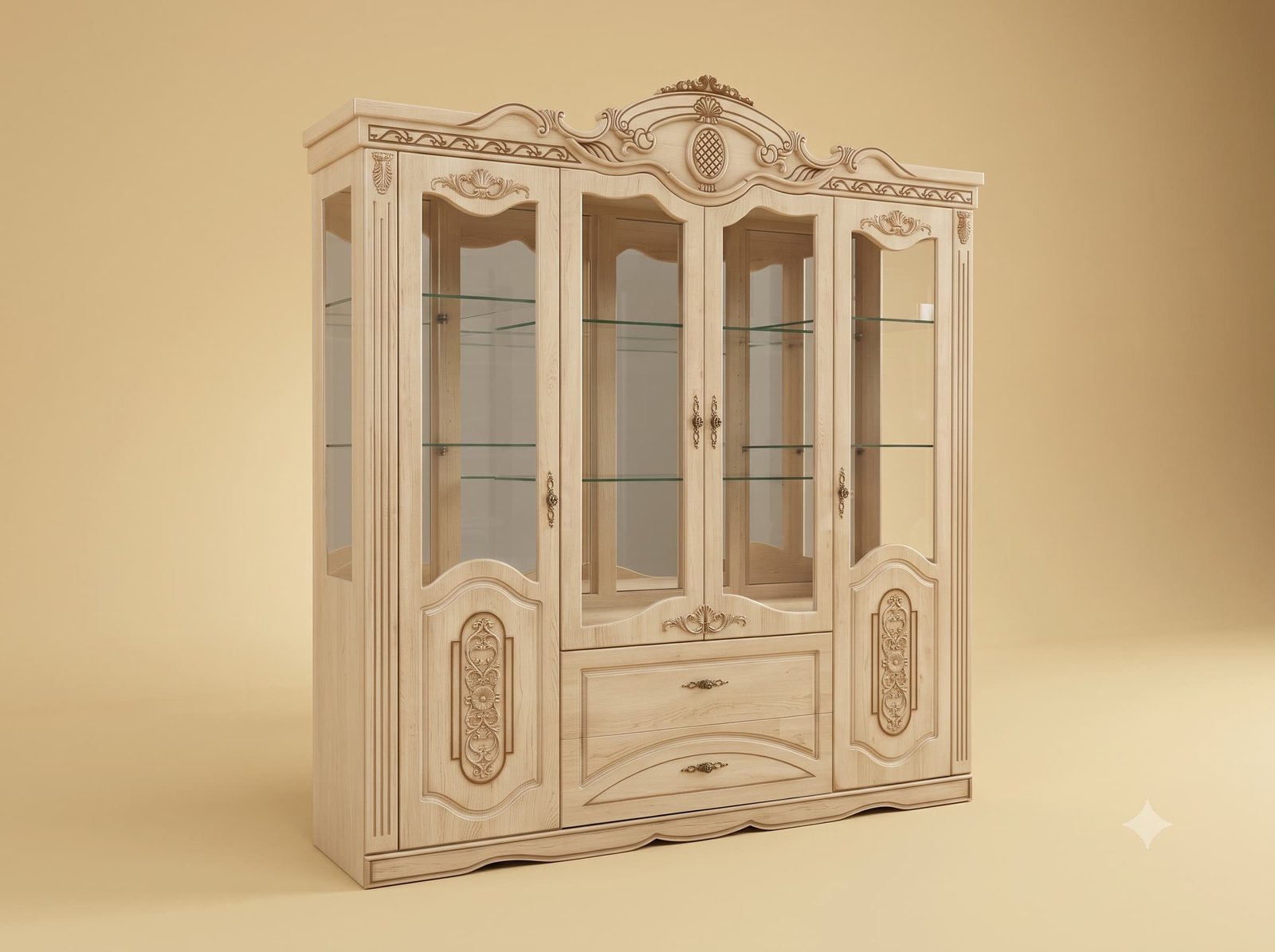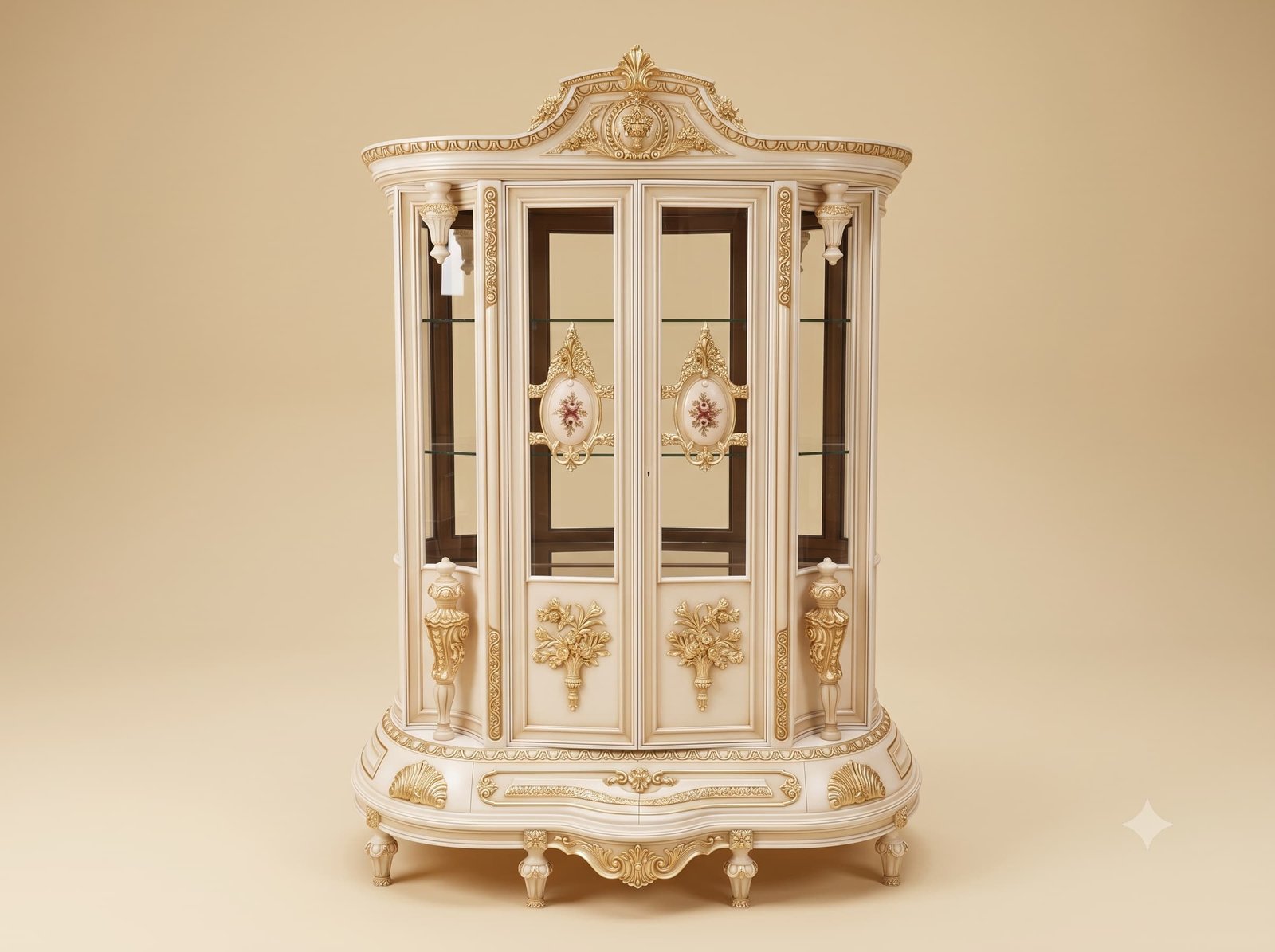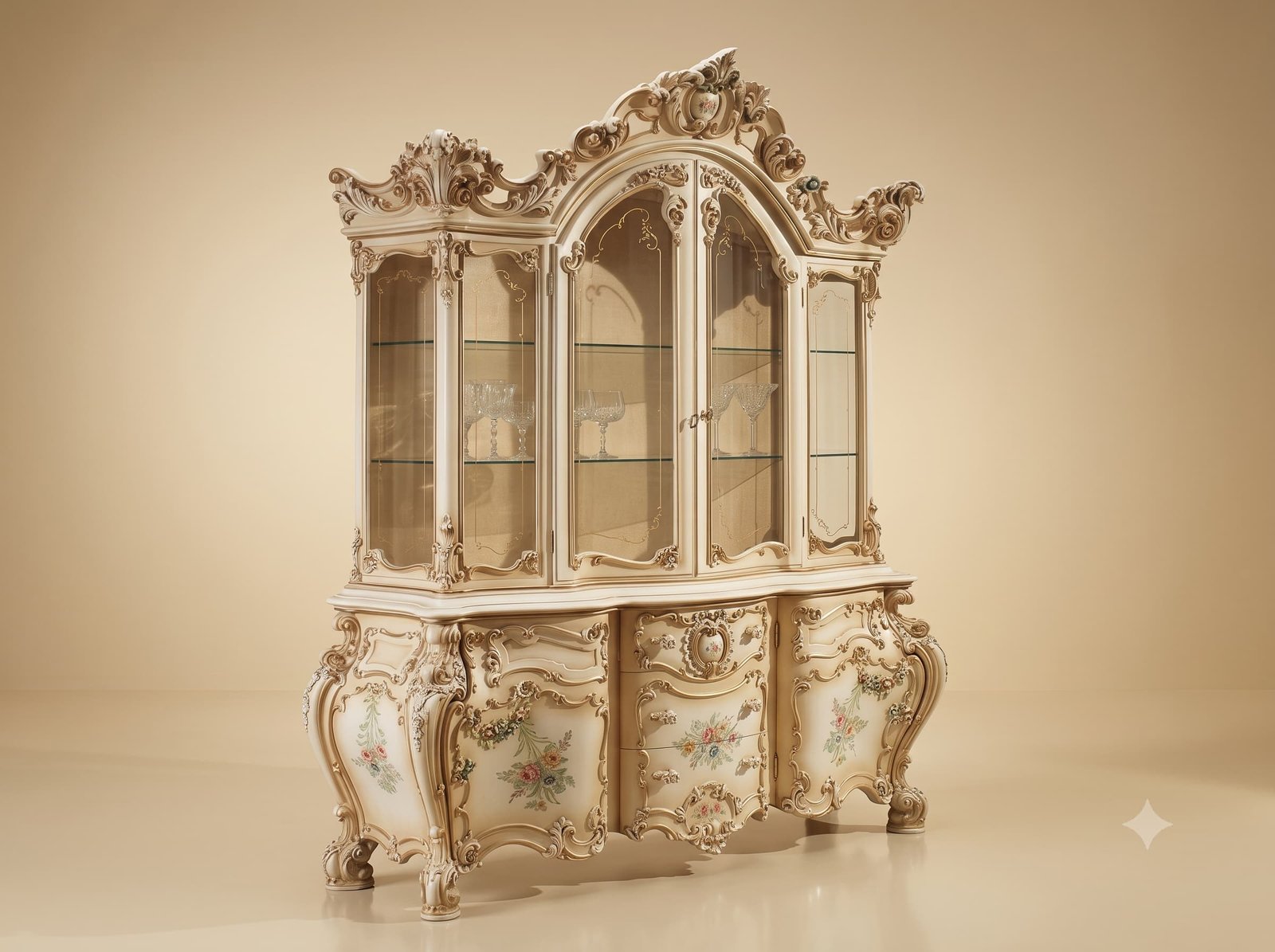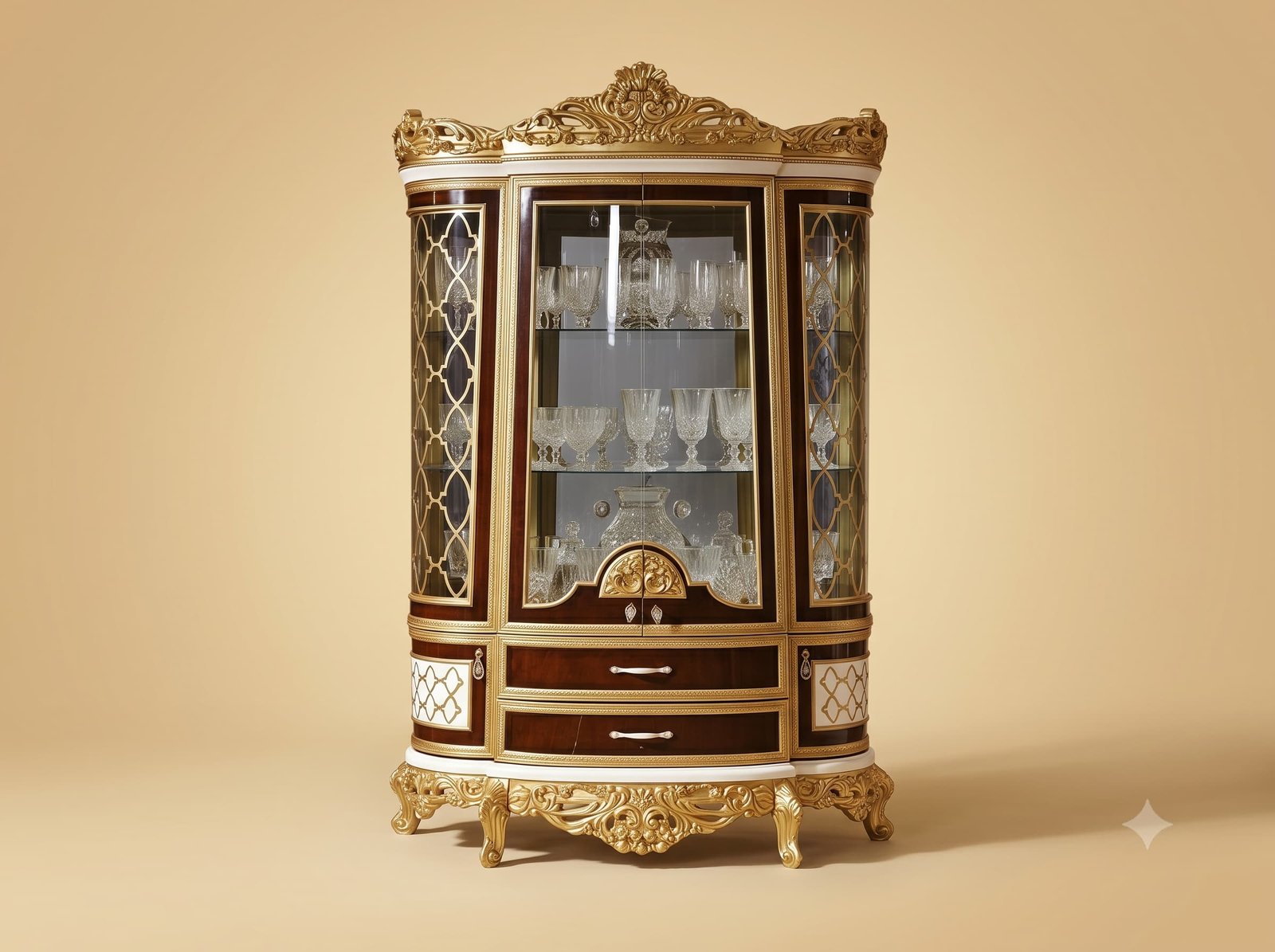
A glazing bar looks like a thin stick of wood with a pattern on it. It is nothing of the kind, and that is why lattice-glazed doors are the slowest work in a cabinet shop.
Each bar has three parts to its section: a moulded profile on the show face, a flat web in the middle, and a rebate on the back for the glass to sit in. It is barely thicker than a pencil and it is doing all three jobs at once.
Now consider what happens where two bars cross. The webs have to be halved into each other so the bars sit flush. The rebates have to meet cleanly on both sides so four separate panes can each find their seat. And the moulding on the show face has to be mitred - cut at an angle and pared to fit - at every one of the four quadrants around the crossing, because a moulding cannot simply run into another moulding.
On a door with a dozen crossings that is dozens of hand-cut mitres, each on a piece of timber narrow enough to snap if it is held too firmly.
Our master Indian artisans cut them with the bars still attached to a waste rail, which gives something safe to hold, and separate them only at the last moment. Every mitre is pared to fit with a chisel, not sawn to a line.
 Ask Price On WhatsApp