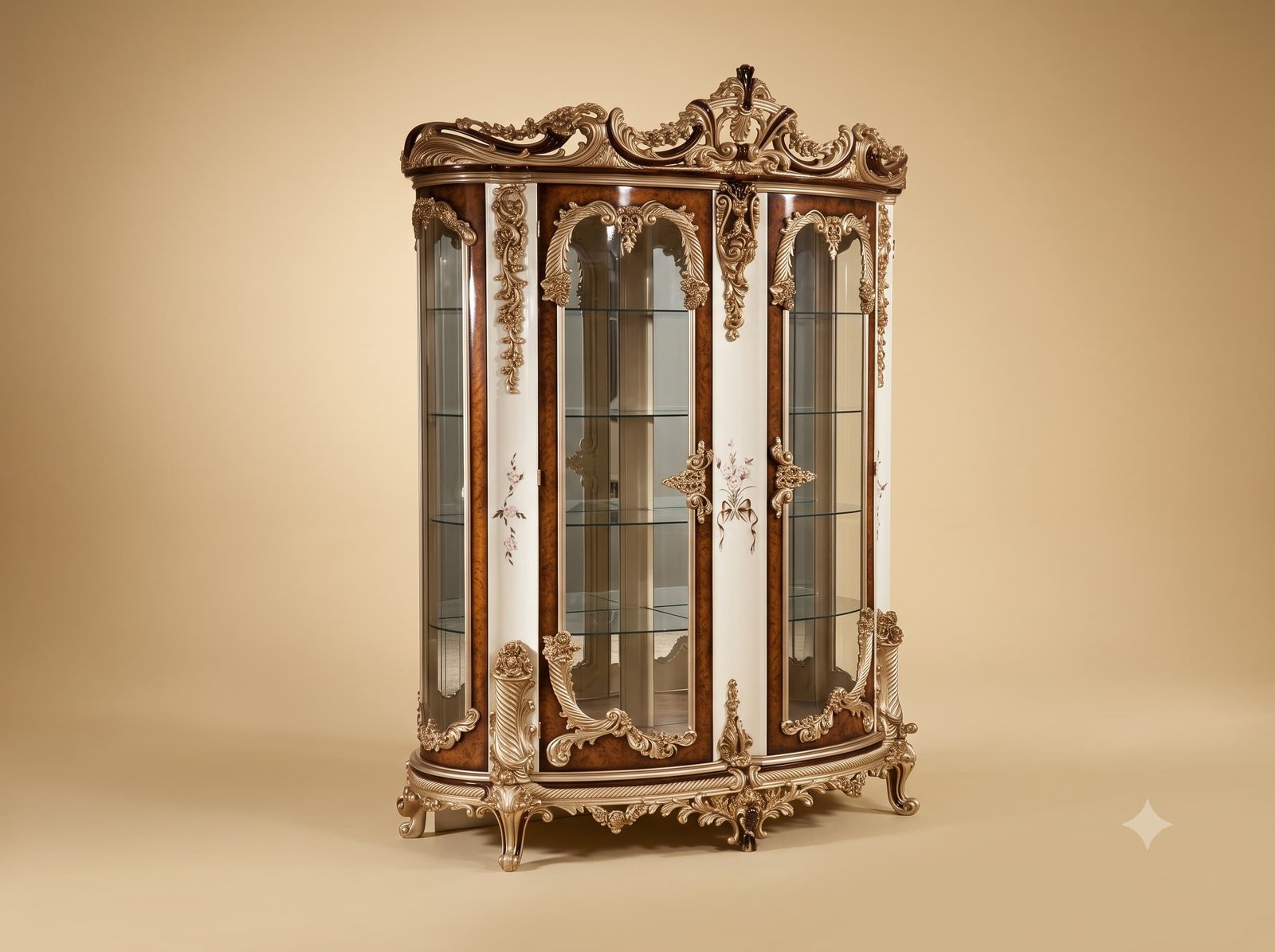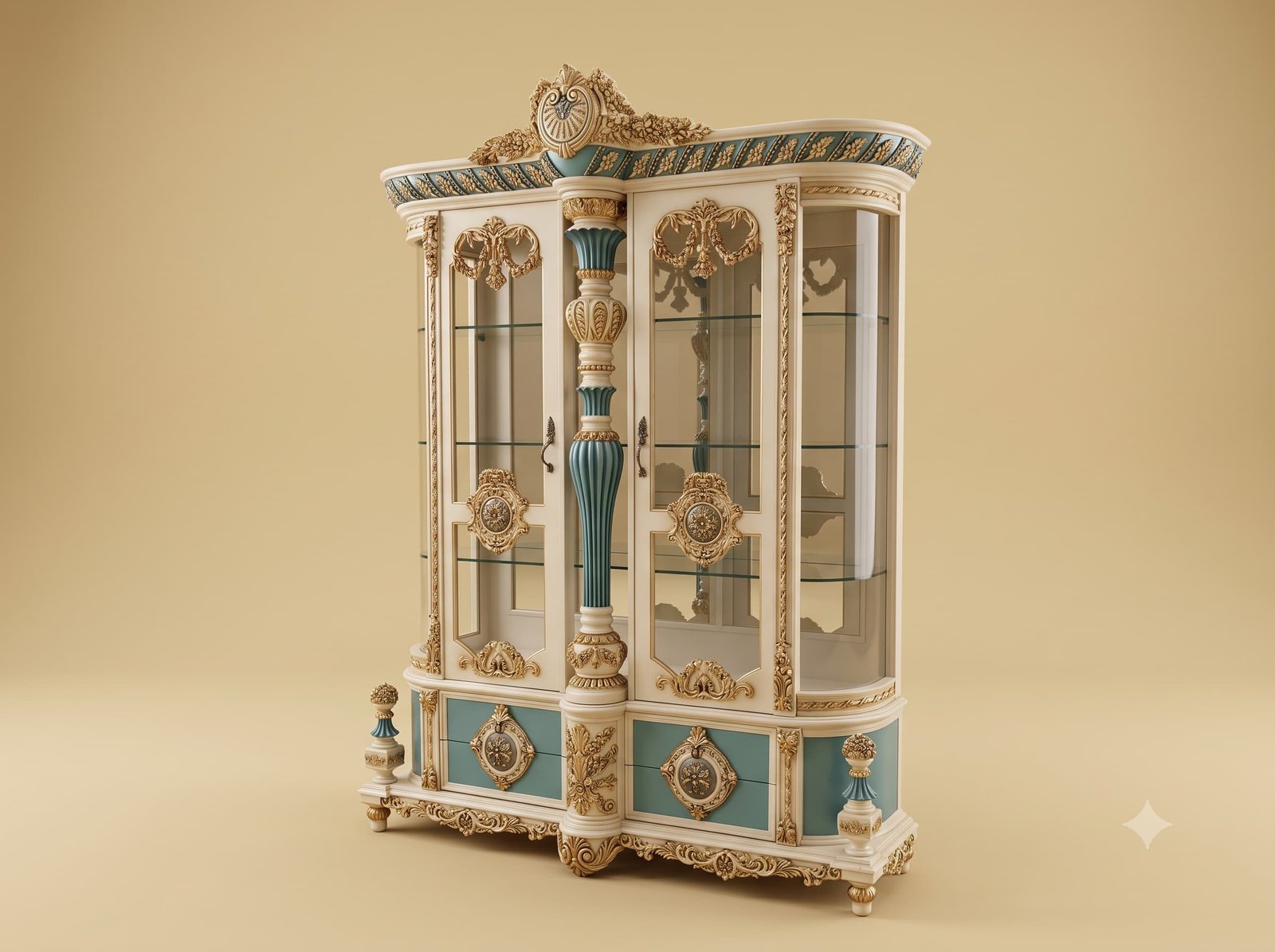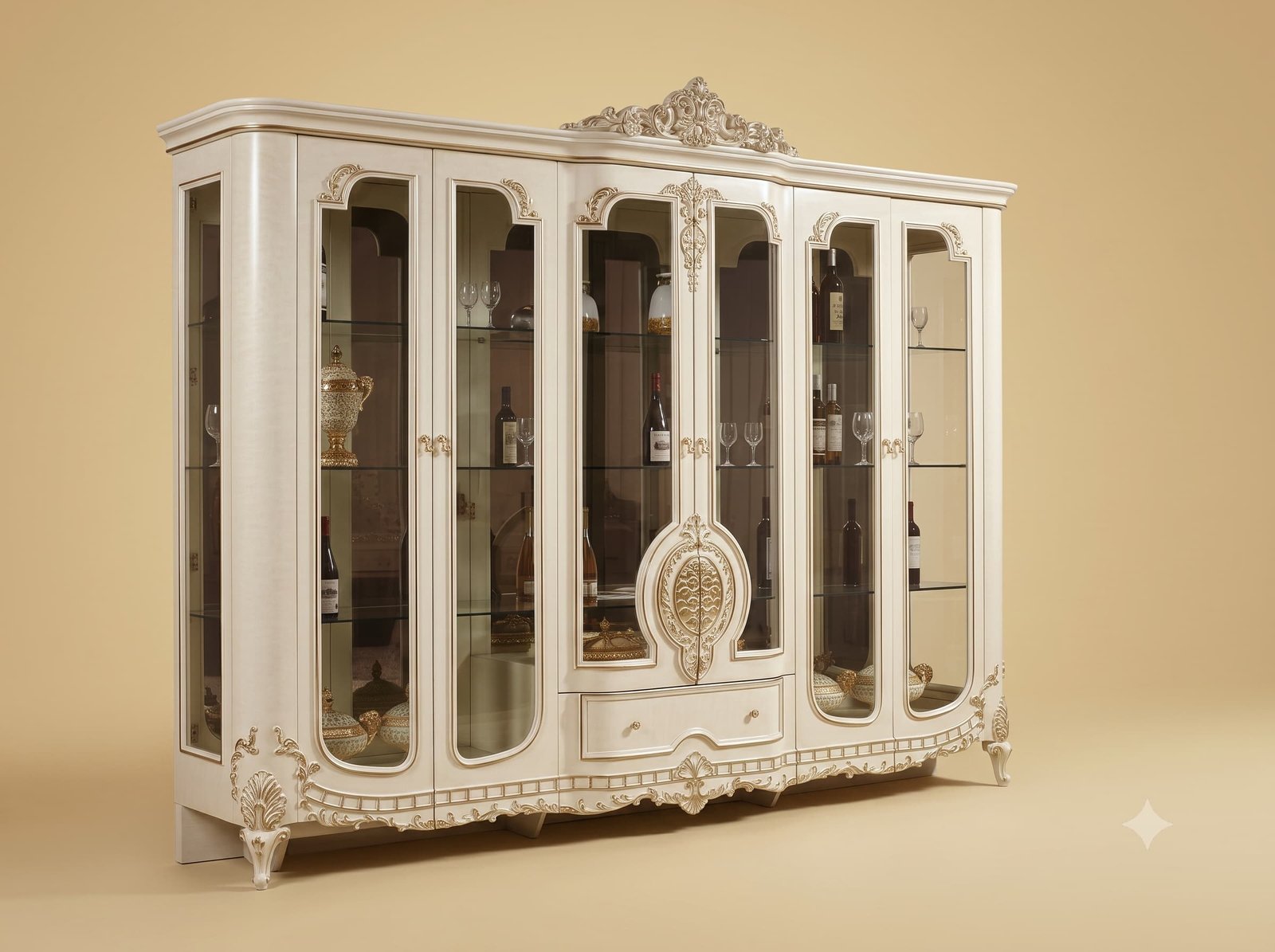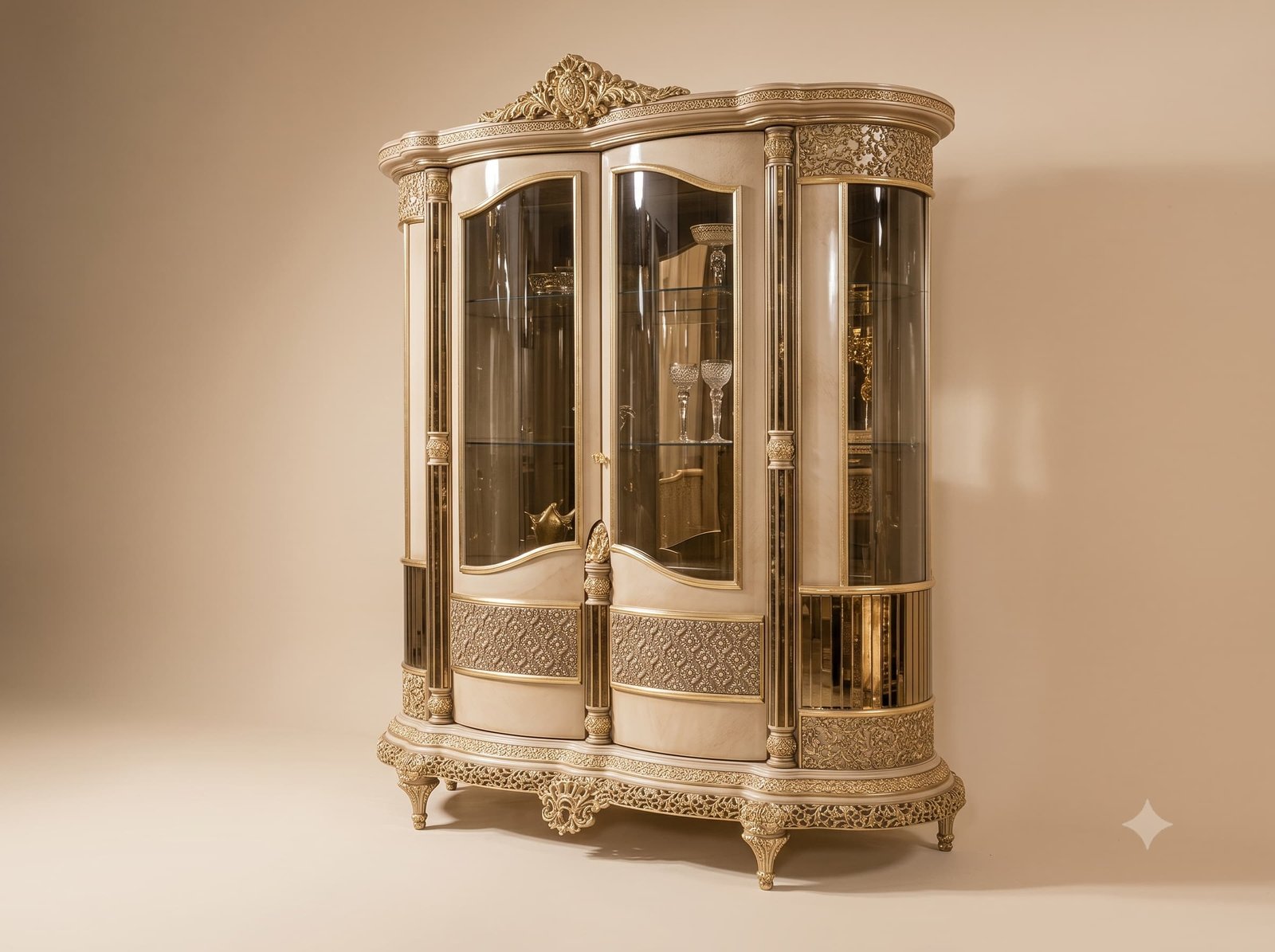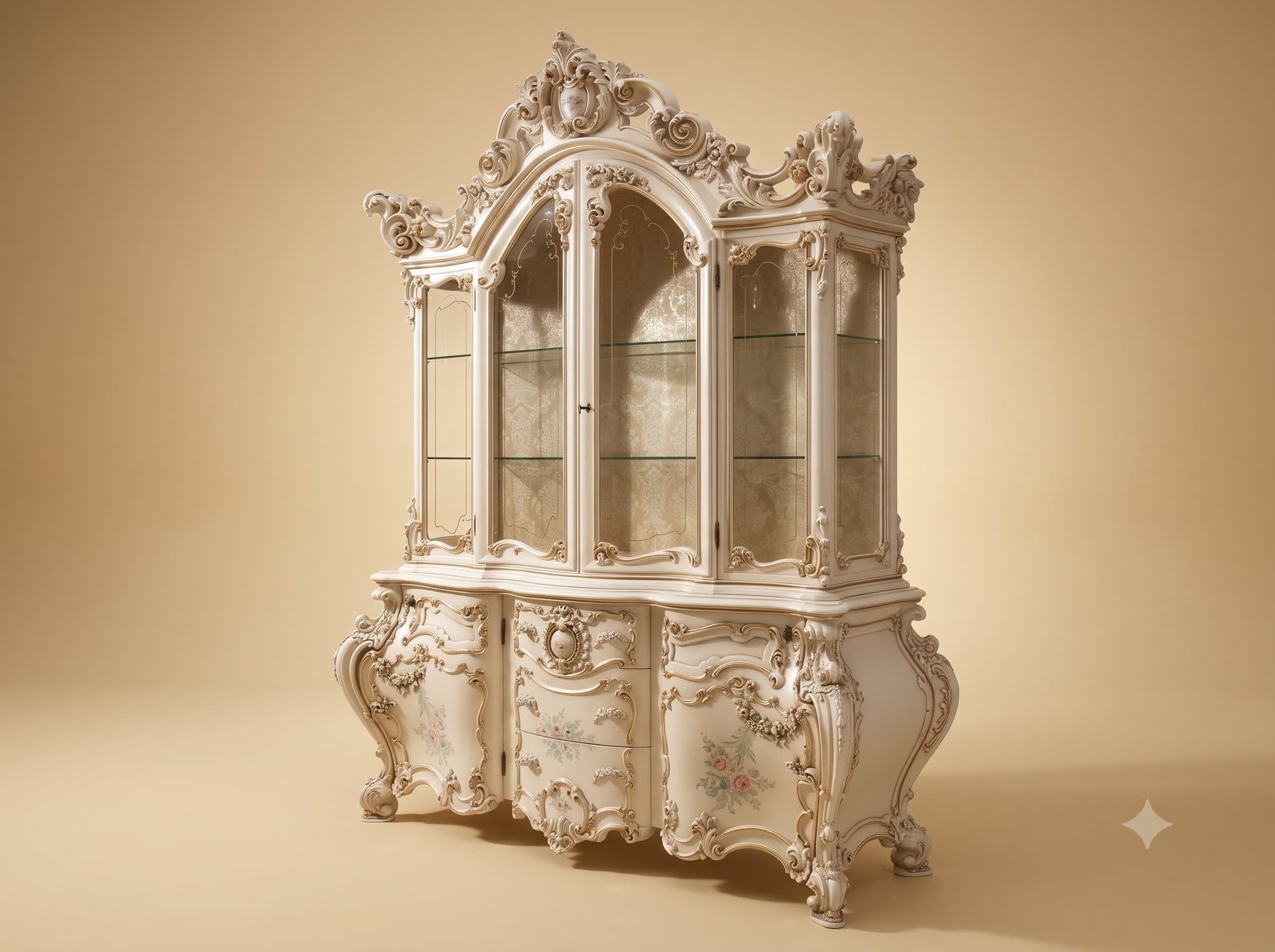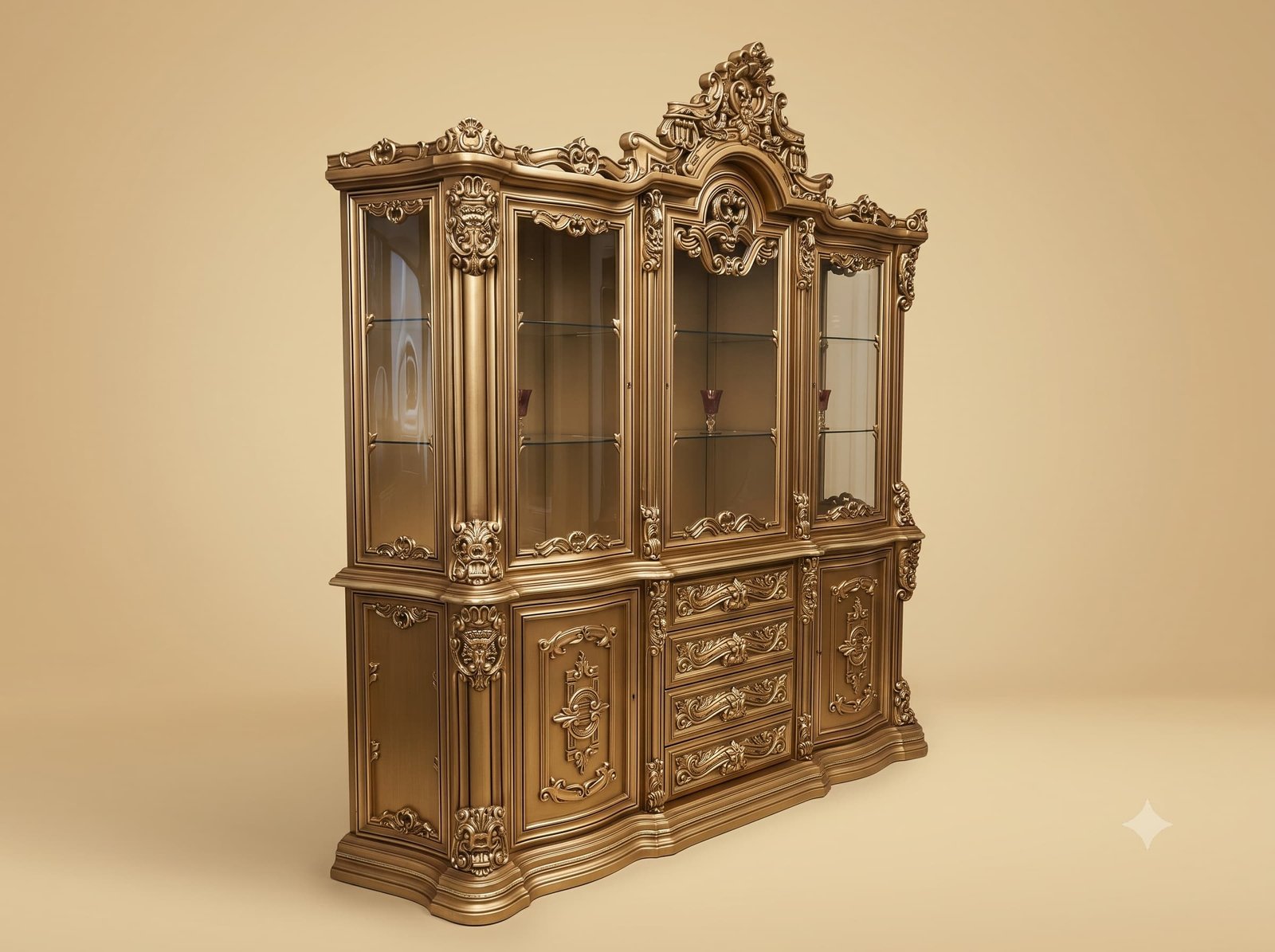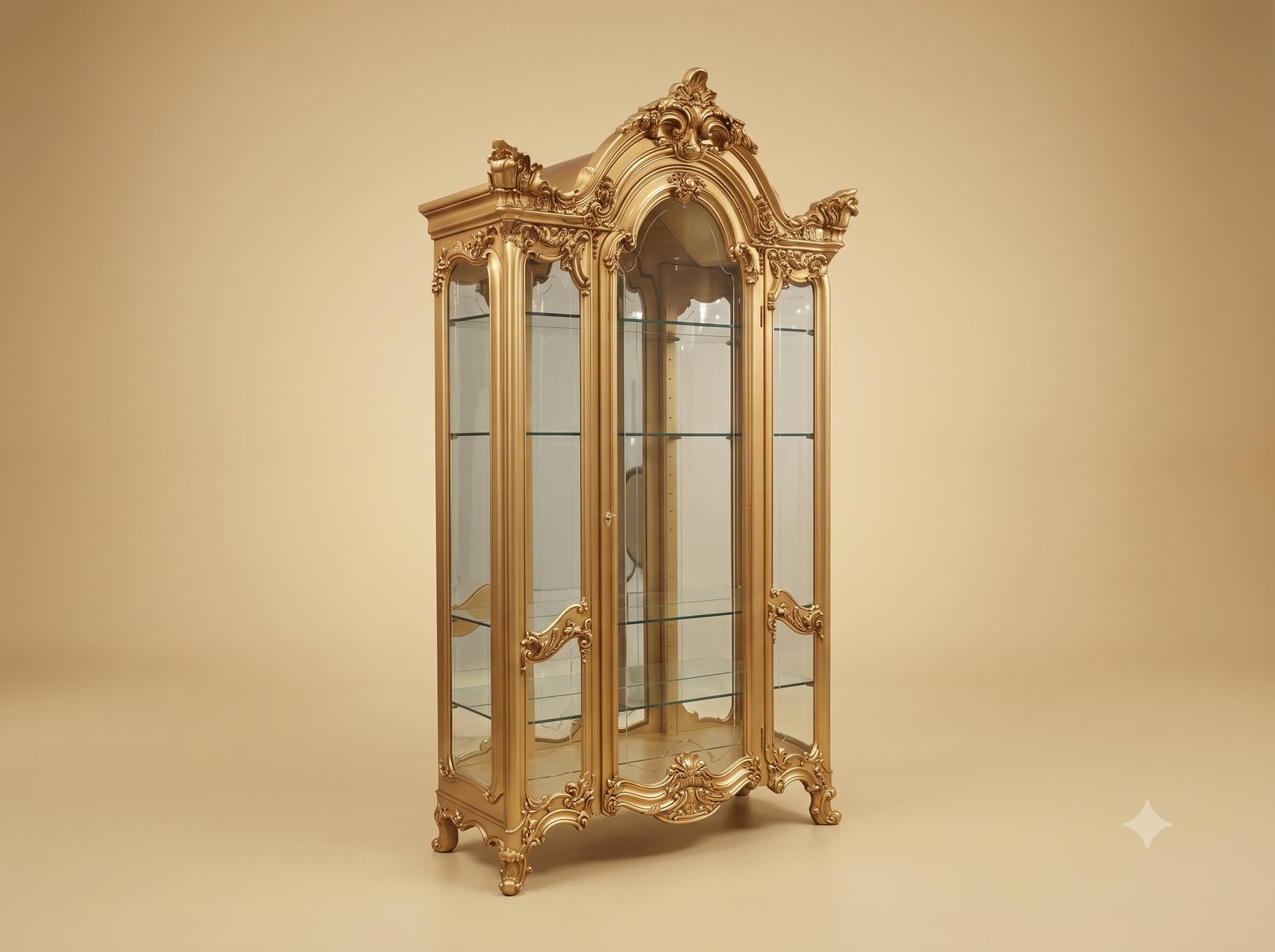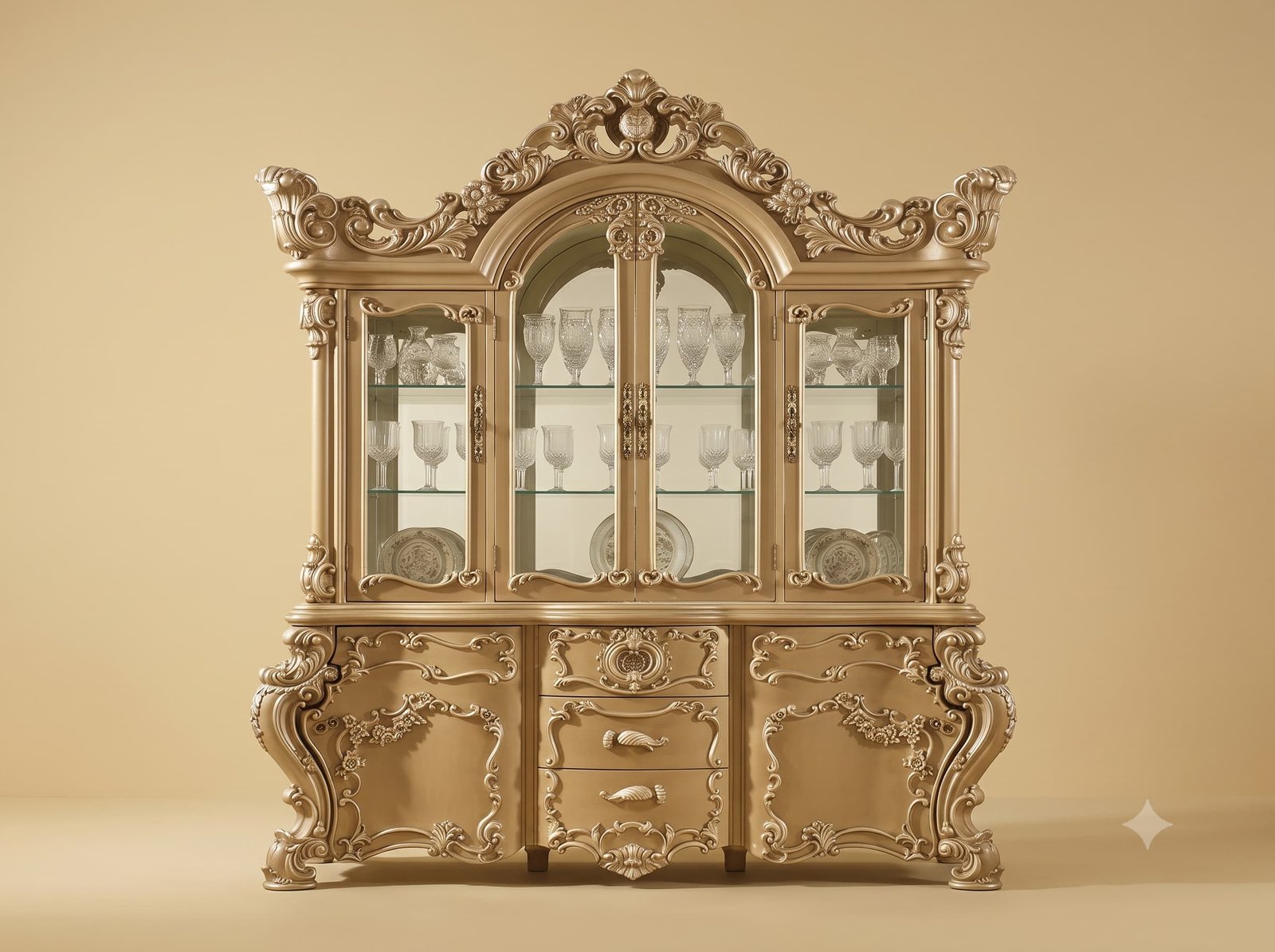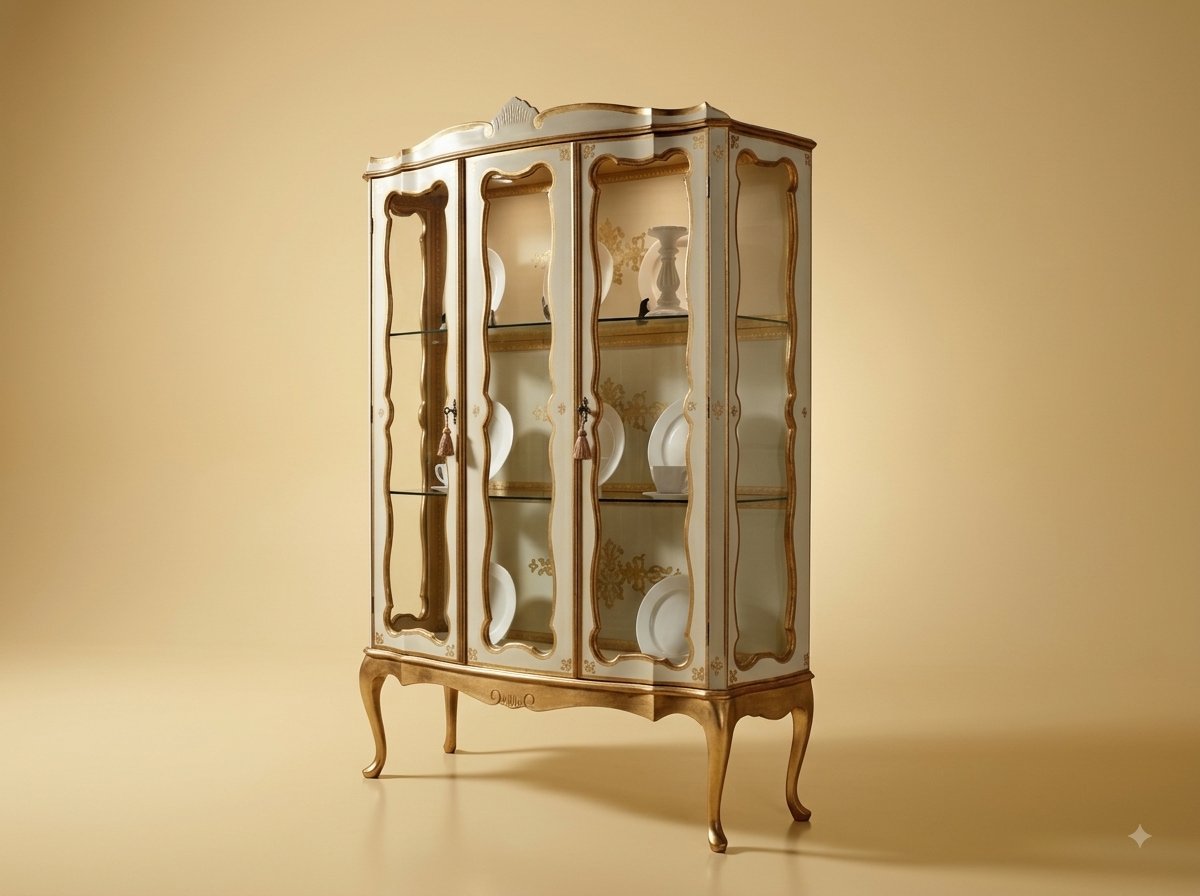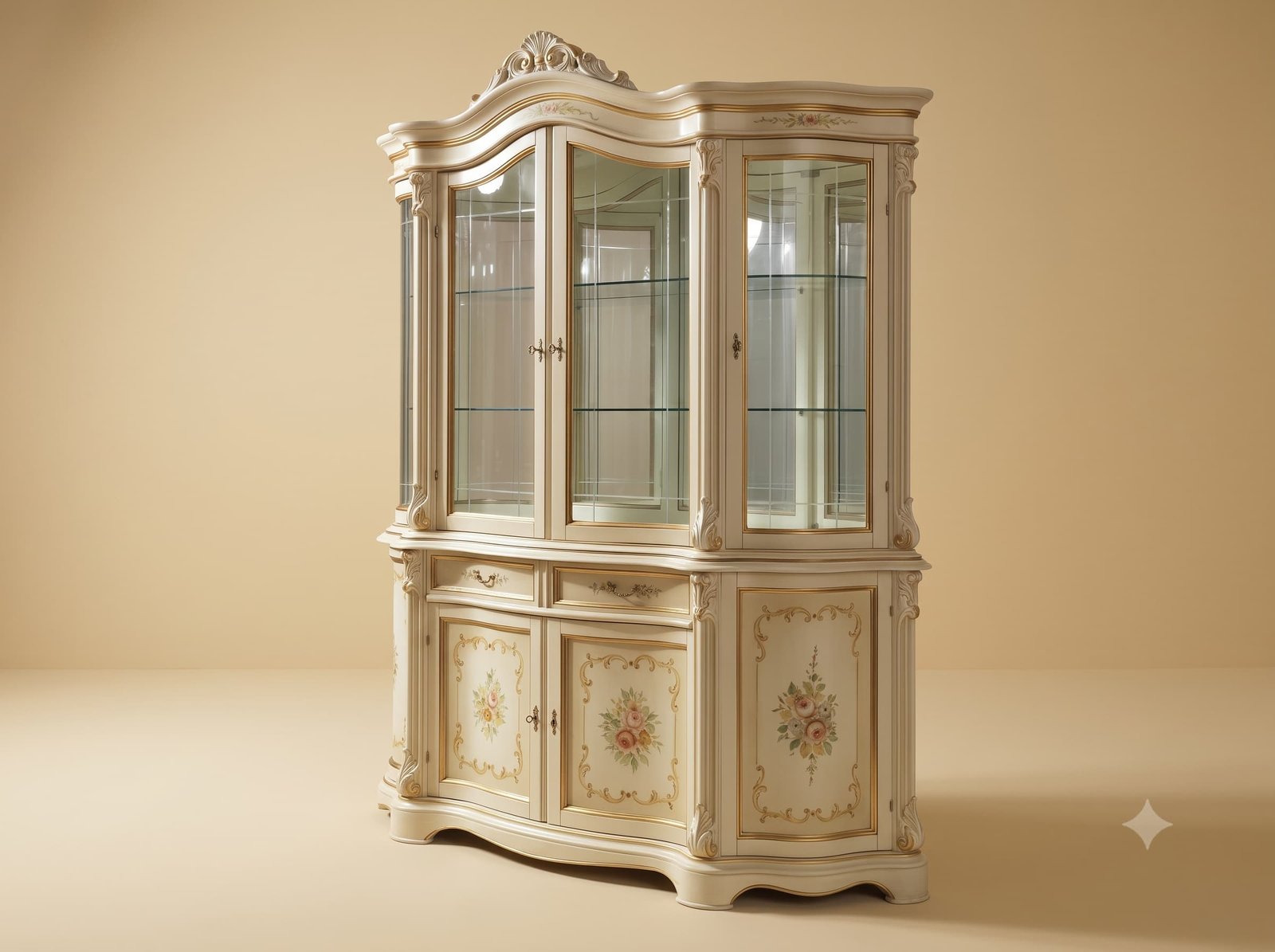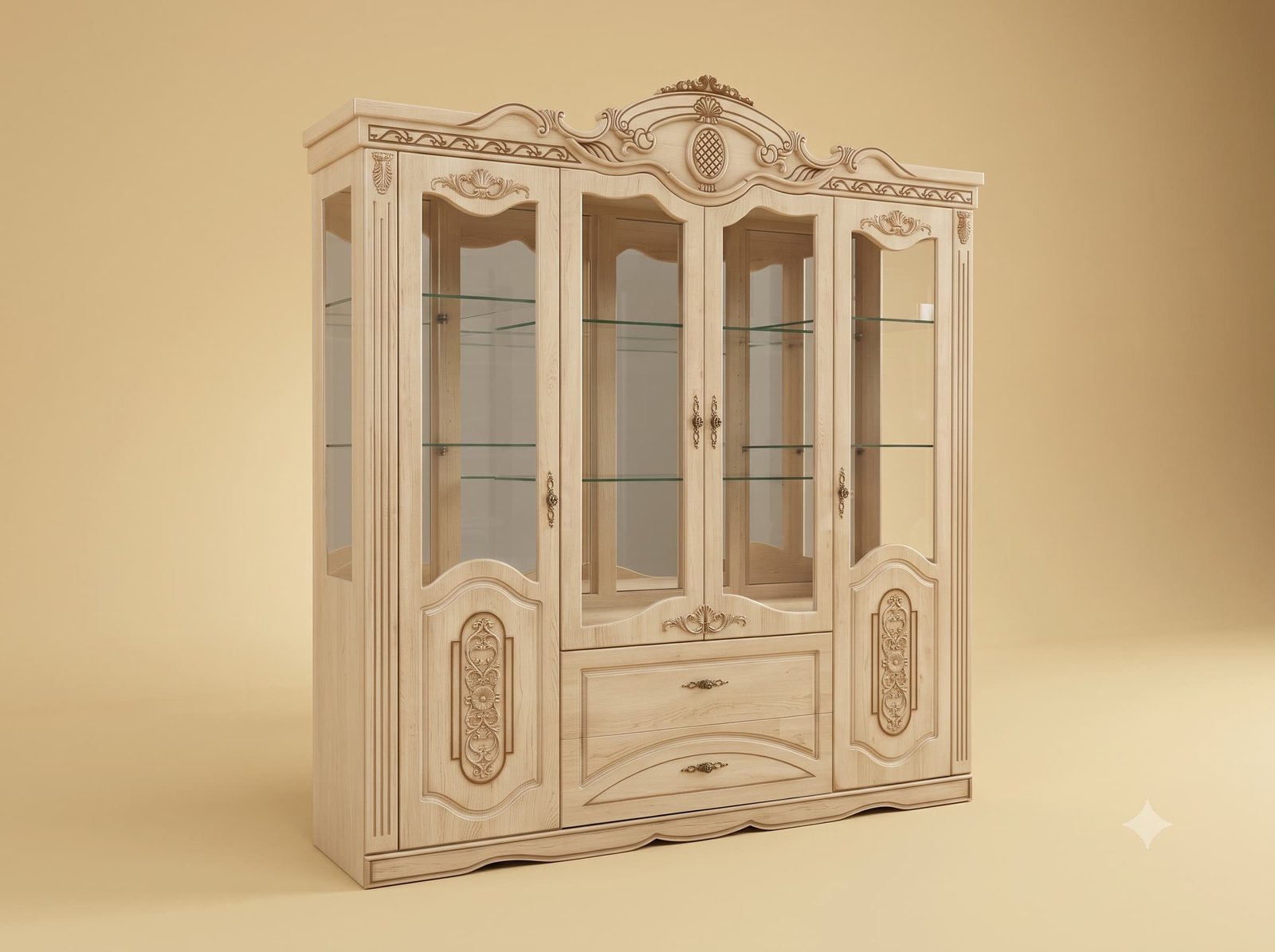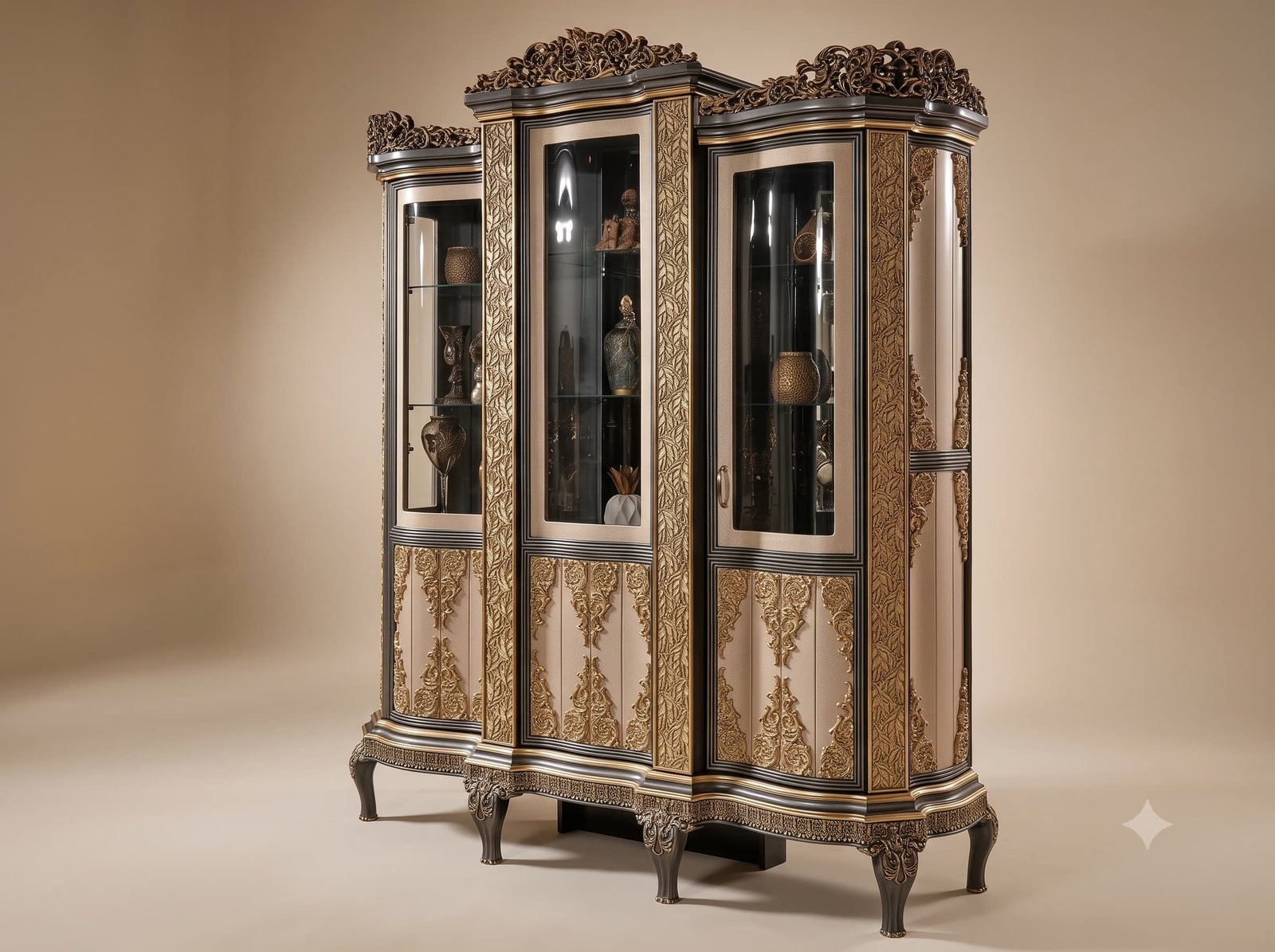
The legs on this cabinet are deliberately set in from the corners, and that single design decision changes how the base has to be built.
Put the legs directly under the corners and the cabinet is simple to engineer - every load runs straight down. It also looks heavier, because the eye reads the case as continuing all the way to the floor at its widest point.
Setting them inboard breaks that line. Light passes under the ends of the cabinet, the case appears to float, and a large cupboard reads as lighter than it is. But it means the corners of the case now overhang their supports, and the base frame has to carry that overhang rather than simply pass the load downwards.
So the base frame on this piece is made deeper in section than it would otherwise need to be, and the rails are jointed into the leg posts rather than sitting on them, so the frame works as a continuous beam across the whole width.
None of that is visible in the finished cabinet. What is visible is the shadow under the ends, which is the whole reason for doing it.
 Ask Price On WhatsApp