The story of the carver's hand
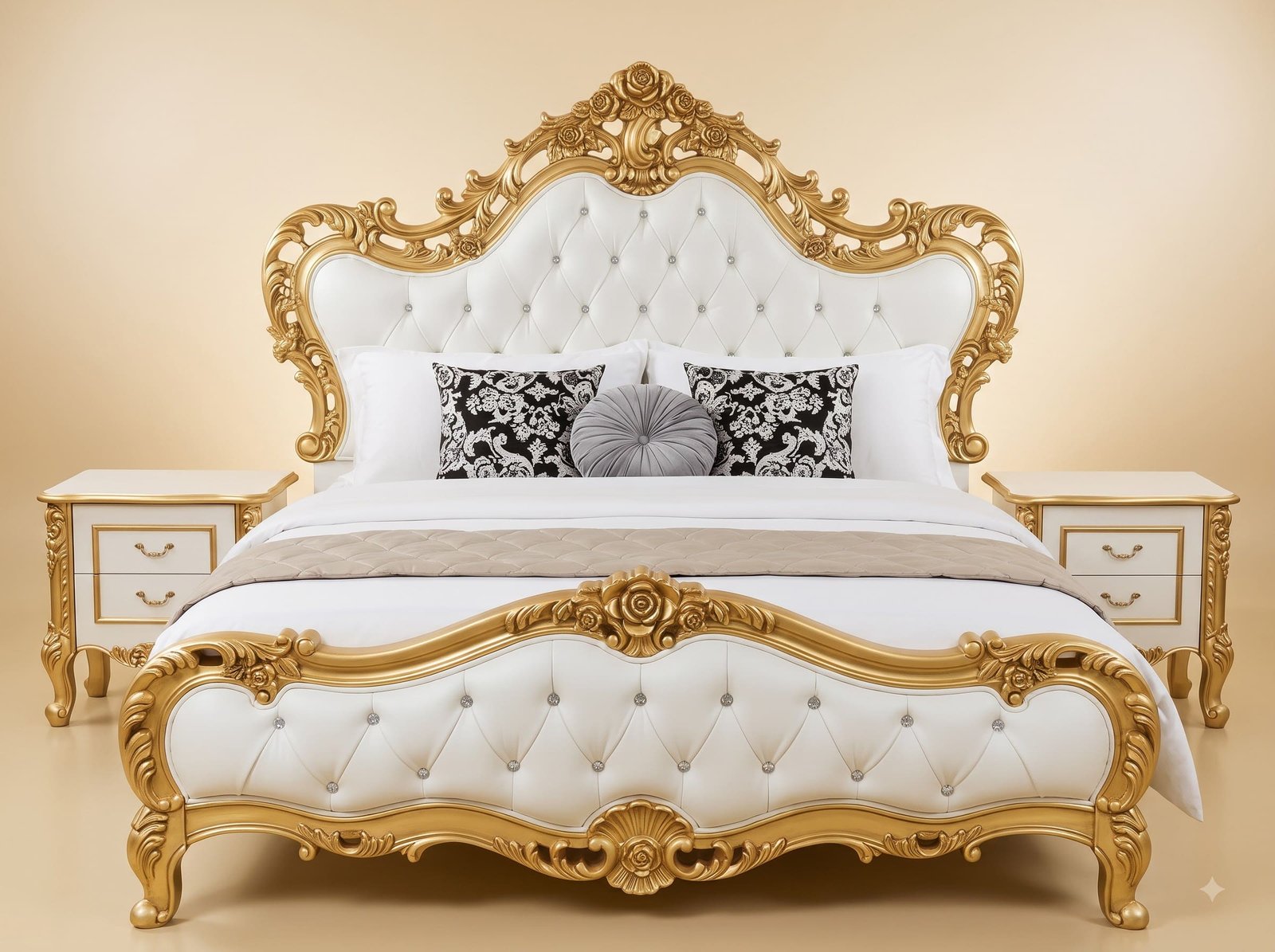
A furniture carver works with a set of gouges, each ground to a particular curve, and the craft is largely about knowing which one matches the line in front of you. A rose is not carved petal by petal from the outside in; it is roughed as a mass, then the outer petals are released, then the inner ones, and the carver works down into the flower without ever being able to put material back. There is no undo.
India's carving tradition runs continuously from temple and haveli work into furniture, and the same families that cut architectural brackets and door surrounds moved into carved seating and beds as households changed. The vocabulary shifted from stone and dense local hardwoods to teak, but the tool grip and the sequence of cuts did not.
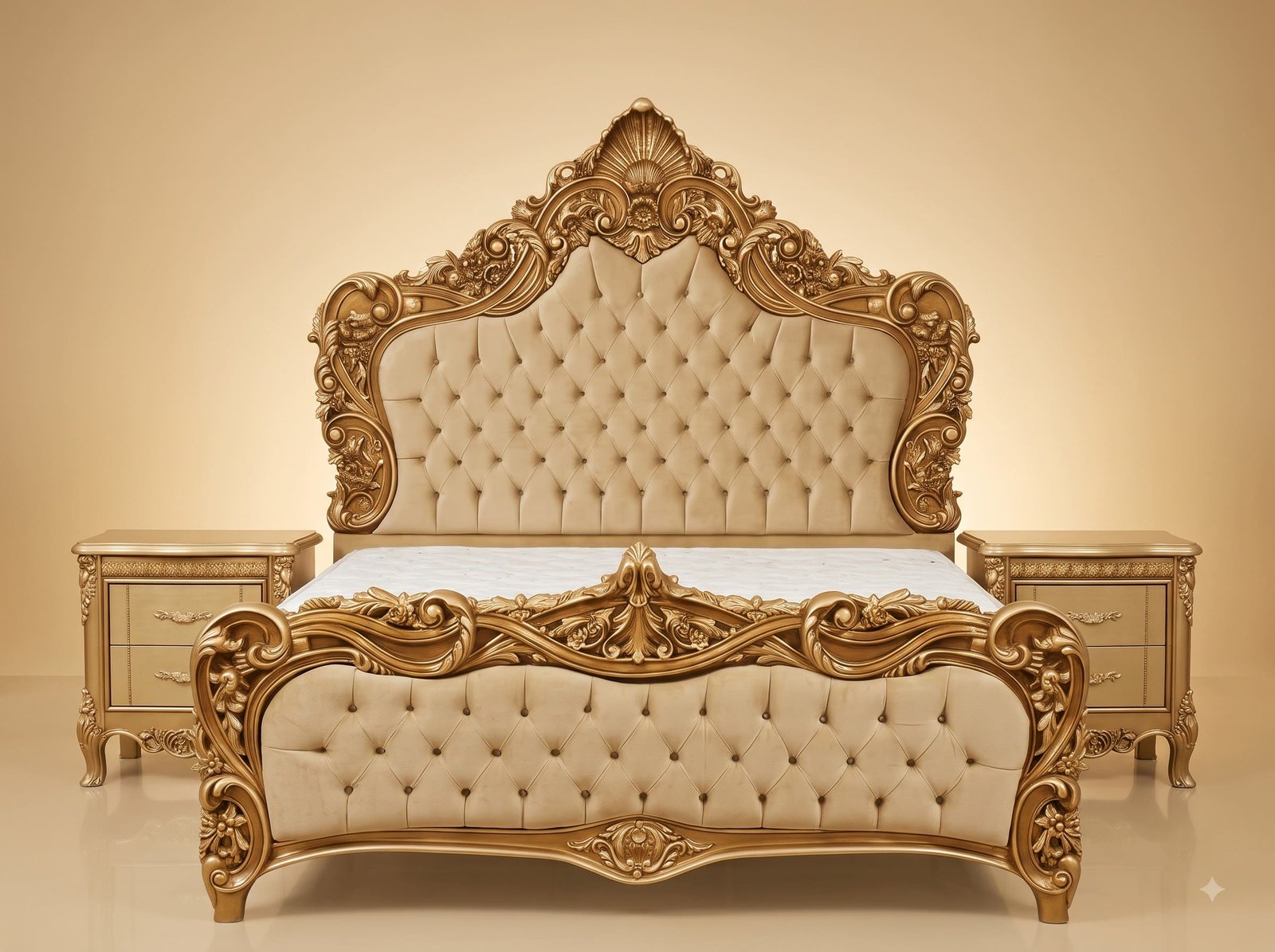
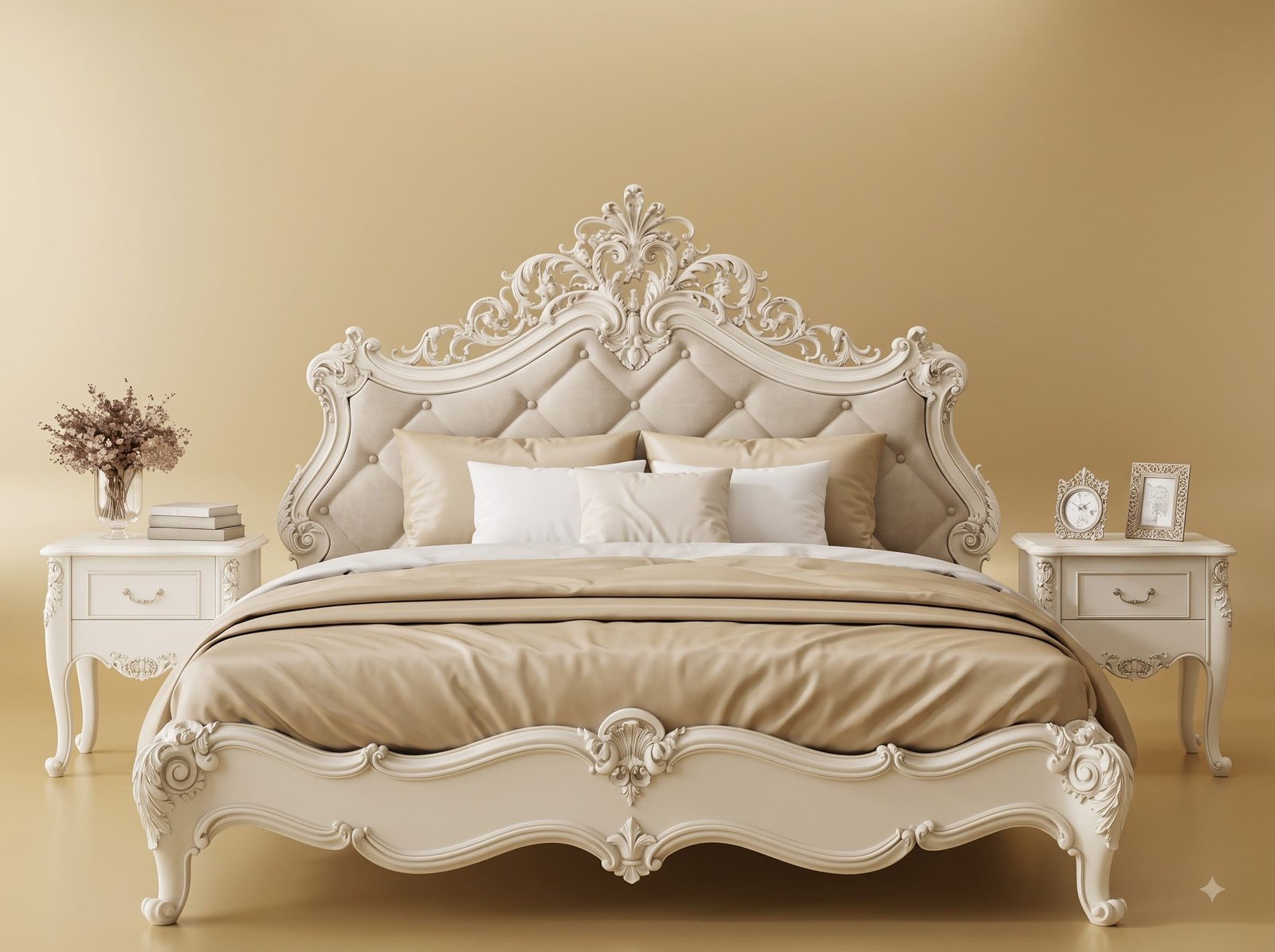
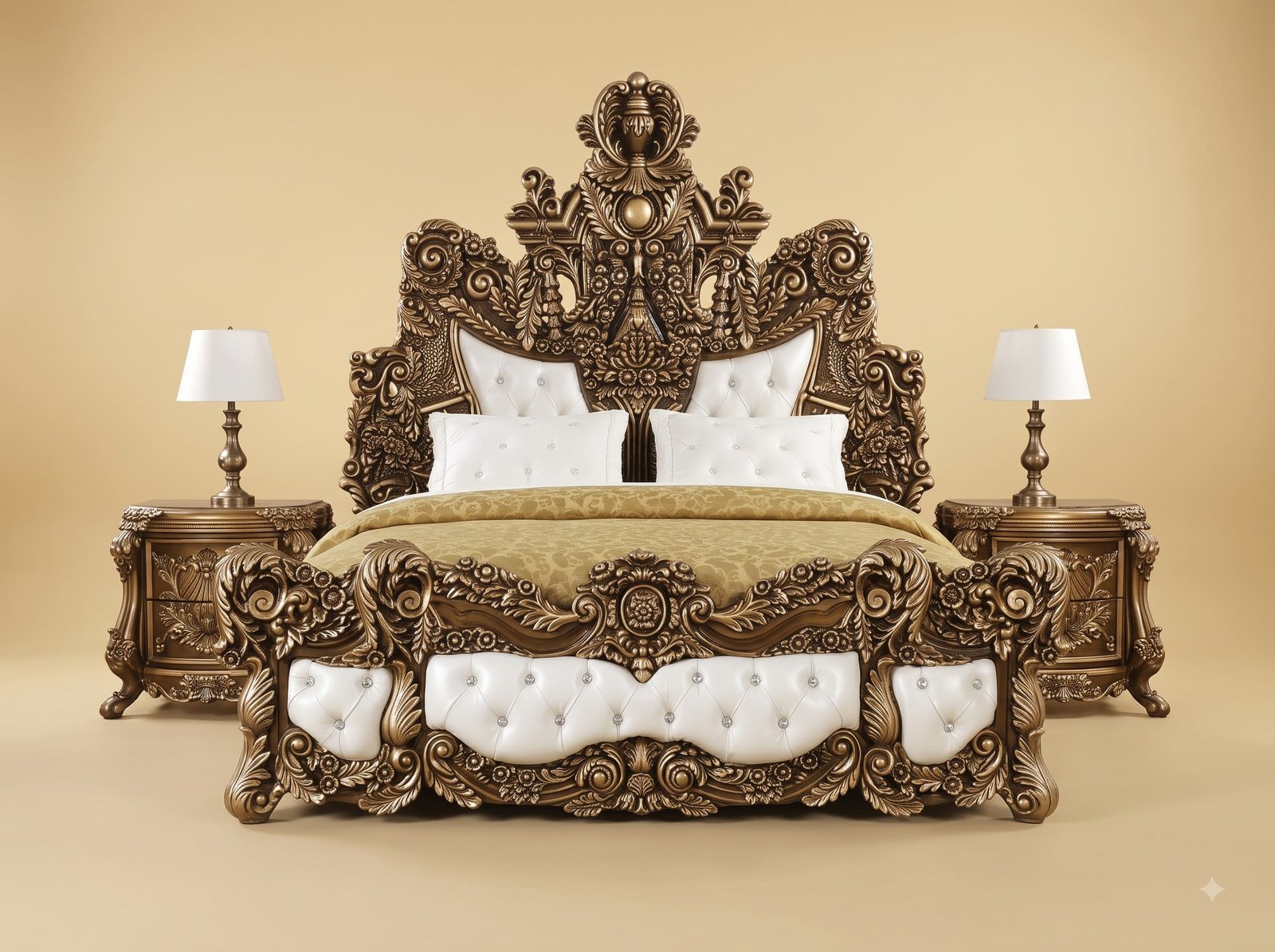
Machine routing can now produce a passable relief pattern in minutes, and moulded resin can imitate one for a fraction of the cost. Neither can do what a hand carver does with an undercut, where the chisel goes in behind the form so the element stands free of its background. That undercut is the shadow line your eye reads as depth, and it is the single most reliable thing to look for.
 Ask Price On WhatsApp