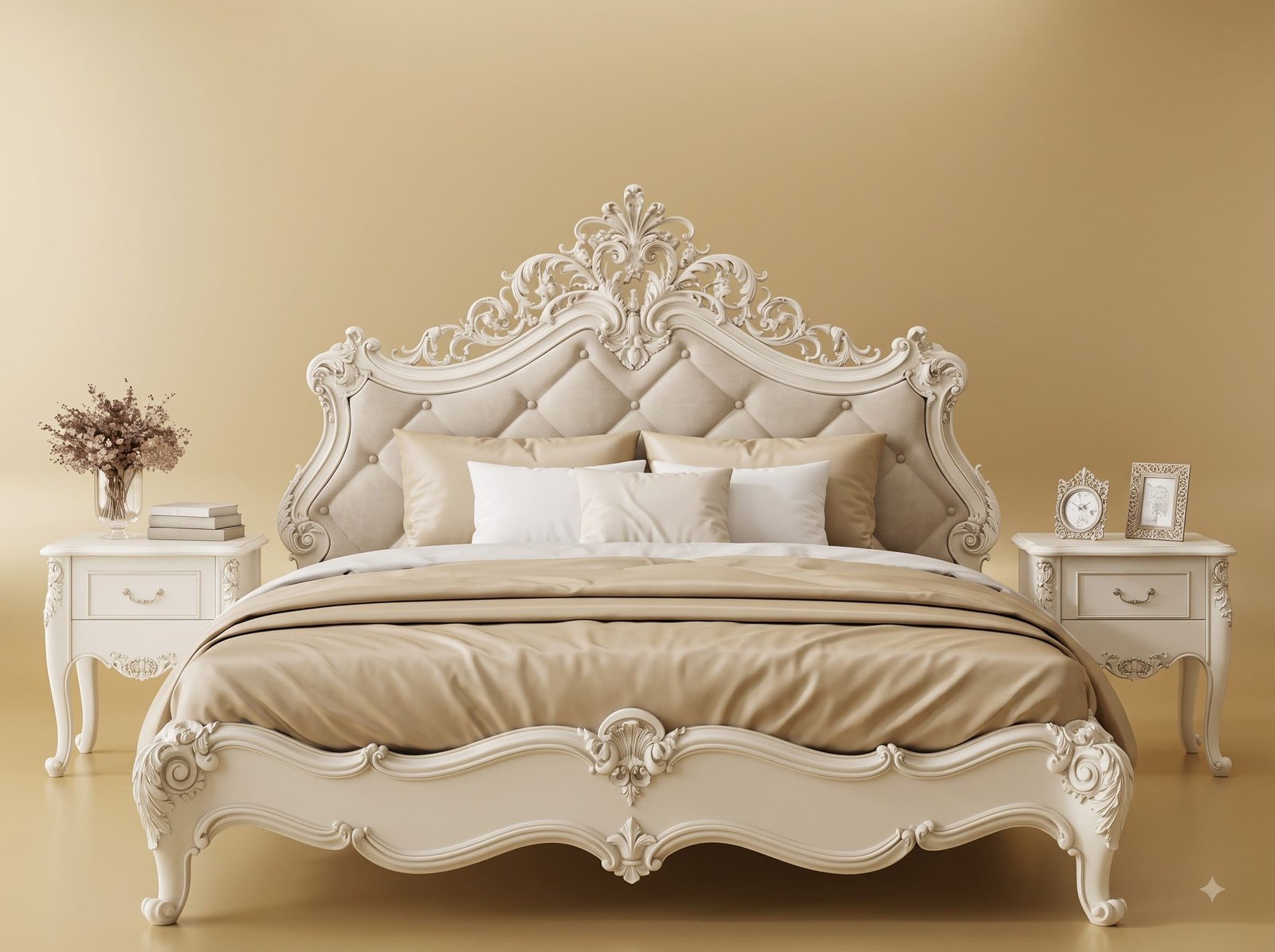
The story of furniture that outlives its owners
The reason antique furniture exists is not that old furniture was magically better. It is survivor bias with a mechanism behind it: pieces built from solid timber with mechanical joints could be repaired, so people repaired them, and the ones that were repaired are the ones still standing. Pieces built from boards and glue could not be repaired economically, so they were discarded.
Traditional workshops built with this assumption in the design itself. Joints were cut so they could be knocked apart and re-wedged. Finishes were chosen because they could be revived rather than needing to be stripped. Upholstery was fixed with tacks precisely so a later generation could pull them out and start again.
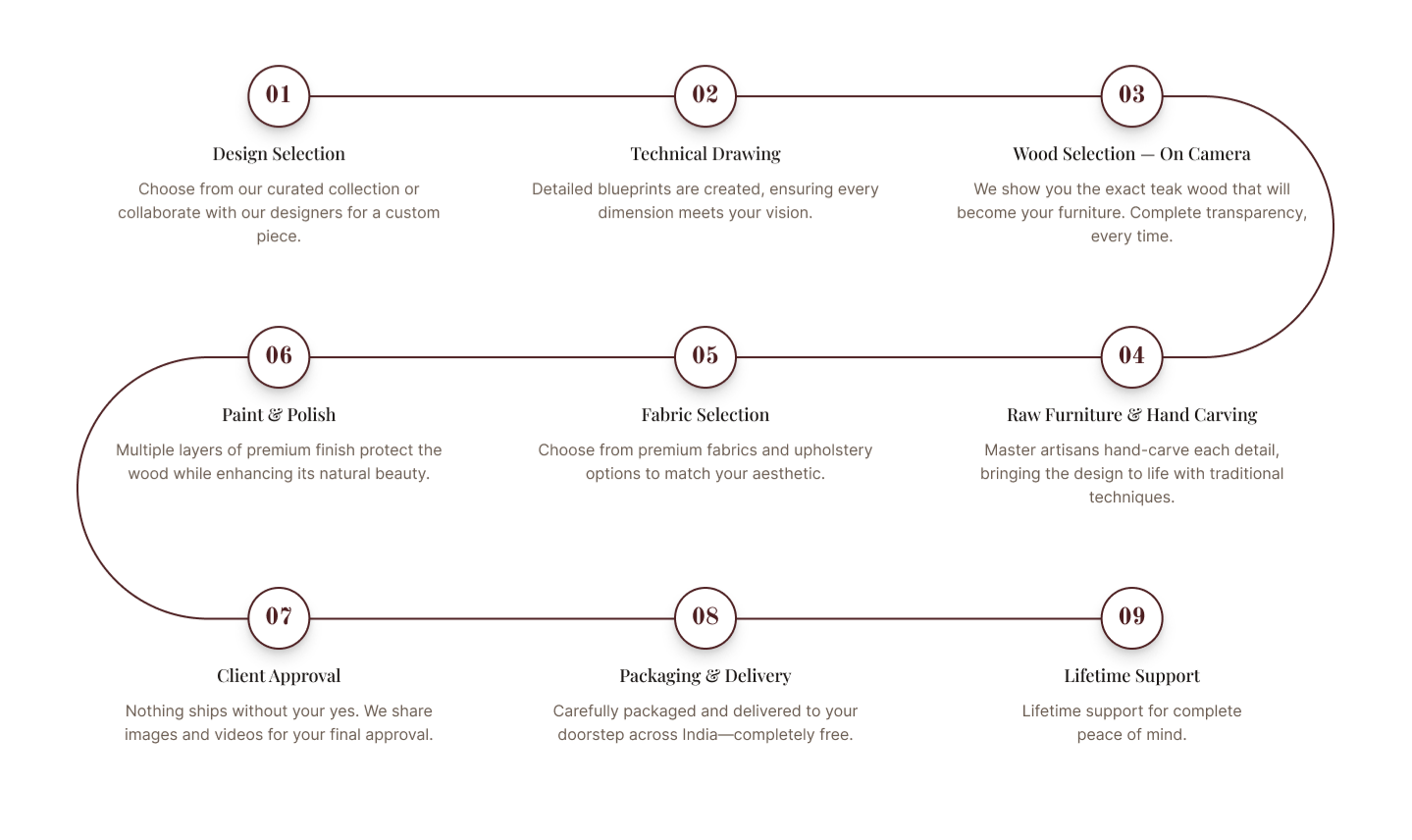
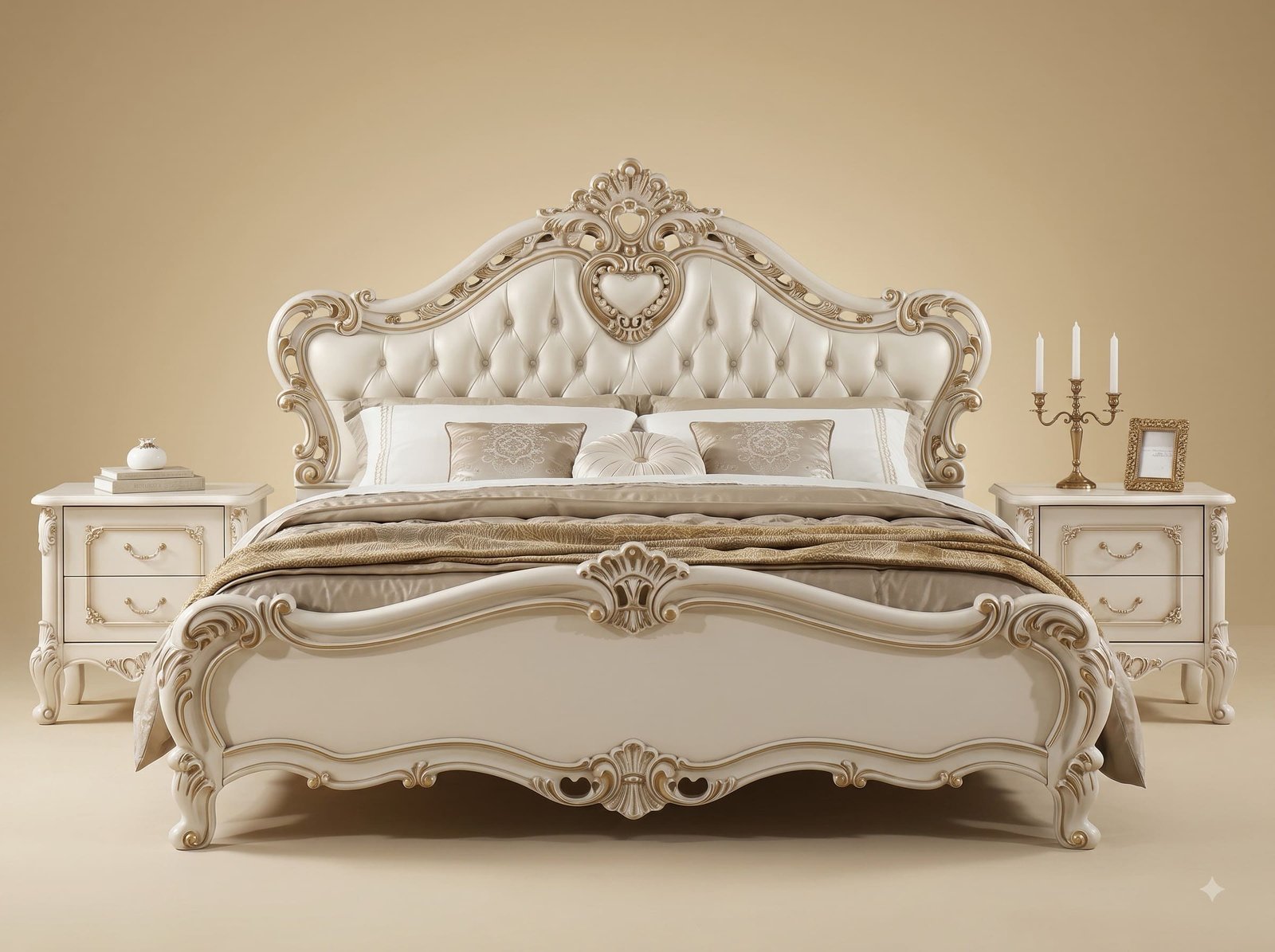
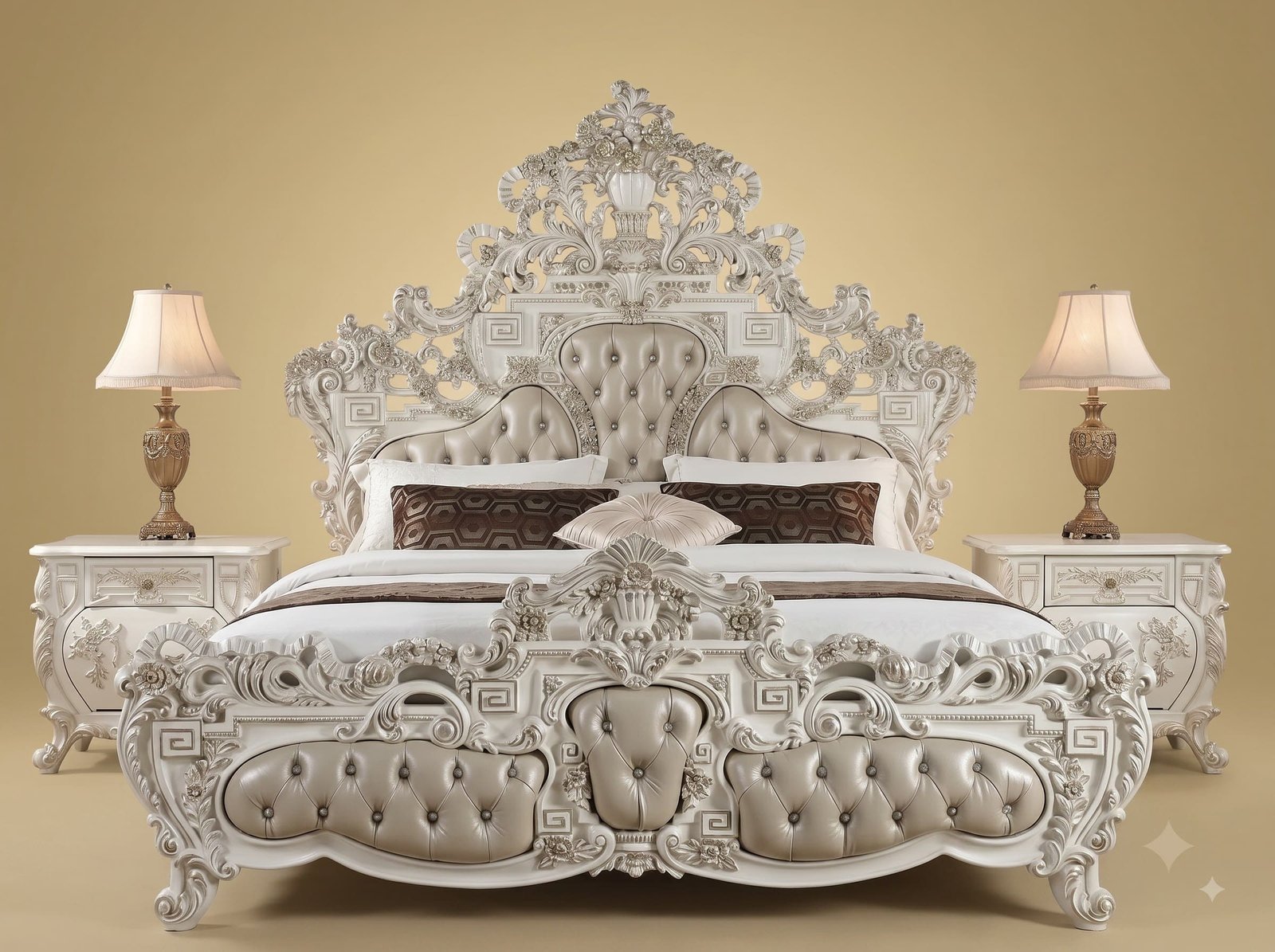
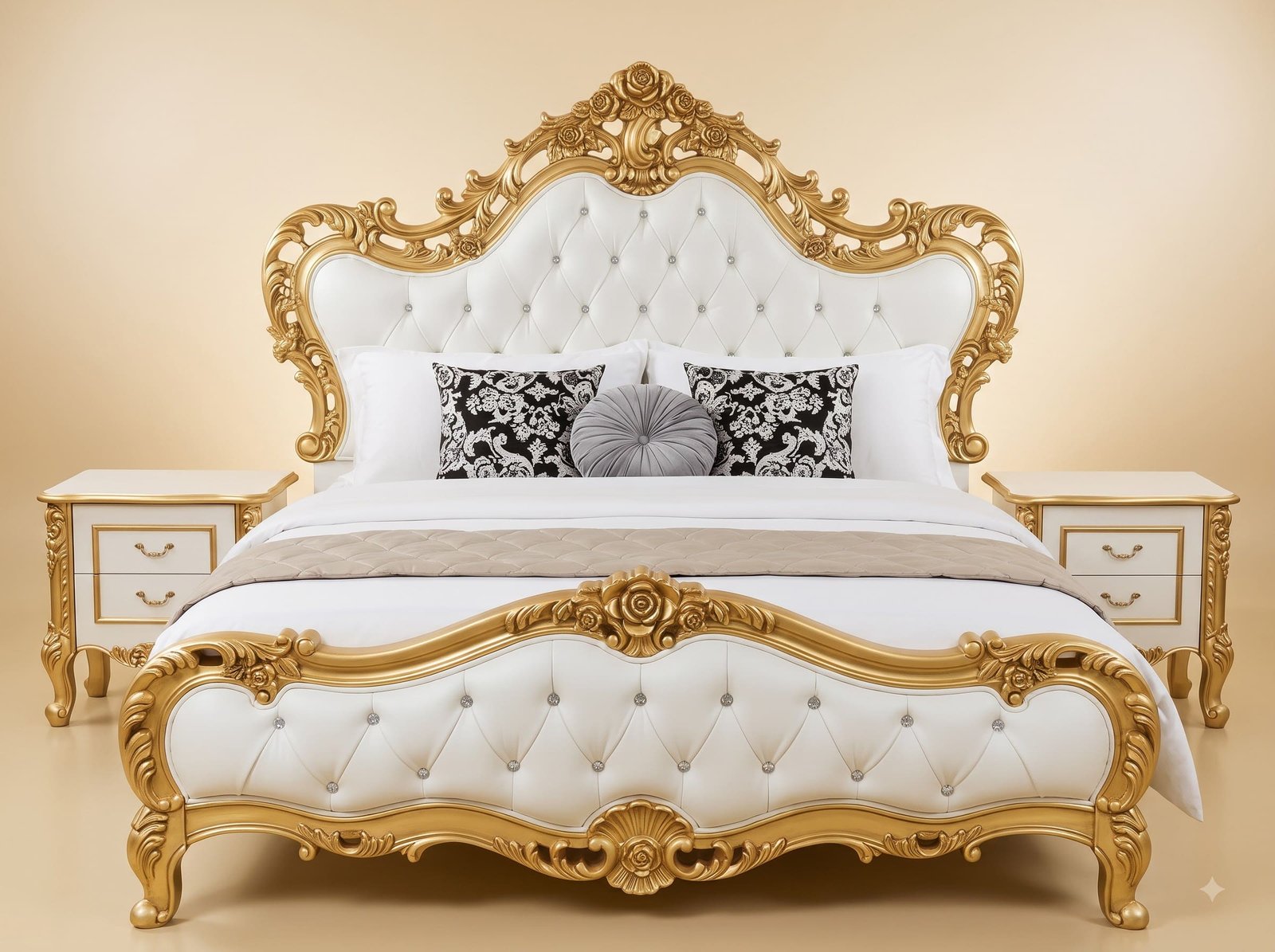
Our artisans still build to that logic. Mortise and tenon joinery, bolted rail fixings that can be retightened, a hand-applied finish that can be blended and repaired in place, and upholstered panels that lift out for re-covering without touching the carved frame. None of this shows in a photograph. All of it decides whether a bed bought today is a family piece in 2060 or a disposal problem in 2035.
 Ask Price On WhatsApp