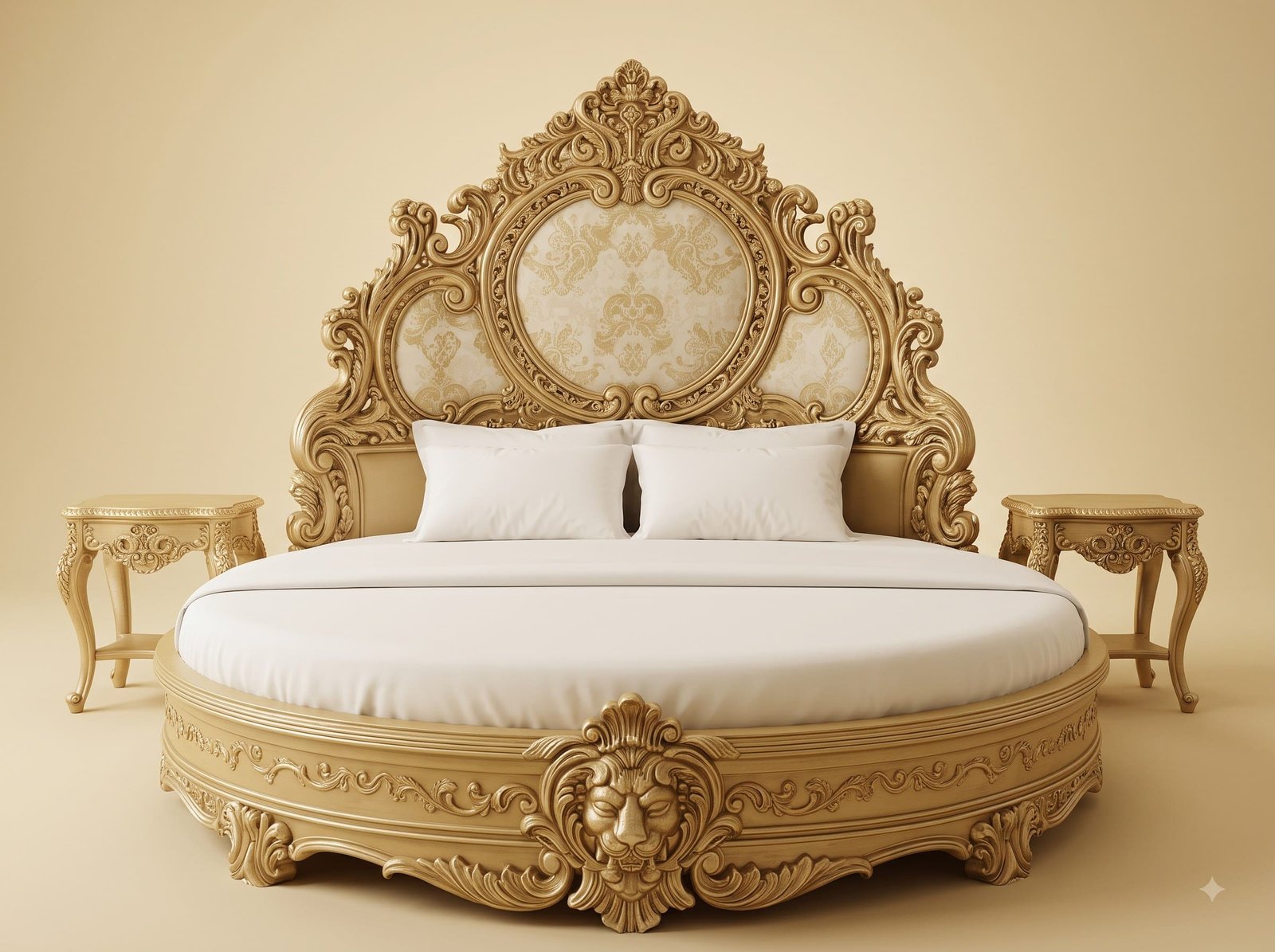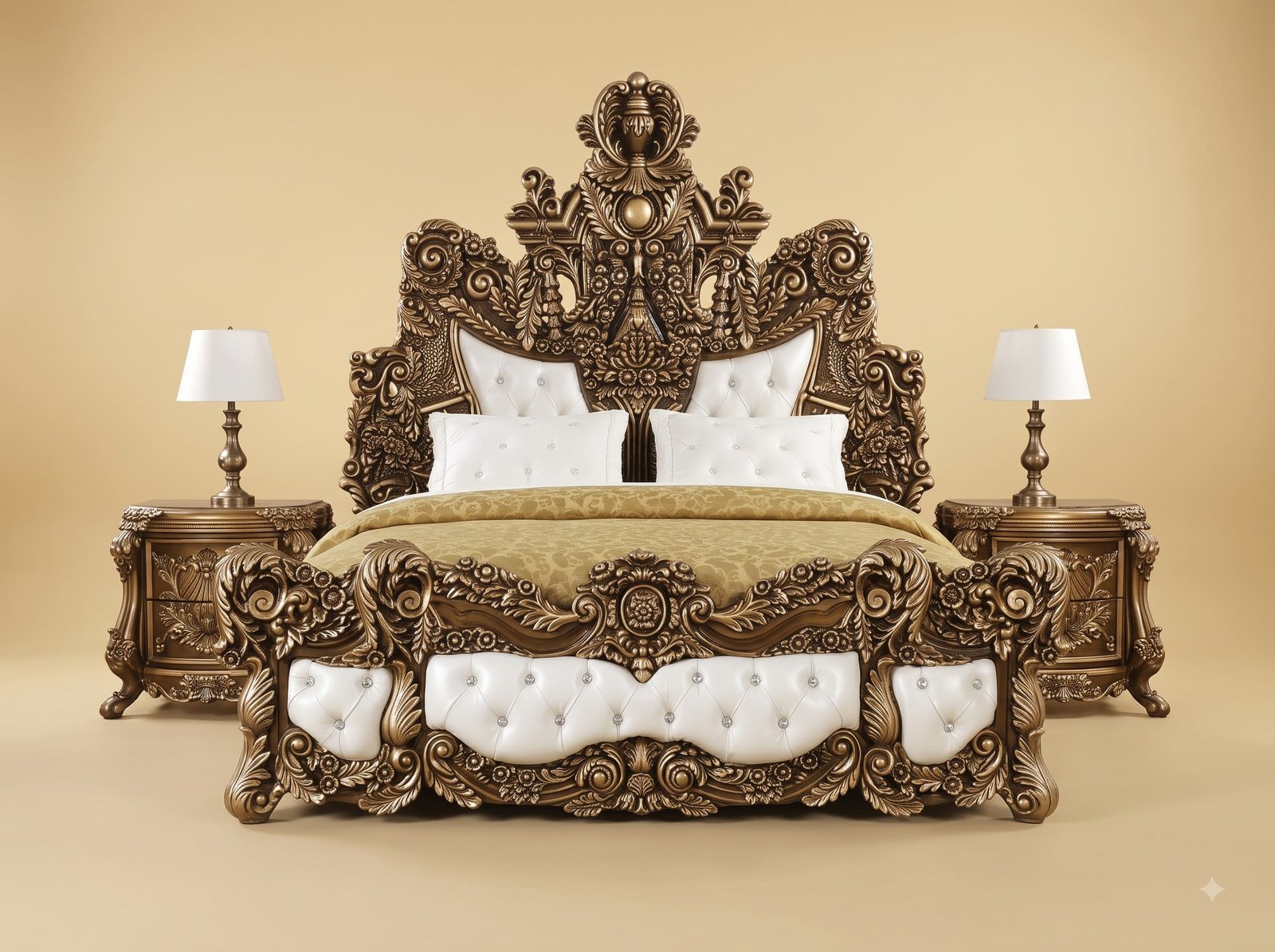
The story behind the tufted panel
Button tufting began as a practical solution long before it was decorative. Before modern foam existed, upholstery was stuffed with horsehair and cotton that migrated to the bottom of the panel within months. Craftsmen solved it by stitching through the stuffing at regular intervals and capping each stitch with a button, which locked the filling in place permanently. The diamond pattern that resulted was a by-product of the grid, not the goal.
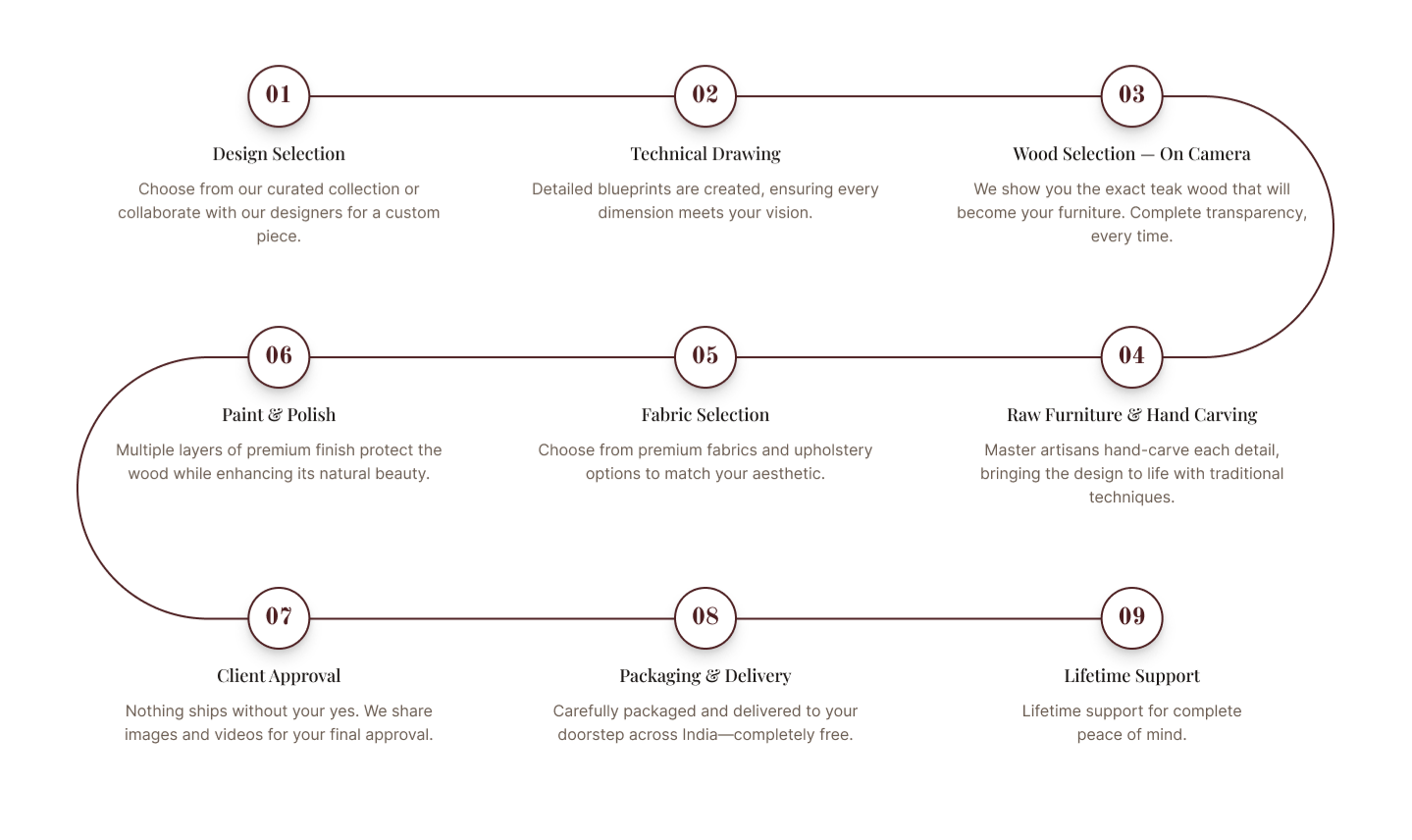
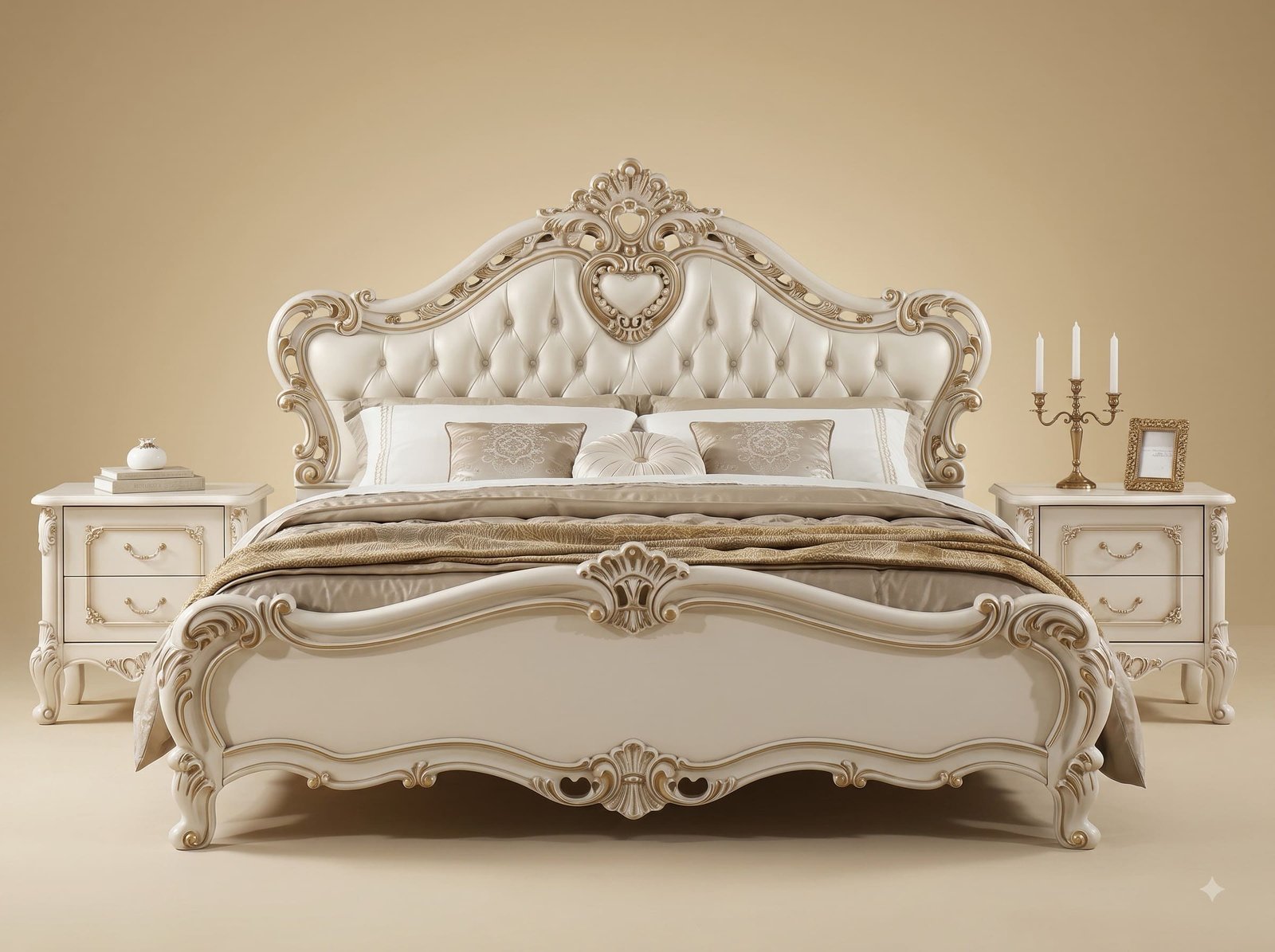
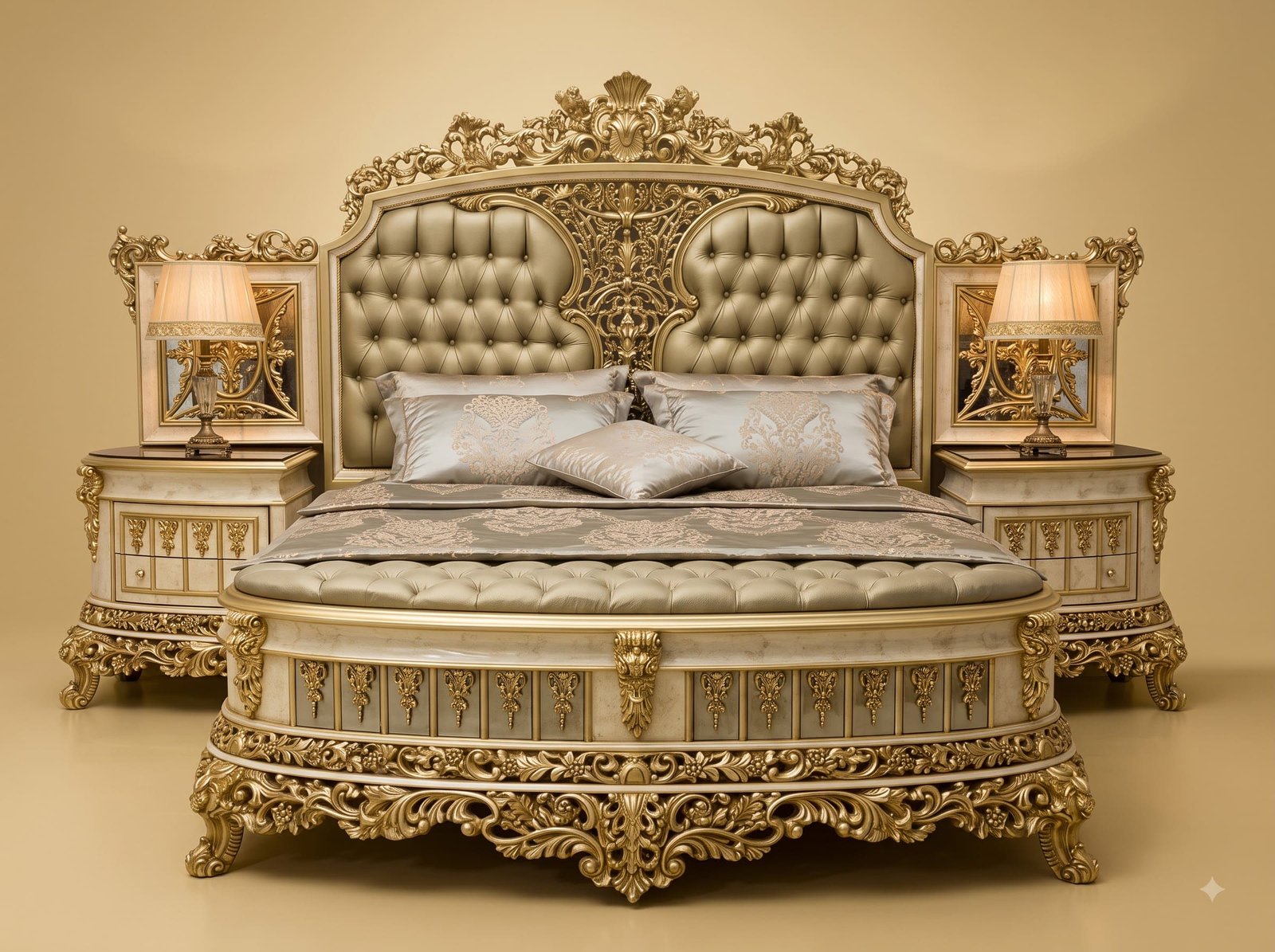
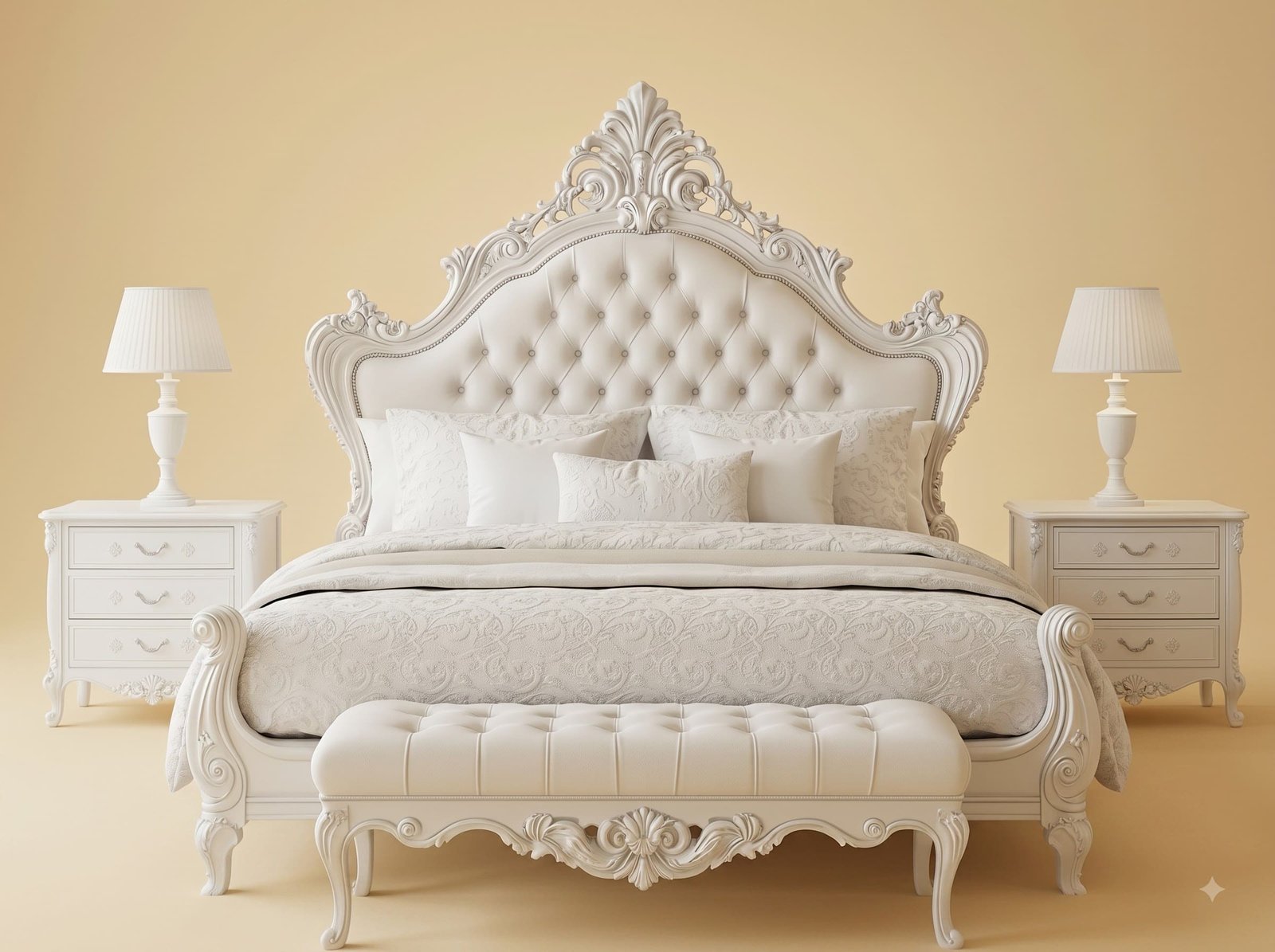
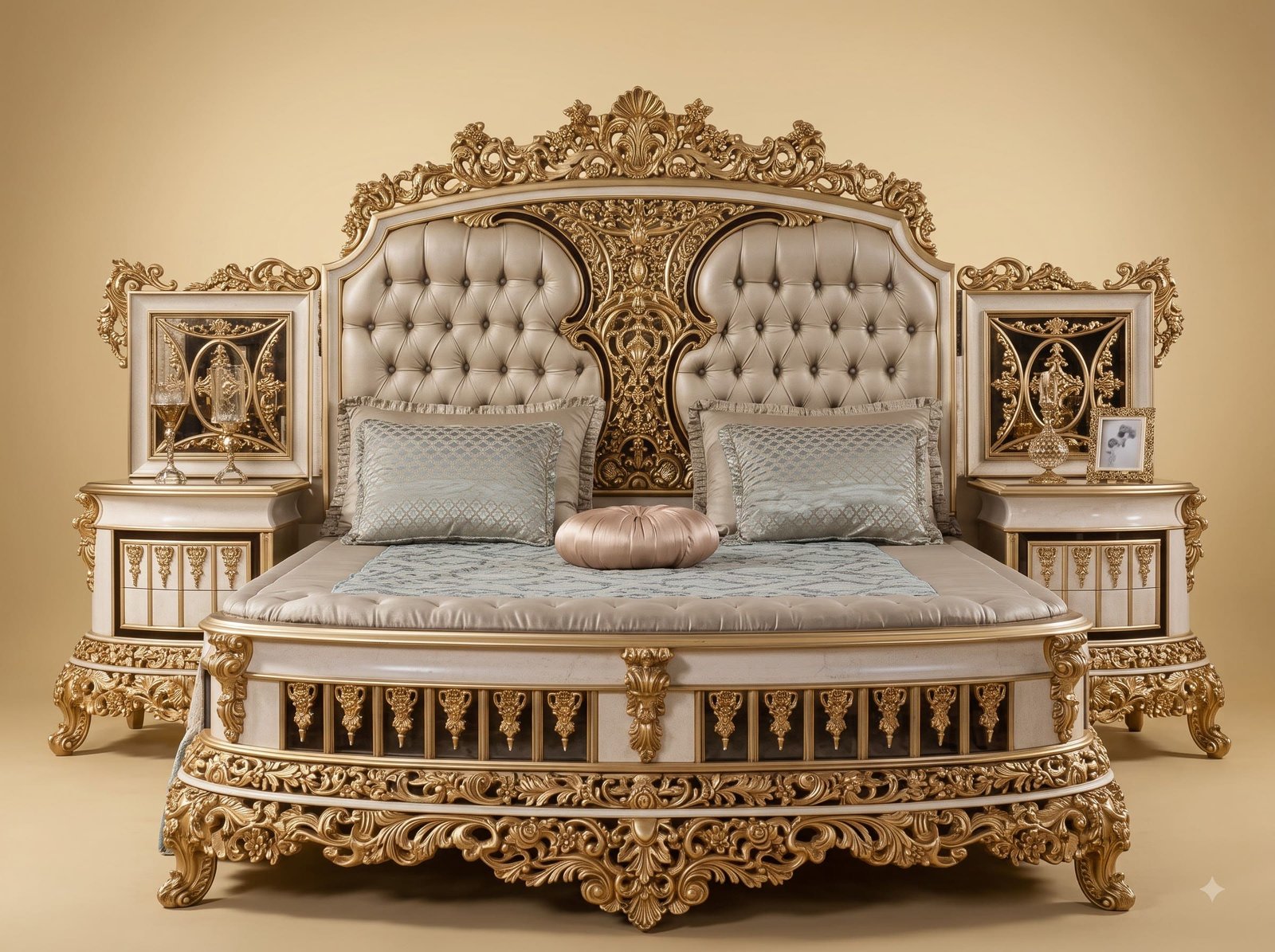
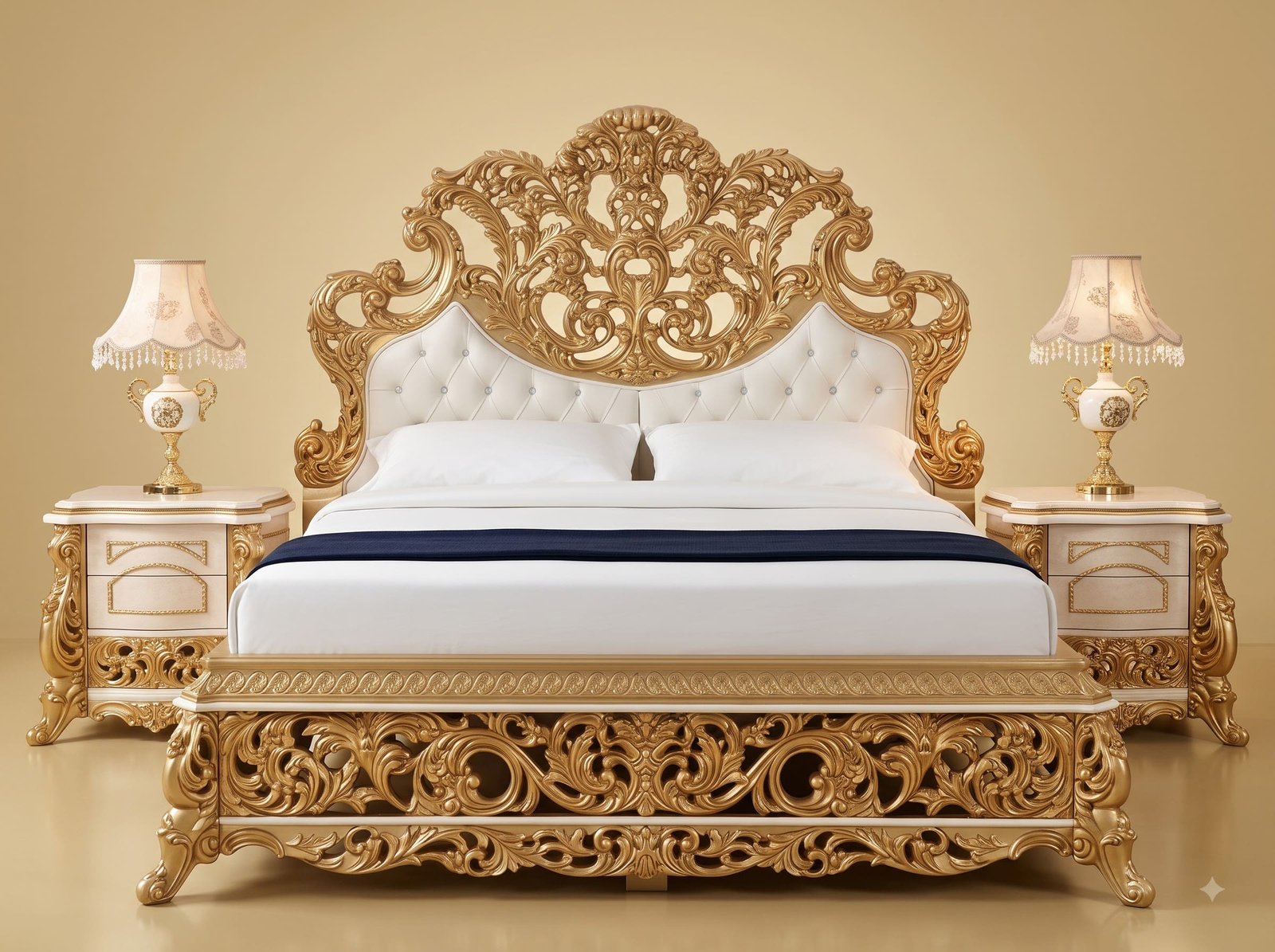
Indian workshops absorbed the technique through the durbar halls and princely bedrooms of the nineteenth century, where imported upholstery met local carving traditions. What emerged was a hybrid our artisans still build today: a carved teak frame doing the structural and decorative work, with a tufted panel inset where the body actually touches the furniture.
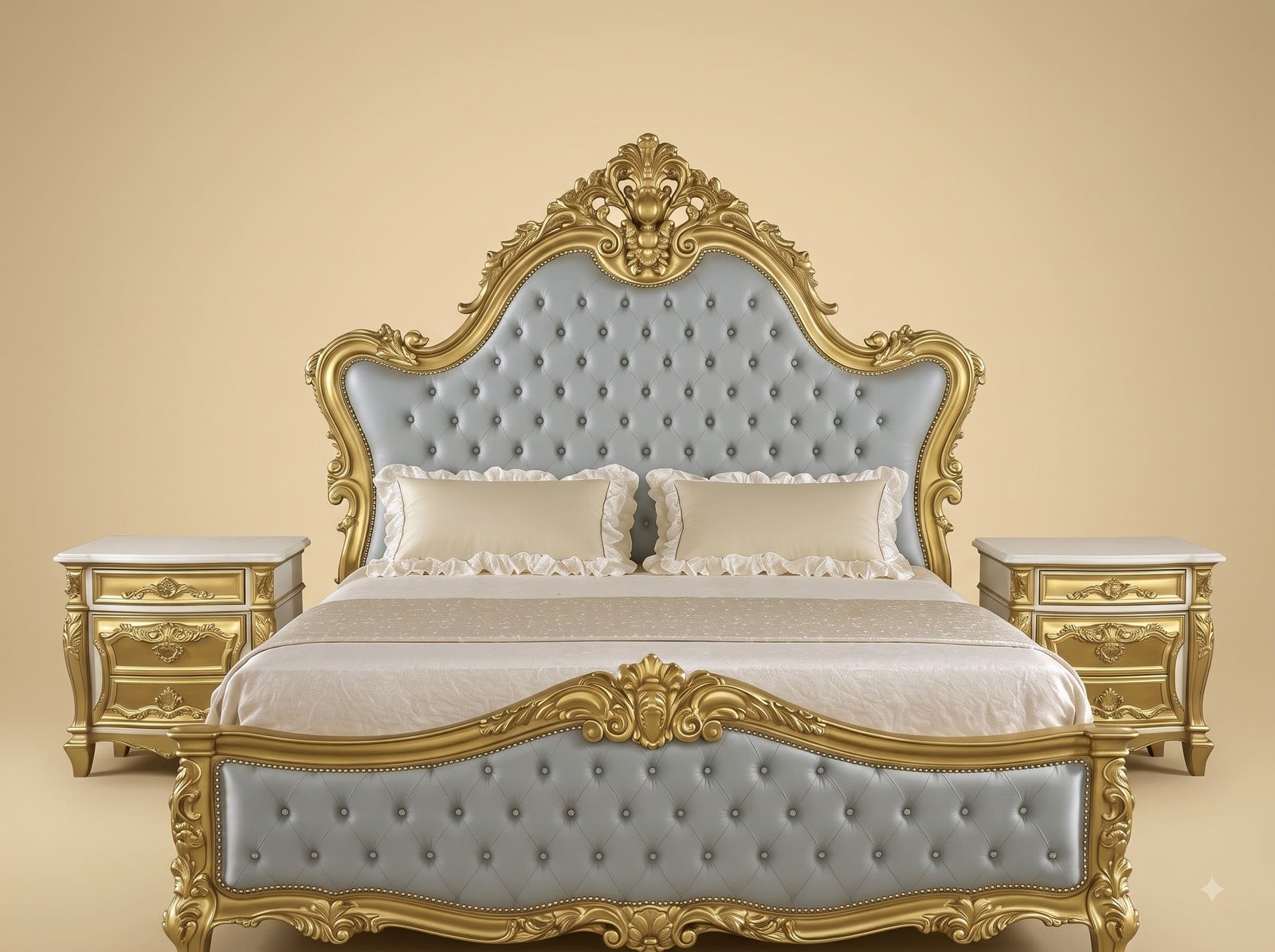
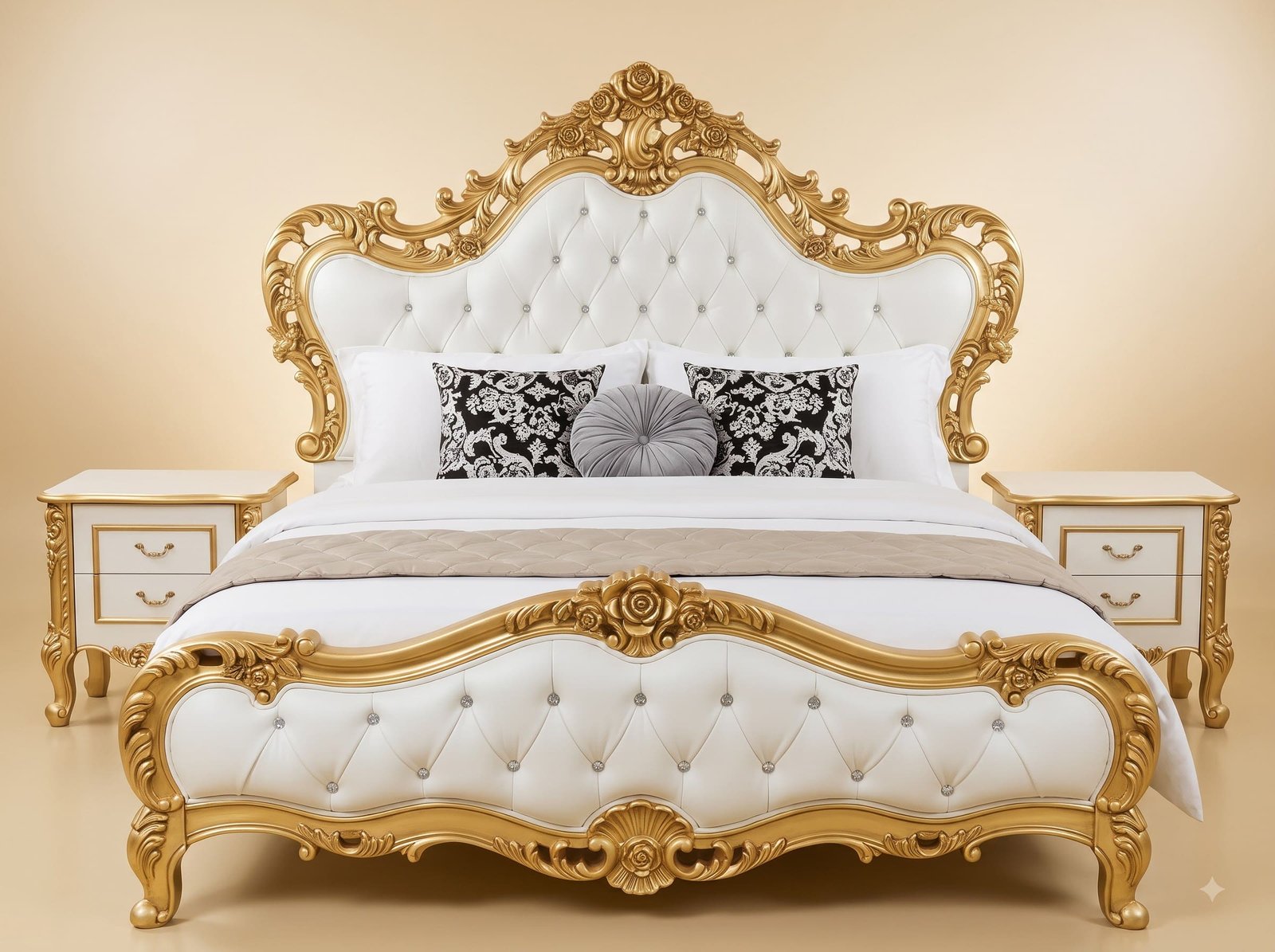
On this bed each button is set by hand while the panel is stretched, and the tension is checked across the grid so no single diamond pulls deeper than its neighbours. It is slow, and it is why a hand-tufted panel reads as crisp while a machine-pressed one looks soft and vague. Handcrafted Indian luxury of this kind is measured in hours of labour, not in features.
 Ask Price On WhatsApp