The story of velvet on royal beds
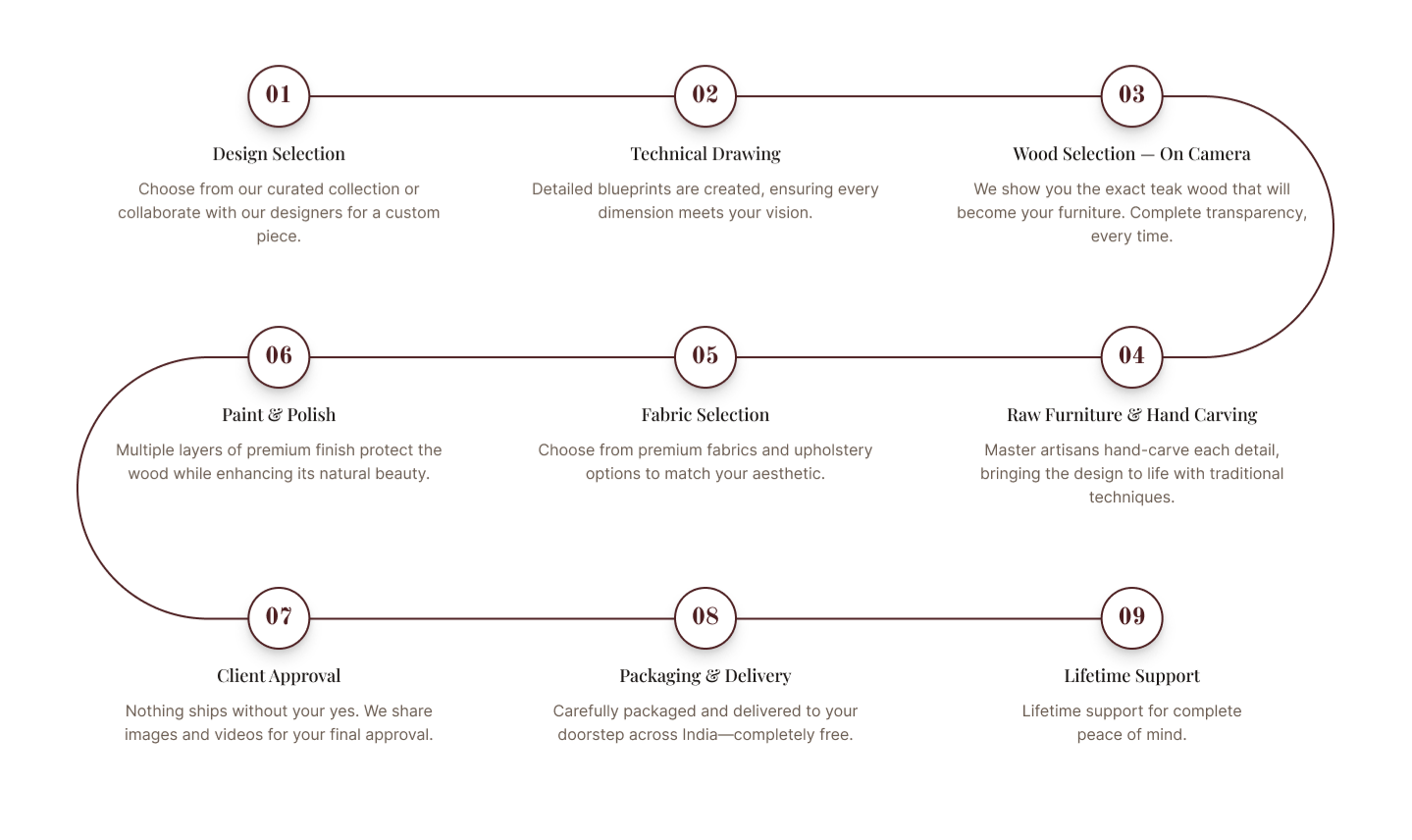
Velvet was for centuries a status fabric before it was a comfortable one. Weaving it requires two layers of cloth to be woven face to face and then cut apart on the loom, doubling the thread consumption and demanding a weaver skilled enough to keep the cut even. That cost is why velvet appeared on thrones, canopies and state beds long before it reached ordinary furniture.
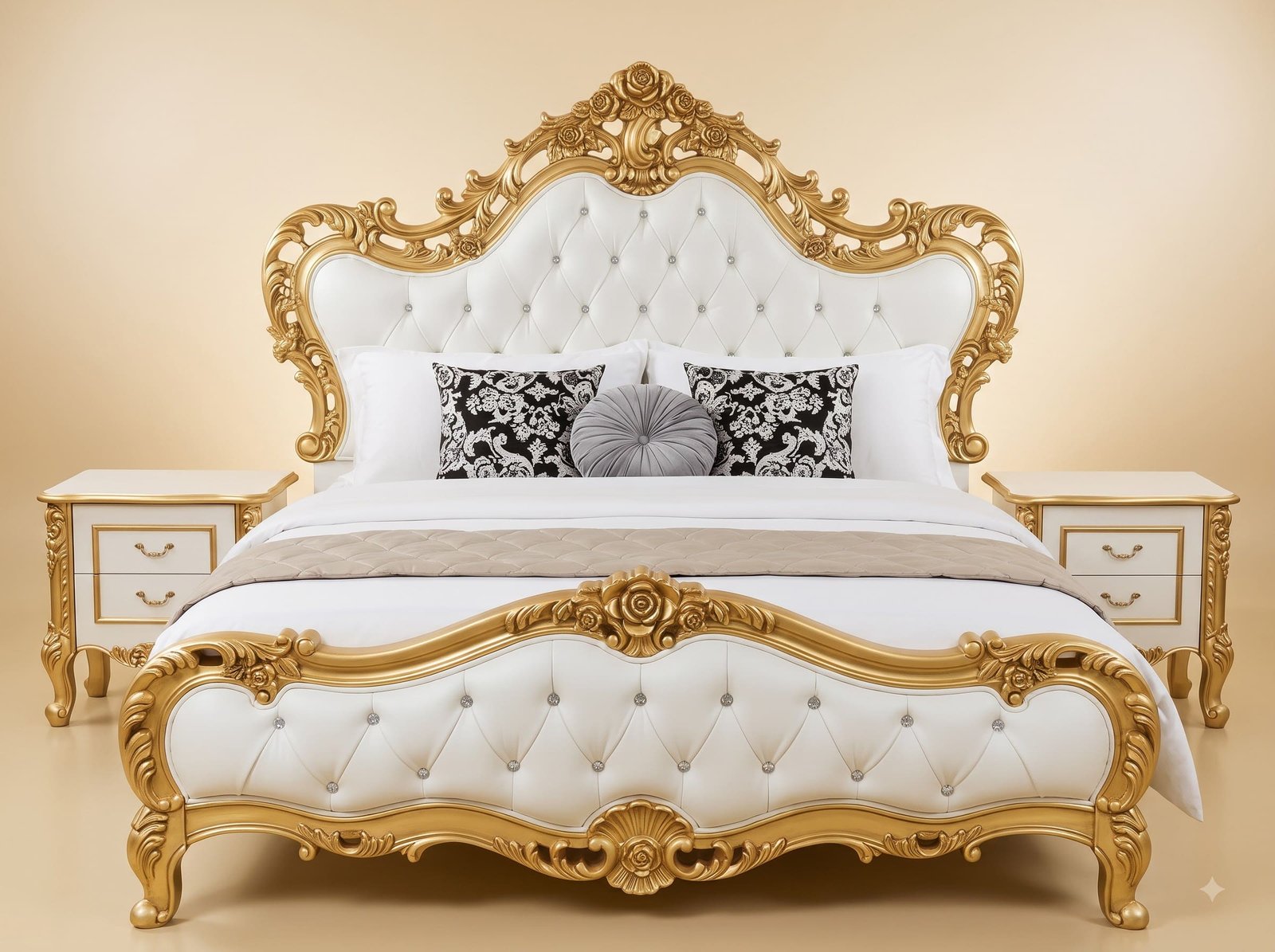
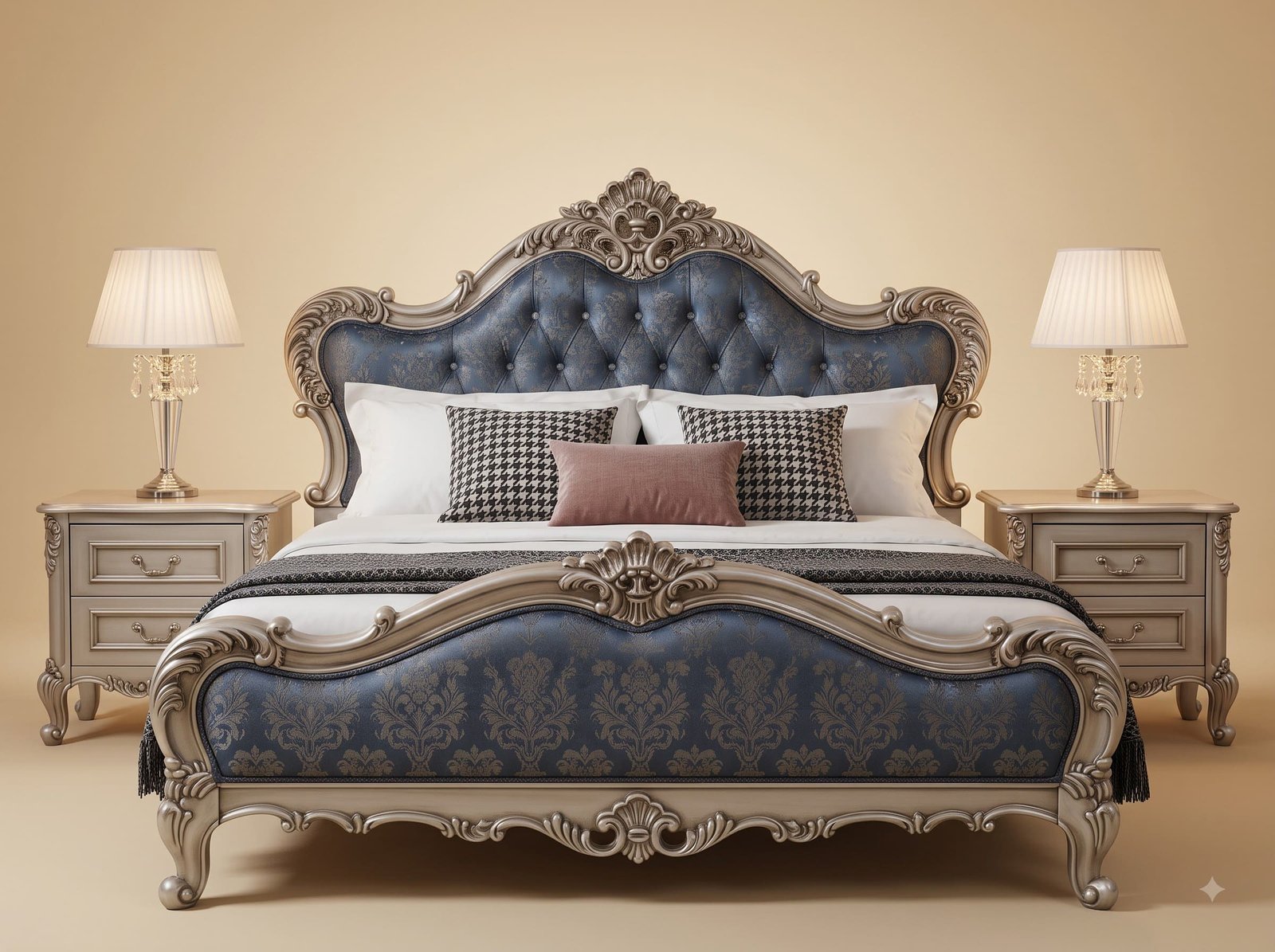
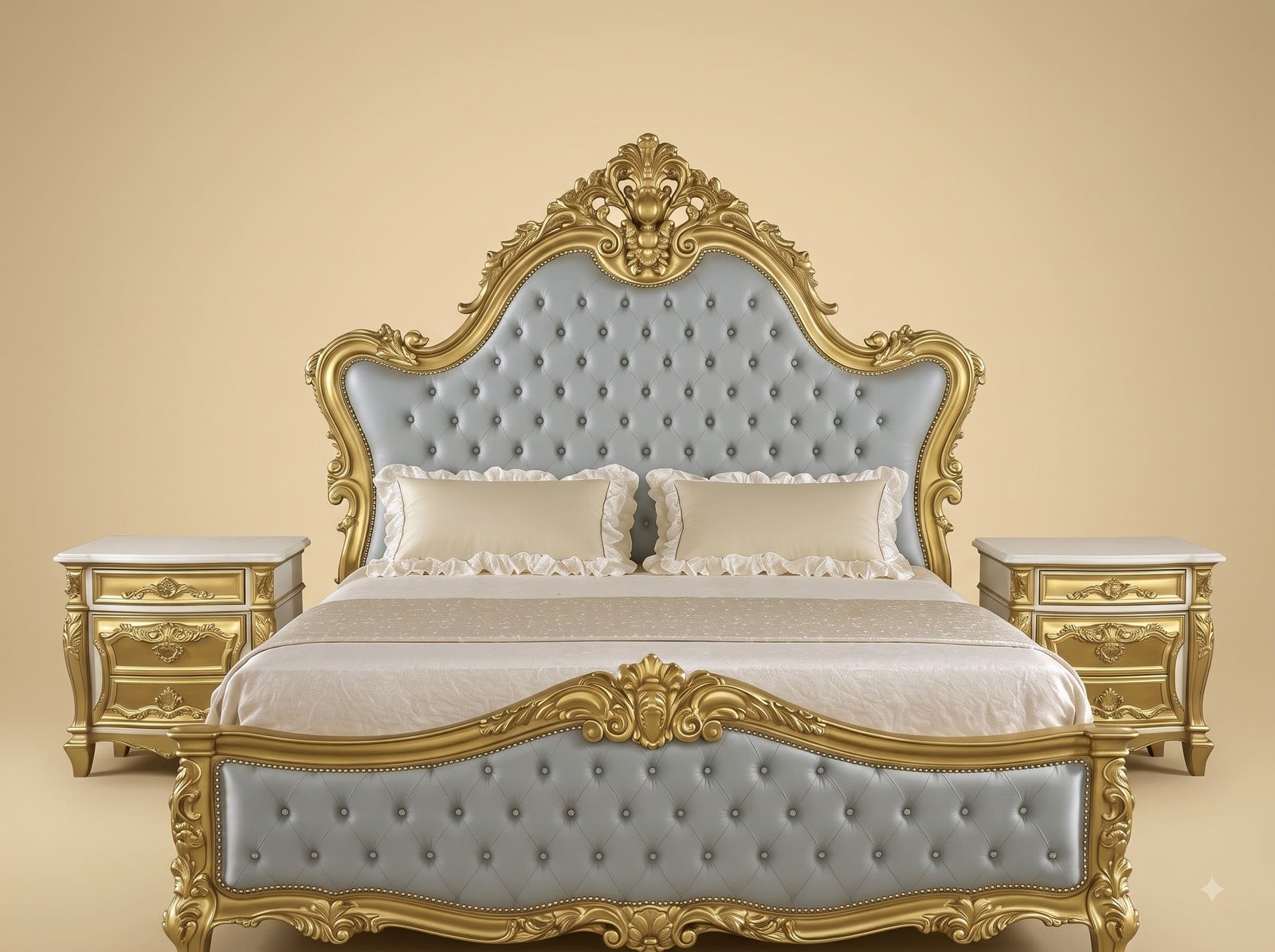
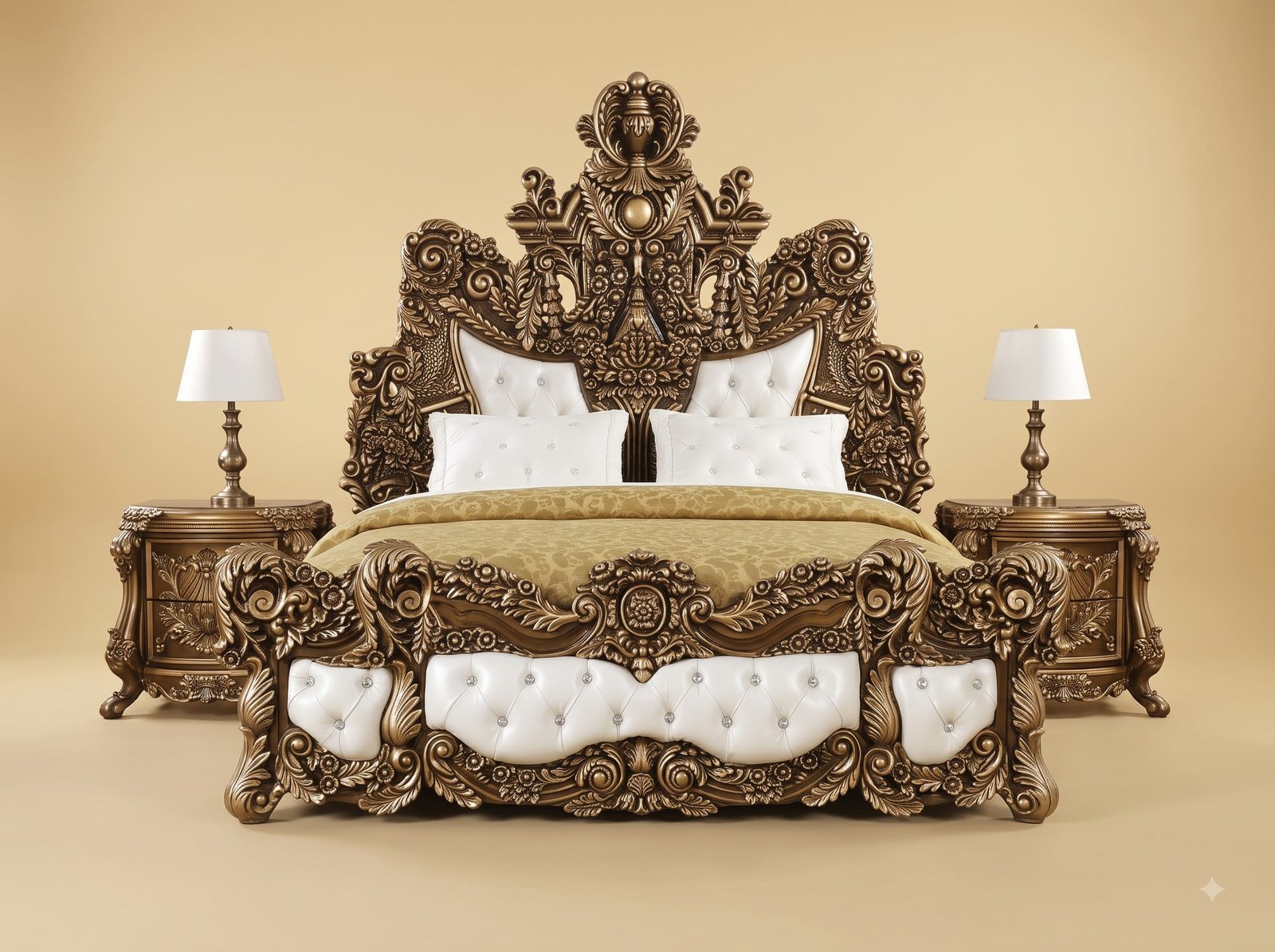
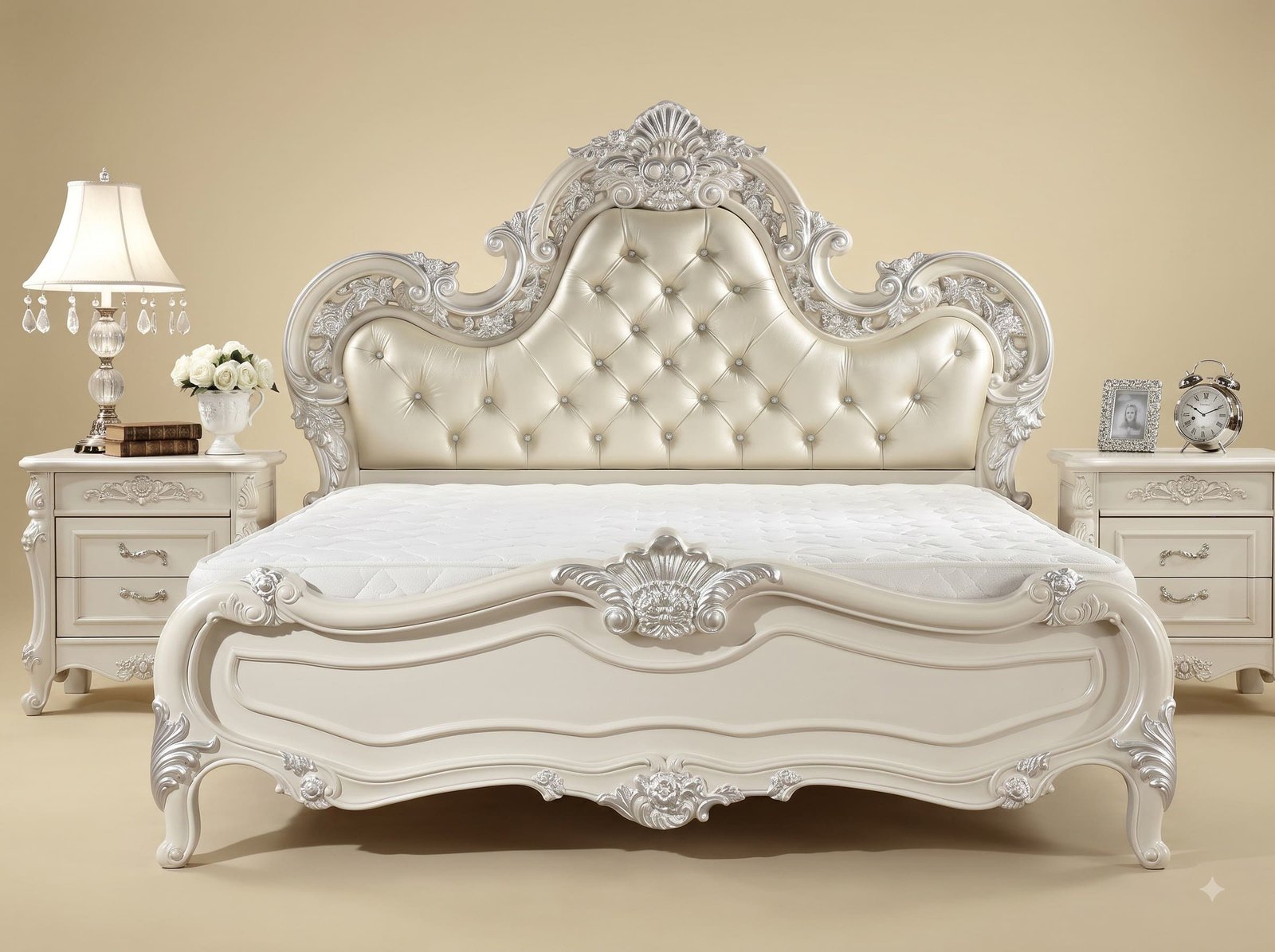
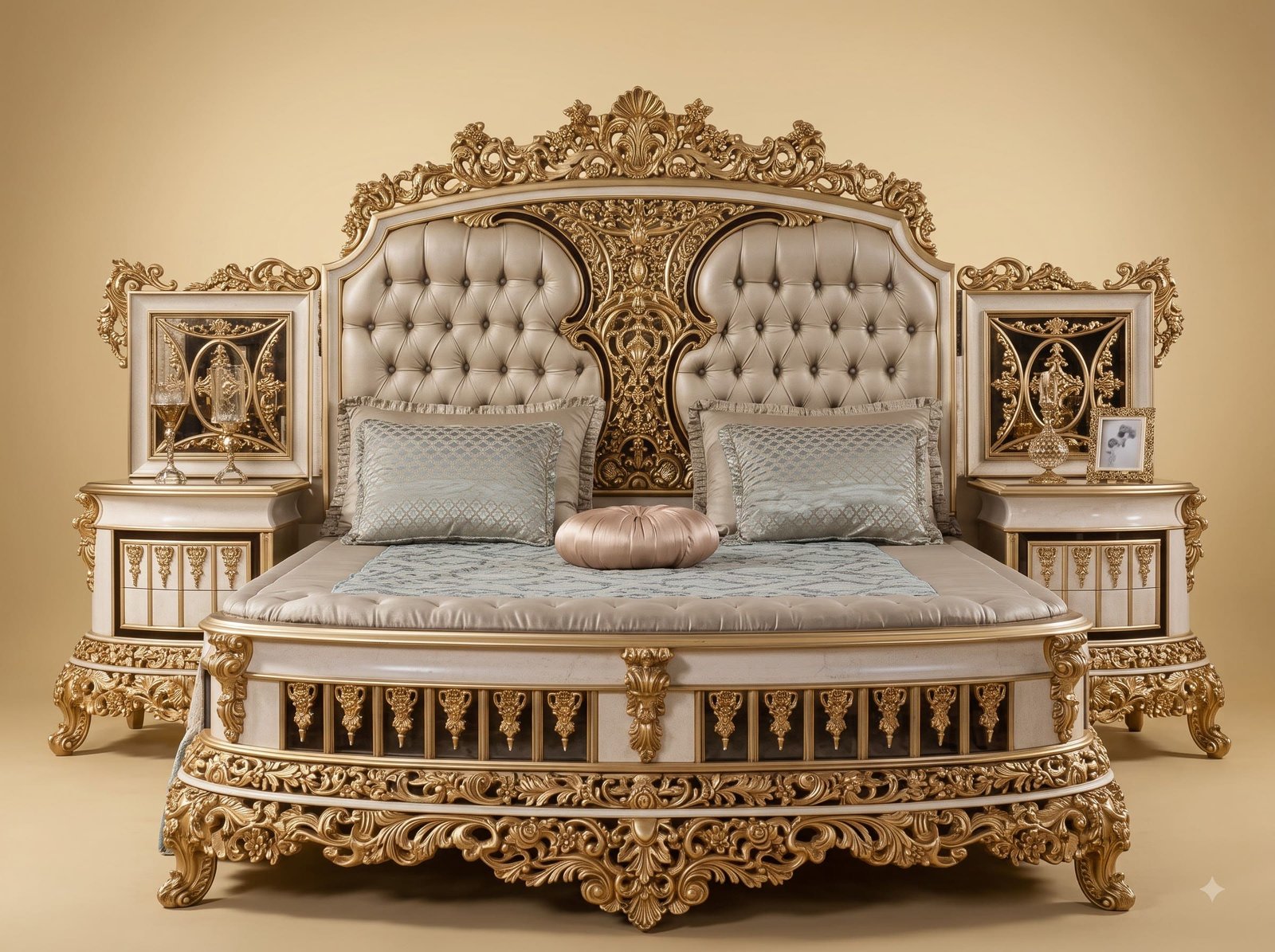
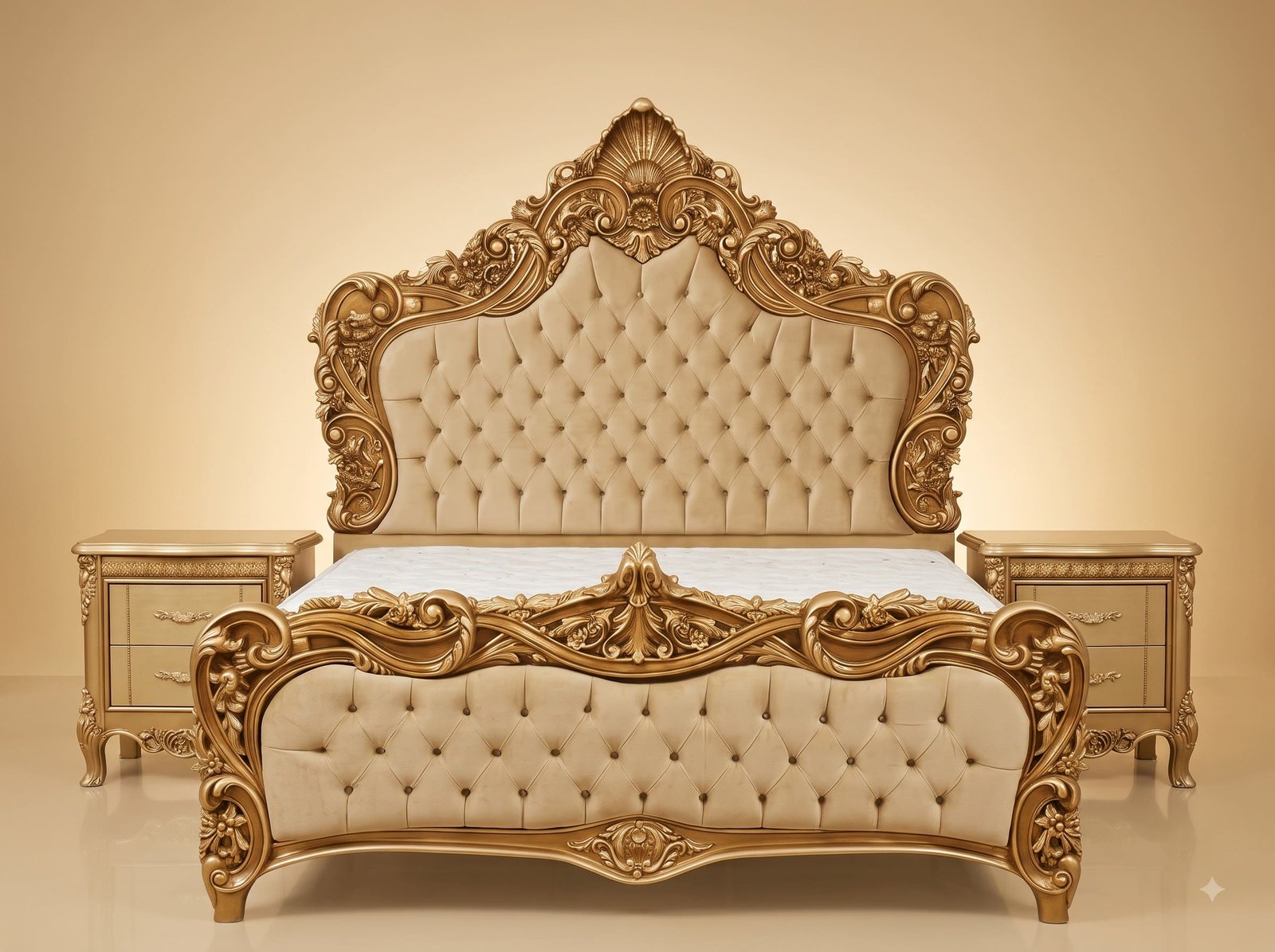
India's connection to it runs deep. Mughal workshops produced silk velvets with metal-thread grounds for court use, and velvet hangings framed the beds and canopies of princely households well into the twentieth century. When European carved forms entered Indian palaces, velvet was already the expected upholstery, and the pairing of gilded carving with a velvet panel became a settled convention.
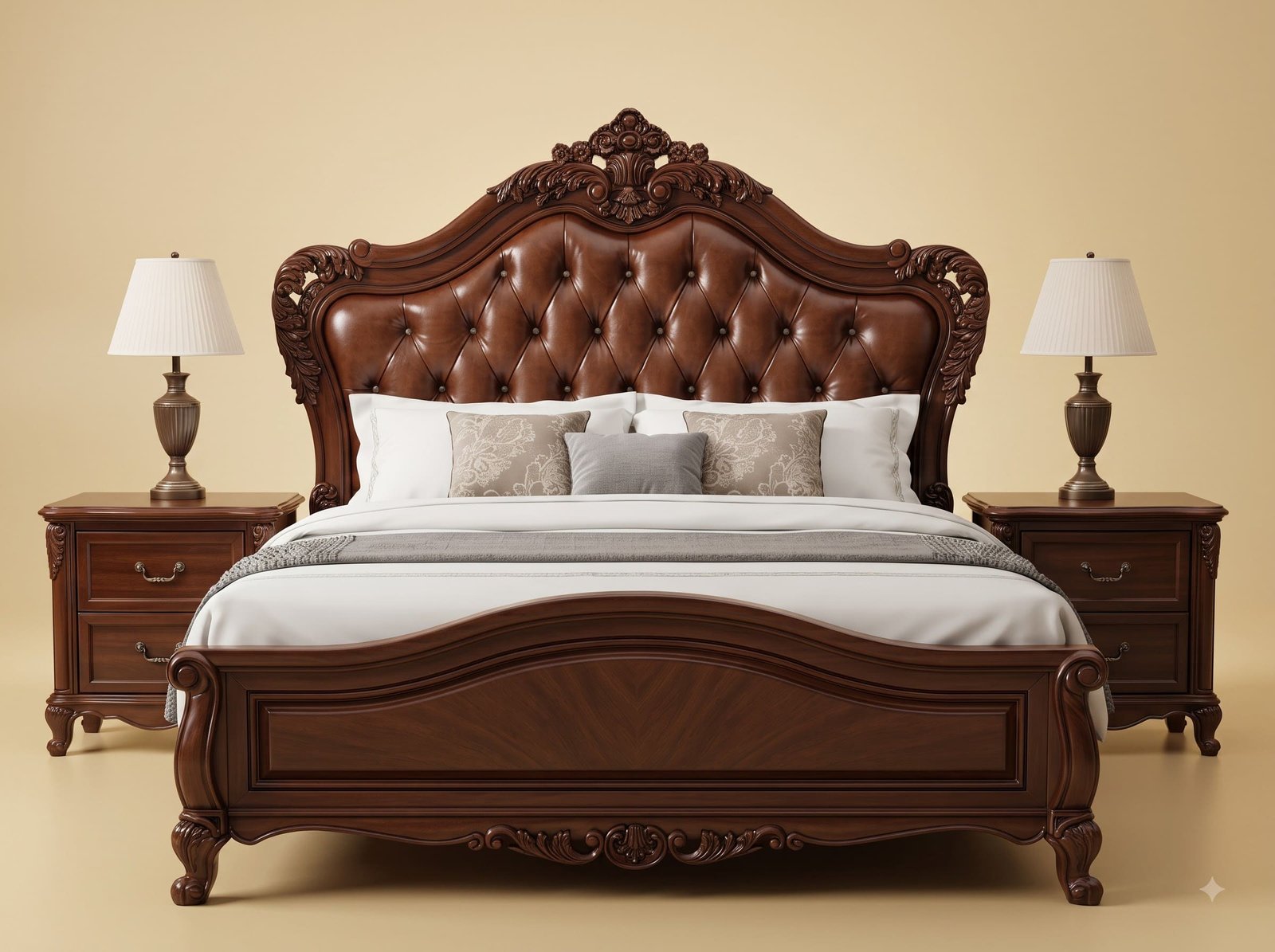
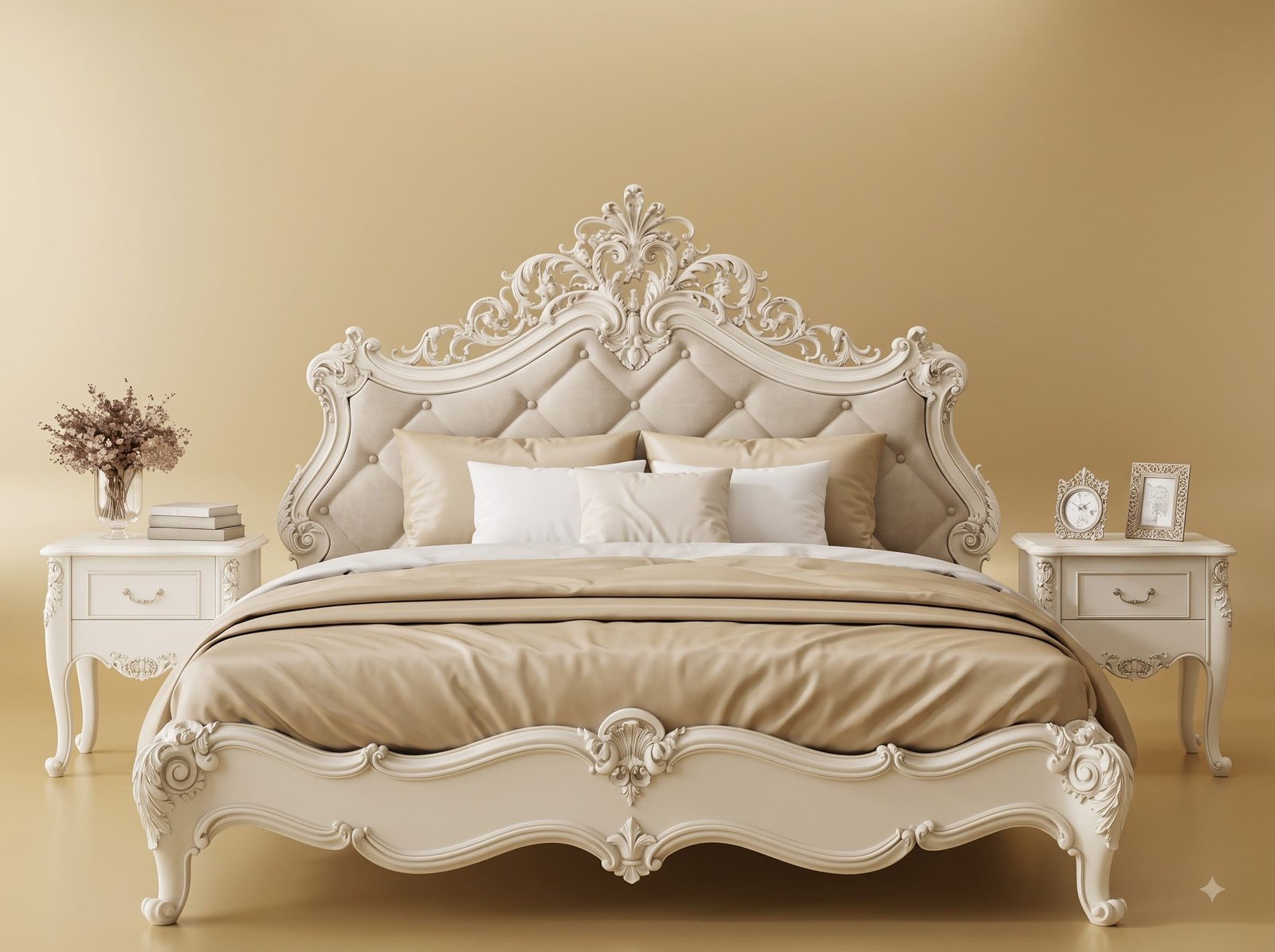
Our artisans still upholster these panels by hand, stretching the velvet with the pile running in one consistent direction across the whole panel. Get that direction wrong between two adjacent panels and the same fabric will read as two different colours. It is a detail nobody notices when it is right and everybody notices when it is wrong, and it is a fair test of whether a bed was upholstered by a craftsman or assembled in a hurry.
 Ask Price On WhatsApp