Colour on a dining table has to survive being wiped several times a day, which rules out almost every way of applying it directly. Paint on timber under a lacquer will eventually show a wipe pattern; a stained or dyed surface fades unevenly where the light falls hardest.
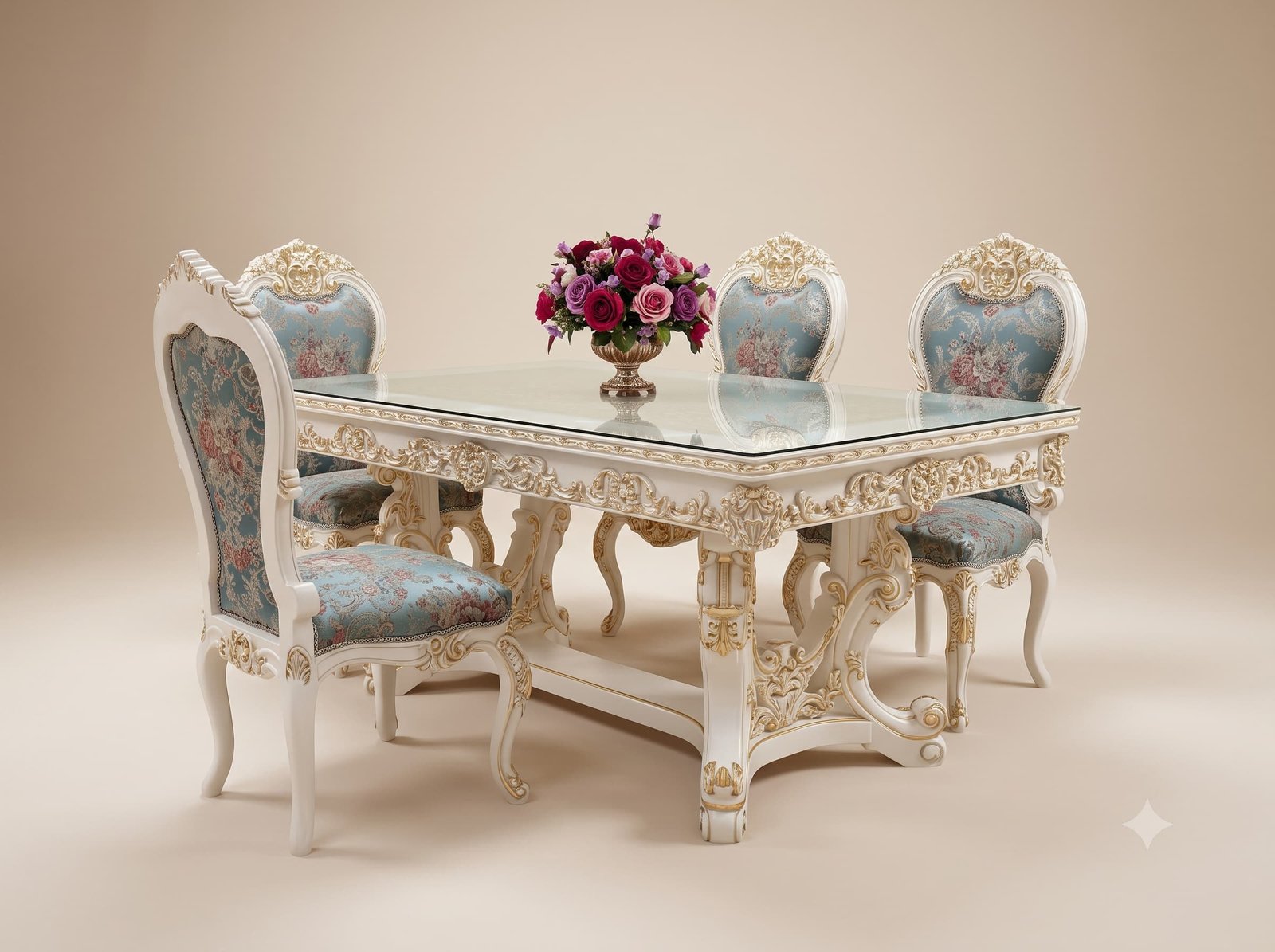
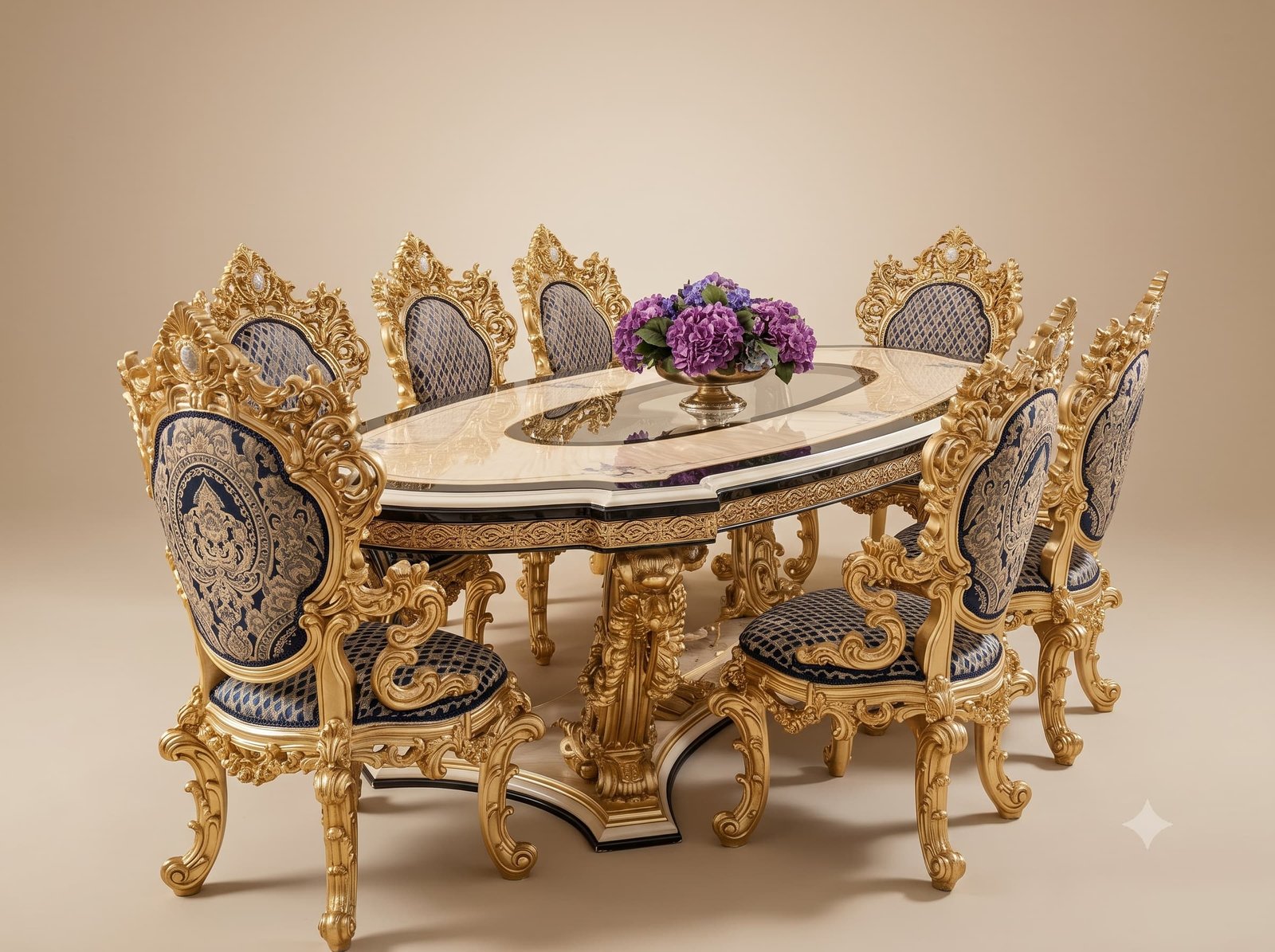
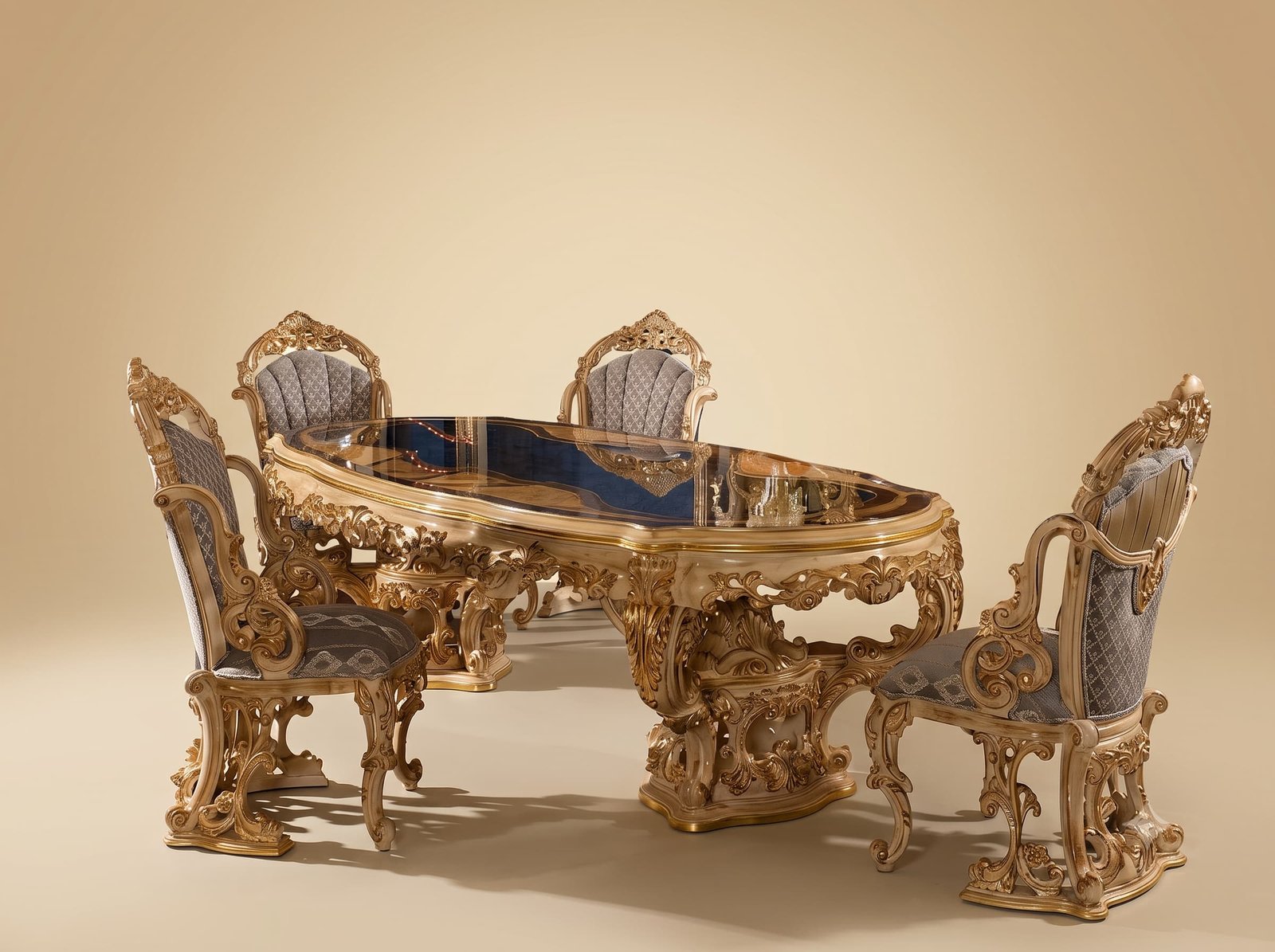
So the blue on this table is not on the timber at all. It is painted on the underside of the glass panel that forms the centre, and the panel is then set into the surround colour-side down. What you touch, wipe and set a glass on is plain glass; the colour is beneath it, sealed between the glass and the timber, where nothing can reach it.
Painting in reverse means working back to front - the topmost layer of the finished image is the first one laid, and every stroke has to be right immediately, because nothing can be painted over. It is an old technique and it is why the colour looks the way it does: seen through glass rather than through a varnish, so it is deeper and slightly cooler than the same pigment laid on a surface.
The panel is bedded on a felt-backed rebate with clearance around it, as any glass set into timber must be, so seasonal movement in the frame never reaches it.
 Ask Price On WhatsApp