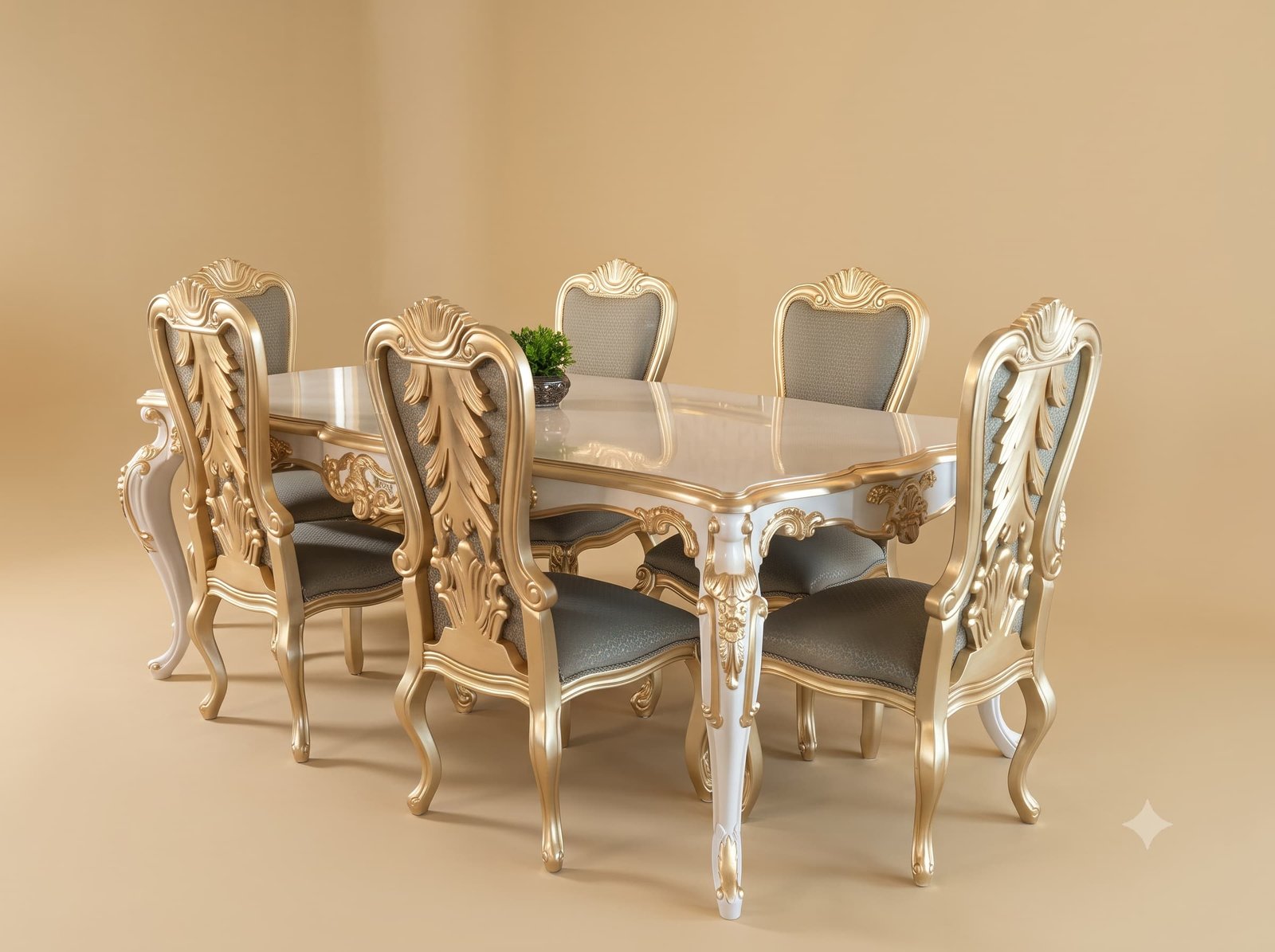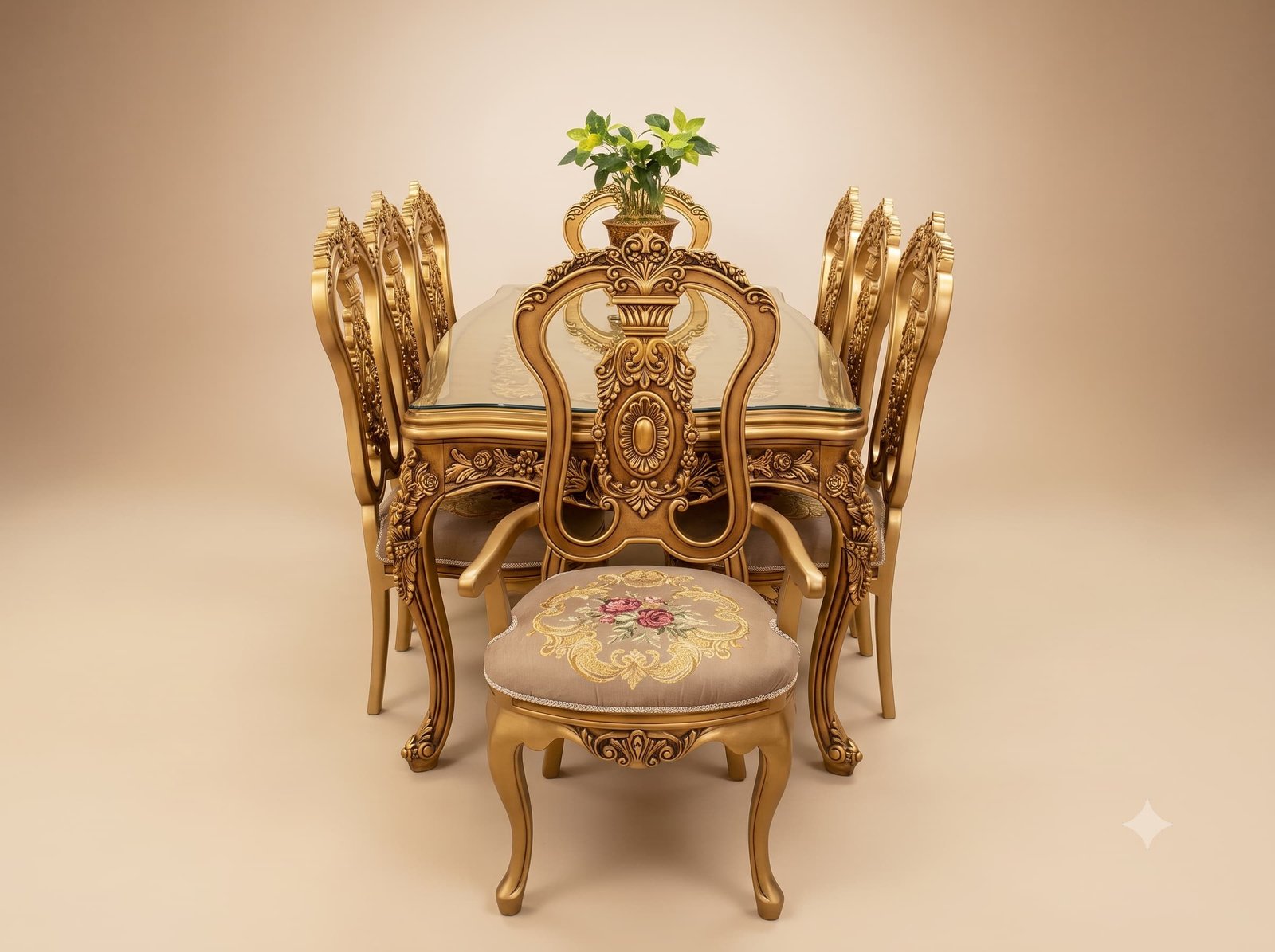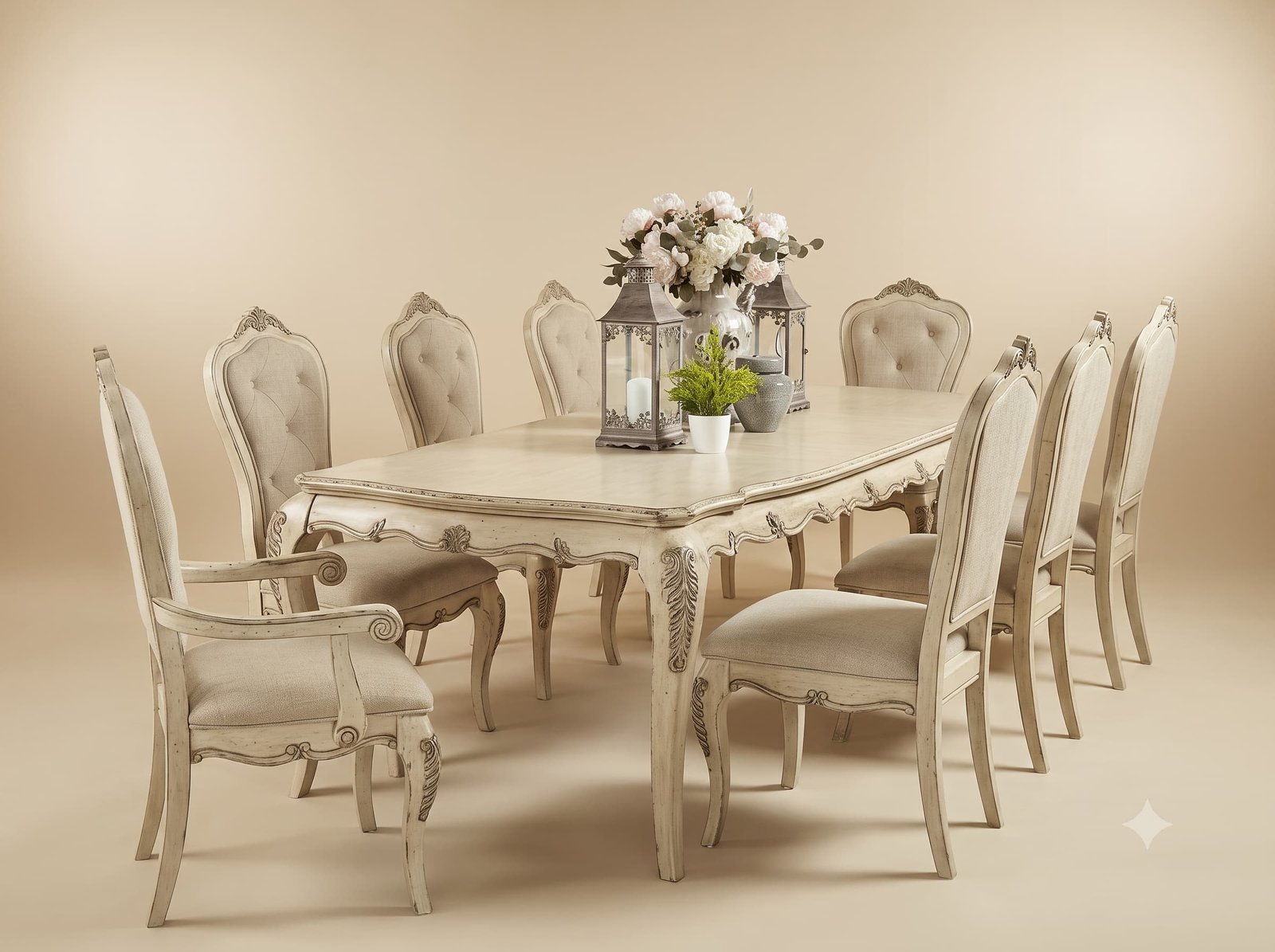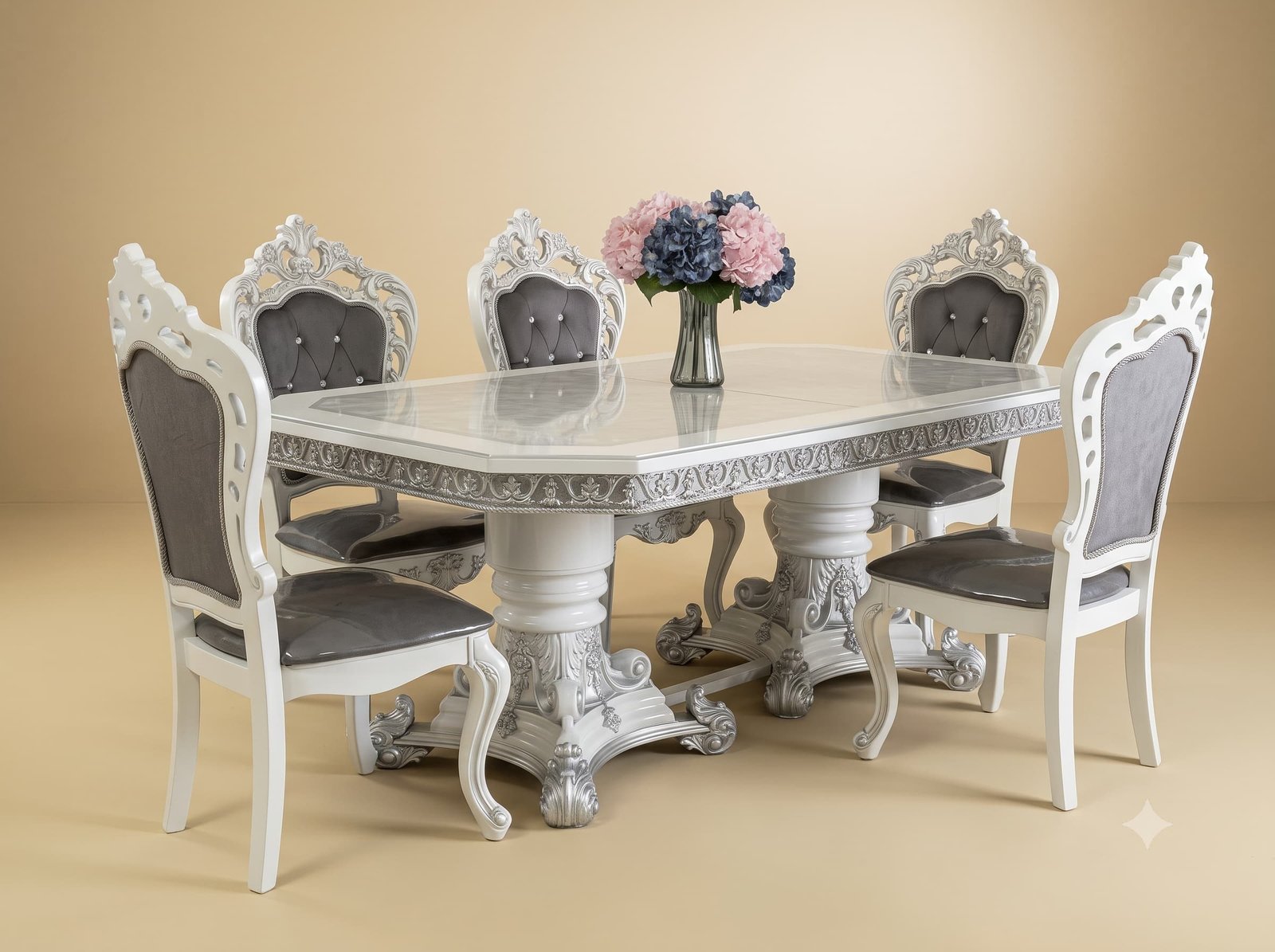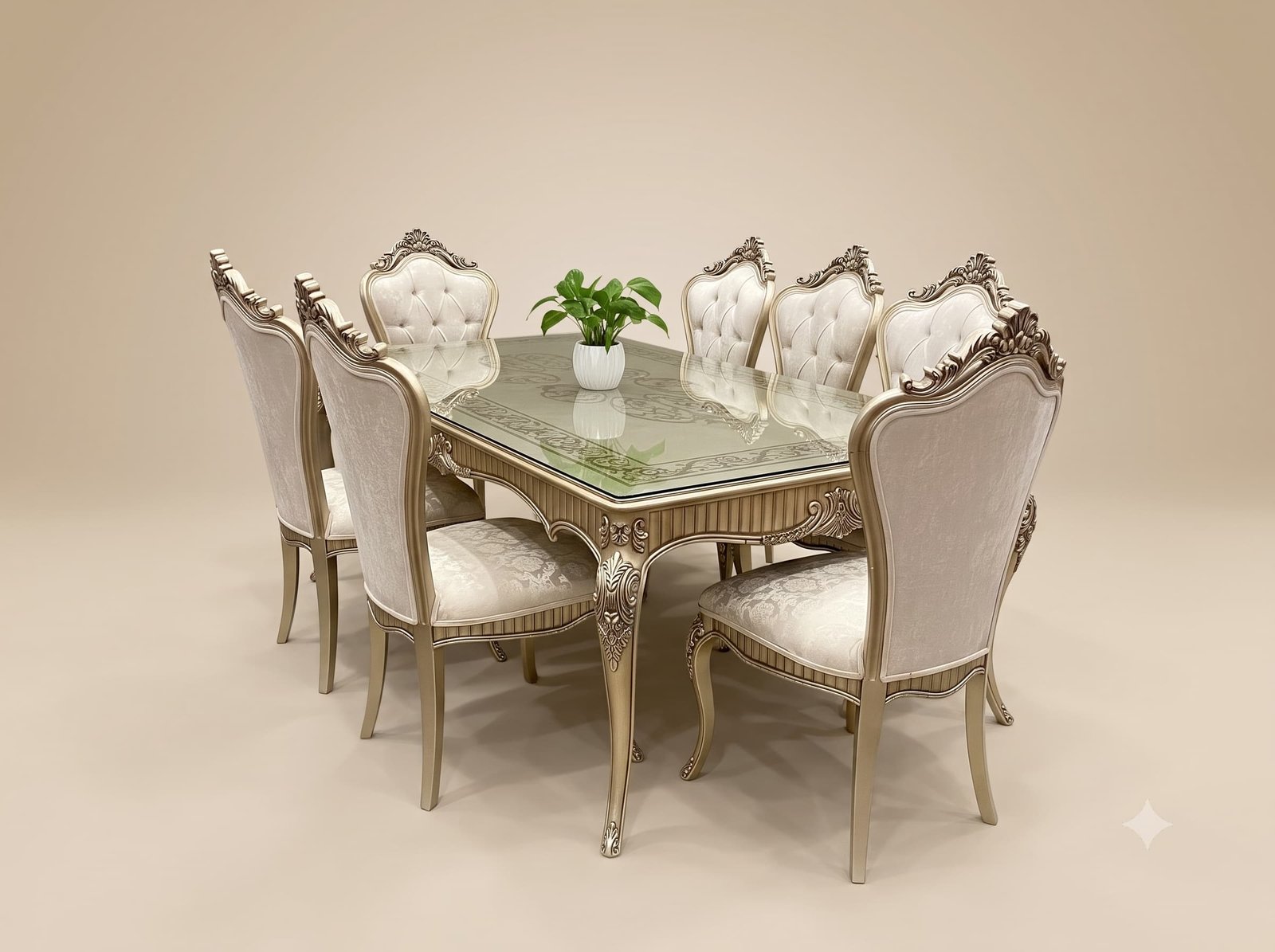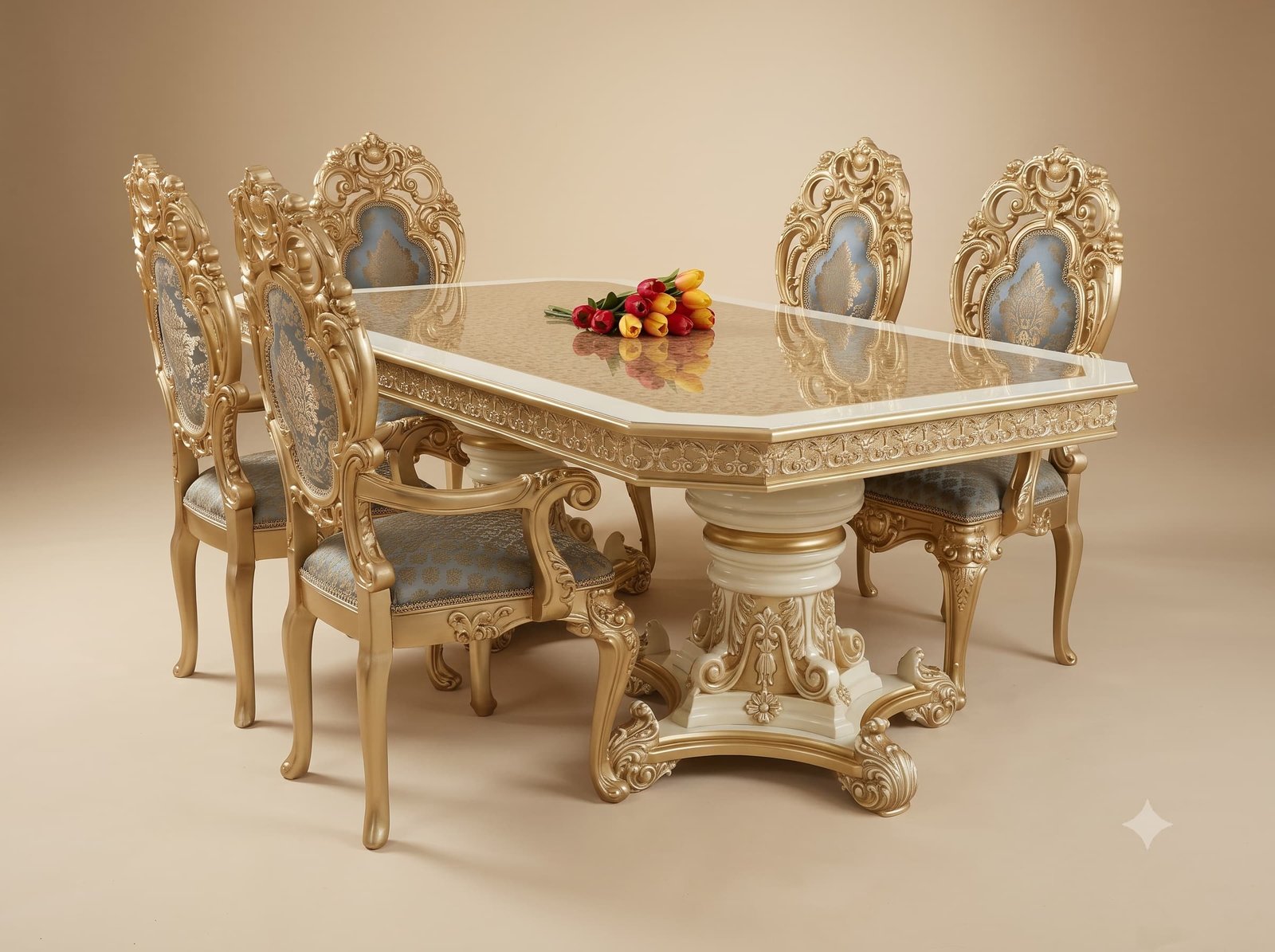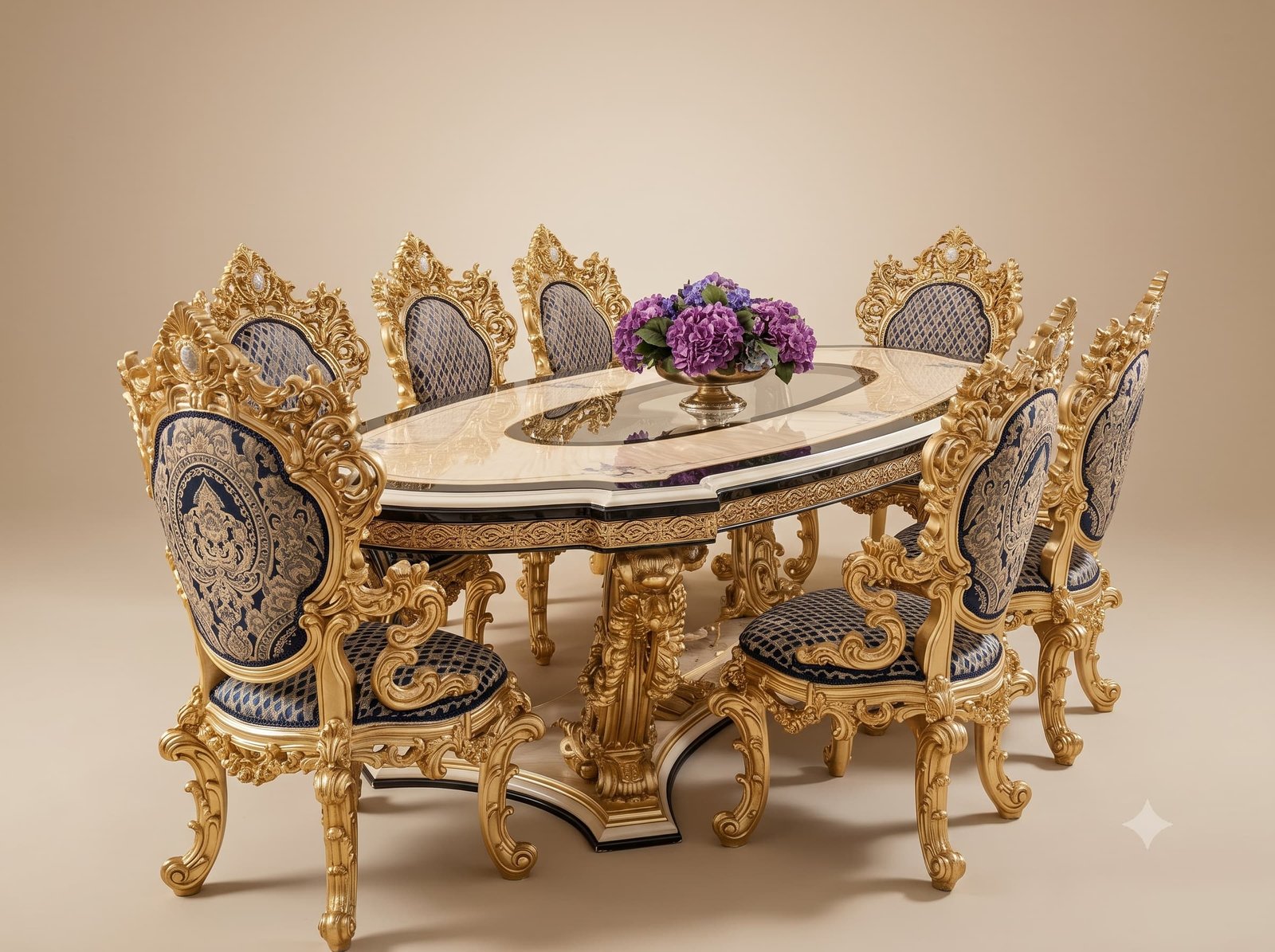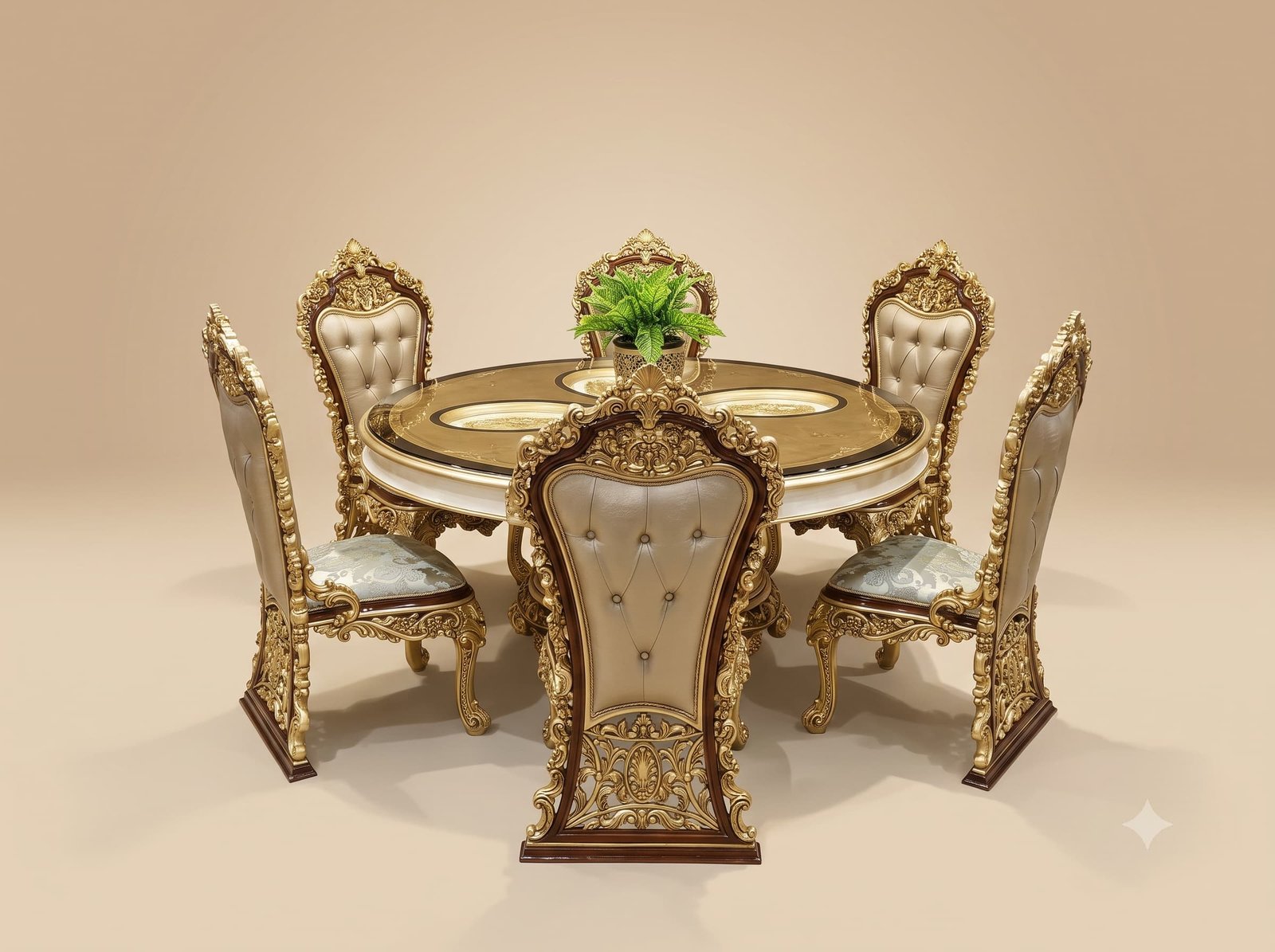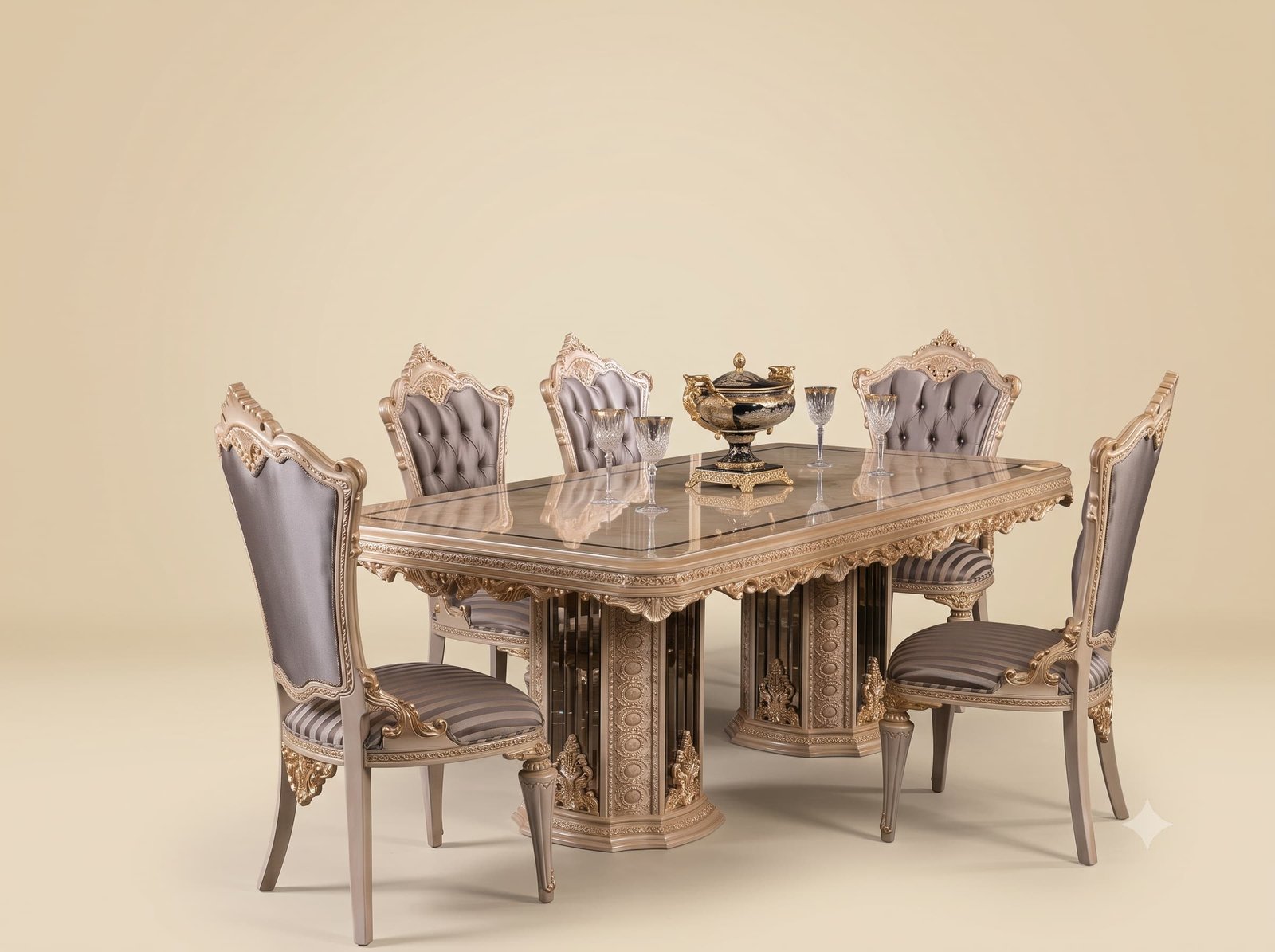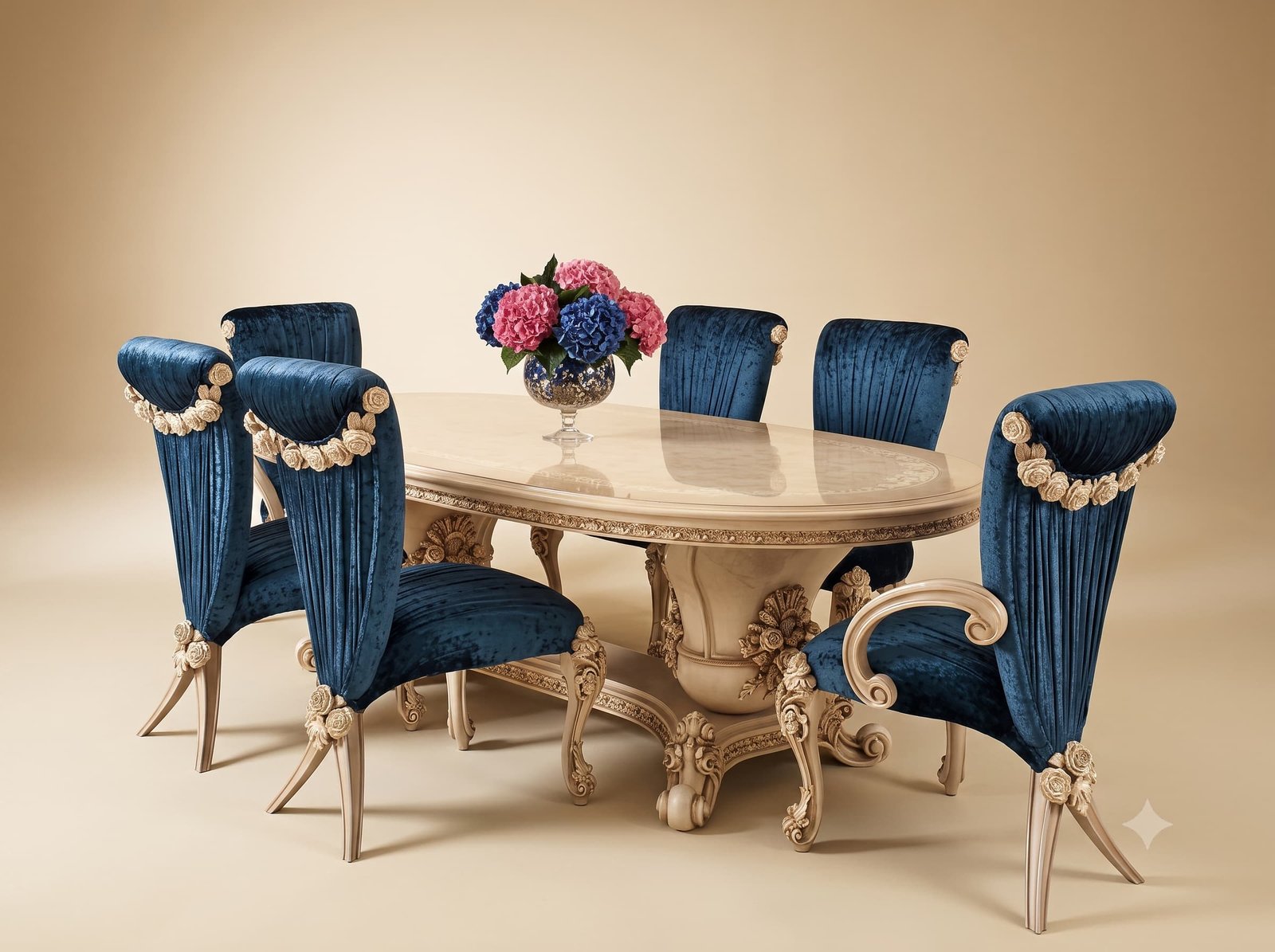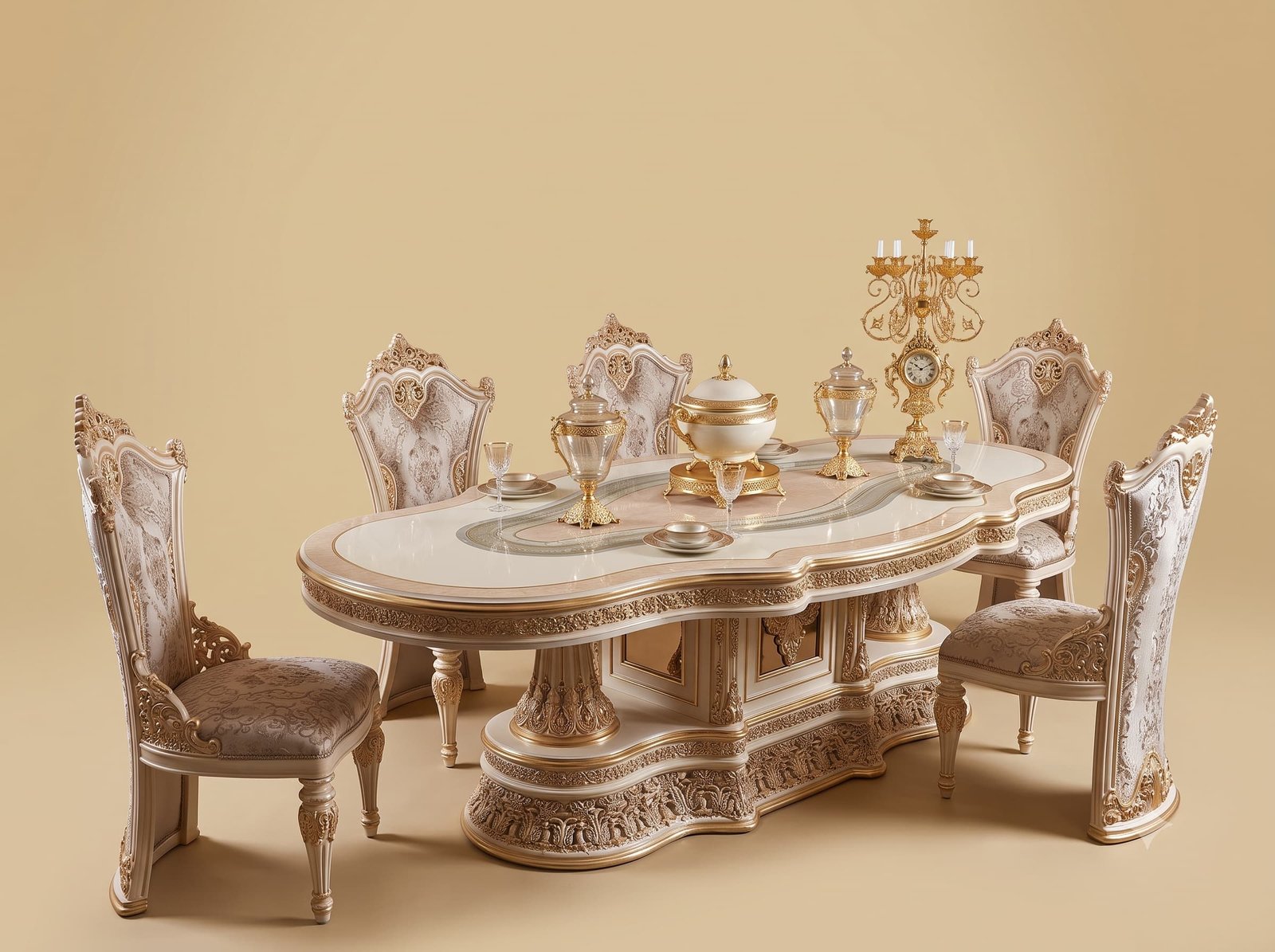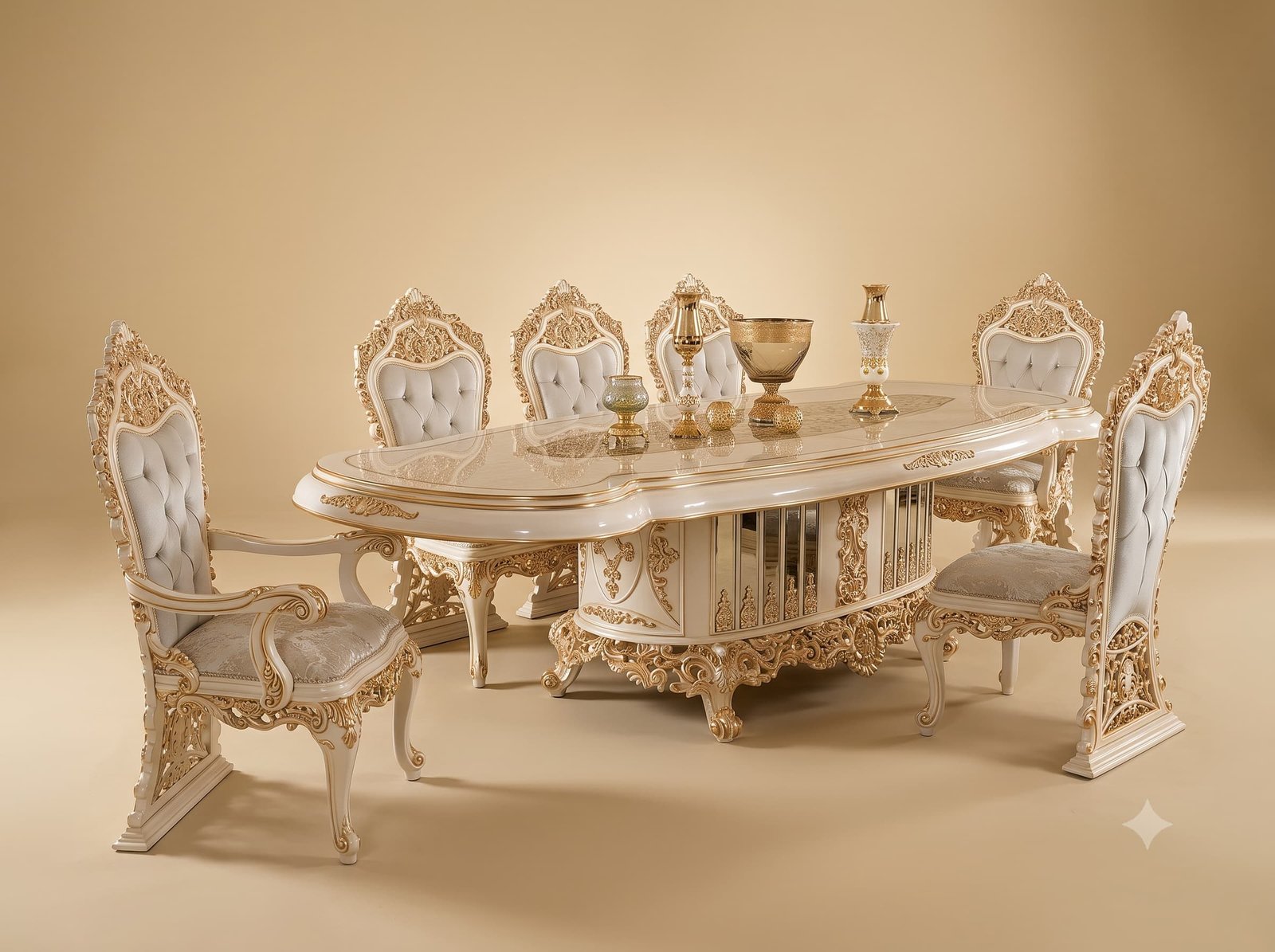
A tall chair back is heavier at the top than a short one, and everything above the seat is weight the chair has to carry when it is tipped, lifted or leaned back on. Get it wrong and the chair feels top-heavy - not unstable, just subtly wrong in the hand when you pull it out.
The obvious fix is to make the crest thinner, but a thin crest cannot be carved deeply and the whole reason for the height is the carving at the top of it.
So we take the weight out of the back instead. Once the crest is carved on its face, the reverse - which faces the wall and is seen by nobody - is hollowed out, leaving a shell of even thickness behind the carving rather than a solid block. The carved face keeps its full depth and its undercuts; the mass behind it goes.
The hollowing is done to a constant wall thickness rather than randomly, so the strength stays even across the whole crest, and the edges are left solid where the crest meets the frame, because that is where the load actually travels.
The chair ends up with the same silhouette, the same carving, and a noticeably lower centre of gravity. It sits more firmly, it is easier to move, and the only evidence is on a face nobody looks at.
 Ask Price On WhatsApp