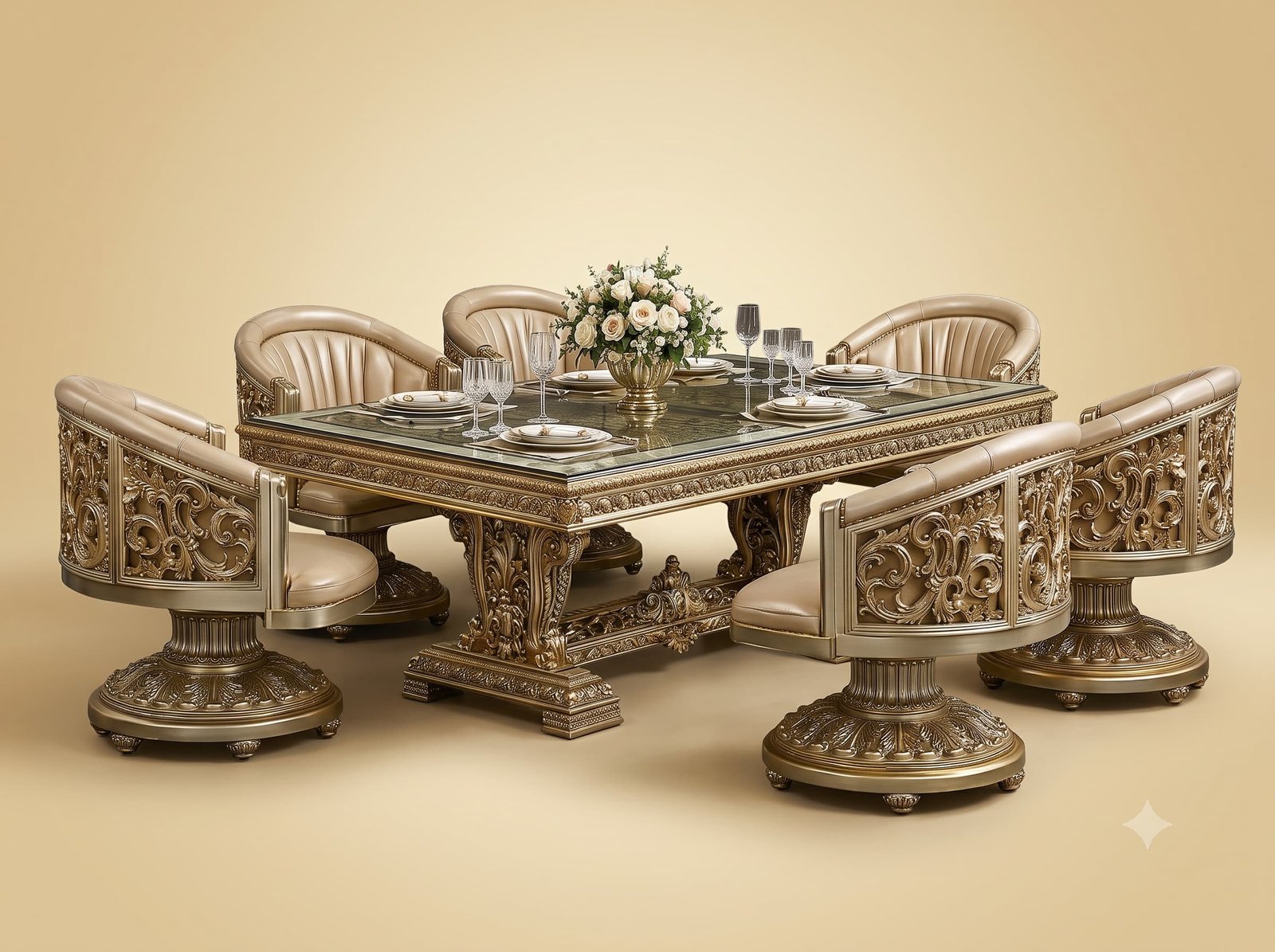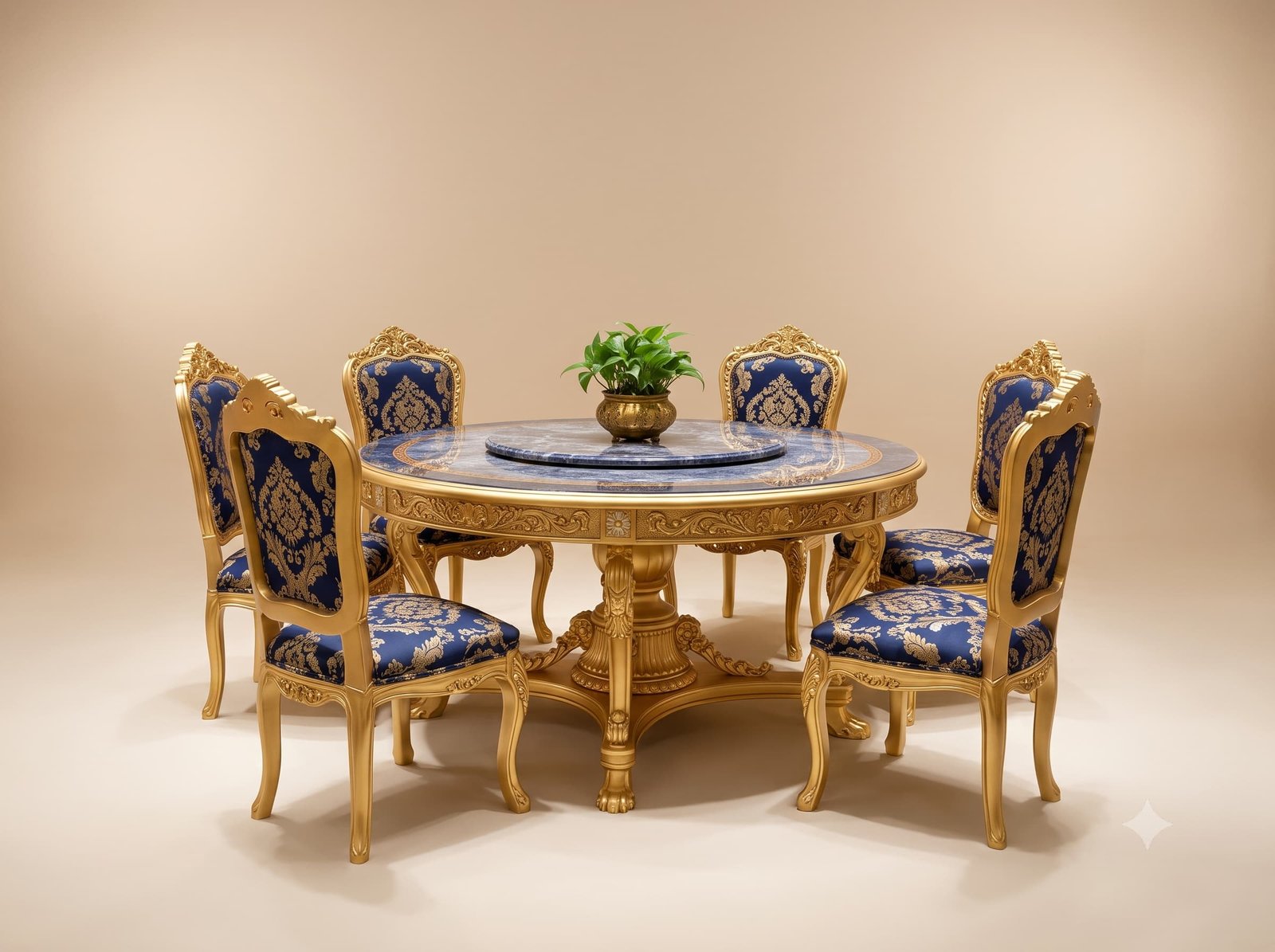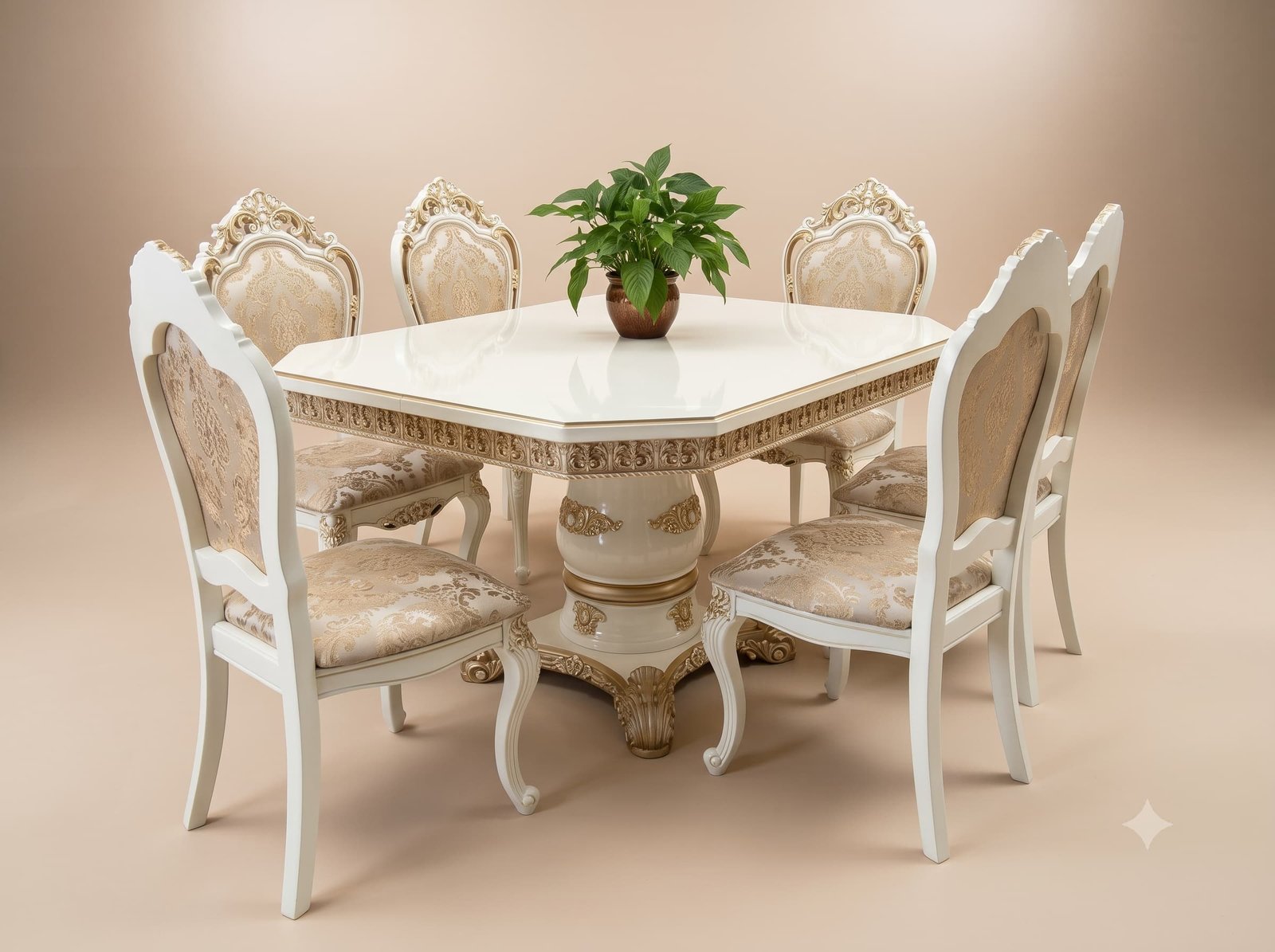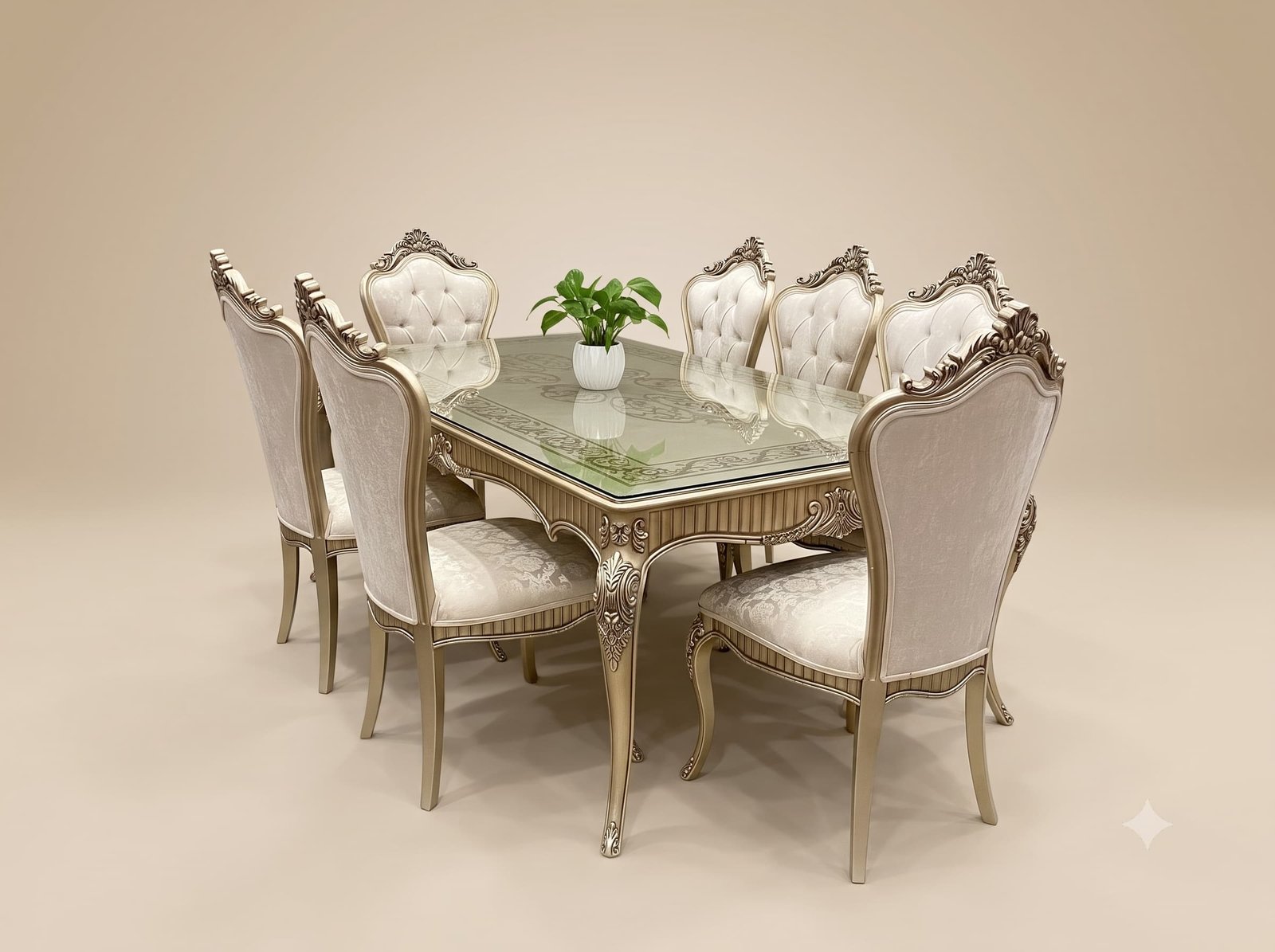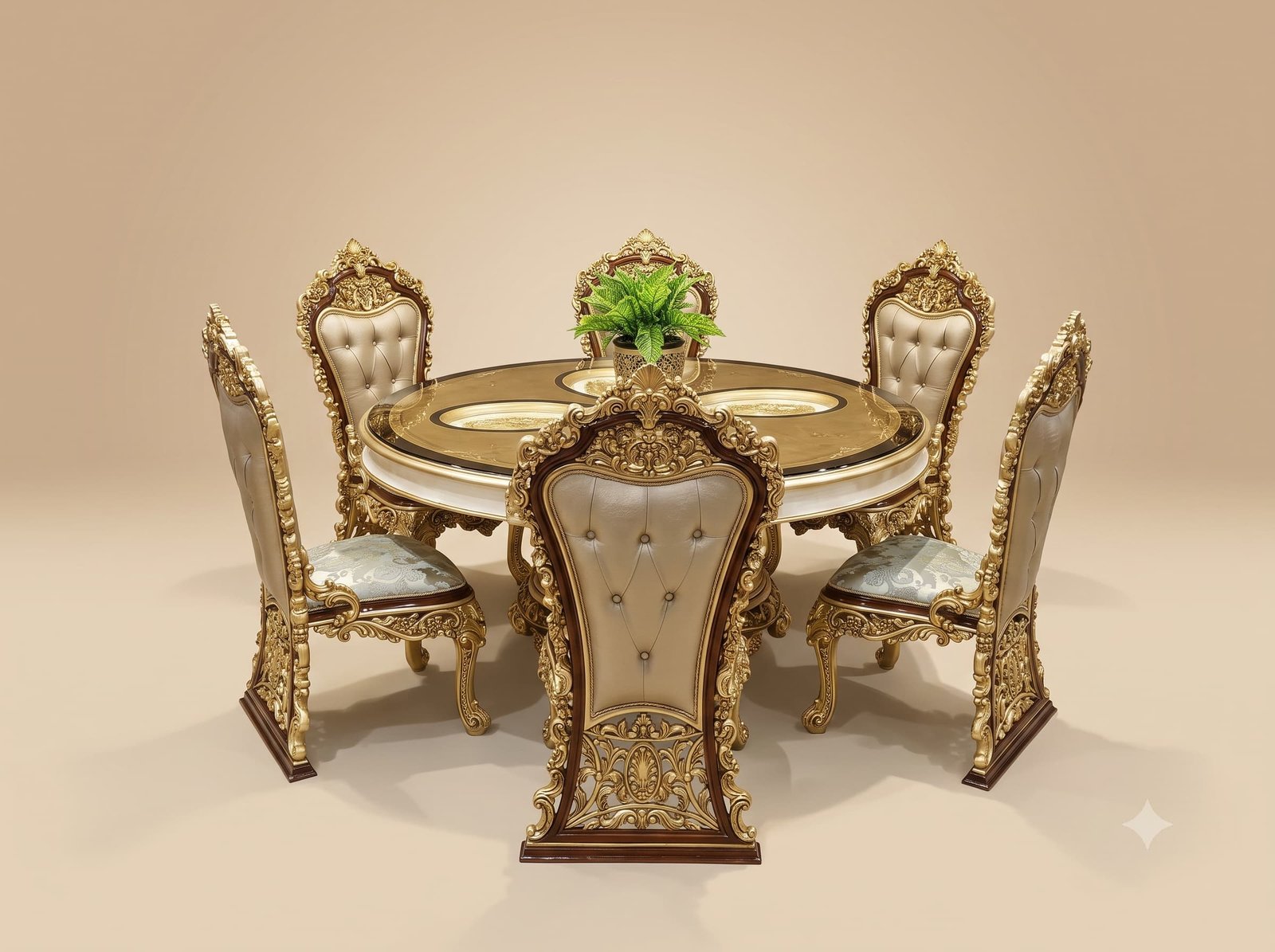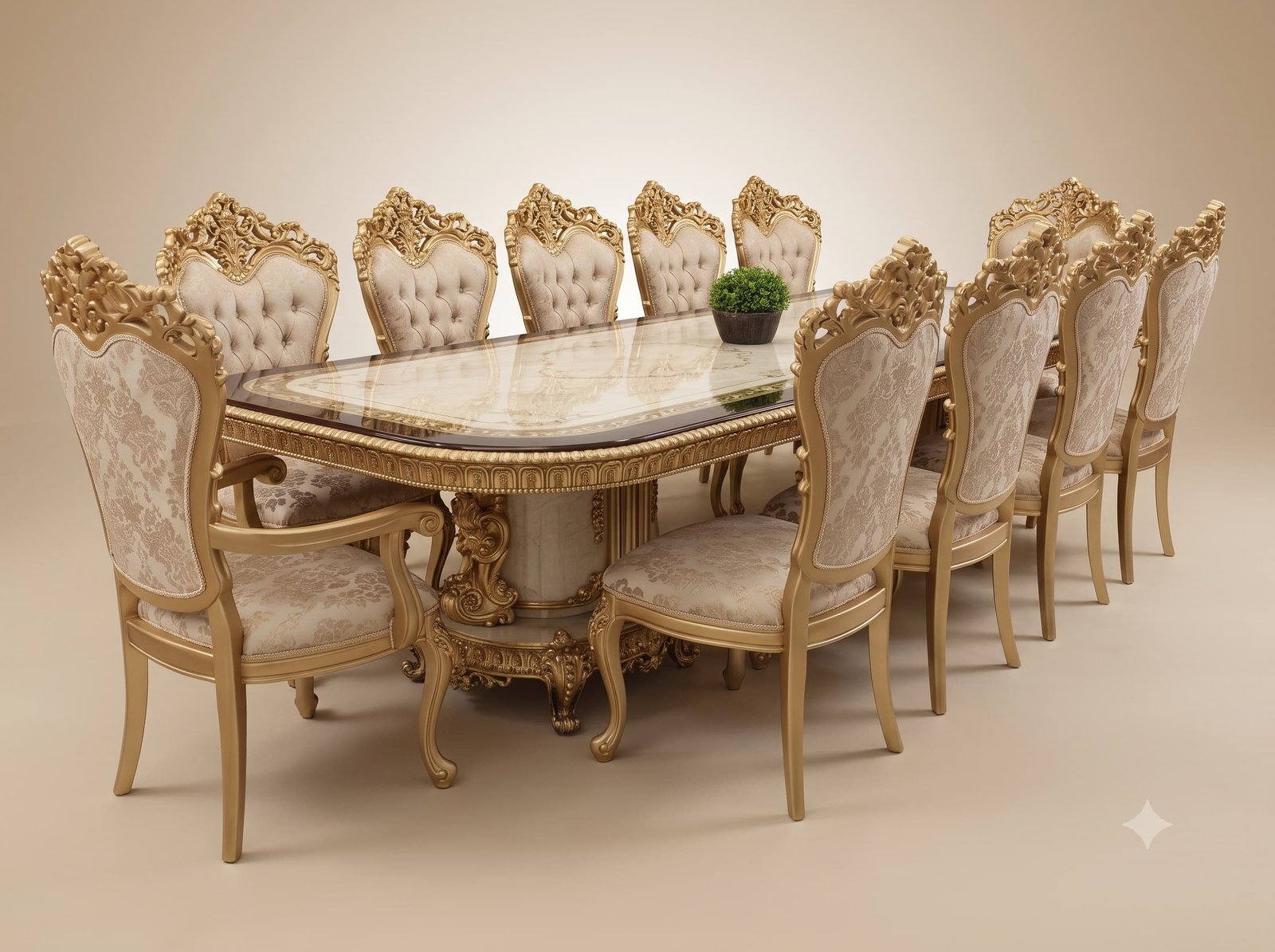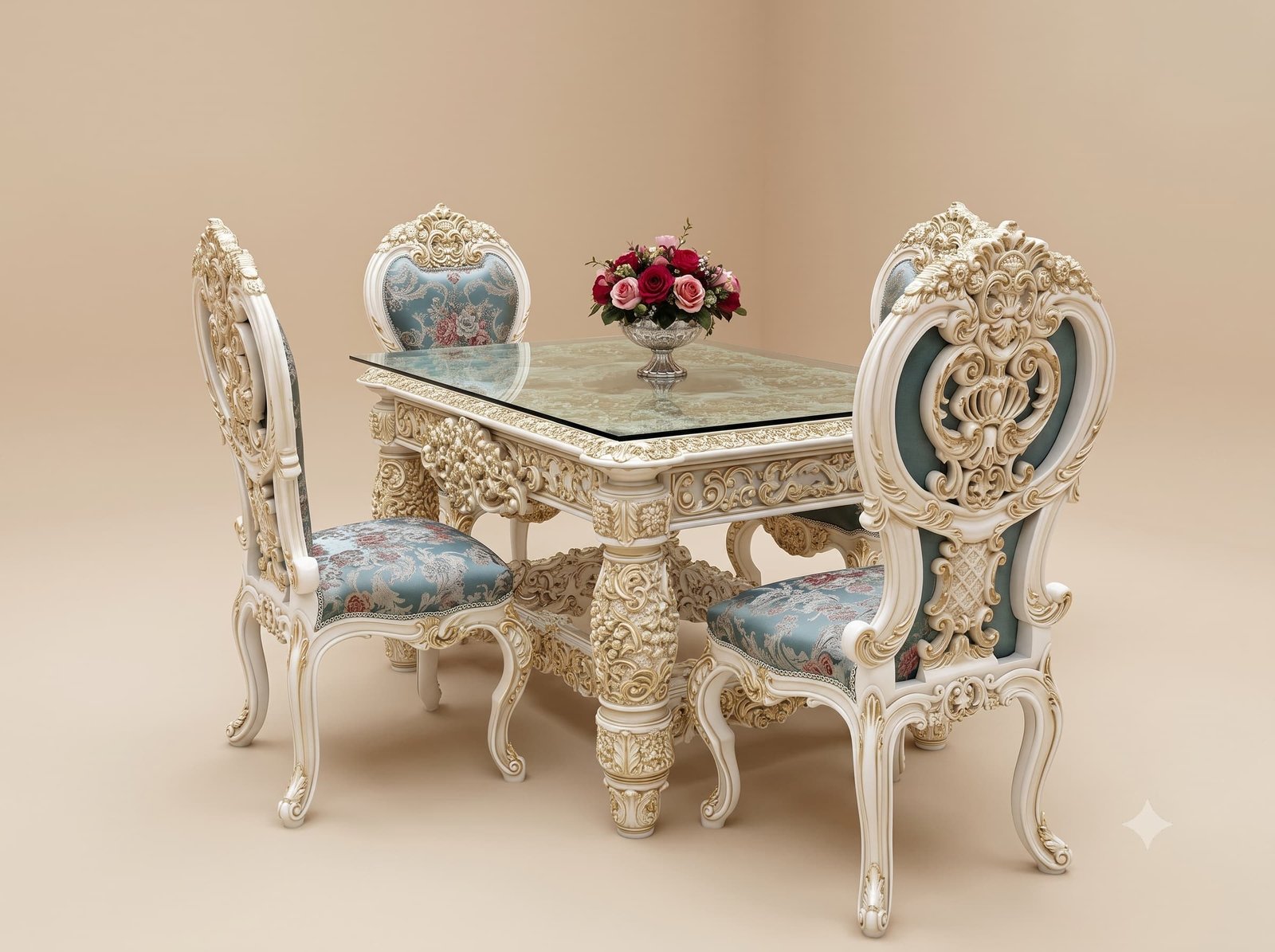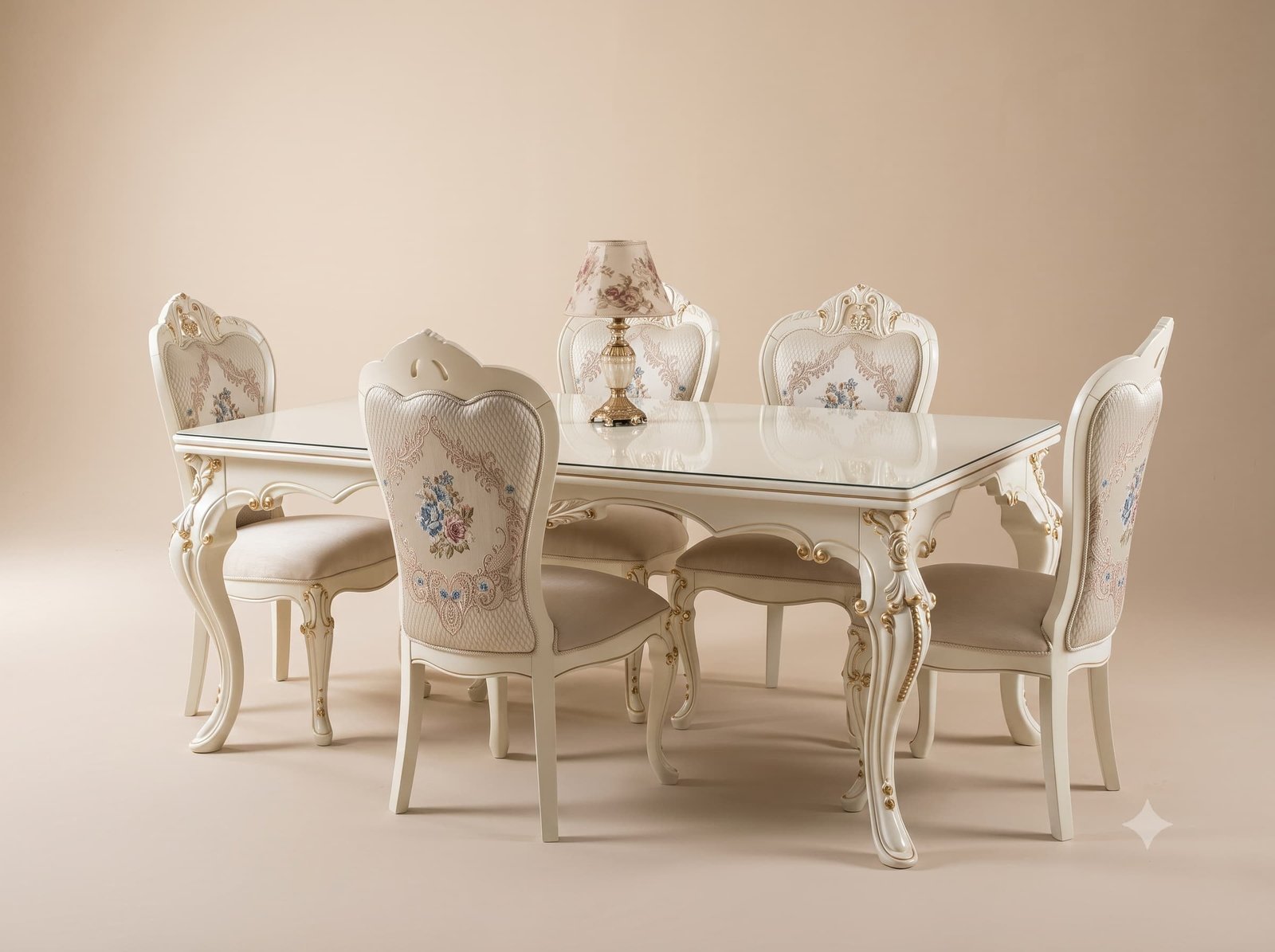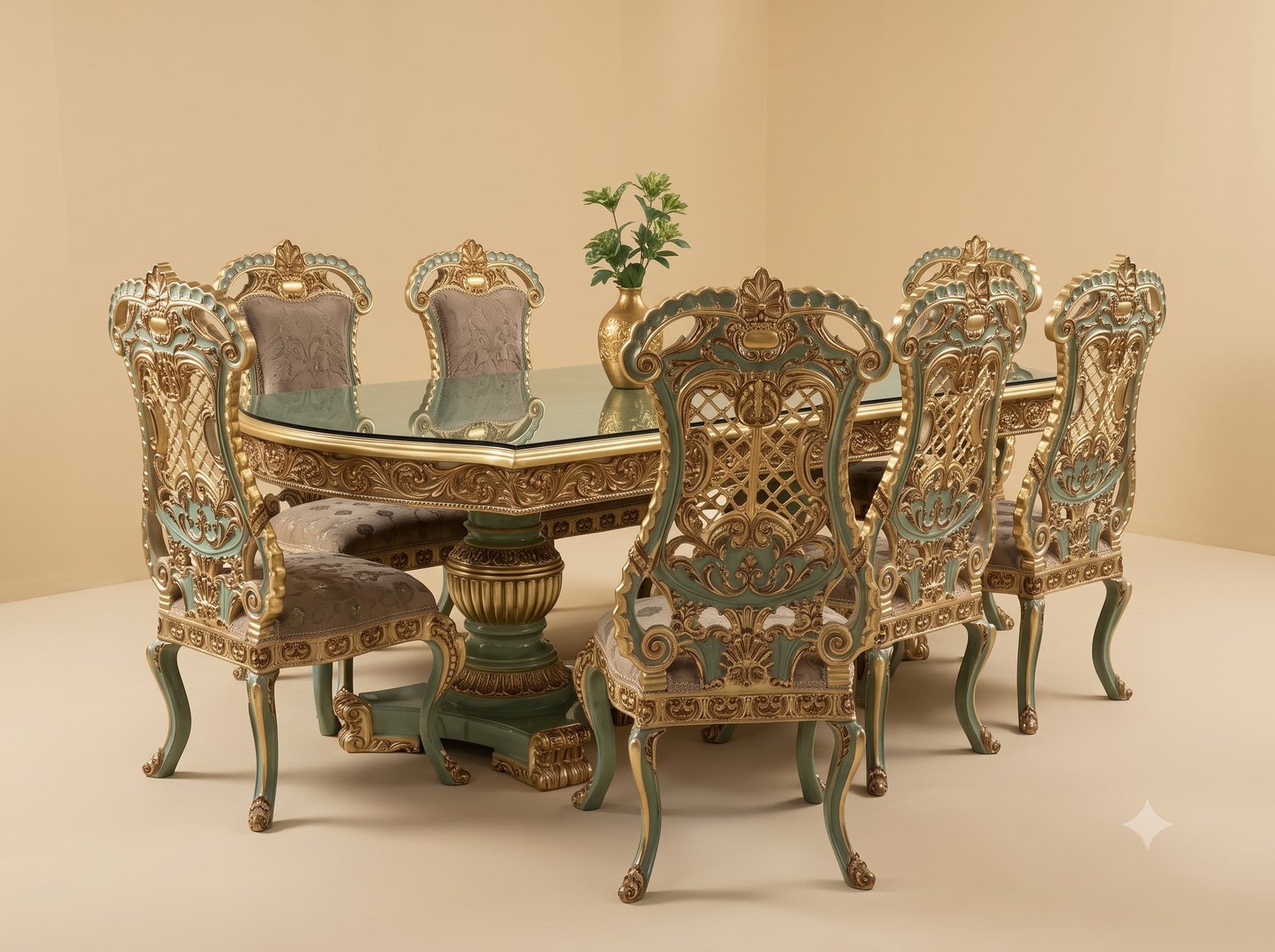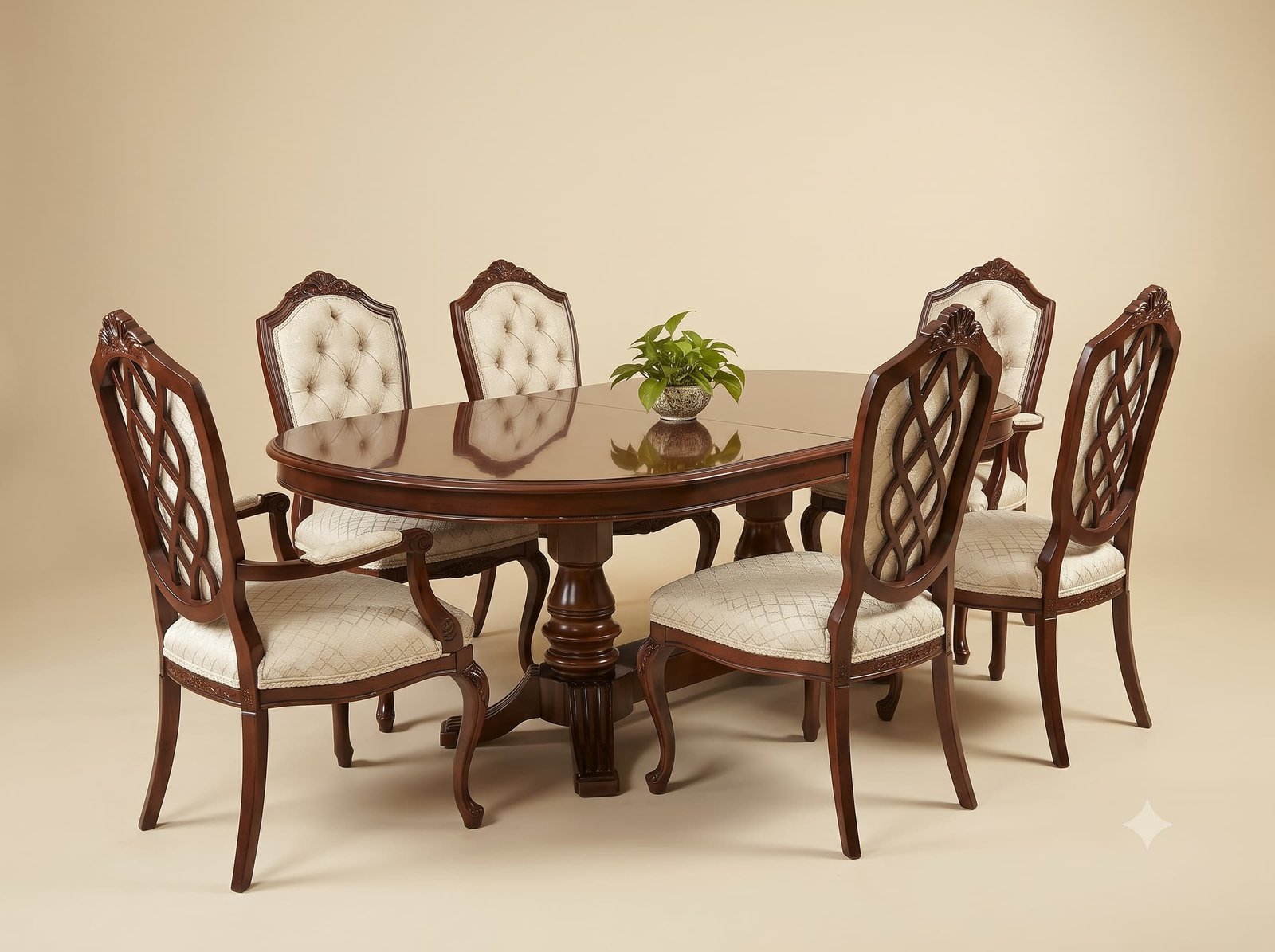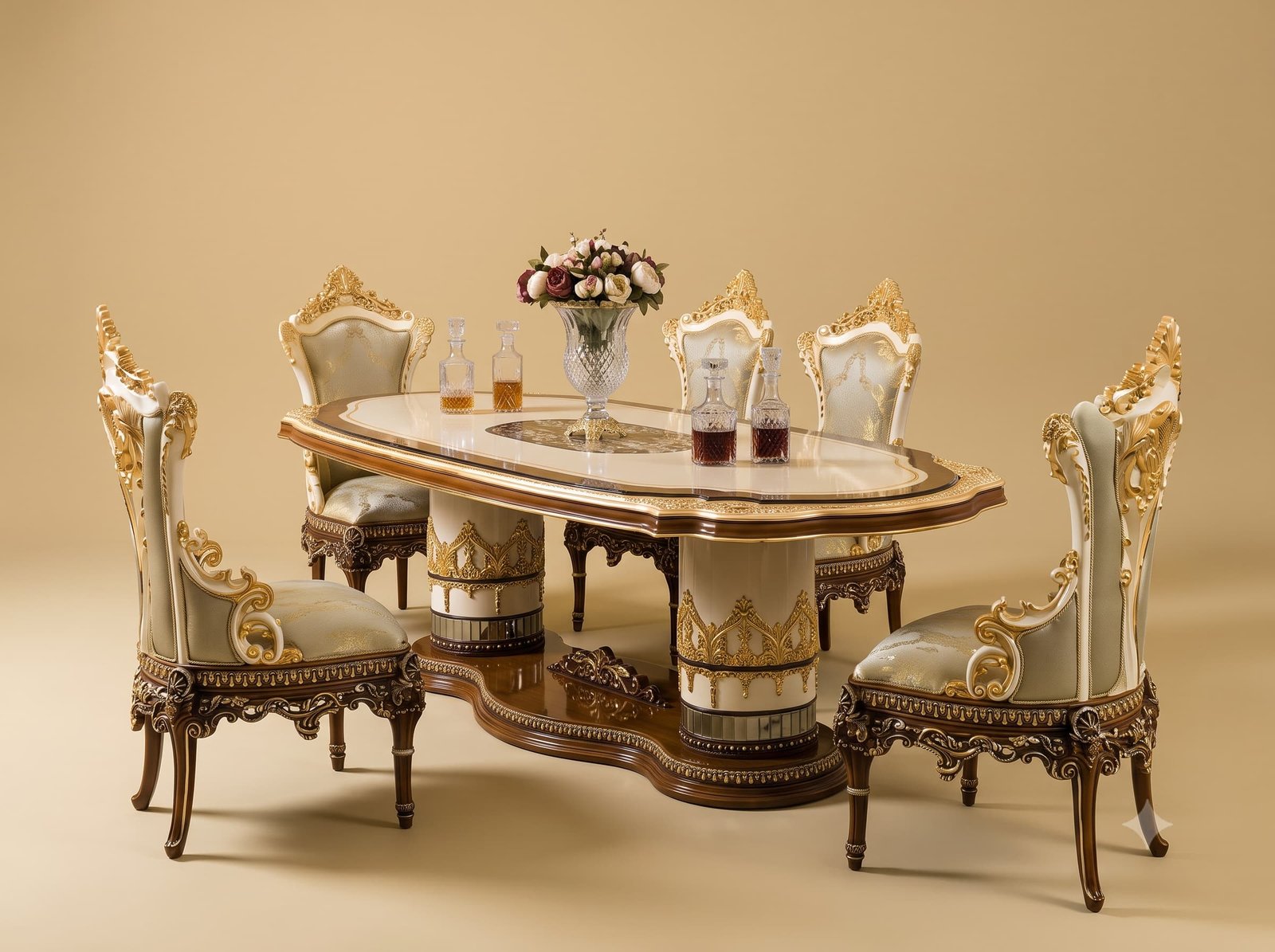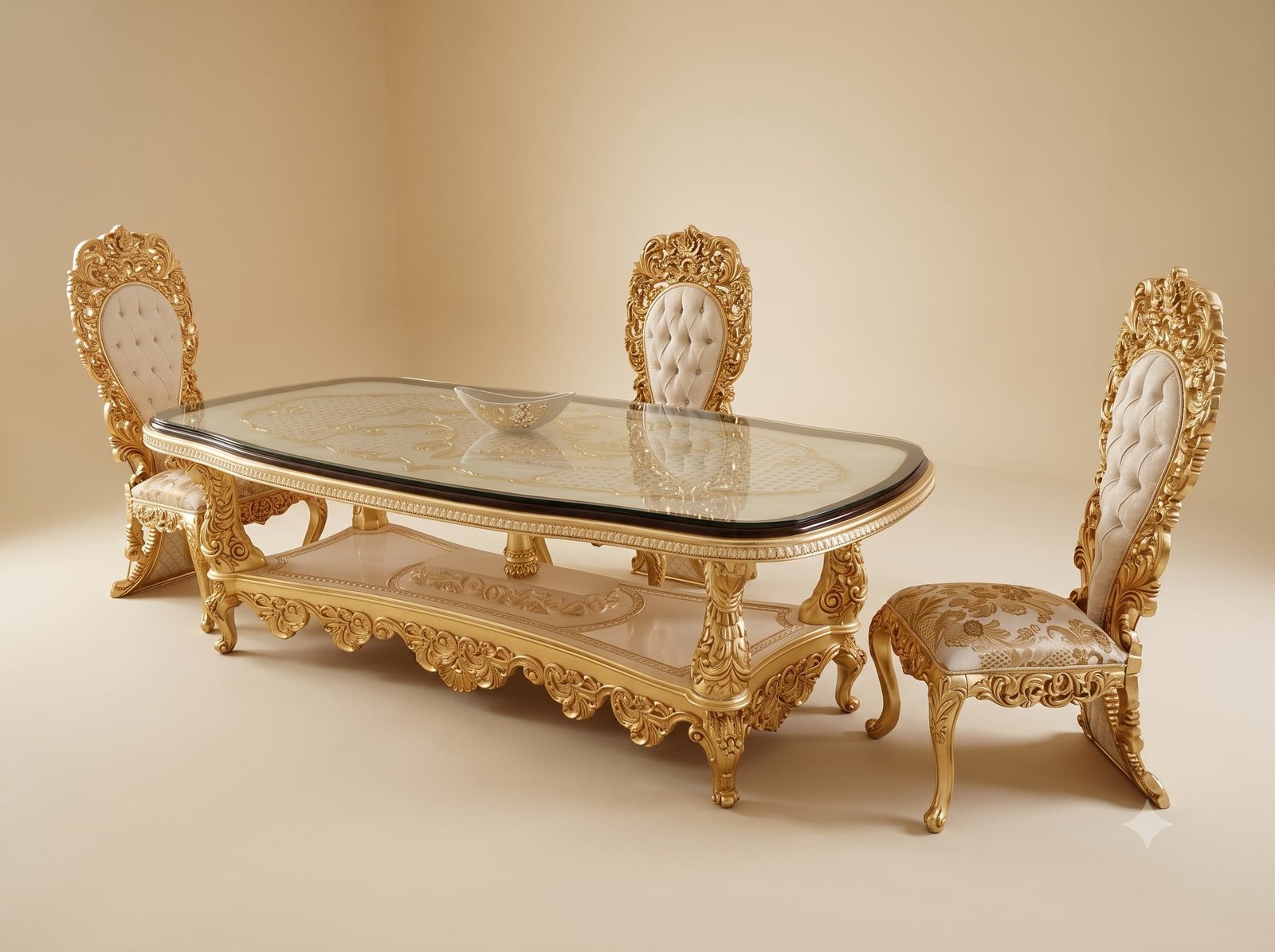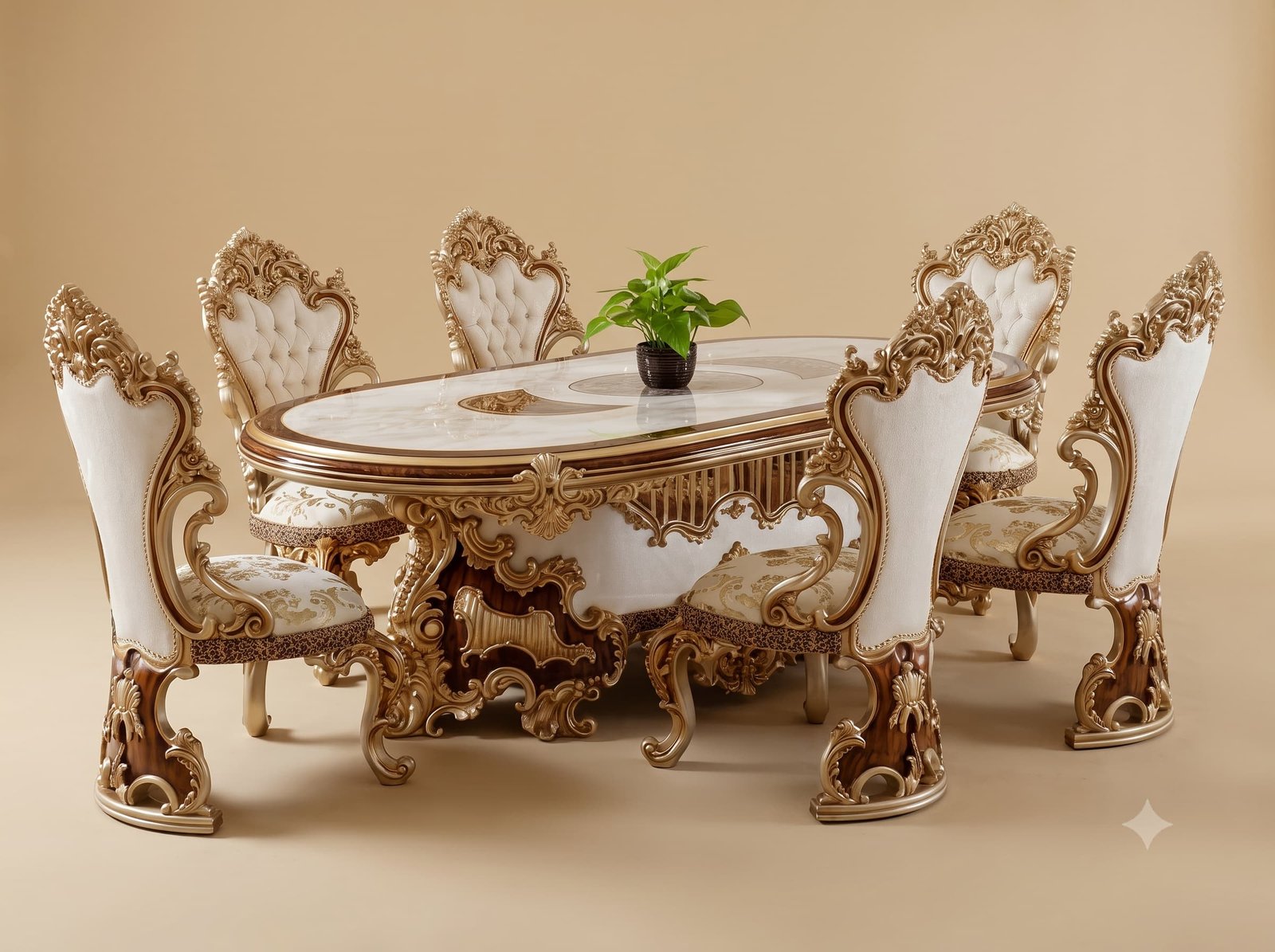
Setting a panel of one finish into a frame of another sounds like a painting decision. It is a joinery one, because the two are separate pieces of timber and they have to be able to move independently.
A panel glued rigidly into a frame on all four edges is a panel that will split. Timber moves across its width with the seasons - not much in teak, but not nothing - and a panel held on every edge has nowhere to go except apart. It is the classic cause of a cracked door panel in old furniture, and it happens on chairs for exactly the same reason.
So the walnut-toned panels here sit in grooves, not glue. Each is cut a little narrower than its opening, dropped into a groove in the frame with clearance at both sides, and held only at the centre of its top and bottom edges. It can expand and contract sideways within the groove and nothing restrains it.
The panel is also finished on all its faces and edges before assembly, including the parts that disappear into the groove. An unfinished edge takes up moisture at a different rate from a finished one, which makes a panel move unevenly and cup - and once it is in the frame, nobody can reach that edge to fix it.
None of this is visible. What is visible is a panel that still sits flat and square in its frame in twenty years.
 Ask Price On WhatsApp