Timber moves and glass does not, and a mirror set into a timber frame is a slow argument between the two that the mirror always loses.
Fit a mirror panel tight into its opening and it will be fine through the first dry season. Then the humidity rises, the frame swells inward by a fraction of a millimetre on each side, and the glass - which has not moved at all - takes the whole of that compression. Mirrors crack from the edge inward, usually diagonally, and always for this reason rather than because anything hit them.
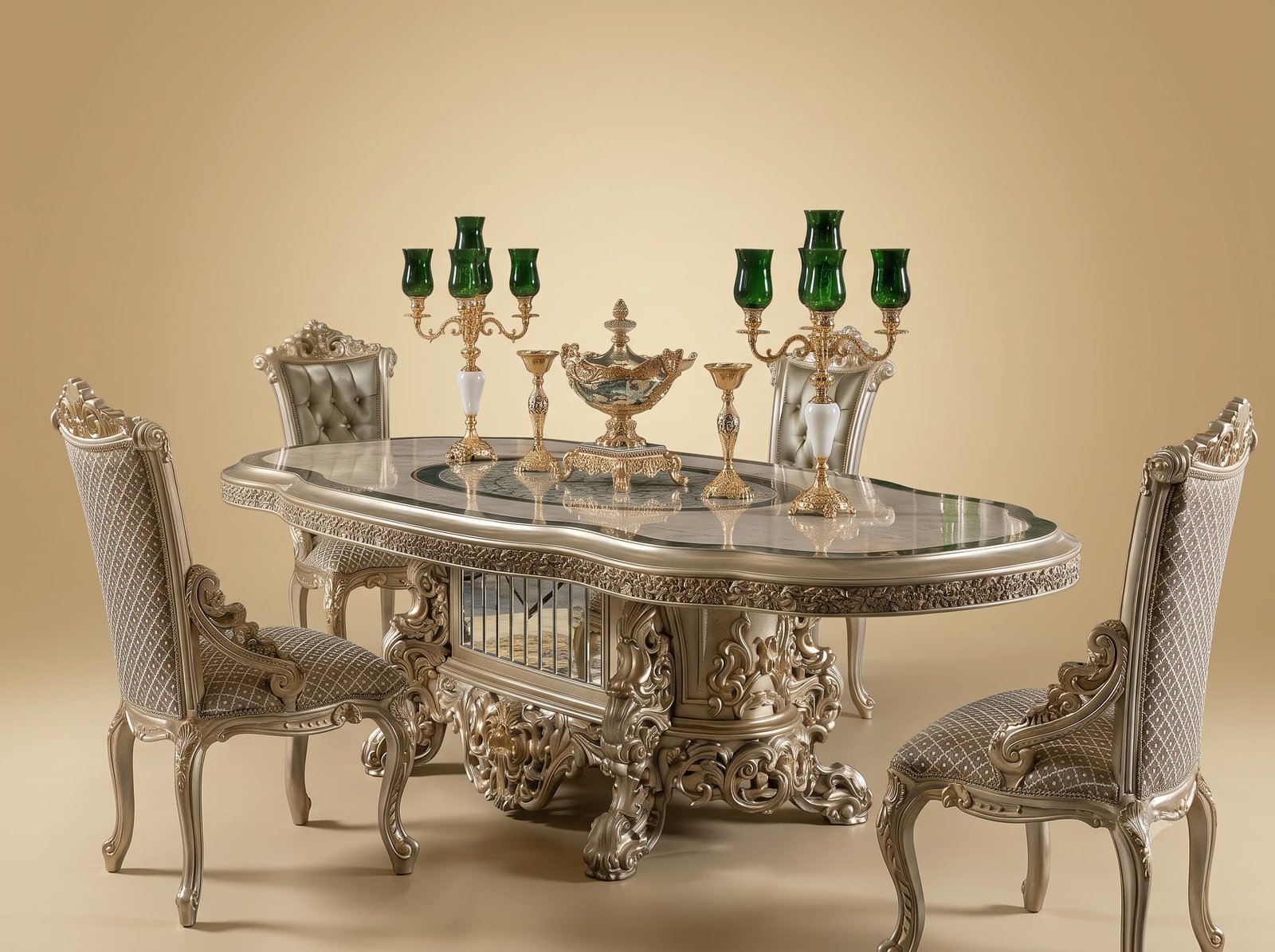
So ours is fitted with clearance. The rebate is cut oversize on every side, and the mirror sits inside that gap on soft setting blocks at the bottom edge, with clearance left at the top and both sides. A moulded bead holds it in place without clamping it, and a felt strip runs behind the glass so timber never touches its back directly.
The gap is hidden by the bead, so the panel looks tight-fitted. It is the opposite - it is deliberately loose, held gently rather than gripped, and that is why it is still whole in fifteen years.
The same clearance principle governs the inset centre of the top. Anything hard set into timber gets room to breathe.
 Ask Price On WhatsApp