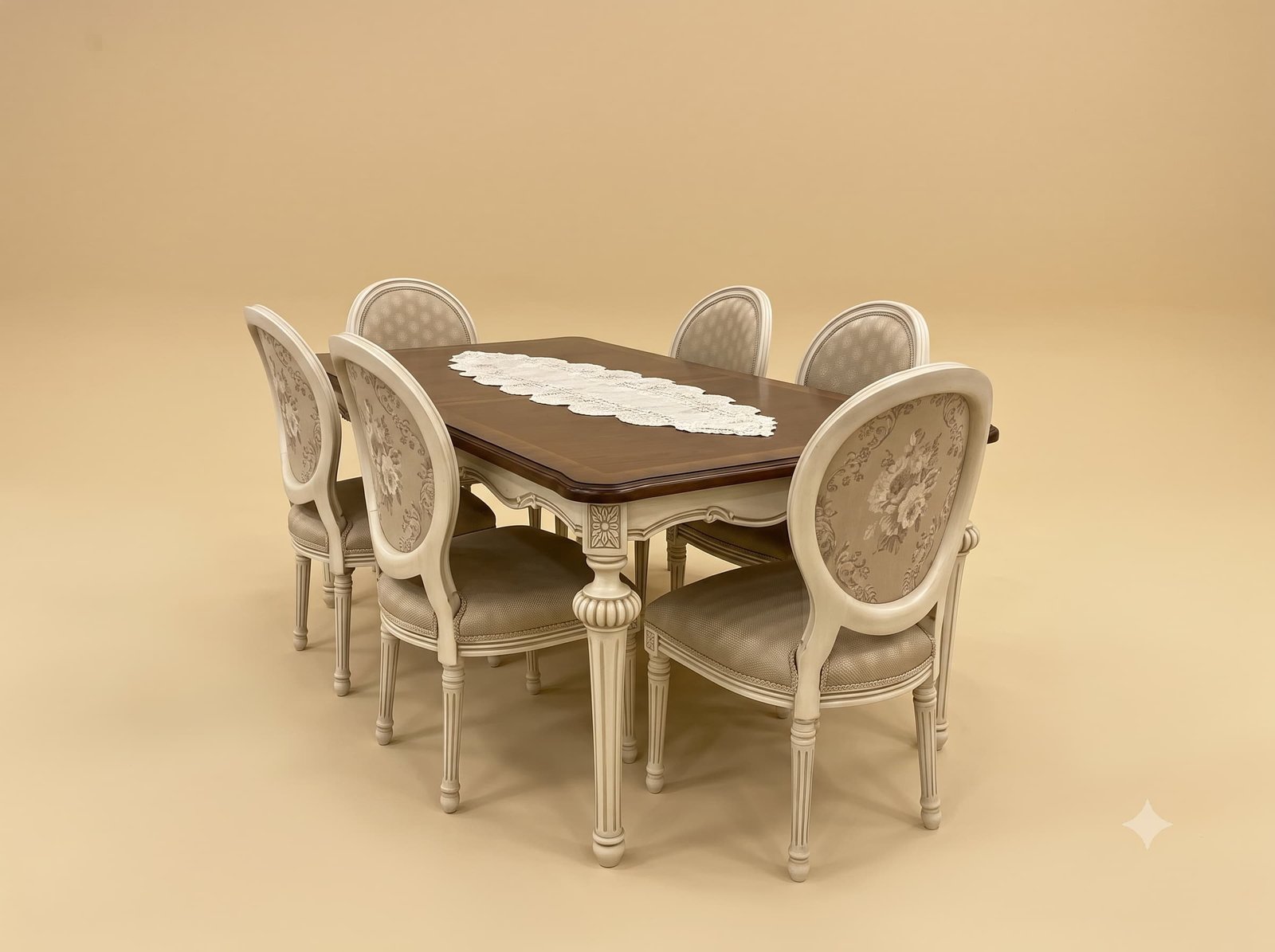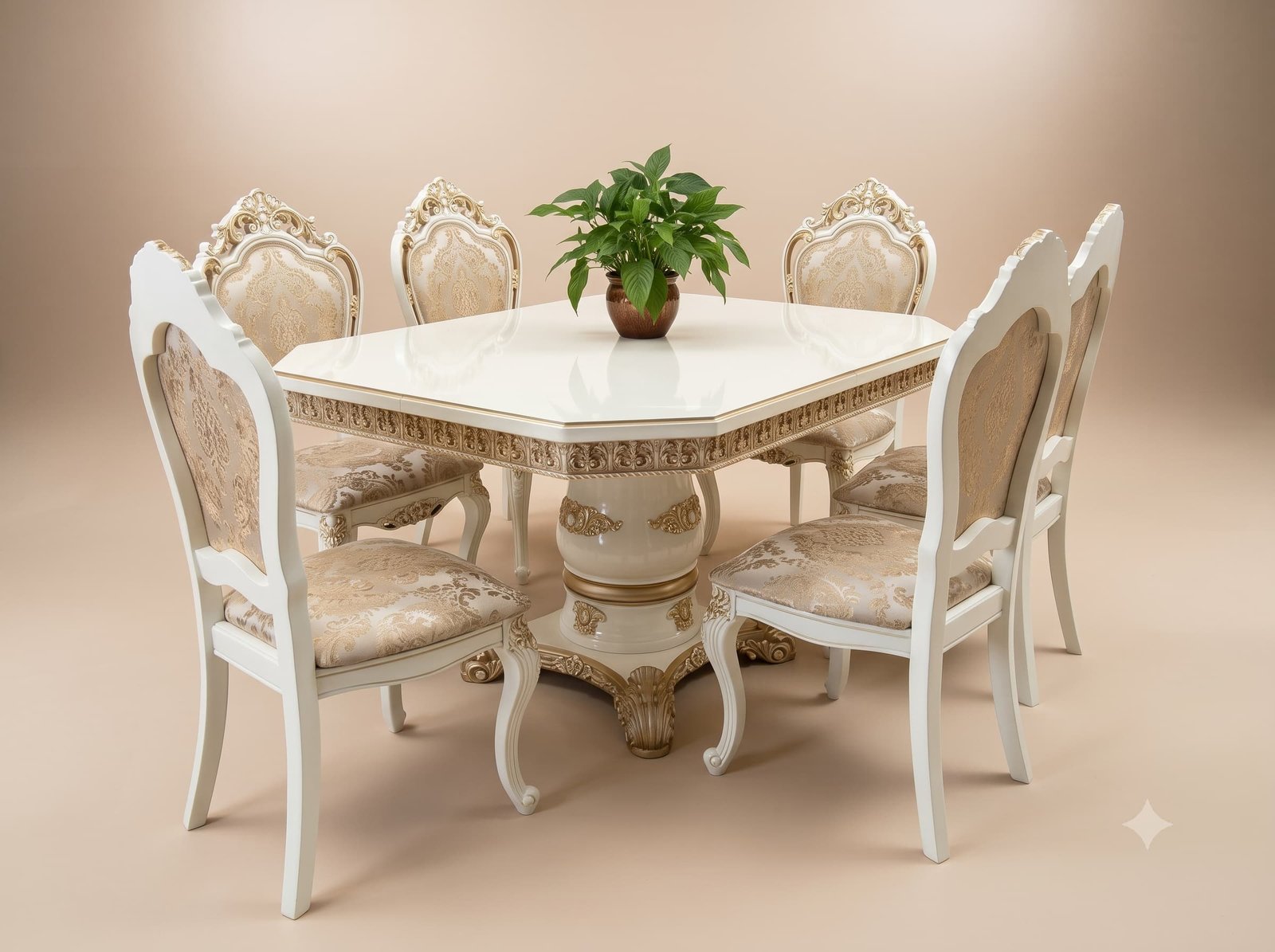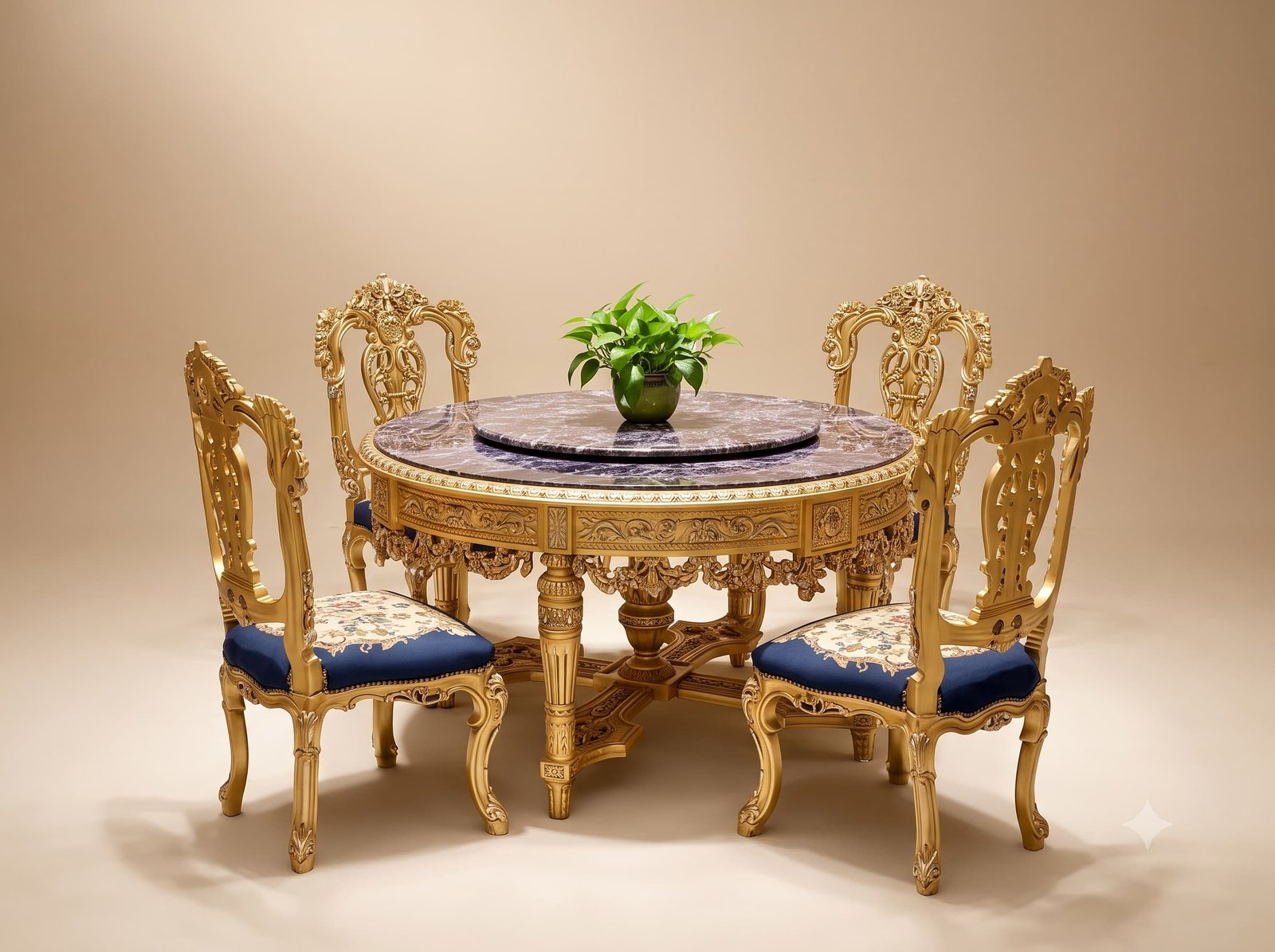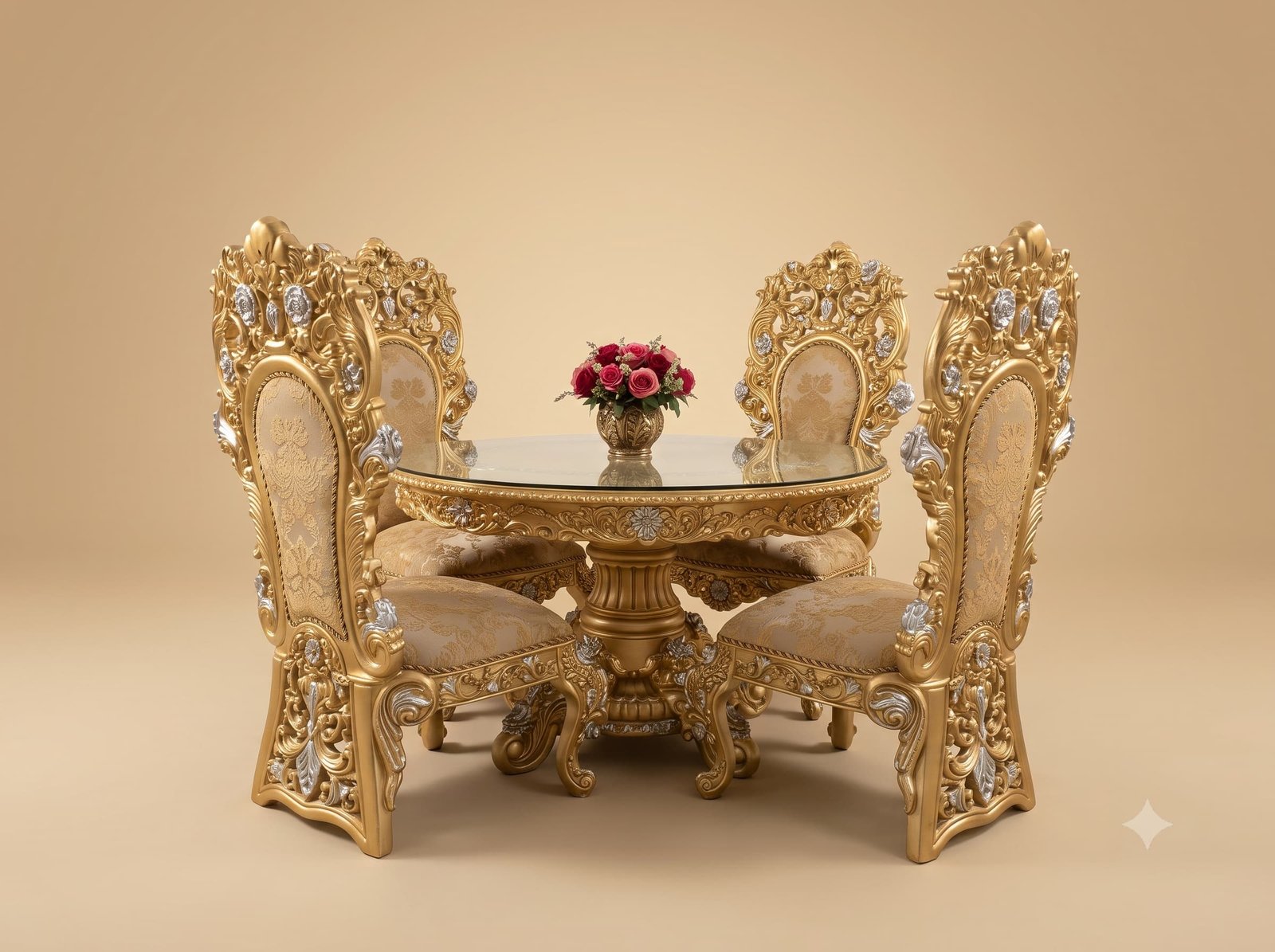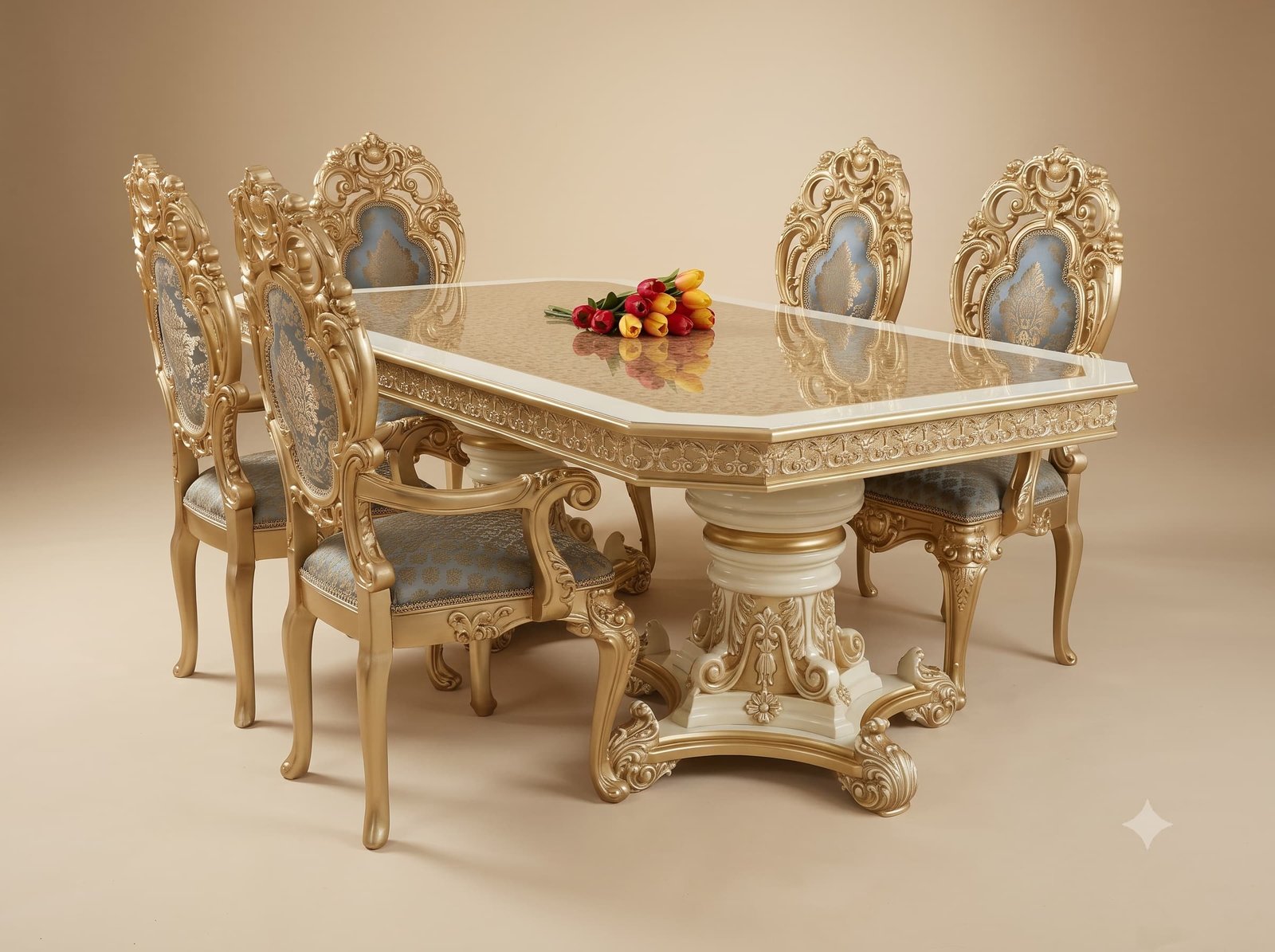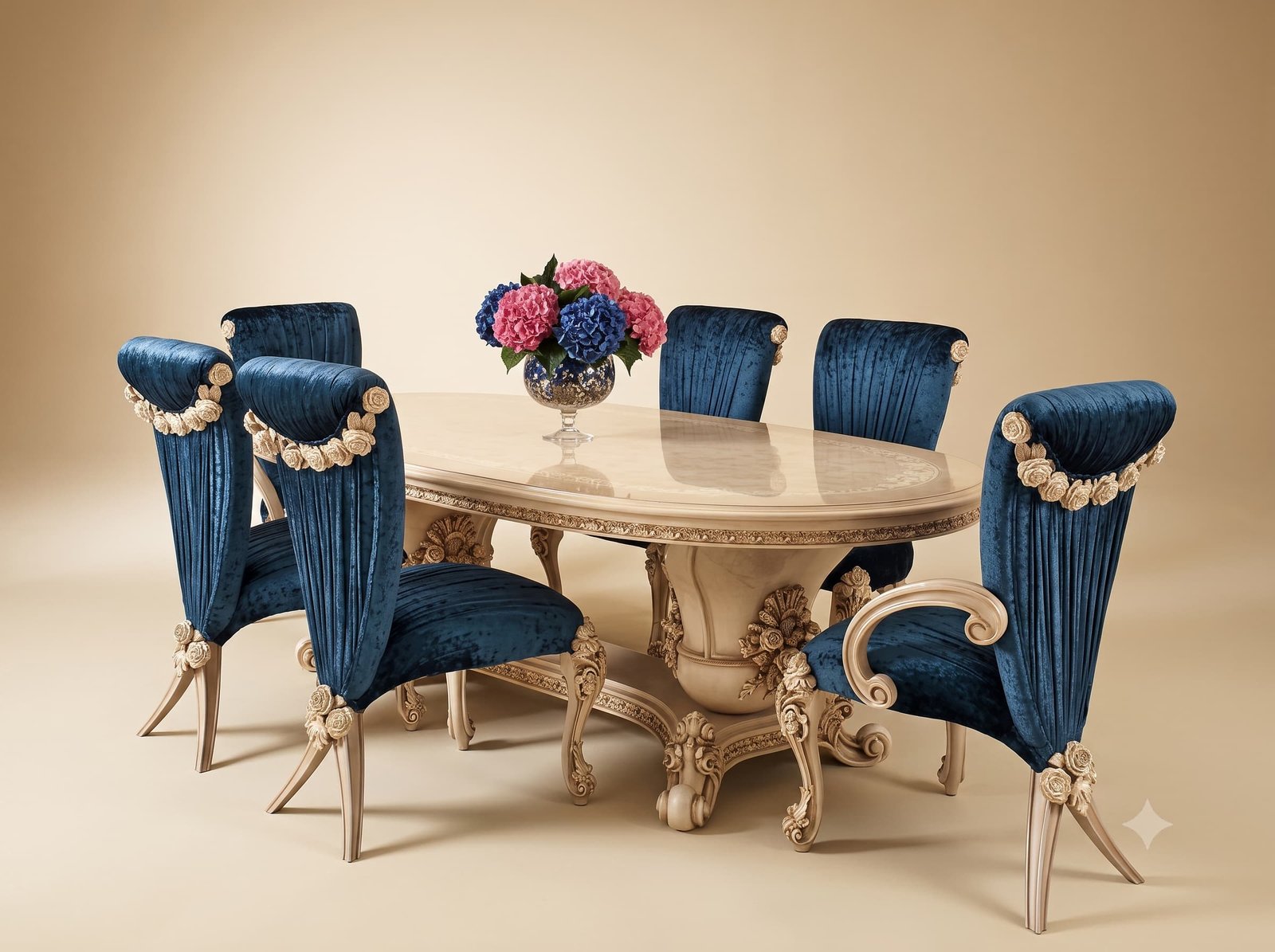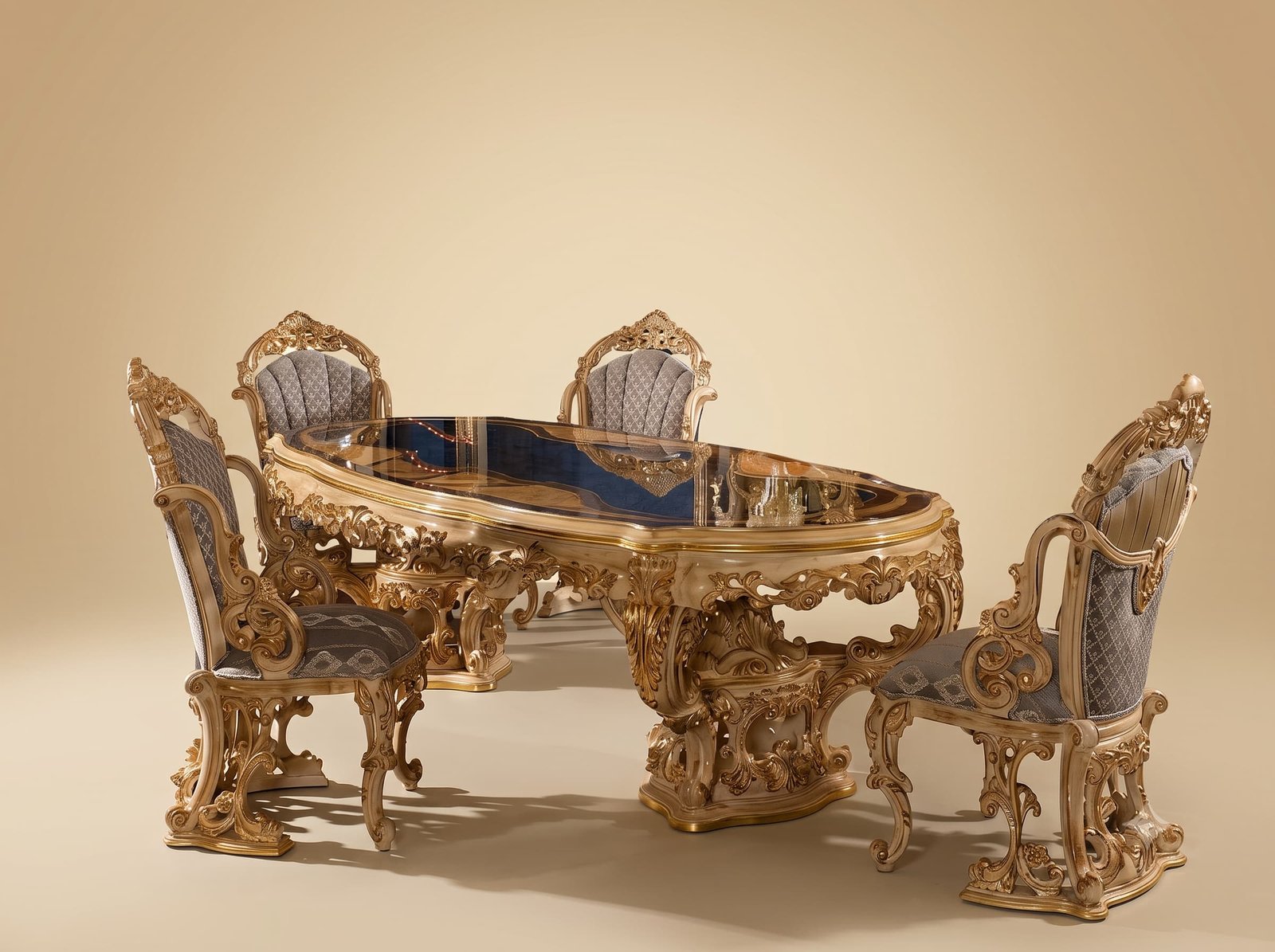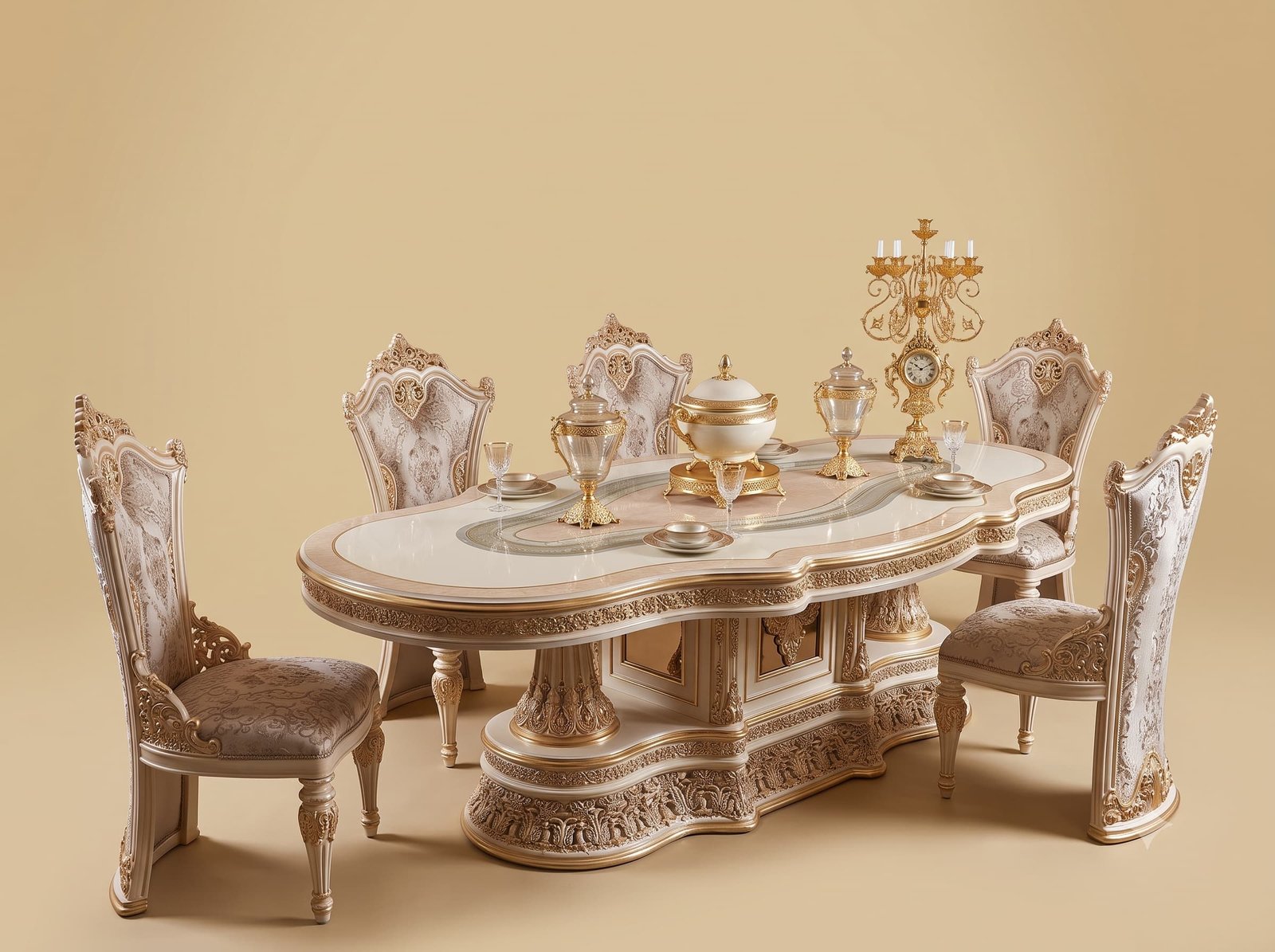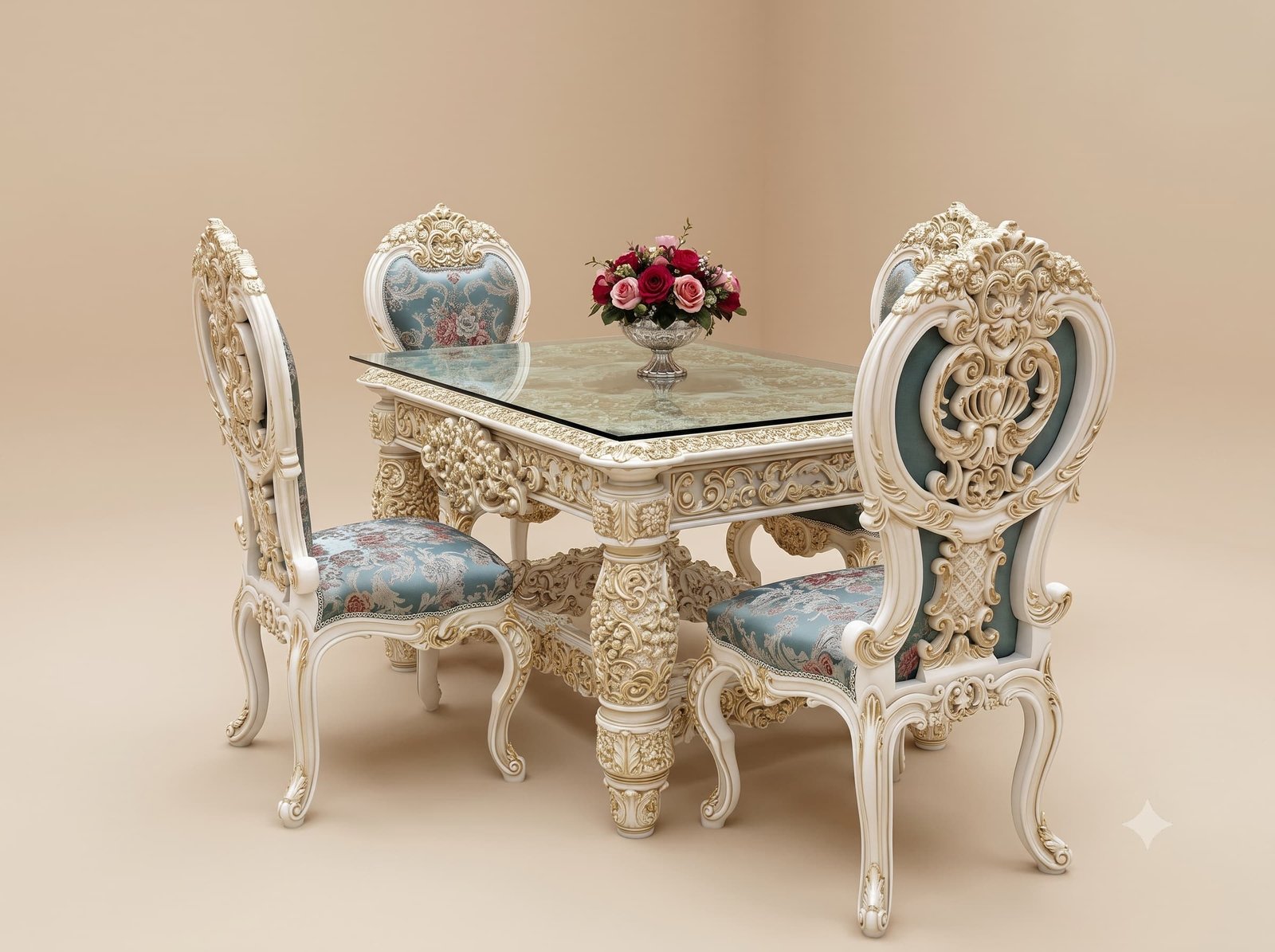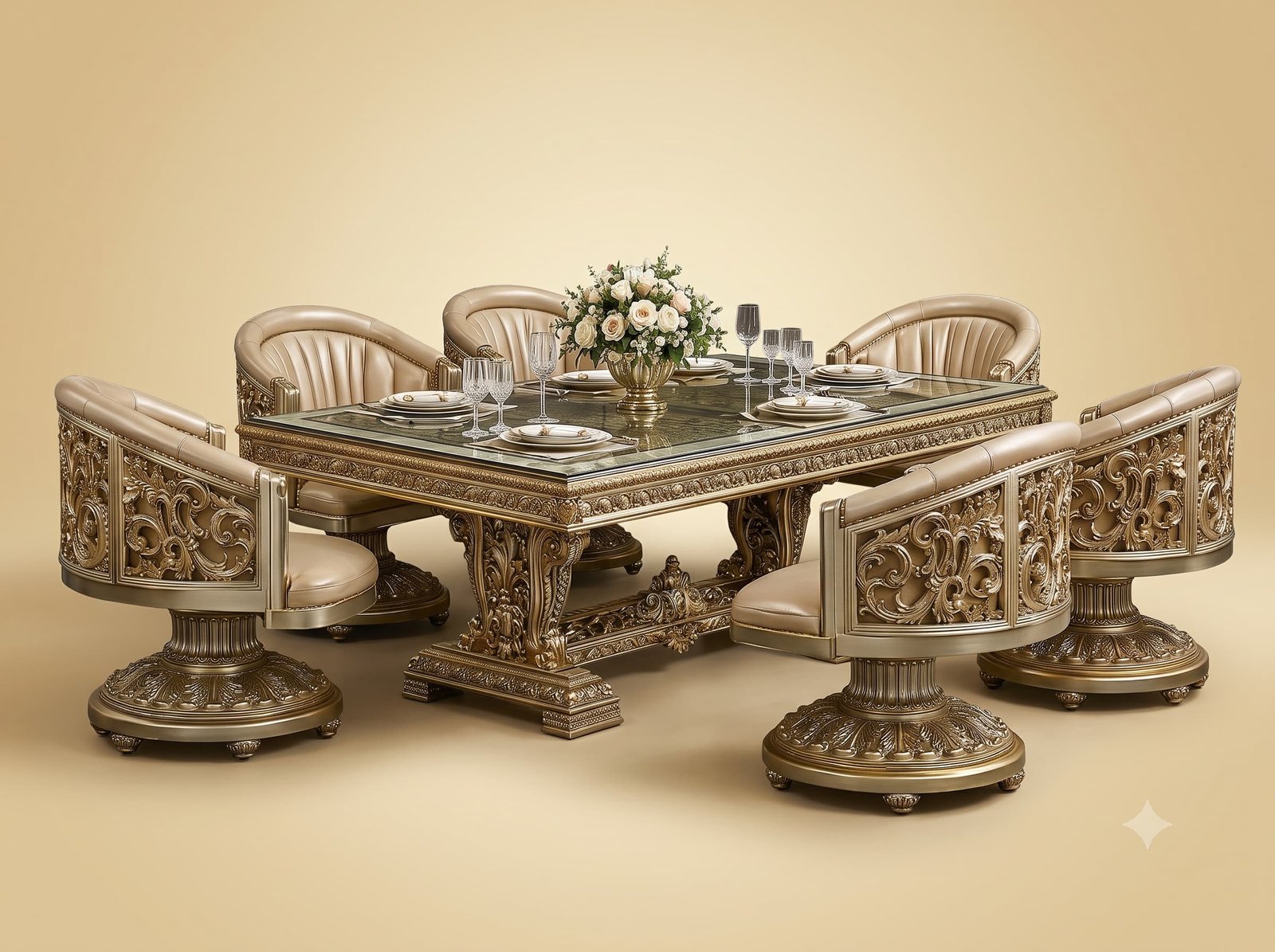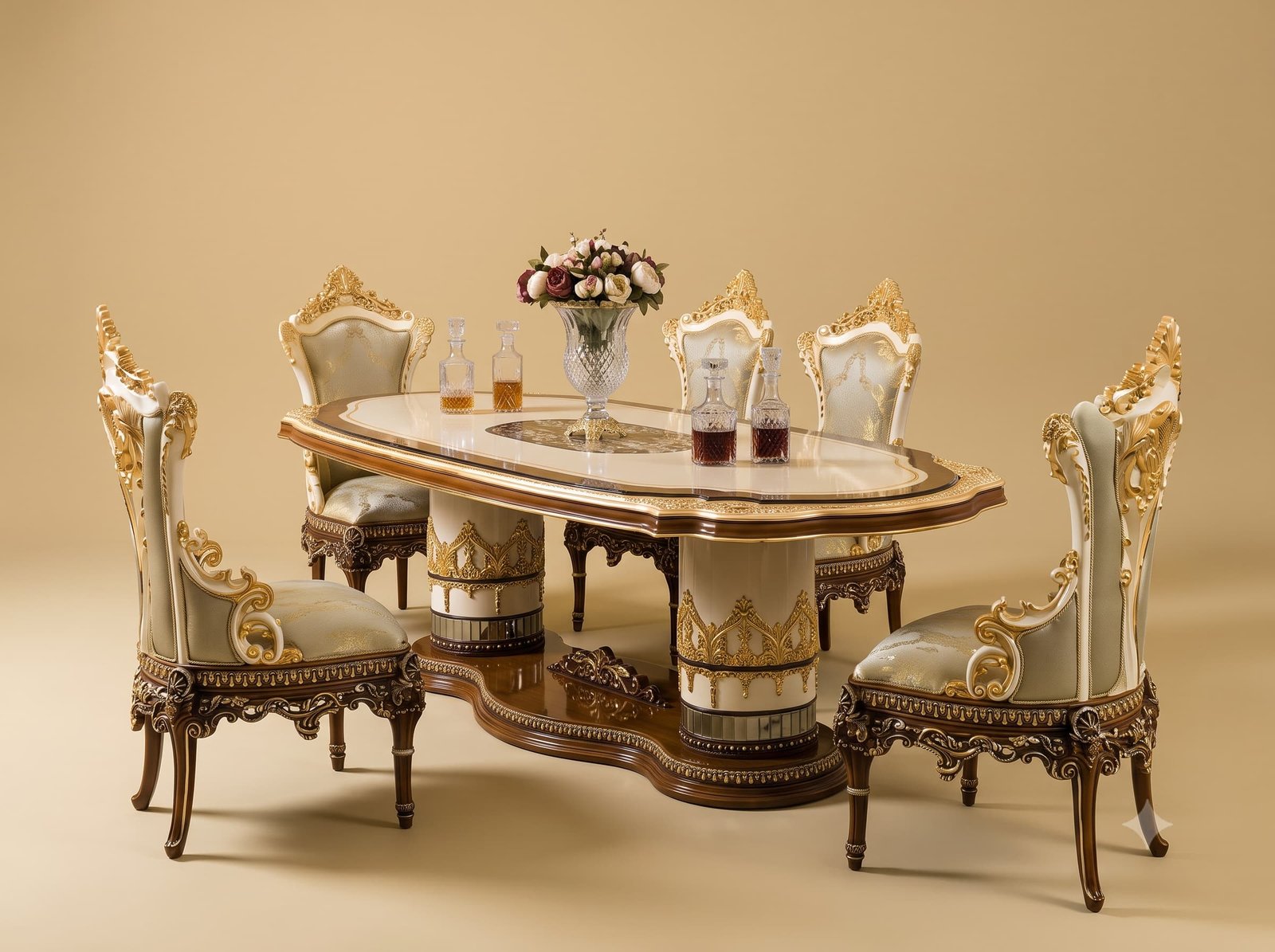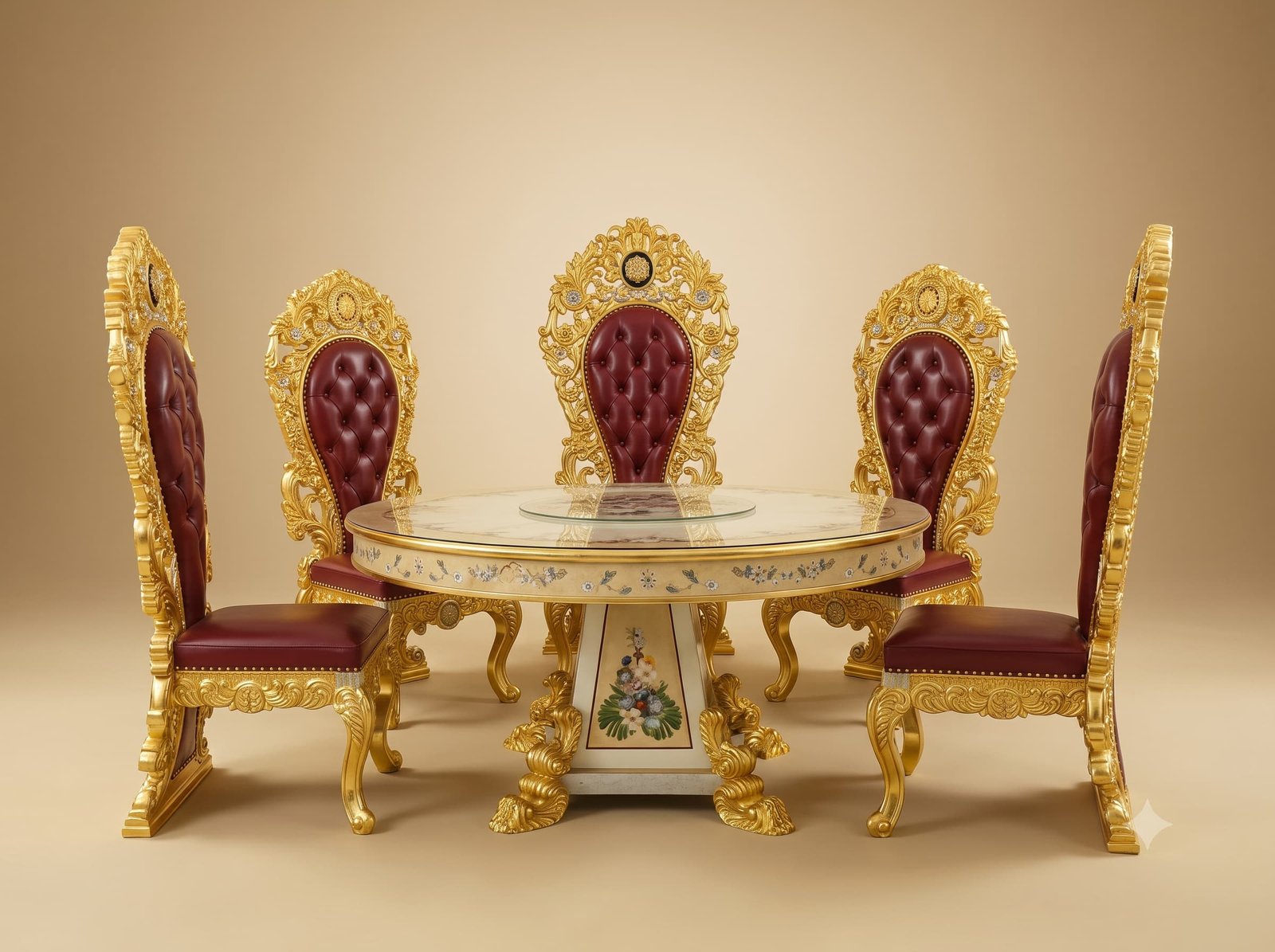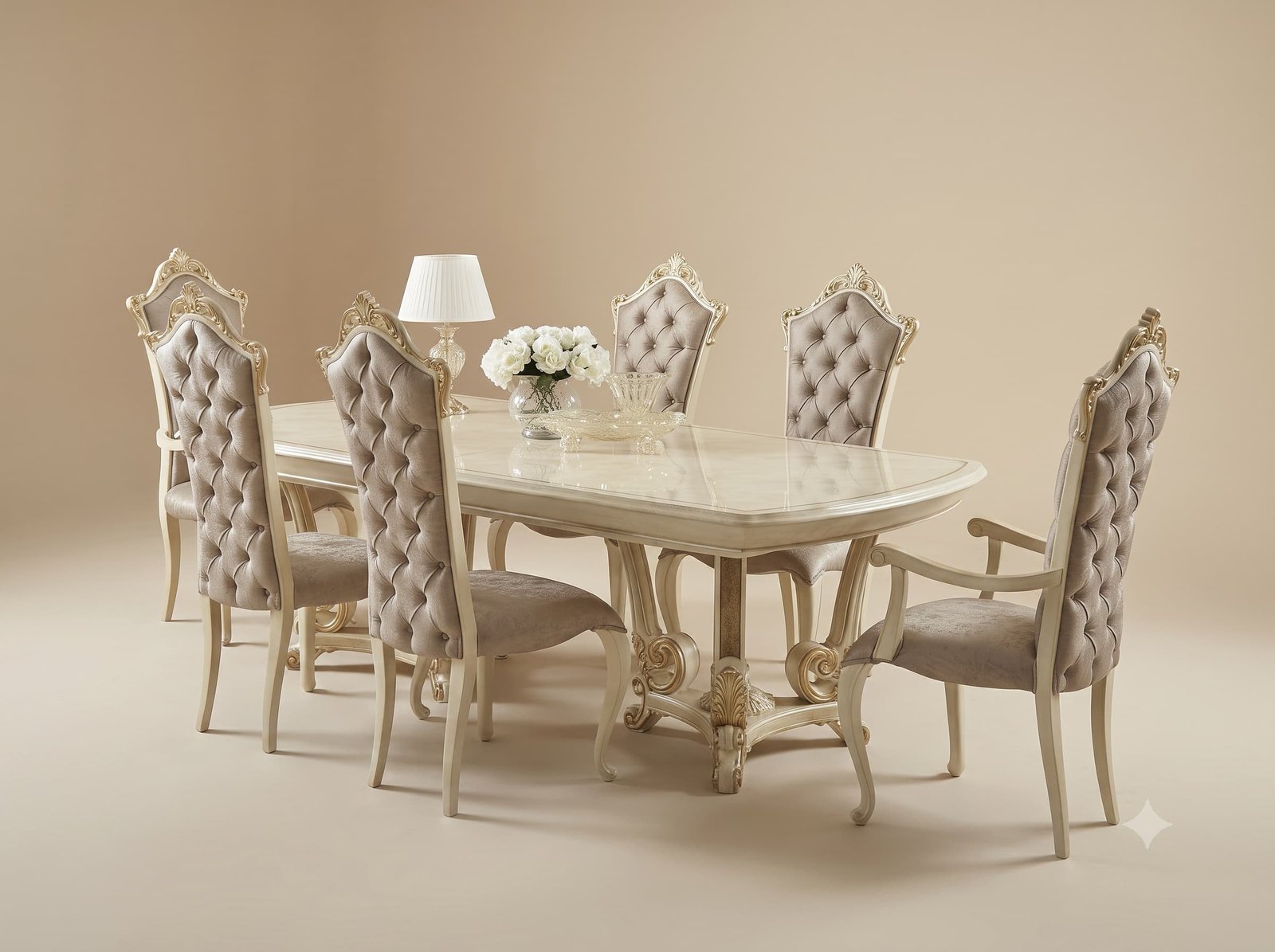
When a client asks for a taller chair back than the one we photographed, there is a decision to make that most people never think about: does the buttoning grid get bigger, or does it get more rows?
Adding rows is the easy answer and the wrong one. Keep the diamonds the same size and add a row, and the chair now has a different number of buttons from the one in the picture - which matters, because a buttoned back is read as a pattern and the pattern's density is most of its character. More rows of the same size makes a tall back look busy and slightly cheap, like a quilted panel rather than a piece of upholstery.
So we scale instead. The grid is enlarged in proportion to the back, keeping the same number of rows and columns, so a taller chair has larger diamonds rather than more of them. The proportions of the buttoning stay in step with the proportions of the chair.
There is a limit - a diamond can only get so large before the fill between buttons starts to feel loose - and where a client wants a back tall enough to pass it, we say so and suggest going to more rows with a slightly reduced size, which is a different look and an honest one.
It is the sort of thing decided in a five-minute conversation at the drawing stage, and it is the difference between six chairs that look designed and six that look scaled up.
 Ask Price On WhatsApp