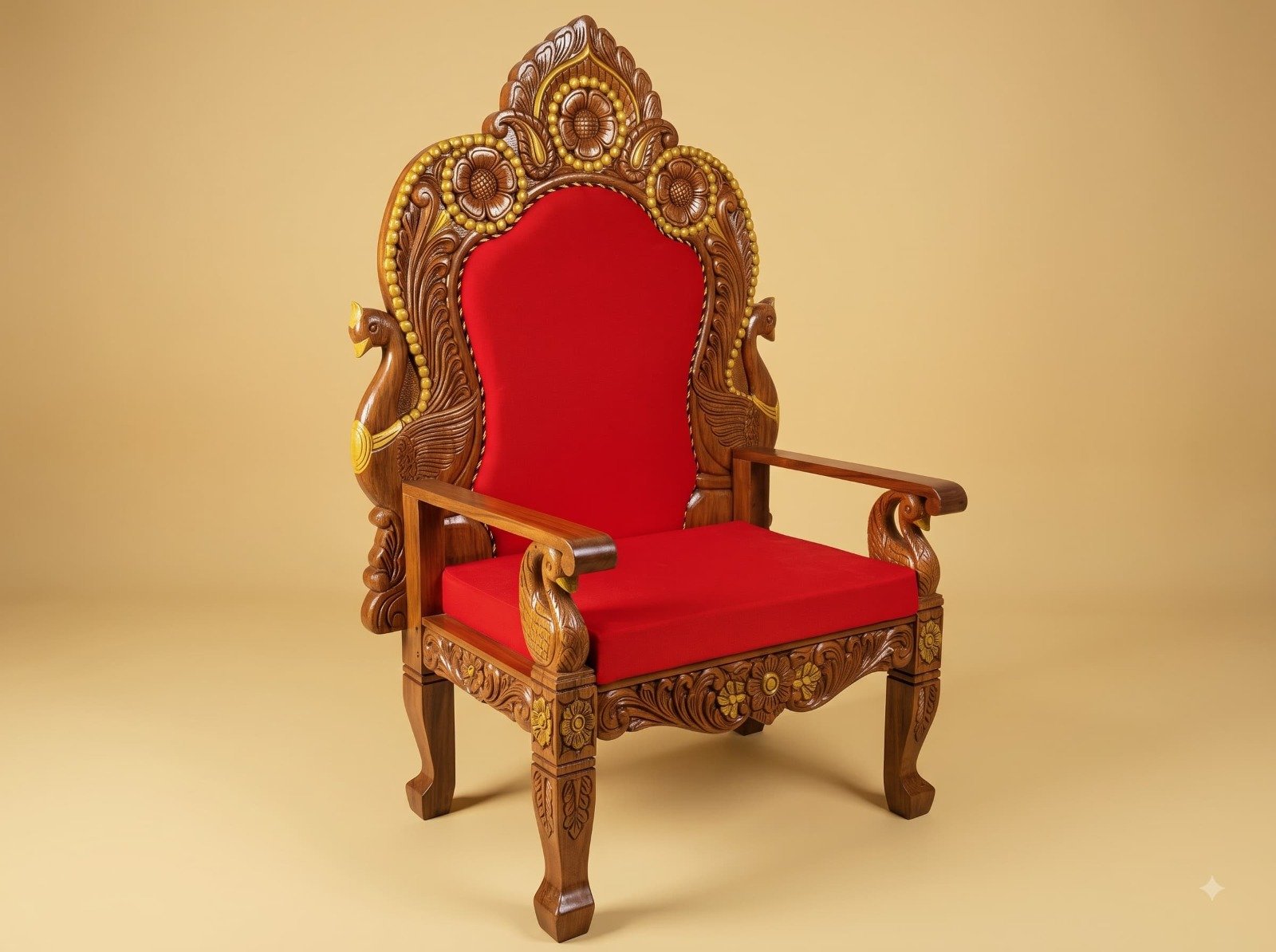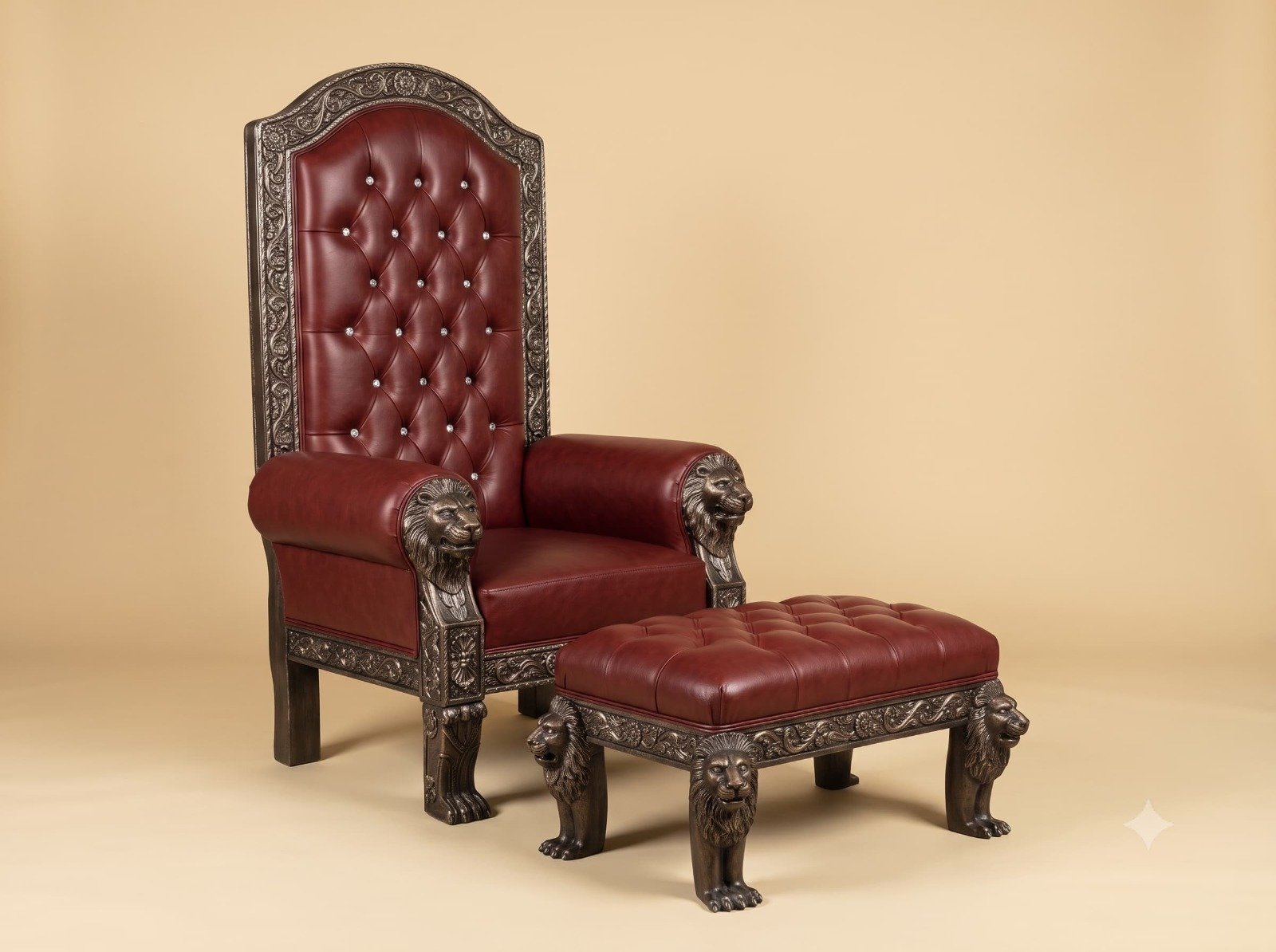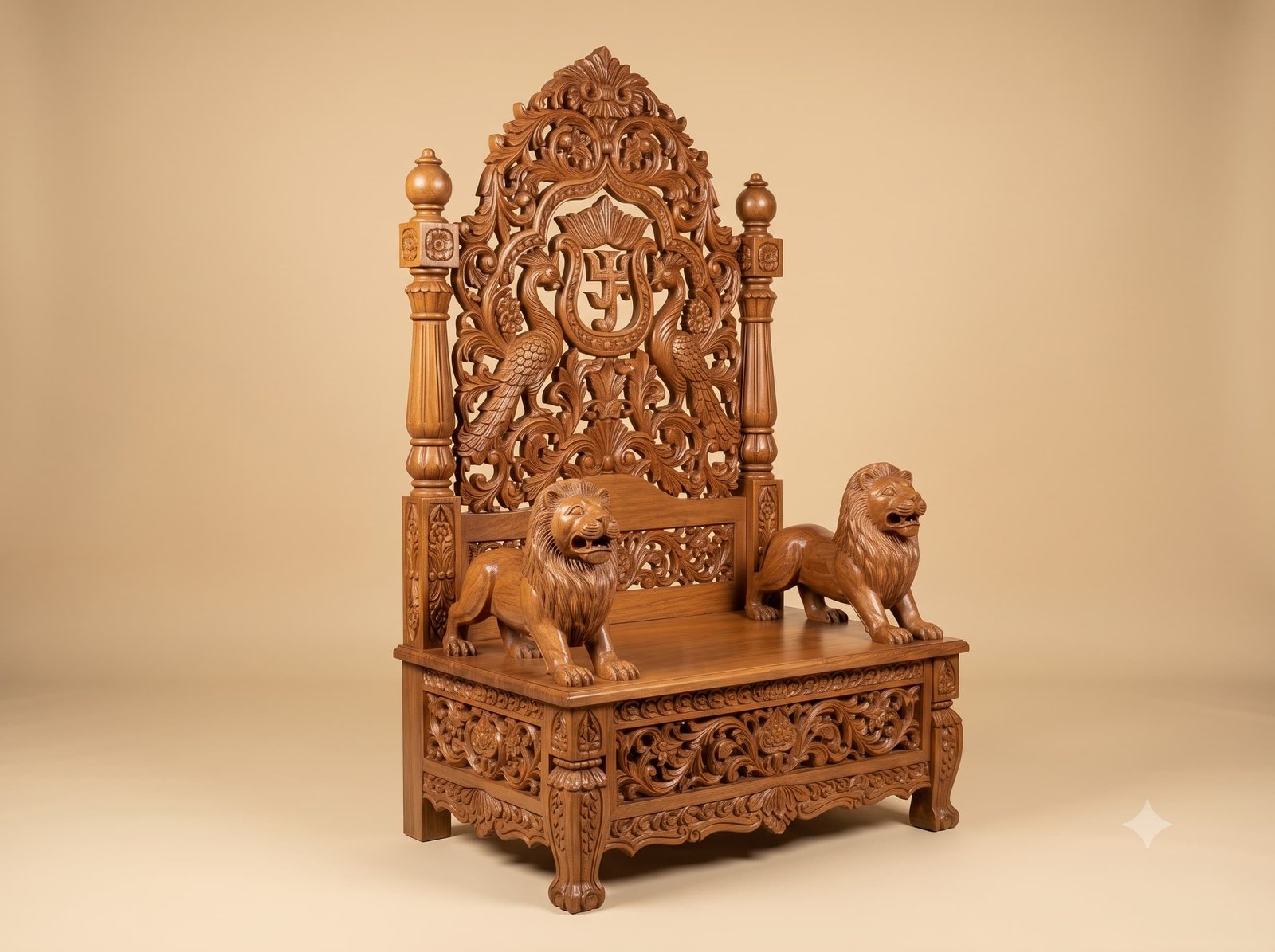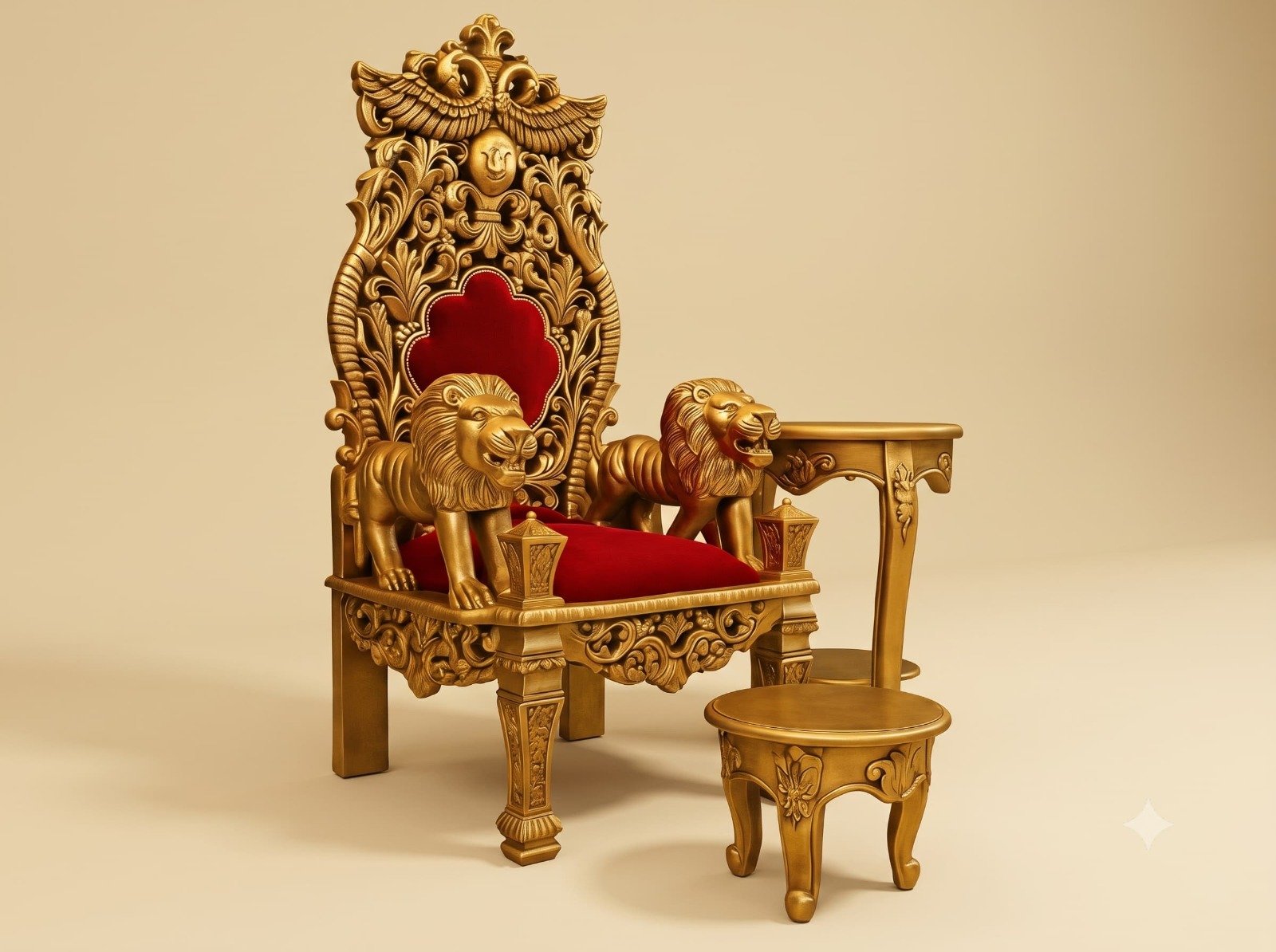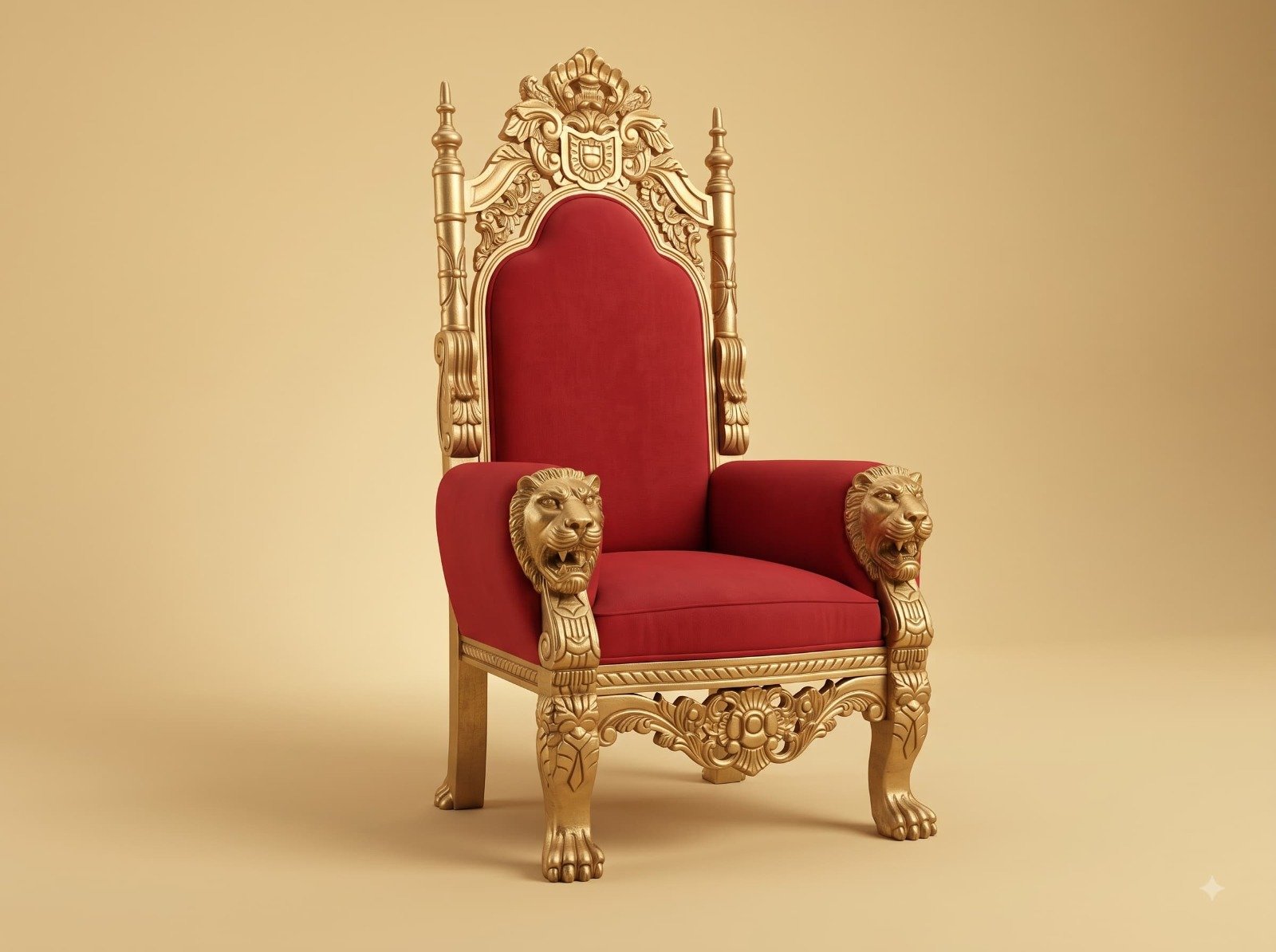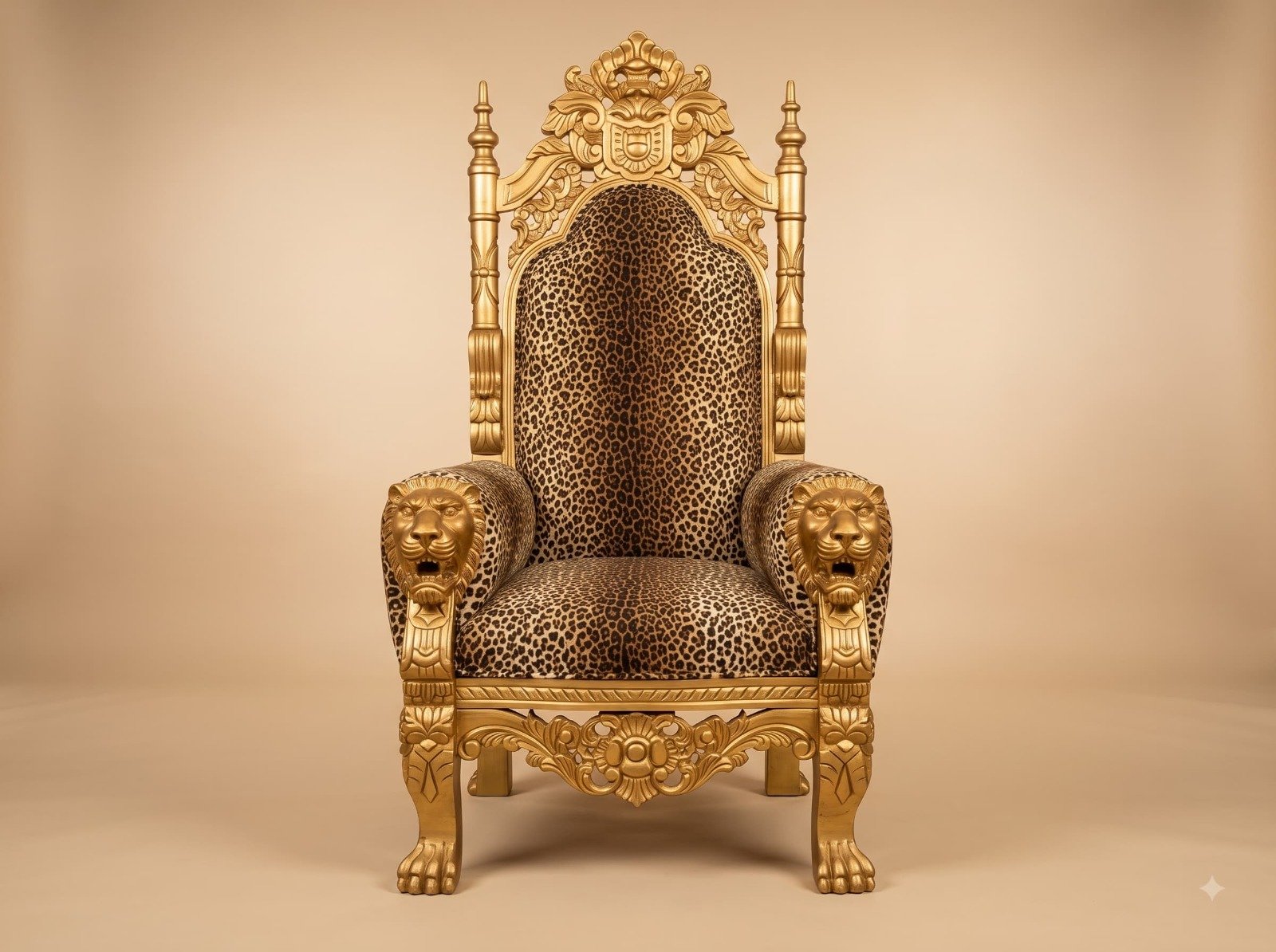
A back this tall cannot be flat, and the reason is anatomy rather than style.
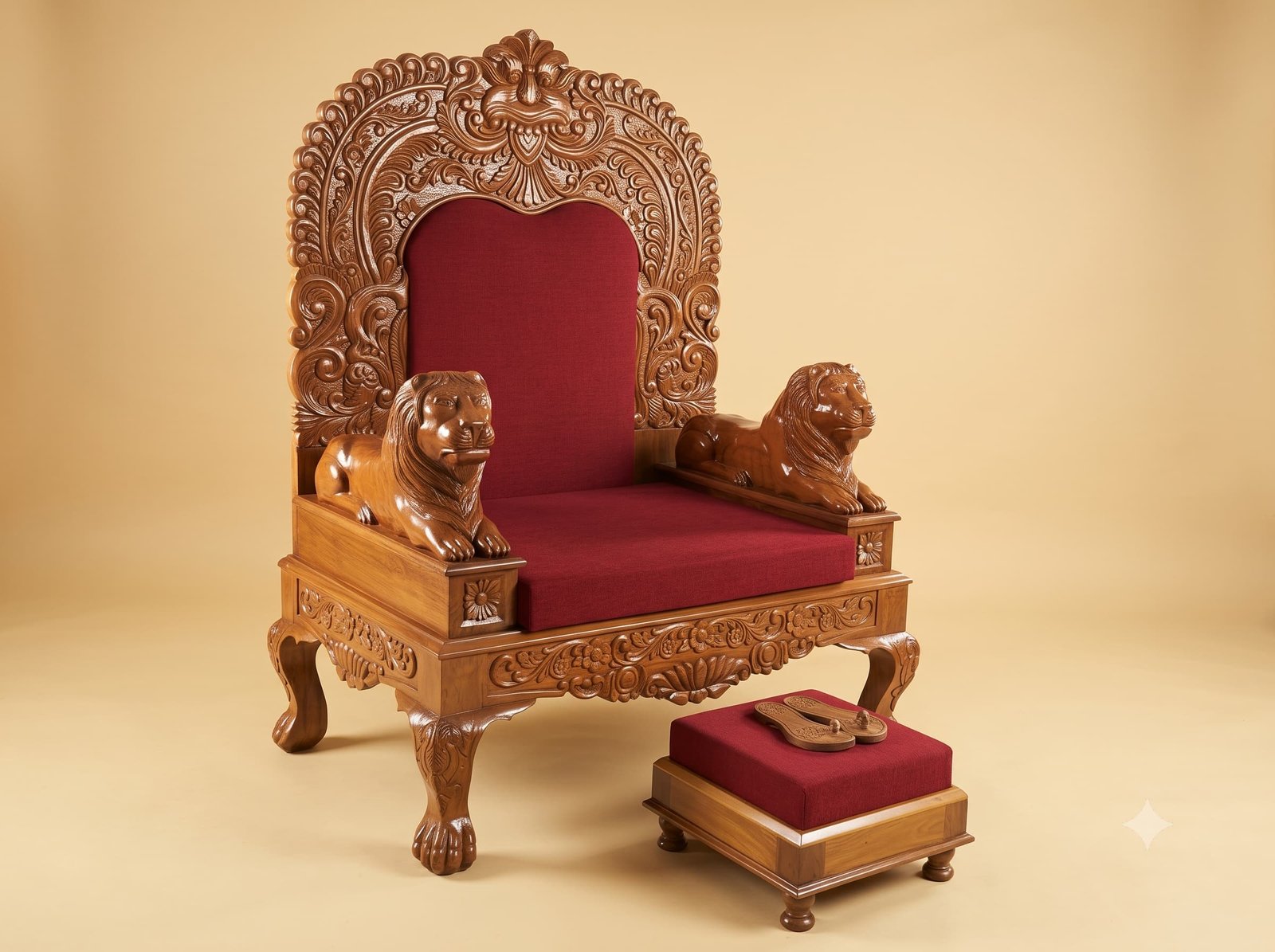
Shoulders are not flat. A flat back panel touches a sitter at two points - the shoulder blades - and leaves a gap behind the spine, so the shoulders are pushed forward and the head follows. On a low chair nobody notices, because the back stops below the shoulder line. On a chair like this, where the panel runs from the seat past the head, a flat face would be uncomfortable within minutes.
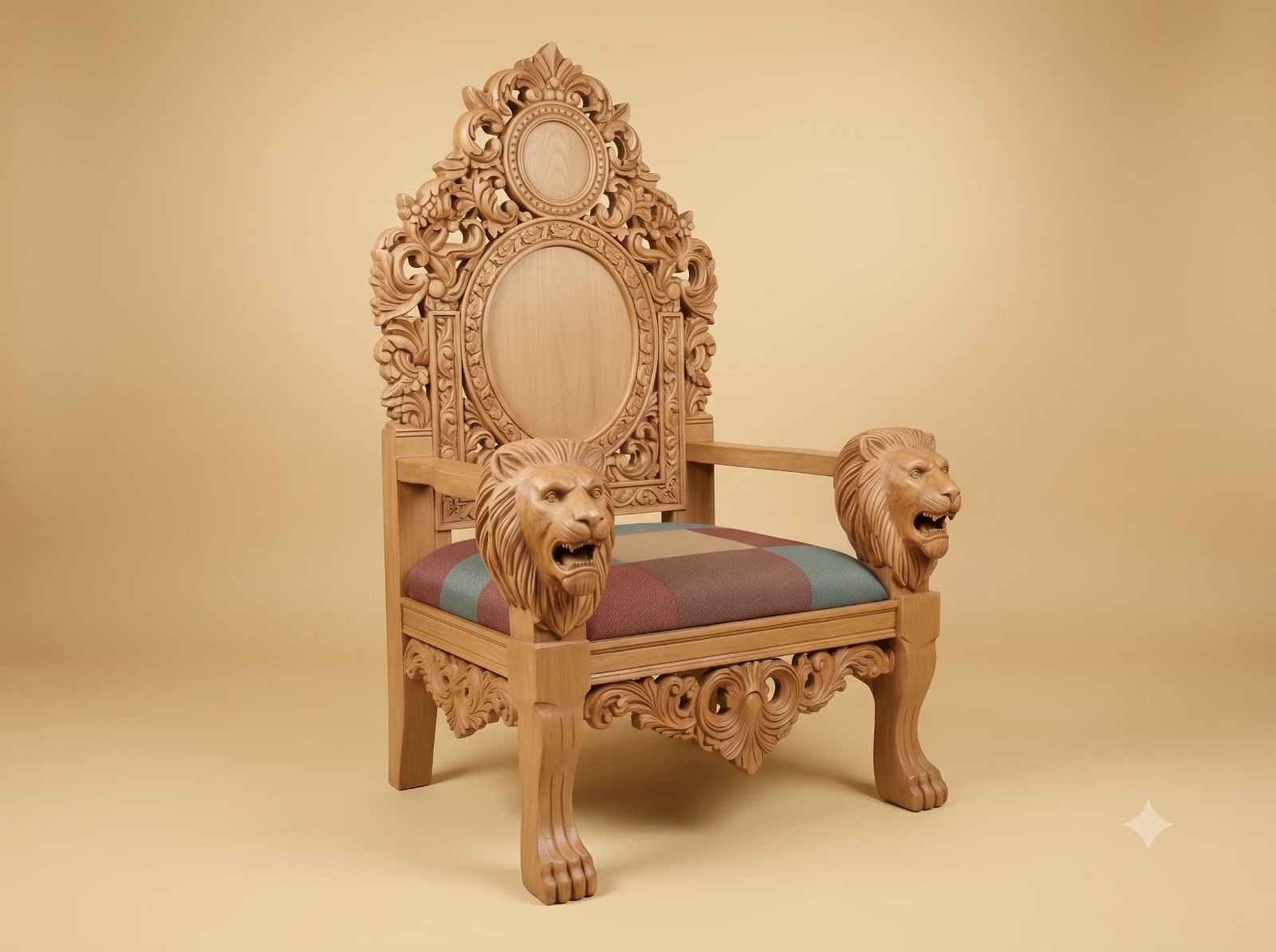
So the back is curved across its width - shallow, but continuous, following the shape of a person's back rather than the shape of a board. The rails at the top and bottom of the back frame are cut to that curve from stock thicker than the finished rail, so the grain runs along the curve rather than being forced into it. Cutting the shape out of thicker material costs wood; bending a straight rail into place would cost strength, because the timber would be under permanent tension.
The curve is subtle enough that most people never see it. They just find that the chair holds them upright instead of pushing them forward.
 Ask Price On WhatsApp