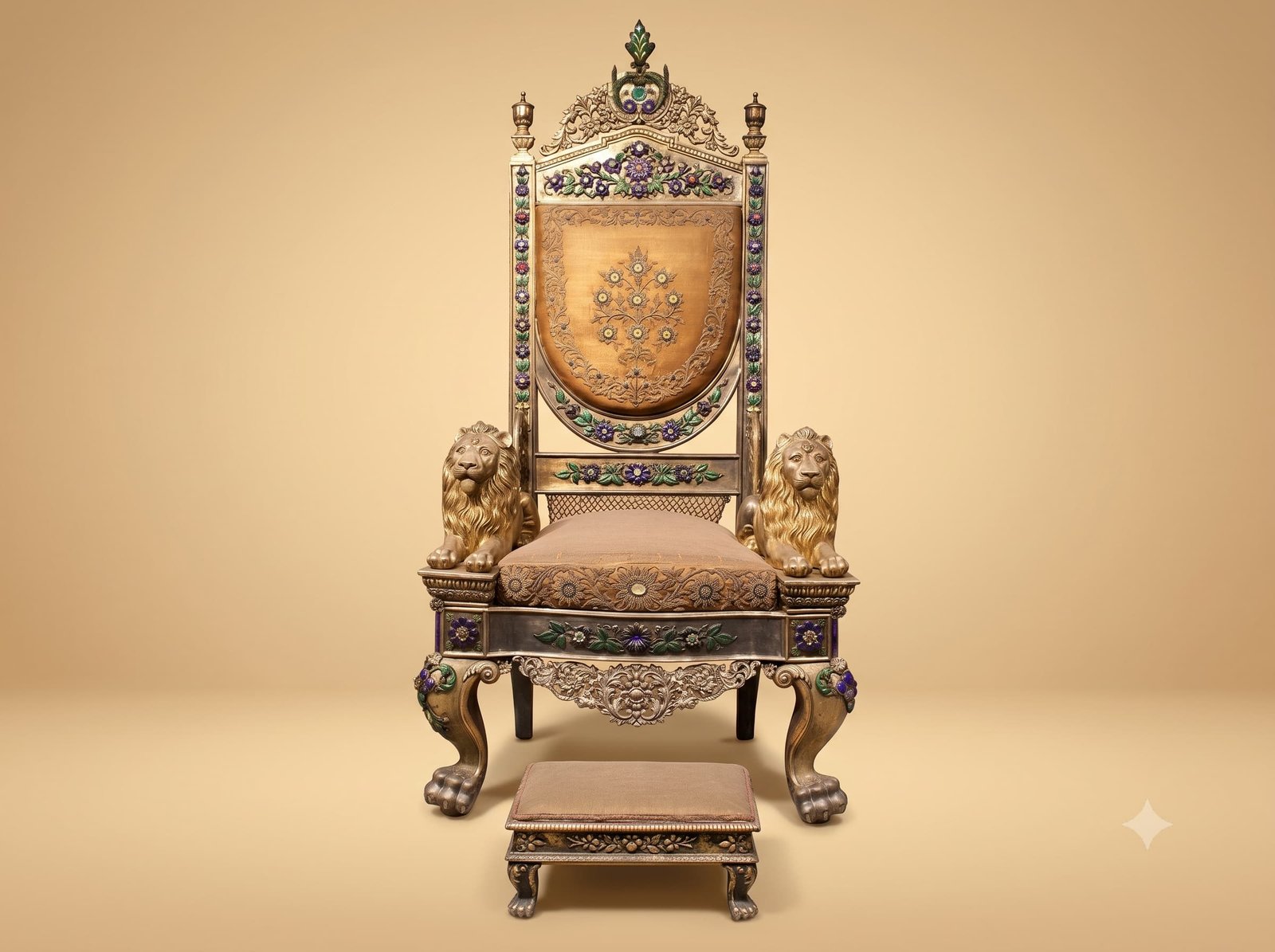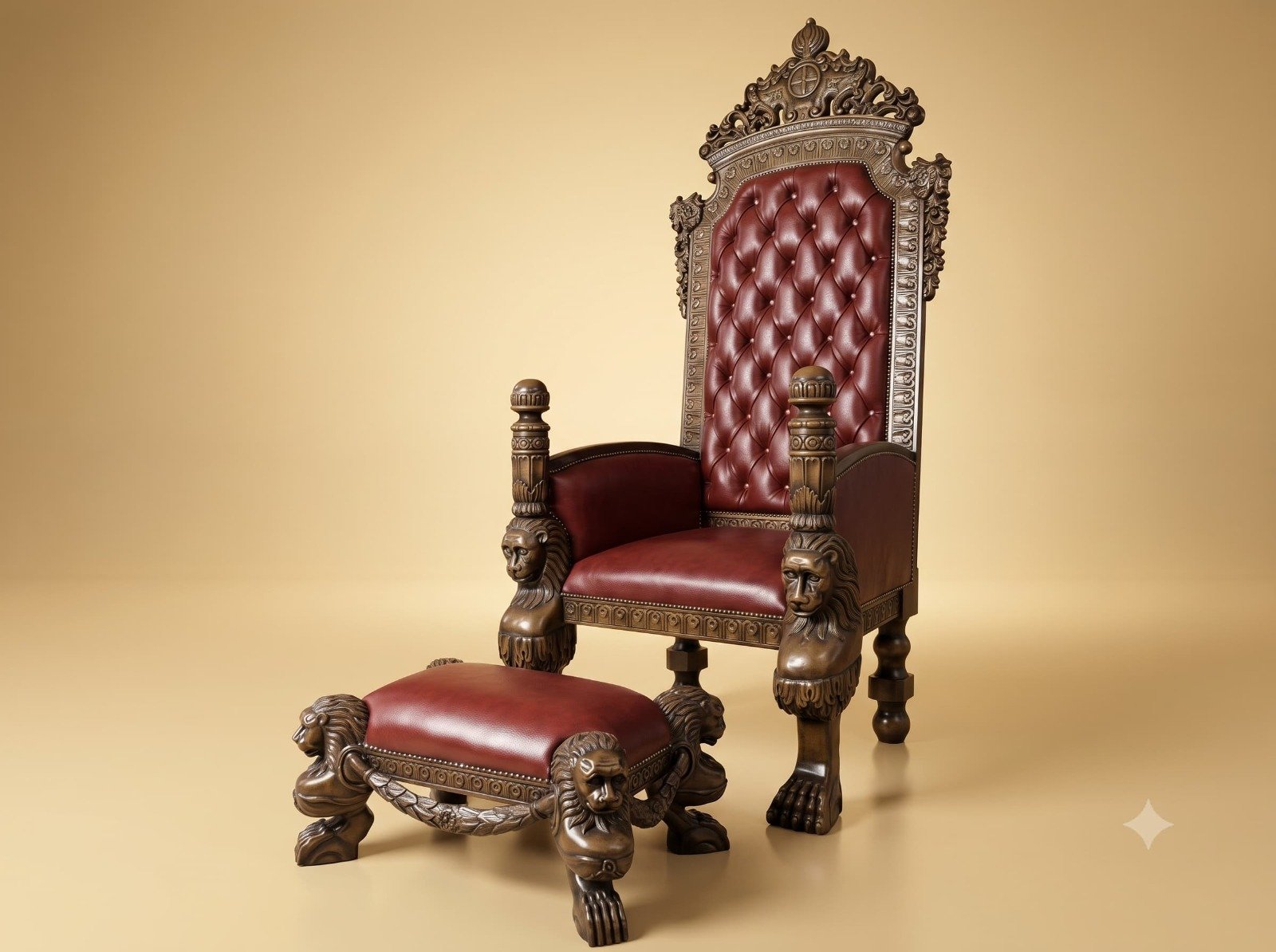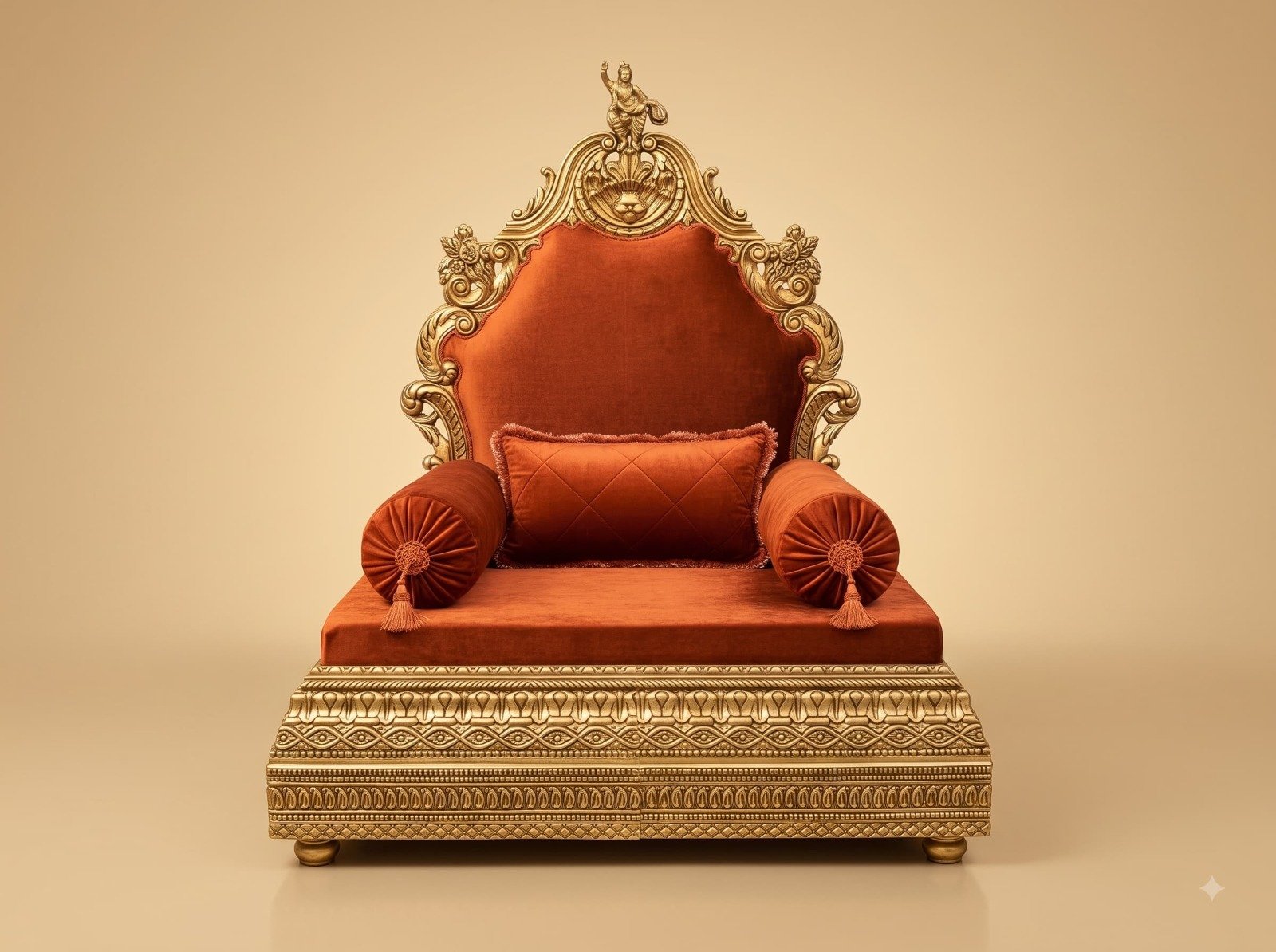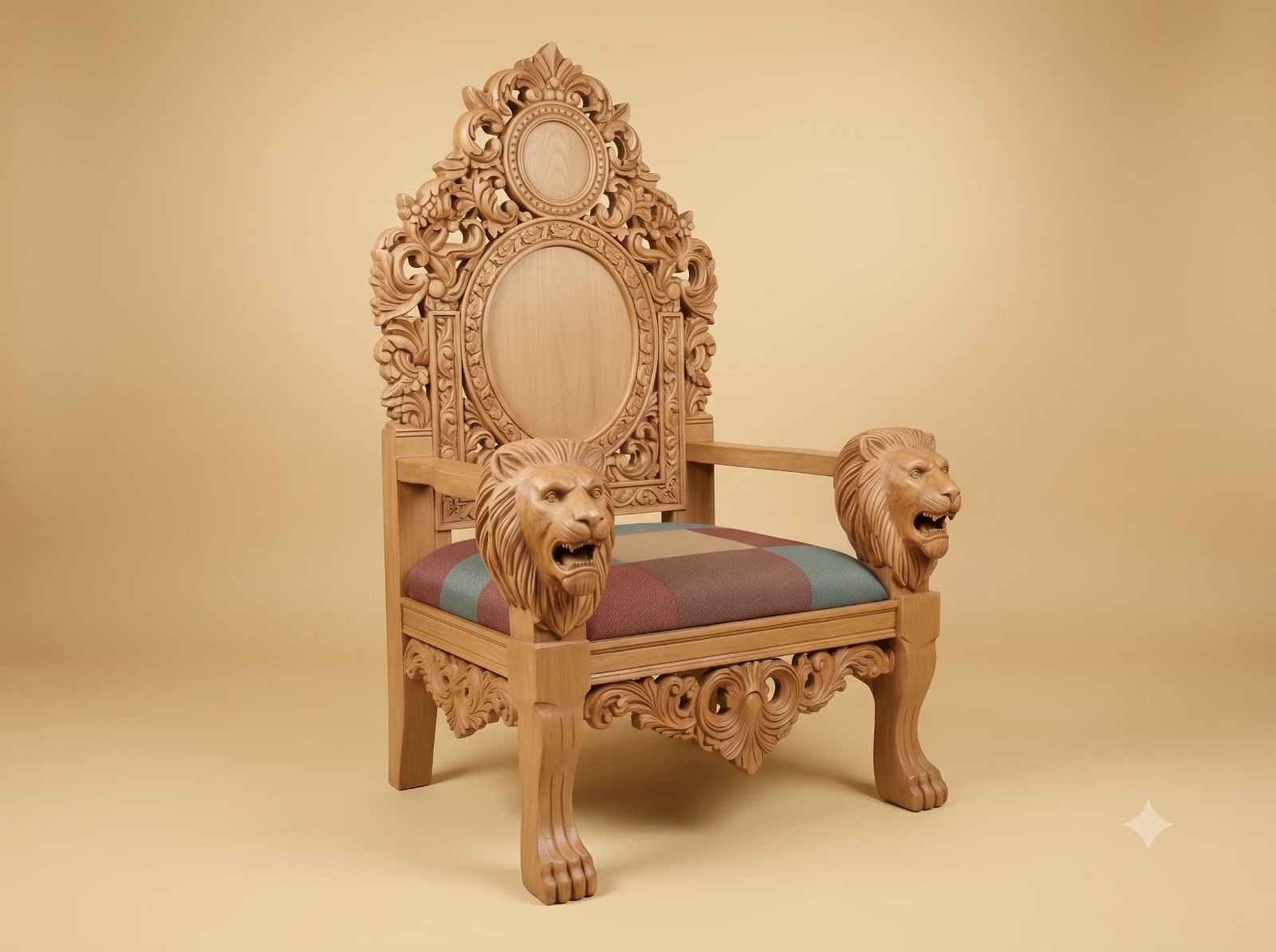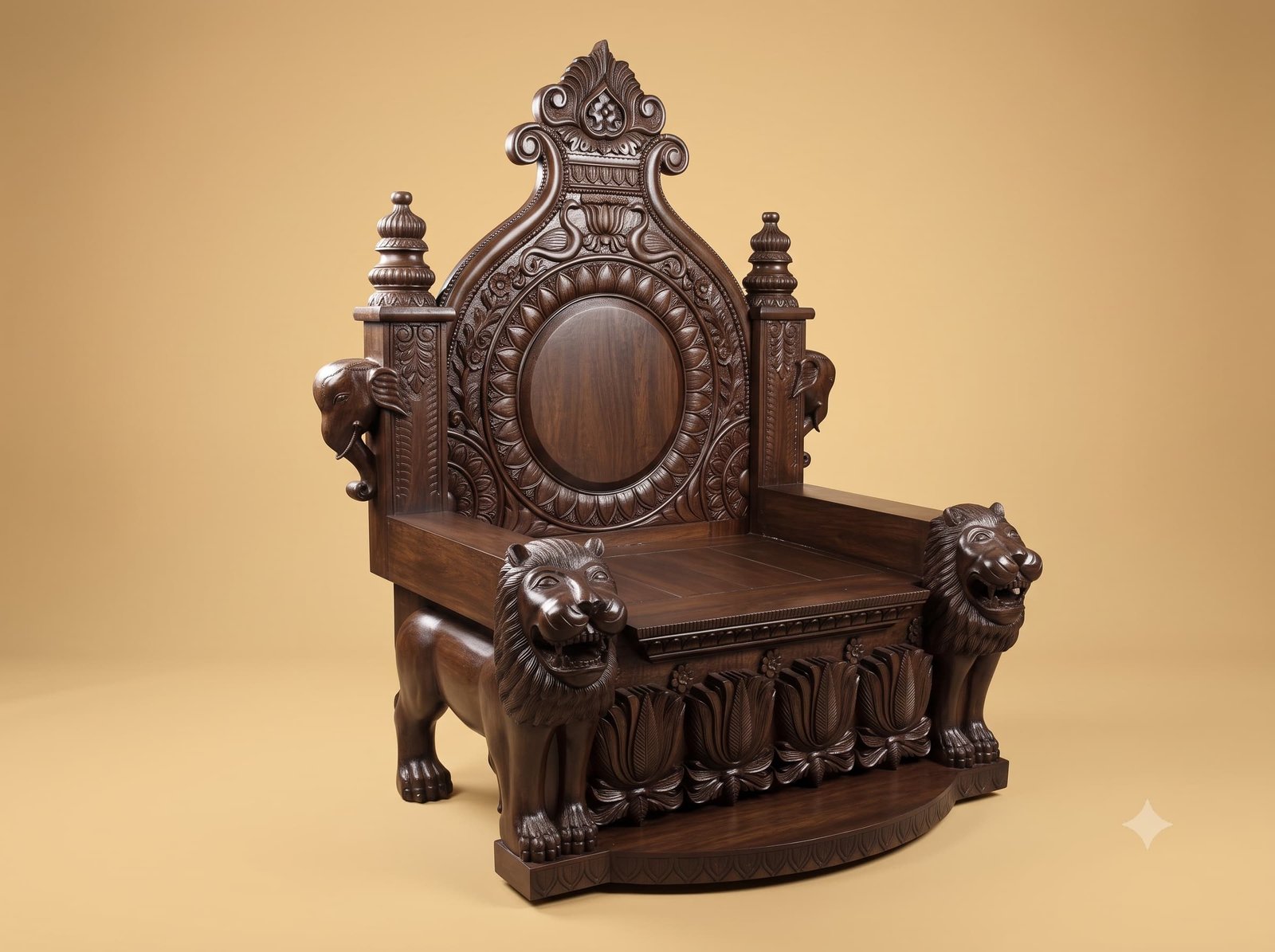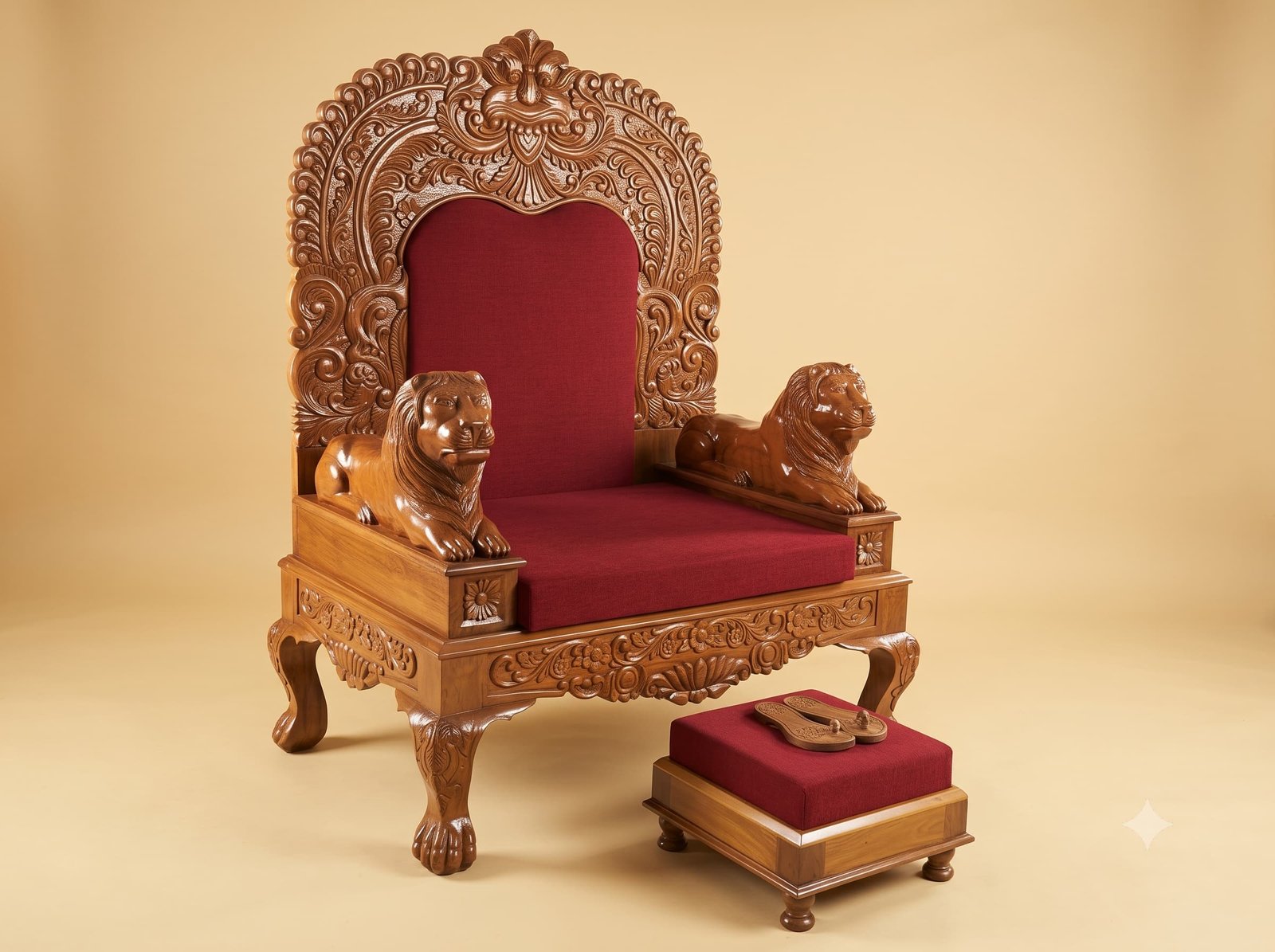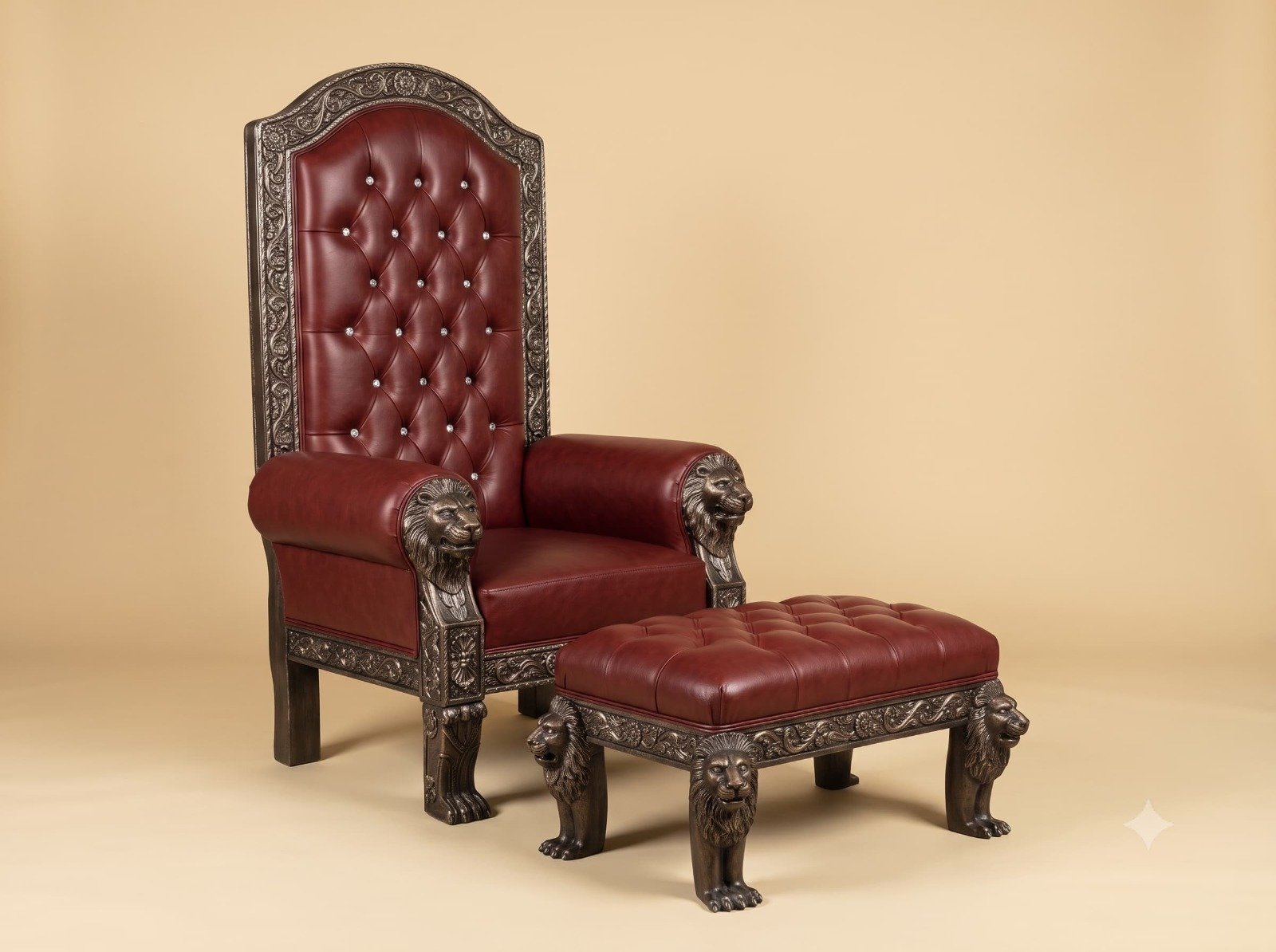
The chair back and the ottoman top are the same colour, and on a leather set that is not something you can take for granted.
A hide is an animal, not a bolt of cloth. It is thicker and tighter along the spine and looser towards the belly, and it takes dye differently across those areas - so two panels cut from opposite ends of the same hide can arrive noticeably different in shade and in surface. Cut them from two different hides and the difference is larger again.
So the panels that will sit next to each other in the finished room are cut next to each other on the hide. The chair back and the ottoman top - the two large flat faces a person actually looks at together - are taken from the same area along the spine, where the leather is firmest and the colour most even. Arms and side panels come from further out, where slightly looser leather is an advantage because it has to wrap a curve.
It means a set like this uses more hide than a cutting plan that simply fits the pieces in efficiently. What you get is a chair and a stool that read as one object rather than two similar ones.
 Ask Price On WhatsApp