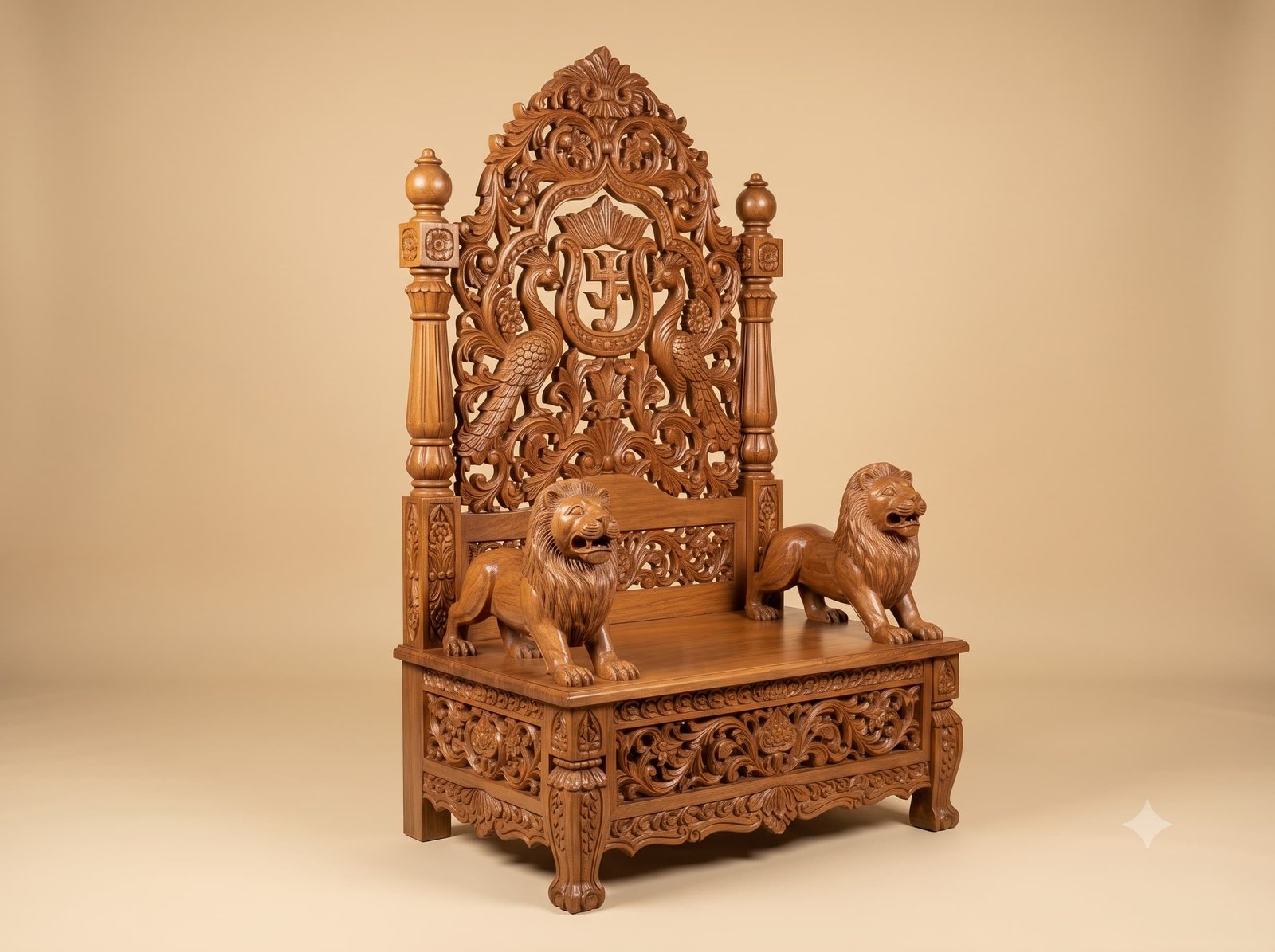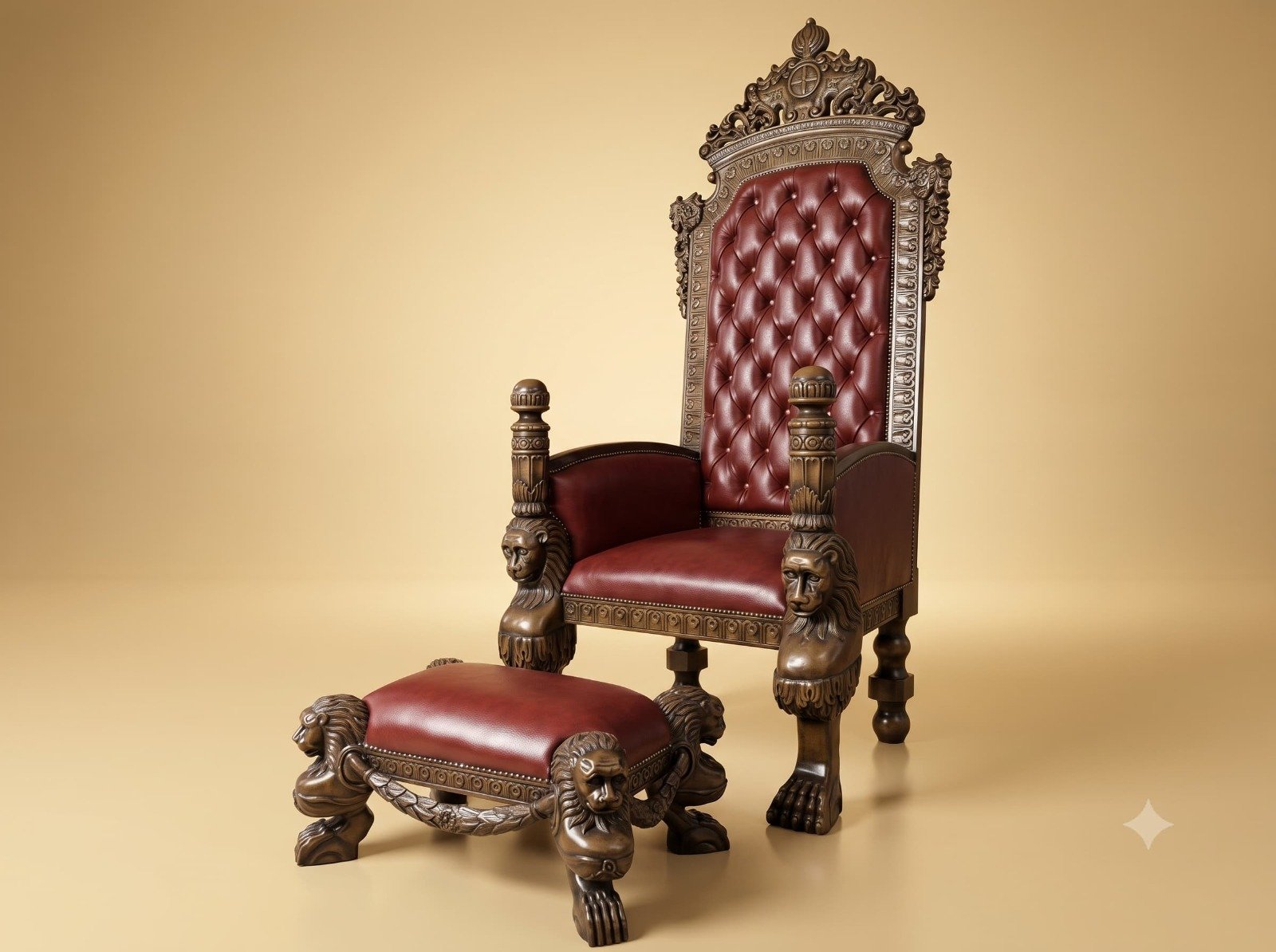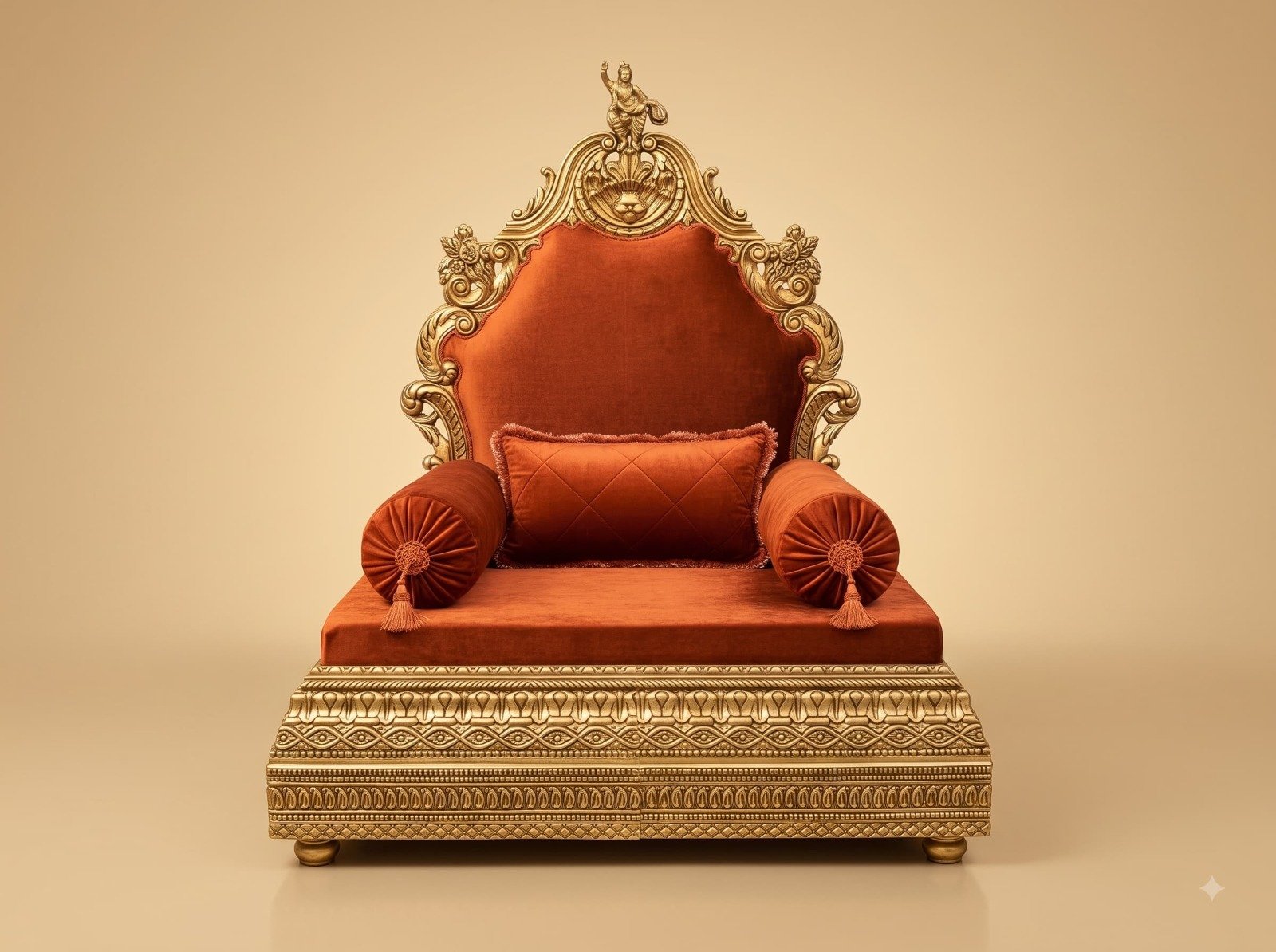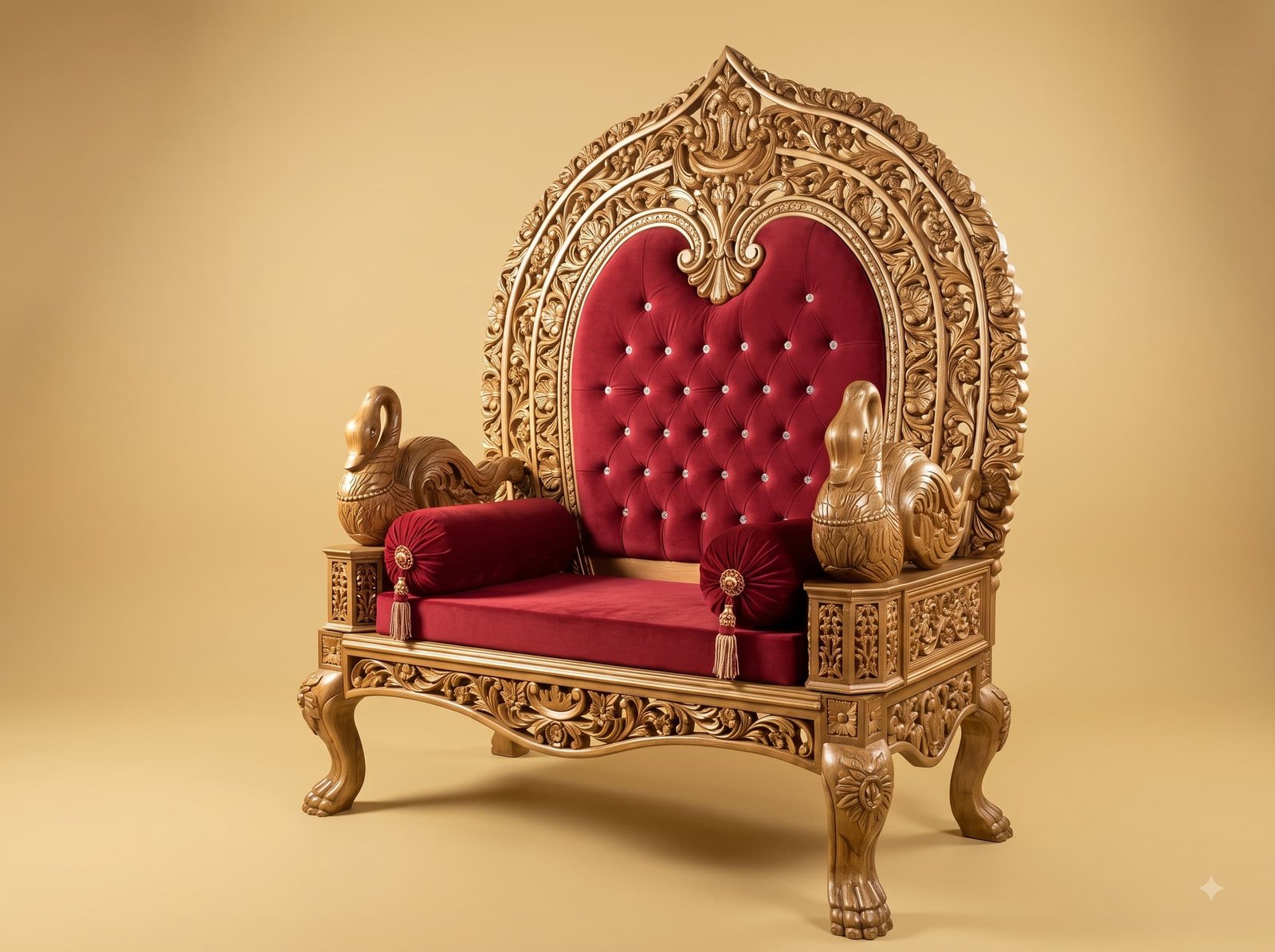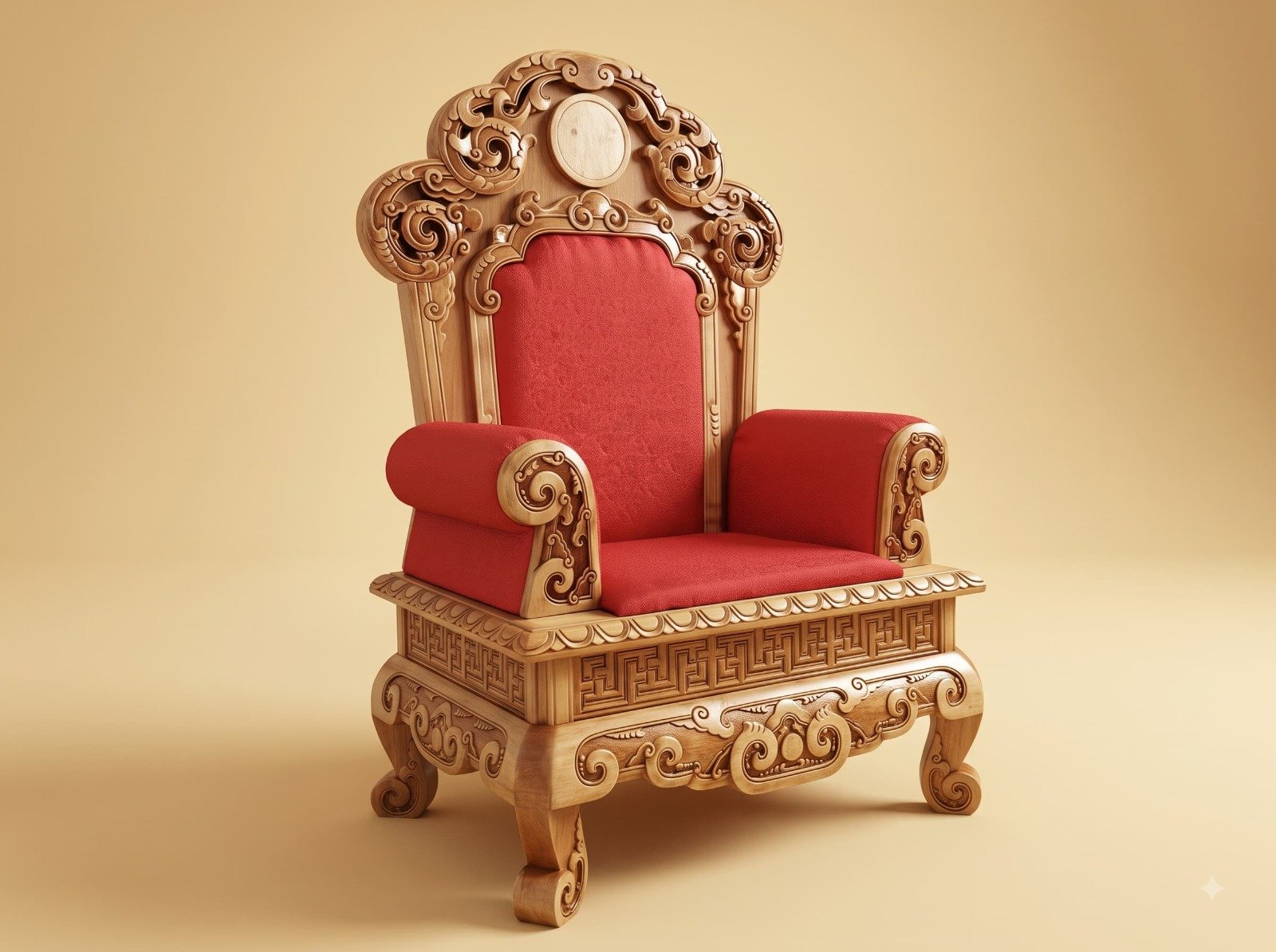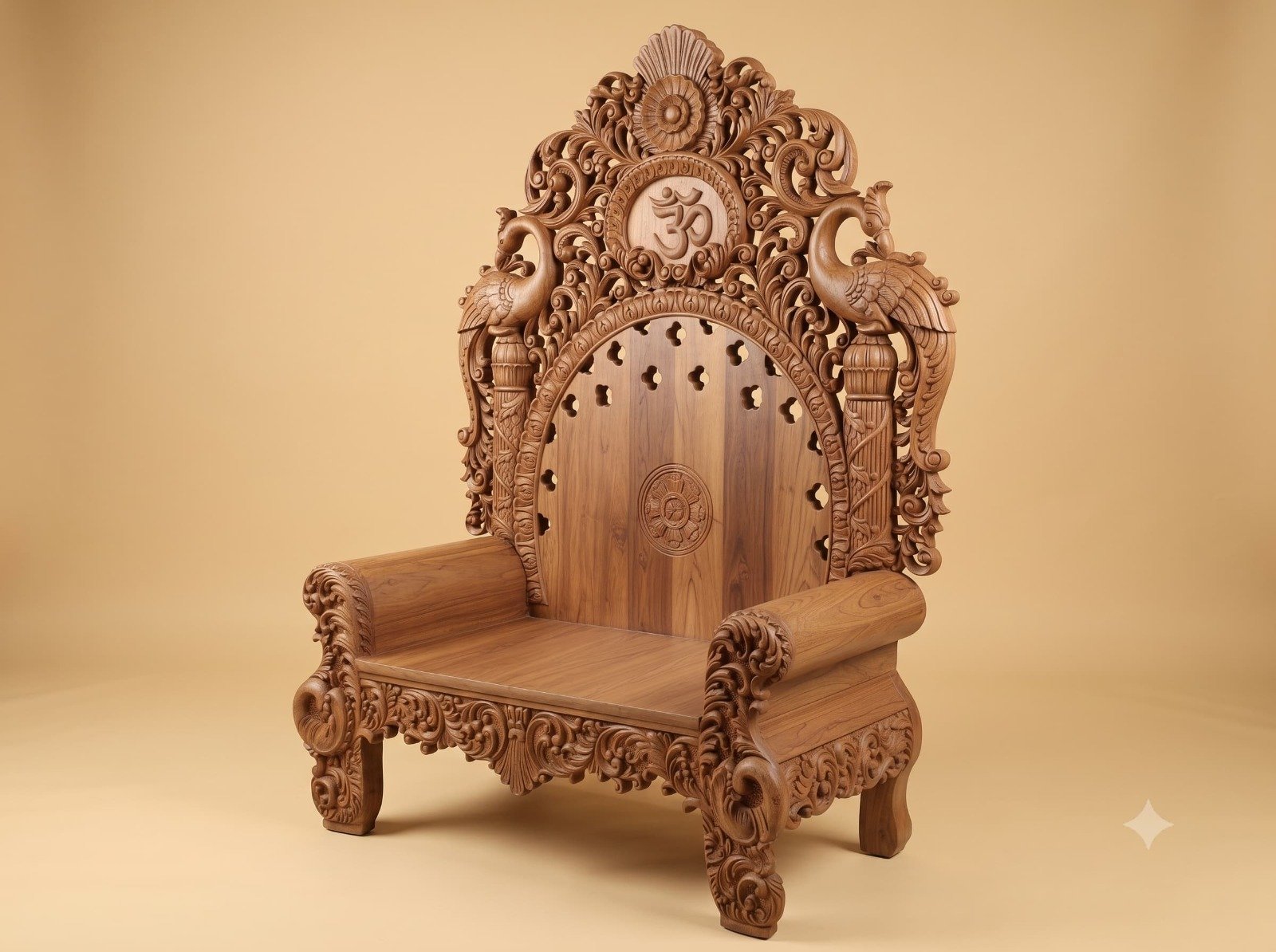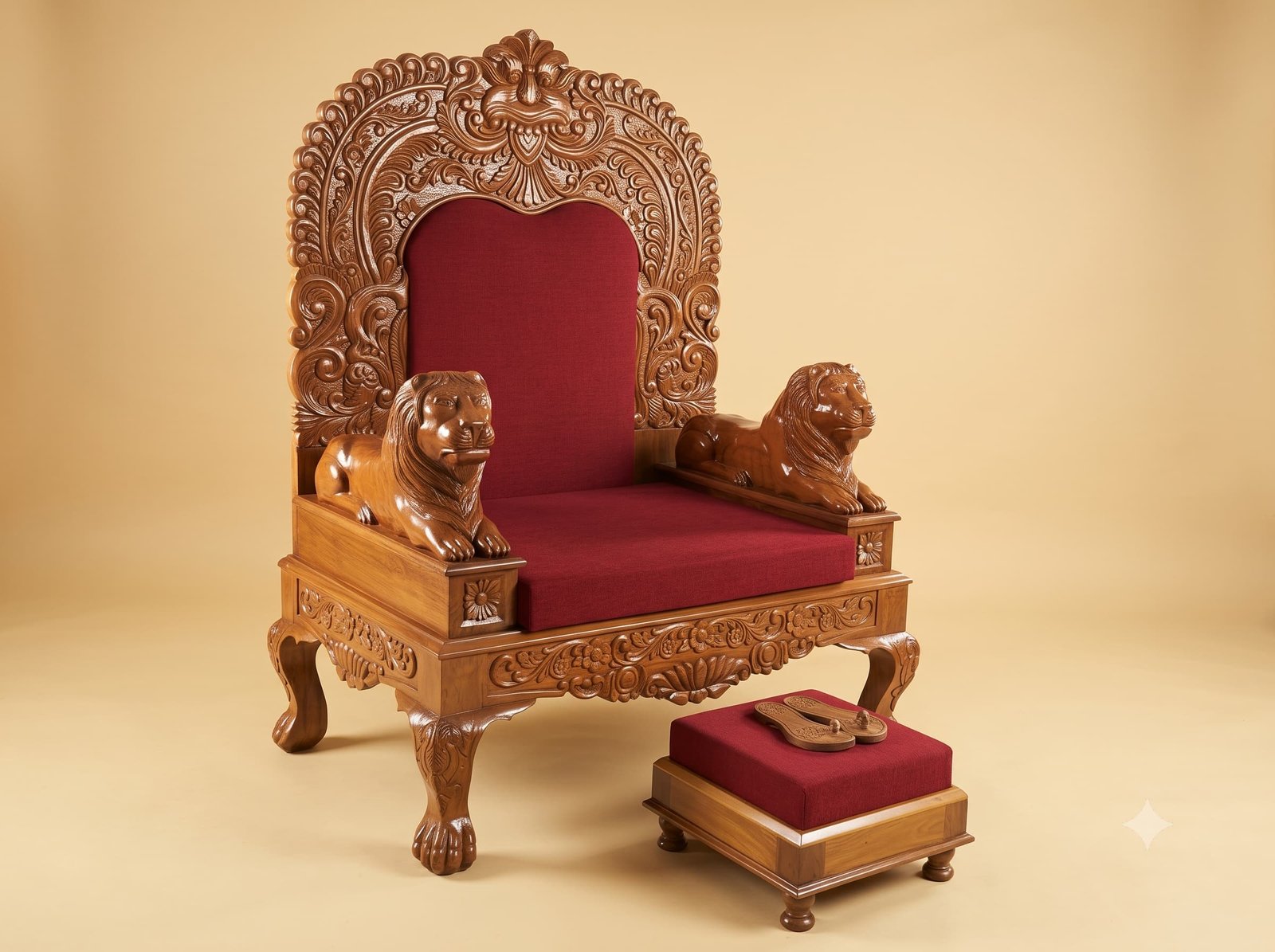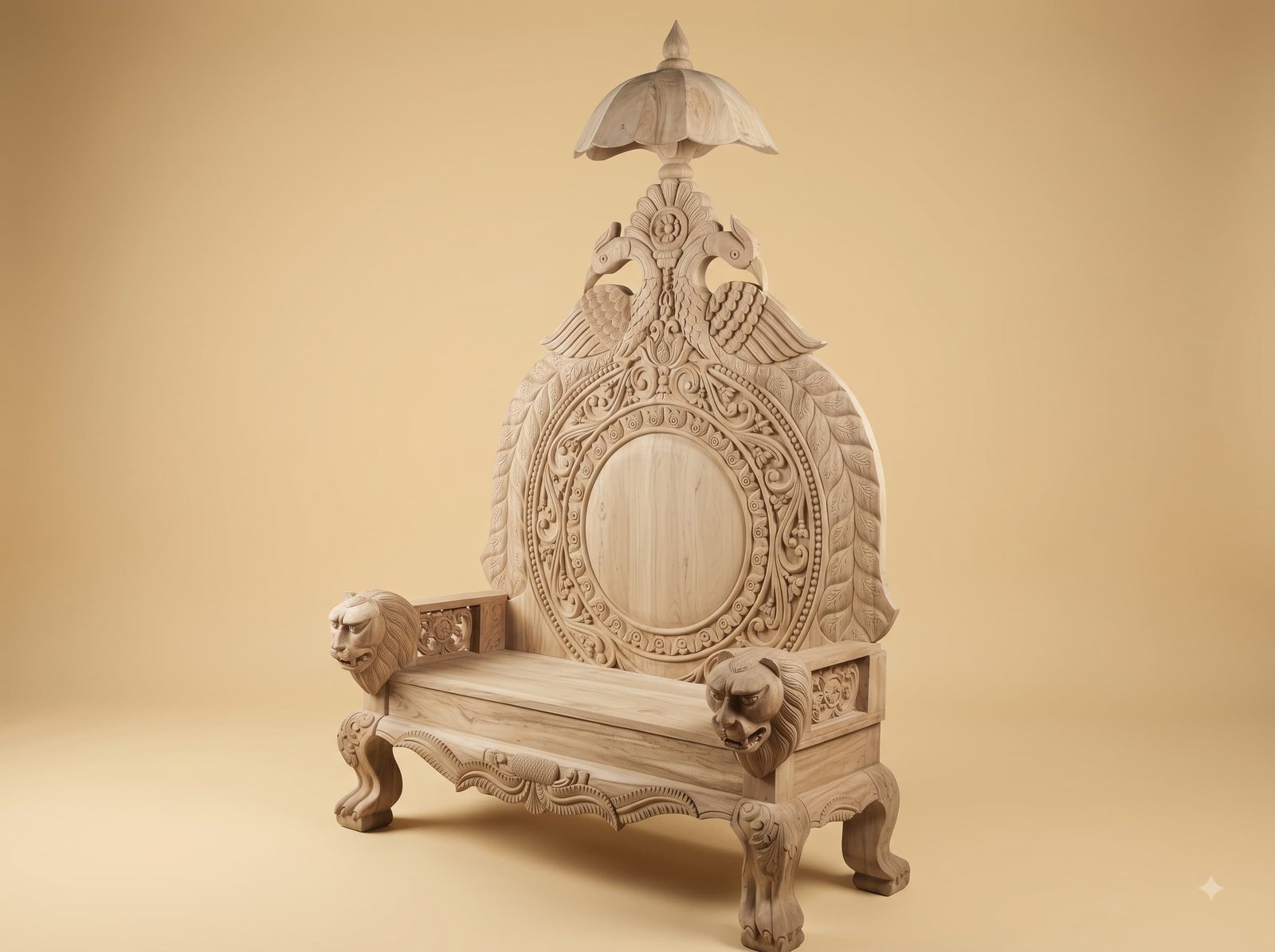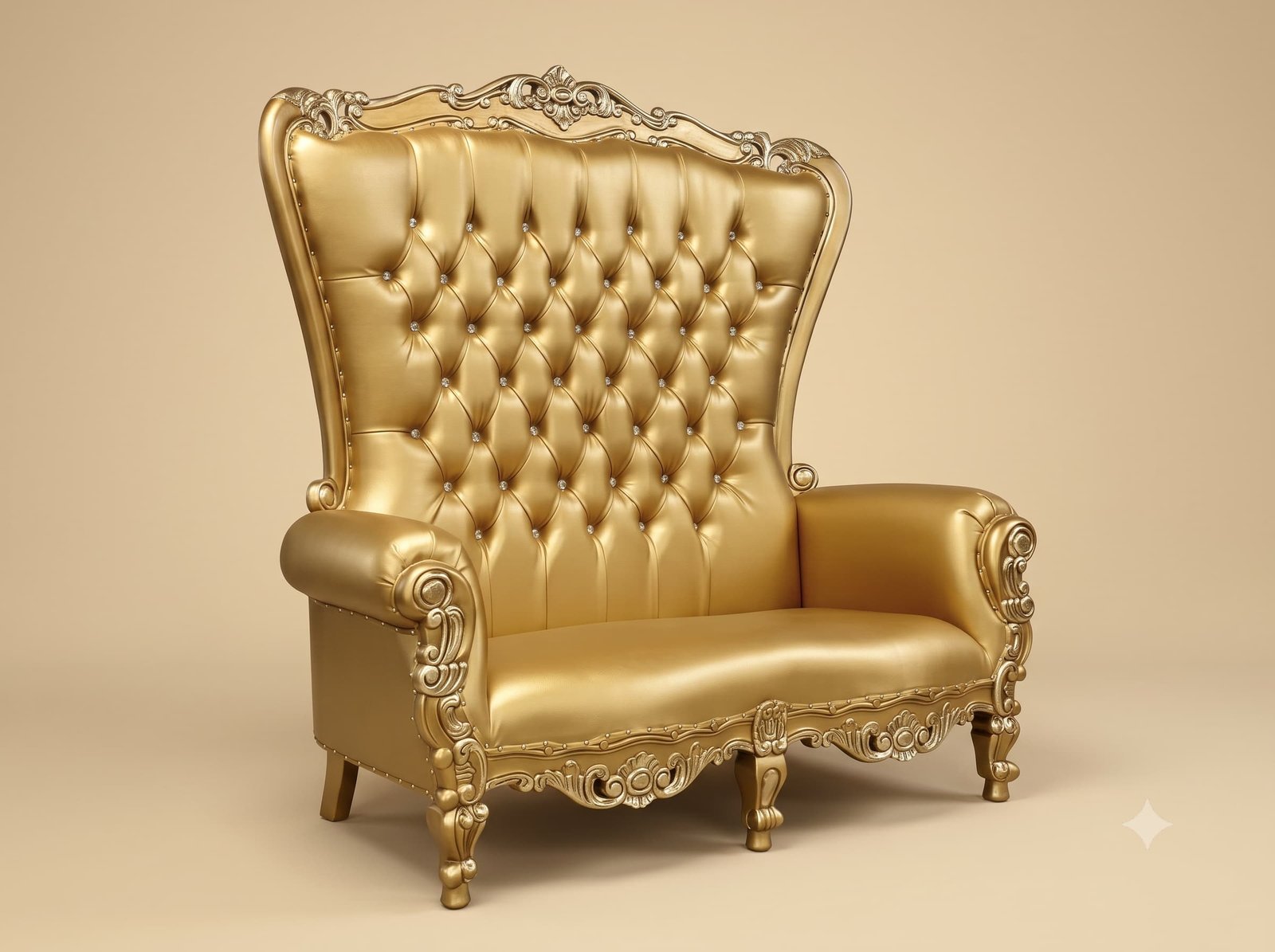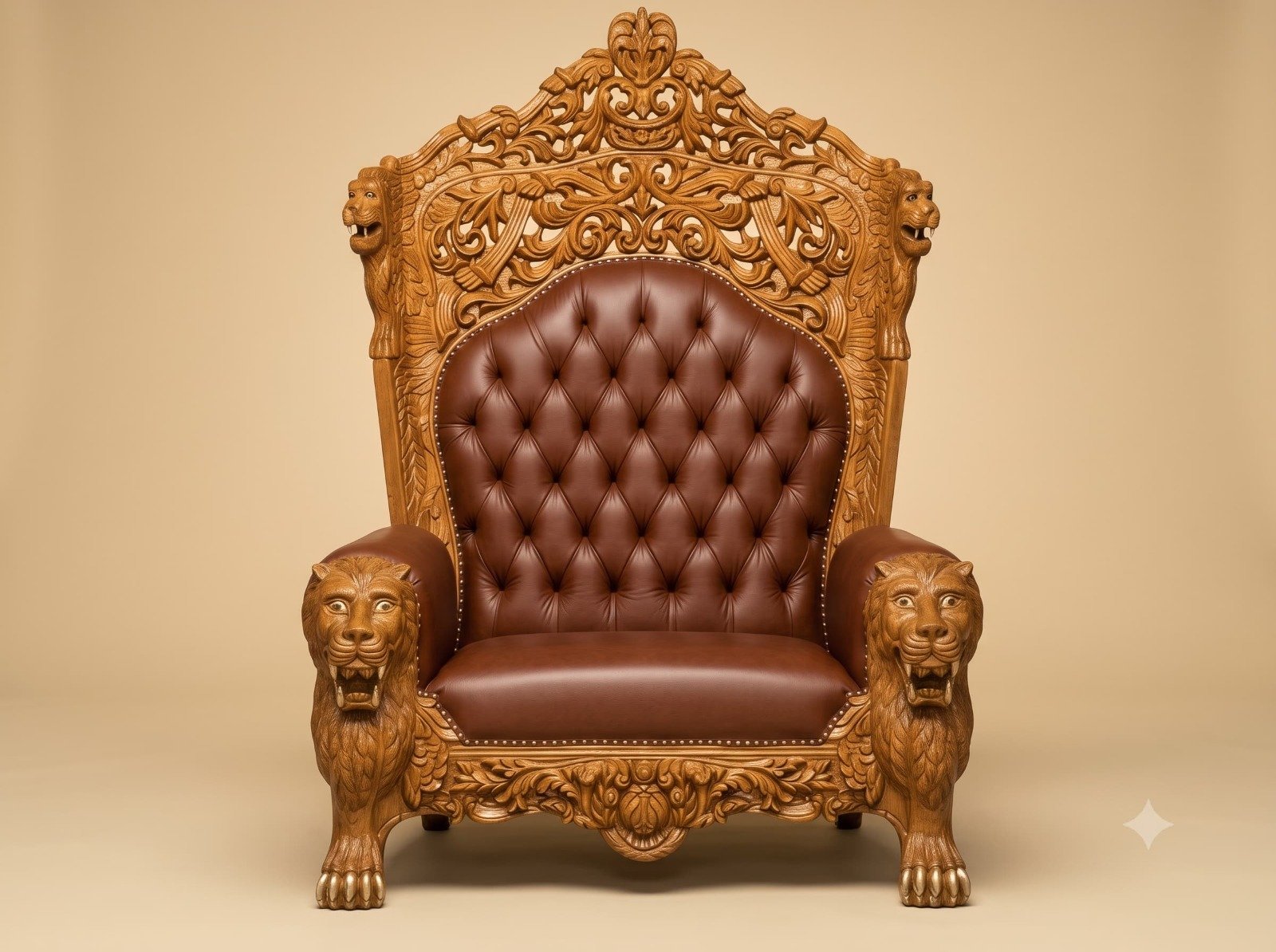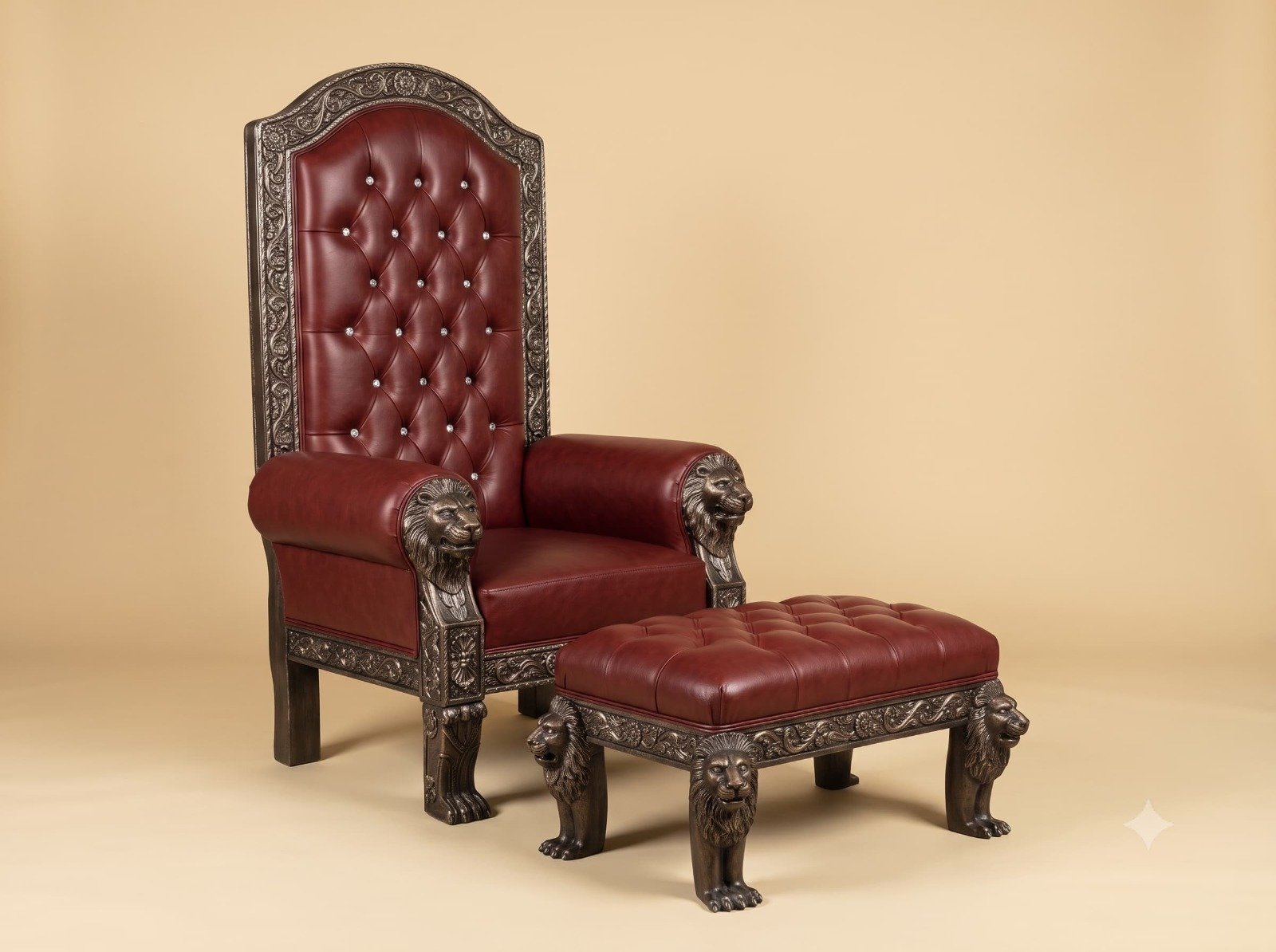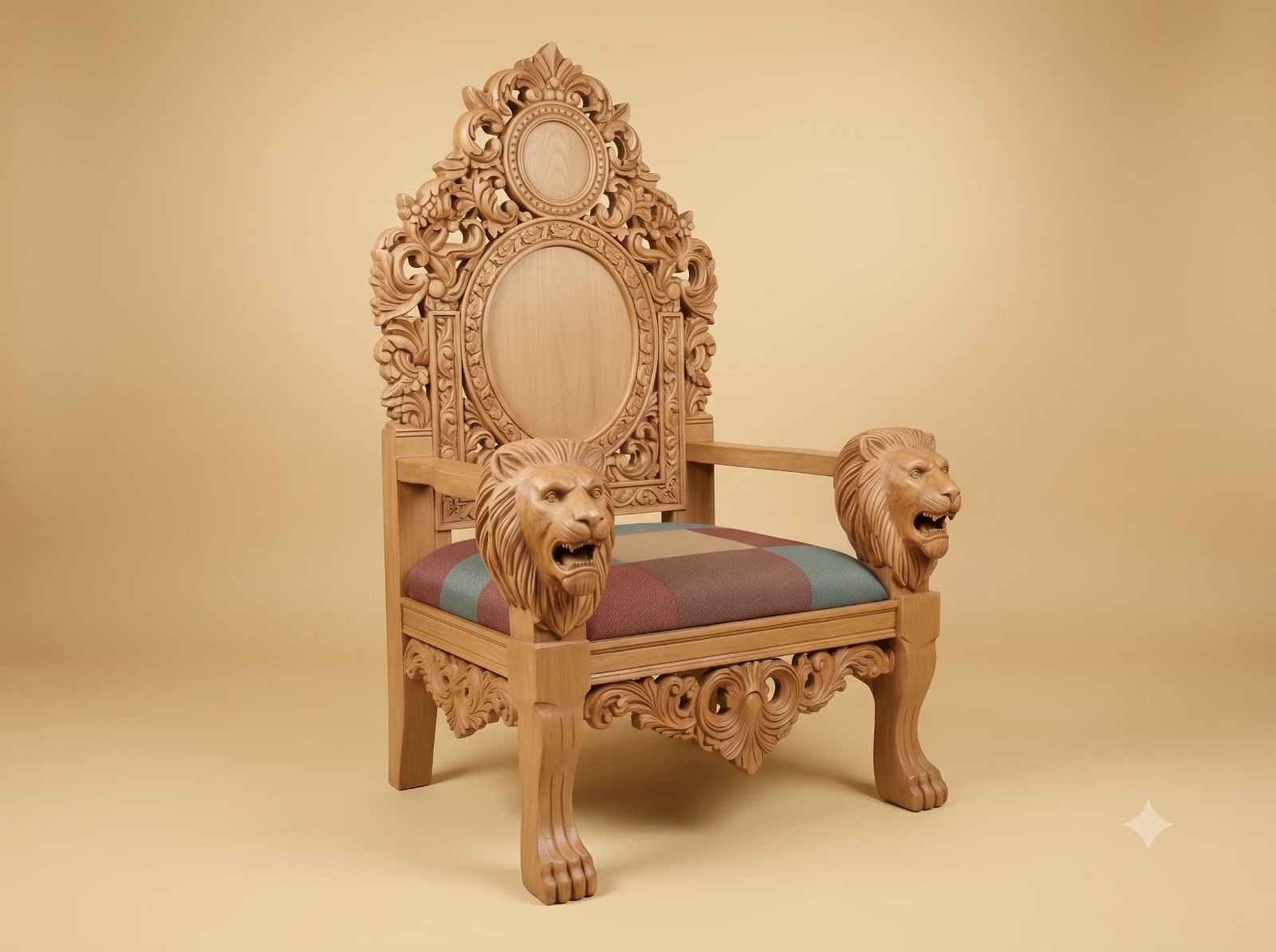
Run a hand over the carving on this chair and every edge is sharp. That is because almost none of it has been sanded.
Sandpaper is the obvious way to finish wood, and on a flat surface it is the right one. On carving it is quietly destructive. Abrasive cuts fastest where pressure is highest, and pressure is always highest on the edges - so a few passes over a leaf takes the crisp line where two cuts meet and rounds it into a soft shoulder. Do that across a whole panel and the carving loses its snap; it reads soft and slightly melted, as though seen through water.
So our carvers finish from the tool. The last cut a gouge makes is the finished surface, taken with an edge sharpened to shave rather than scrape, so it leaves the wood burnished rather than torn. Sanding is confined to the flat areas - the oval panel, the seat rails, the plain sections of leg - where there are no arrises to lose.
It requires the carving to be right first time, because there is no abrasive stage to correct it in. That is the trade: more skill during, no rescue after - and a chair whose shadows have hard edges.
 Ask Price On WhatsApp