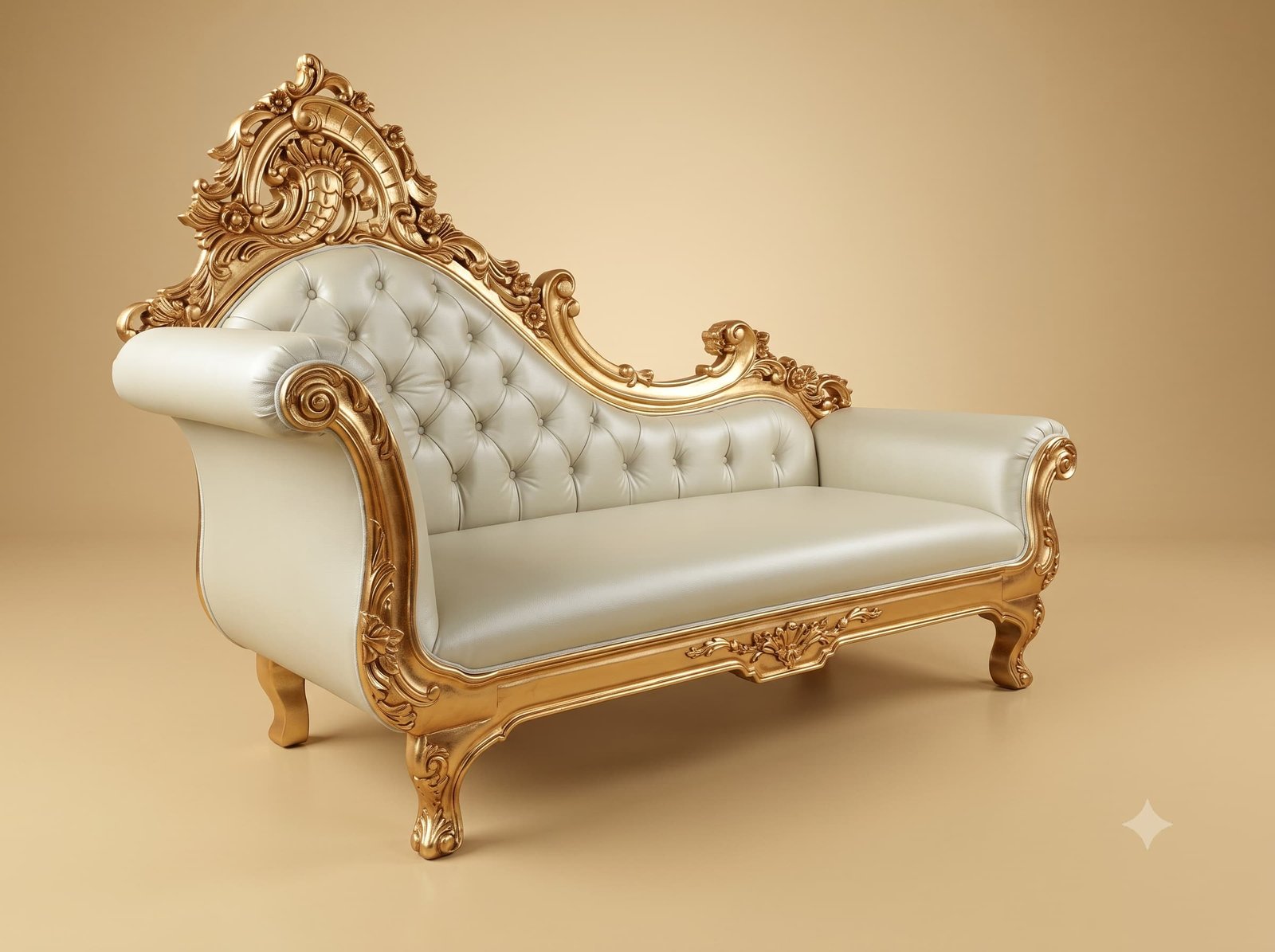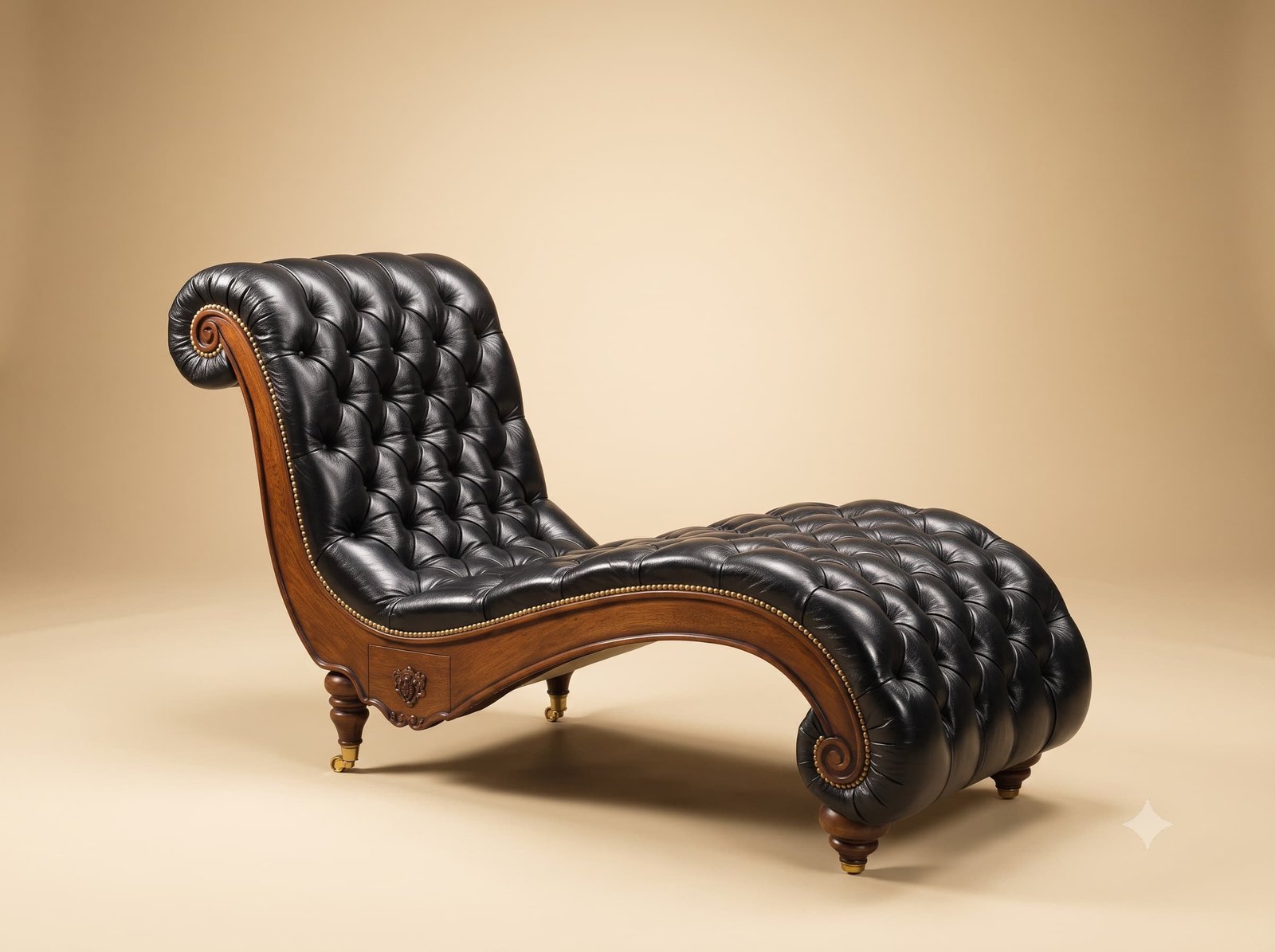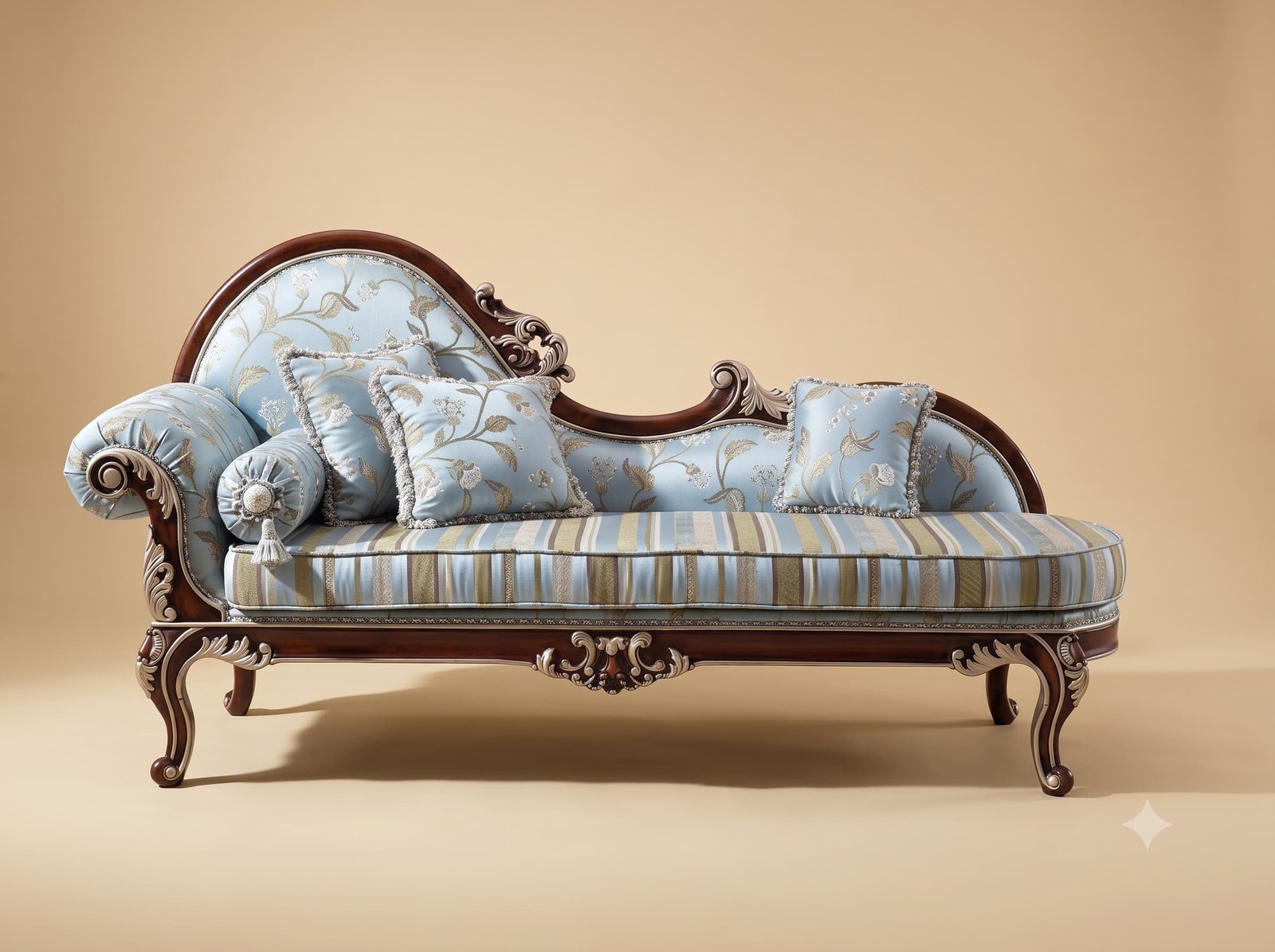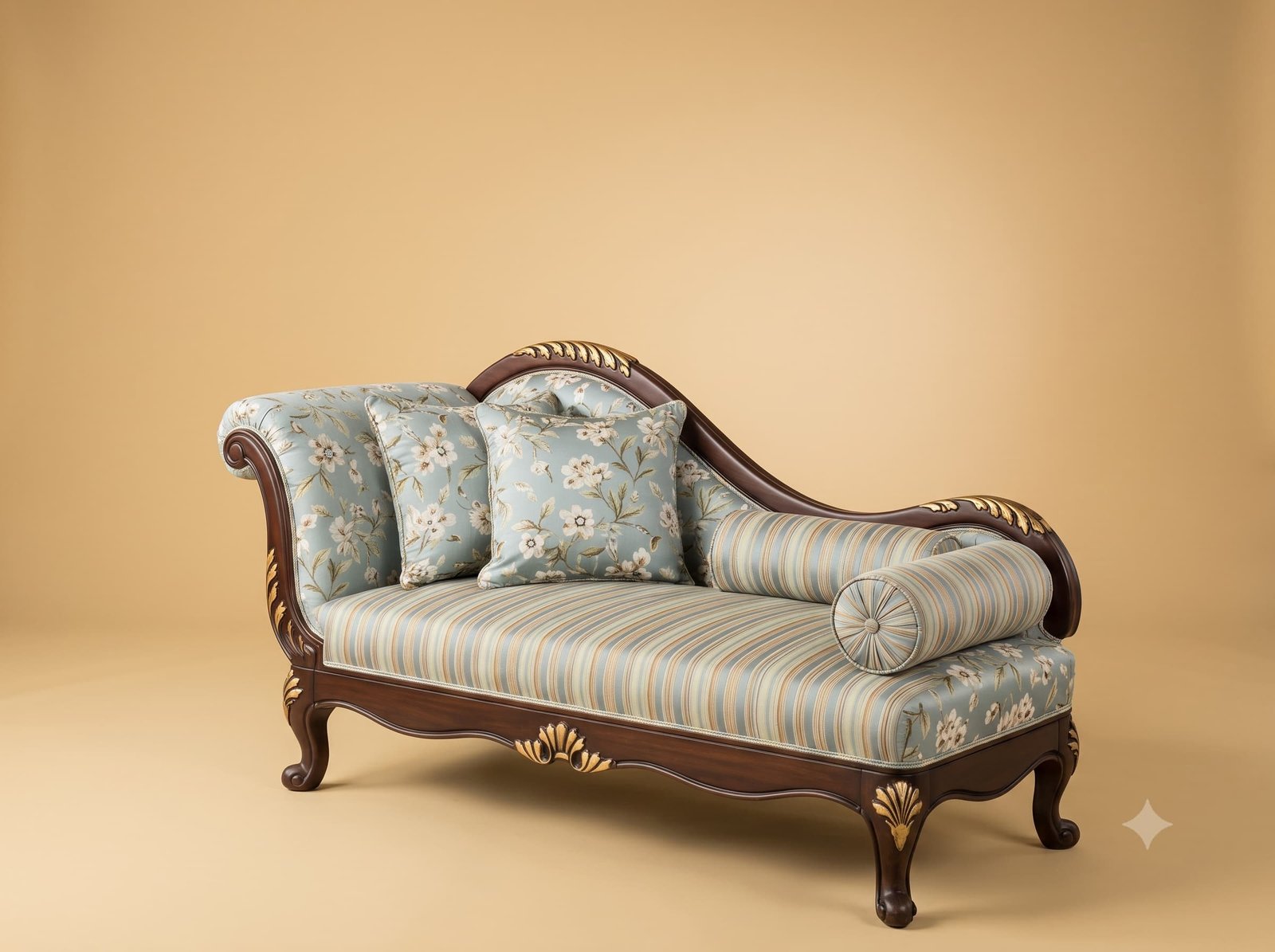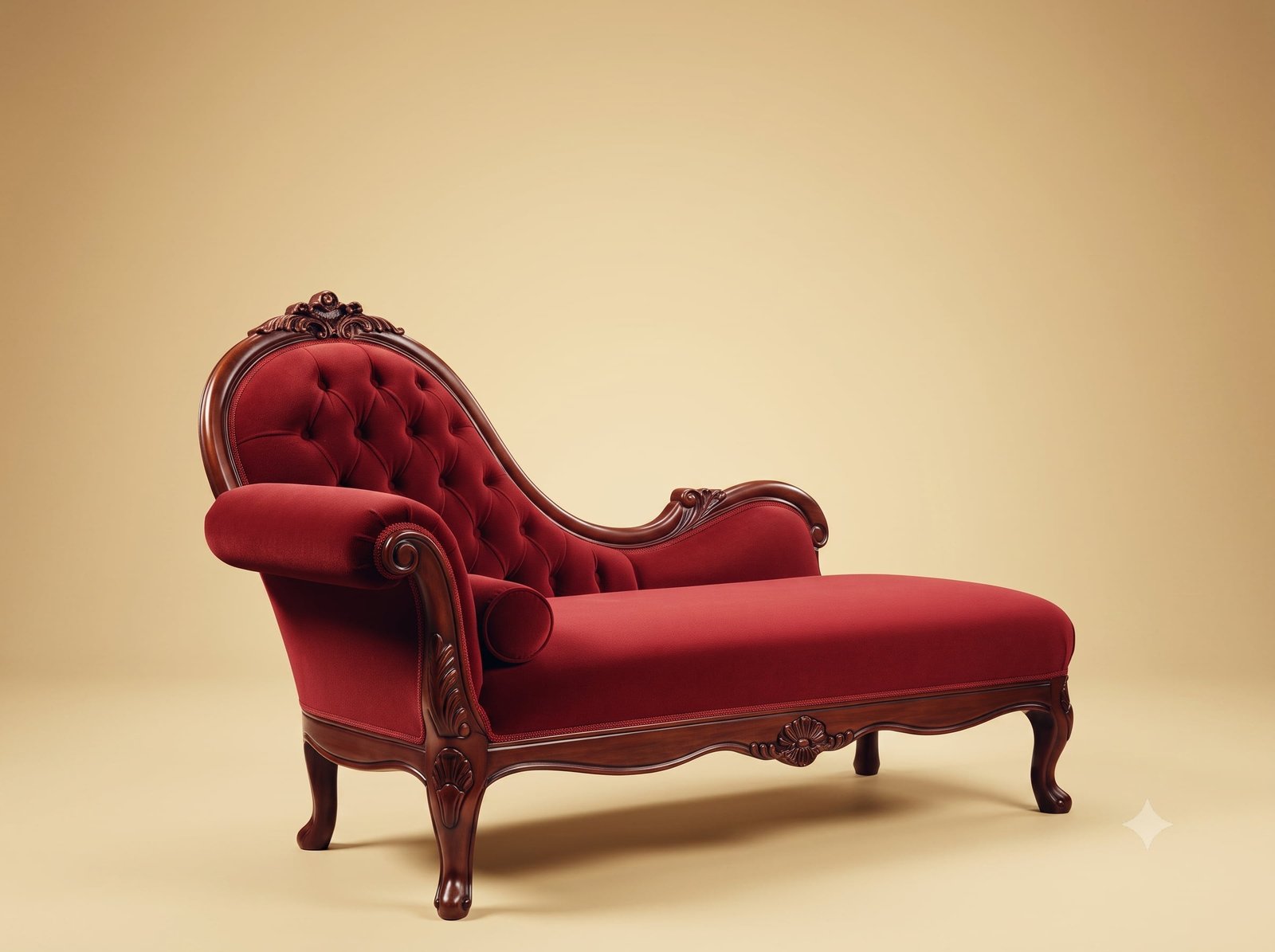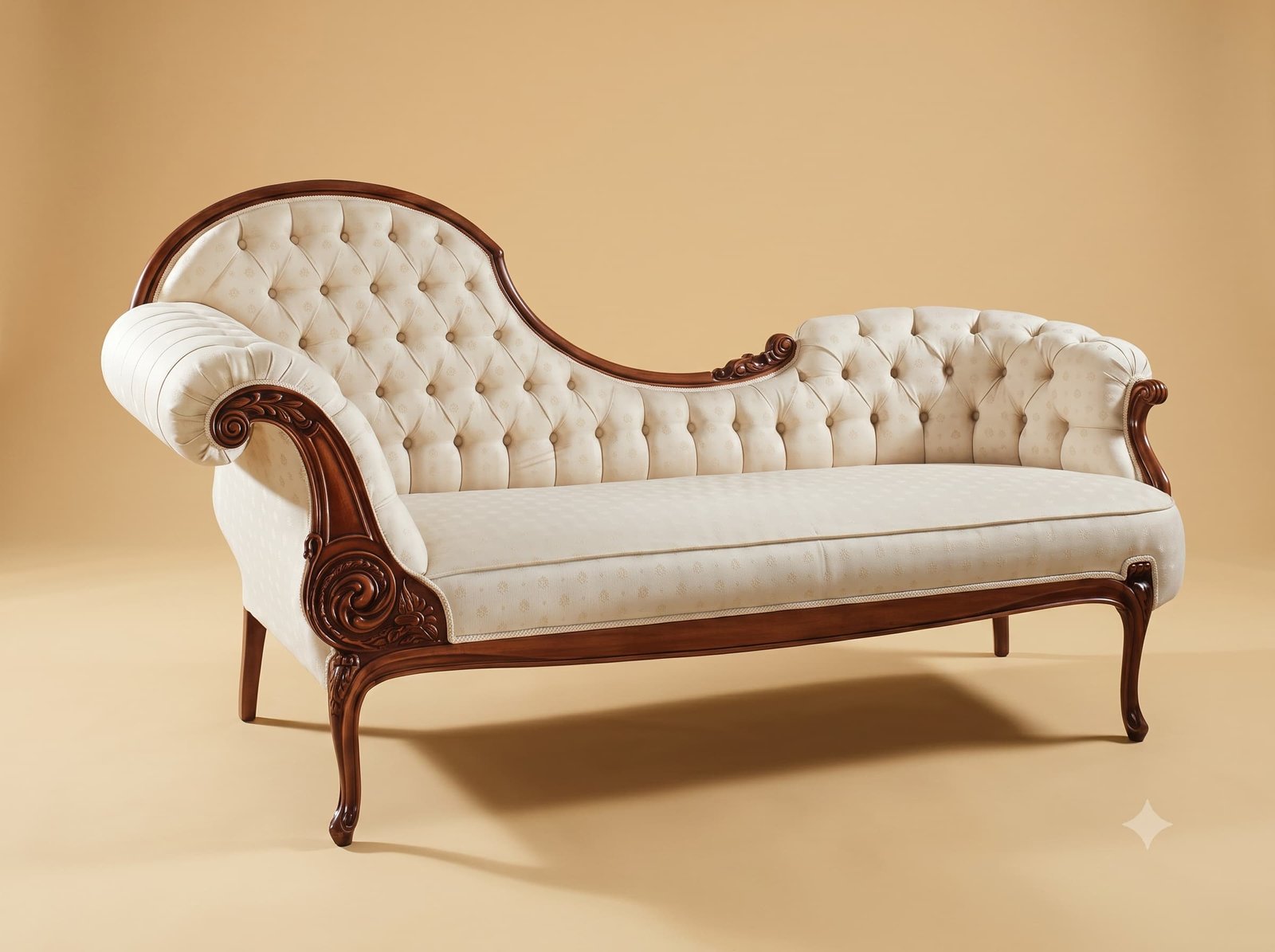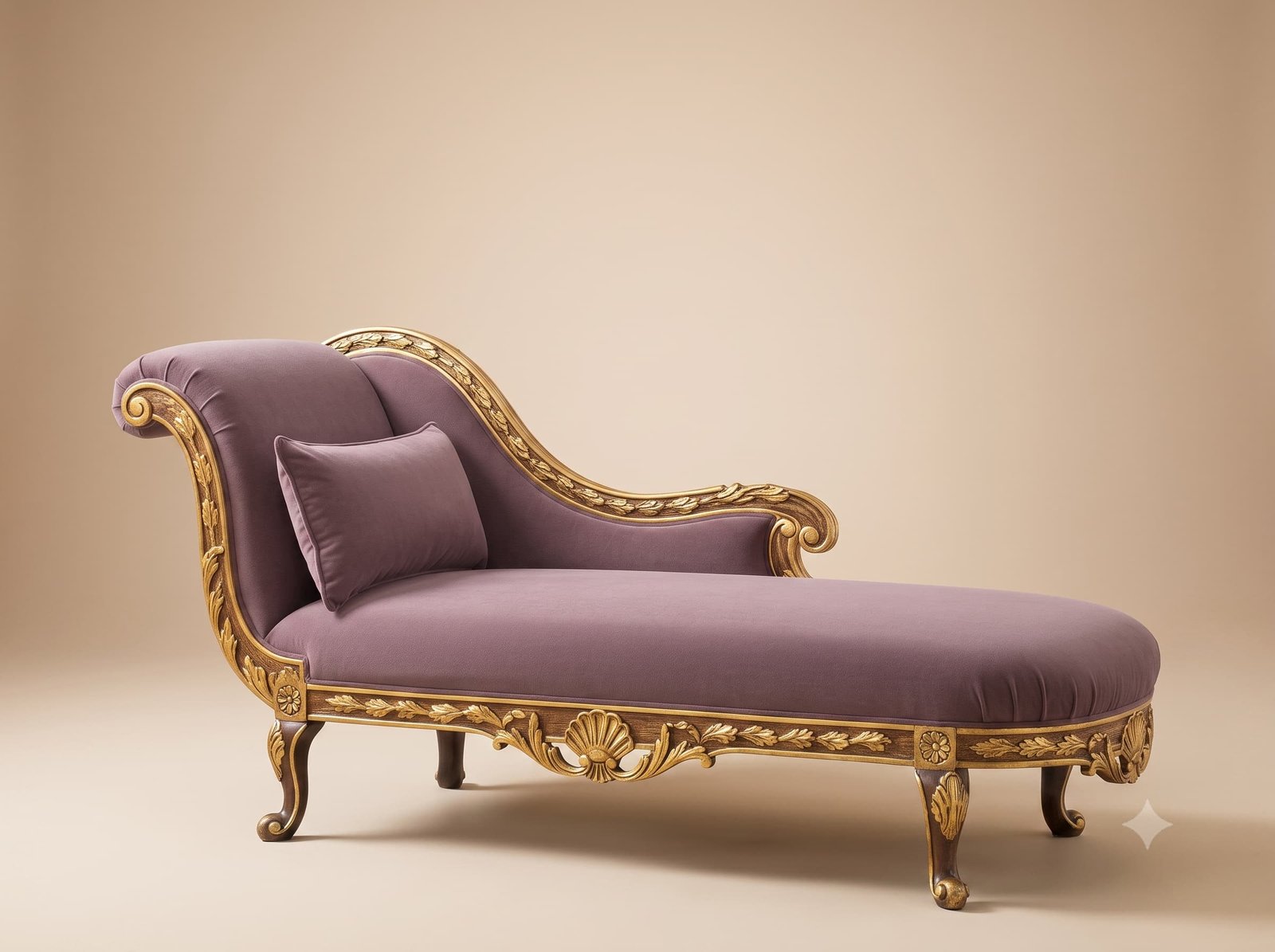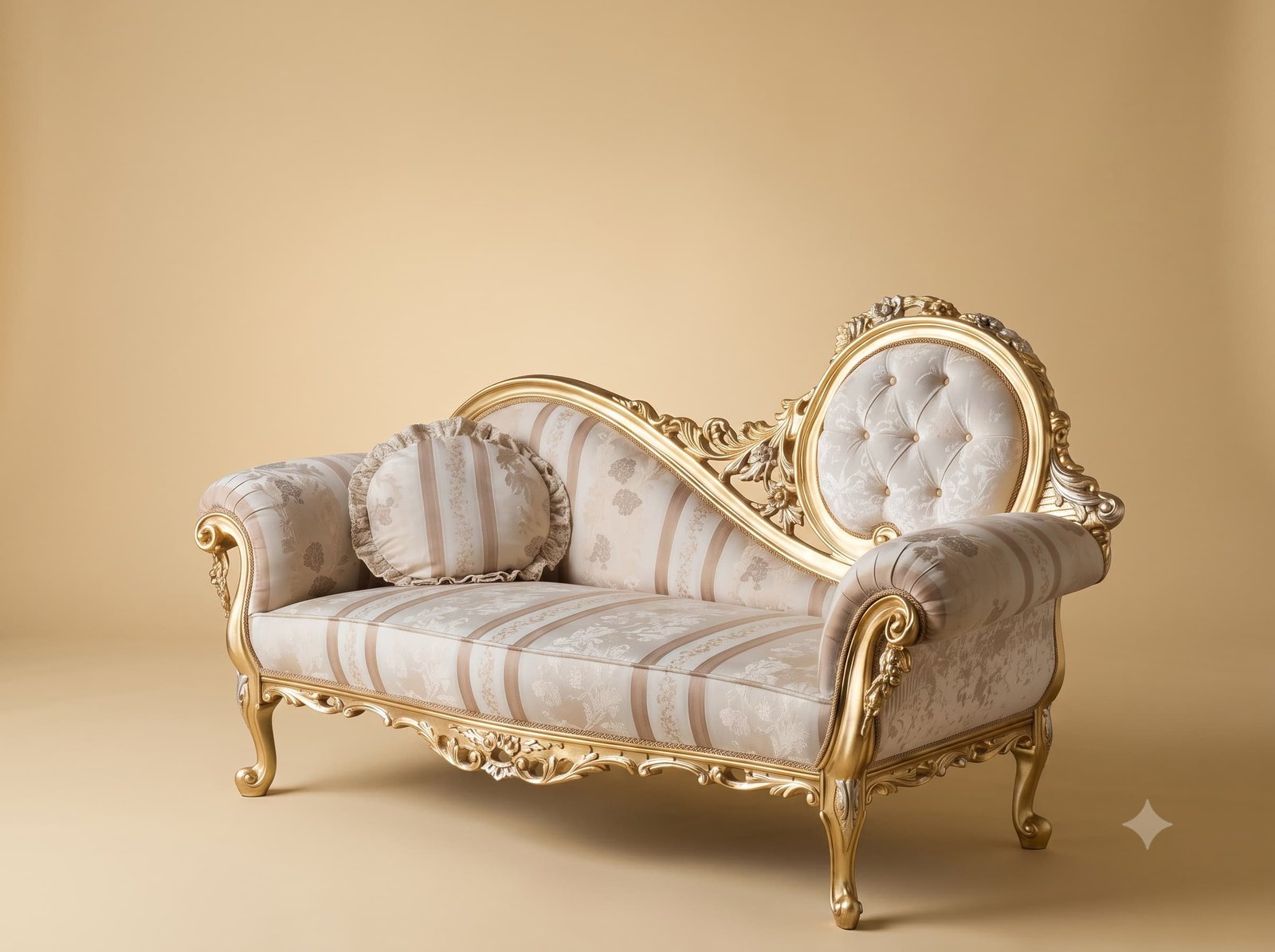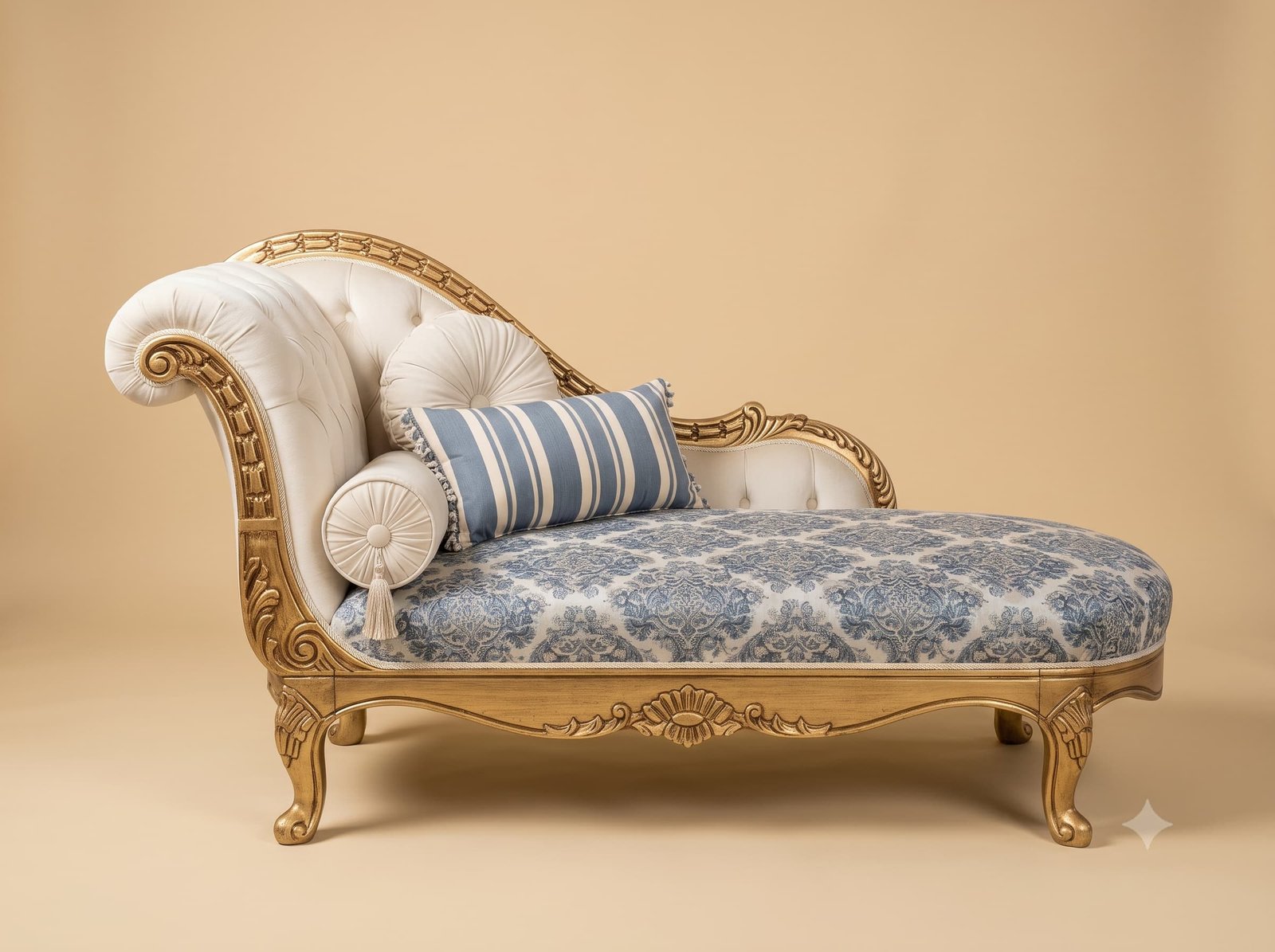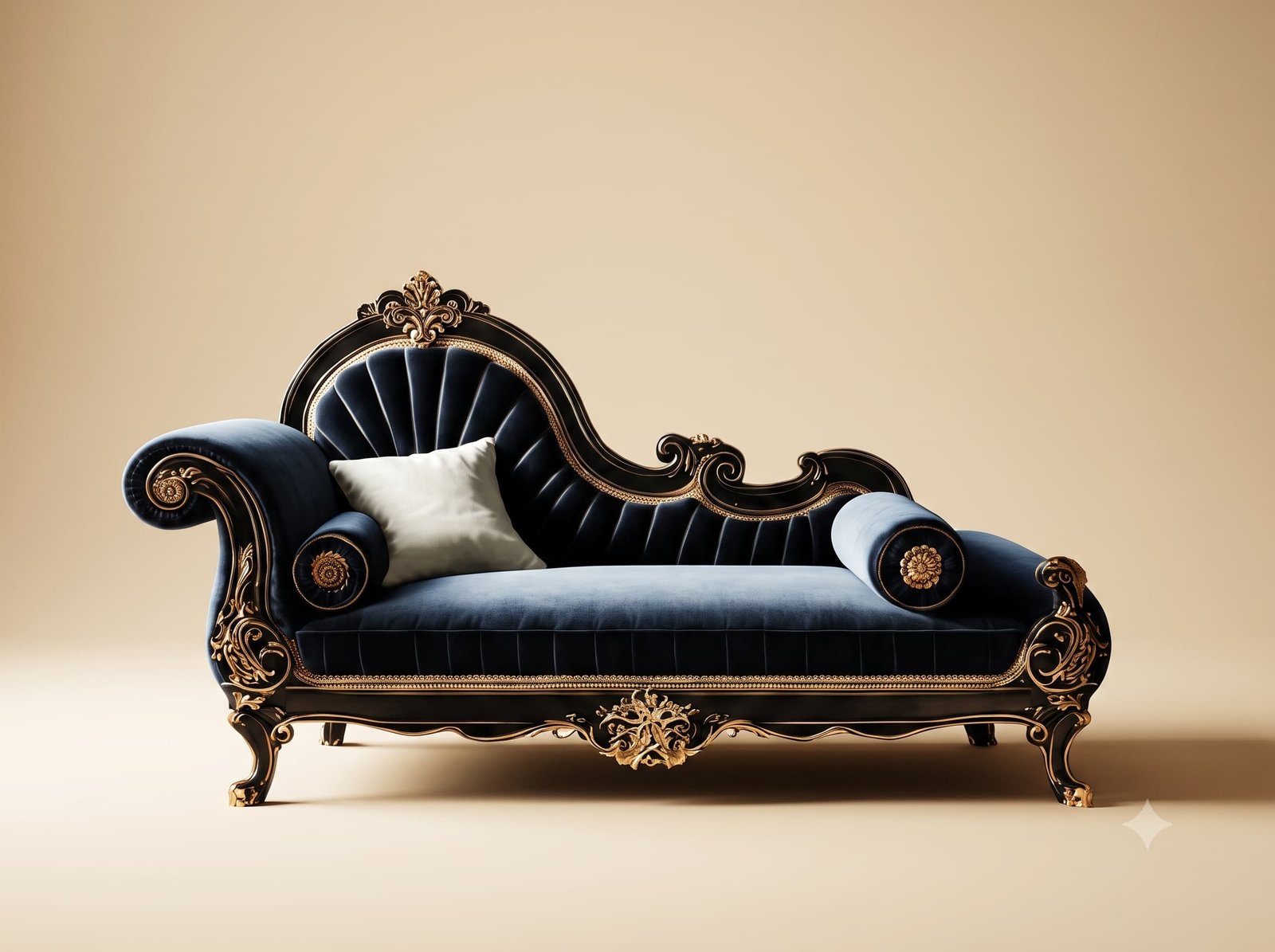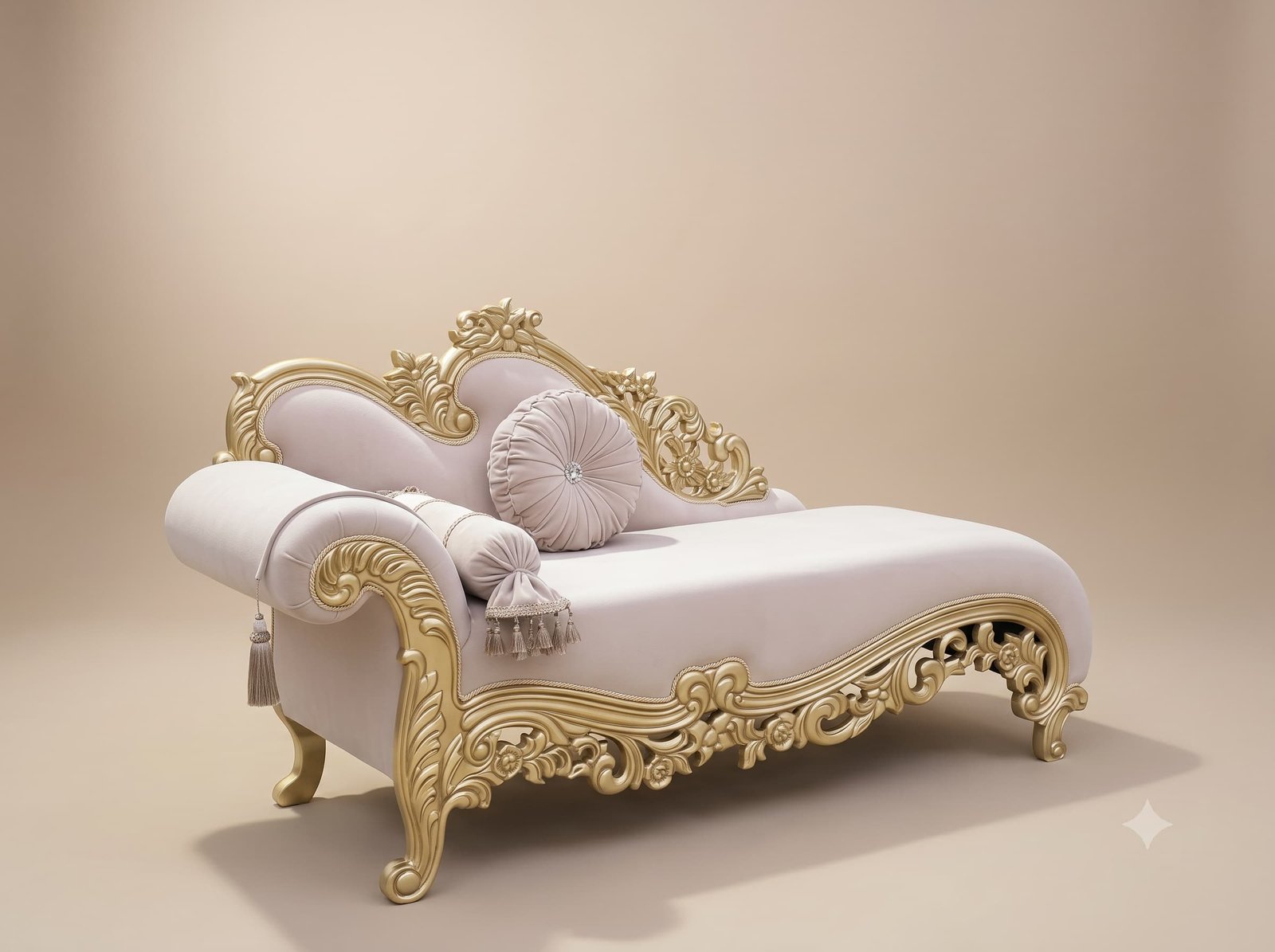
Putting a piece of furniture on castors changes three things about how it has to be made, and none of them is the castor itself.
The first is height. A castor raises the frame off the floor by its own height, so the legs are cut shorter by exactly that amount. Skip that step and the seat sits high, which on a low day seat is immediately uncomfortable.
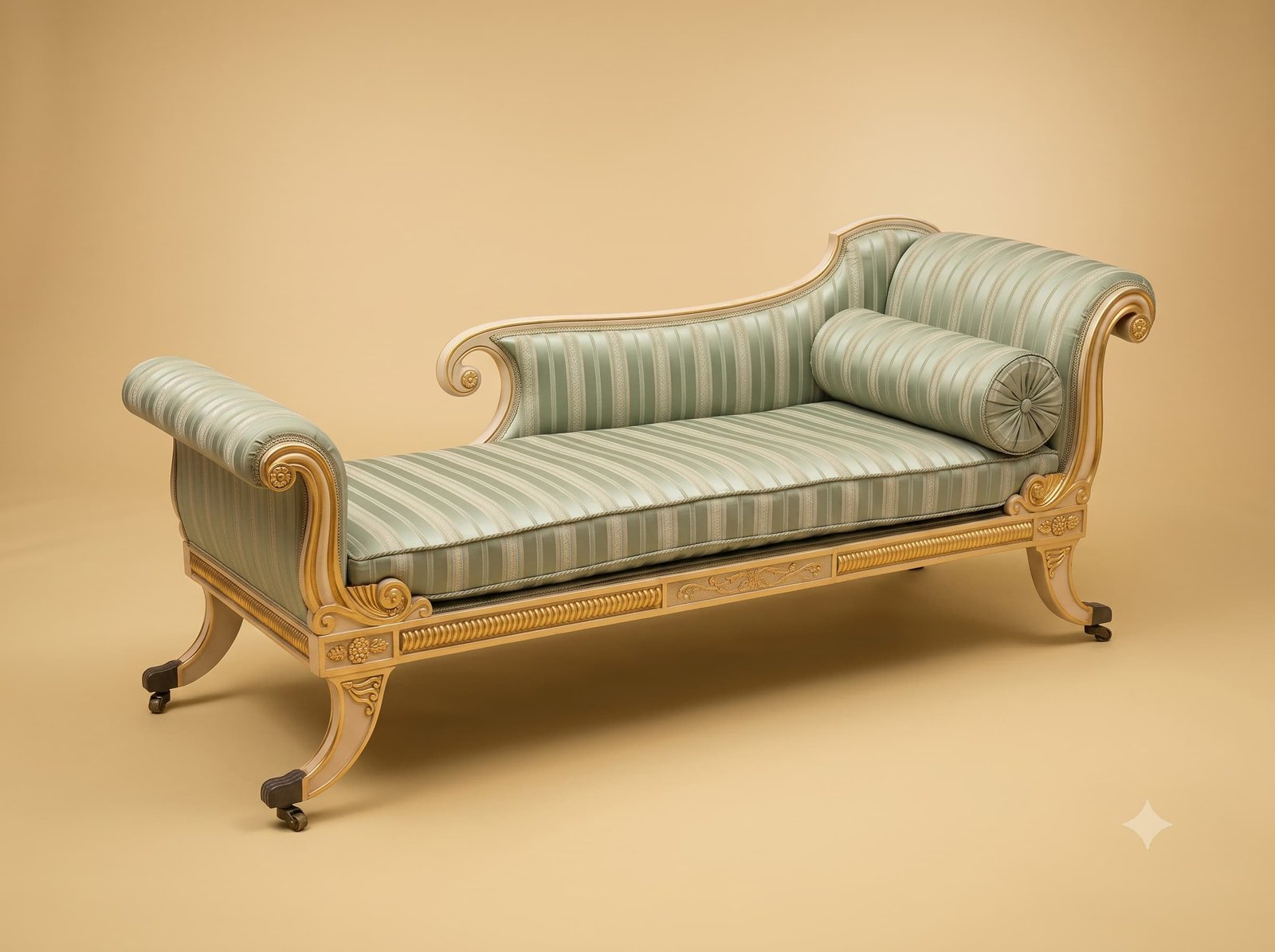
The second is the line of the leg. These legs splay outward in a sabre curve, and a castor must sit under the load coming down that leg, not out beyond it. If the castor plate is fitted square to the floor while the leg arrives at an angle, the leg is trying to push the castor sideways every time weight goes on it - and it will eventually work loose. So the foot is cut to present a flat, level seating that is square to the leg's line of load, and the castor is fitted to that.
The third is the fixing. A castor takes shock loads whenever the piece is moved over a threshold, so it is set into a socket in the leg rather than screwed to the underside.
What you get is a diwan you can turn to face the window and turn back again, without asking anyone for help.
 Ask Price On WhatsApp