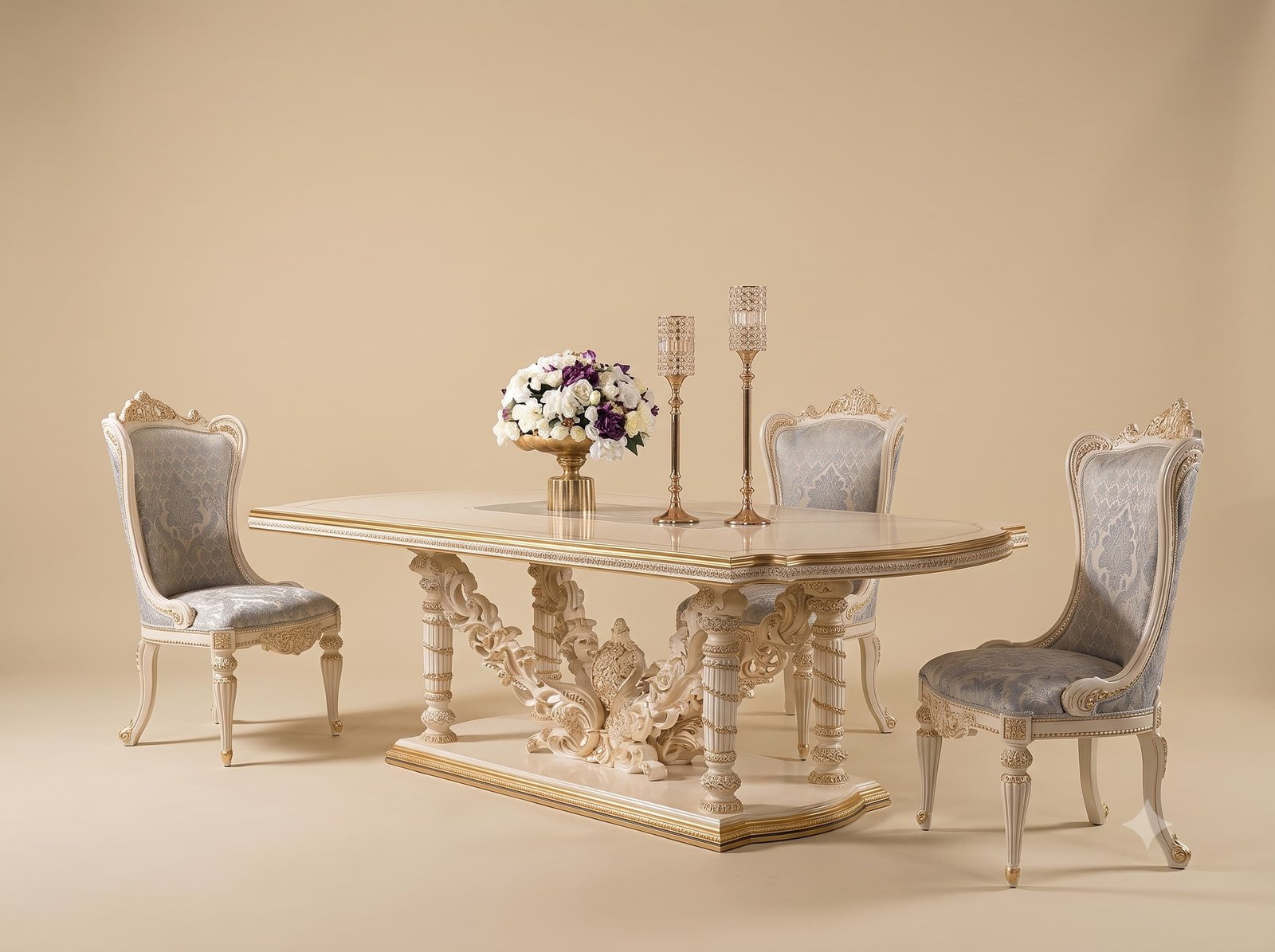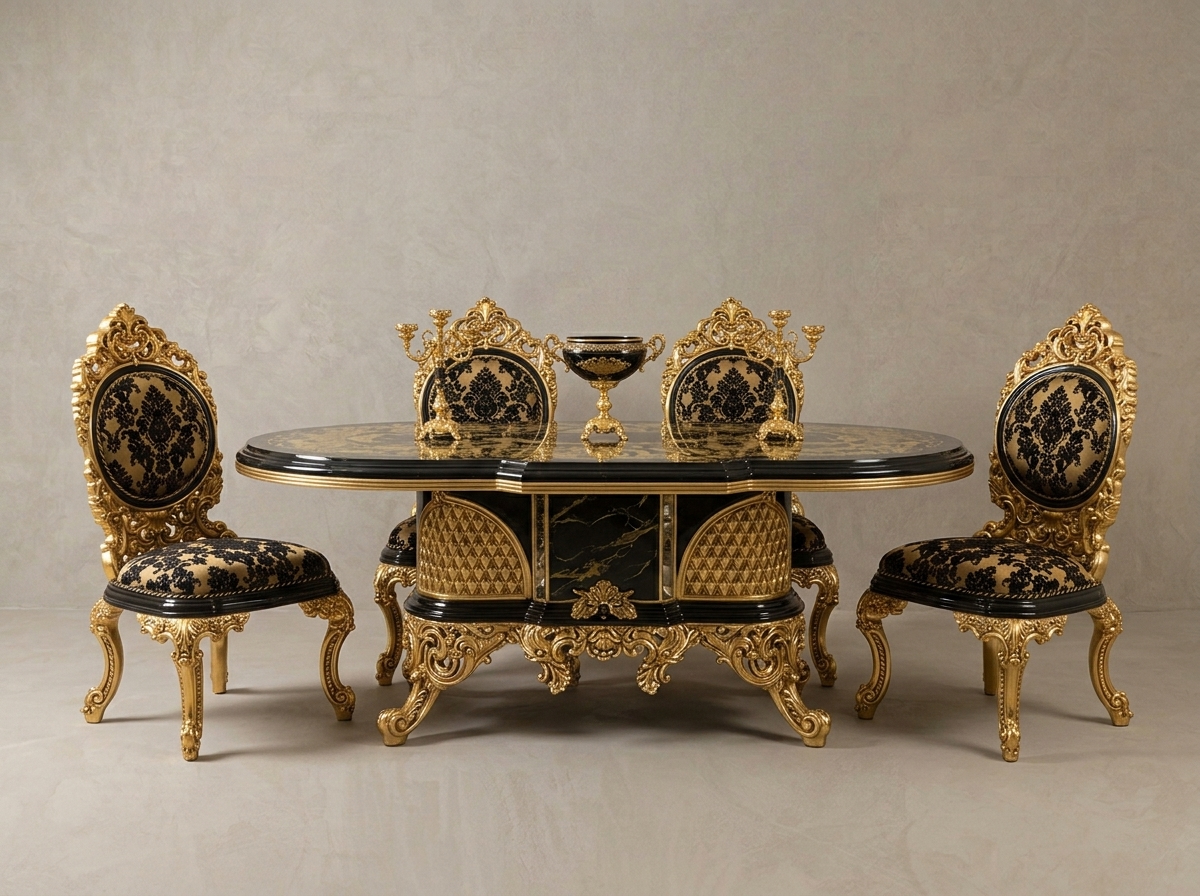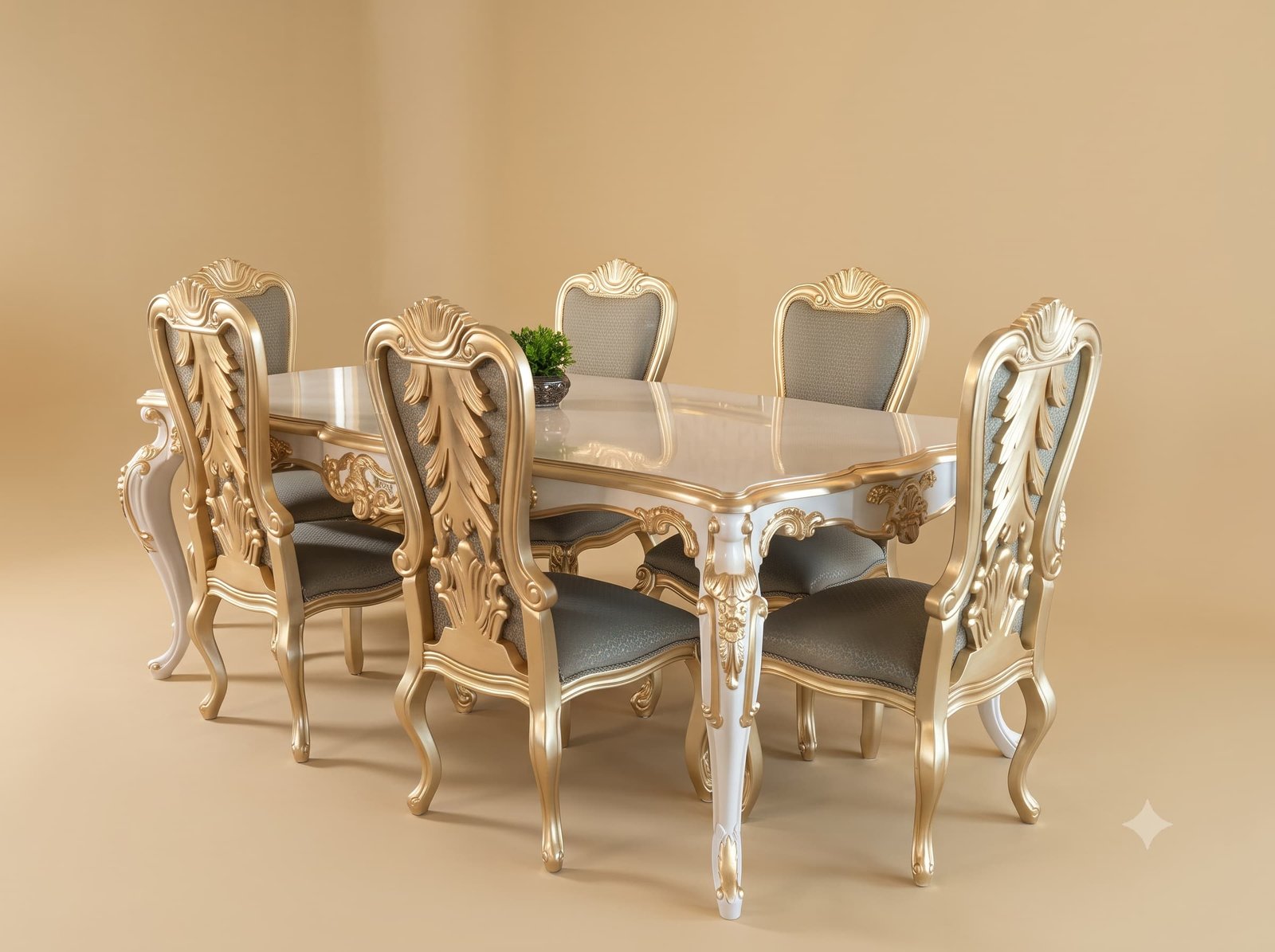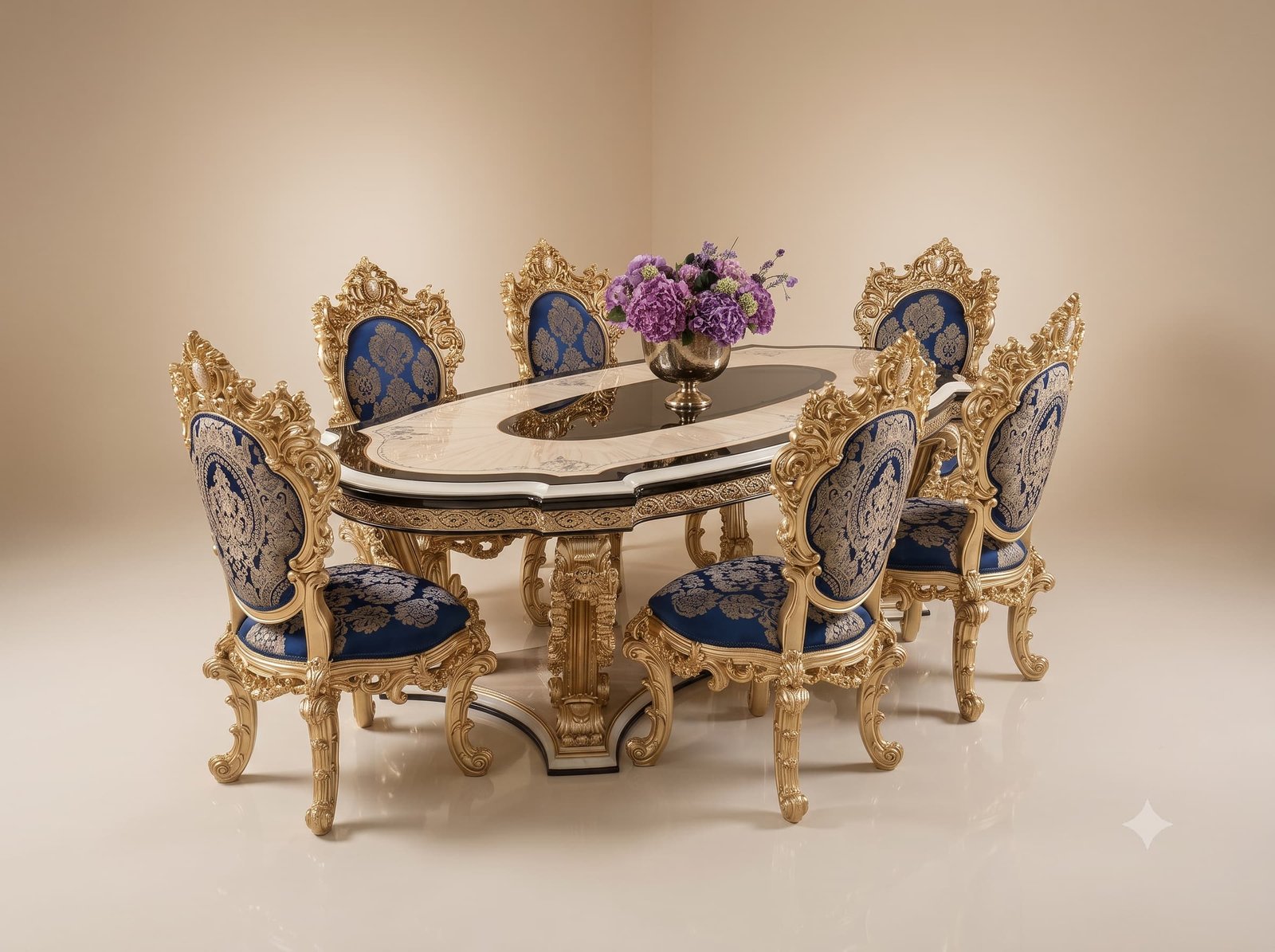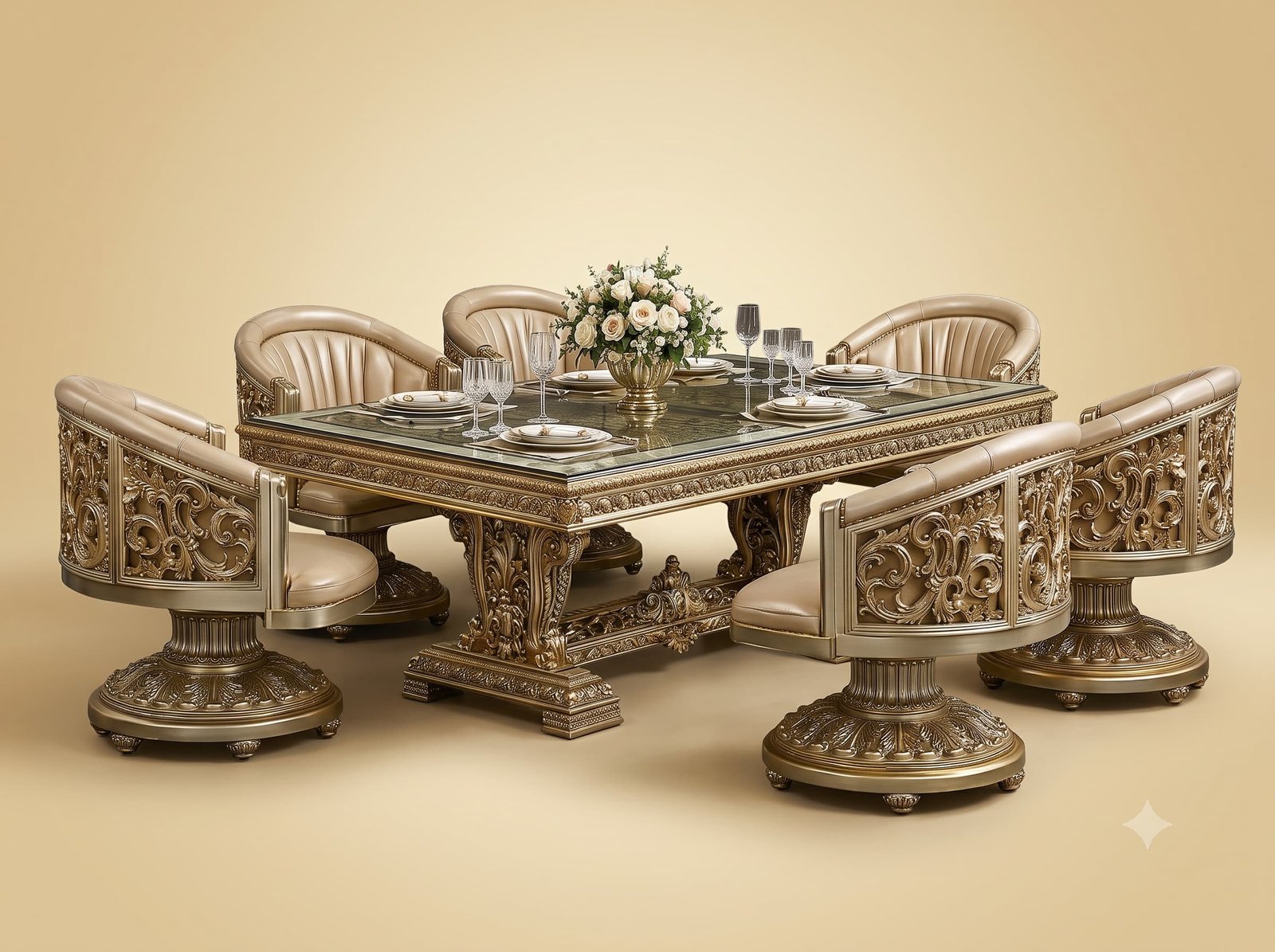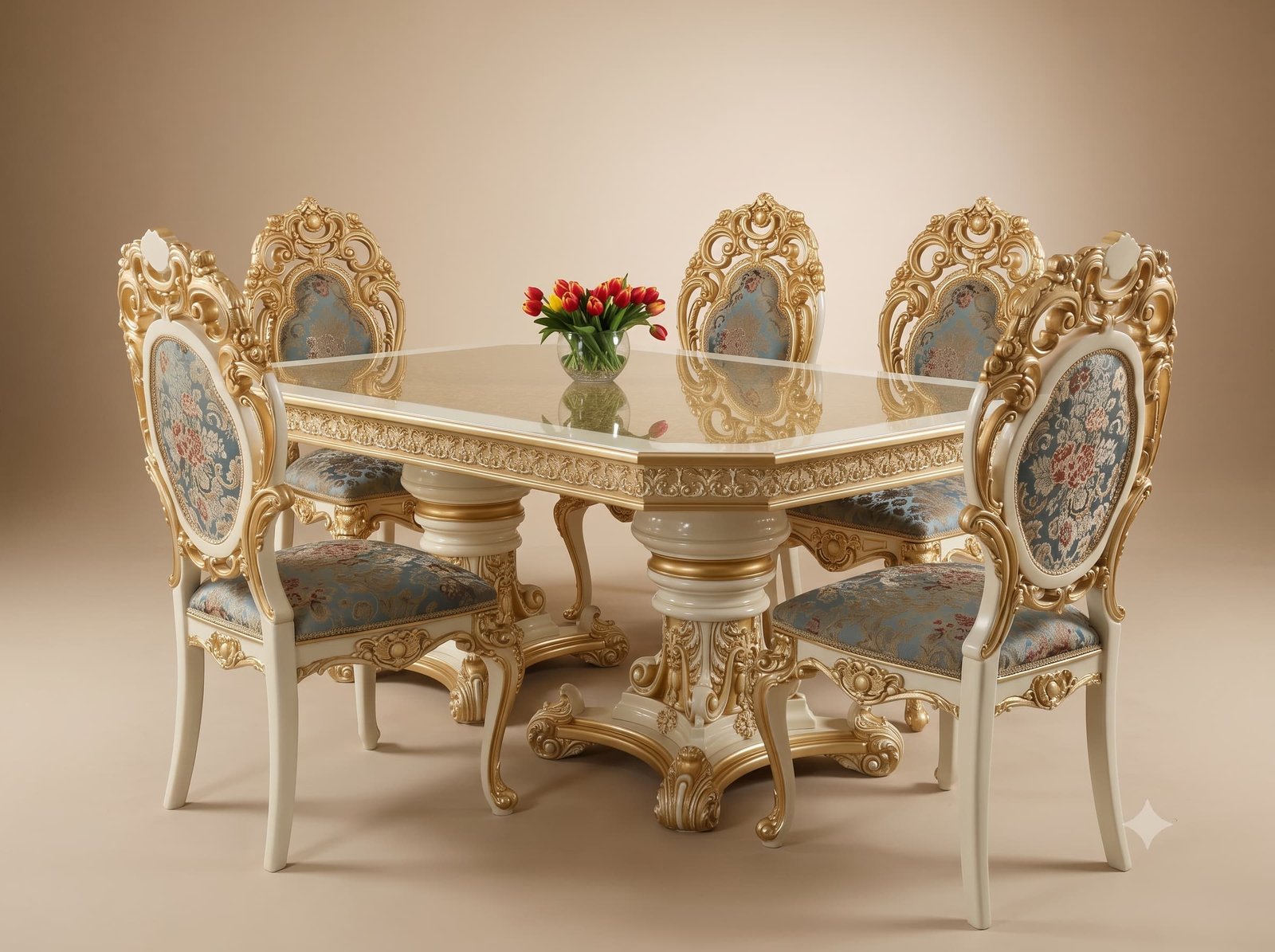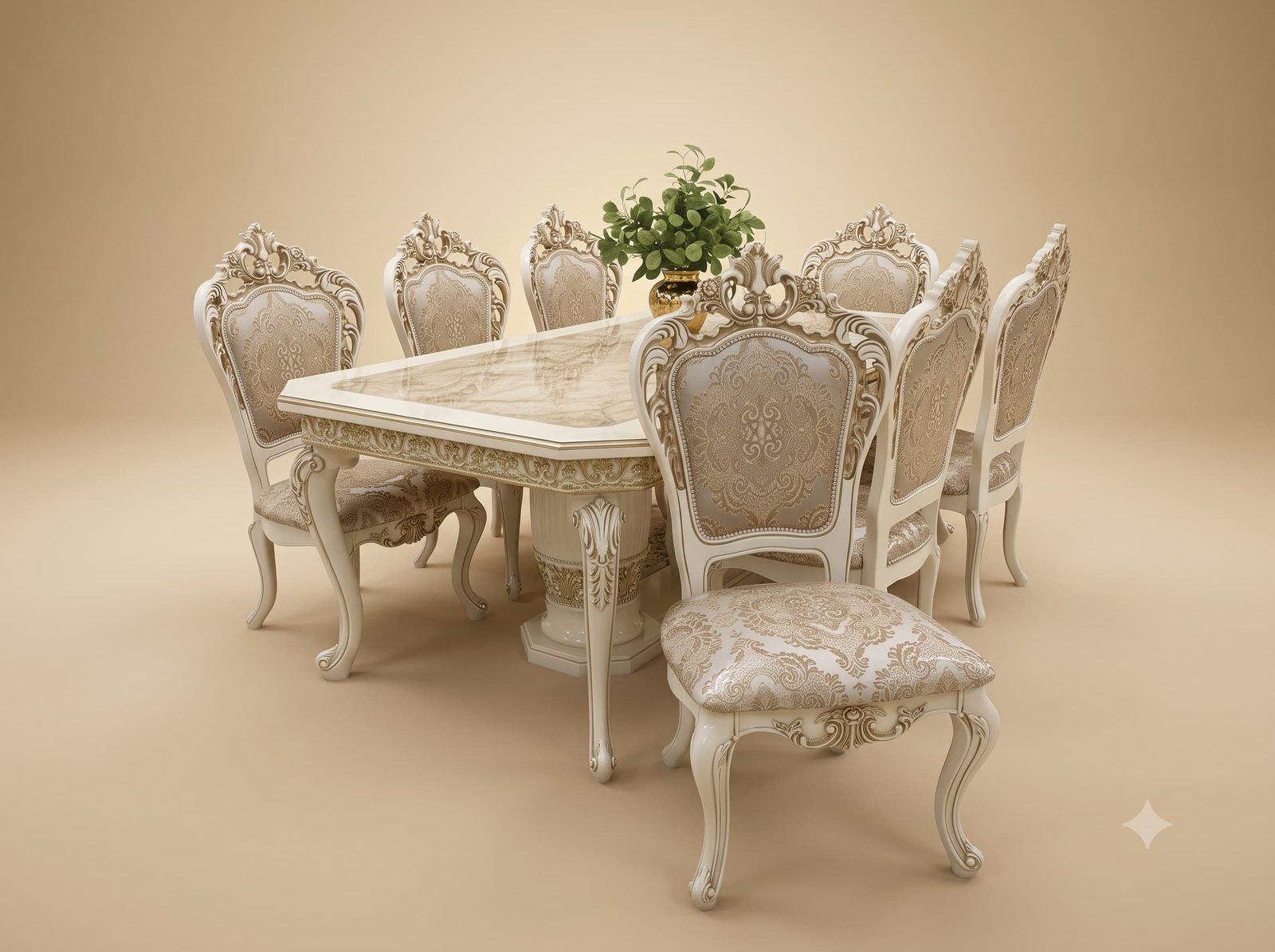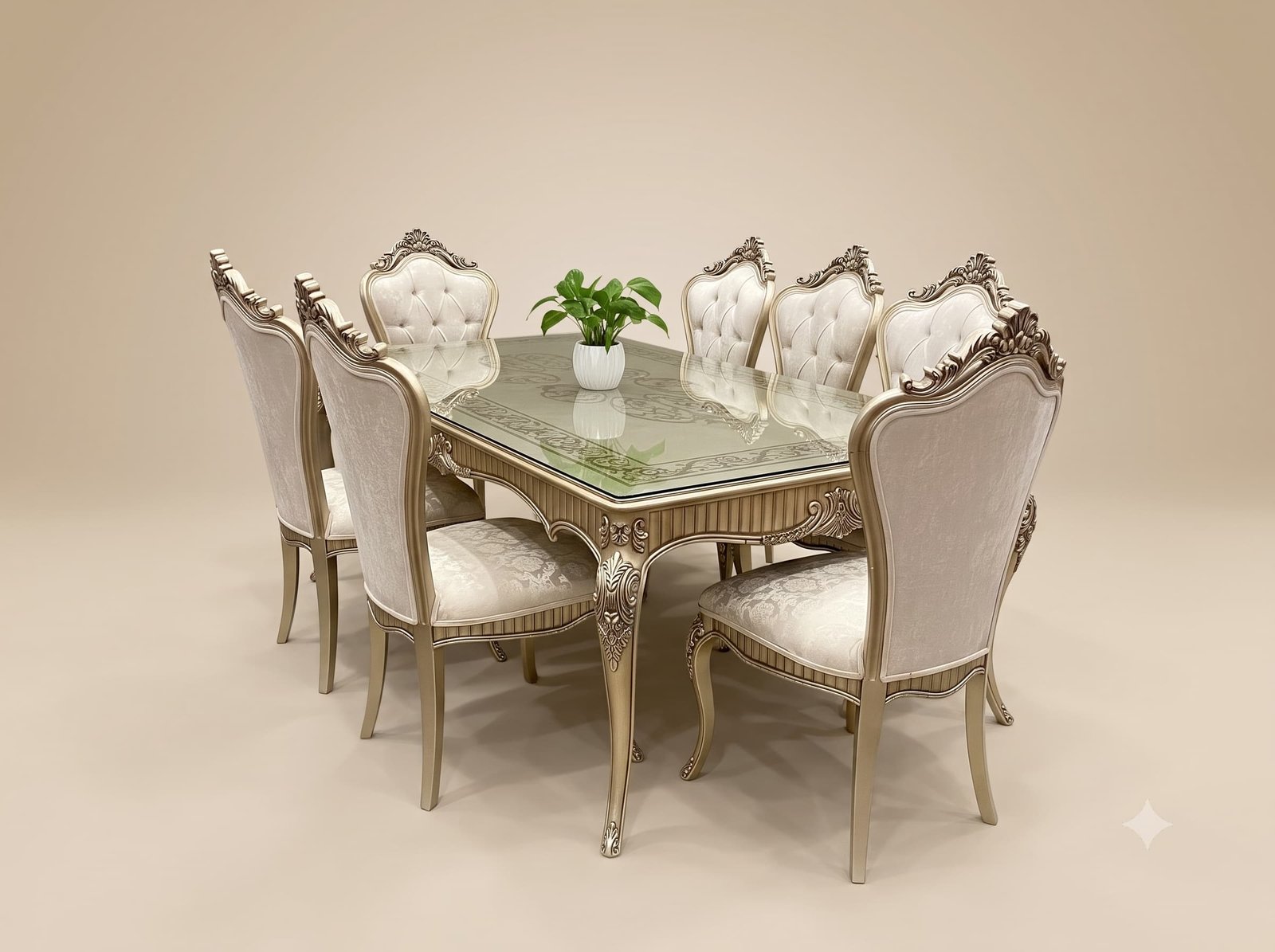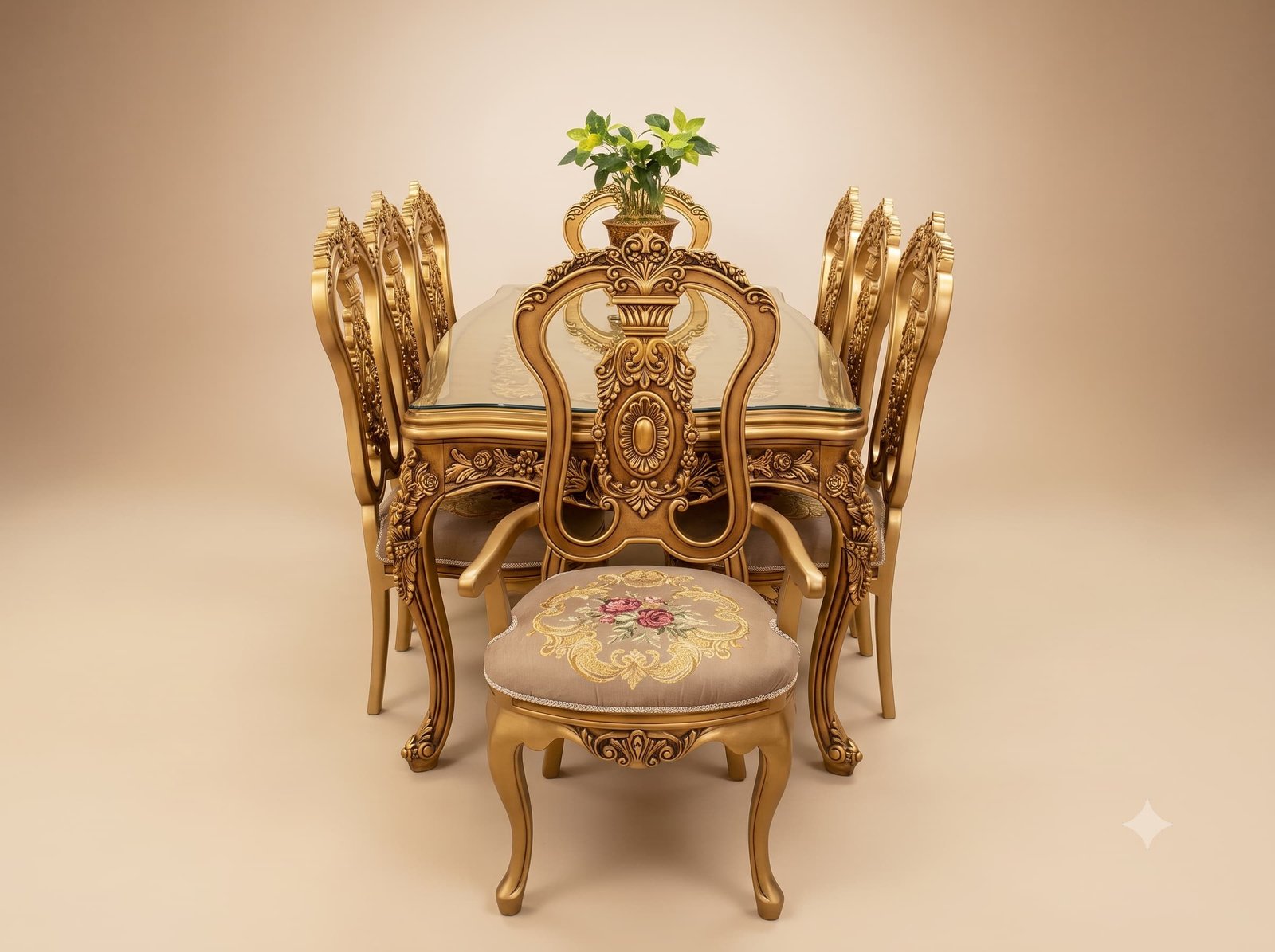
A tapestry seat is not upholstery in the usual sense. It is a picture, and a picture has a centre, a top and a bottom - which means the cutting is a different job entirely from cutting a plain cloth or an all-over pattern.
The trap is centring it on the panel. A seat is cut as a flat piece of cloth, but the seat it will cover is not flat and not rectangular - it is domed, wider at the front than the back, and its front edge rolls over and disappears from view. Centre the motif on the flat cutting pattern and it ends up sitting low and back on the finished chair, because the front of the cloth has been consumed by the roll and the dome has pulled the whole thing forward.
So the motif is centred on the finished seat, not on the panel. The upholsterer builds the seat first, marks the true visual centre on the completed dome from a standing position - which is how it will actually be seen - and then works backwards to find where the motif must sit on the flat cloth to land there.
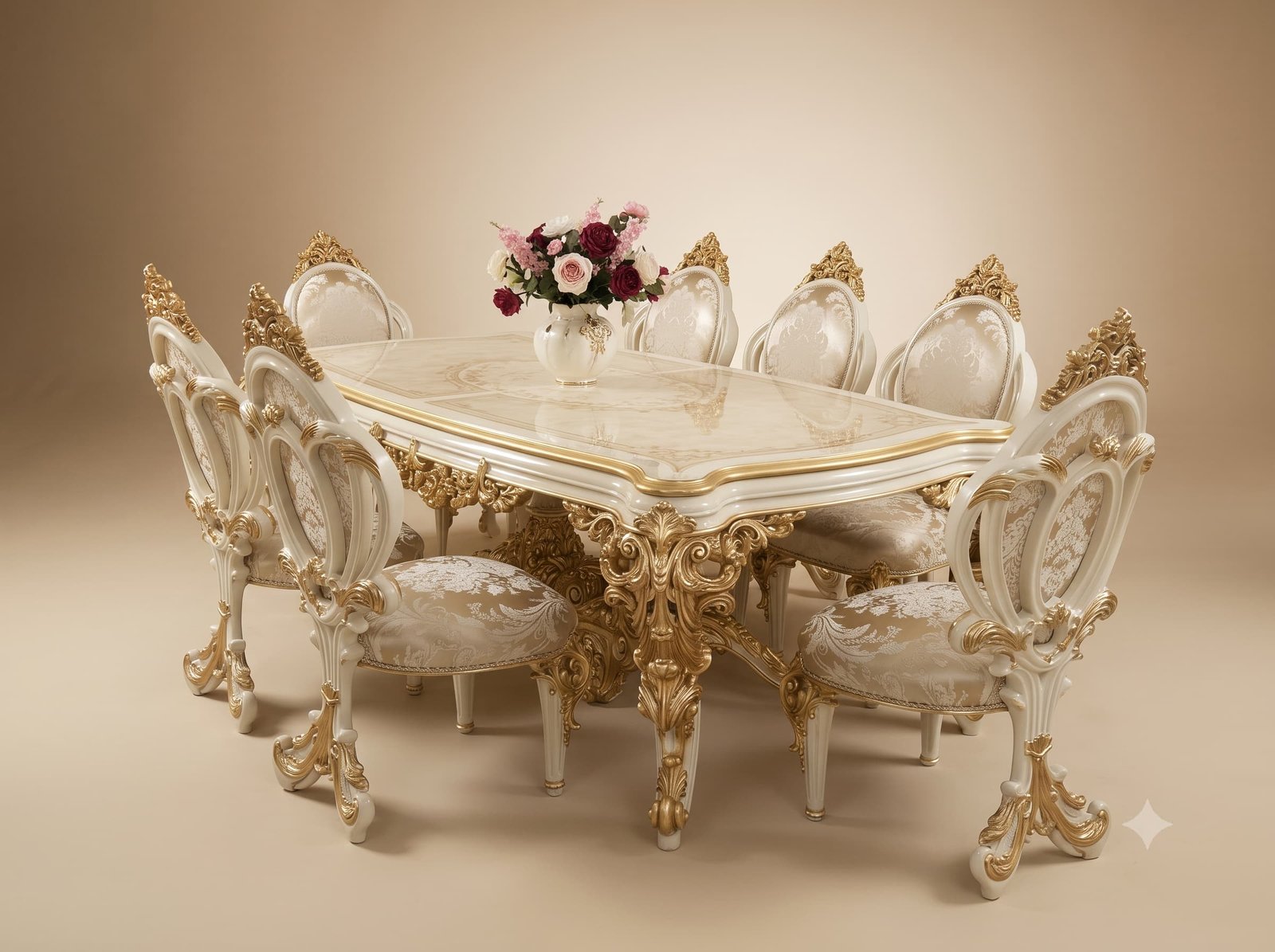
Across eight chairs it is done from one measurement rather than eight, so all eight roses sit in the same place. The first chair is upholstered, checked from standing height, and the position is then fixed for the rest of the set.
 Ask Price On WhatsApp