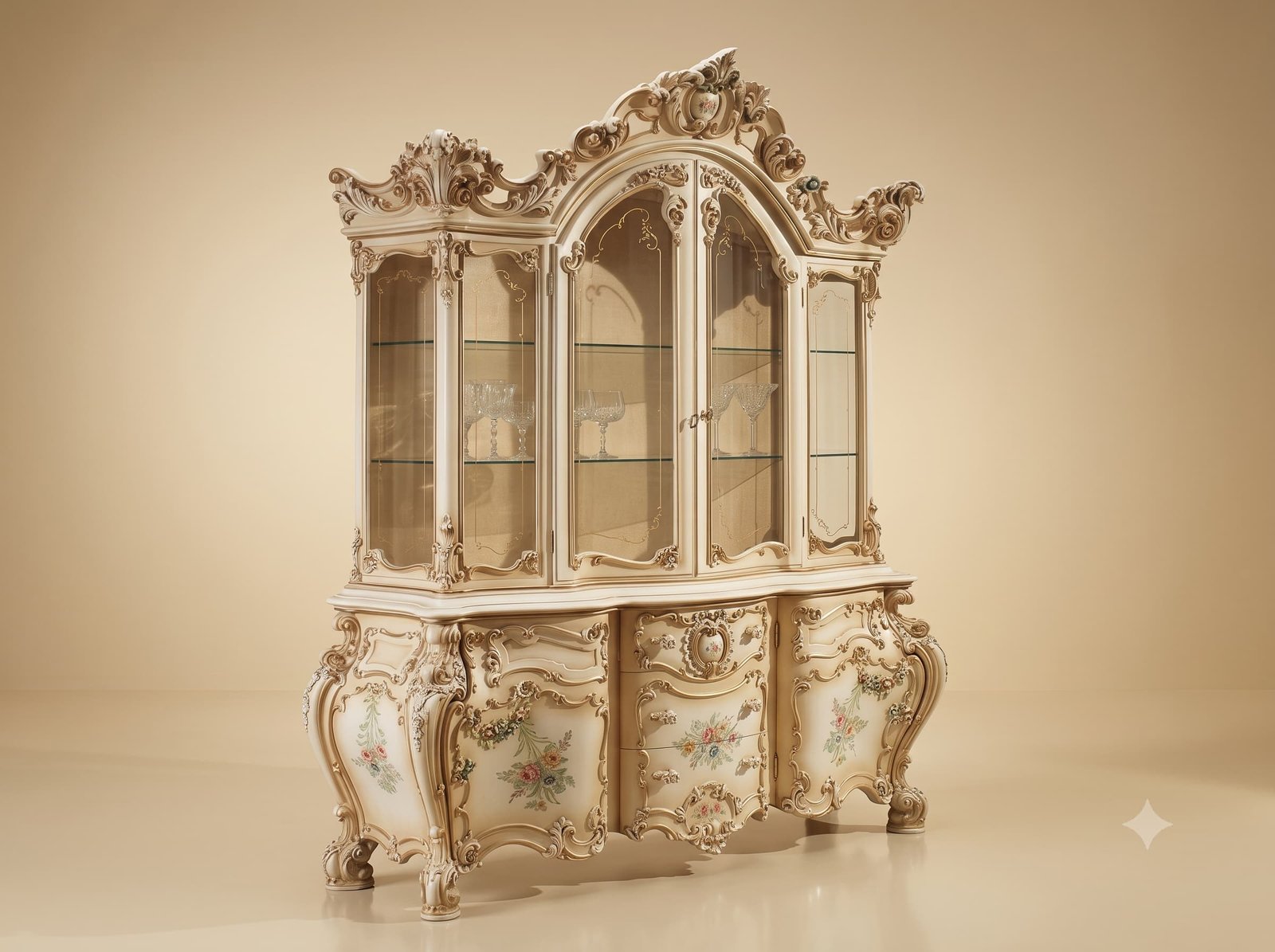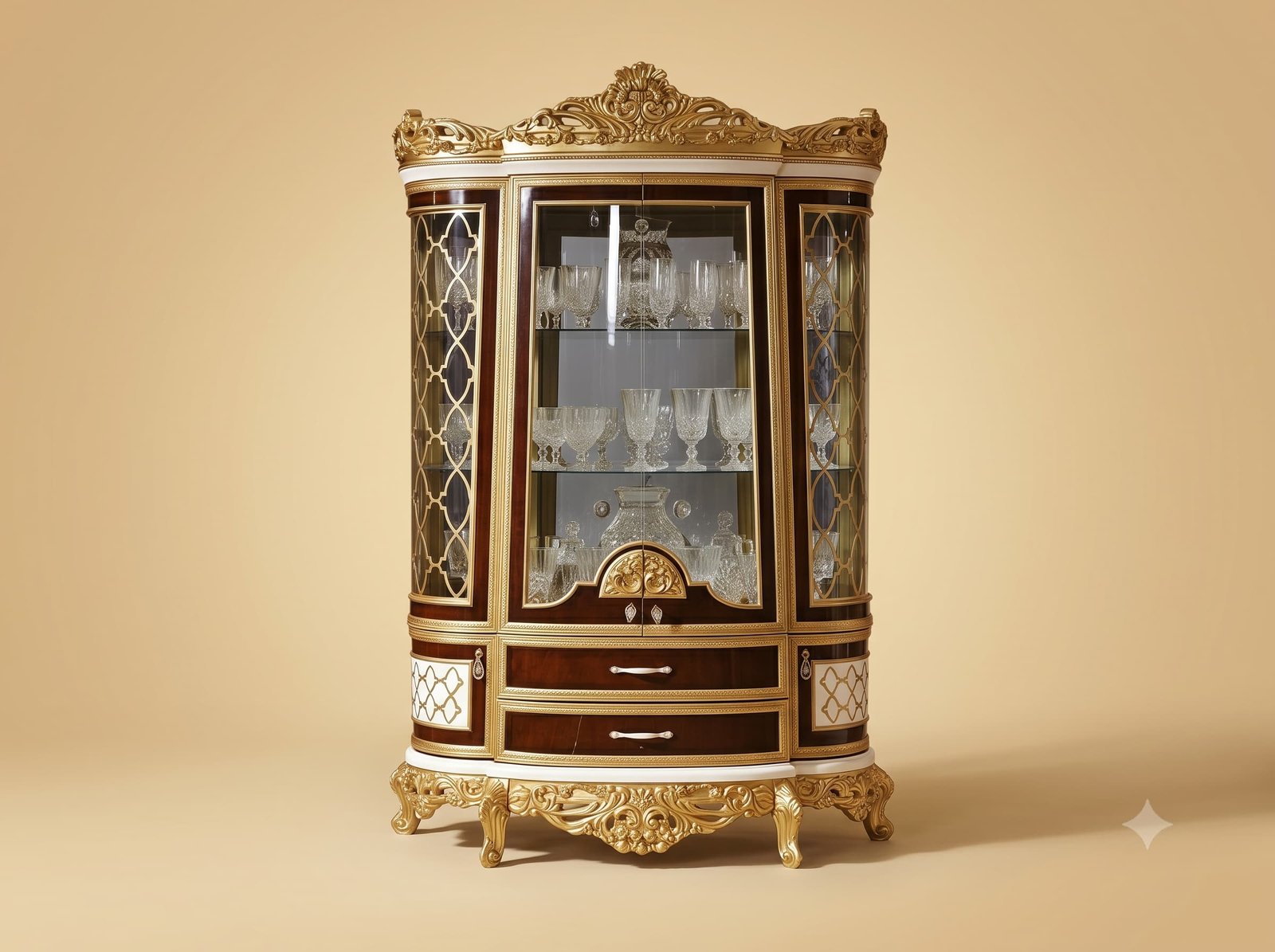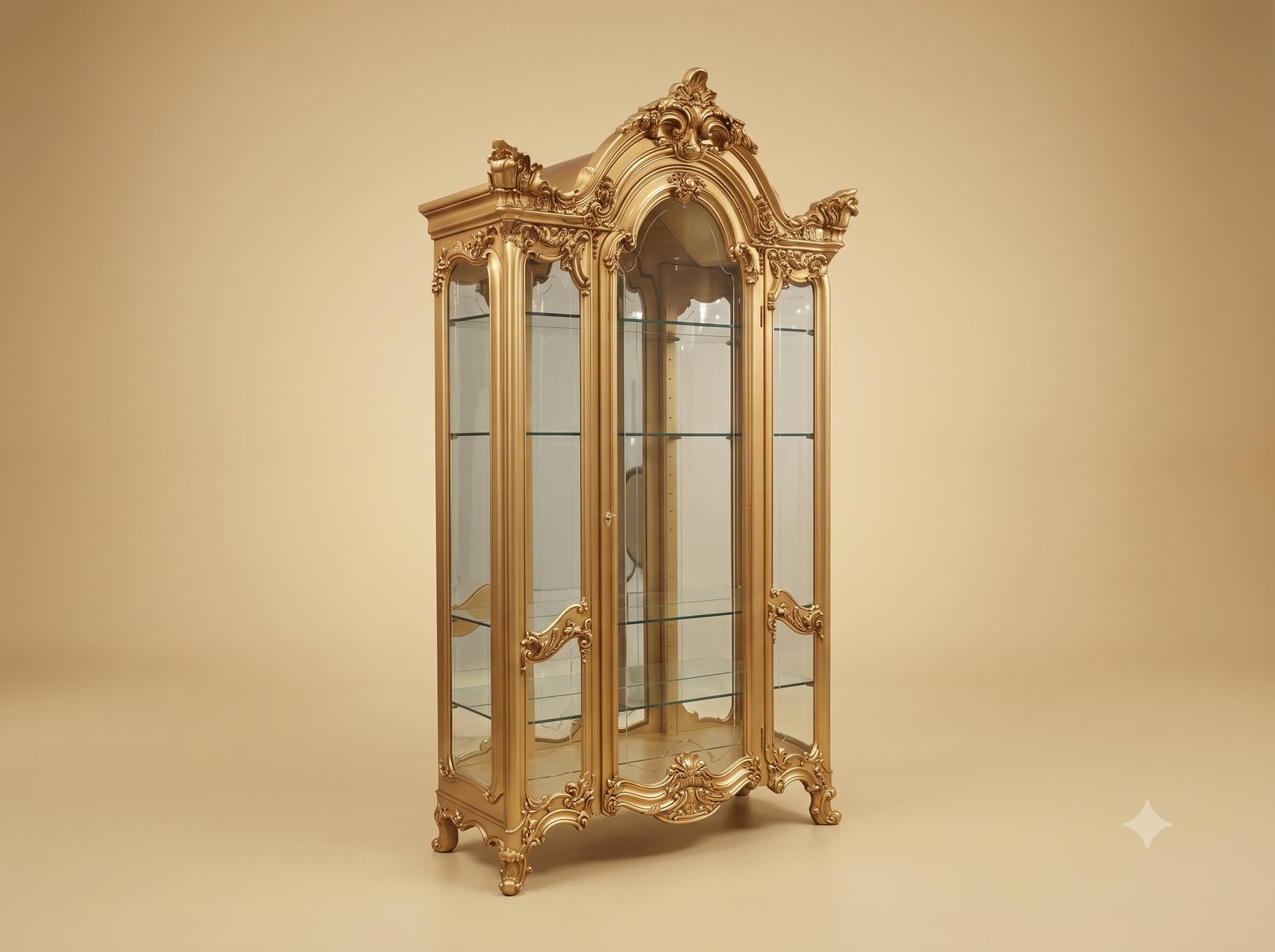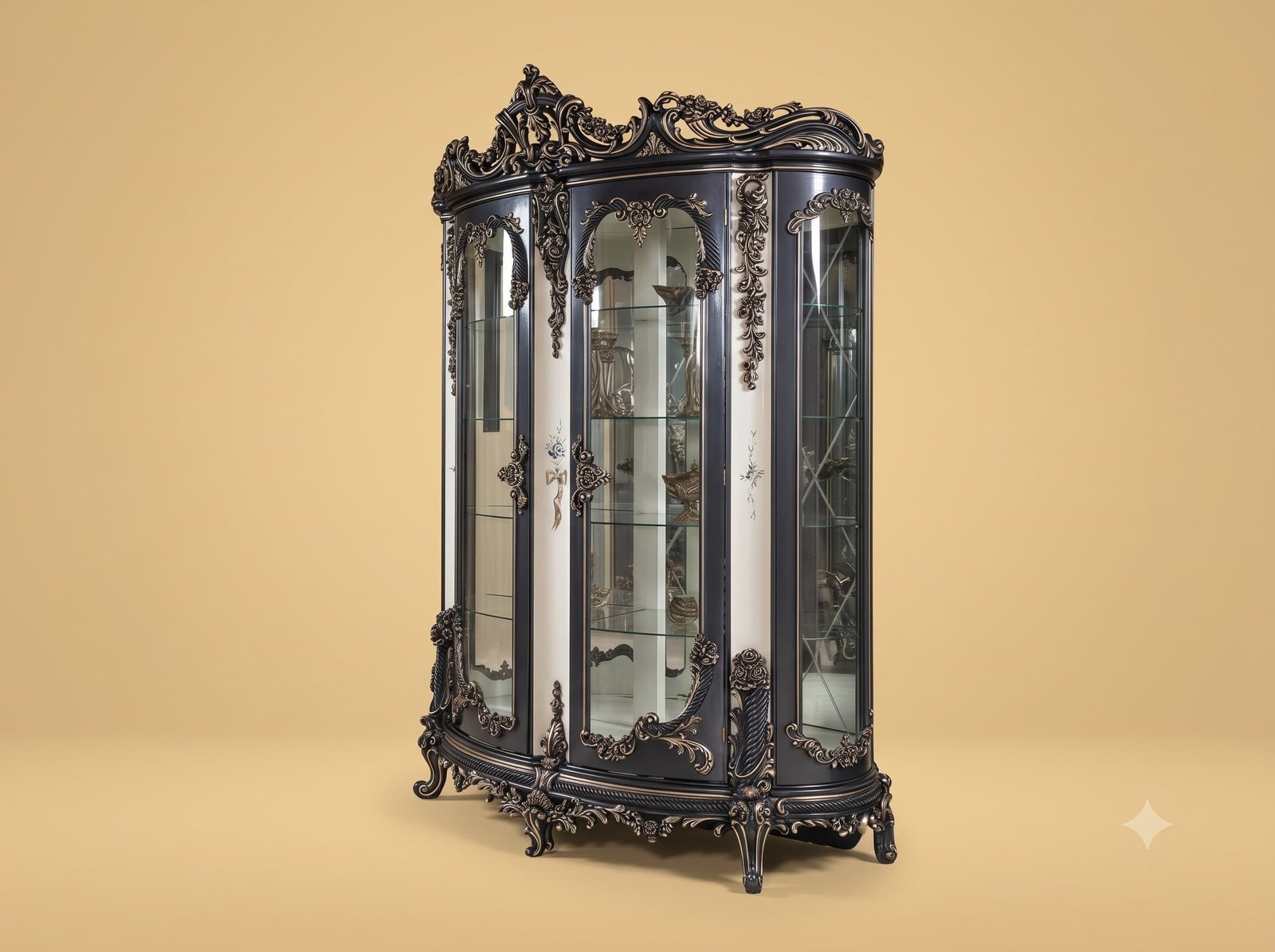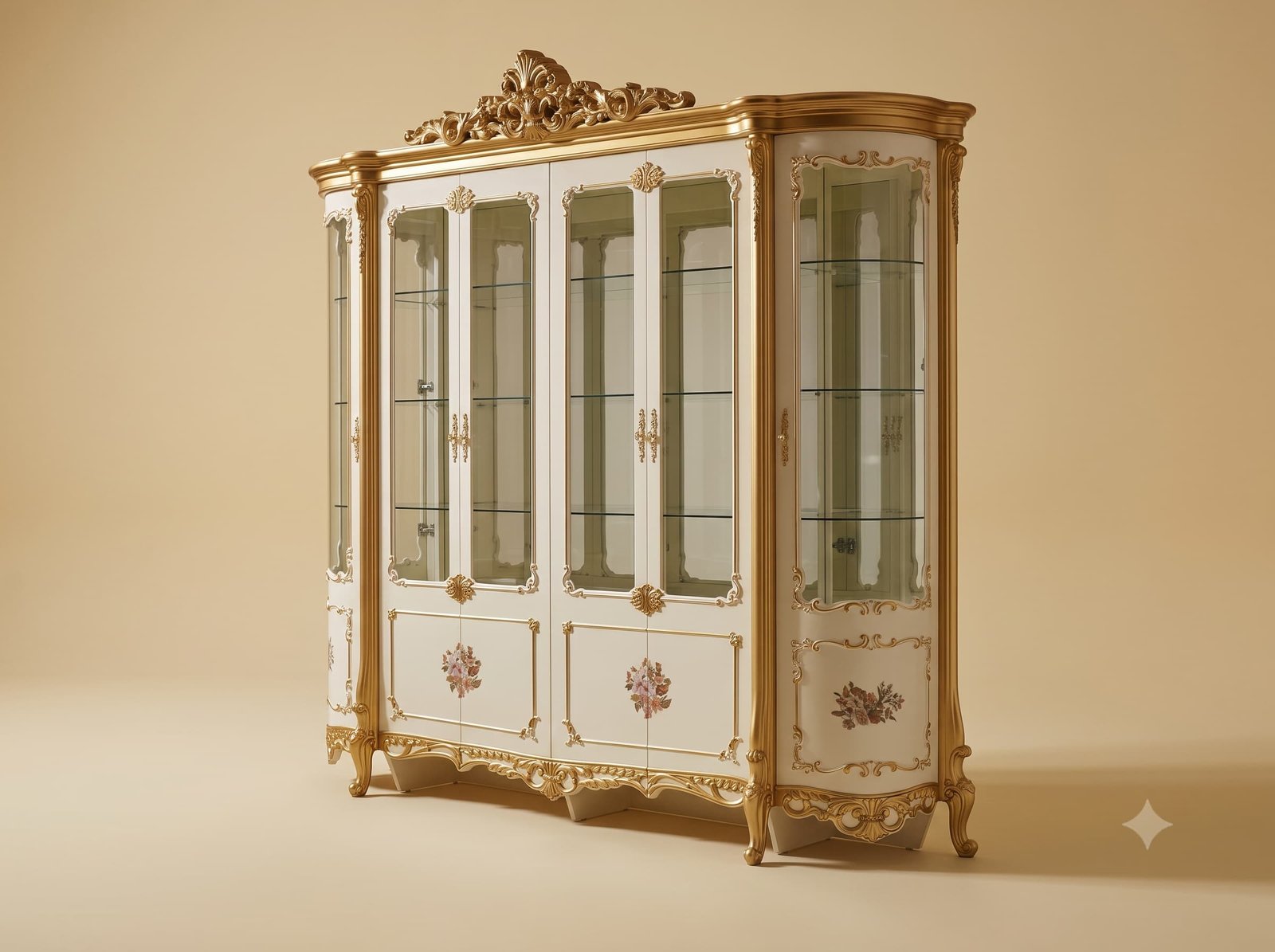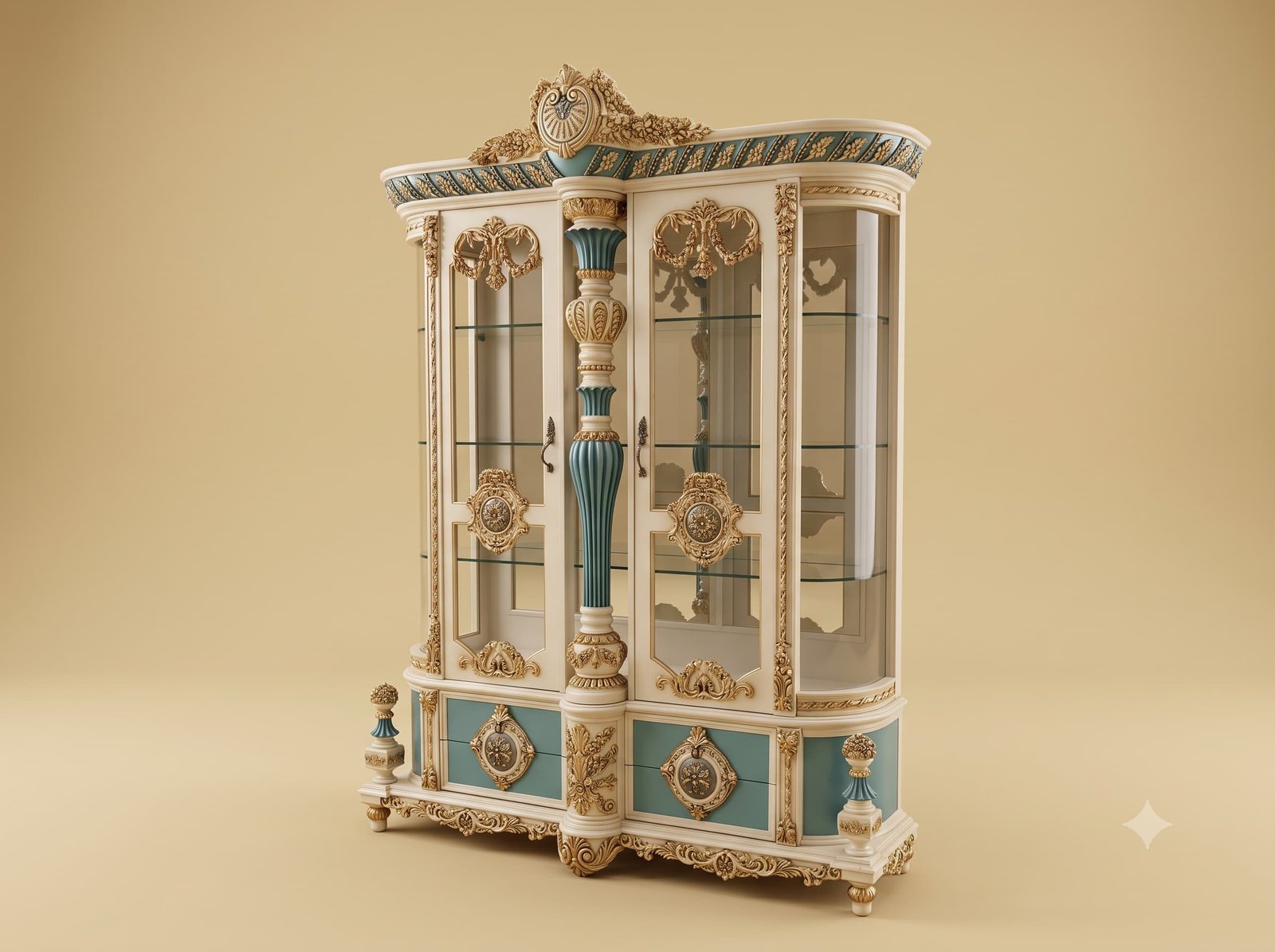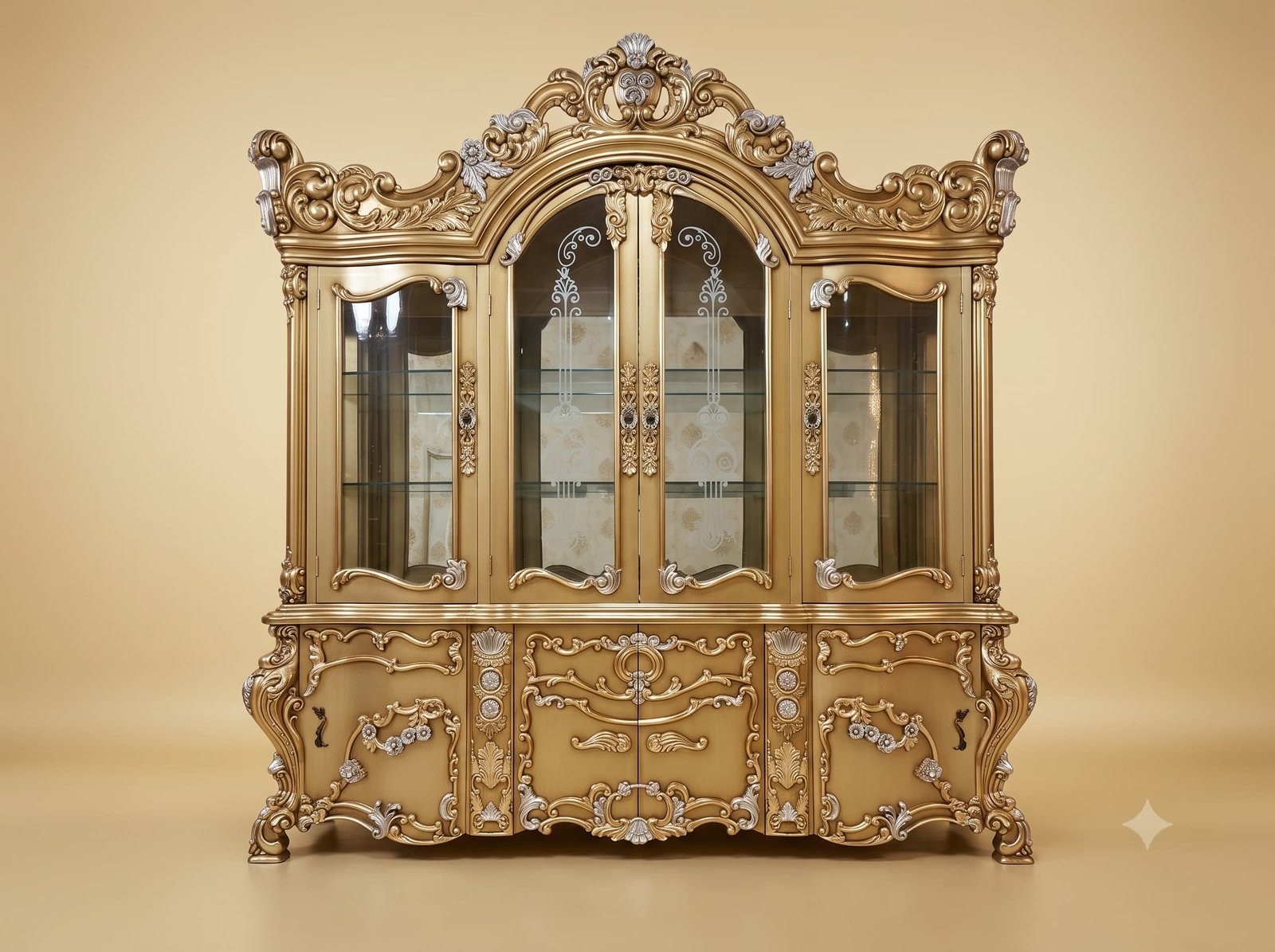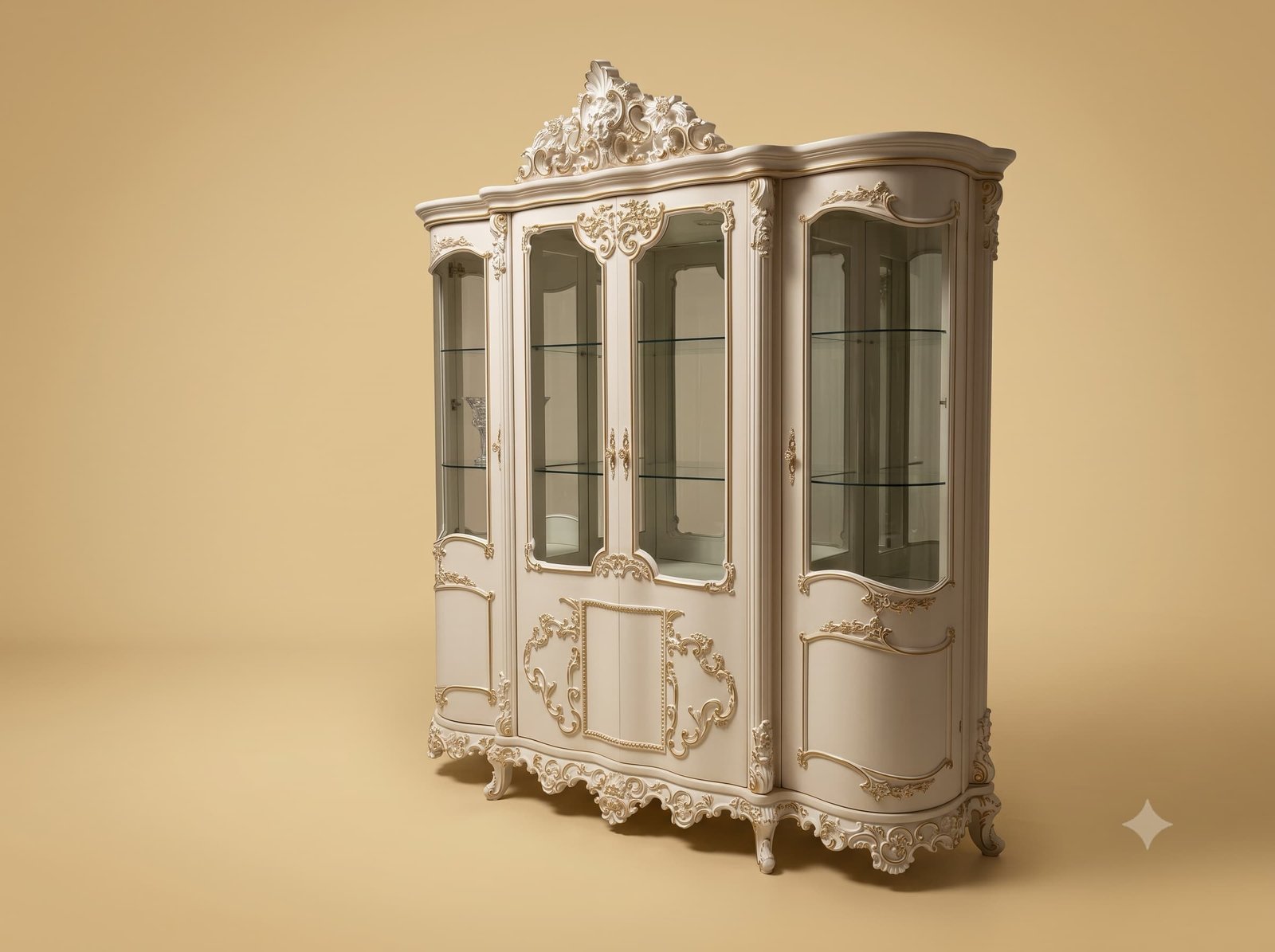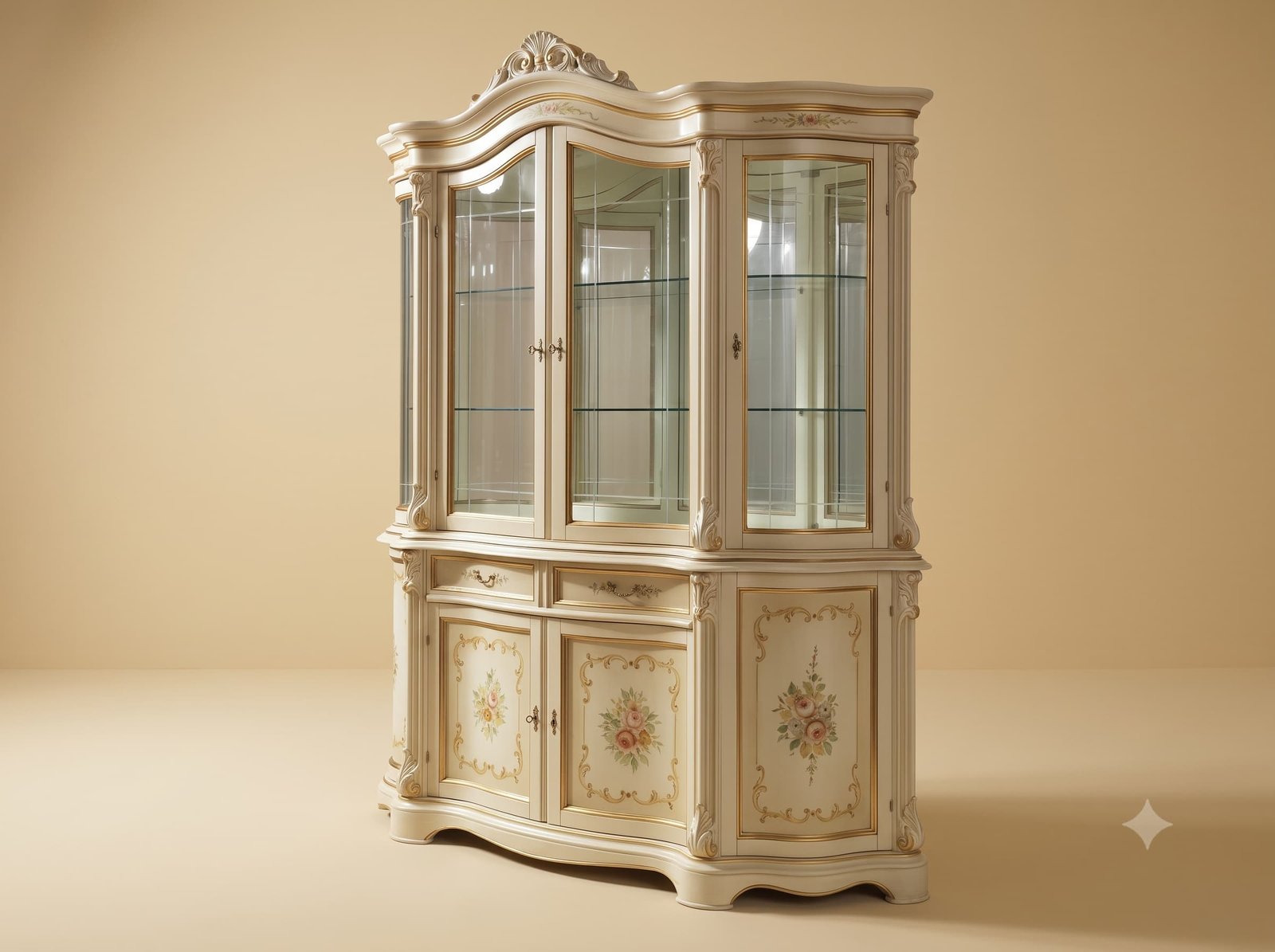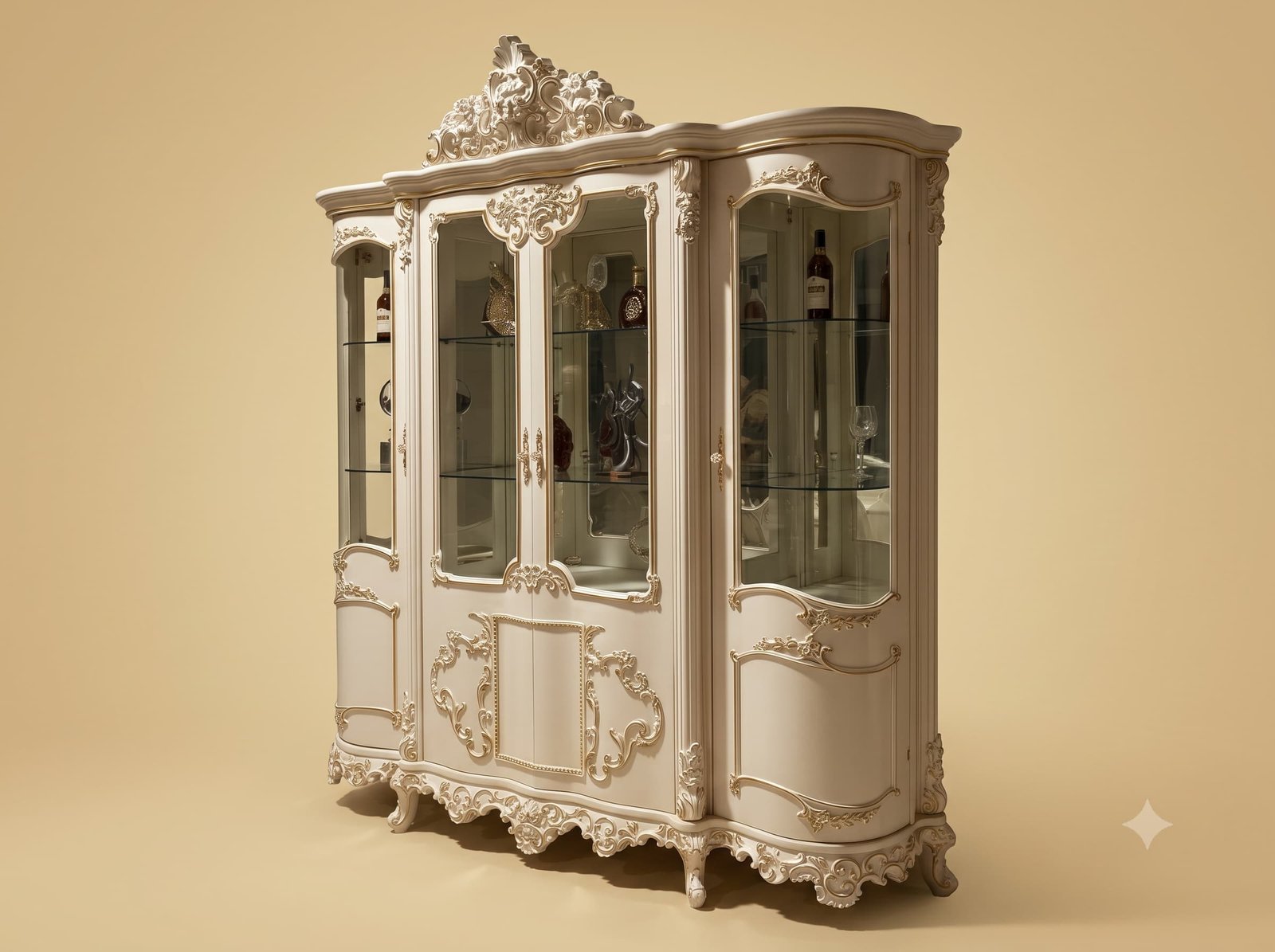
Putting a lock in a glazed door is a small problem with only one honest solution, and it decides a dimension you would never guess was decided by it.
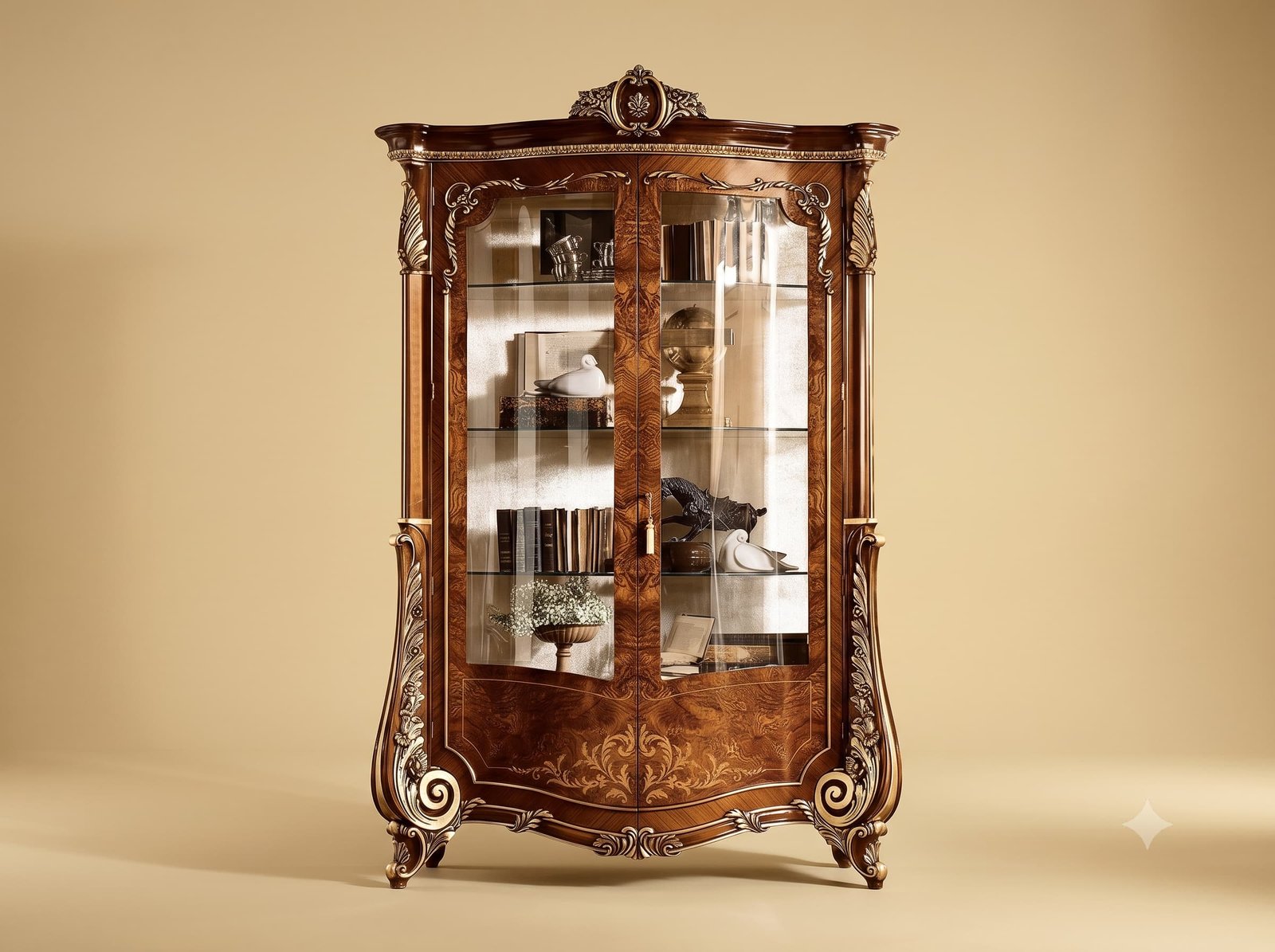
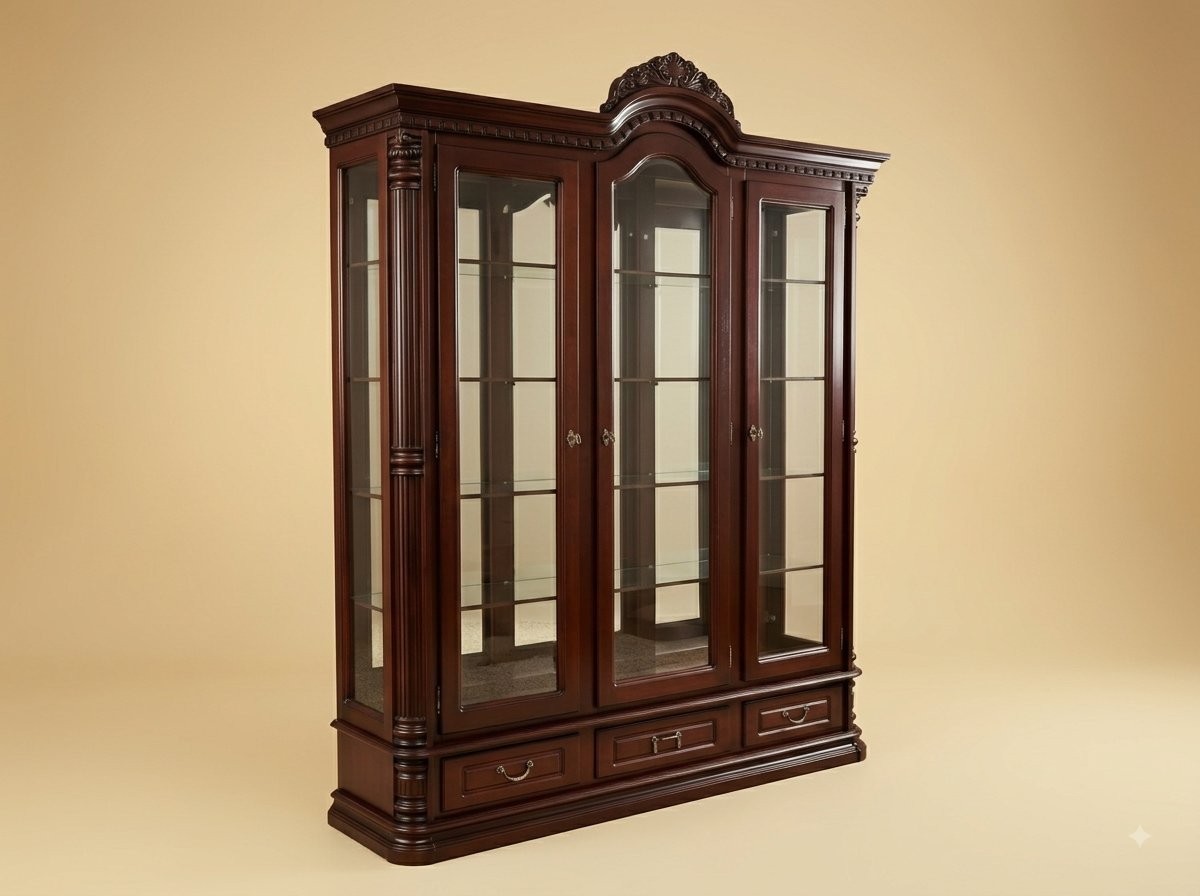
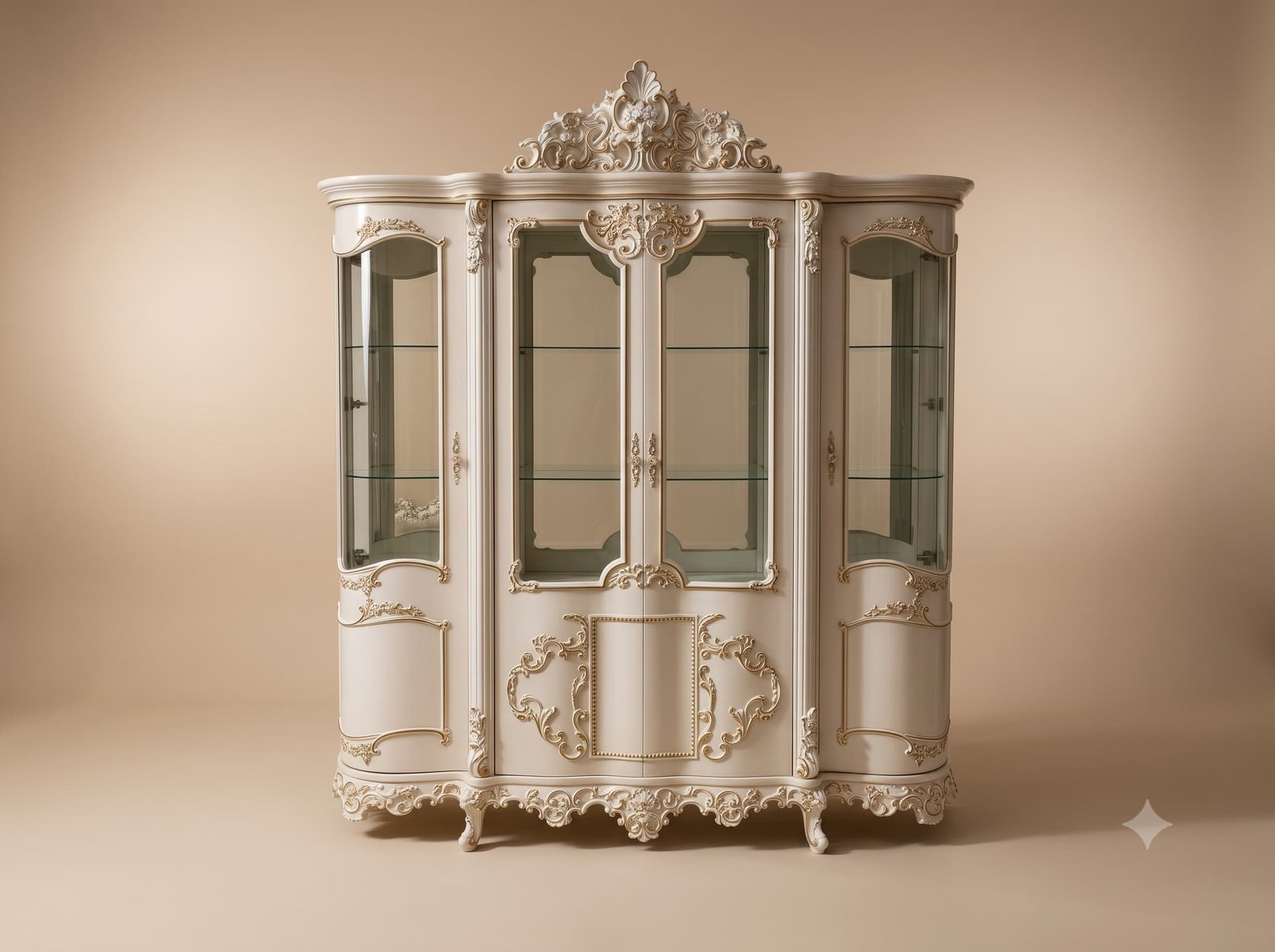
A lock needs a body of timber to sit in. On a panelled door there is plenty - the lock goes into the middle rail or the stile and disappears. On a glazed door there is no middle at all: the door is a thin frame around a pane, and the only timber deep enough to house a lock is the meeting stile where the two doors close against each other.
Which means the meeting stile has to be wide enough for the lock body. And the meeting stile is the most visible timber on the whole cabinet, standing in the middle of the display where every millimetre of it blocks something.
The lazy answer is to widen the stile until whatever lock is to hand fits. Our master Indian artisans do the reverse: the stile width is set by the design first, from what the cabinet should look like, and then a lock is selected whose body fits within that. Smaller, better-made locks cost more and take longer to source. They are also the only way to have a locking showcase that does not have a plank down the middle of it.
 Ask Price On WhatsApp