Frame-and-panel is the oldest solution in cabinetmaking to a problem that has nothing to do with looks.
A wide flat board of any timber wants to move across its grain with the seasons - swelling in humid months, shrinking in dry ones. Fix that board rigidly into a drawer front and it will eventually split, because it cannot expand and something has to give.
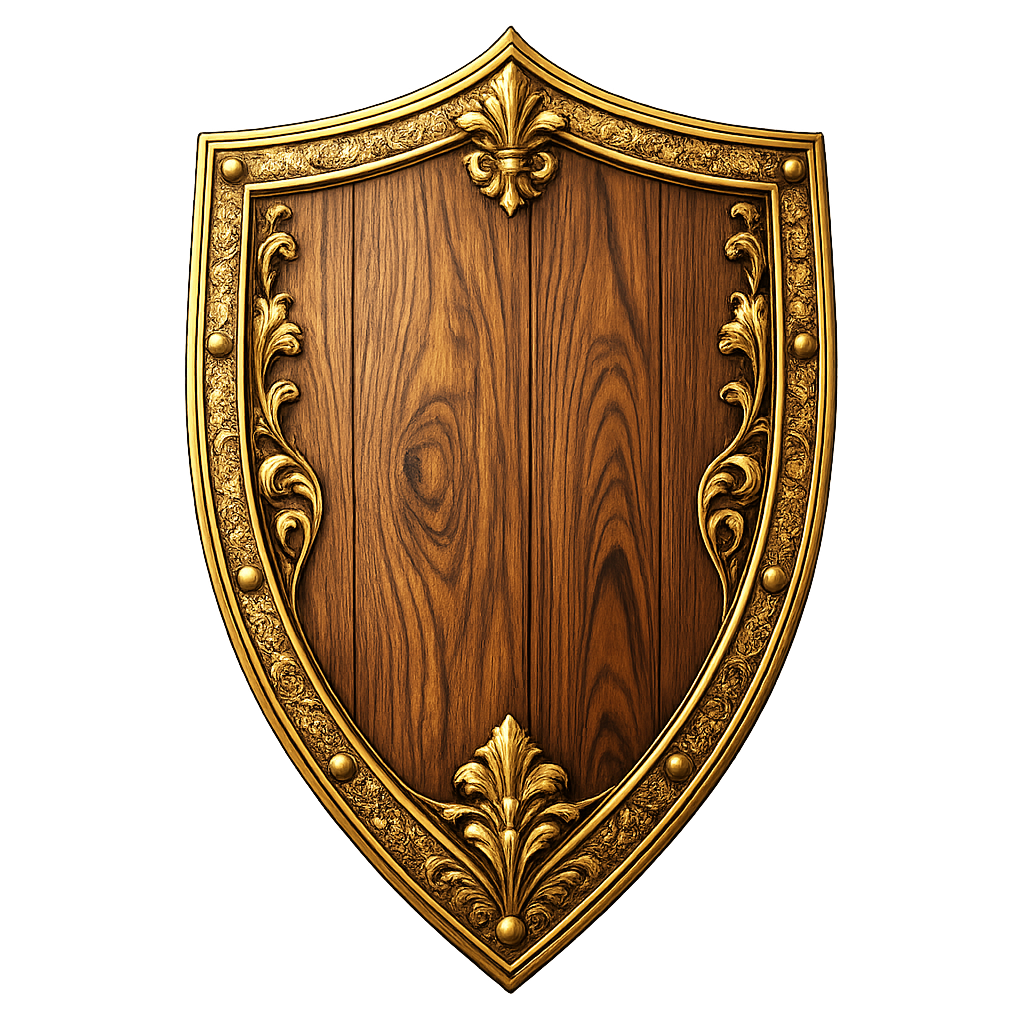
The answer, arrived at centuries ago, is to build the front as a frame with a panel sitting loose inside a groove. The frame is narrow in every direction, so it barely moves. The panel floats - free to expand and contract inside its groove without pushing against anything. Nothing splits, and the front stays flat for centuries.
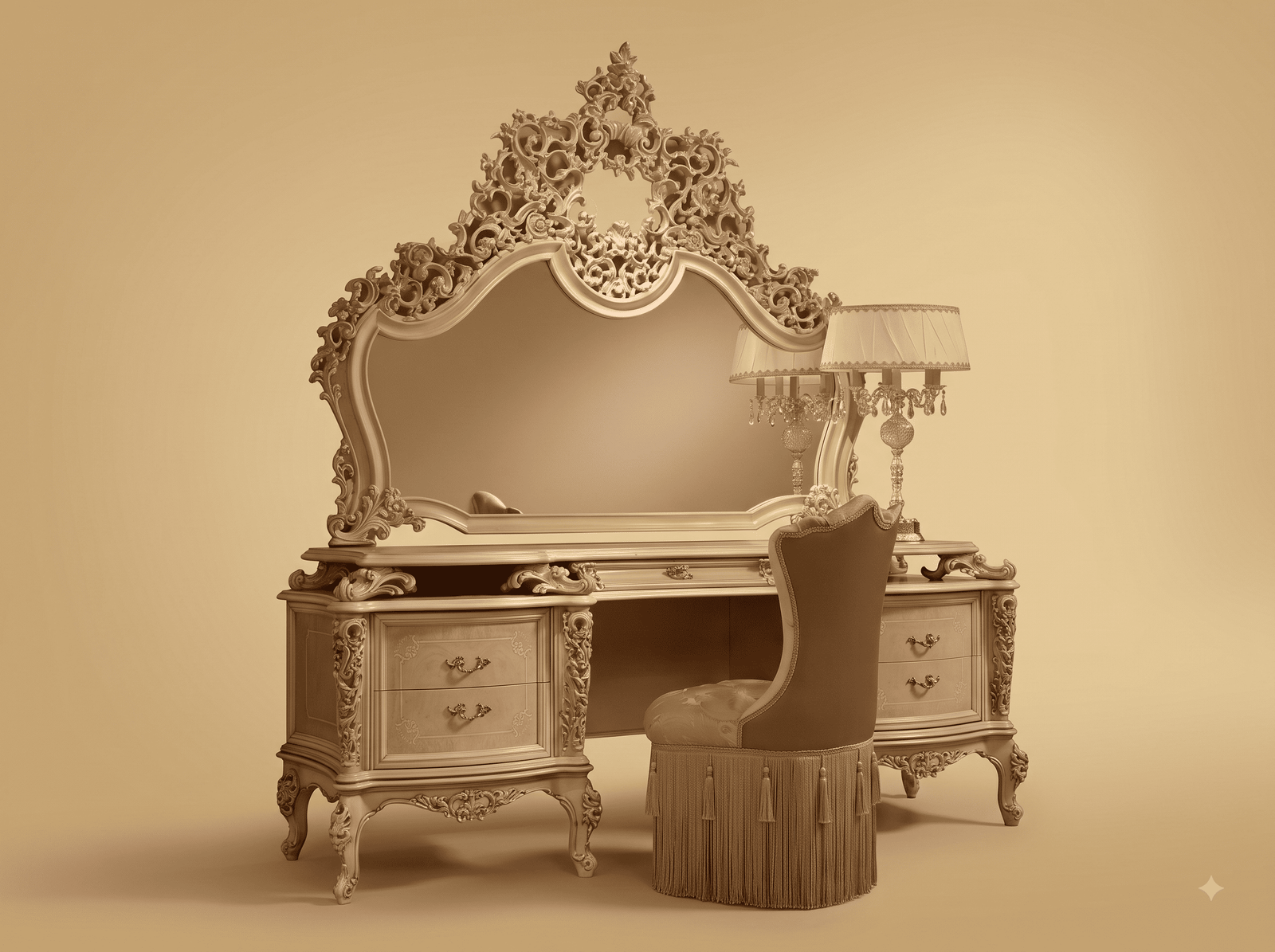
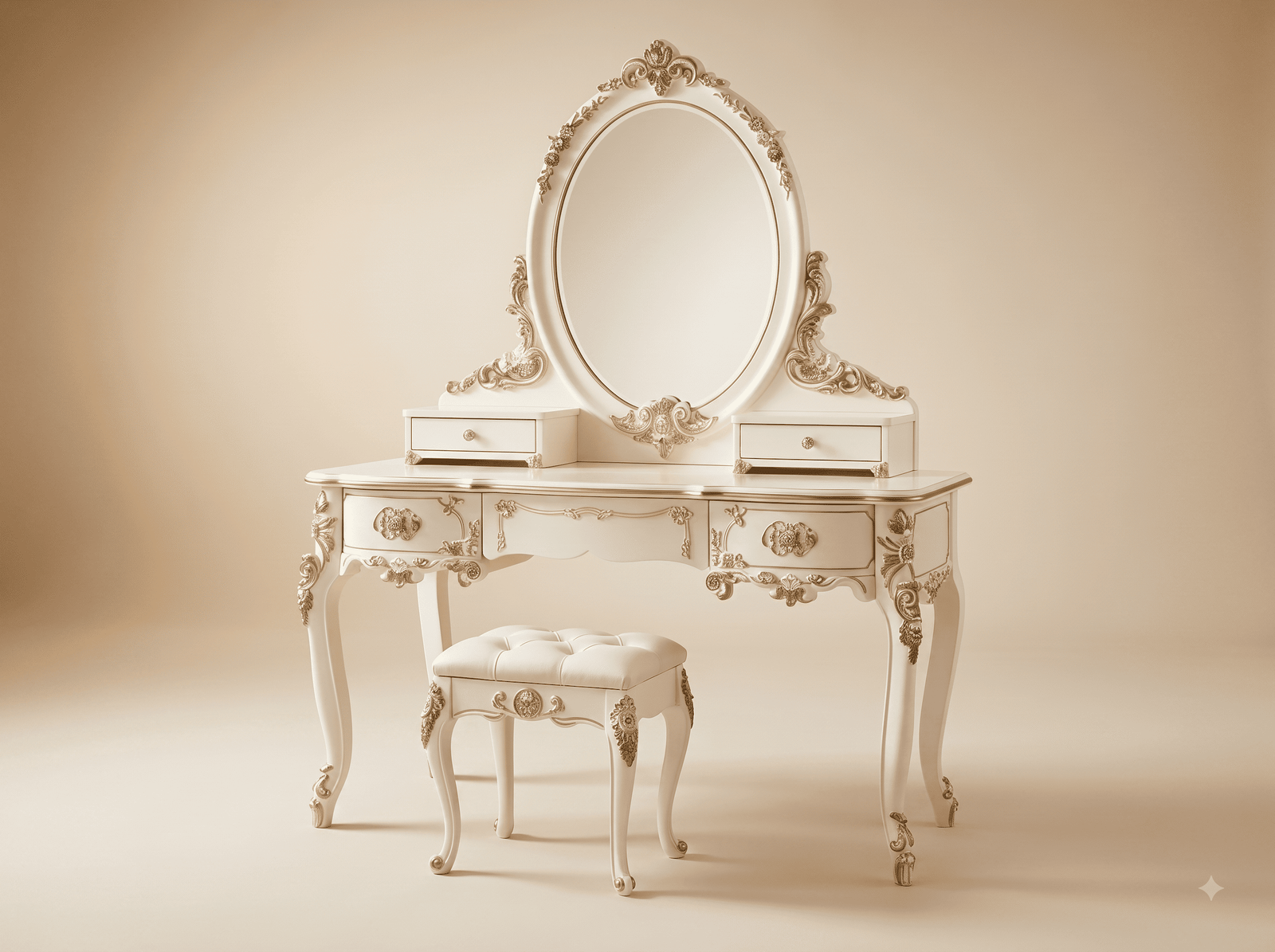
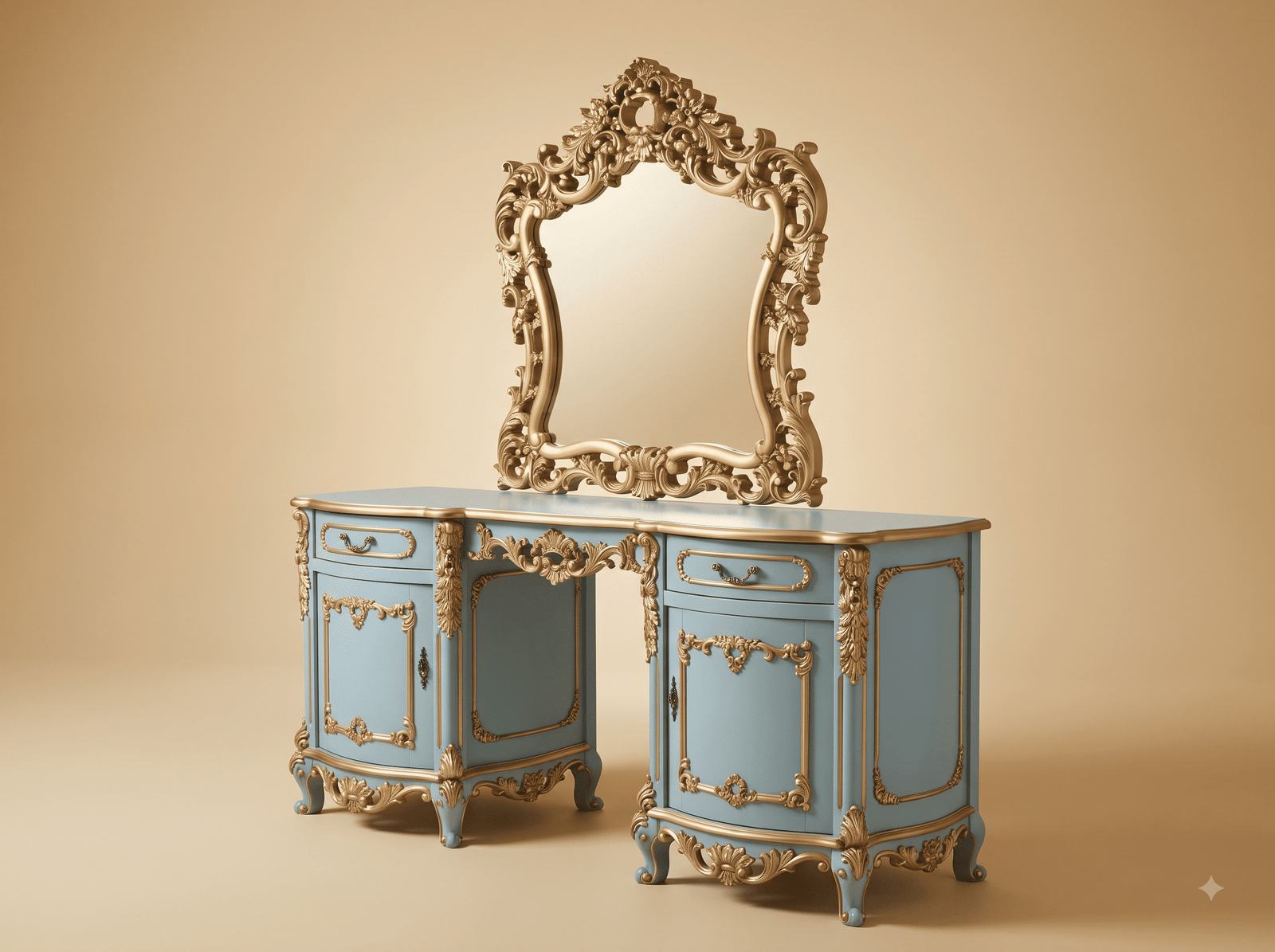
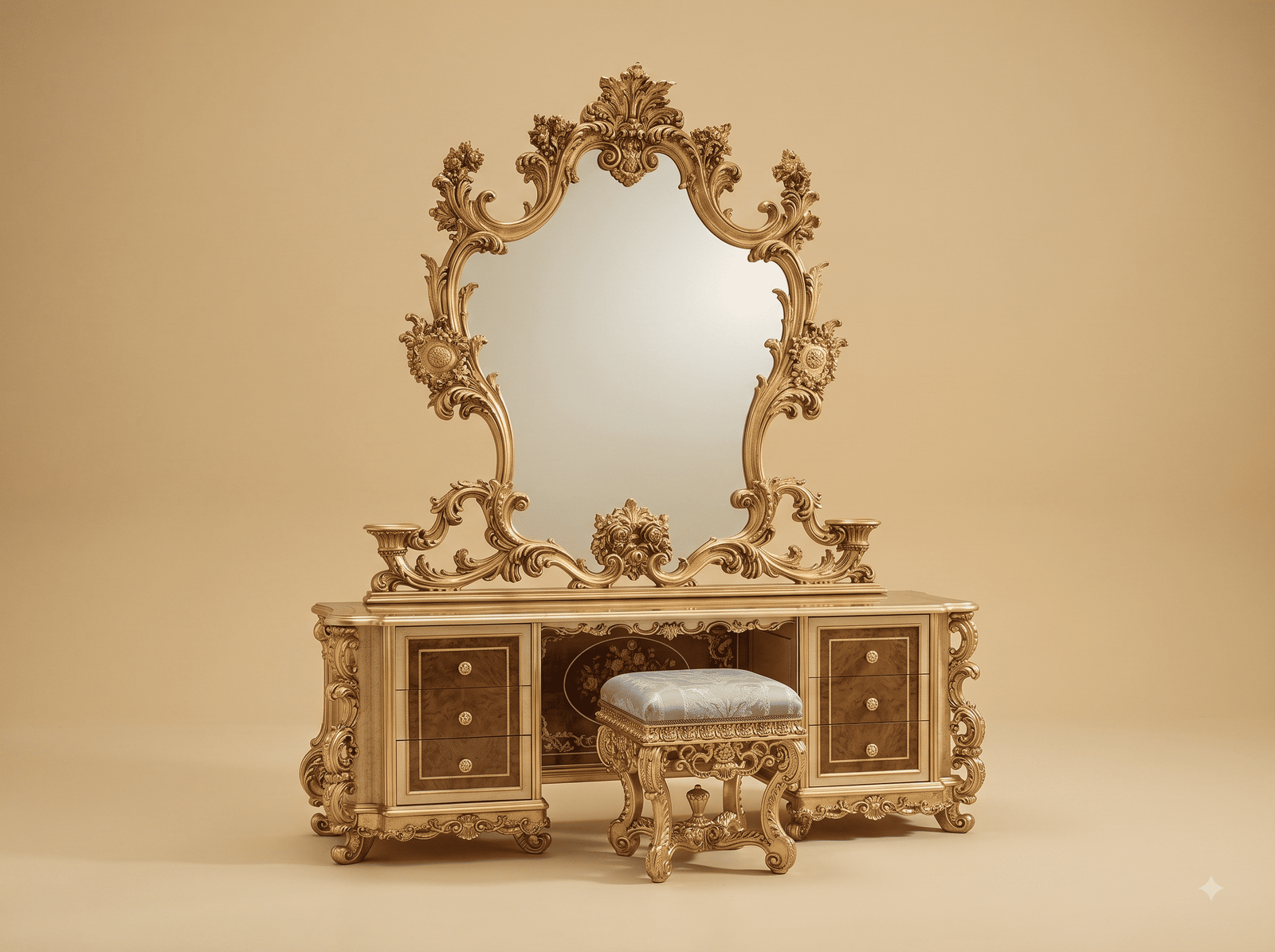
What began as engineering turned out to be good design as well. The frame gives the carver a defined border to run a gilt line and a carved edge along, and the panel gives the maker a place to use a piece of more strongly figured timber that would be too busy across a whole front.
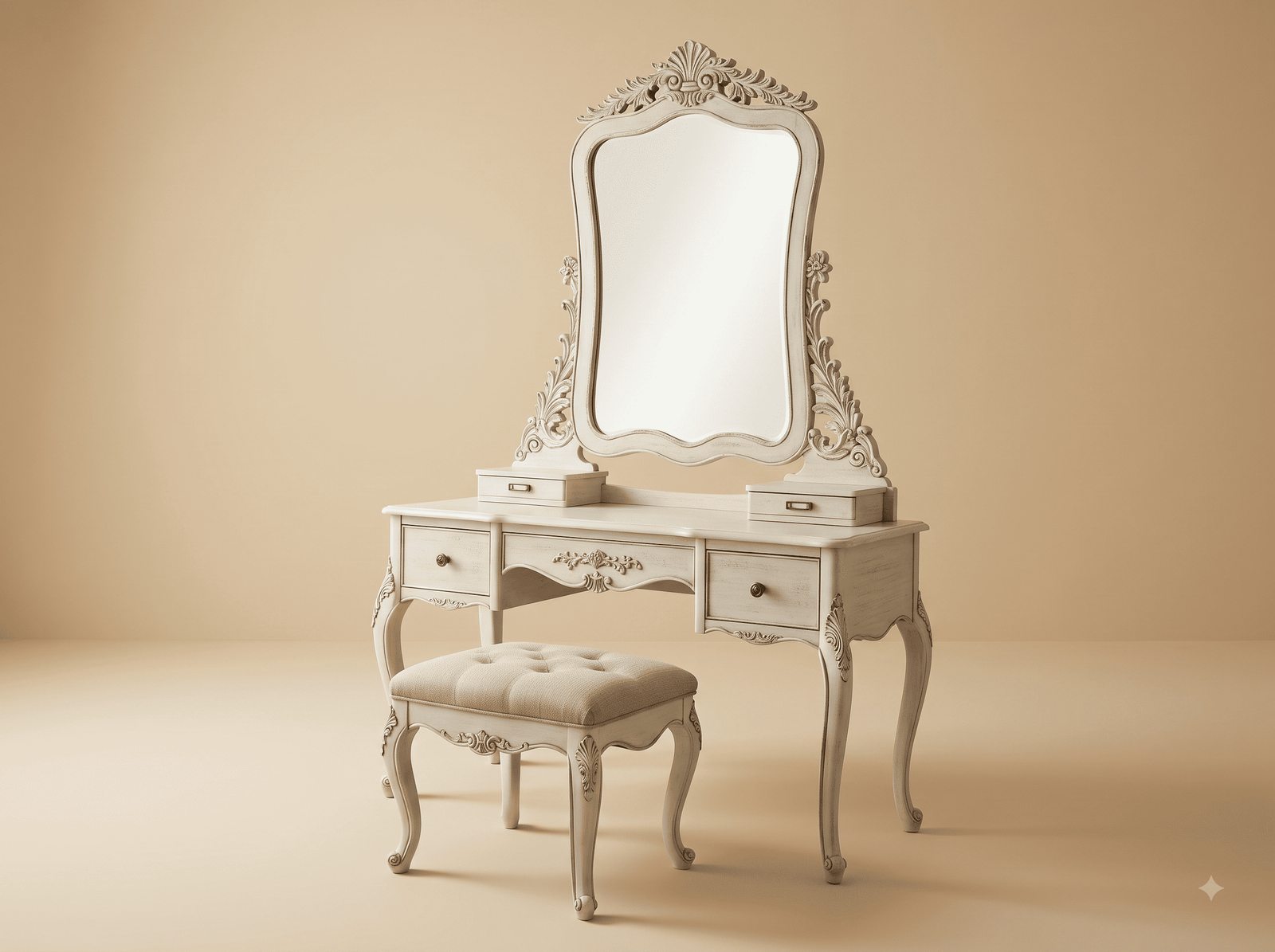
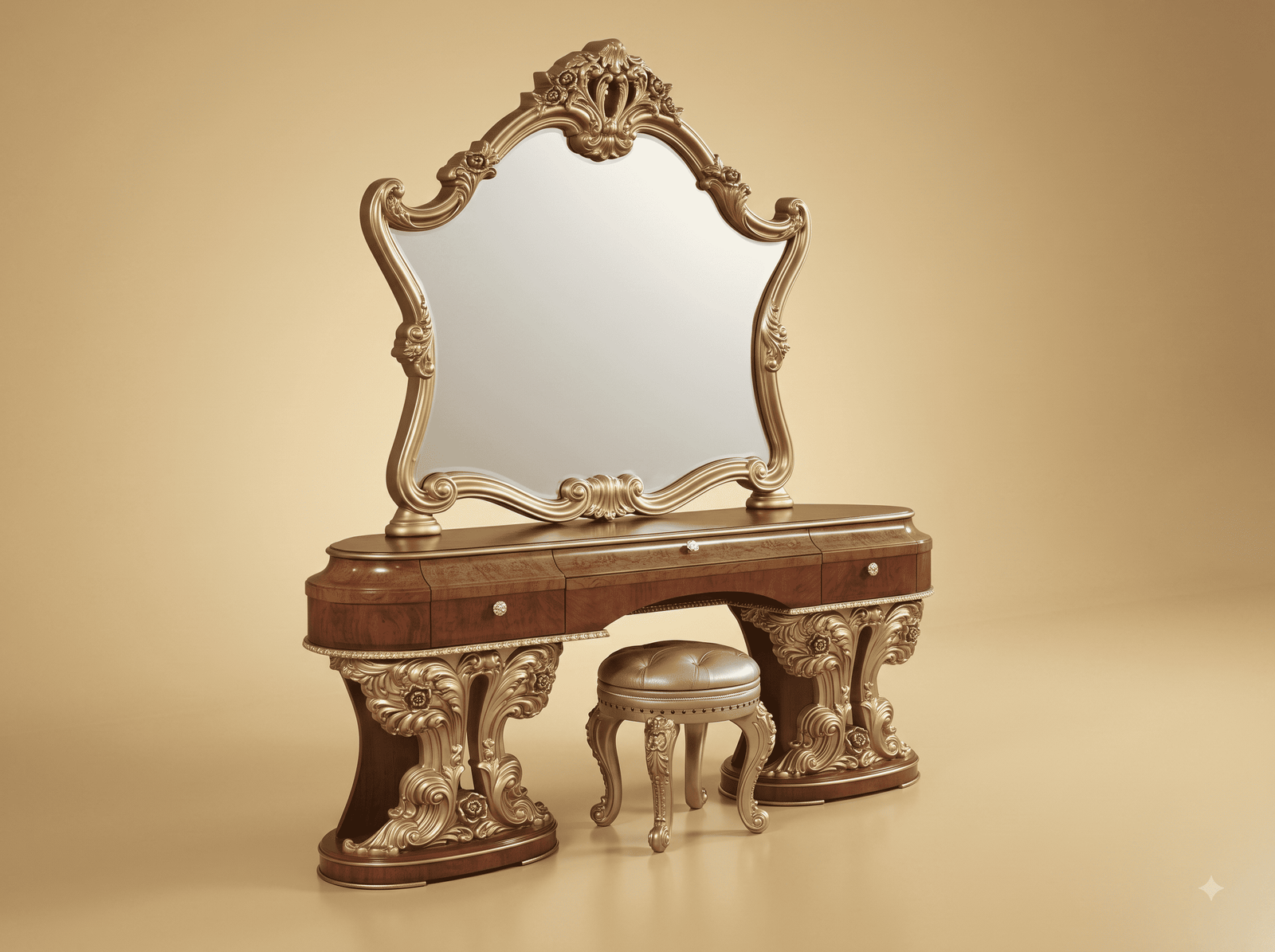
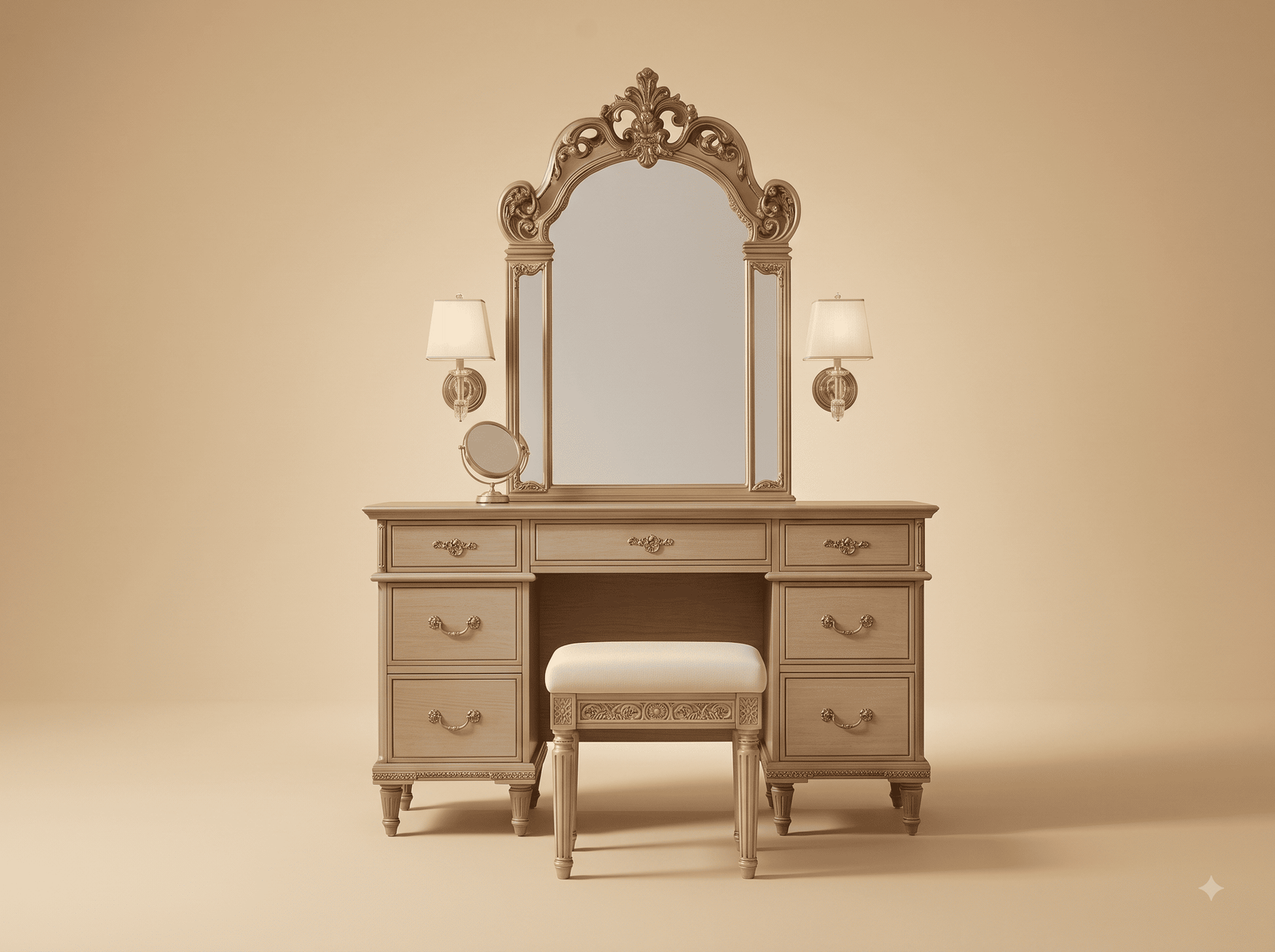
So the two-tone drawer fronts here are not a decorative scheme applied to a plain box. They are what the construction naturally produces when it is done the way it has always been done - and our artisans still cut the grooves and float the panels the same way.
 Ask Price On WhatsApp