Almost all carved ornament on furniture is symmetrical, and there is a practical reason for it: symmetry is easy to judge. A carver can check the left against the right, and so can the customer. Get one side wrong and the error announces itself.
Asymmetric carving has no such safety net. A rose spray growing up a leg has nothing to be measured against - it is either well composed or it is not, and the only judge is the carver's eye.
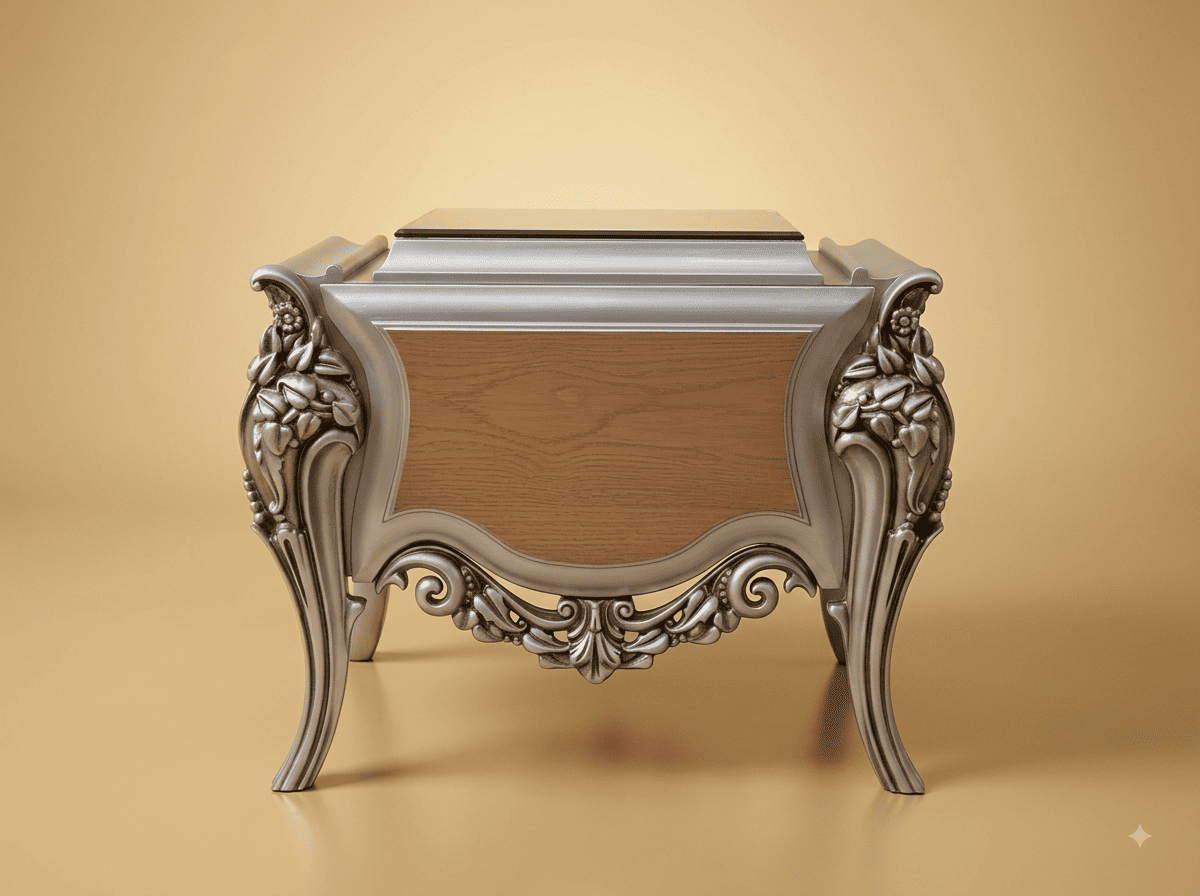
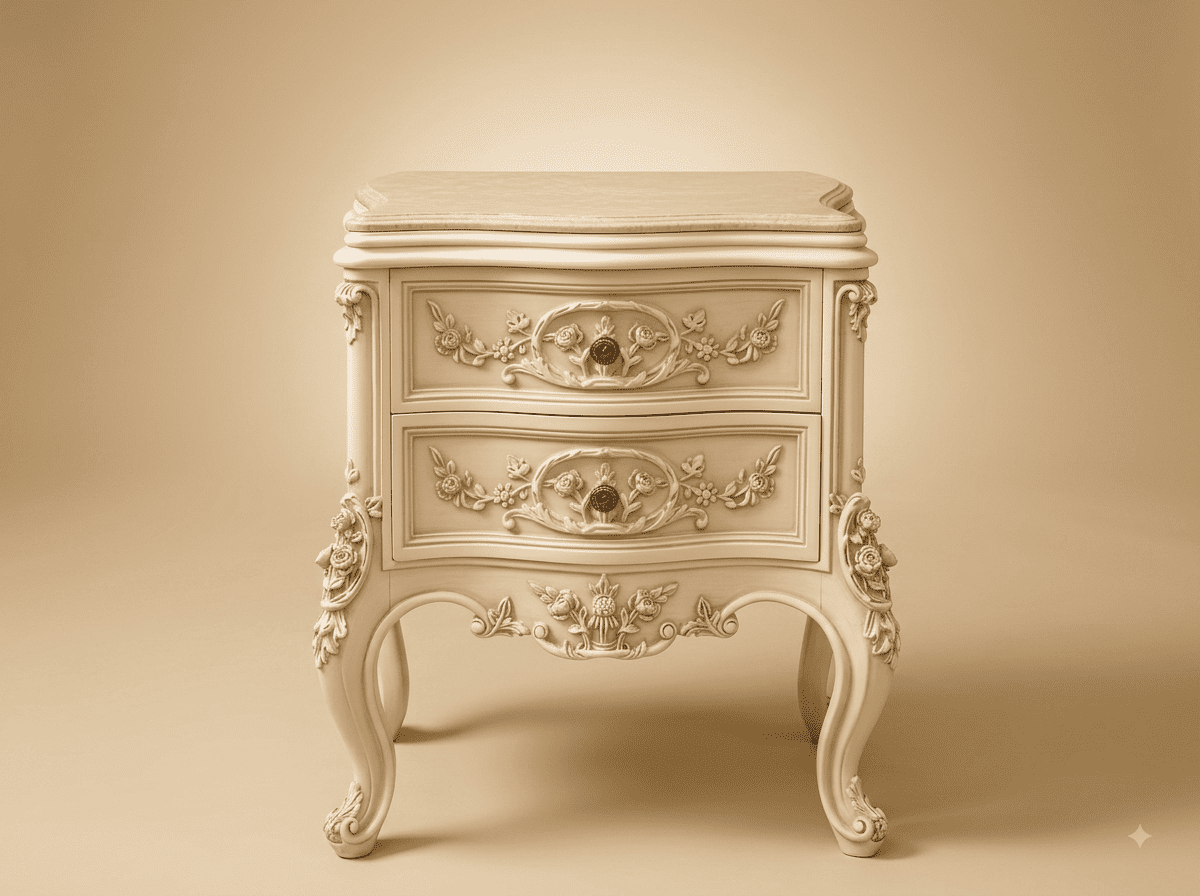
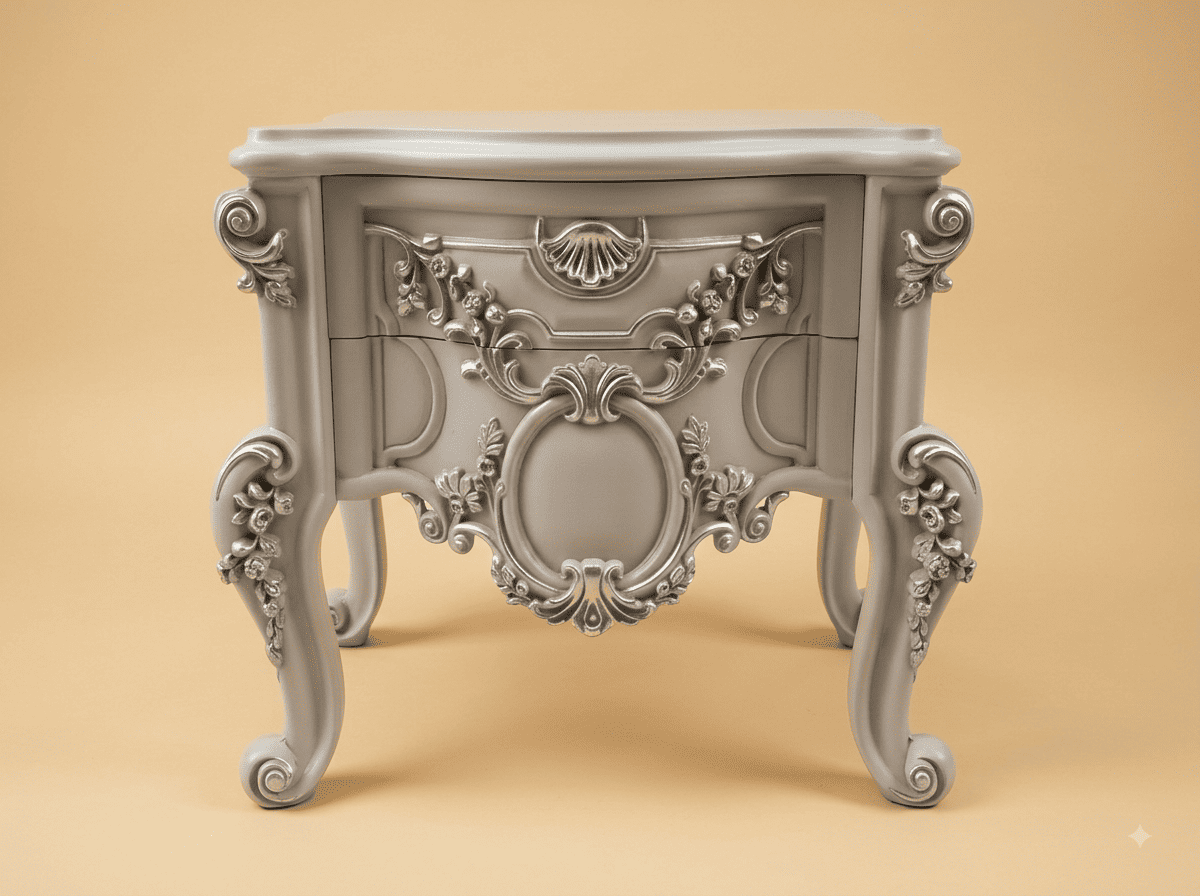
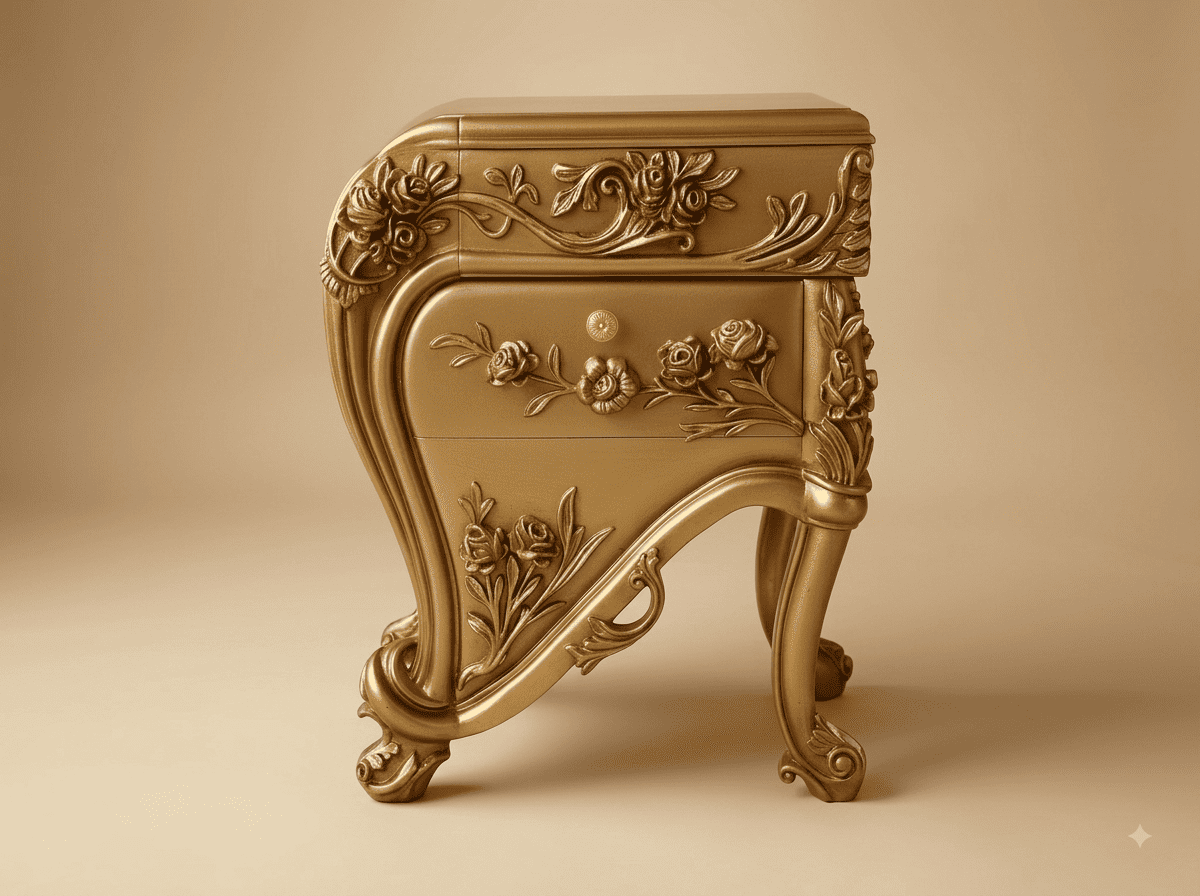
That is why the sprays on this table are drawn onto the finished shape rather than transferred from a pattern. Our carvers work with the piece assembled and in front of them, marking where a stem will start, where it will turn, which bloom sits highest and which is half-hidden behind a leaf. A spray that runs up a curving leg has to accelerate as the curve tightens, or it looks stuck on.
The blooms are then carved at different depths and different angles - some facing you, some turned away, one or two barely opened. Real roses on a stem never all face the same direction, and a carving in which they do reads as pattern rather than as plant.
It takes longer than symmetrical work and it cannot be checked by folding the design in half. It is also why no two of these tables are ever quite identical.
 Ask Price On WhatsApp