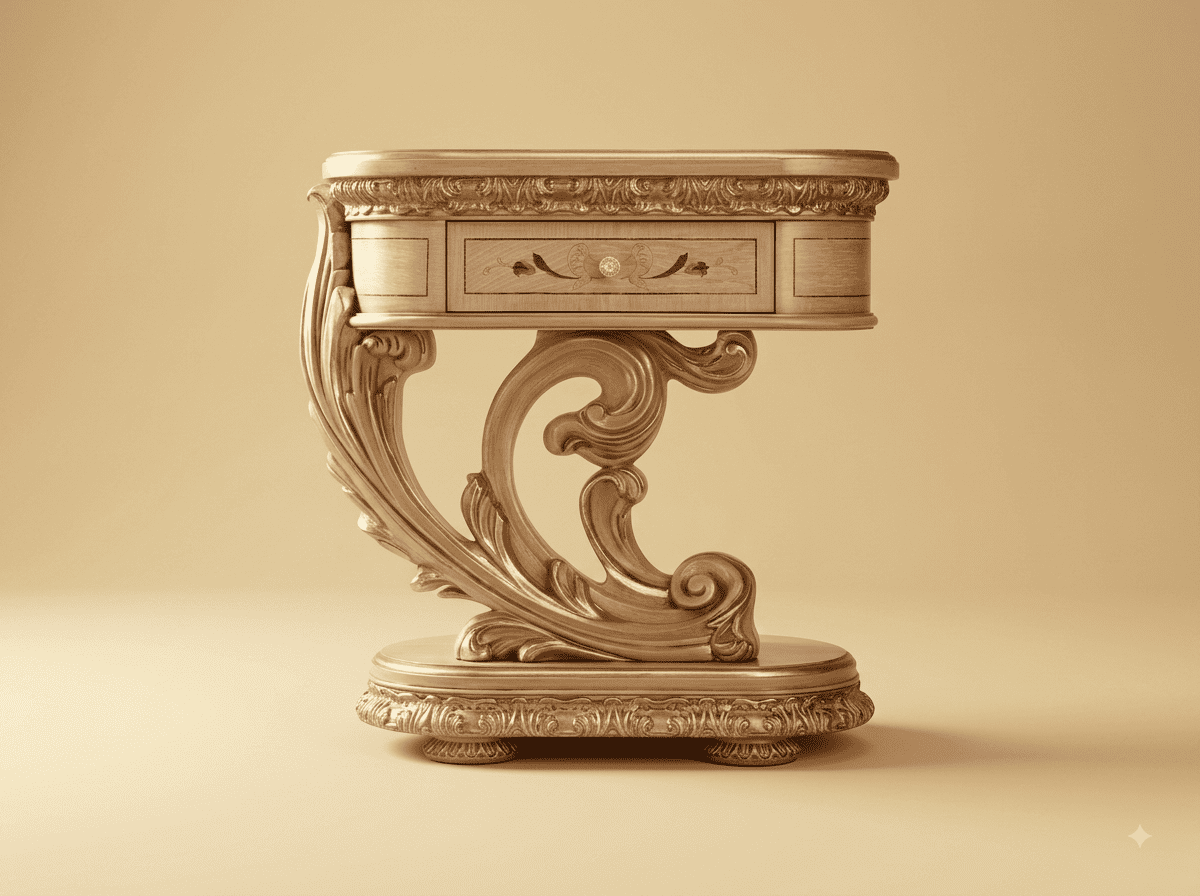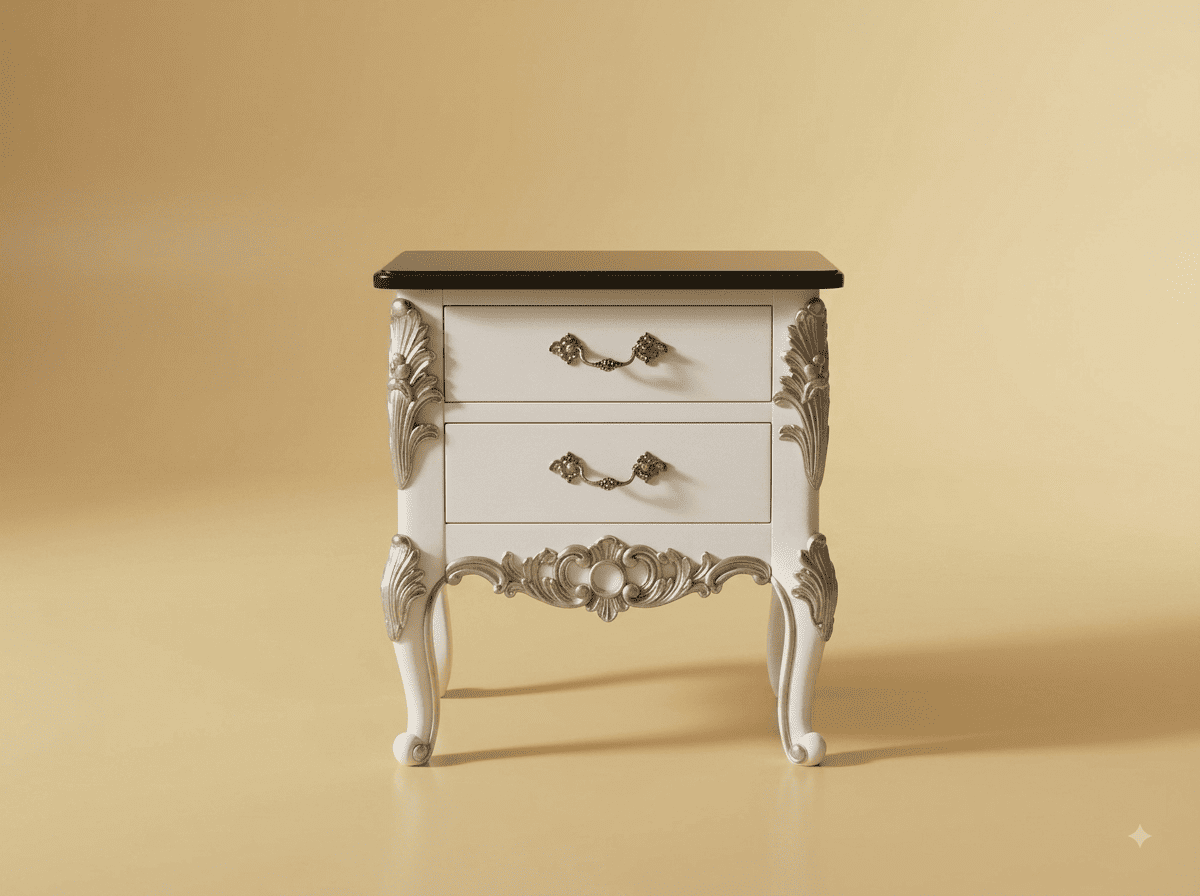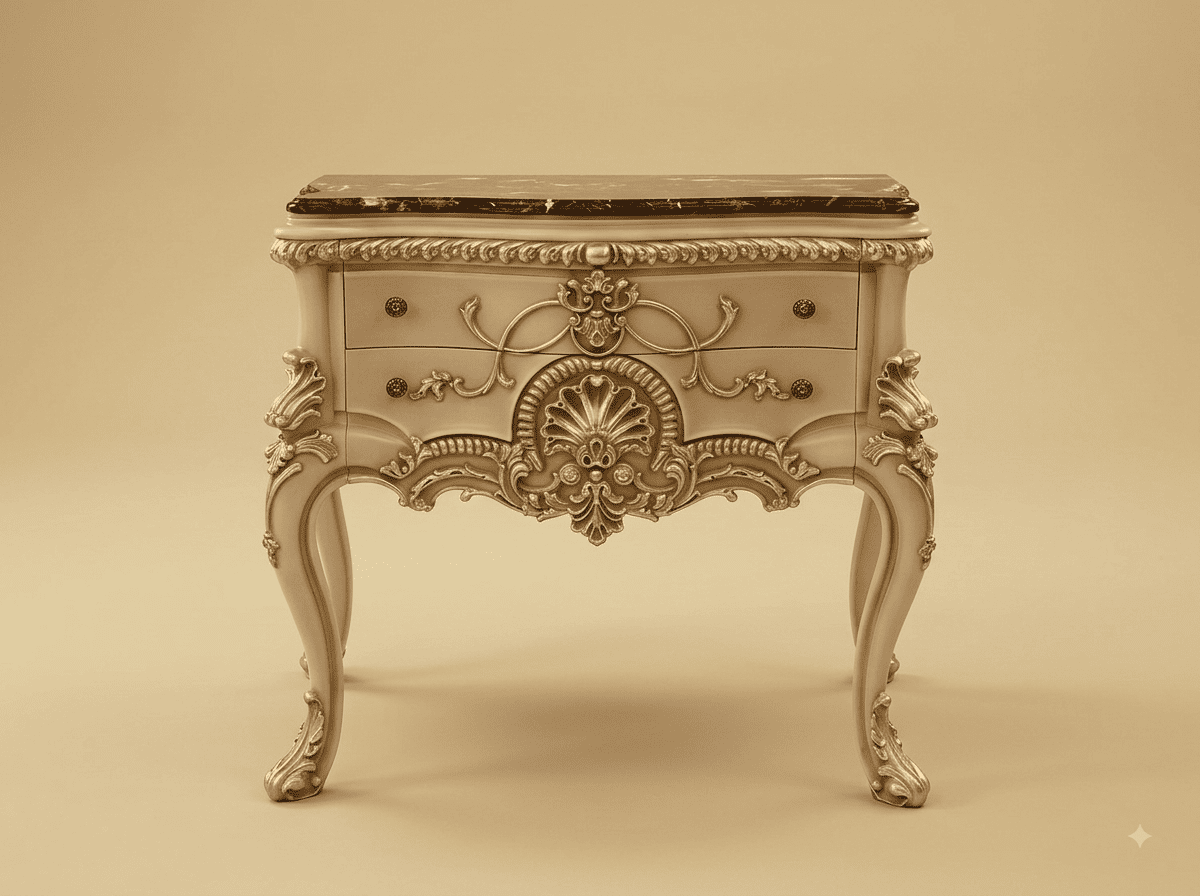
Finishing a carved piece in one colour is the hardest brief you can give a carver, and it is decided long before any paint is opened.
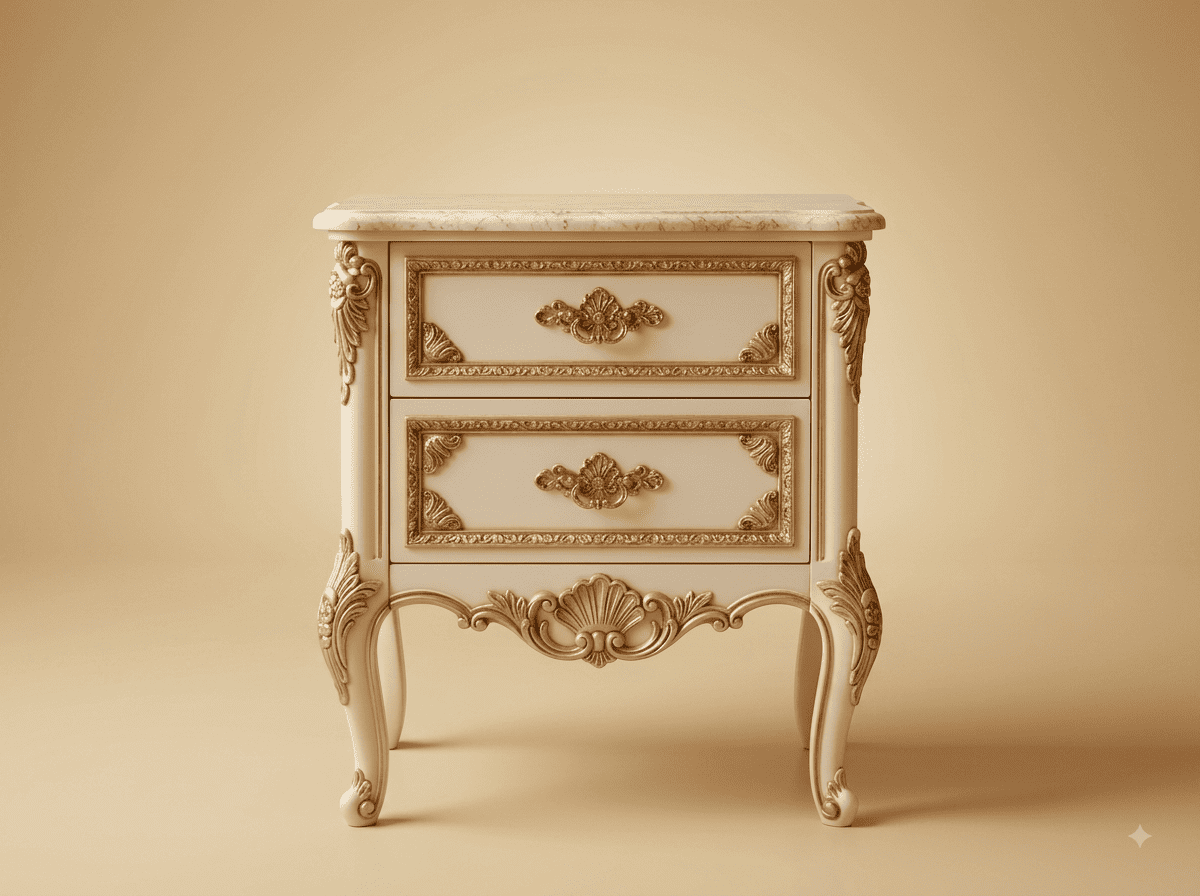
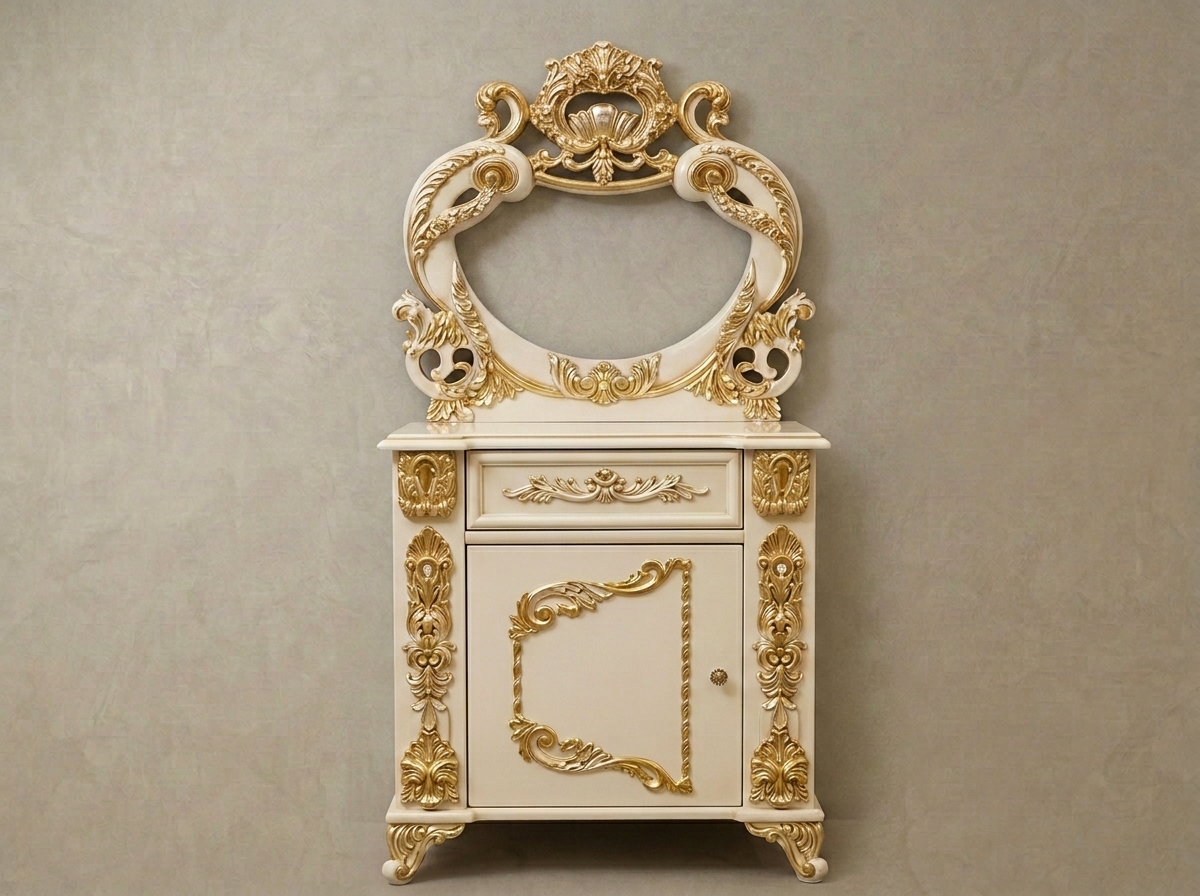
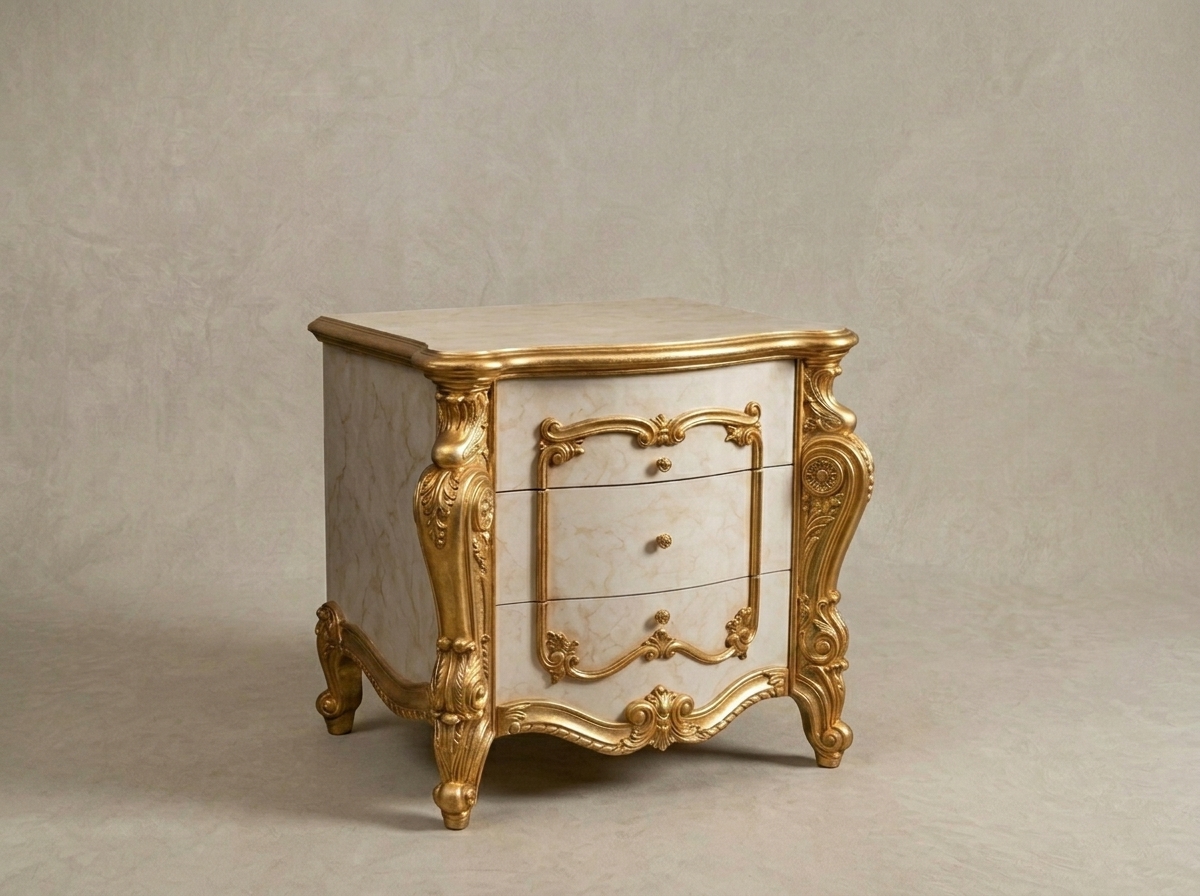
Ornament is read through contrast. Gilding or a highlight supplies that contrast directly - the raised edges are a different colour from the ground, and the eye separates them instantly. Take the colour difference away and the only contrast left is shadow, which means the carving has to generate all of it by itself.
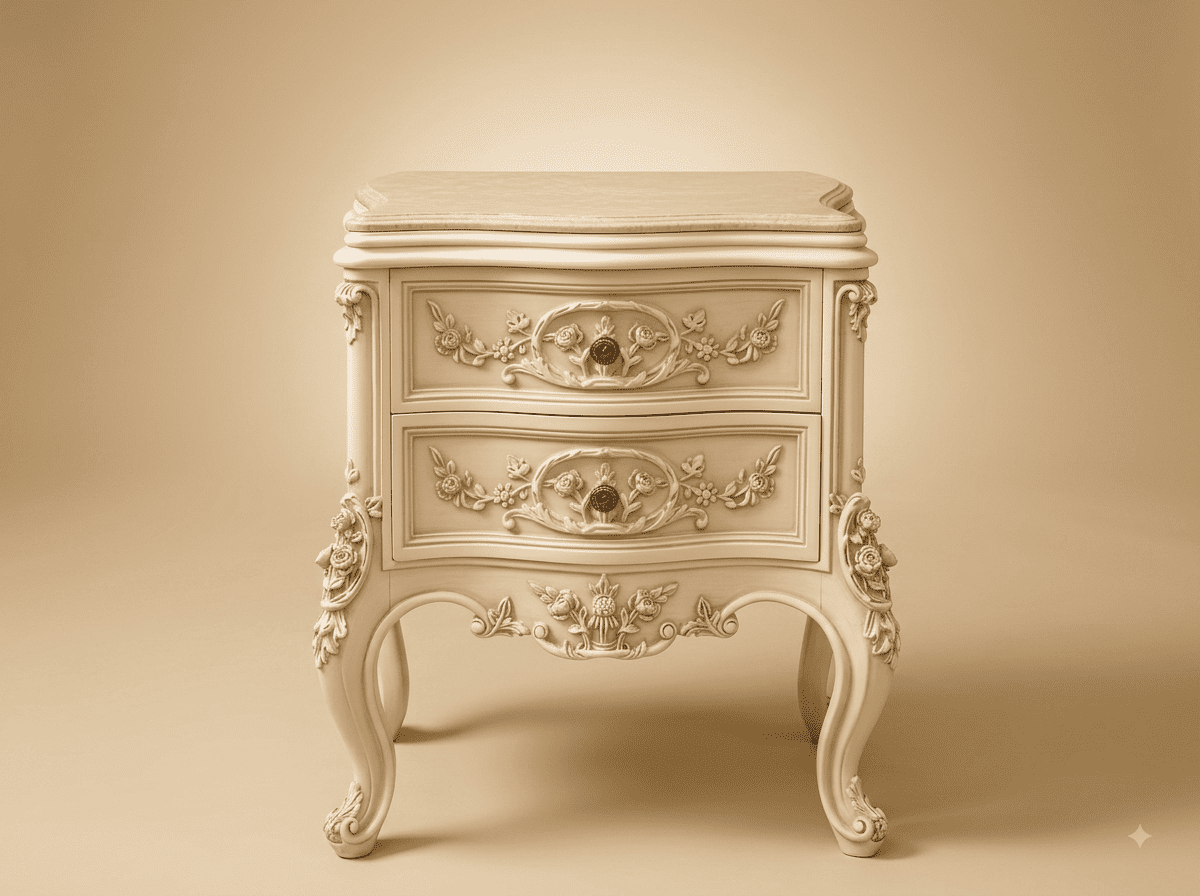
So a piece destined for a single tone is carved differently from one destined for gold. The relief is worked deeper. The undercuts are taken further, so each element casts a hard edge rather than a soft gradient. Fine detail that would sparkle under a highlight is removed altogether, because in one colour it reads as texture rather than as form.
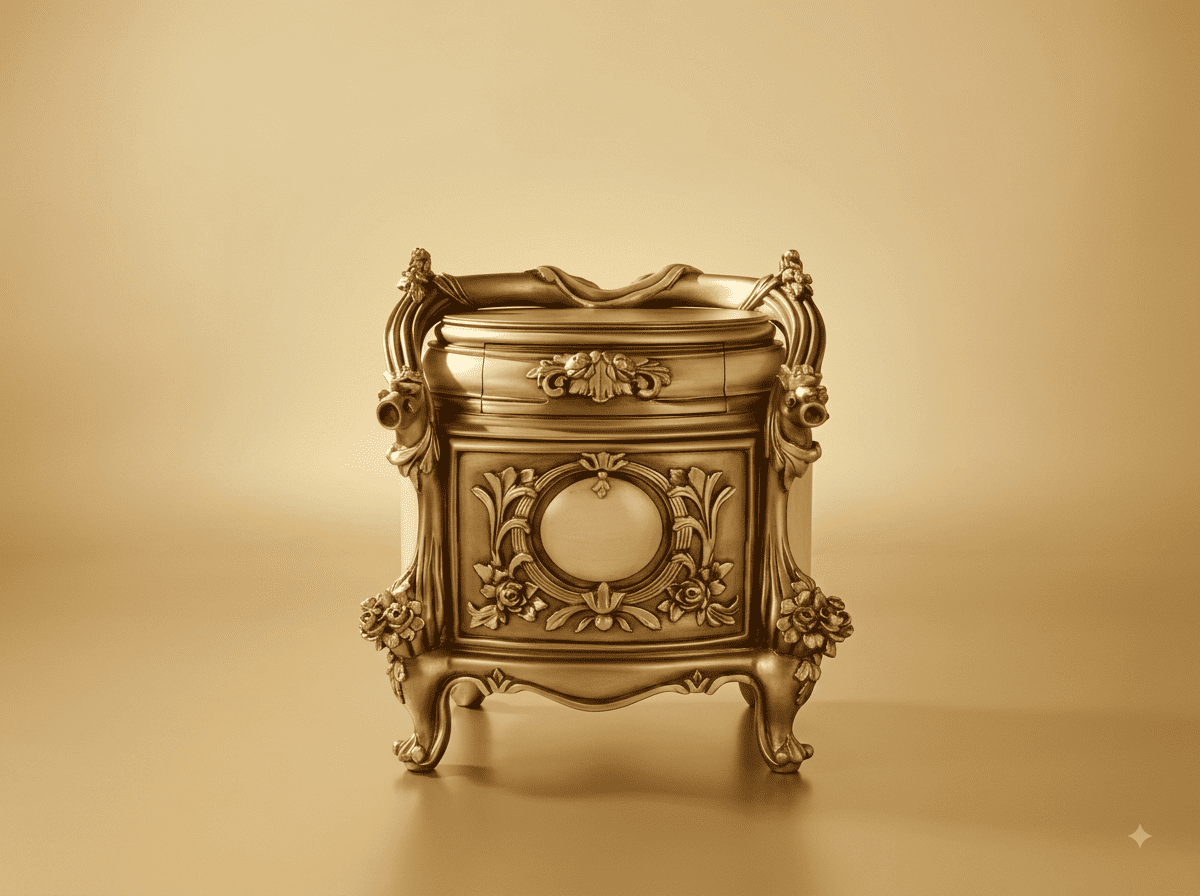
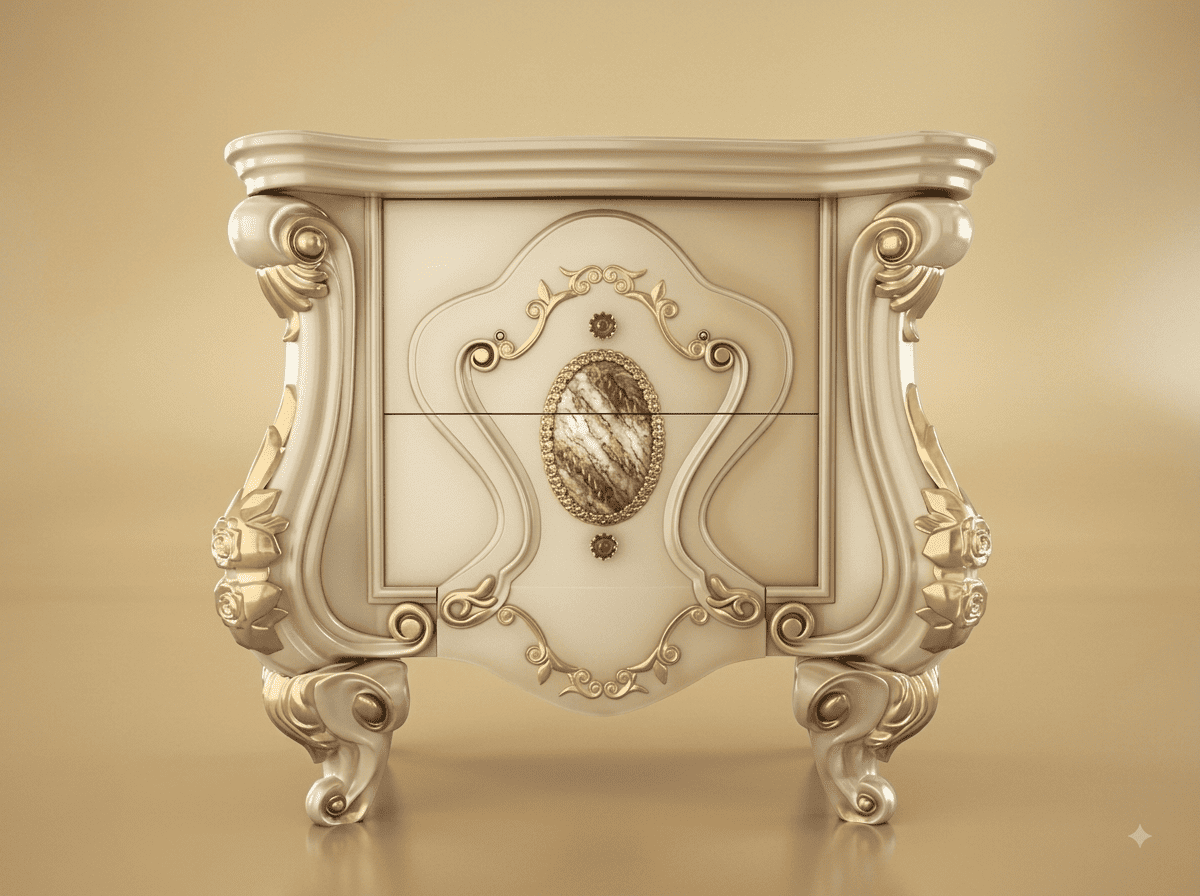
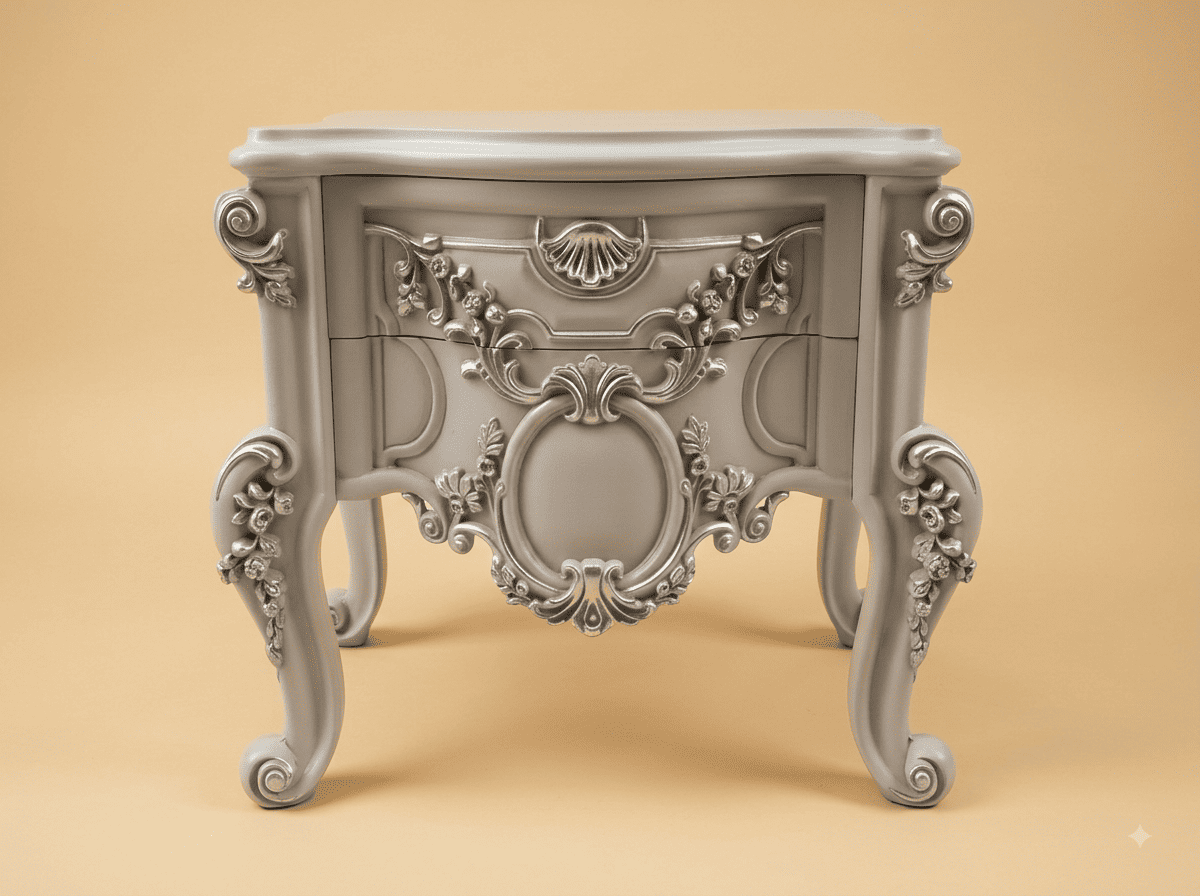
The garlands on this table are a good example. Each rose is undercut around most of its circumference so it stands clear of the ground behind it, and the leaves between them are cut at steeper angles than they would be on a gilded piece - both decisions made at the bench, months before the grey went on.
Our carvers are told the finish before they begin. It is the only way a monochrome piece ends up looking carved rather than moulded.
 Ask Price On WhatsApp