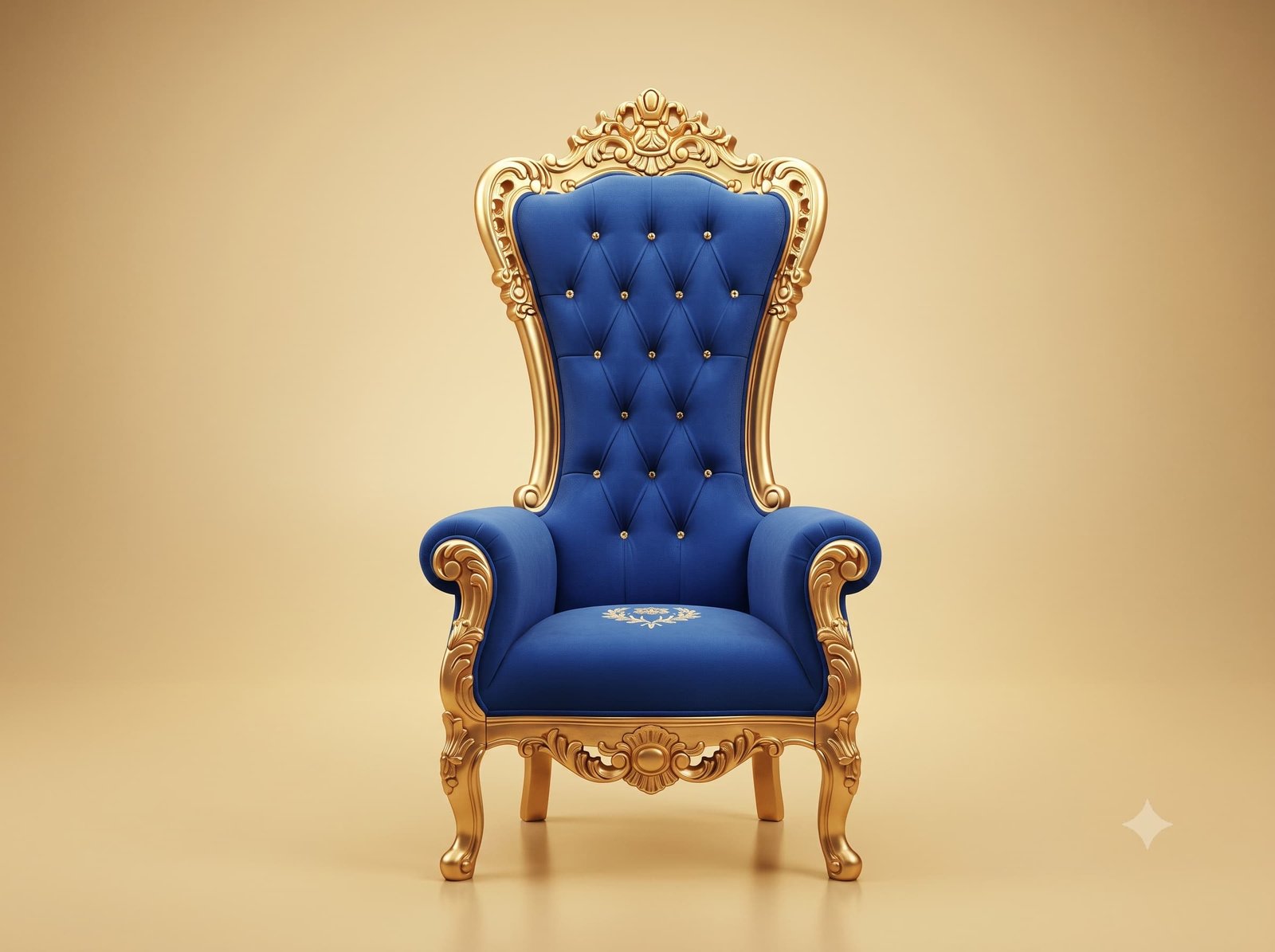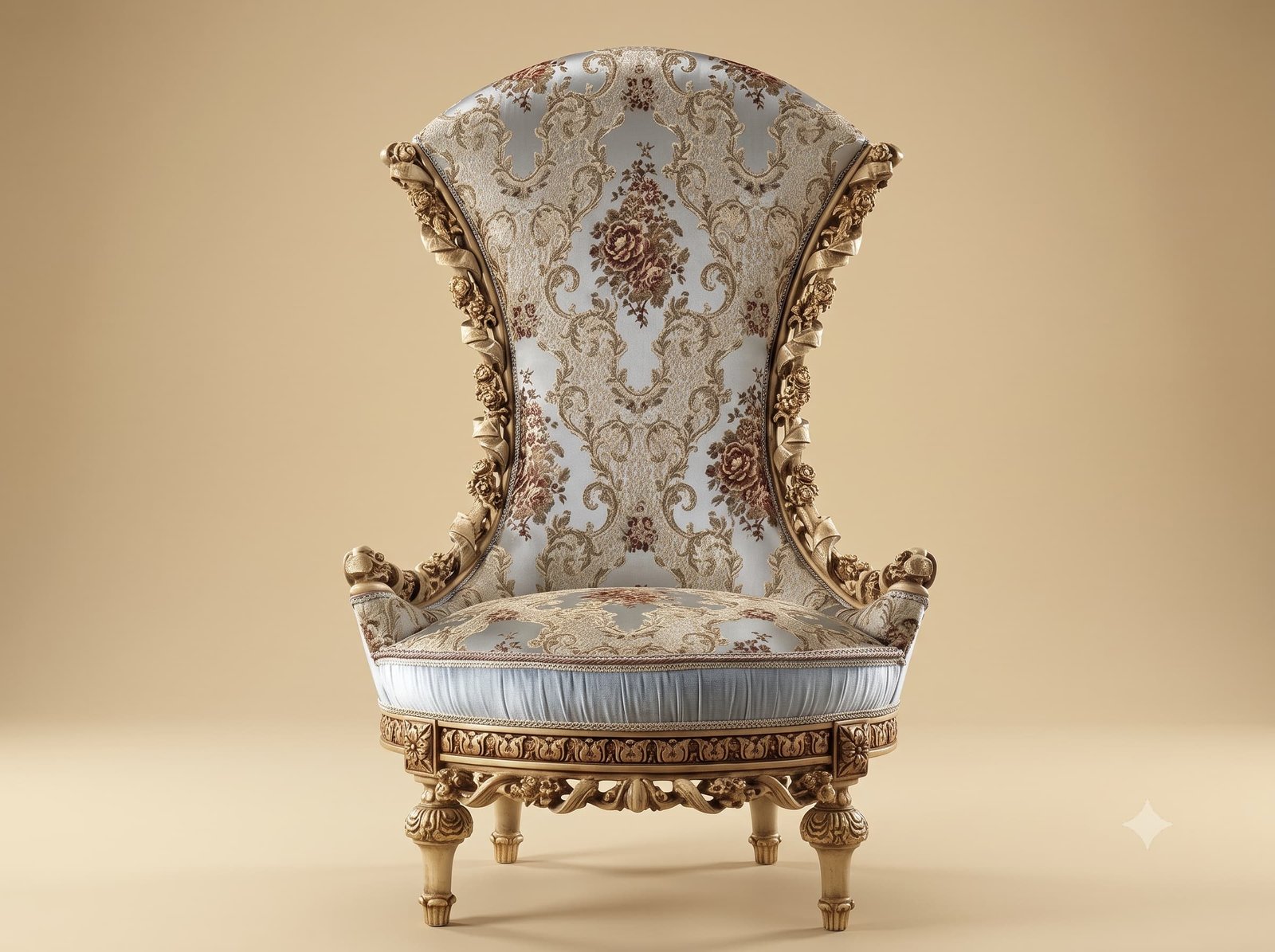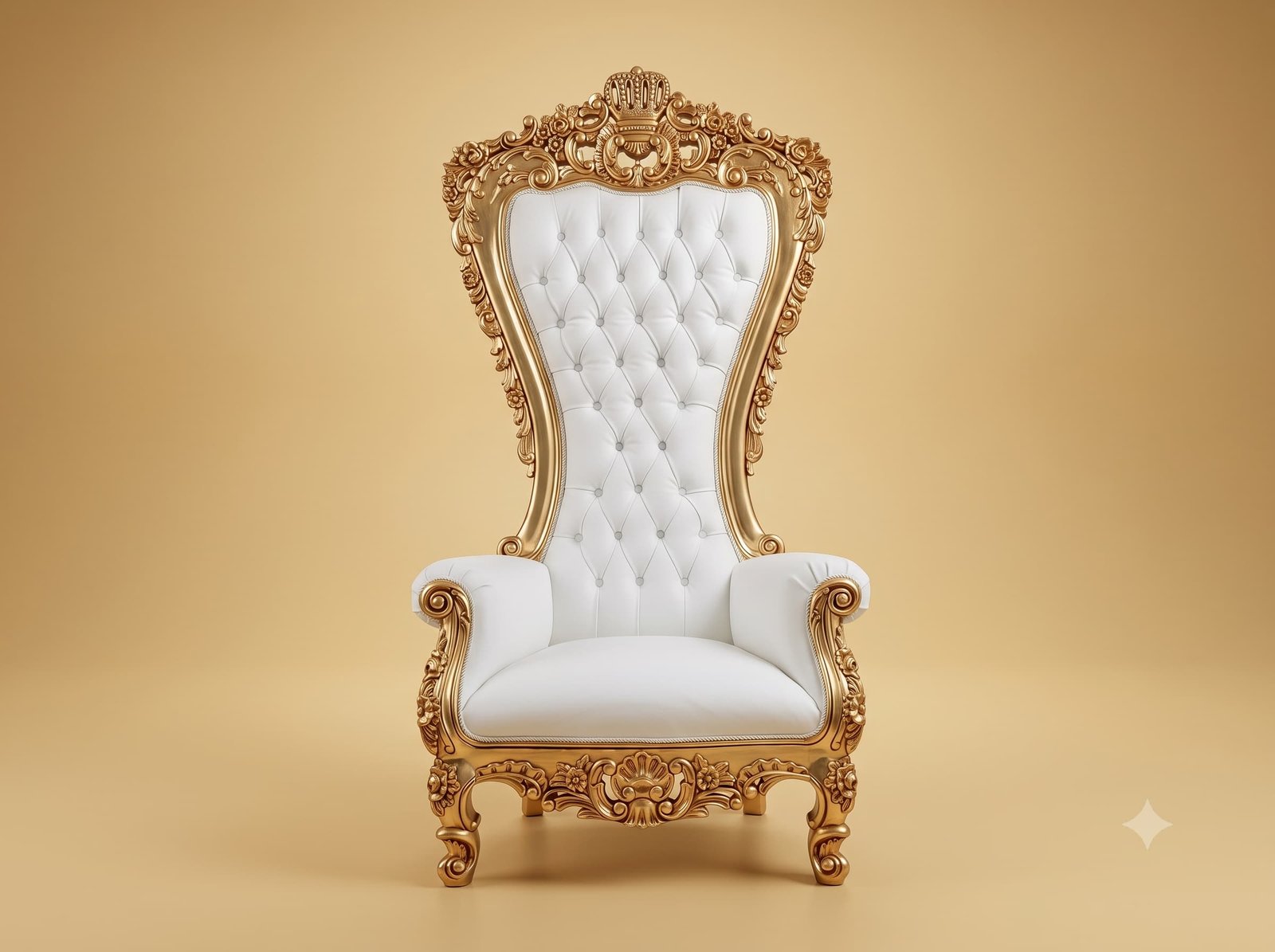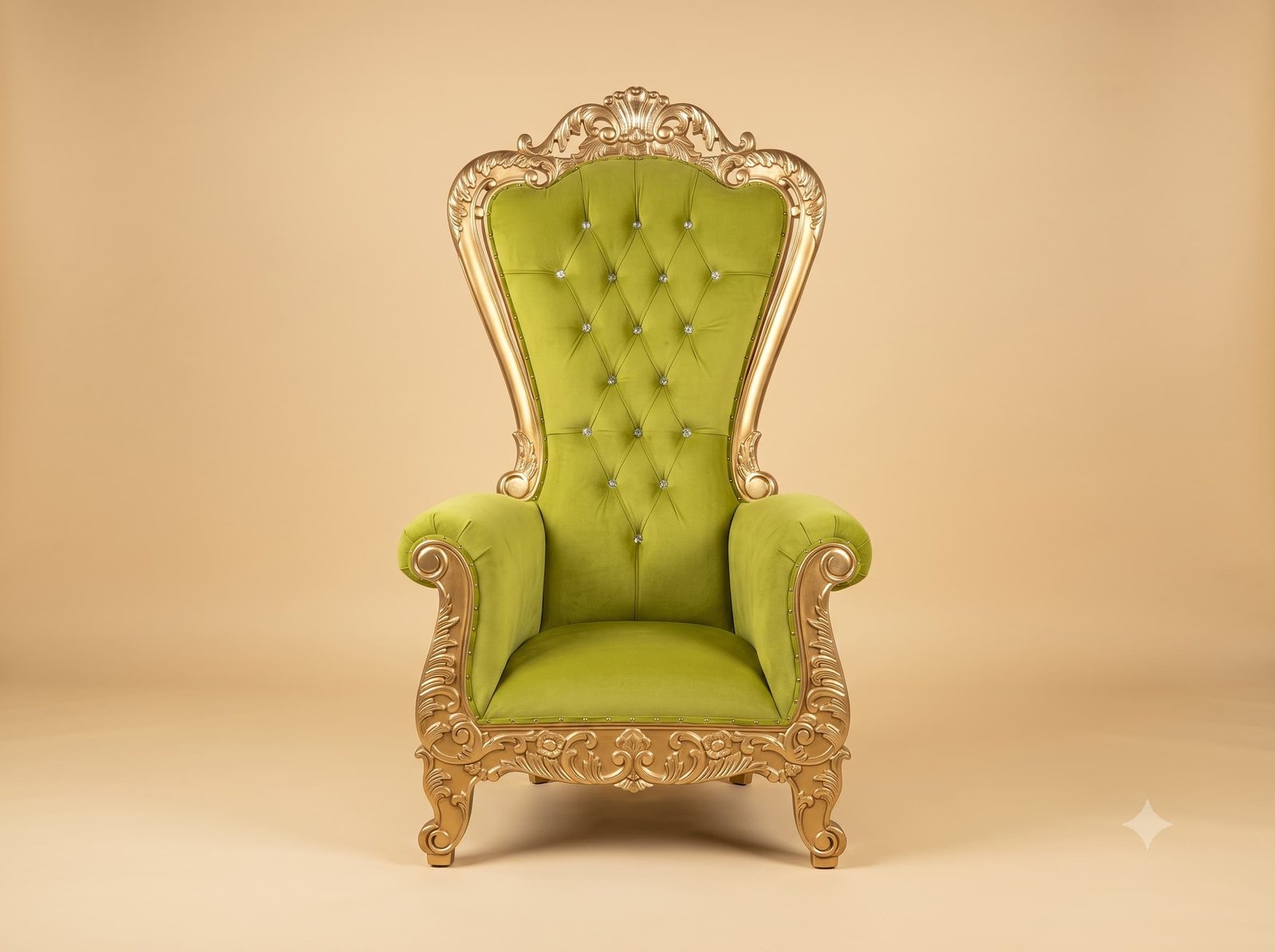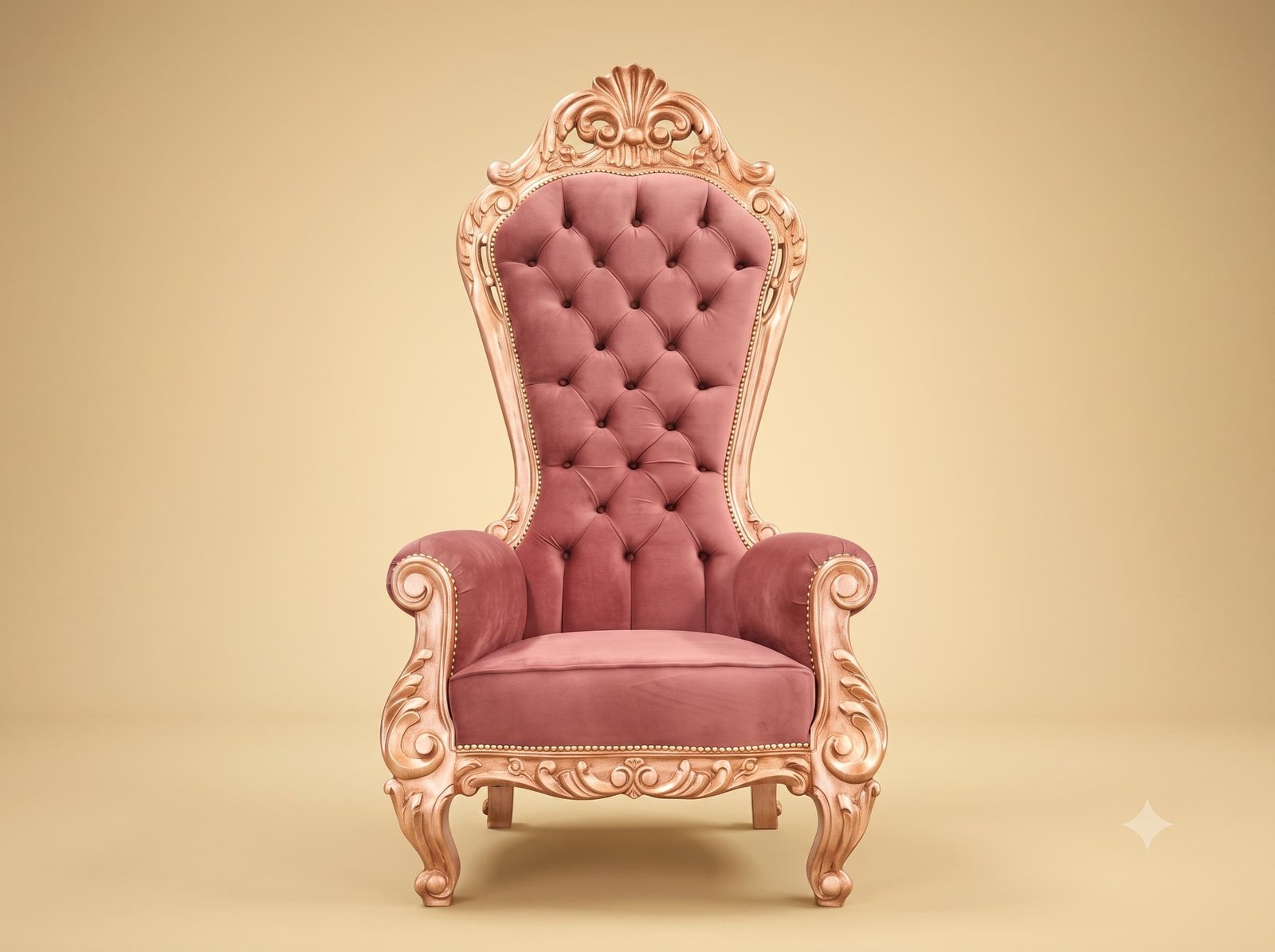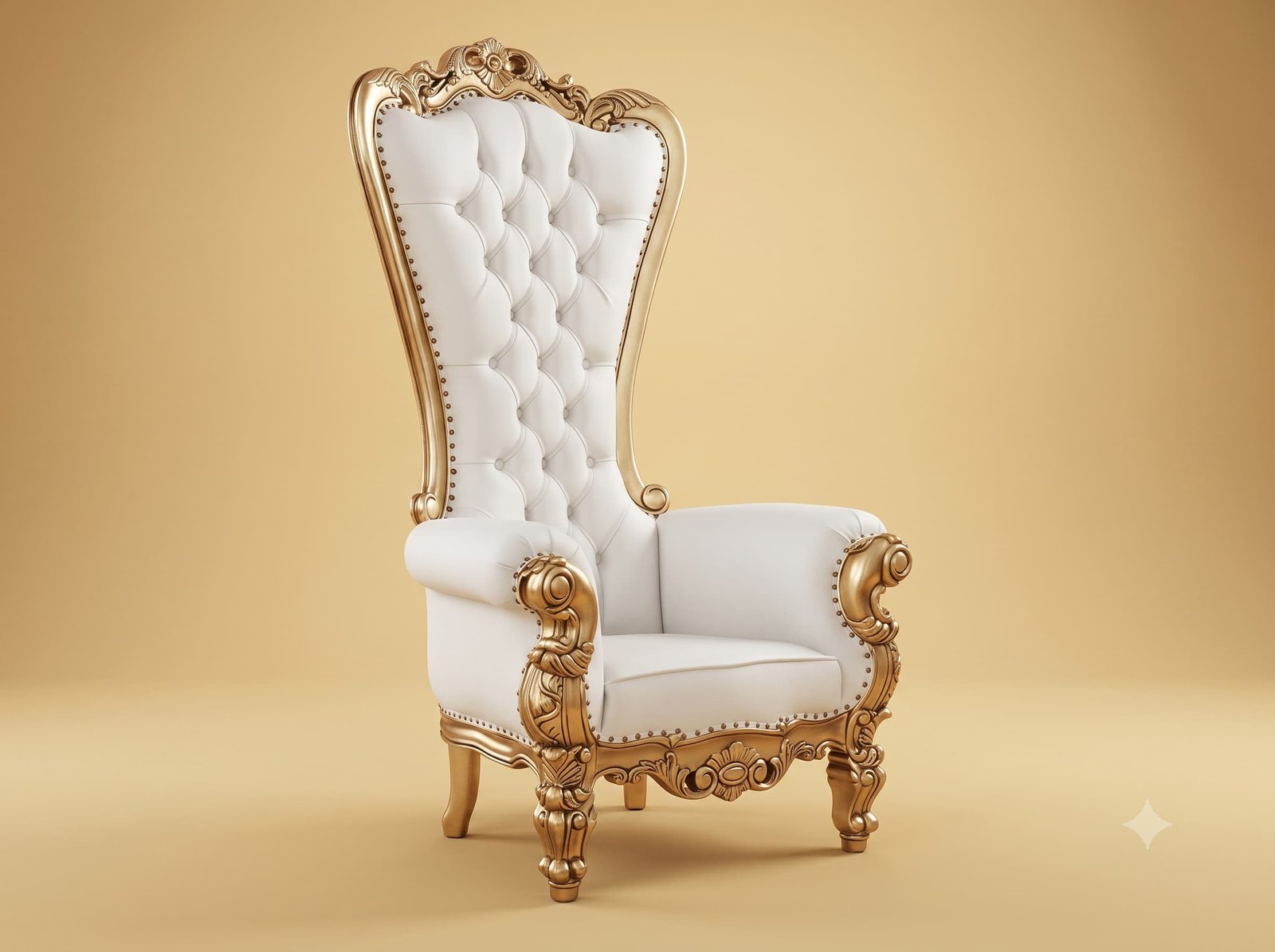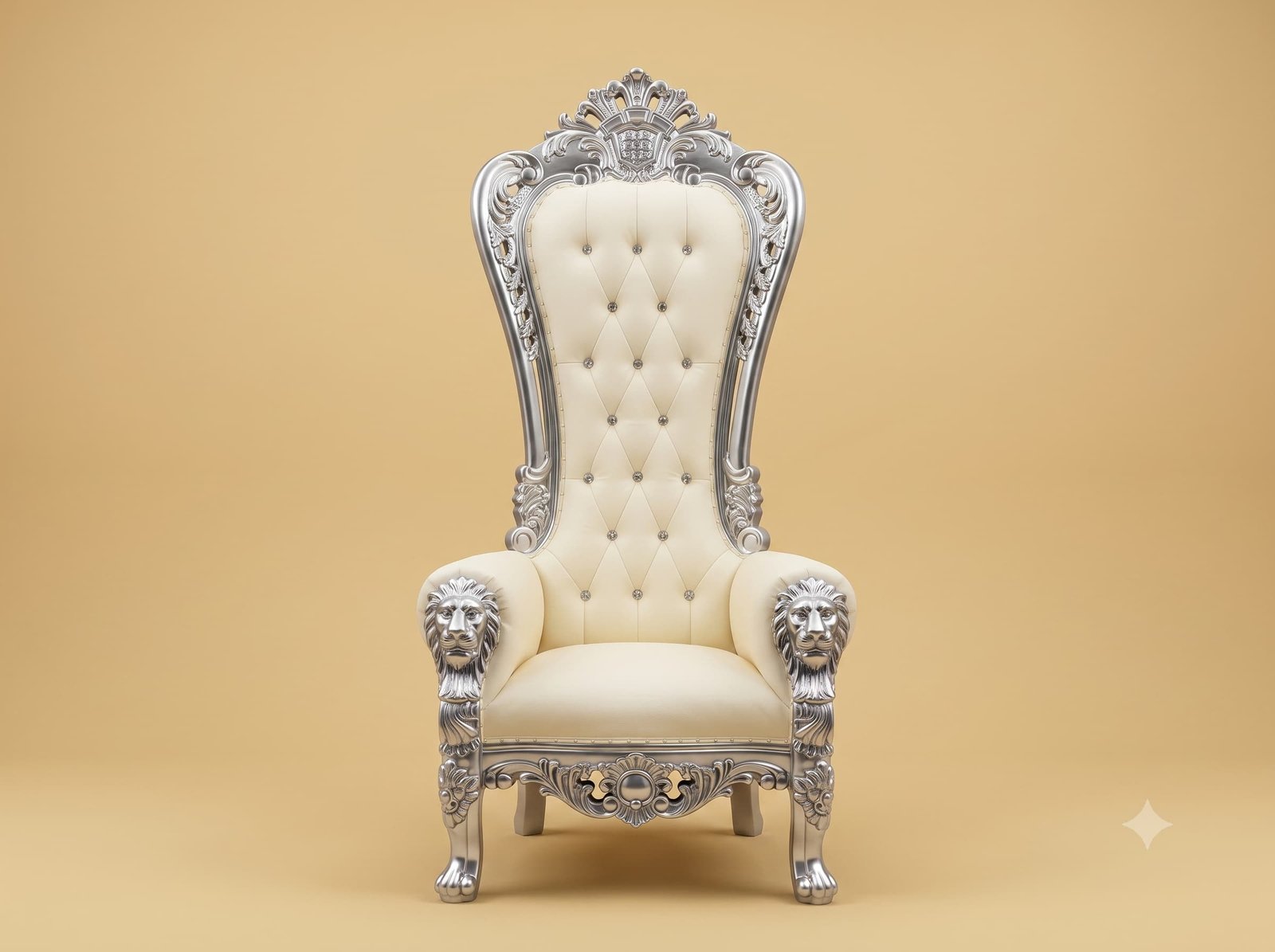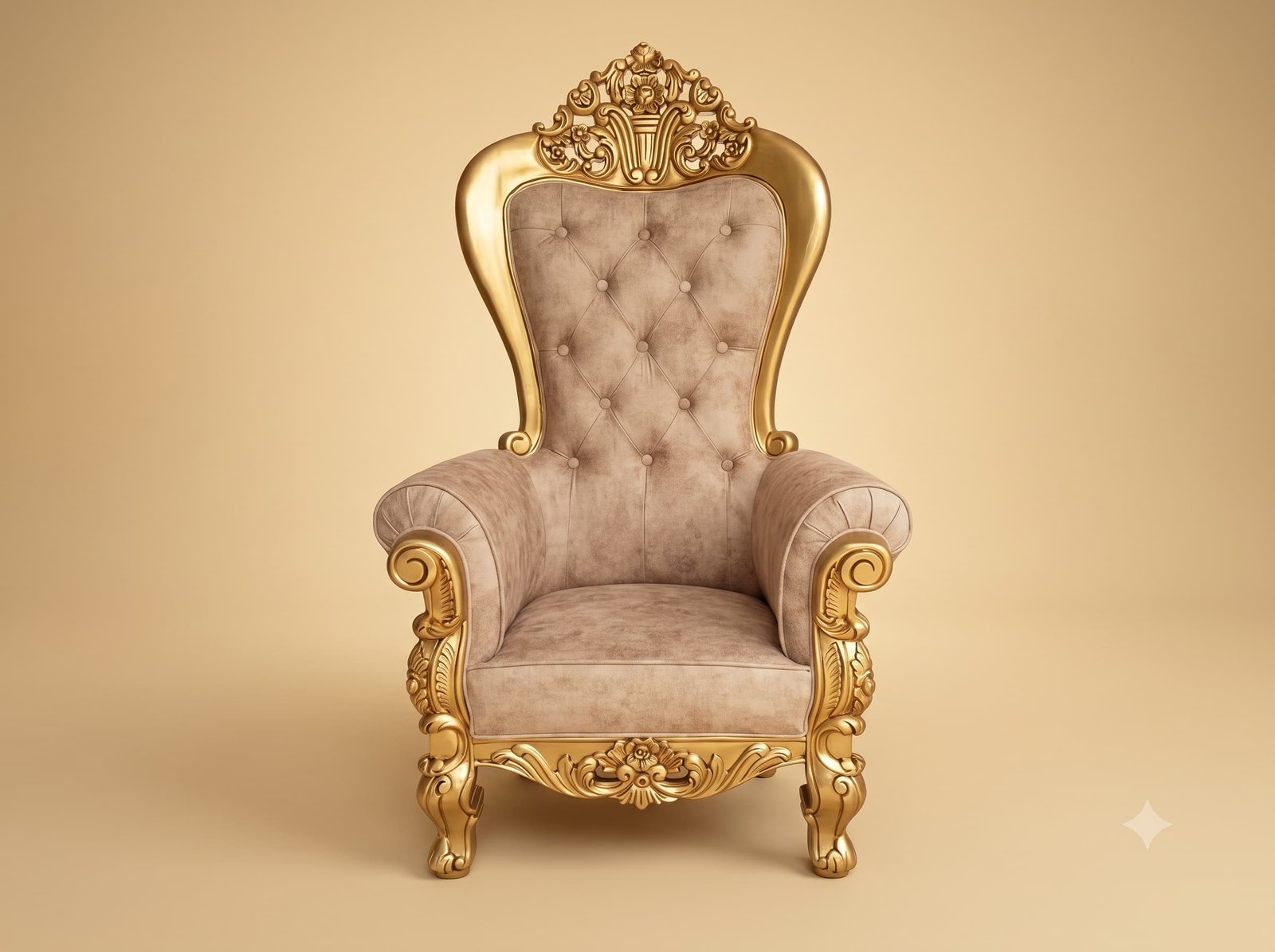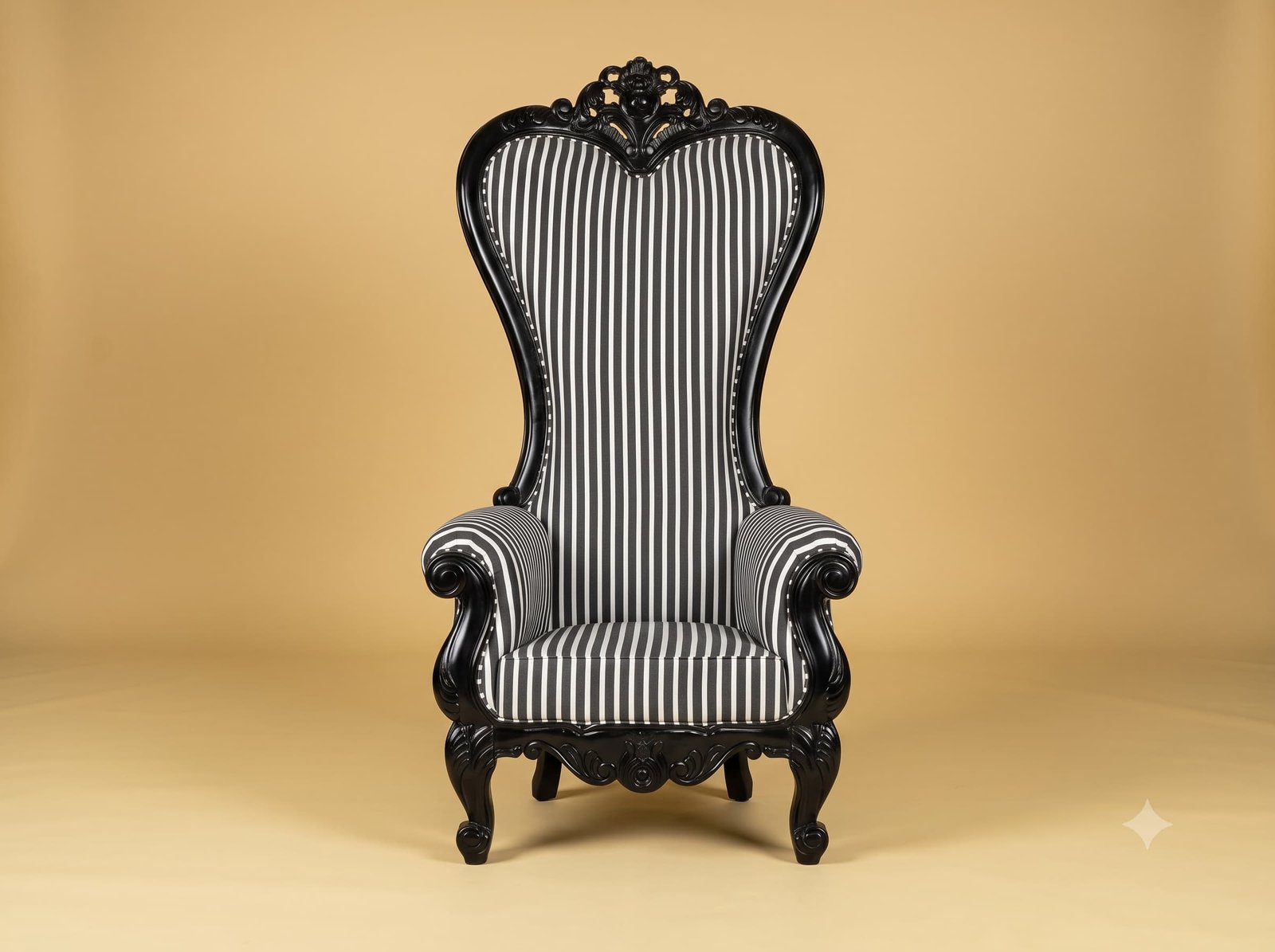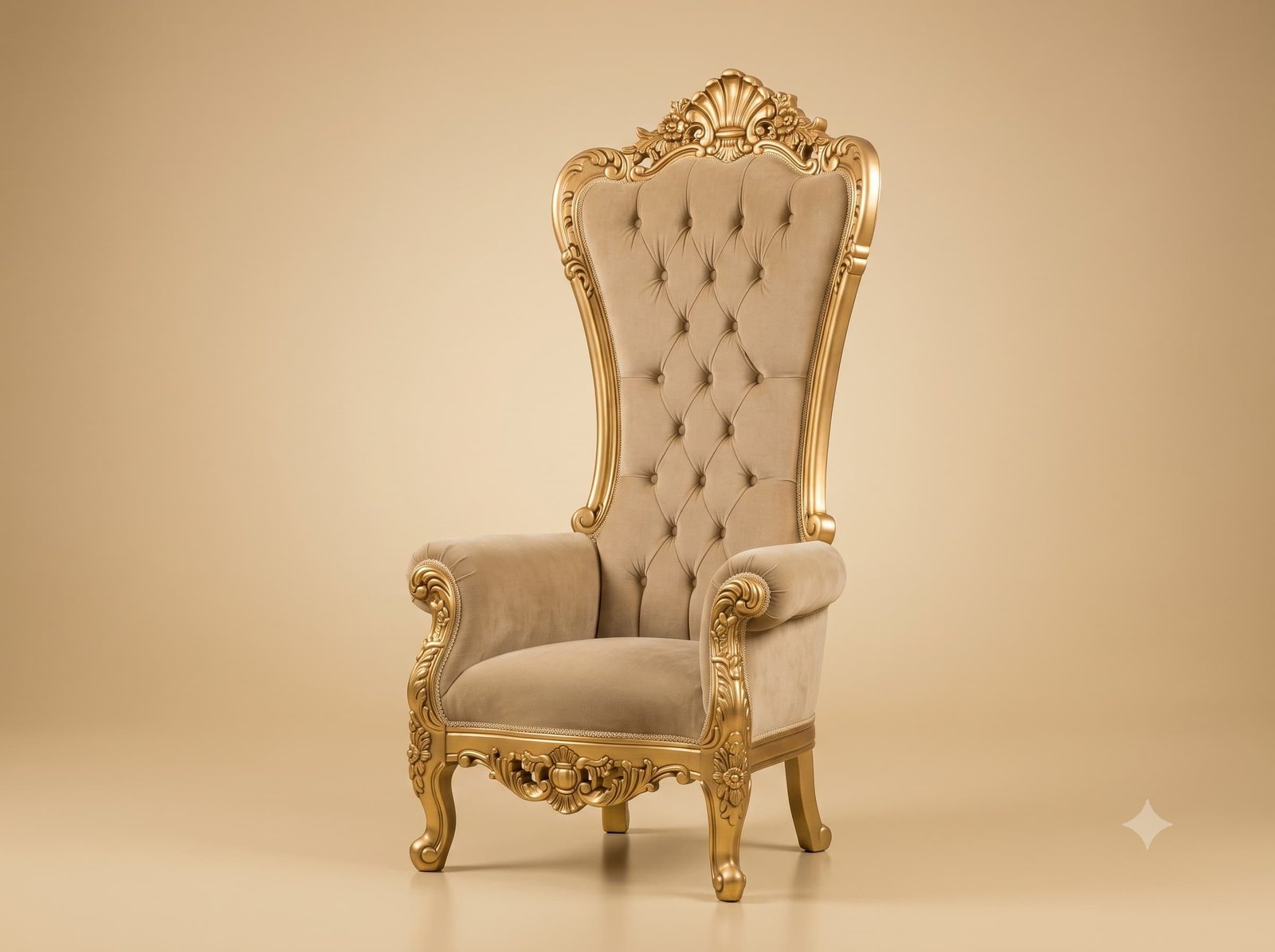
The back of this chair narrows as it rises, and the taper is not constant.
A back that narrows at a steady rate from seat to crest reads as a wedge - correct, but stiff. So the taper here is drawn as a very shallow curve instead: almost parallel for the lower third where the sitter's back actually is, then drawing in more definitely through the upper two thirds where nobody touches it.
That gives two things at once. The part of the chair that has to support a person stays full width and comfortable, and the part that is purely visual does the work of making the chair look tall and elegant.
The buttoning grid is then set out to the taper rather than to a rectangle, so the diamonds narrow as they rise with the frame. Set out square inside a tapering back, the buttons would visibly diverge from the frame edges as they climbed - which is one of those faults that makes a chair look wrong to everybody and explicable to almost nobody.
 Ask Price On WhatsApp