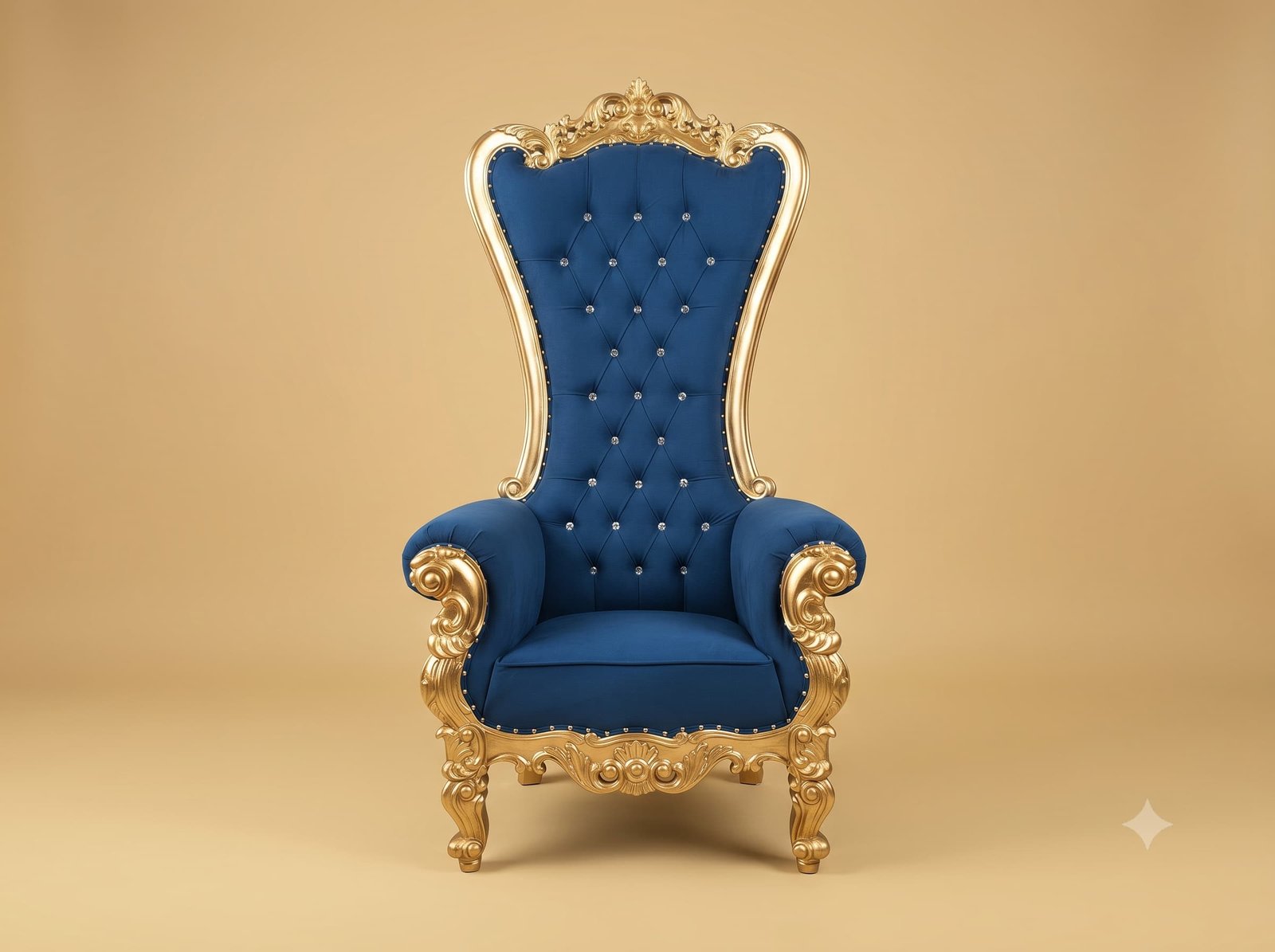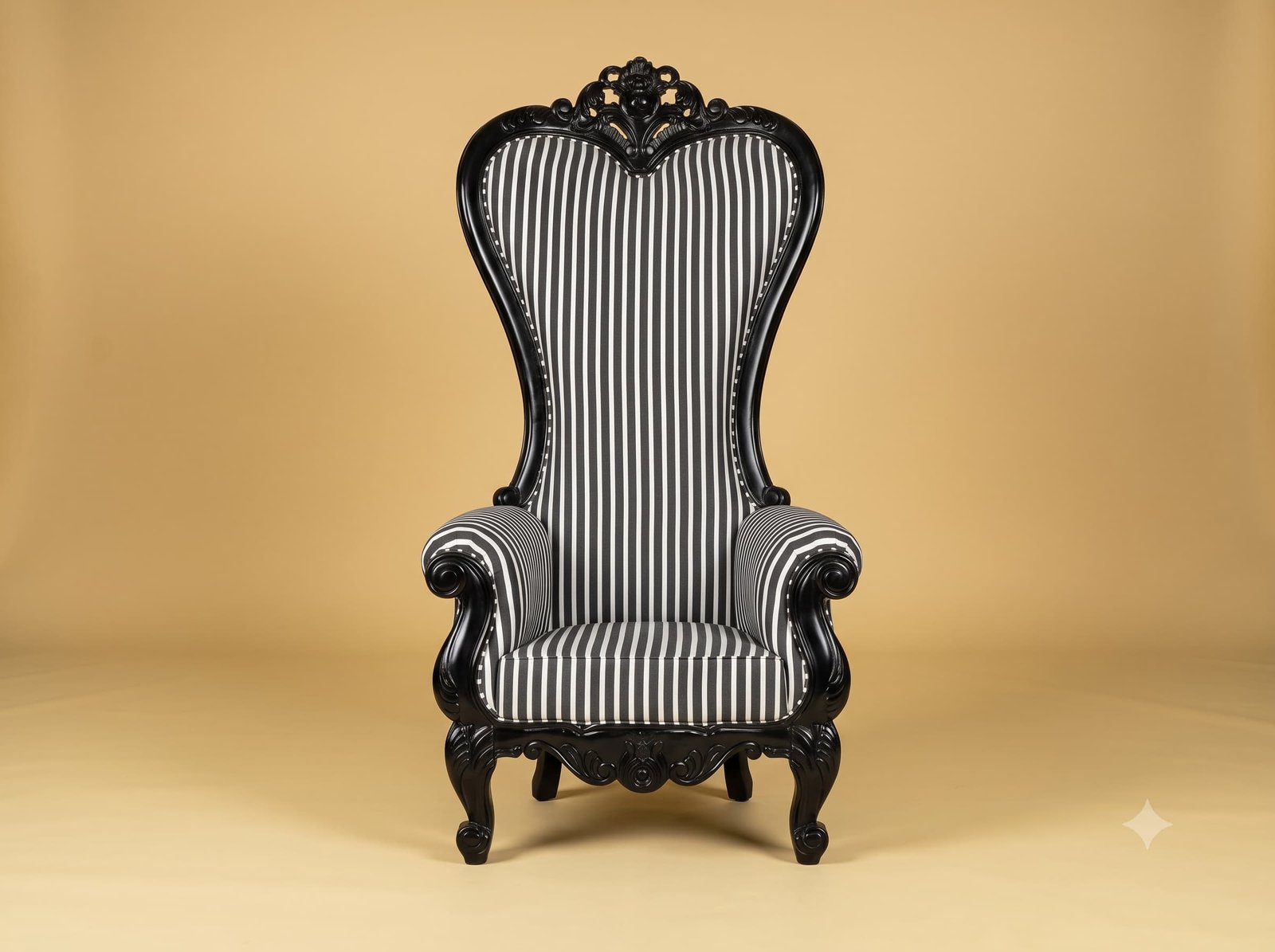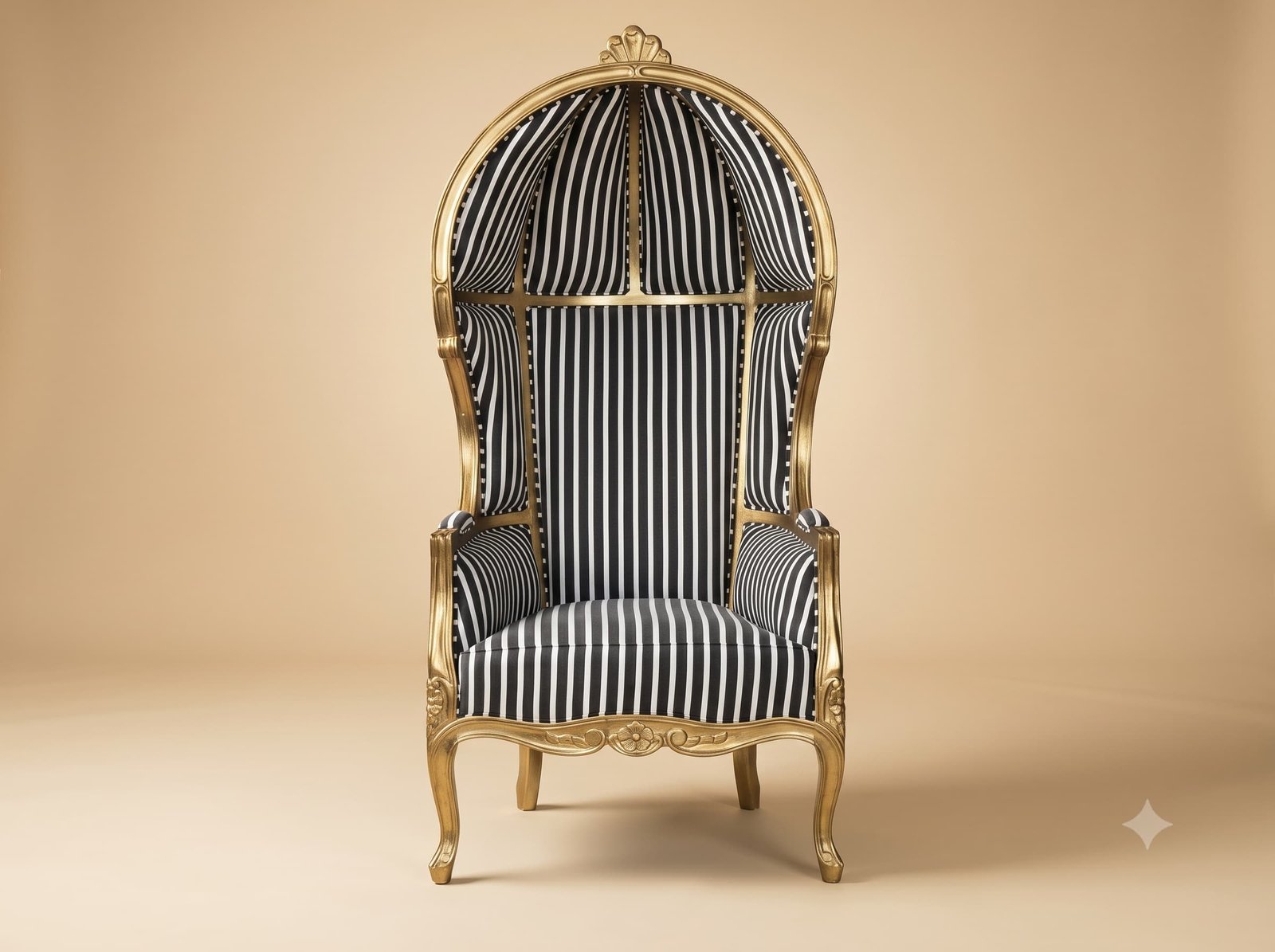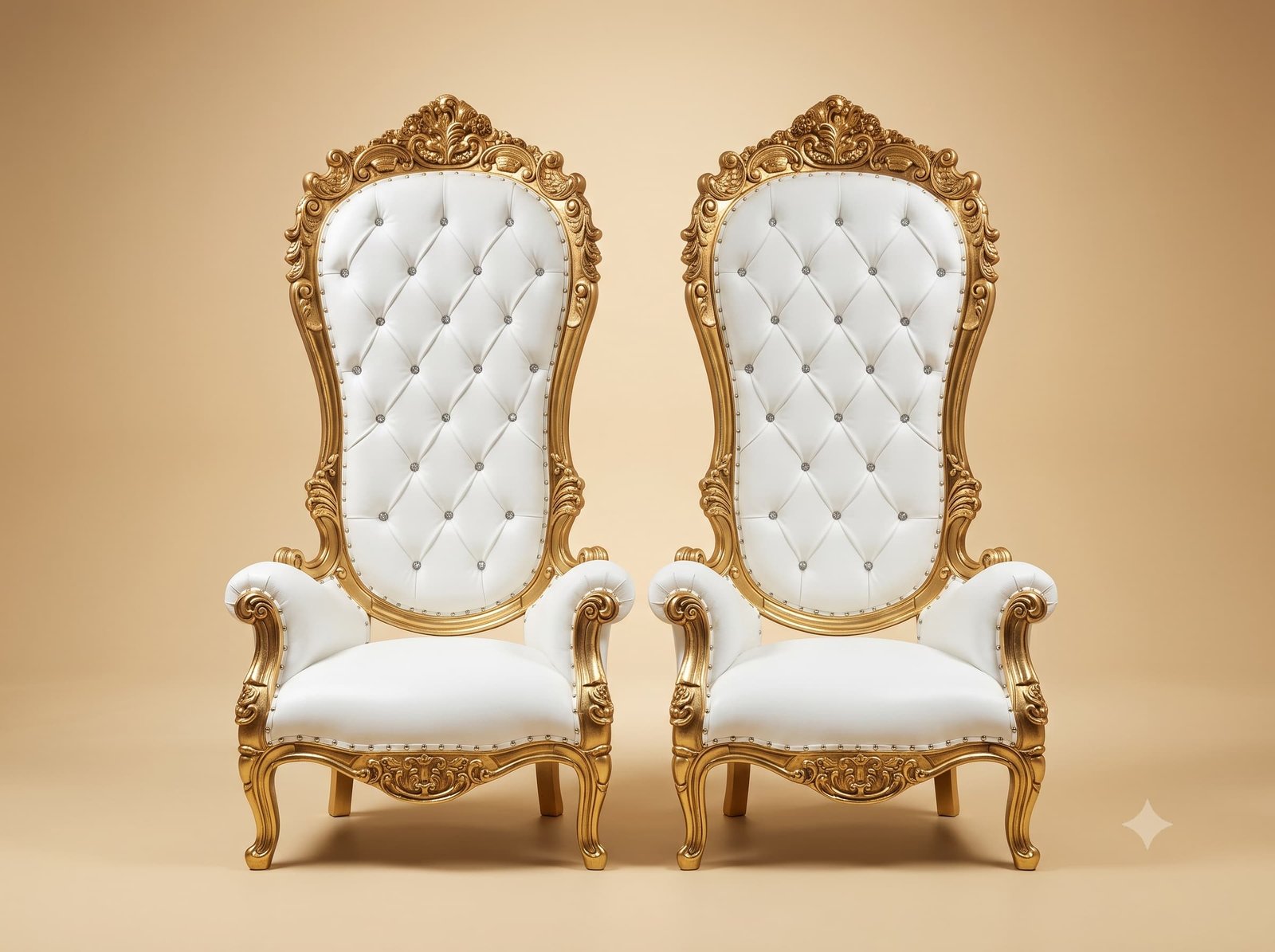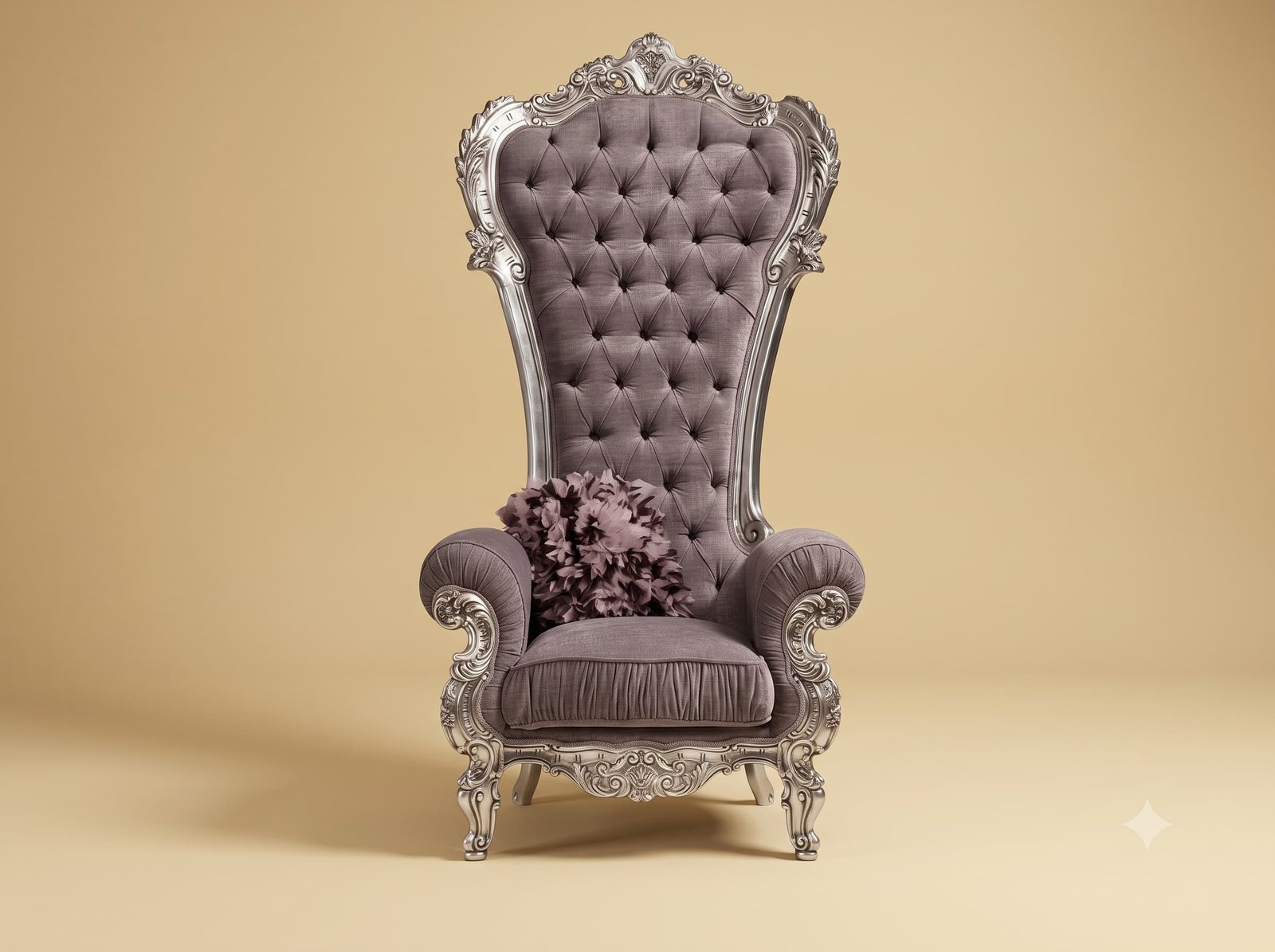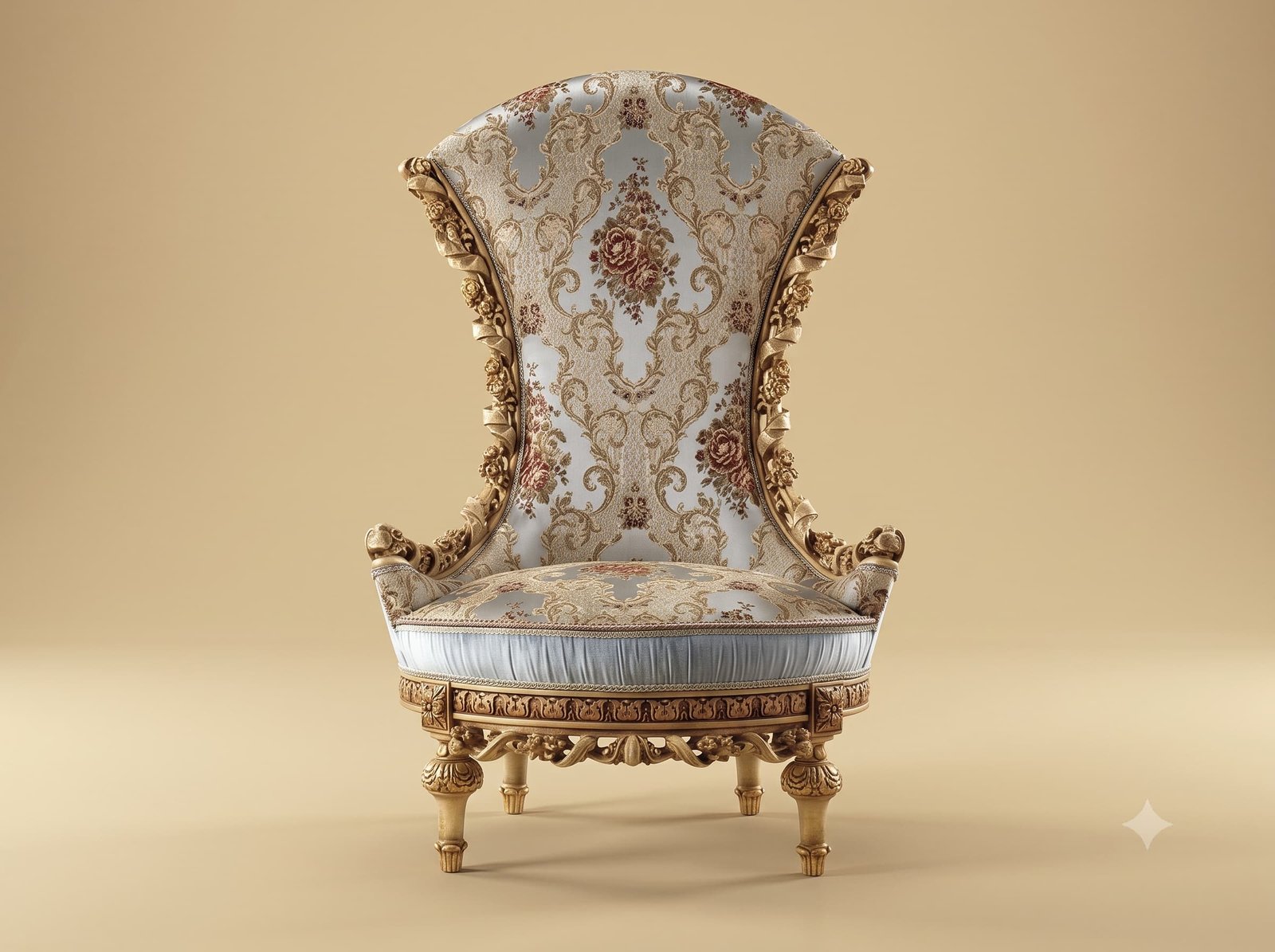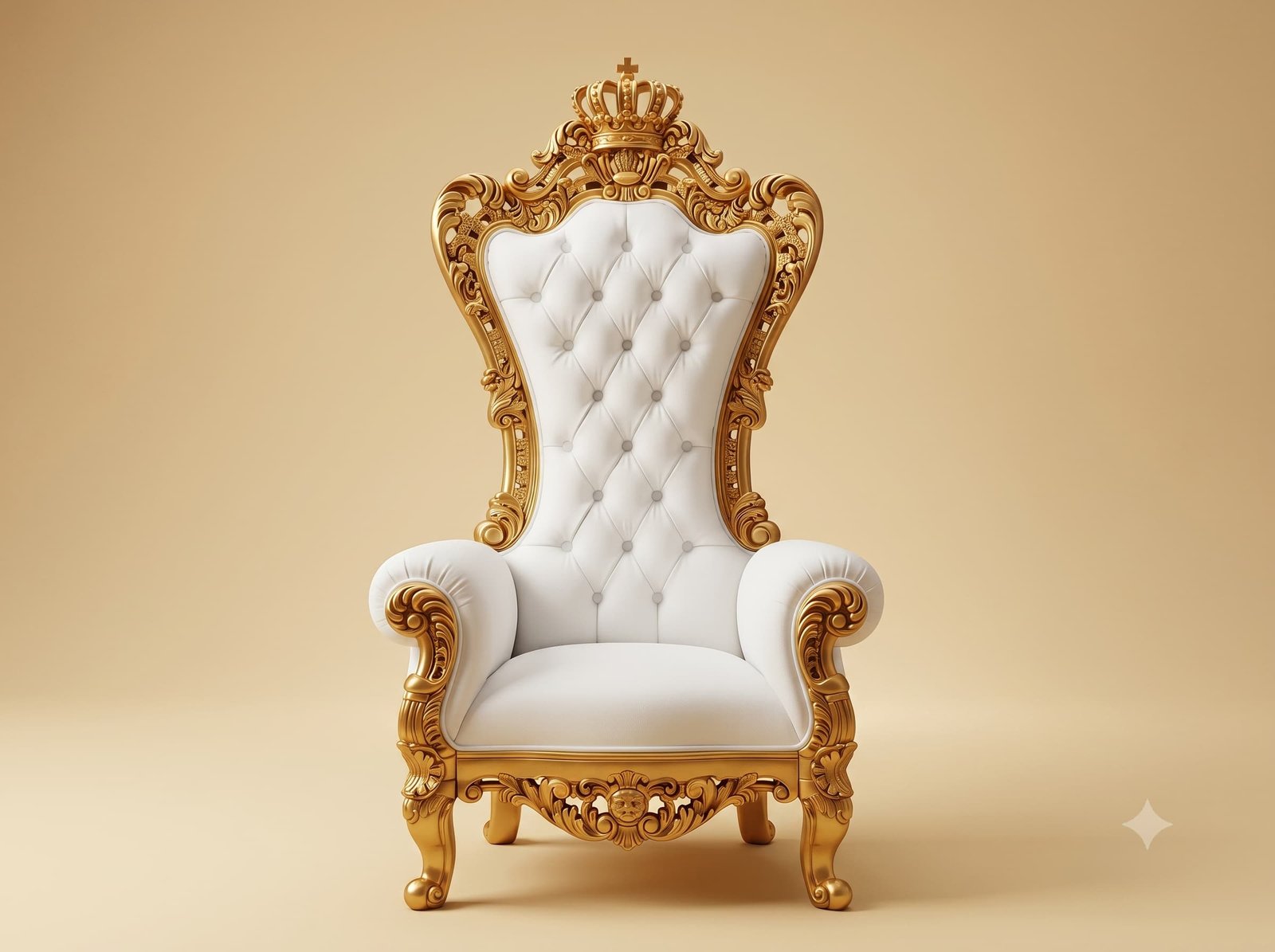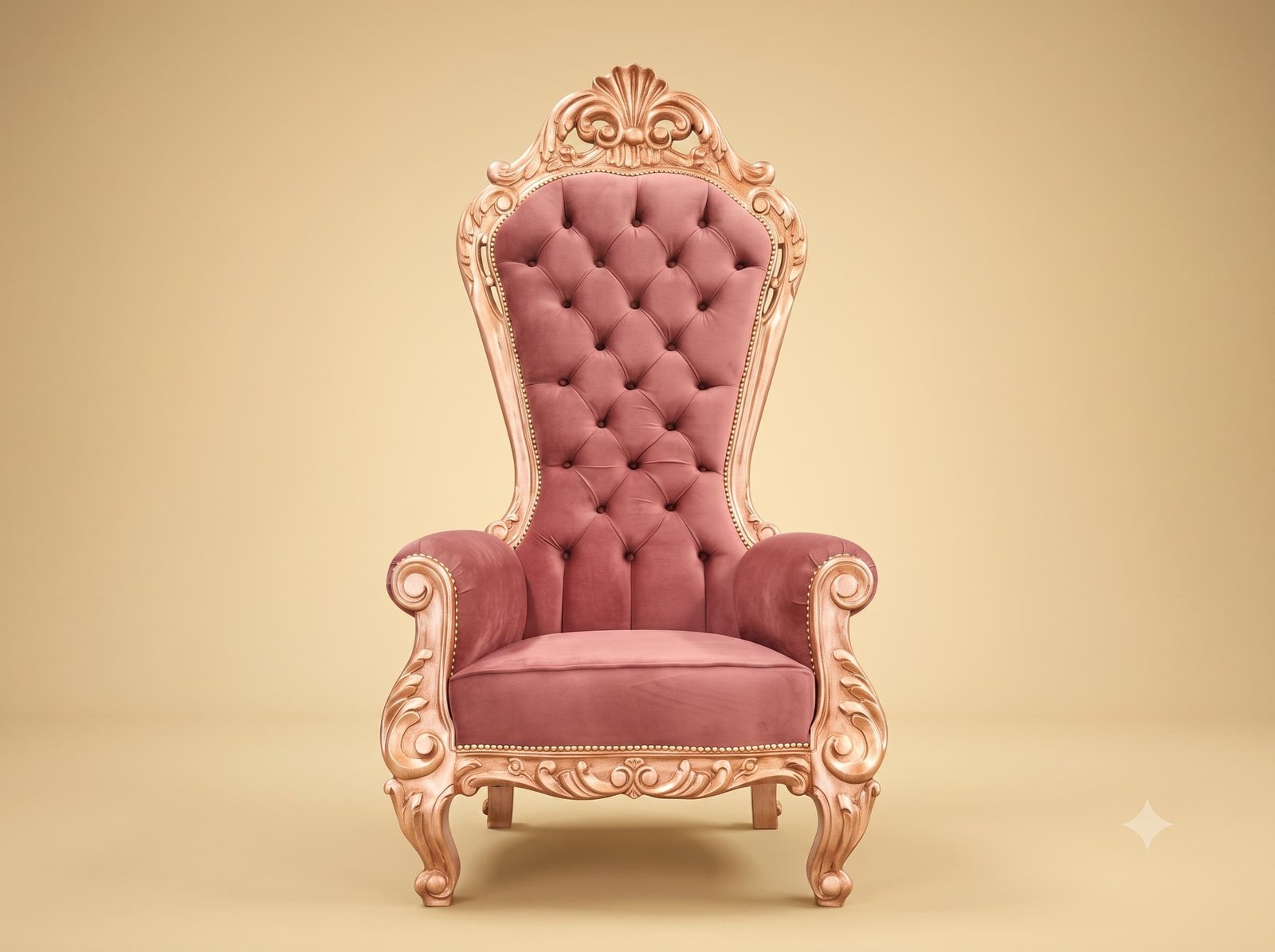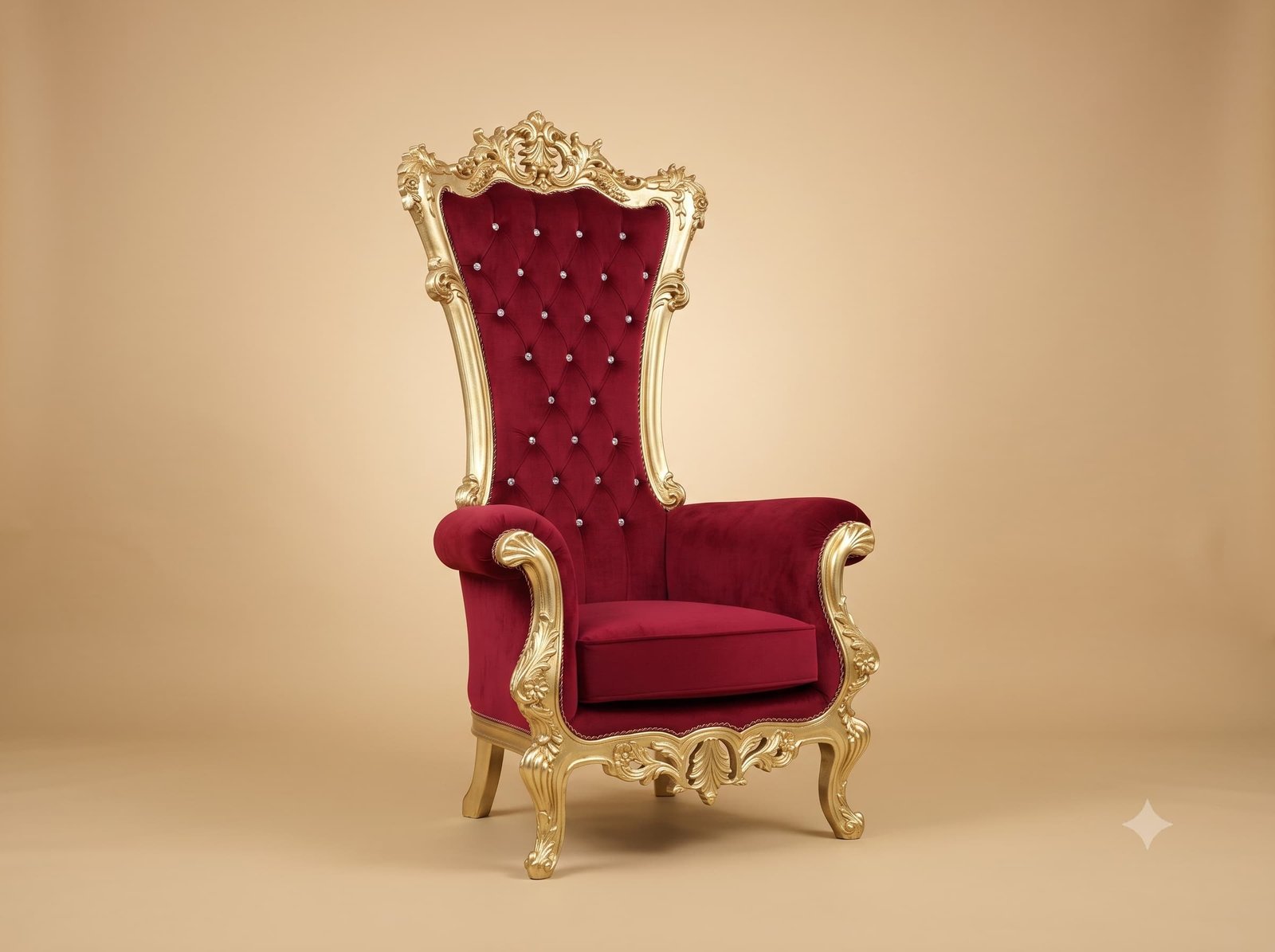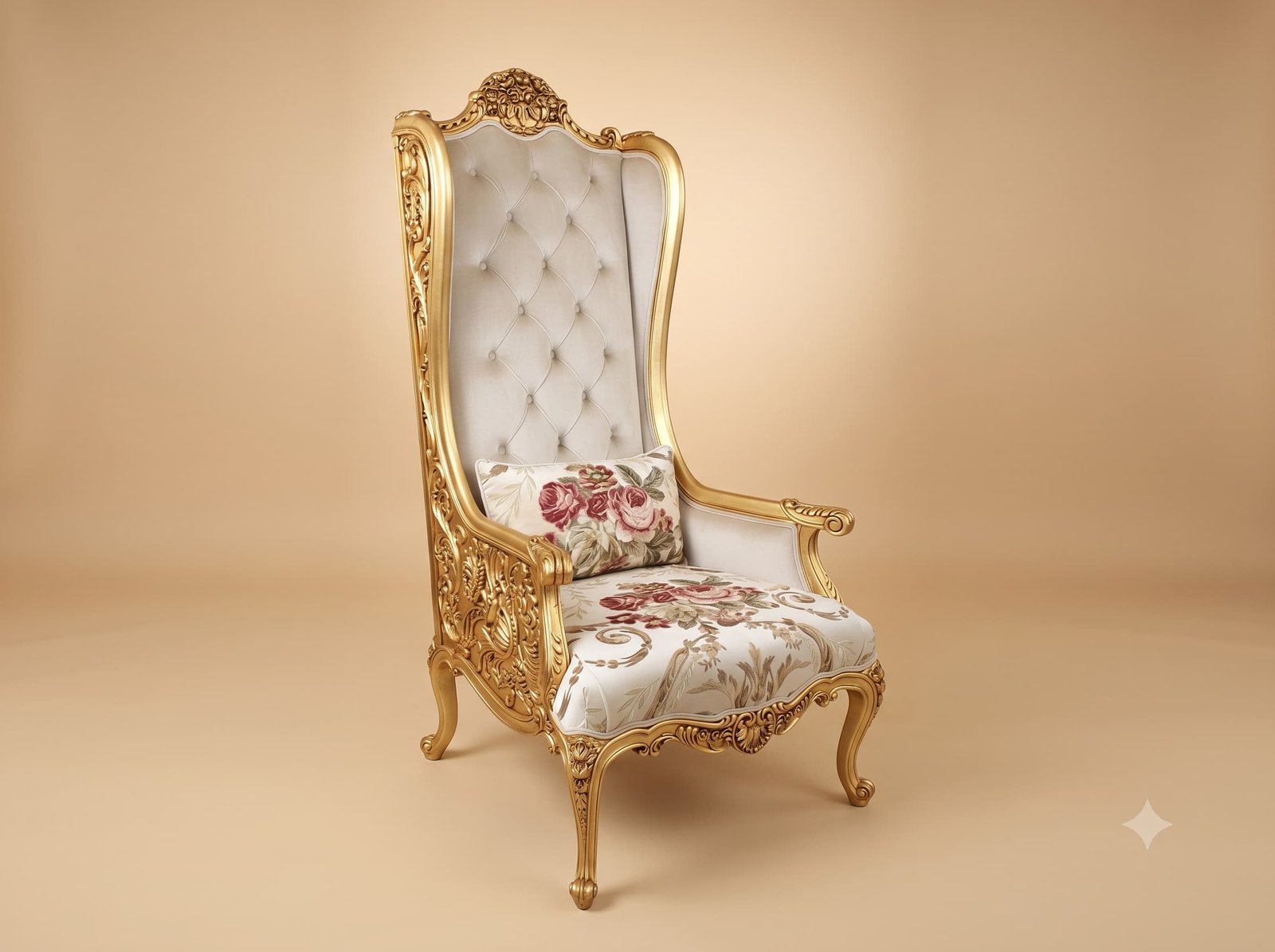
A tall chair on a narrow footprint has an obvious problem: leaned against, it wants to go backward. The usual answers are to make the base wider, which defeats the point of a narrow chair, or to weight it, which makes it a nuisance to move.
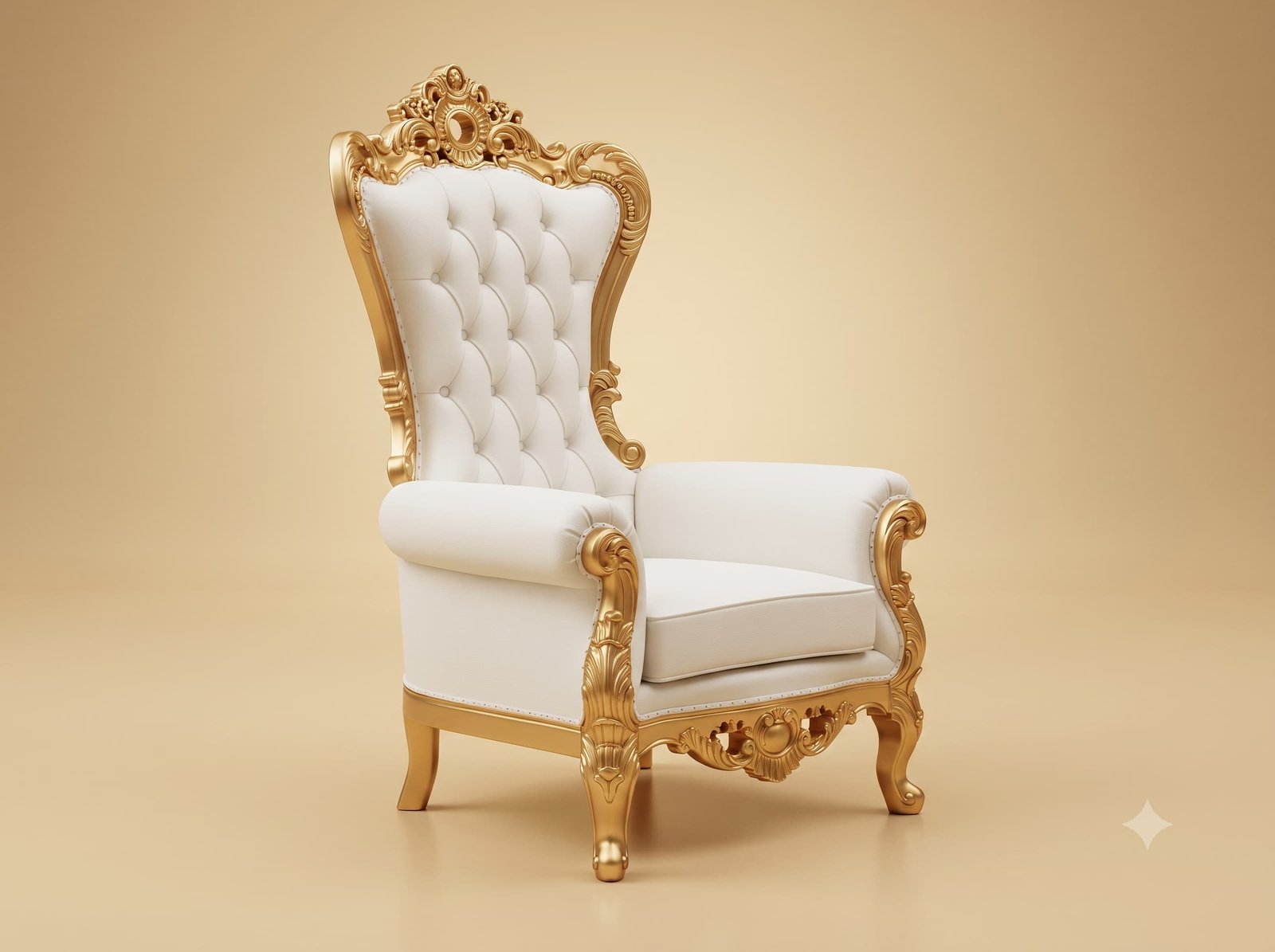
Our answer is in the back legs. They are raked - set to lean backward - so that the point where each foot meets the floor sits behind the line of the back itself. That pushes the chair's footprint rearward without widening it, and a person leaning back is then still within the base rather than beyond it.
The rake has to be judged rather than maximised. Too little and the chair feels tippy under a full lean; too much and the foot sticks out where a heel can catch it, and the chair stops sitting neatly against a wall. We set it from the finished back height, so a taller back gets more rake and a shorter one less, and the pair of back legs is cut together from one setting so both match.
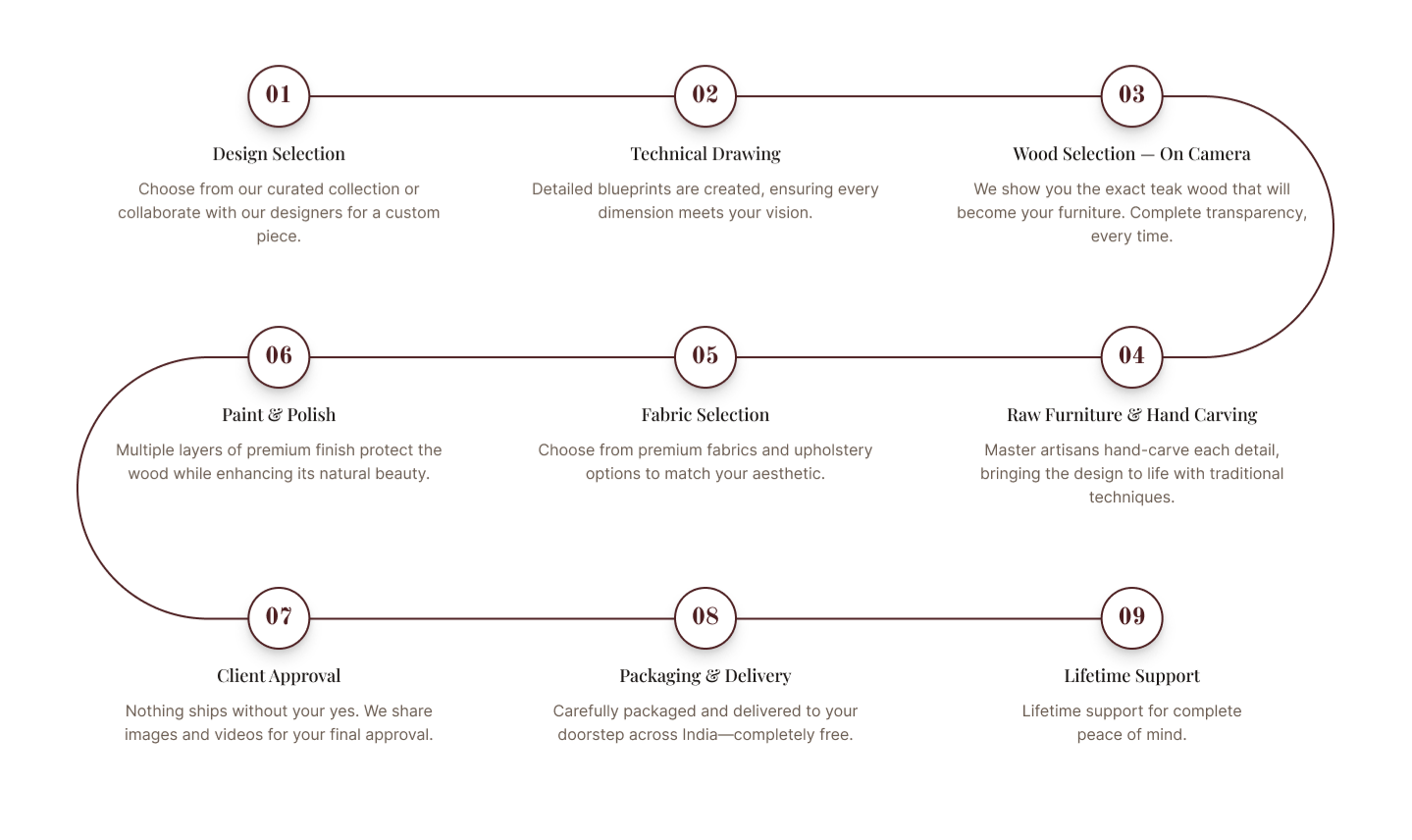
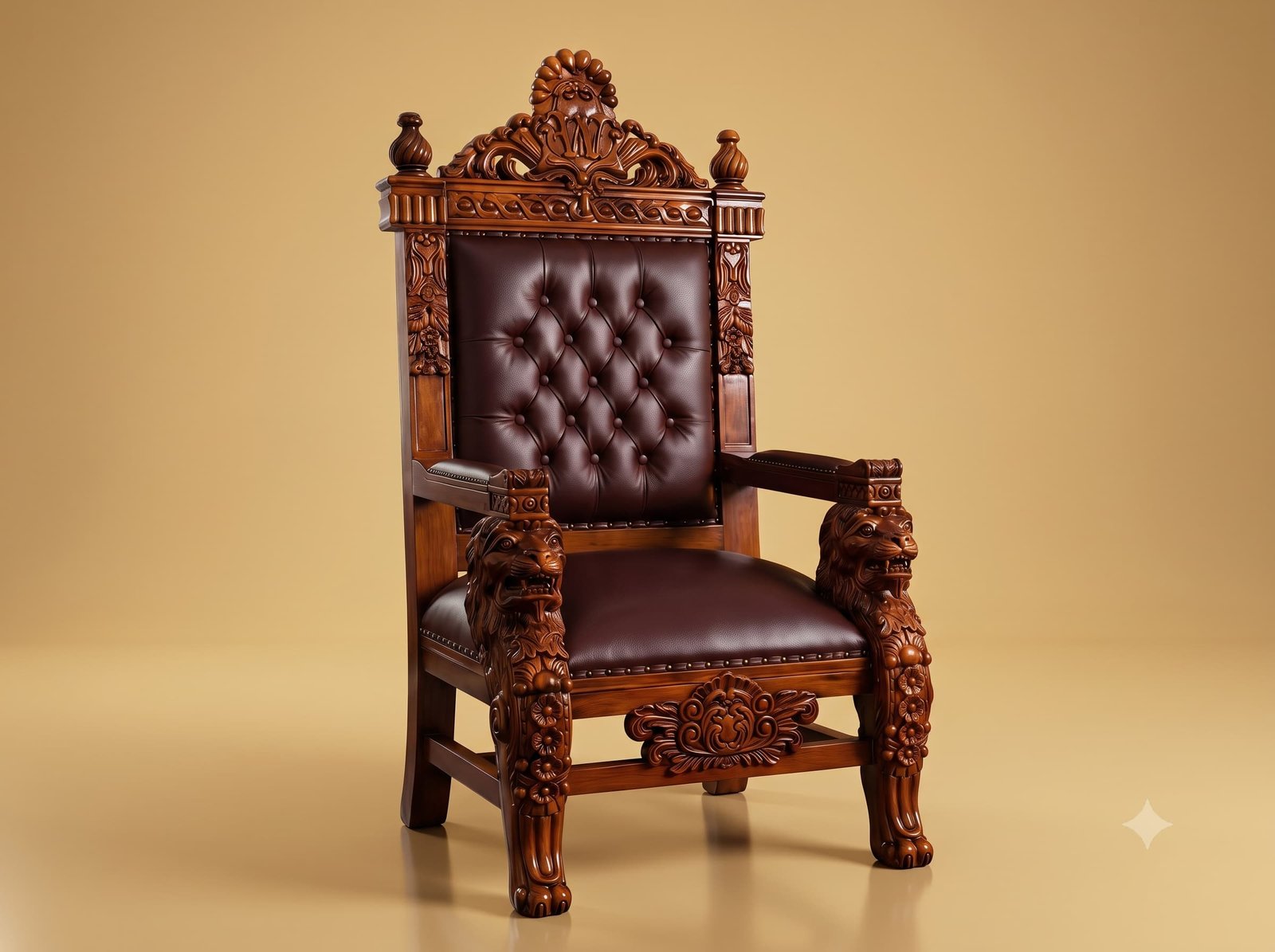
Because the legs are carved, the rake is built into the leg blank before any carving starts. It cannot be added afterwards, which is why it is decided at the drawing stage from the dimensions you give us.
 Ask Price On WhatsApp