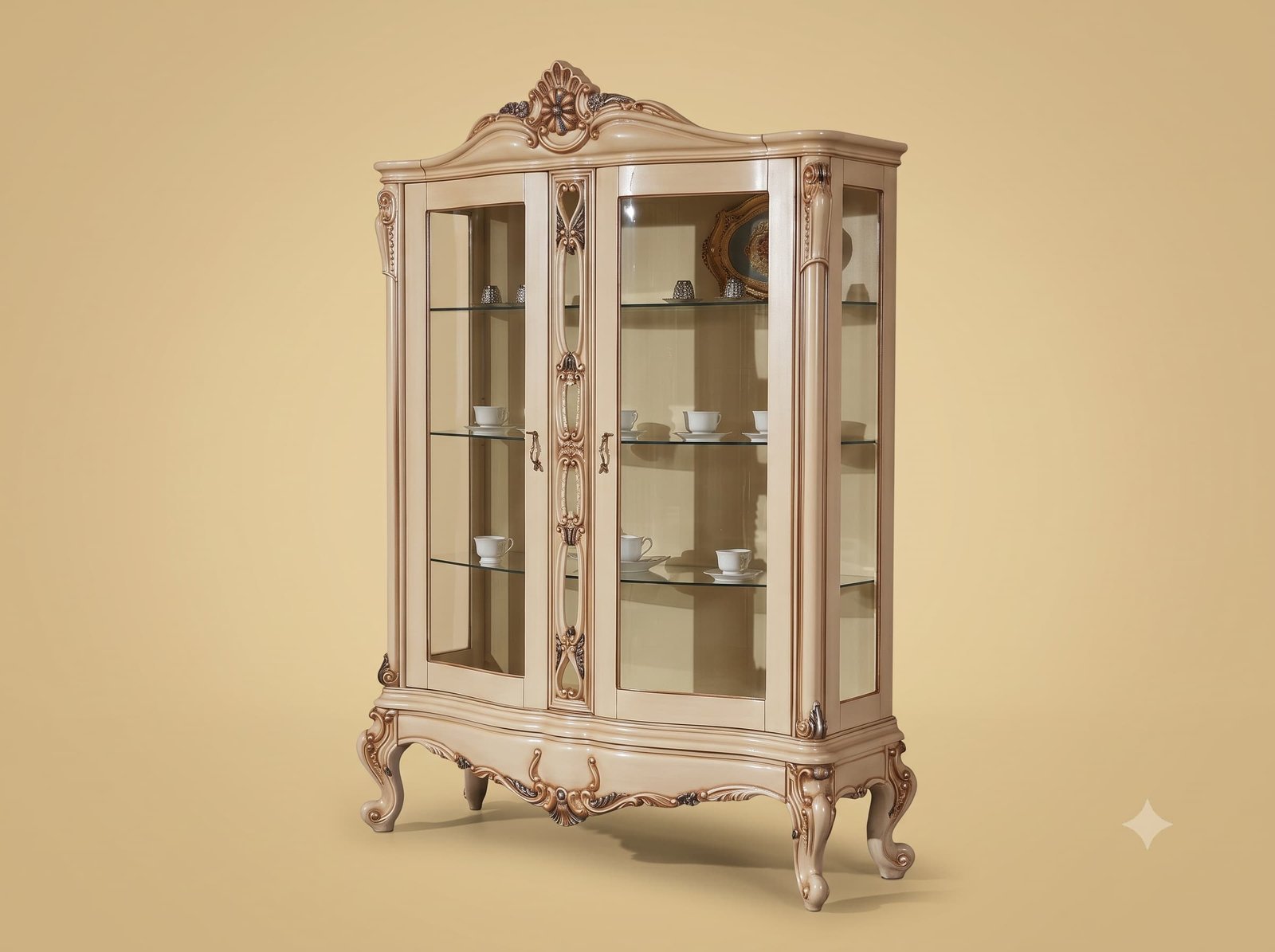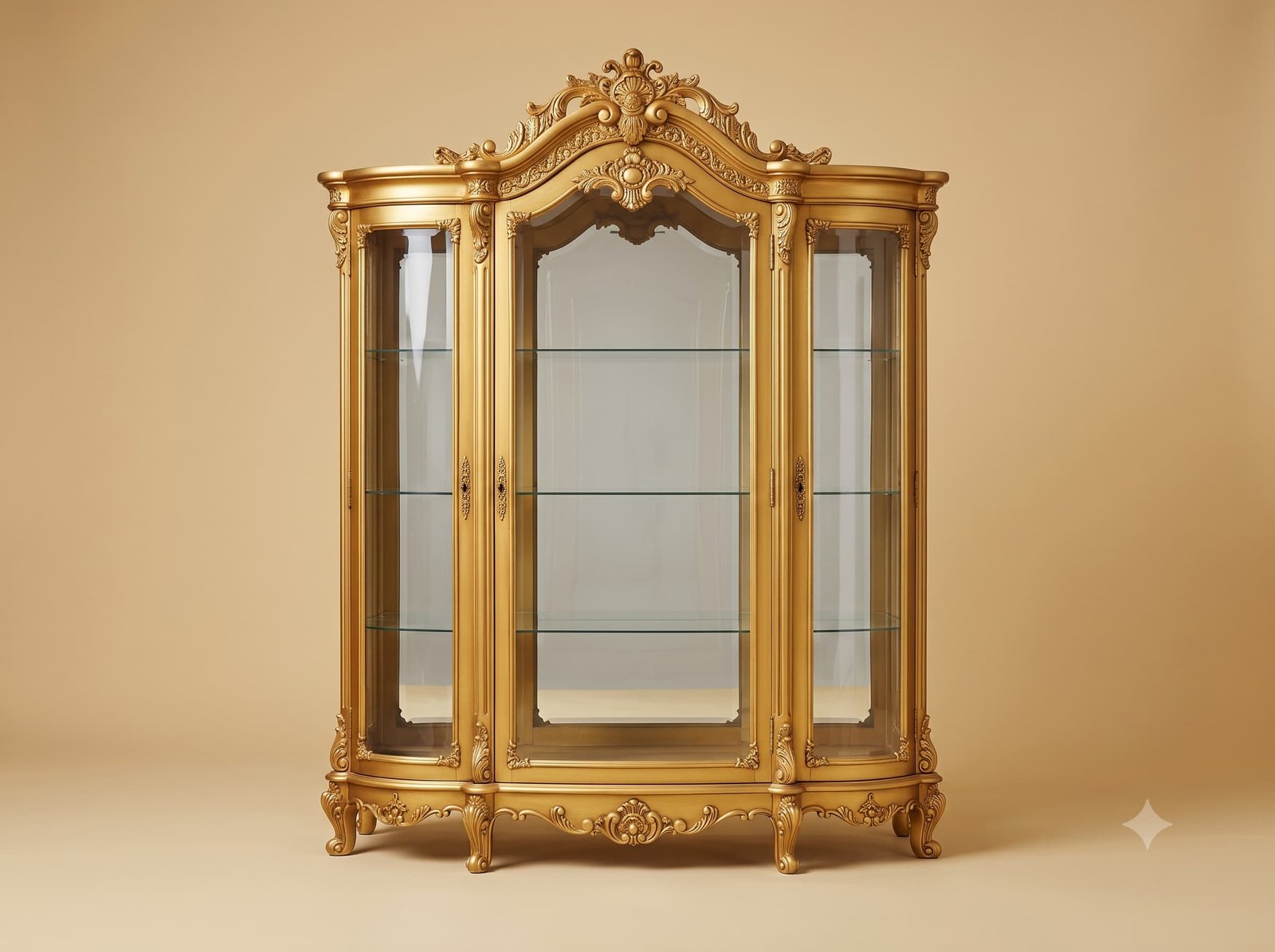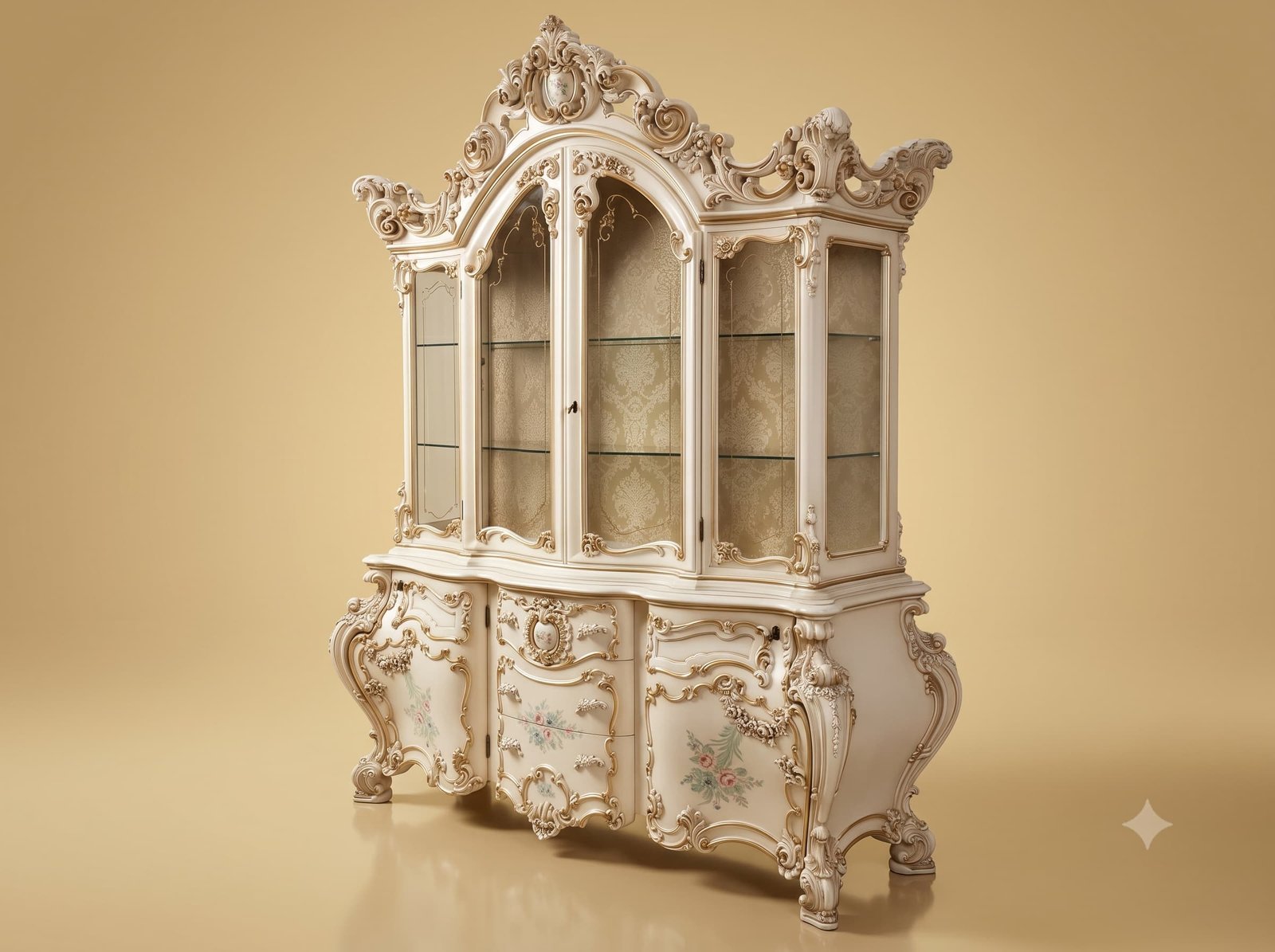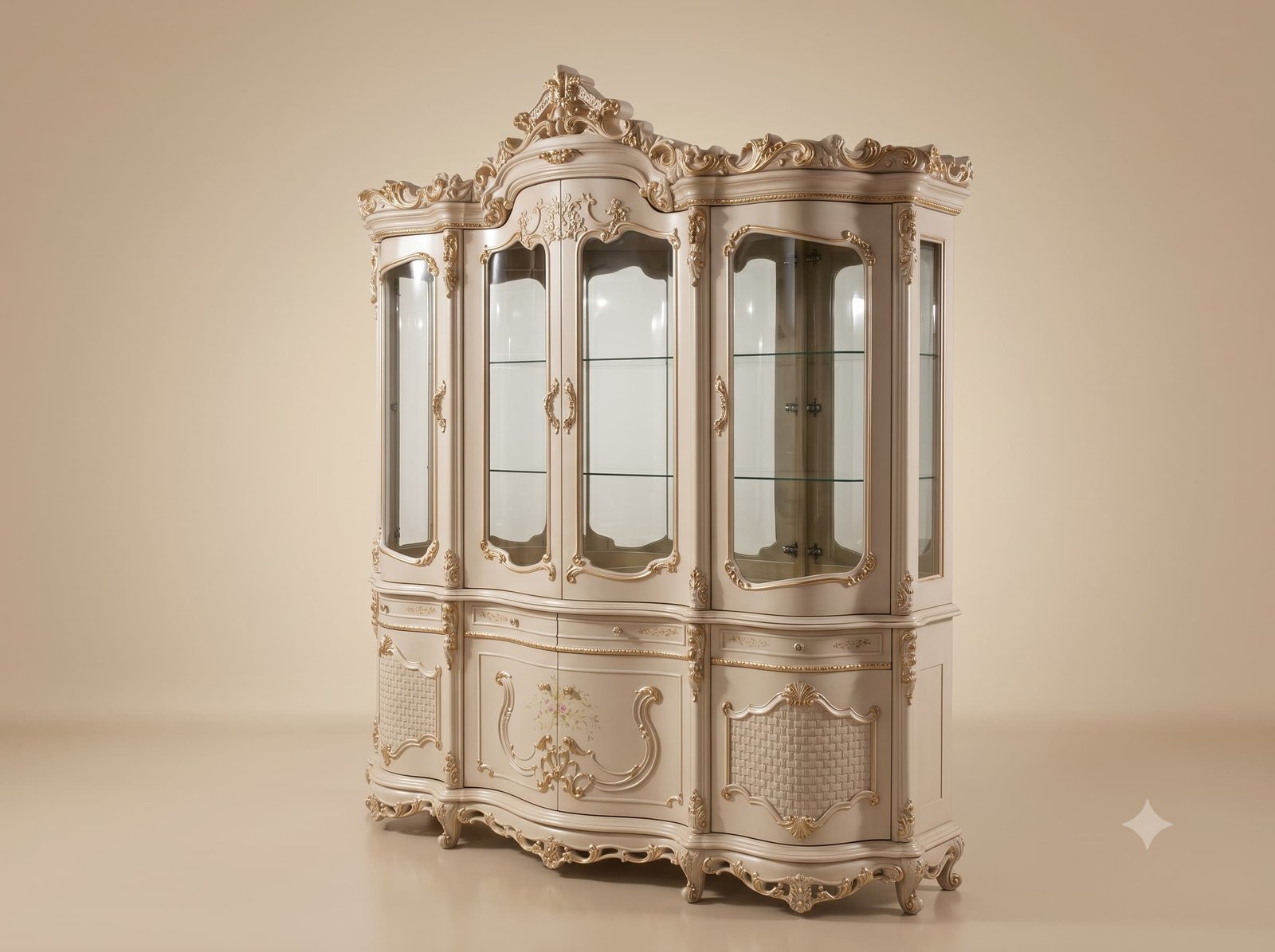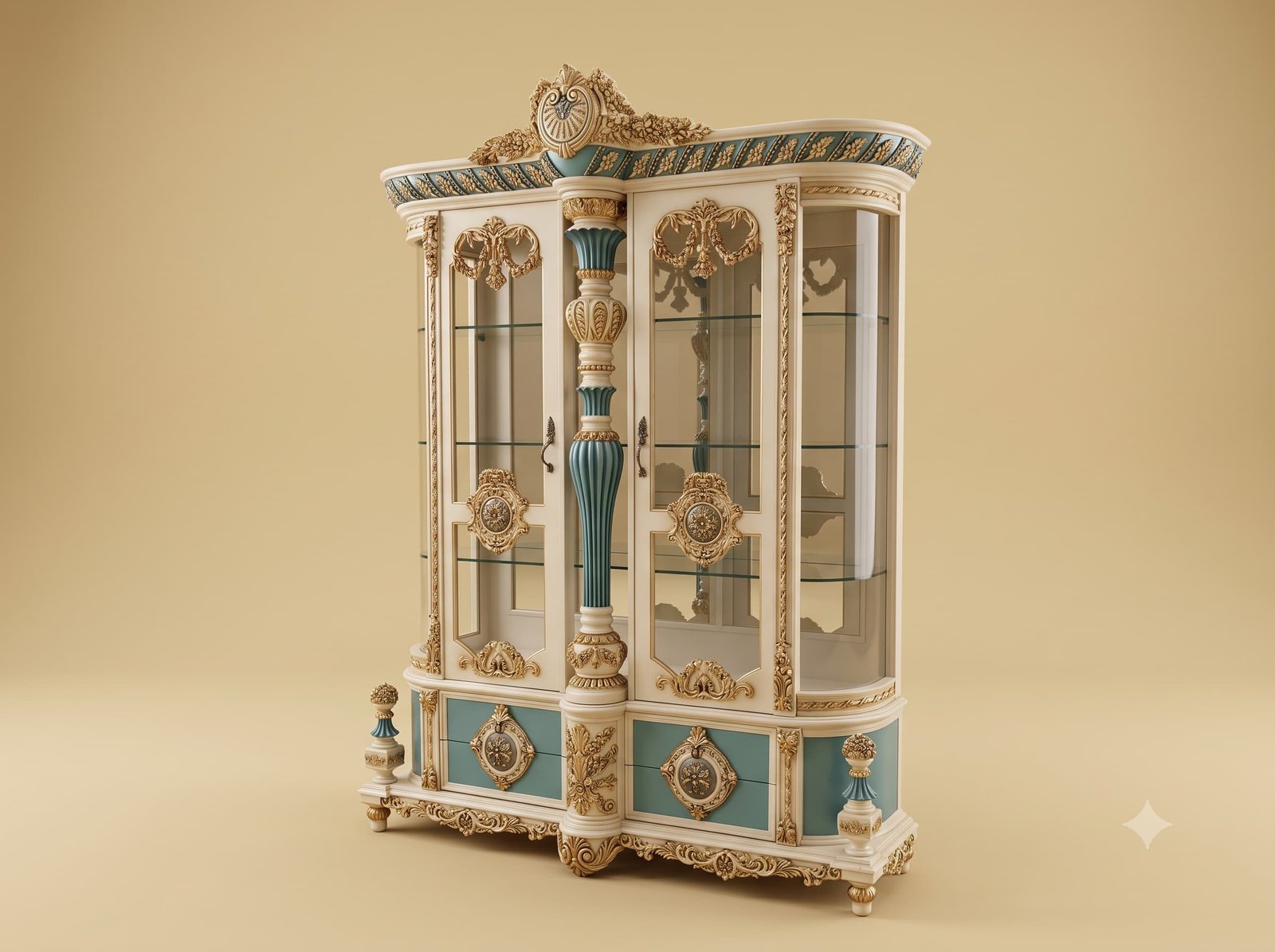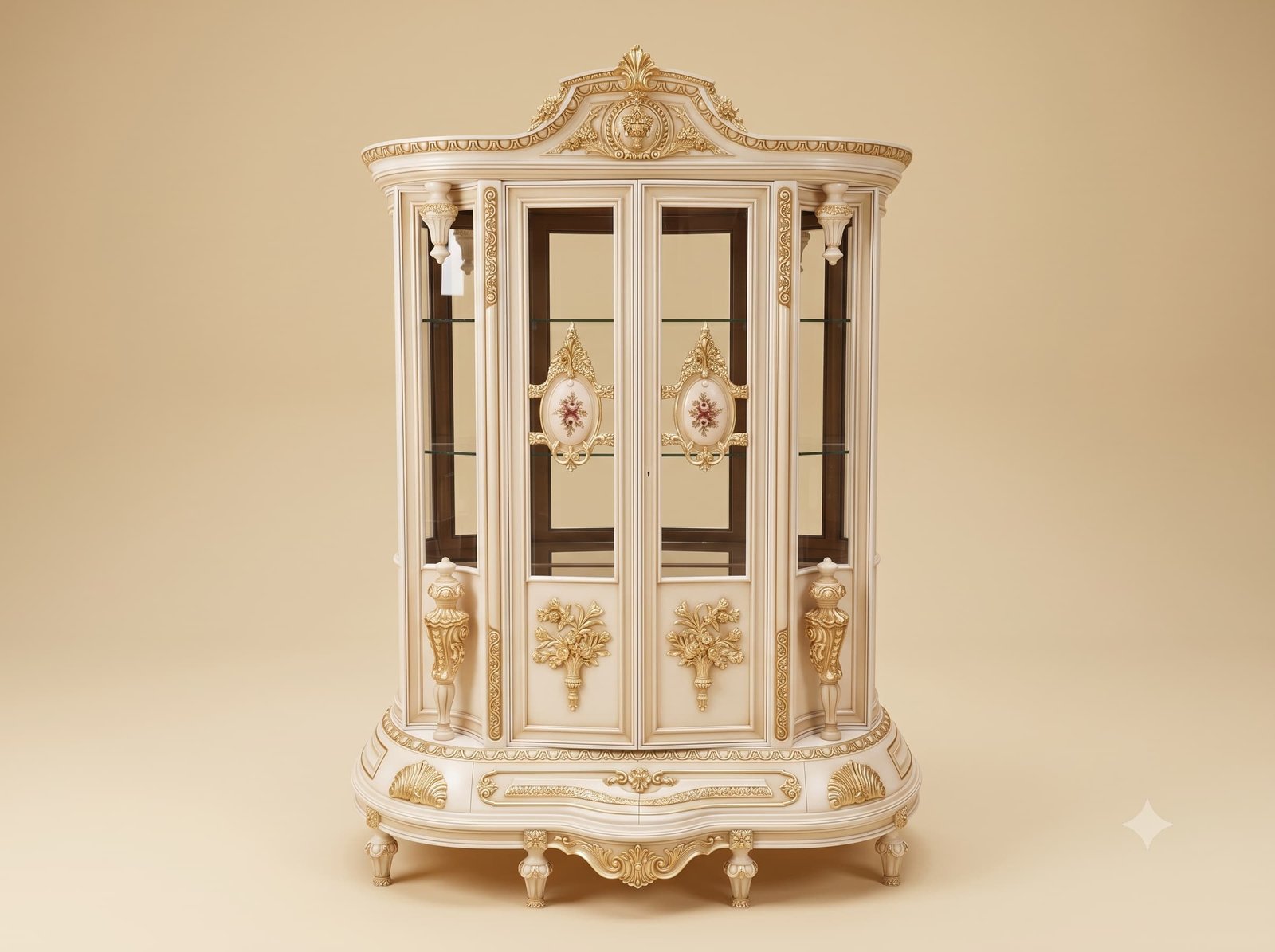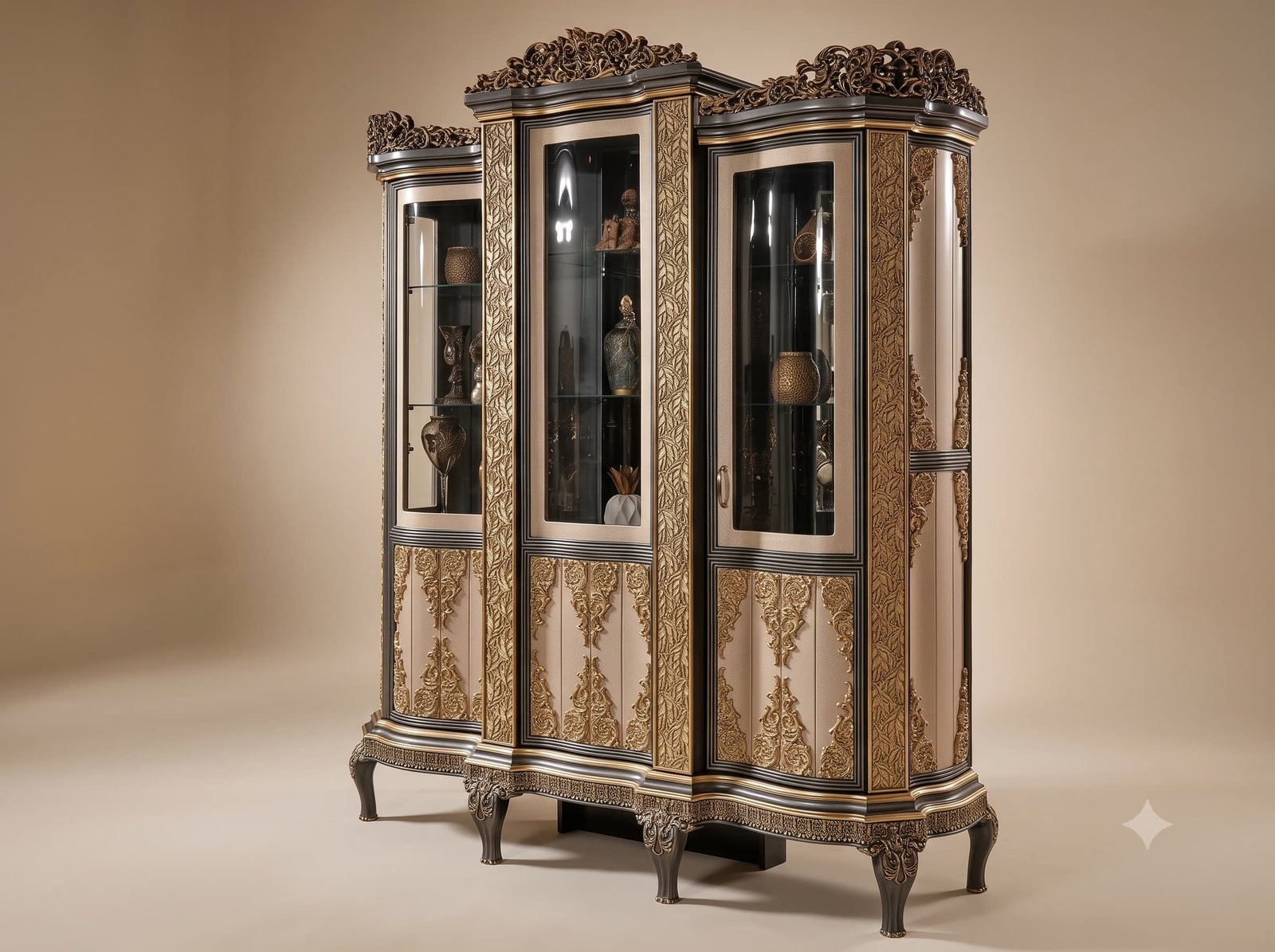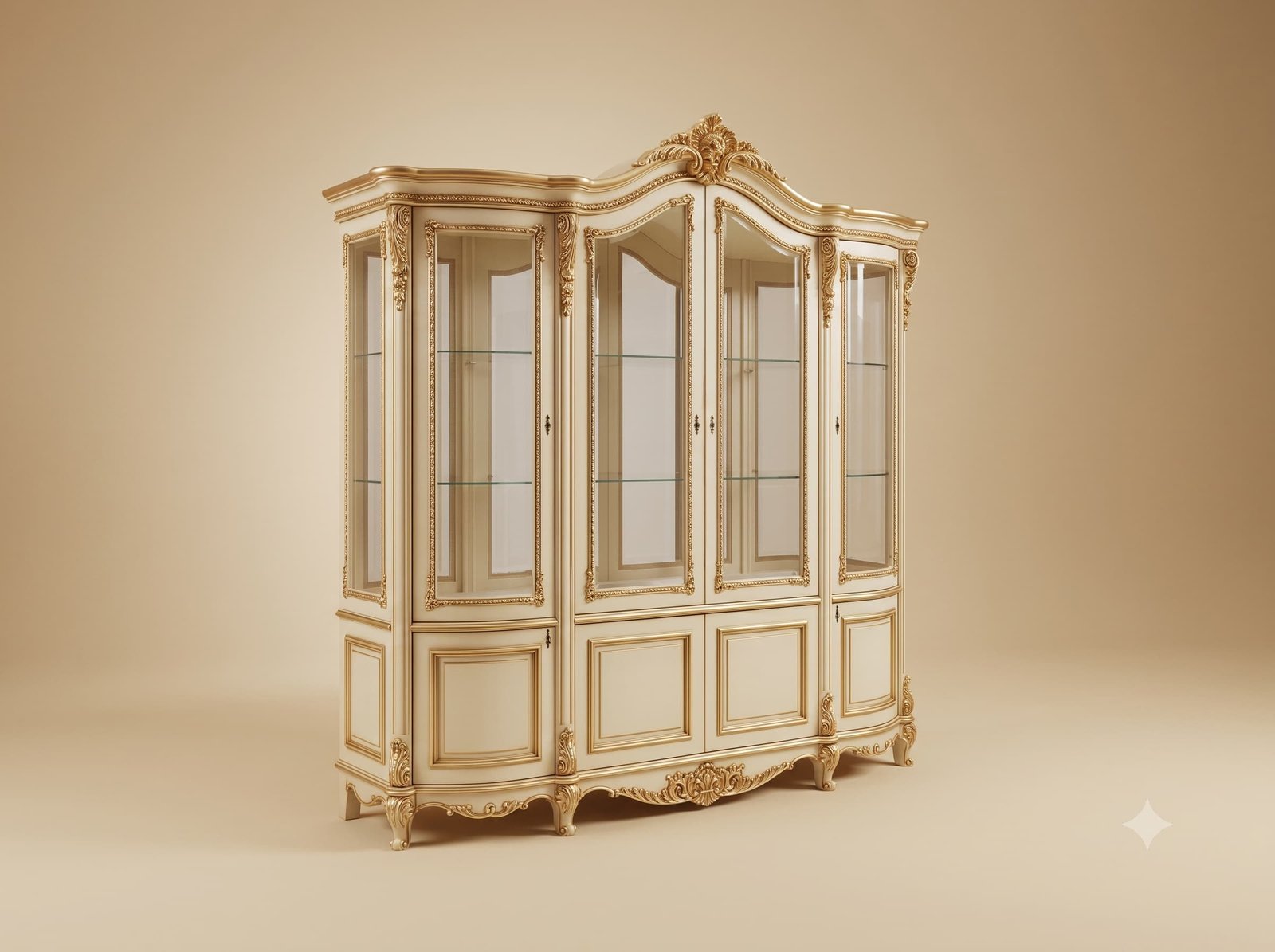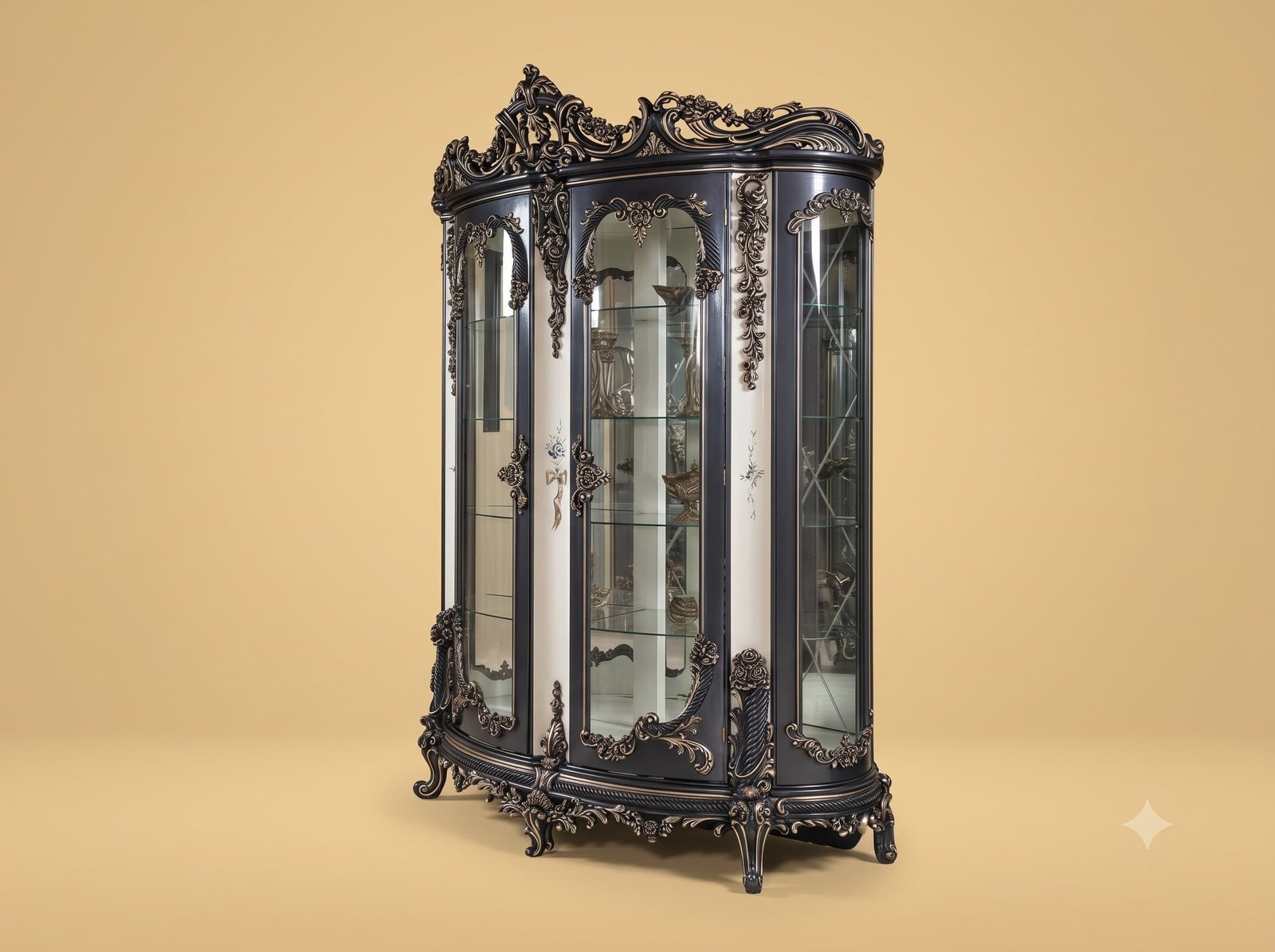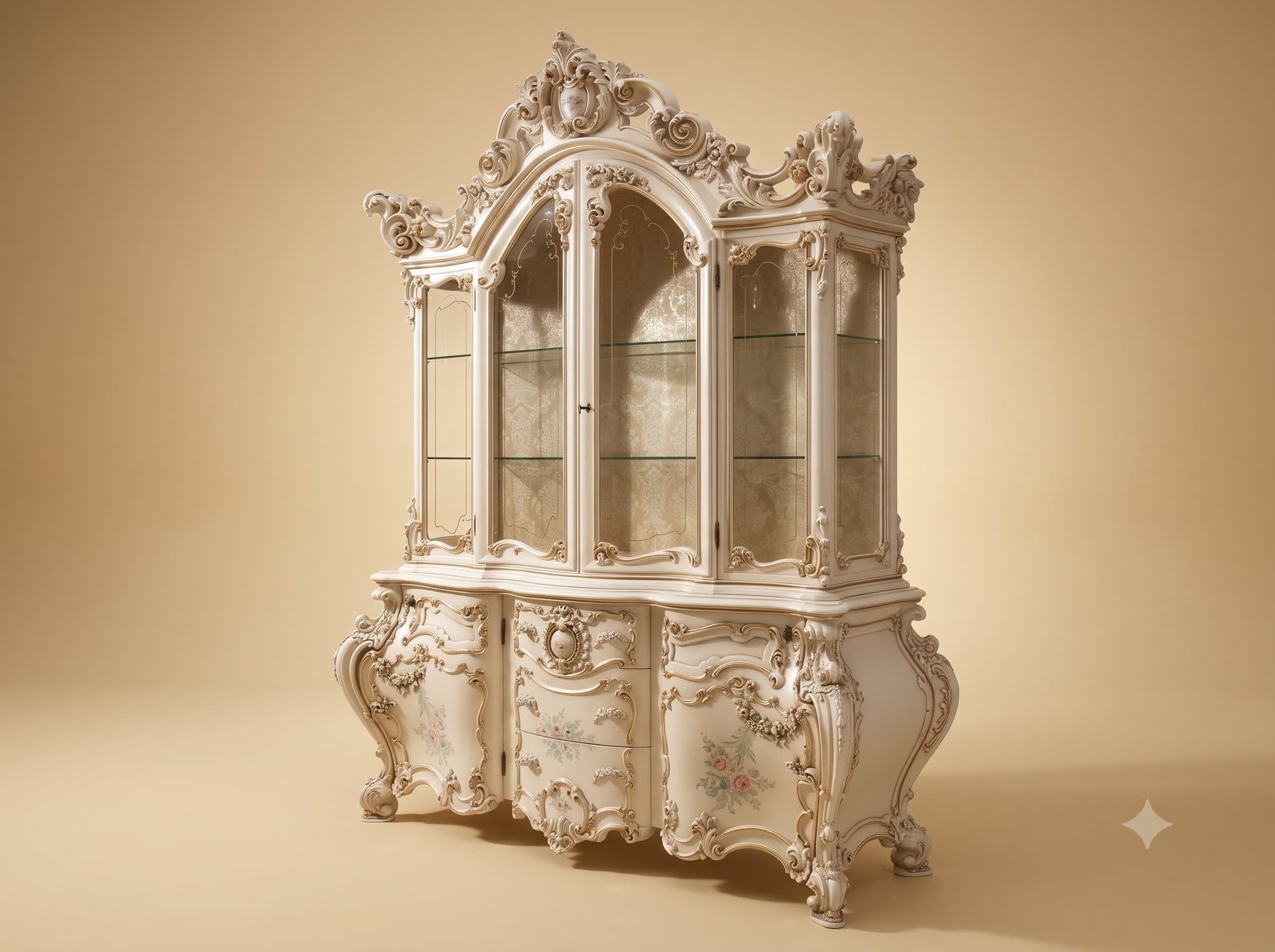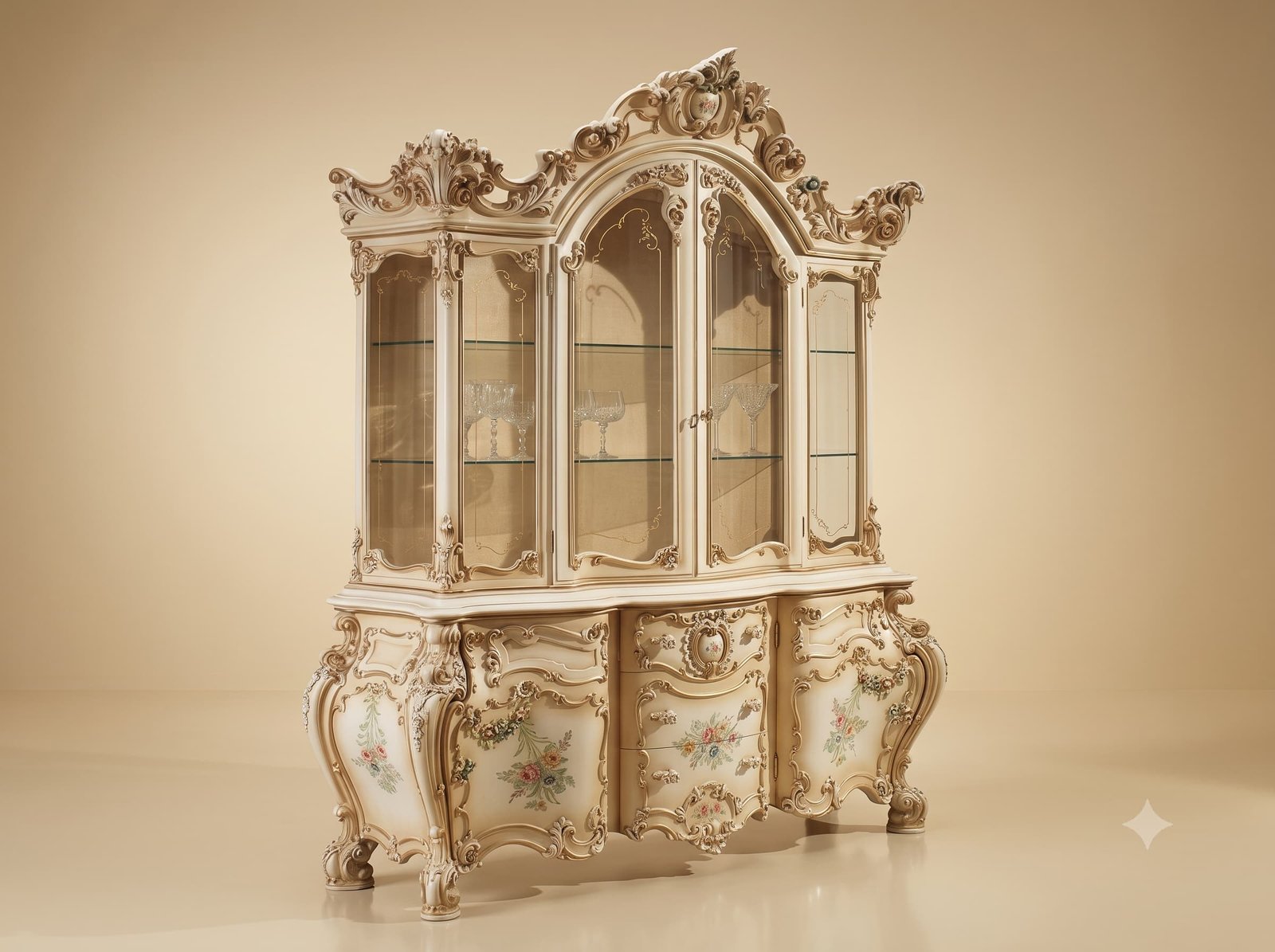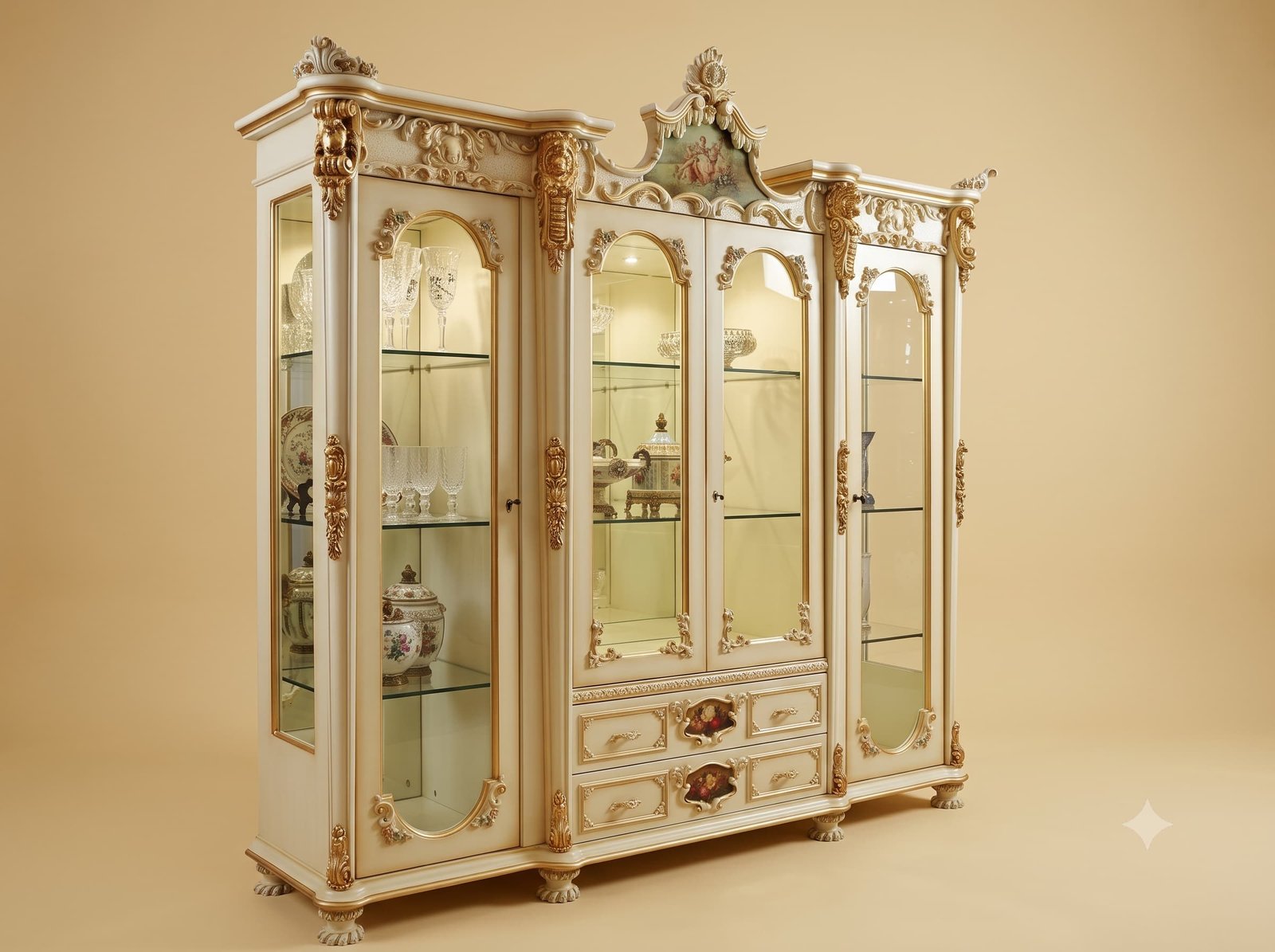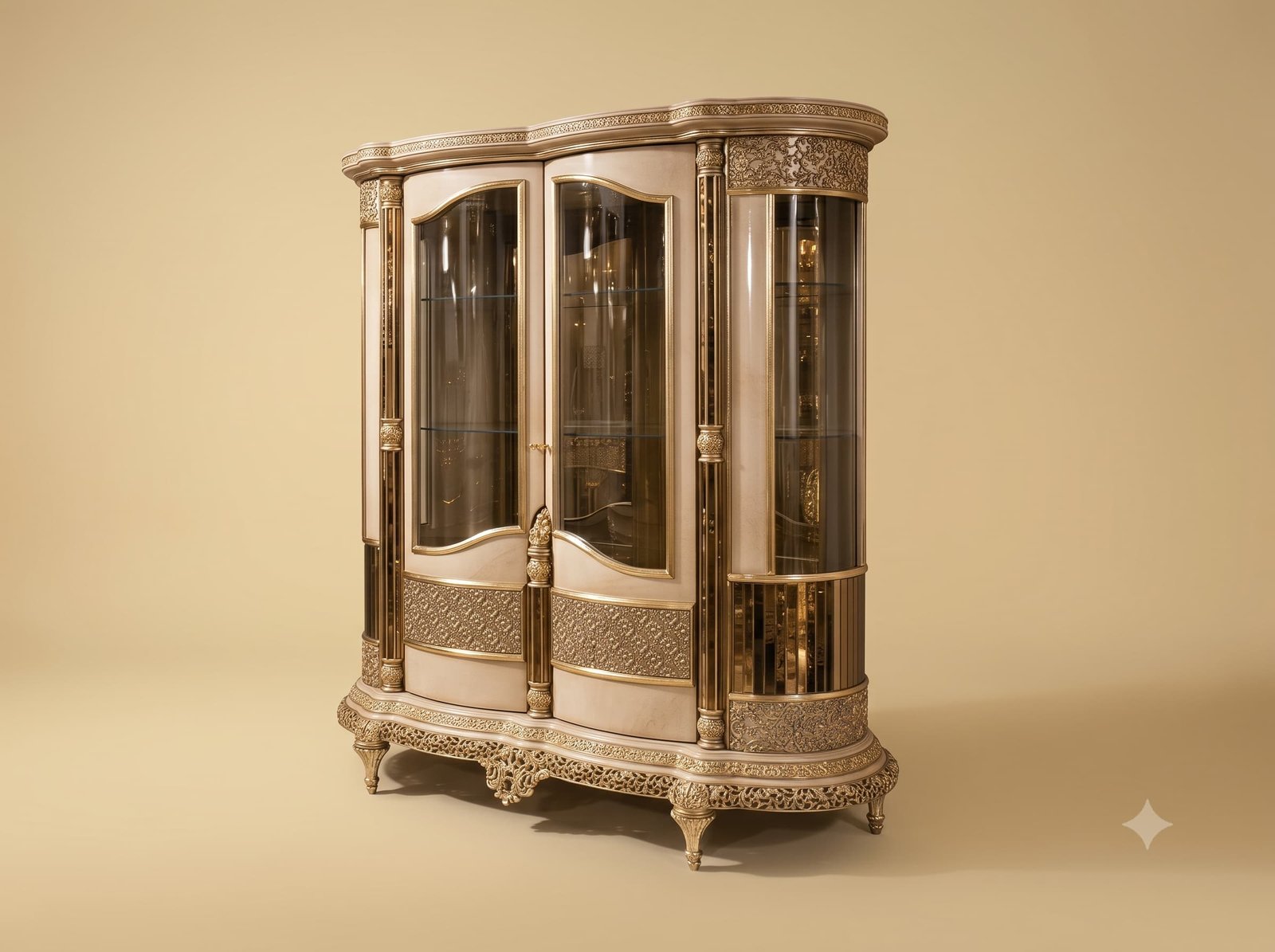
Filigree this fine is not designed on paper and then cut. It is designed backwards, from the tool.
Every pierced pattern has a smallest hole in it, and that hole has to be cut, cleaned out and finished on both faces. The saw blade has to pass through it, the file has to reach into it, and the finish has to be worked around every edge of it. Below a certain size that stops being possible - the blade will not turn inside the aperture, the file cannot enter, and what should be a crisp opening ends up ragged.
So our master Indian artisans start from the smallest aperture the tools can genuinely finish, and then design outward. The repeat is scaled so that no hole anywhere in the pattern falls below that size, and where a motif would naturally narrow to a point - the tip of a leaf, the eye of a scroll - it is opened out slightly to keep it workable.
The result looks like the pattern came first and the cutting followed. It is the other way round.
That is also why filigree looks so different between workshops. Two cabinets can carry the same drawing; only one will have been drawn to what the hands could actually finish.
 Ask Price On WhatsApp