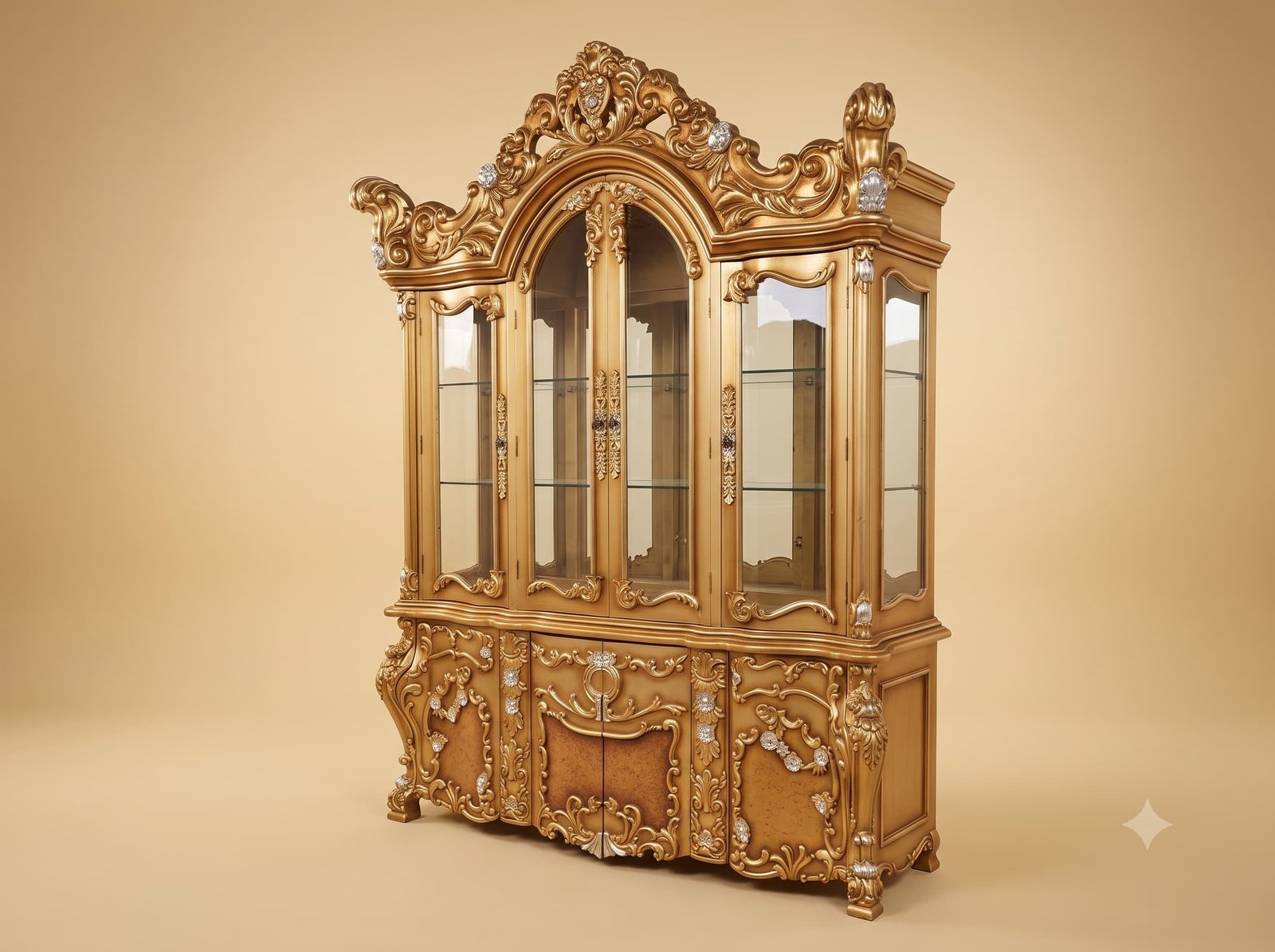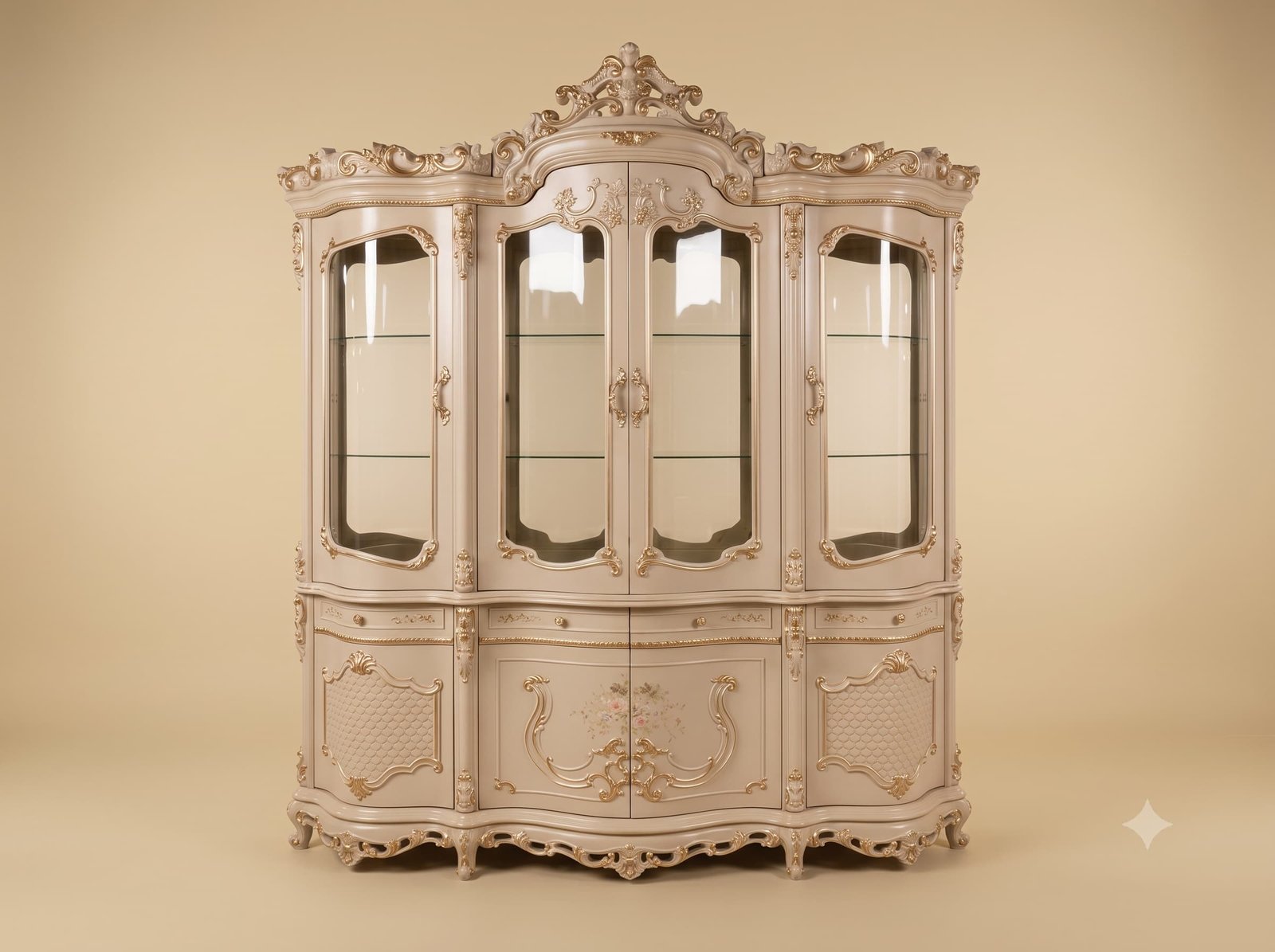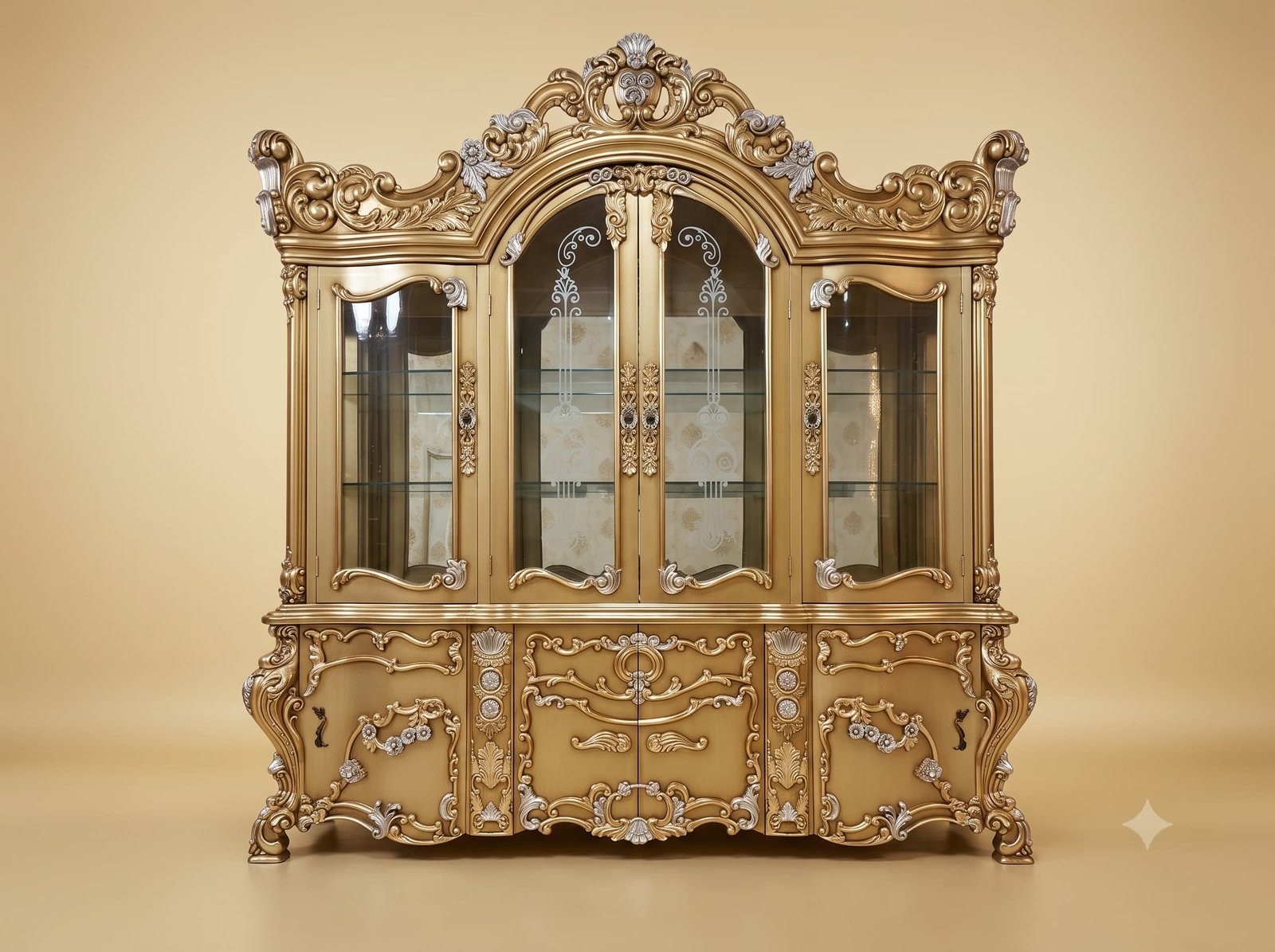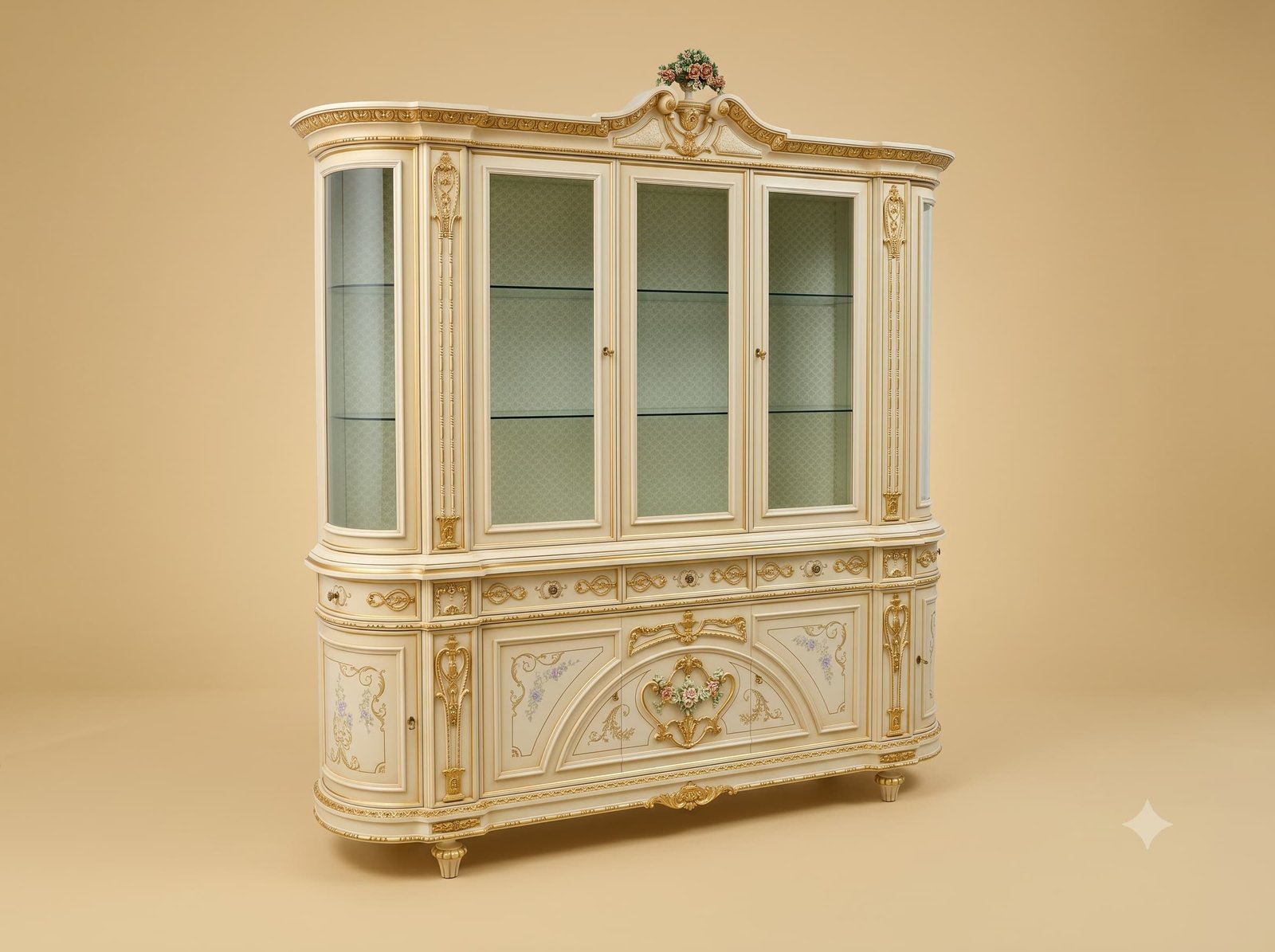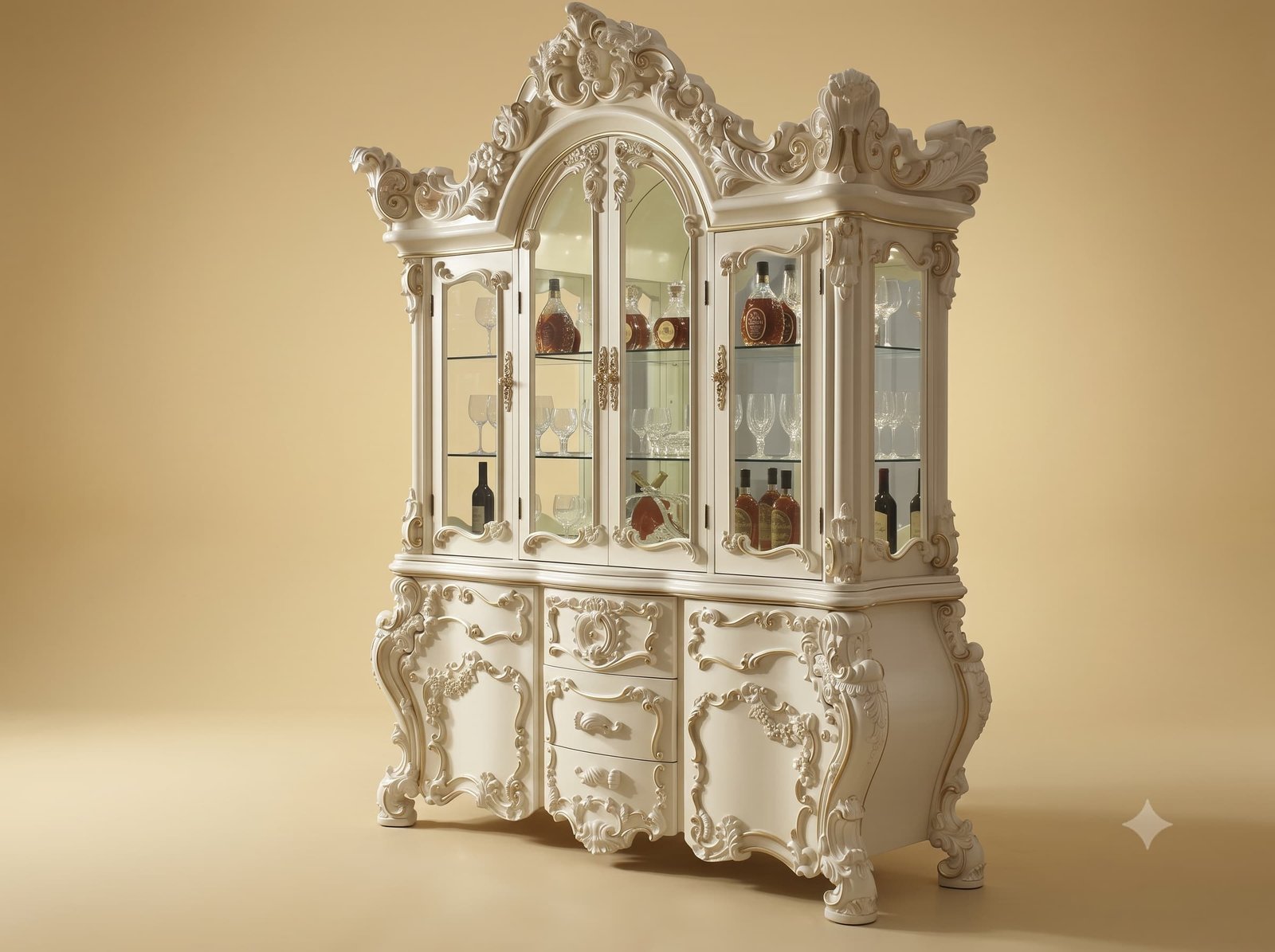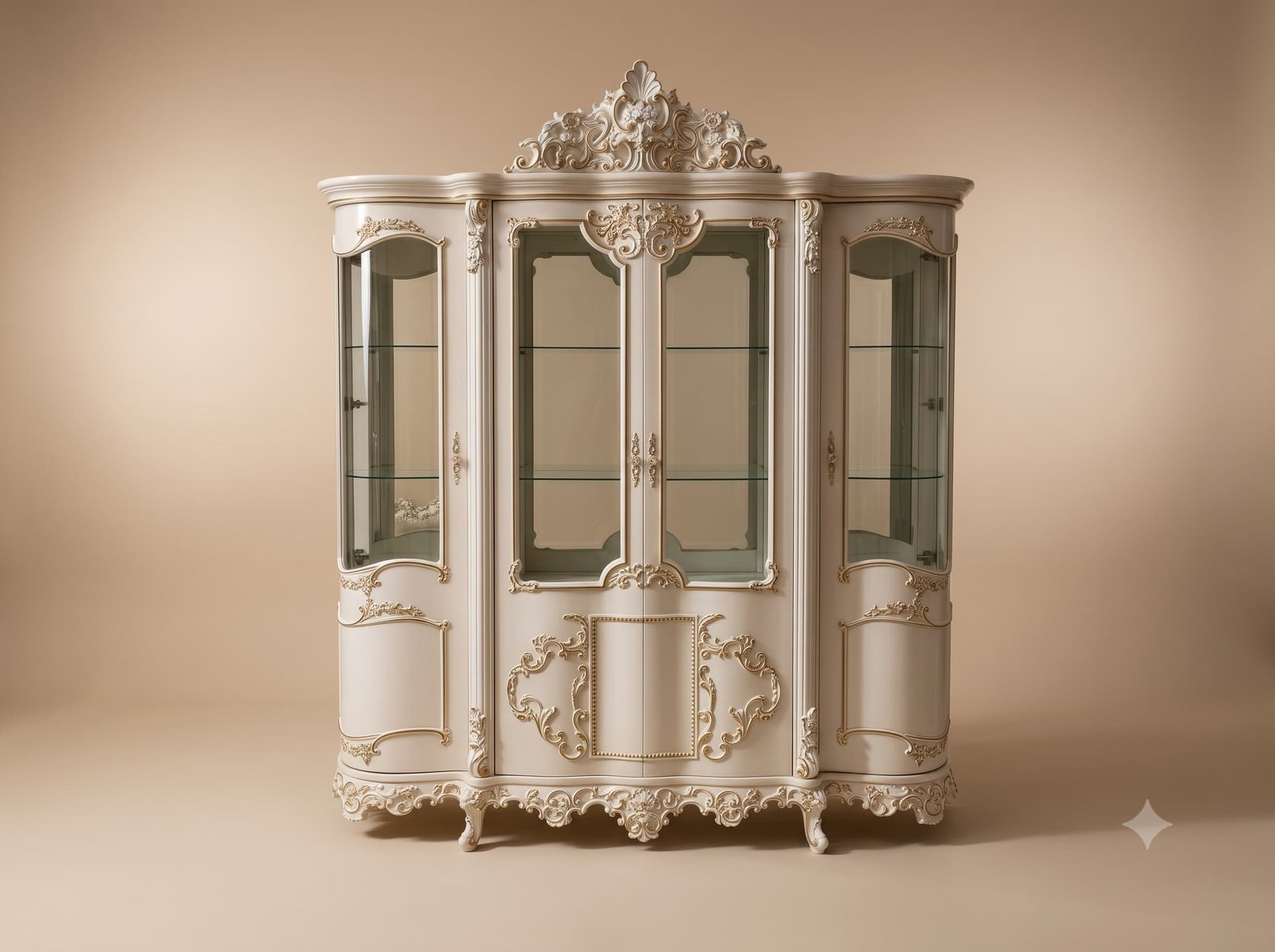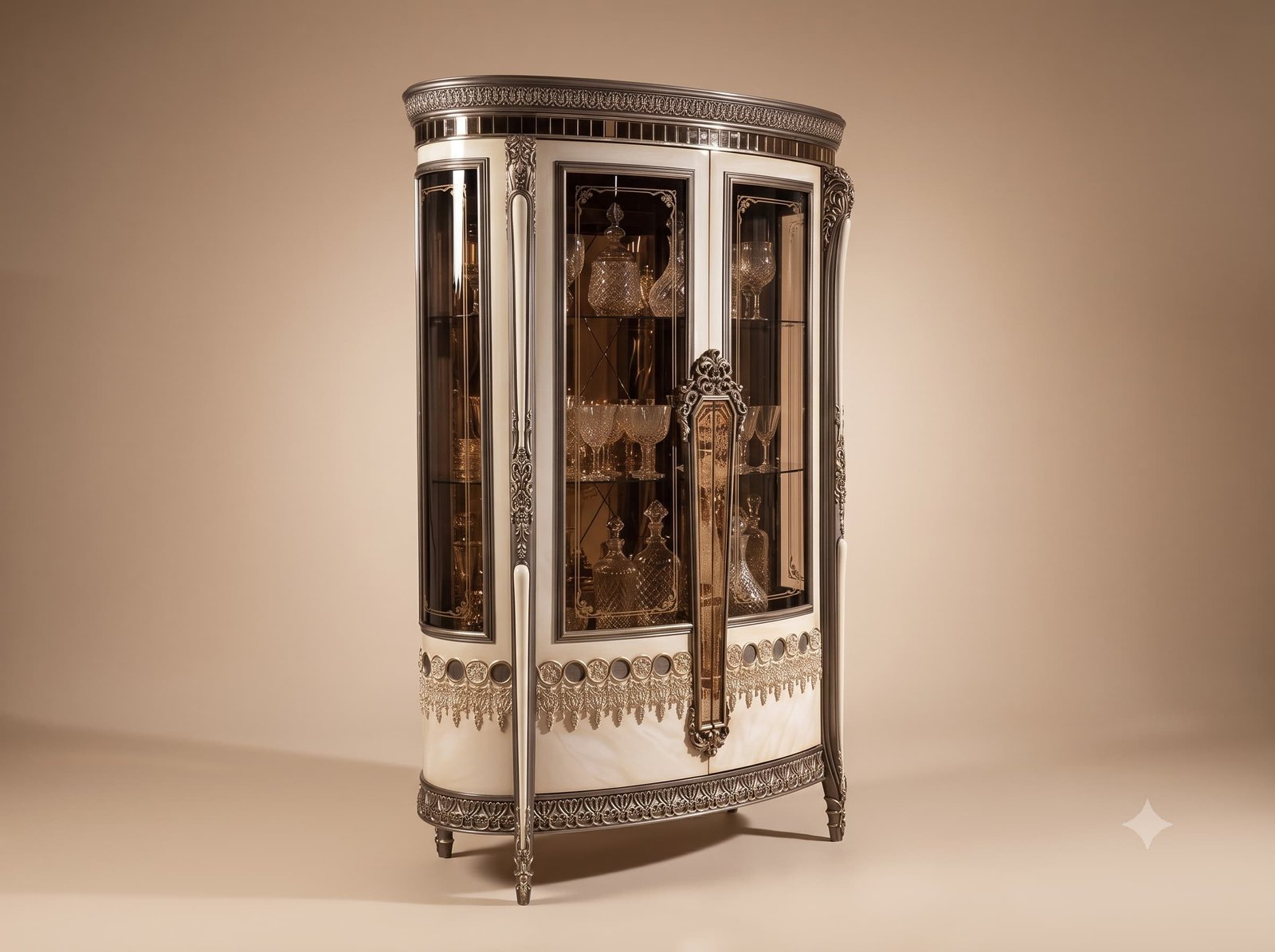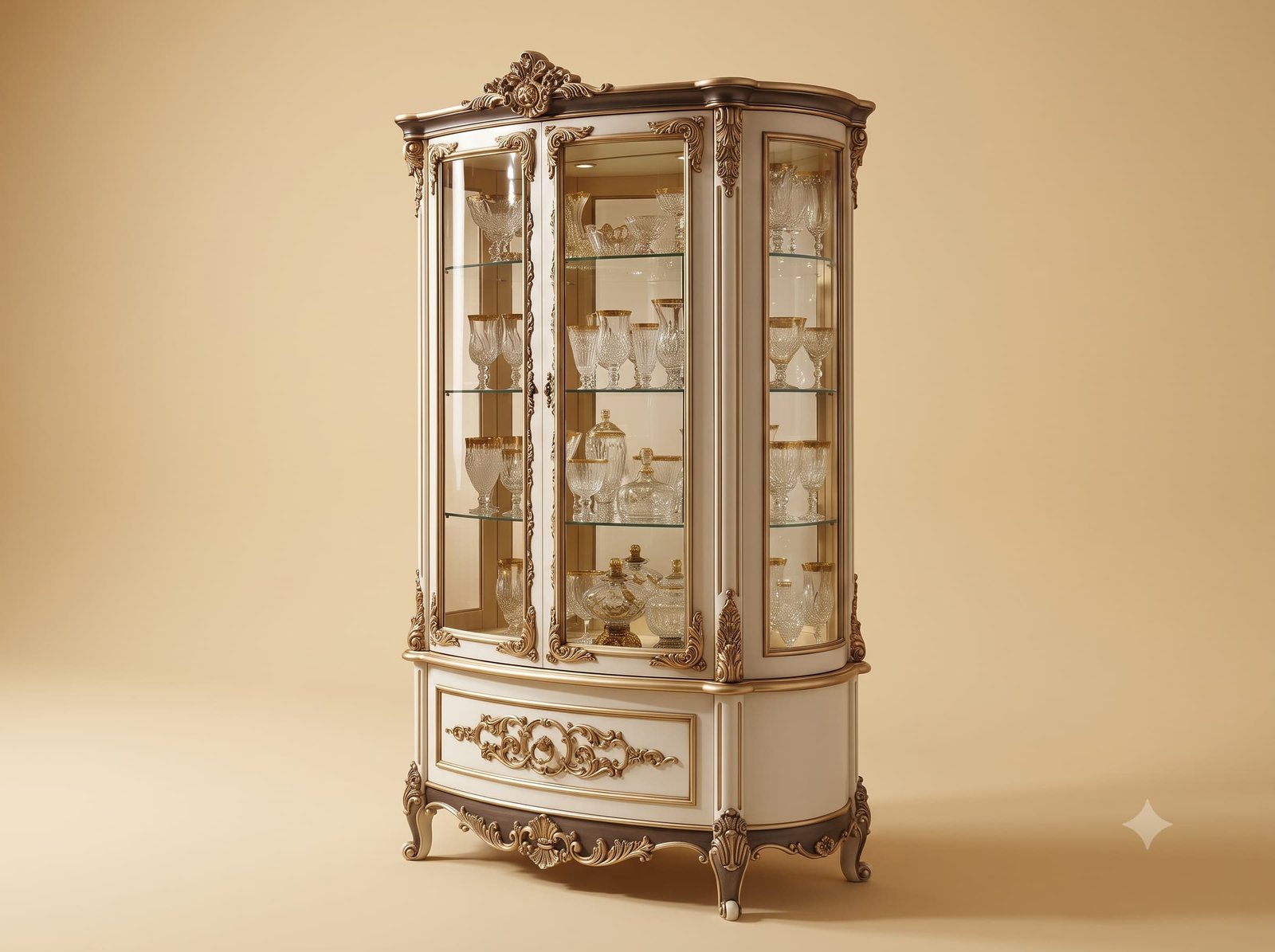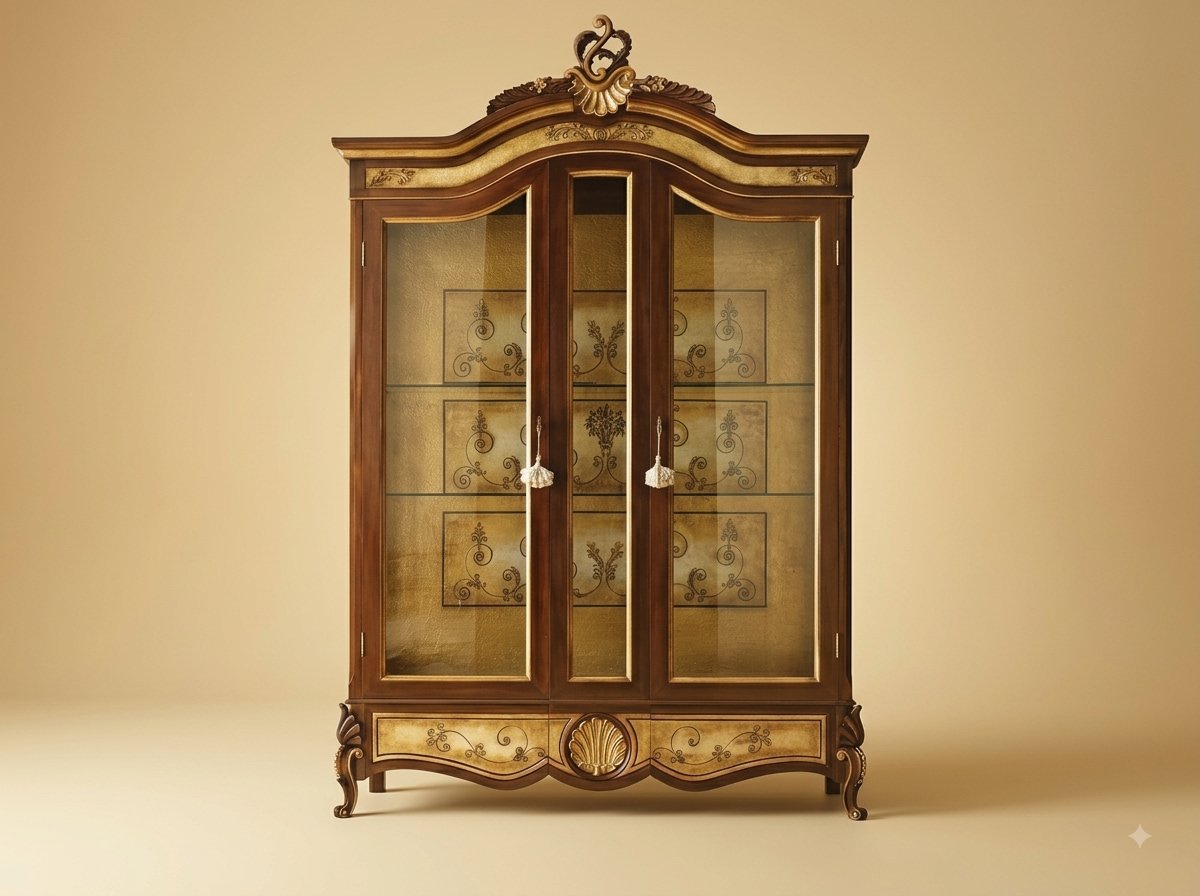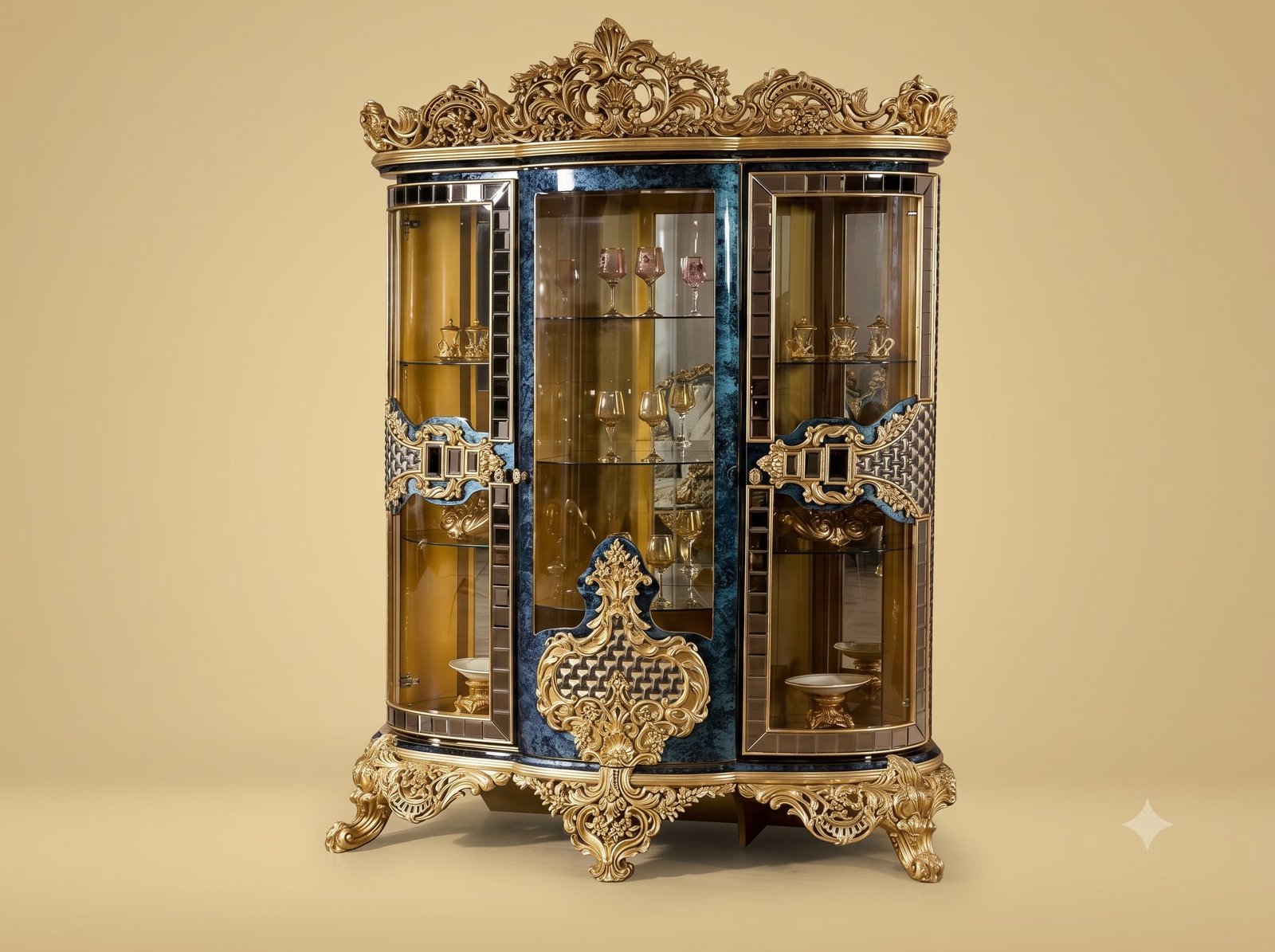
Hand marbling is not painting a pattern. It is painting a material, and the difference is a single rule.
Real marble is quarried from a block, and when a mason cuts several panels from one block the veining continues from panel to panel in the same direction, because it is the same seam running through the stone. That continuity is what the eye recognises as stone, long before it registers colour or polish.
Paint each panel independently - even beautifully - and you get several convincing pieces of marble that plainly did not come from the same place. The cabinet stops reading as a marble-panelled object and starts reading as a collection of painted samples.
So our master Indian artisans set the direction of the veining across the whole cabinet before any panel is begun, as if an imaginary block had been cut into these particular pieces. Every vein on every panel runs on that one axis. Where a panel sits beside another, the veins step across the gap at roughly the height they would if the two had been sawn from adjacent slices.
The colour is laid wet, the veins drawn in last with a feather while the ground is still open, and none of it can be corrected afterwards.
 Ask Price On WhatsApp