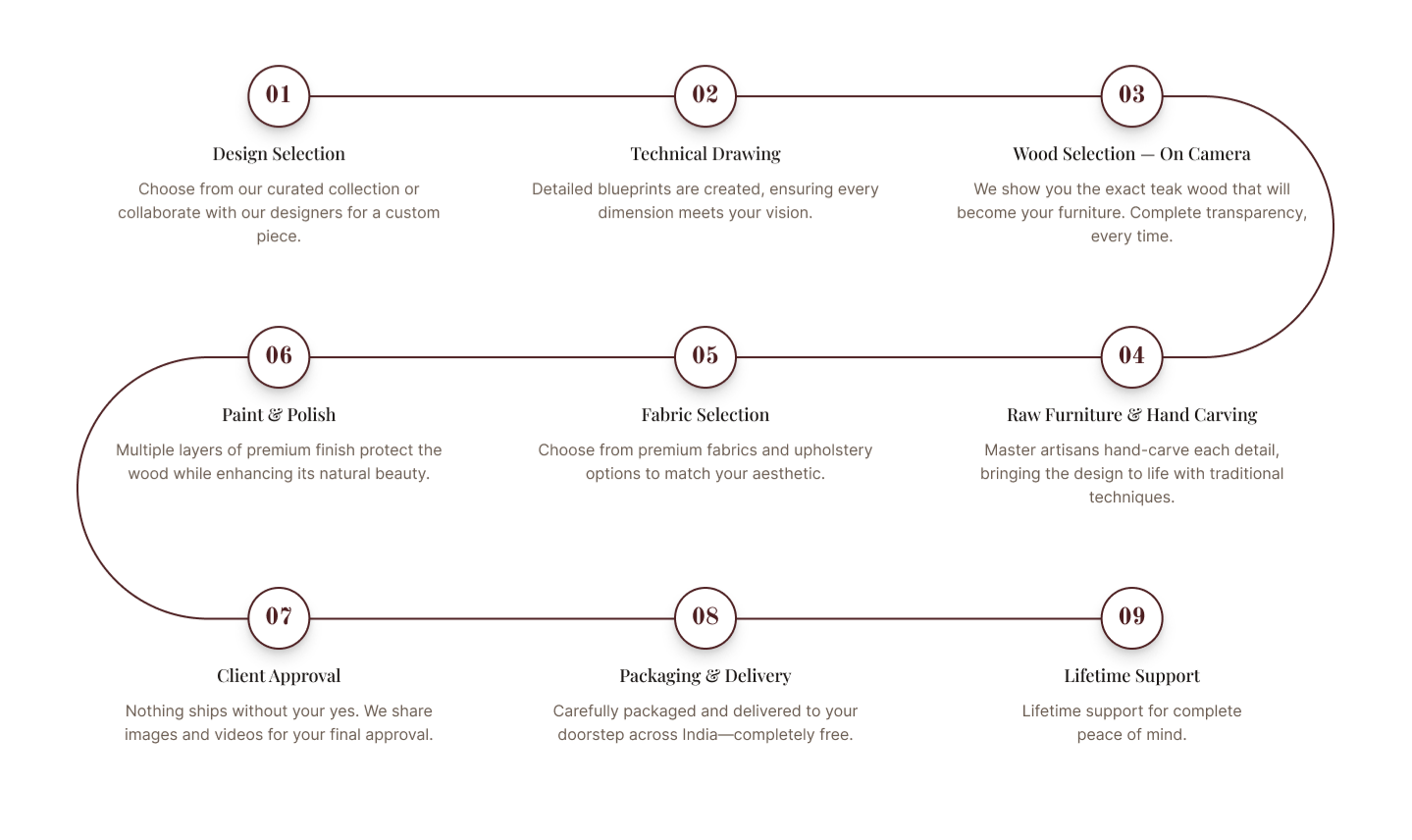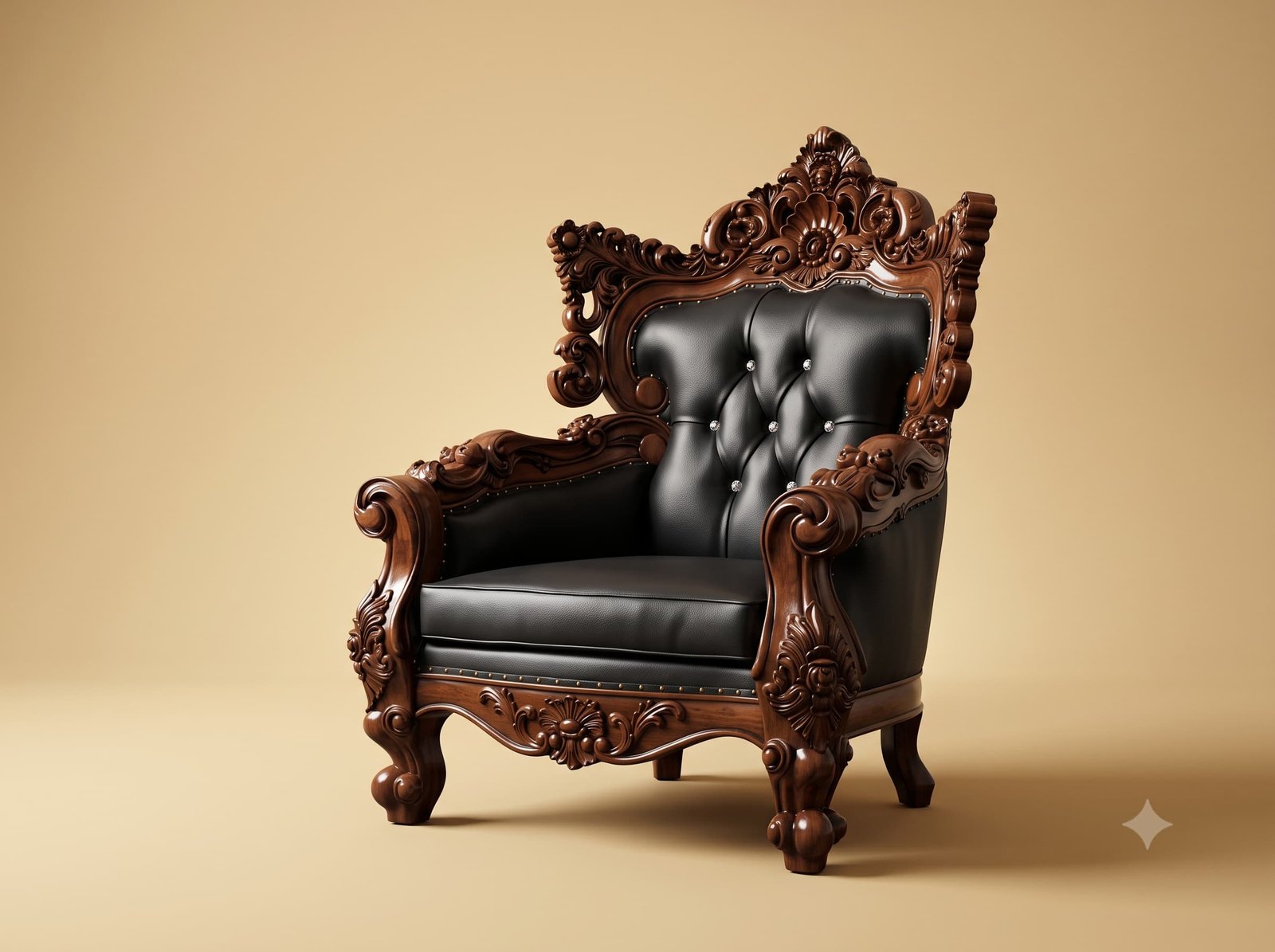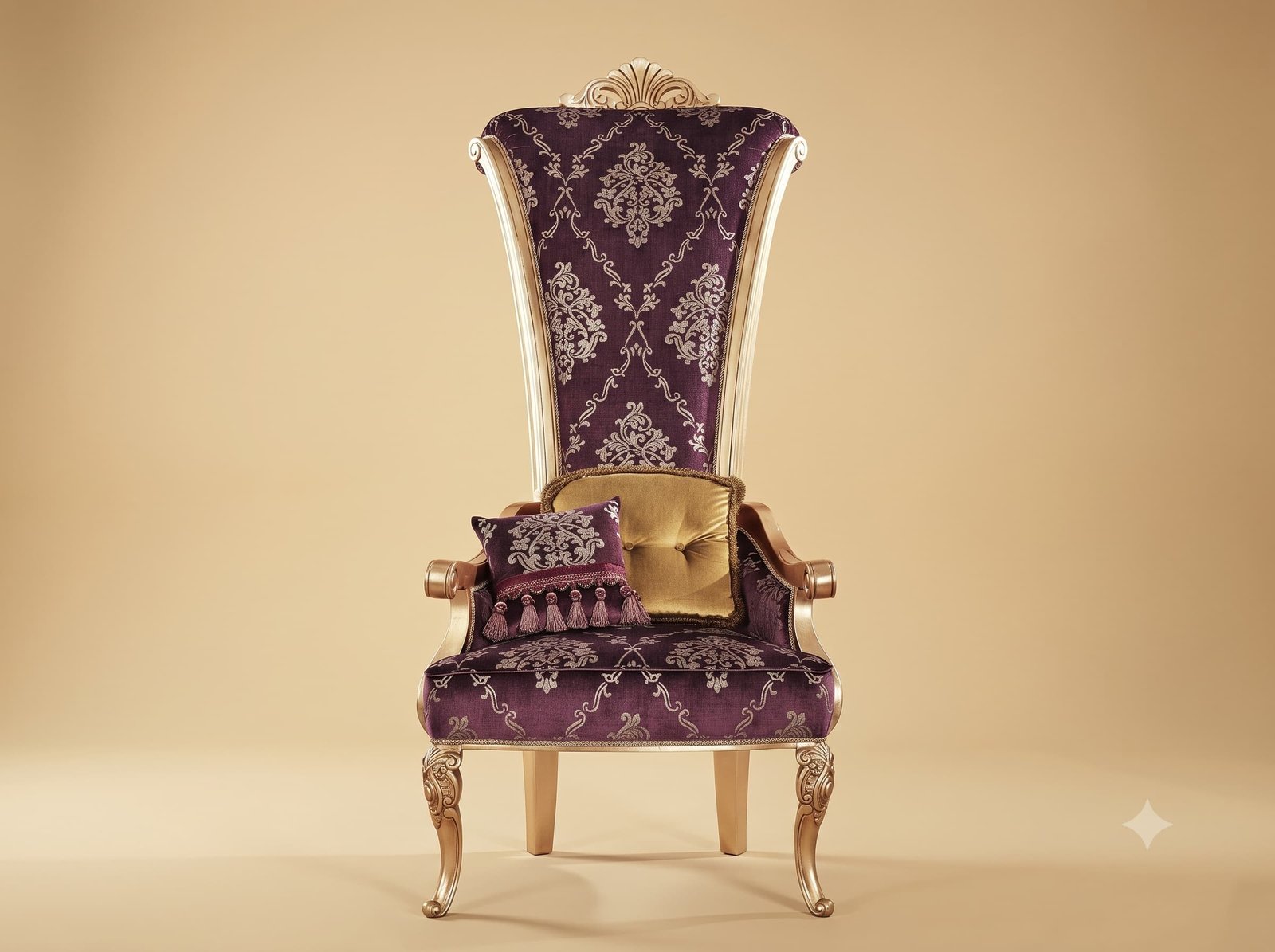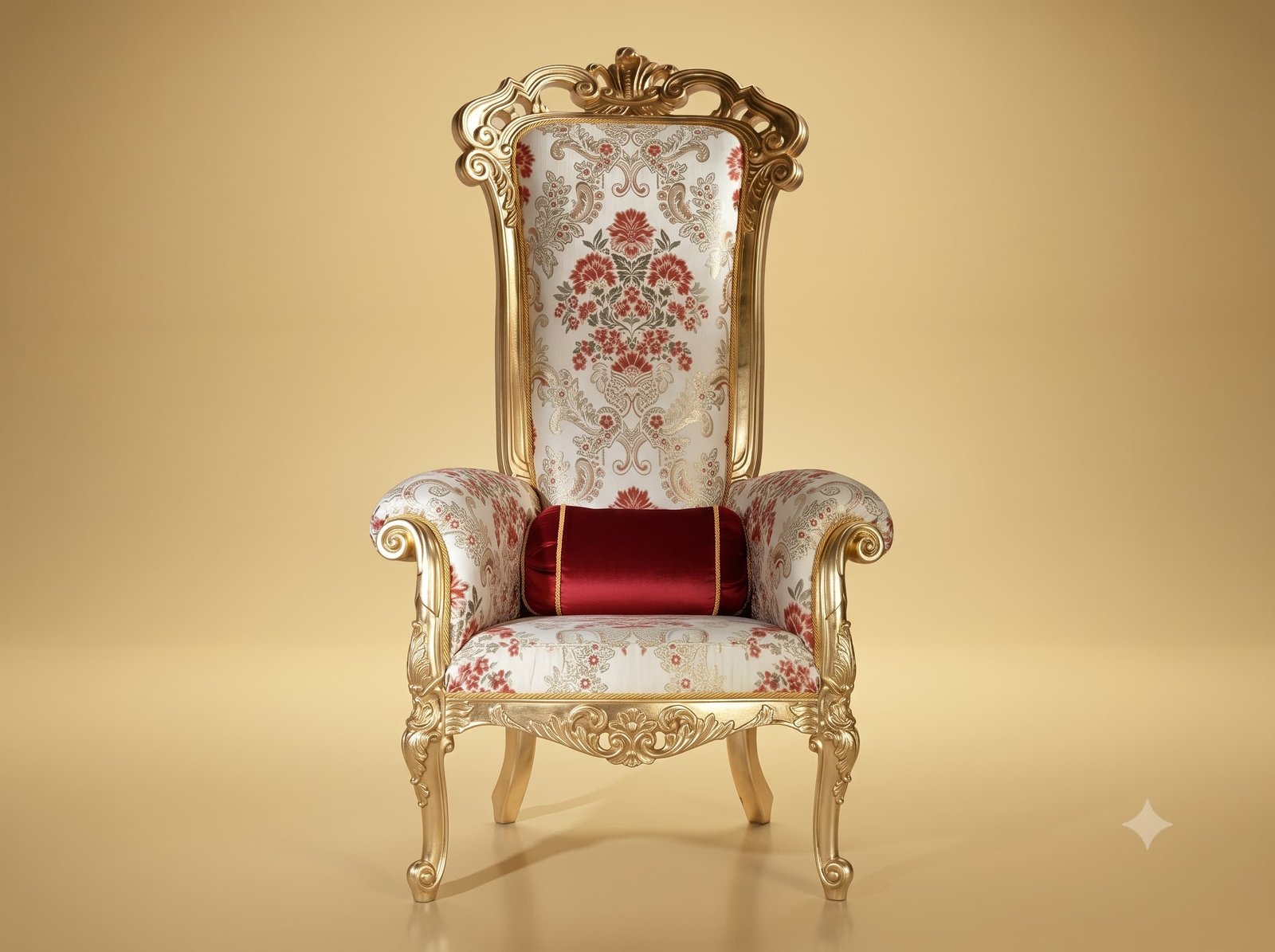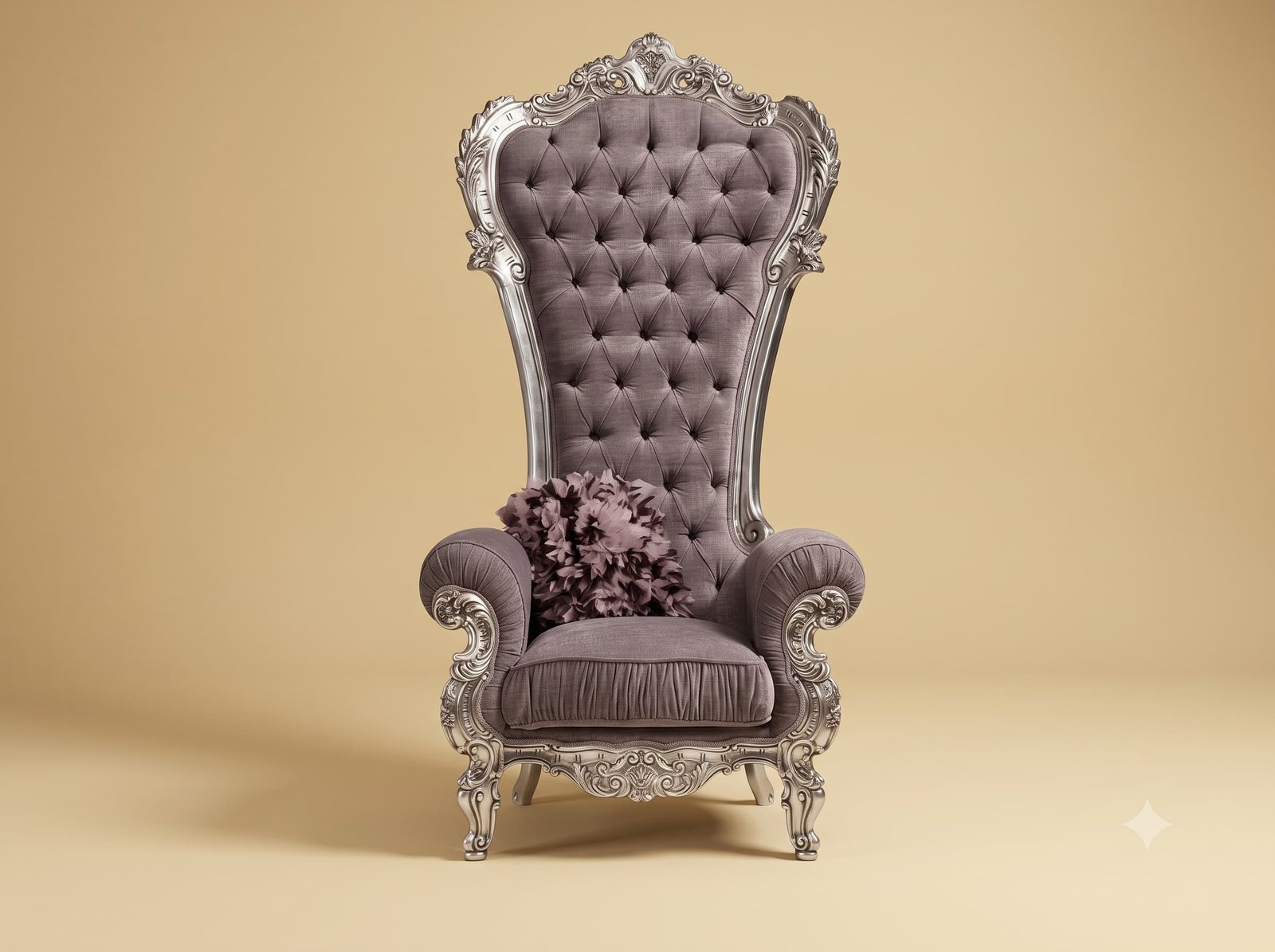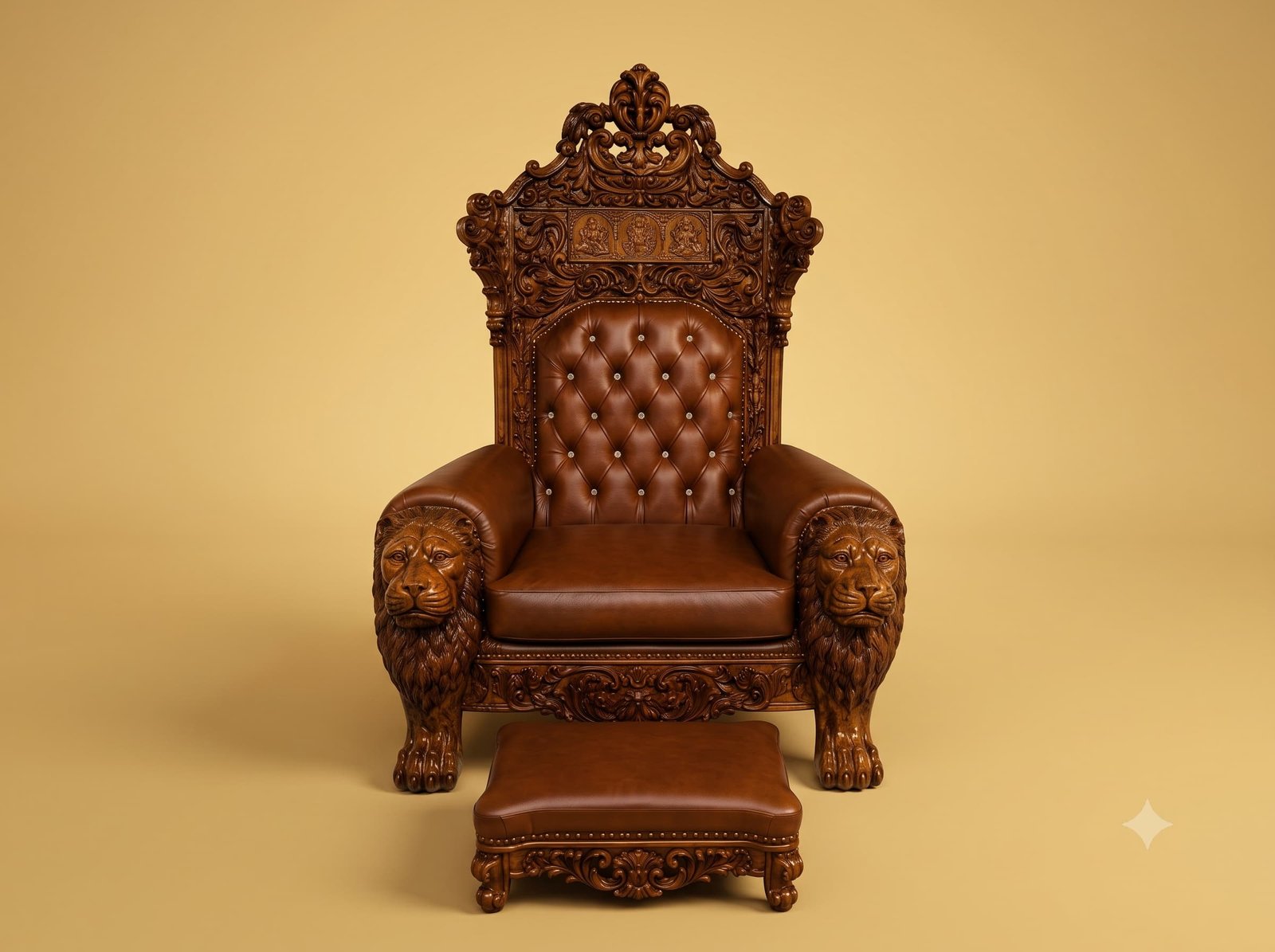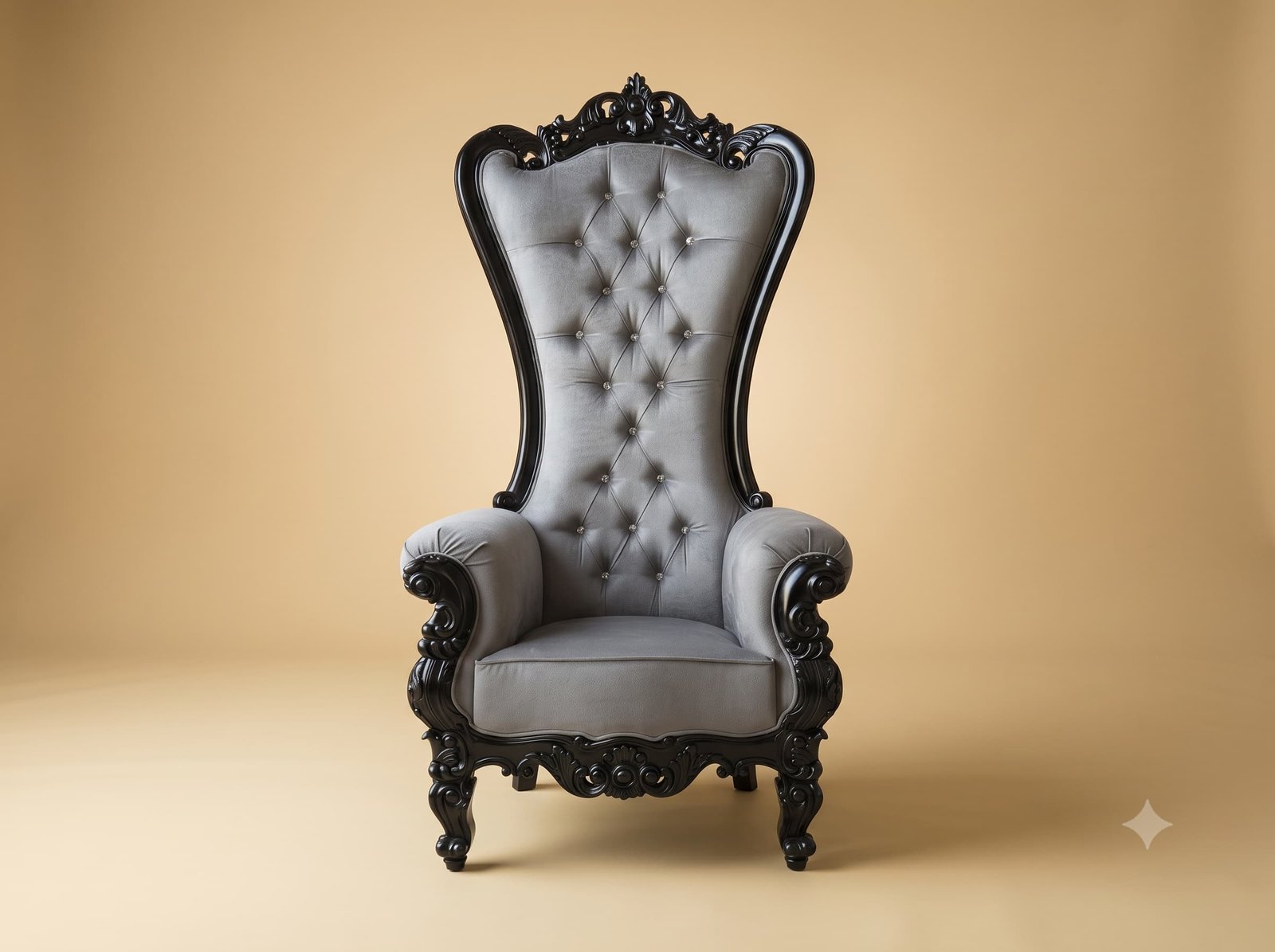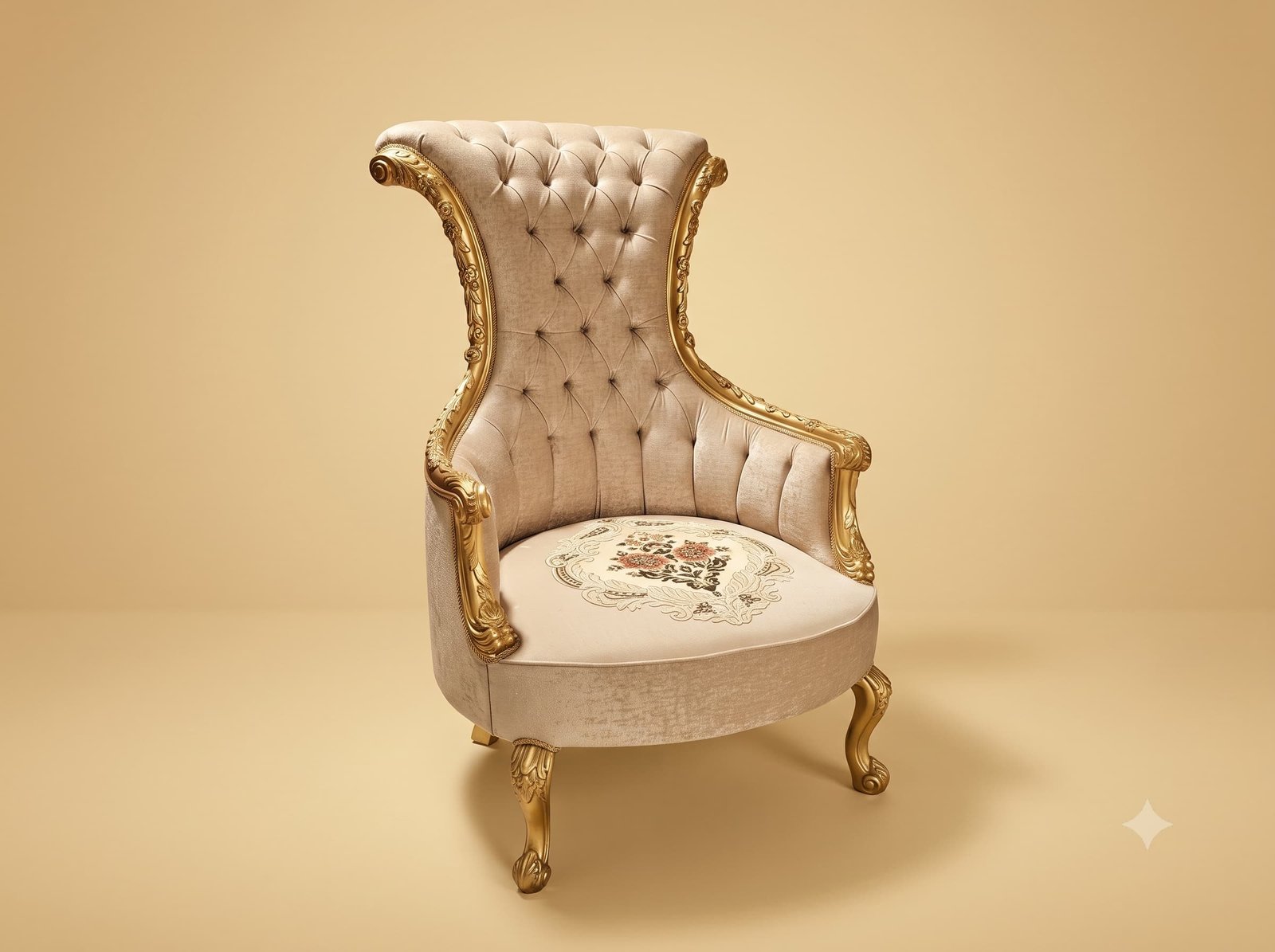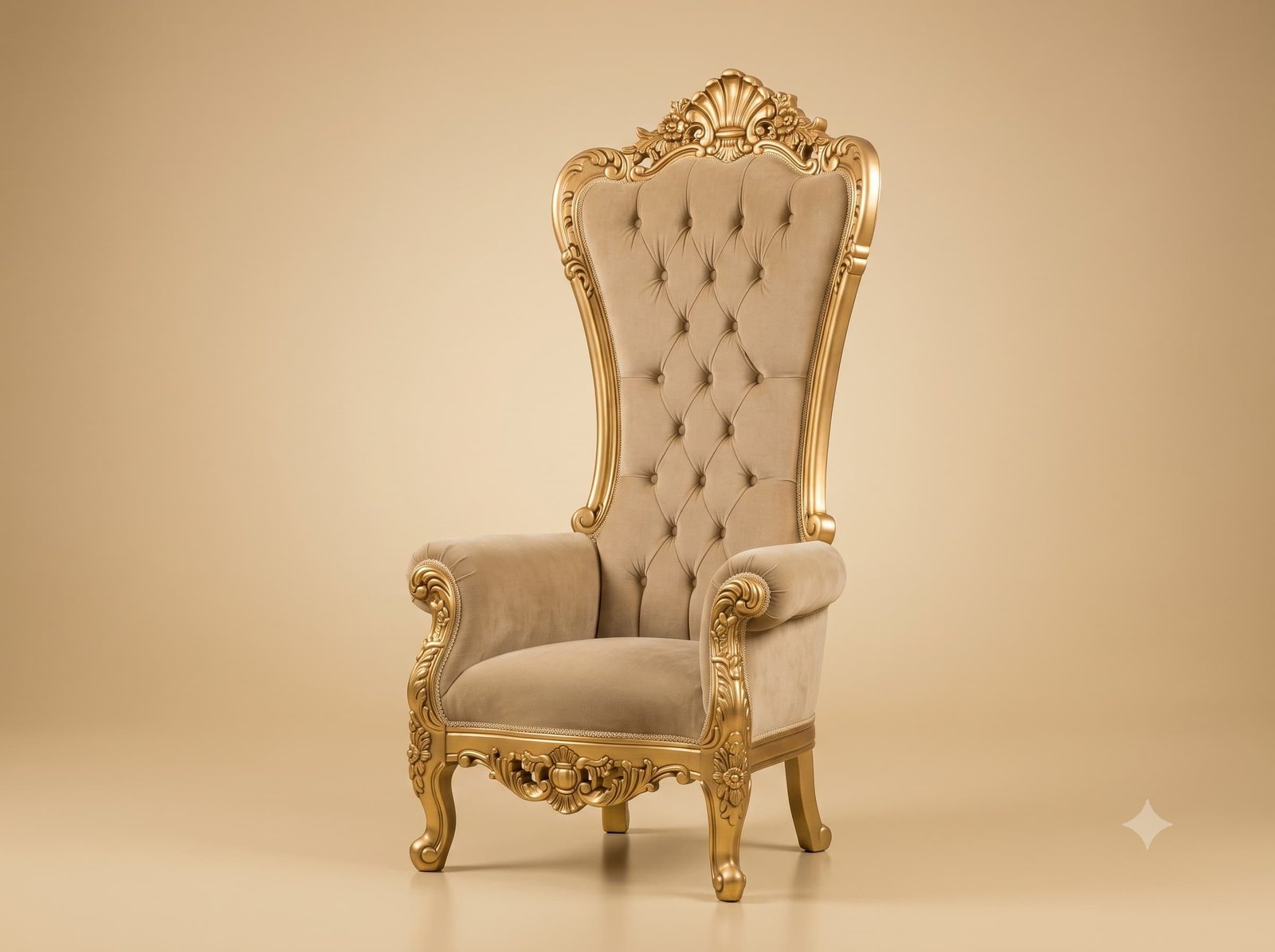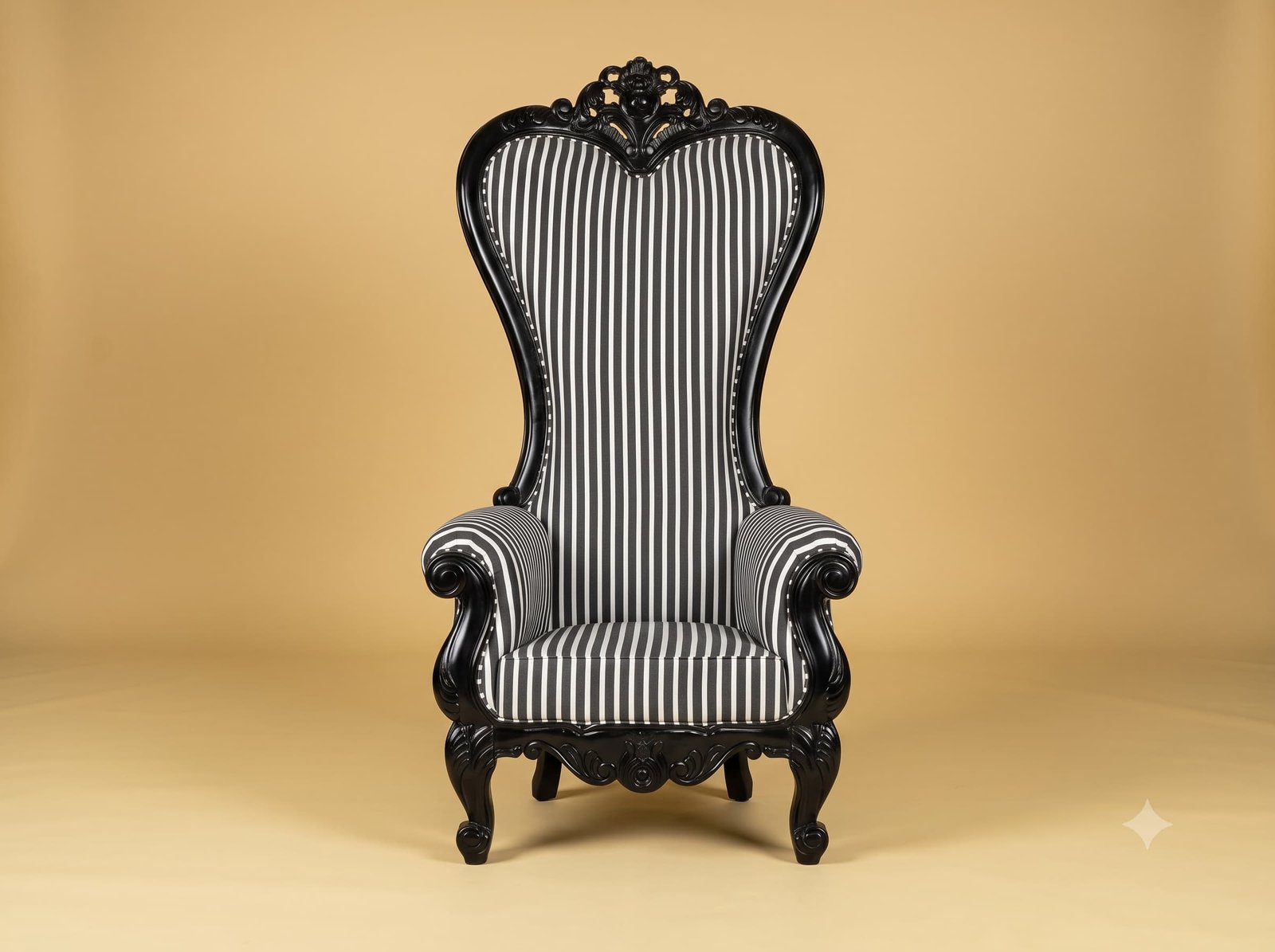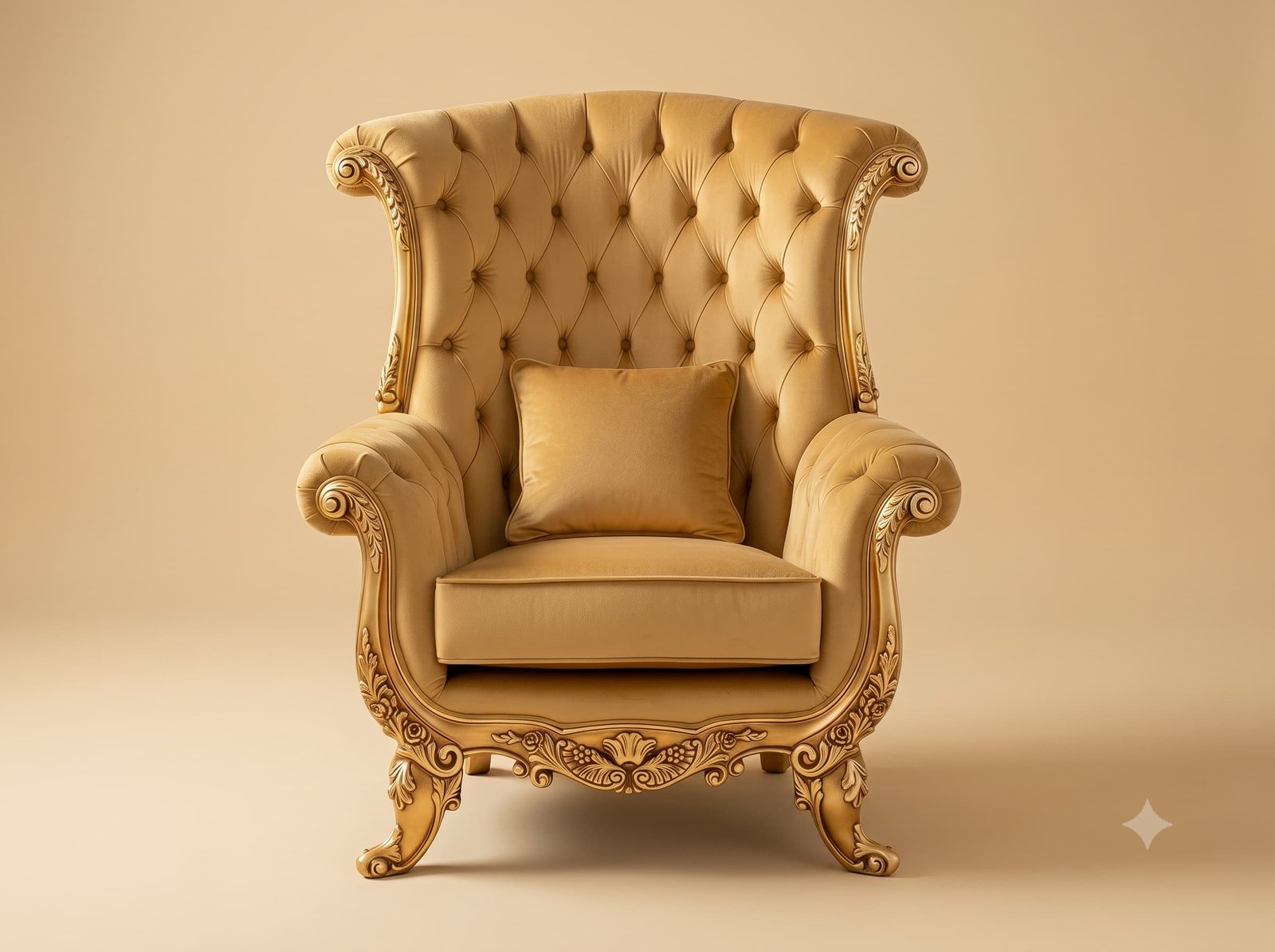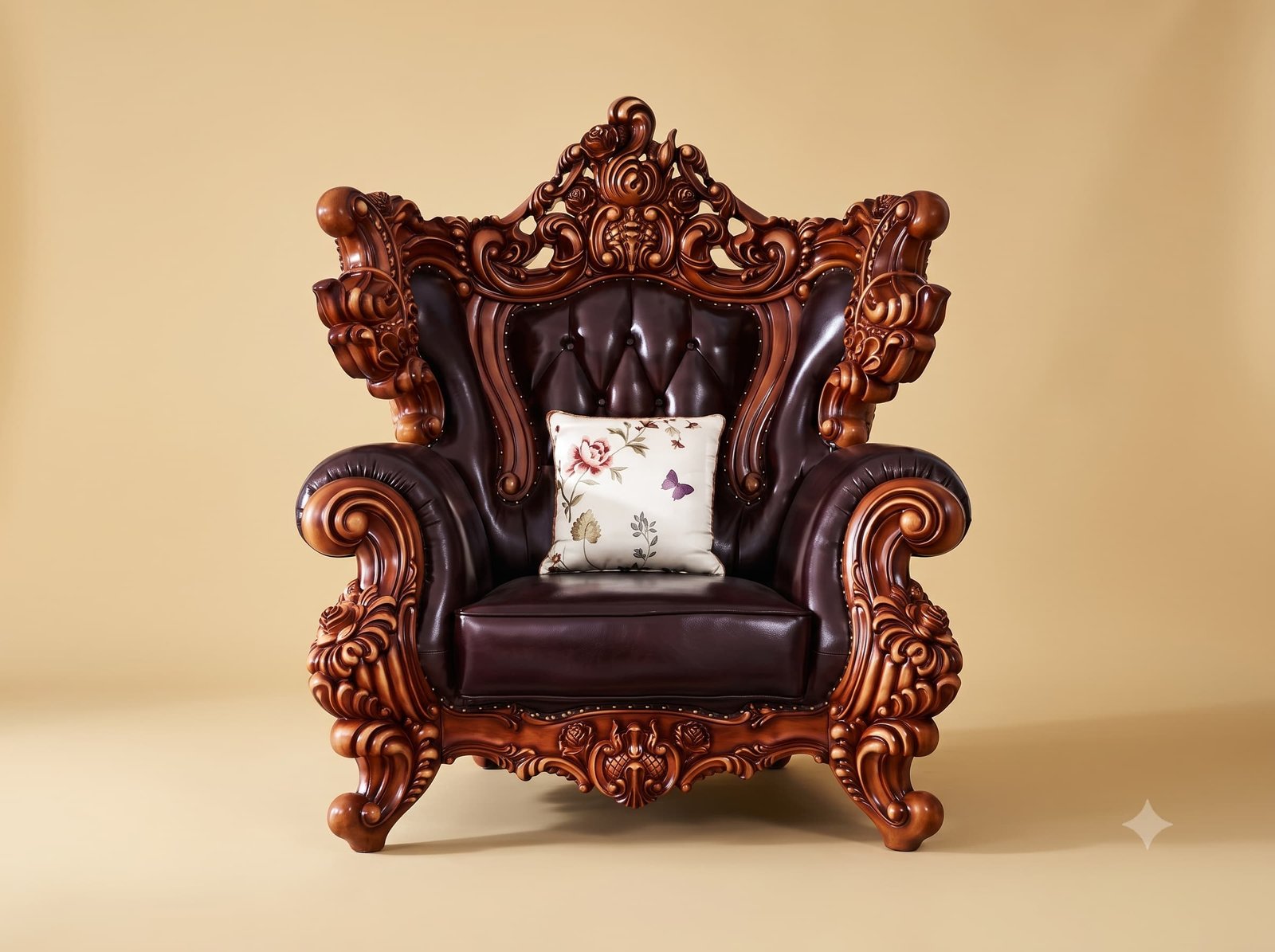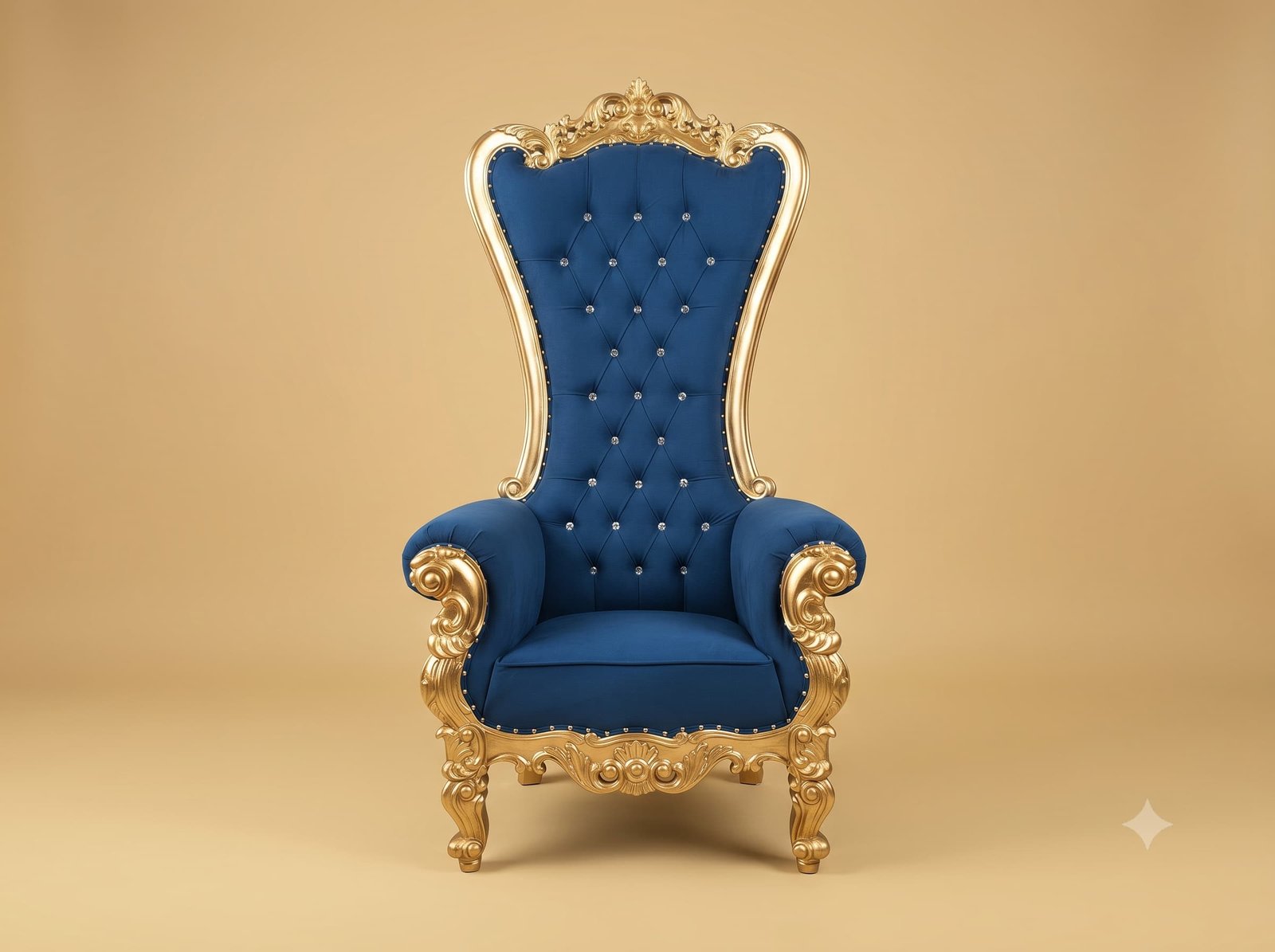
A frame that curves twice on each side has to be cut from a blank considerably wider than the finished member, and how that blank is marked out decides whether the chair survives being sat in.
The temptation is to nest the curved pieces closely on the board to save timber - fitting one curve into the hollow of the next, like pieces of a puzzle. It is efficient and it is wrong, because it forces some members to be cut with the grain running across their curve at the tightest point.
So our artisans mark out each curved member separately, orienting it so the grain follows the curve through the waist - the narrowest point and the place where the frame will break if it is going to. The offcuts are larger and more timber is used.
It is a straightforward trade: more material for a chair that does not fail at its waist. On a piece that will be sat in daily for decades, that is not a difficult decision, and it is one of the places where a lower price on a similar-looking chair usually comes from.
 Ask Price On WhatsApp