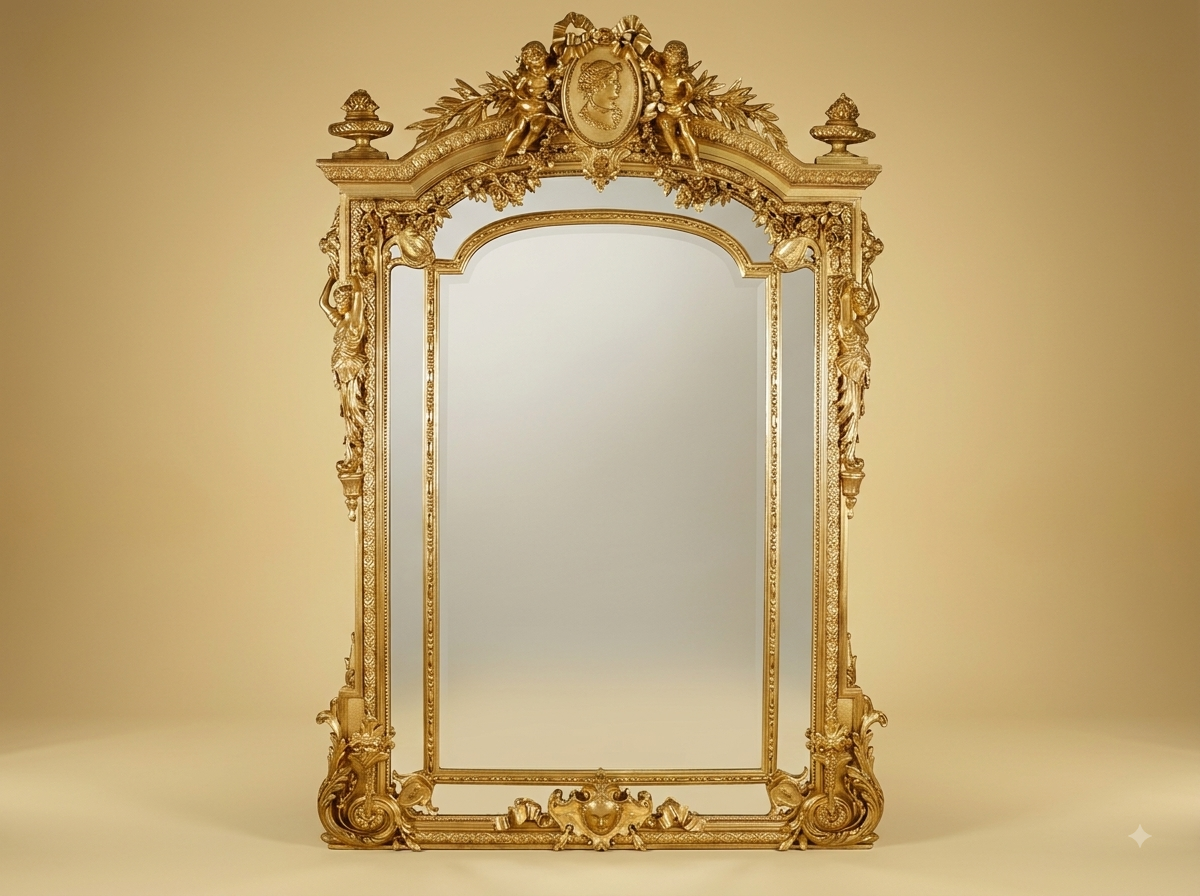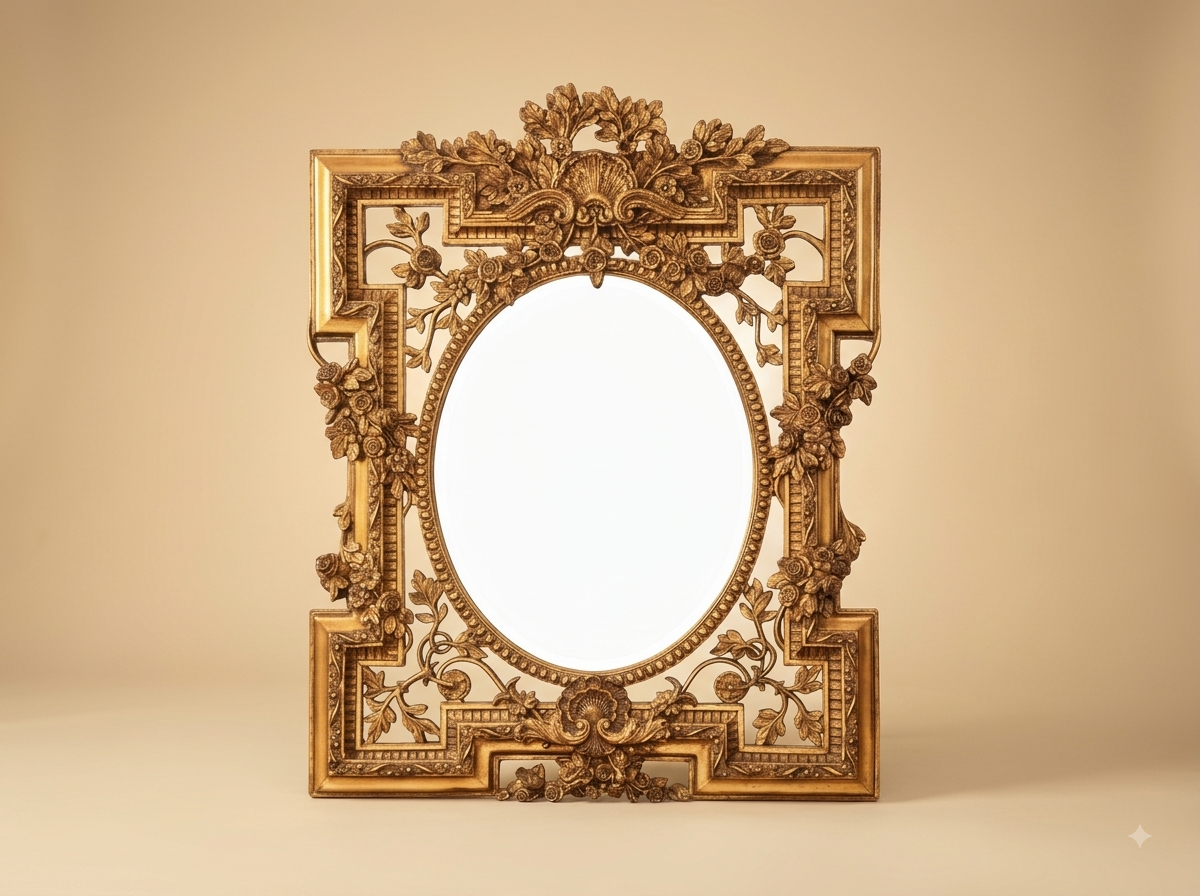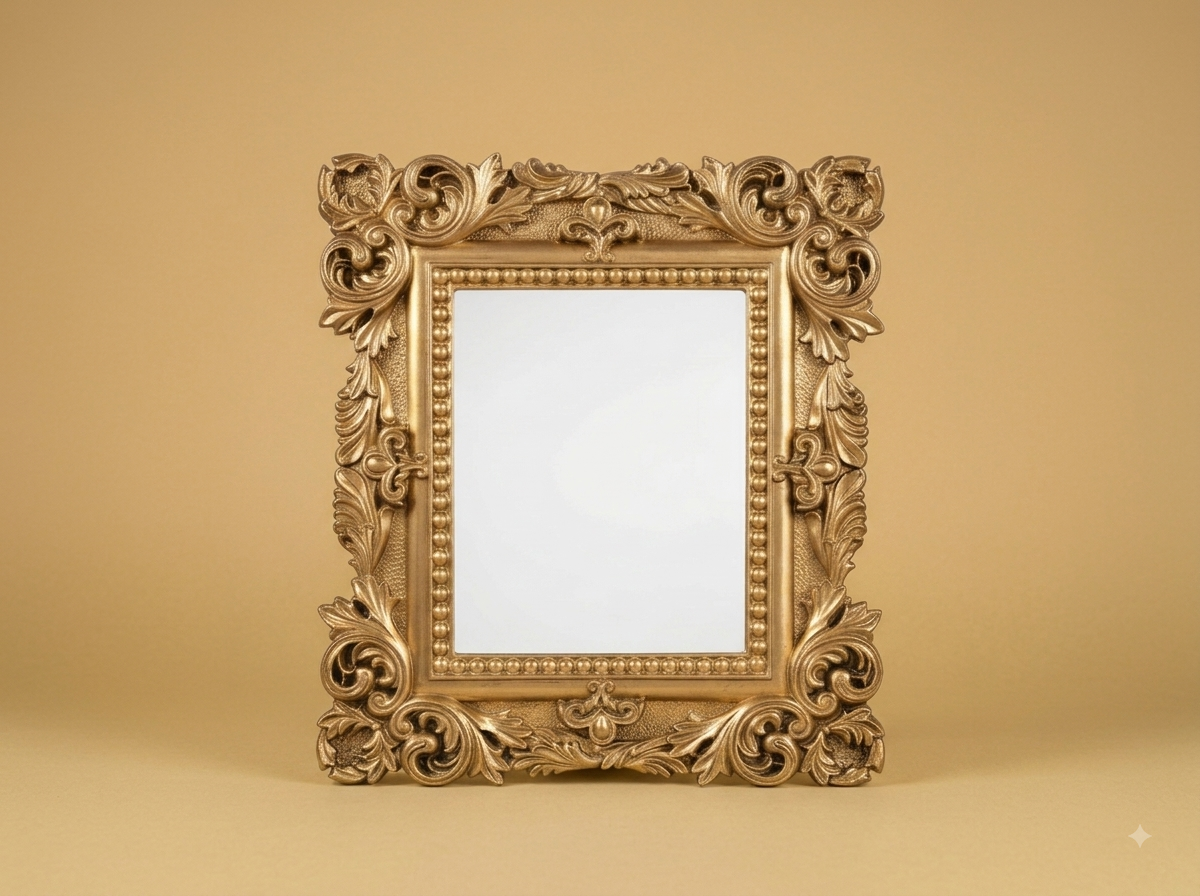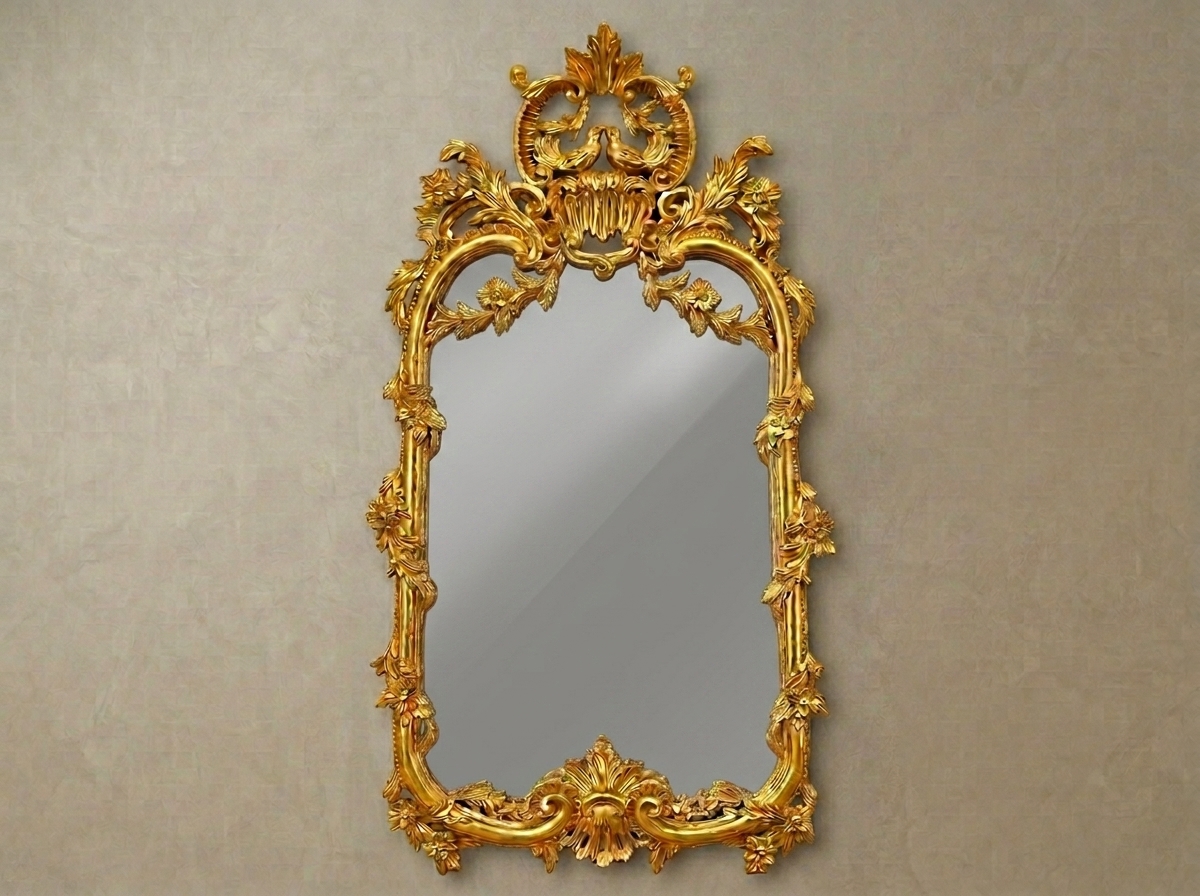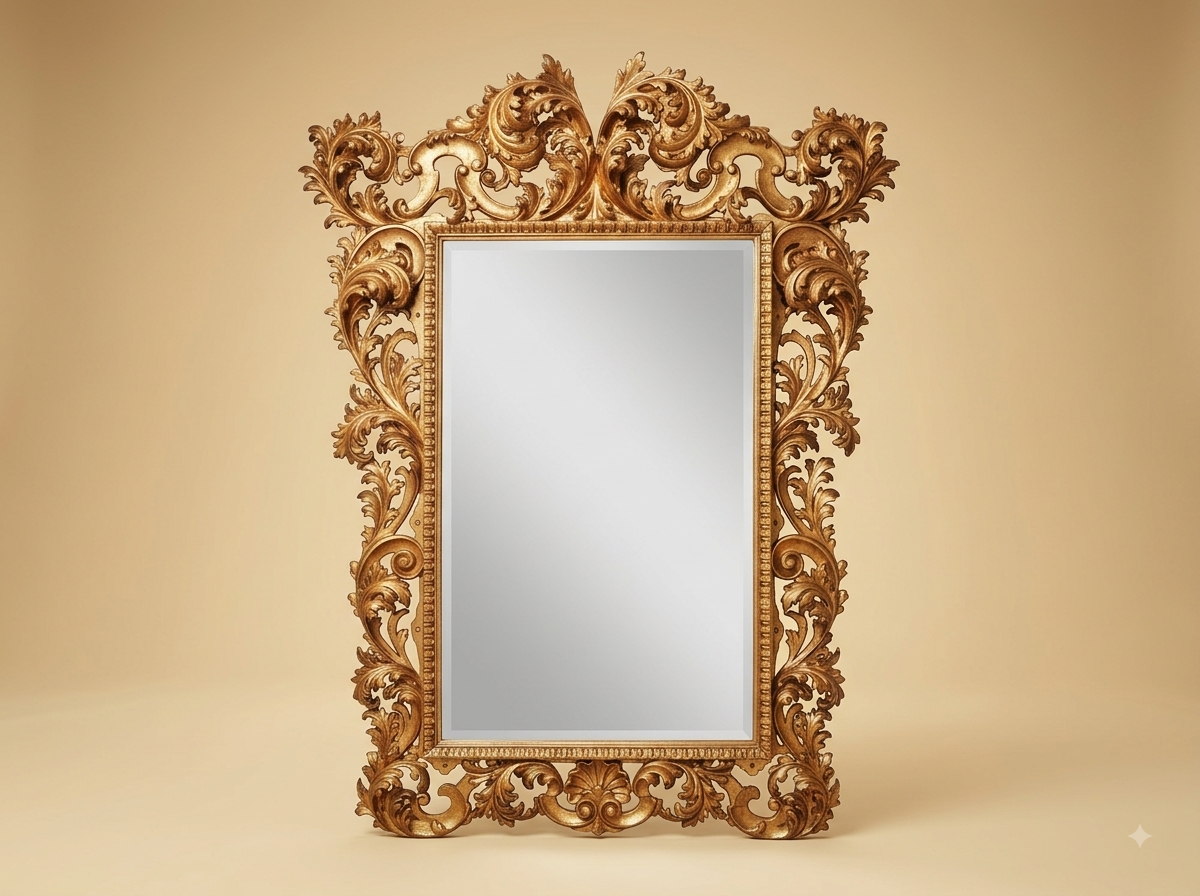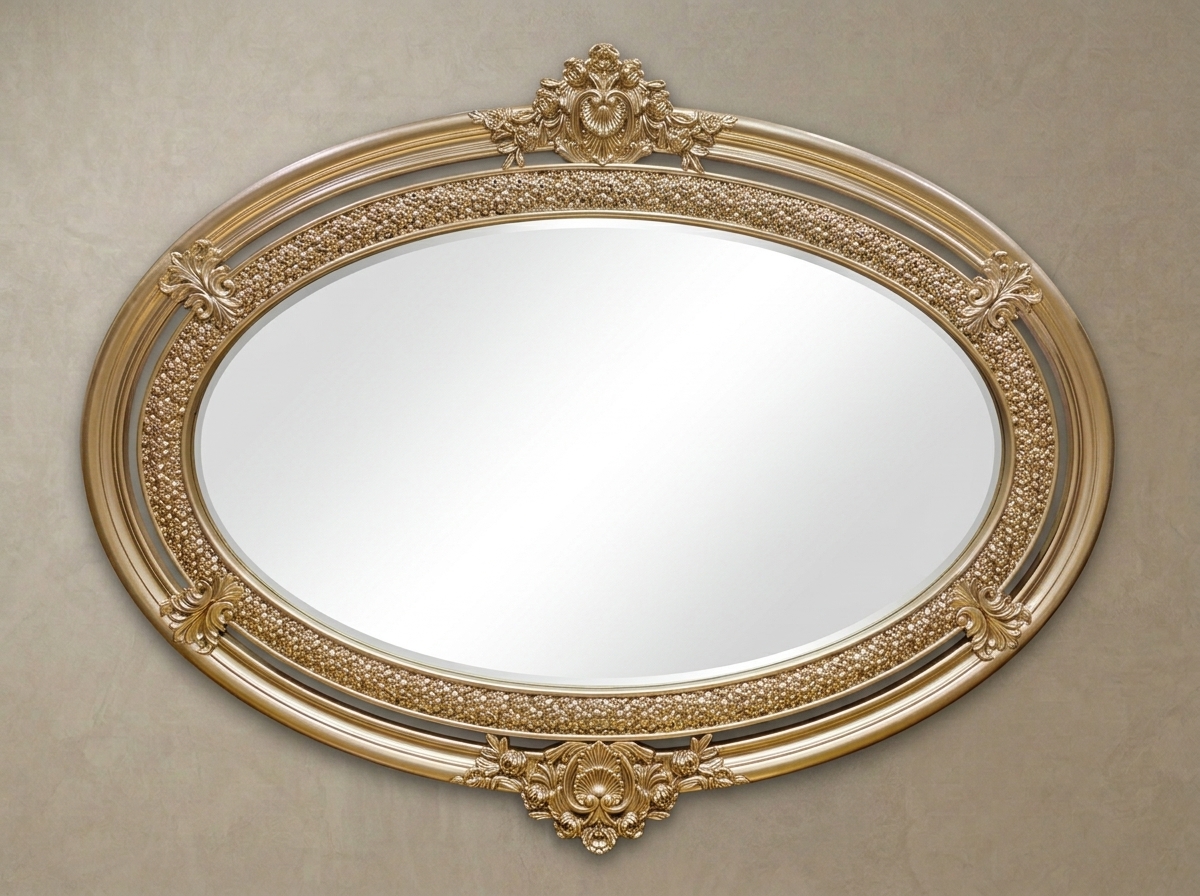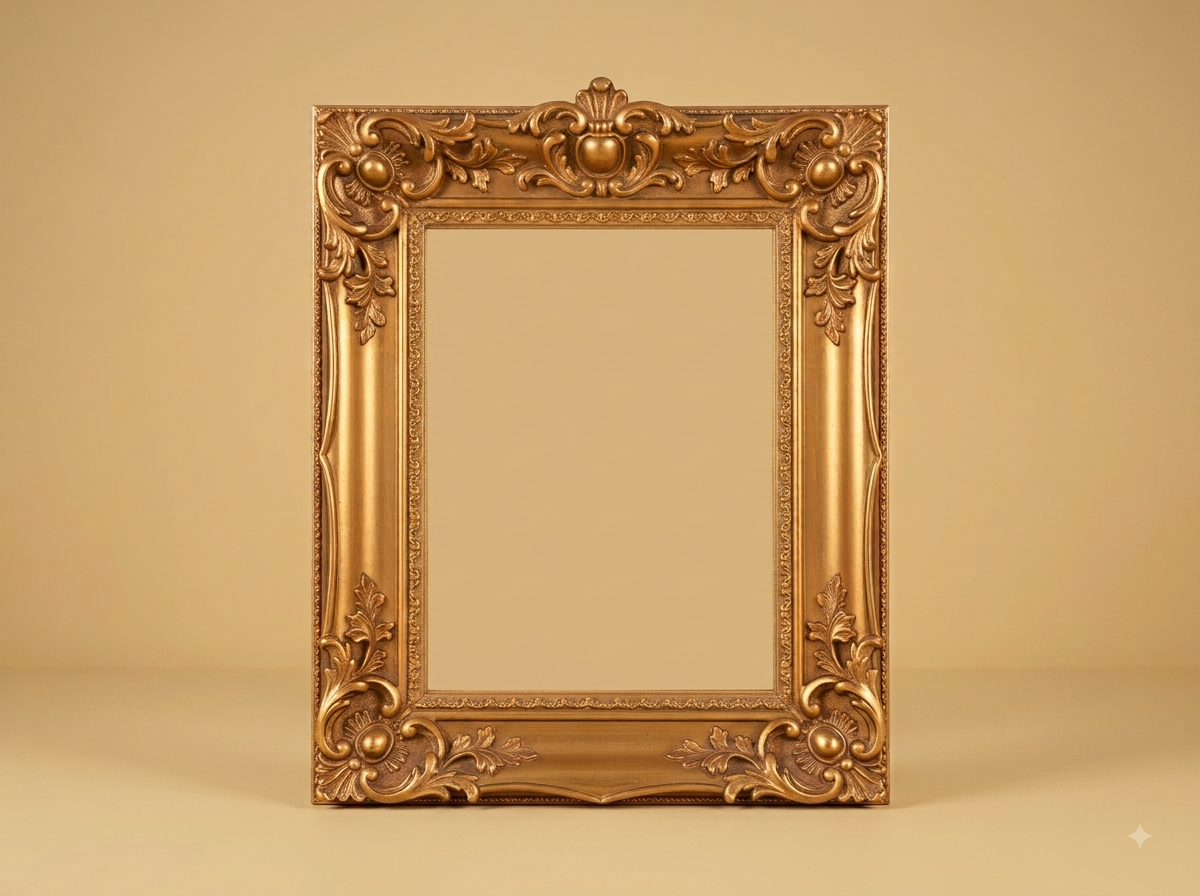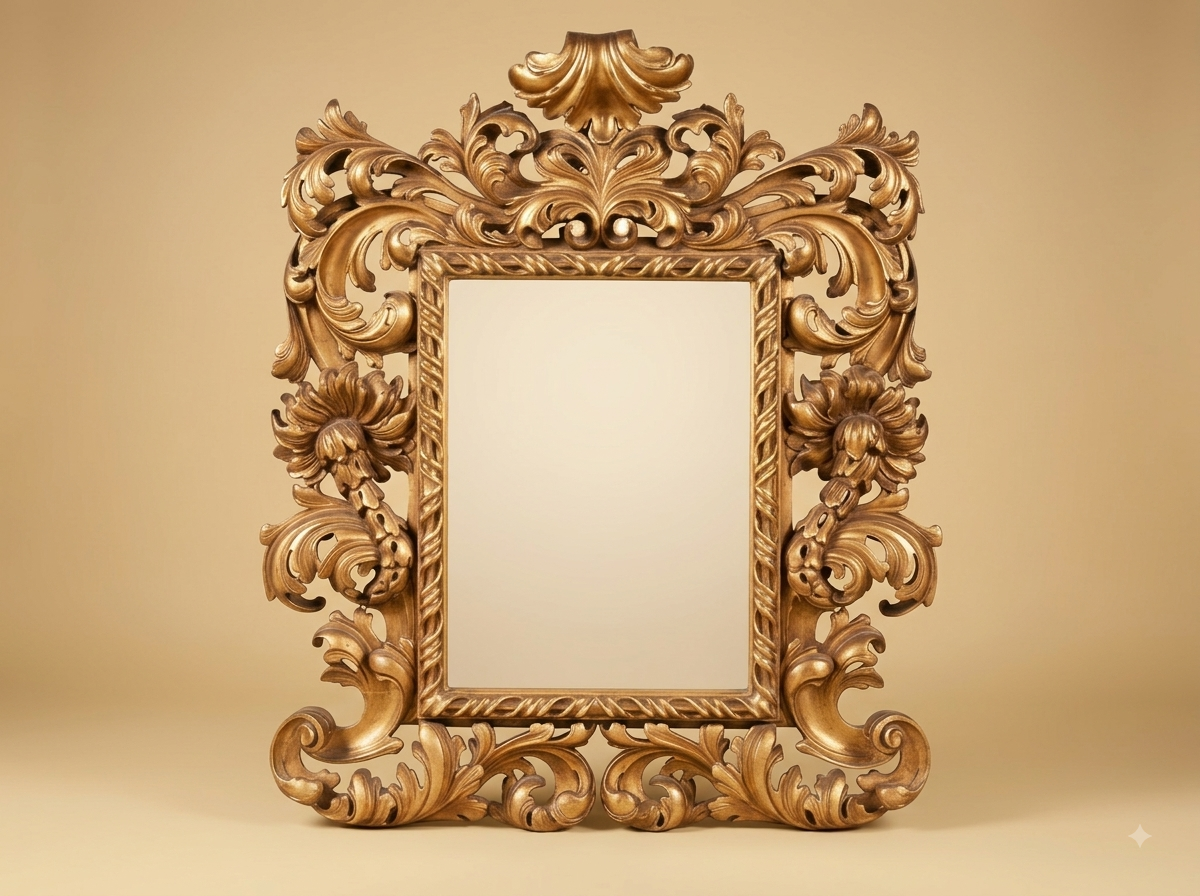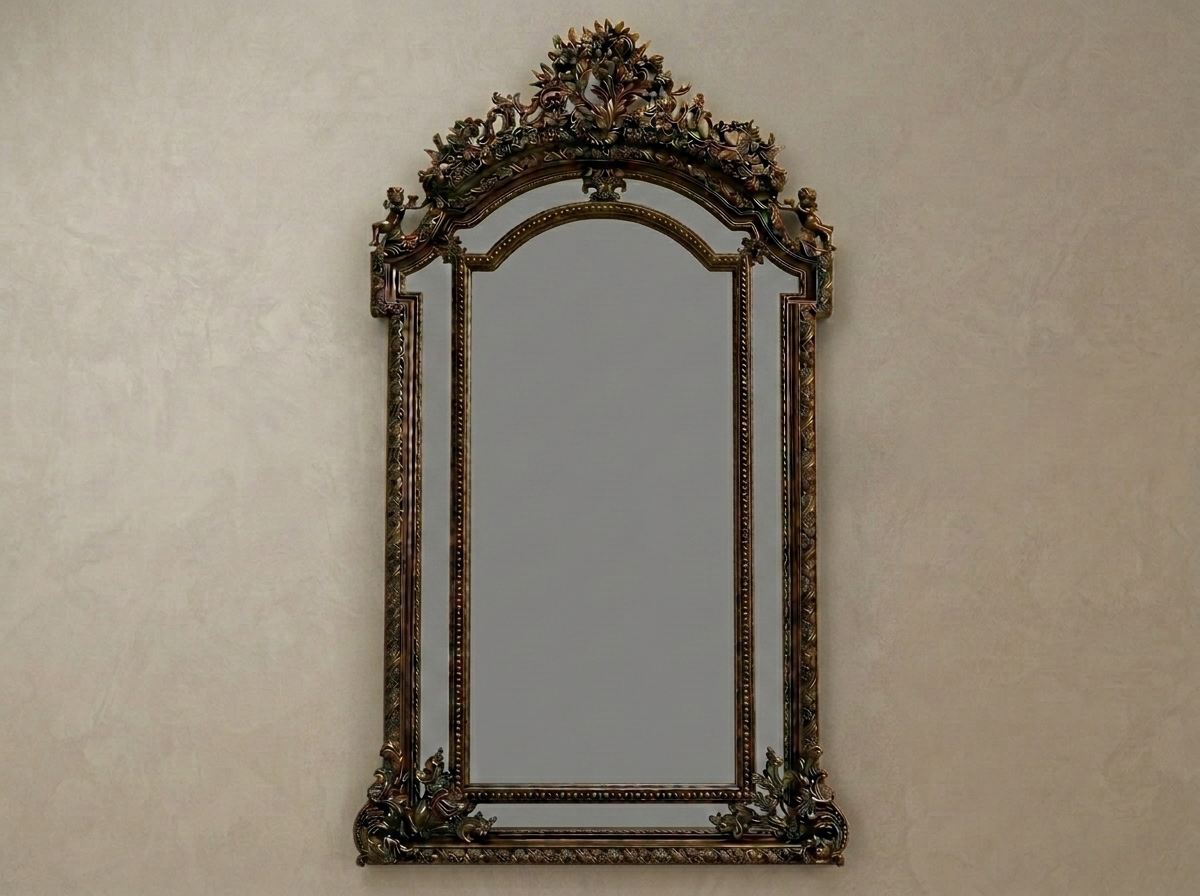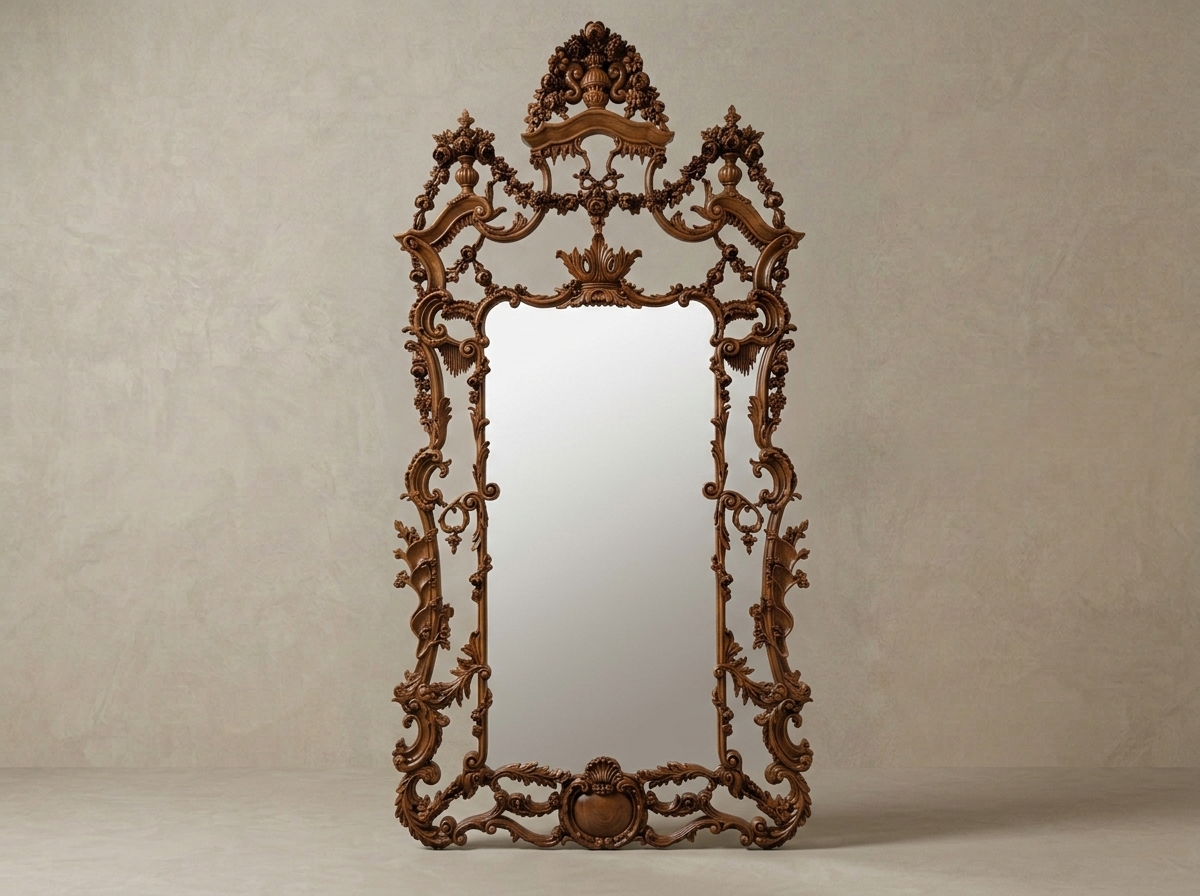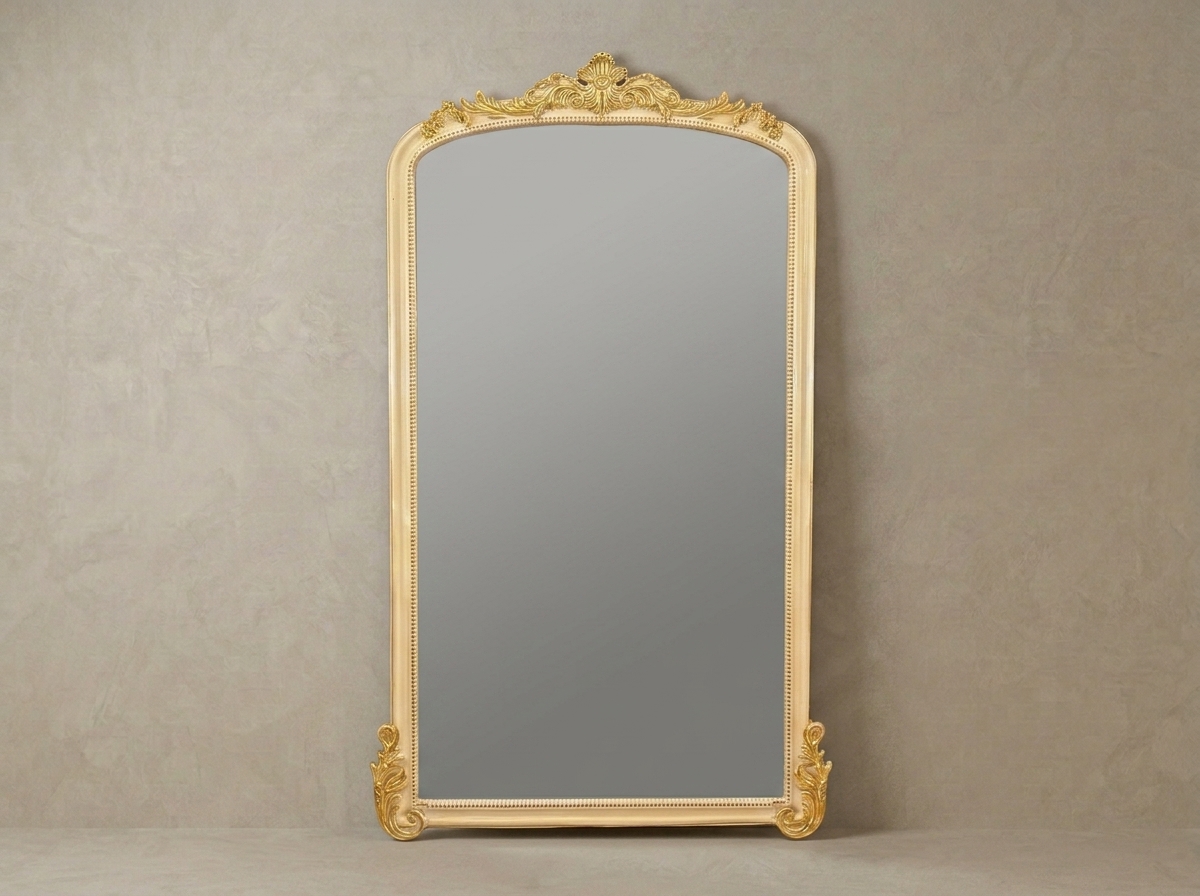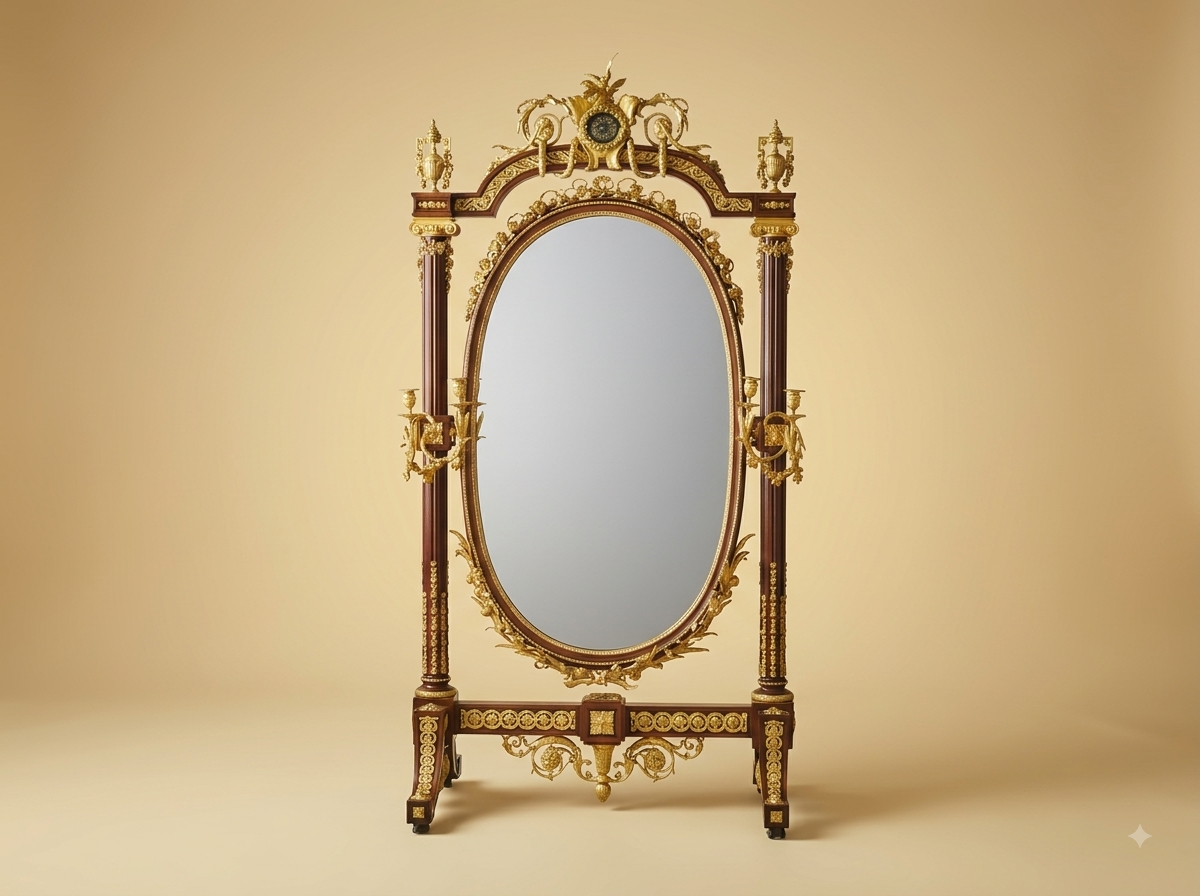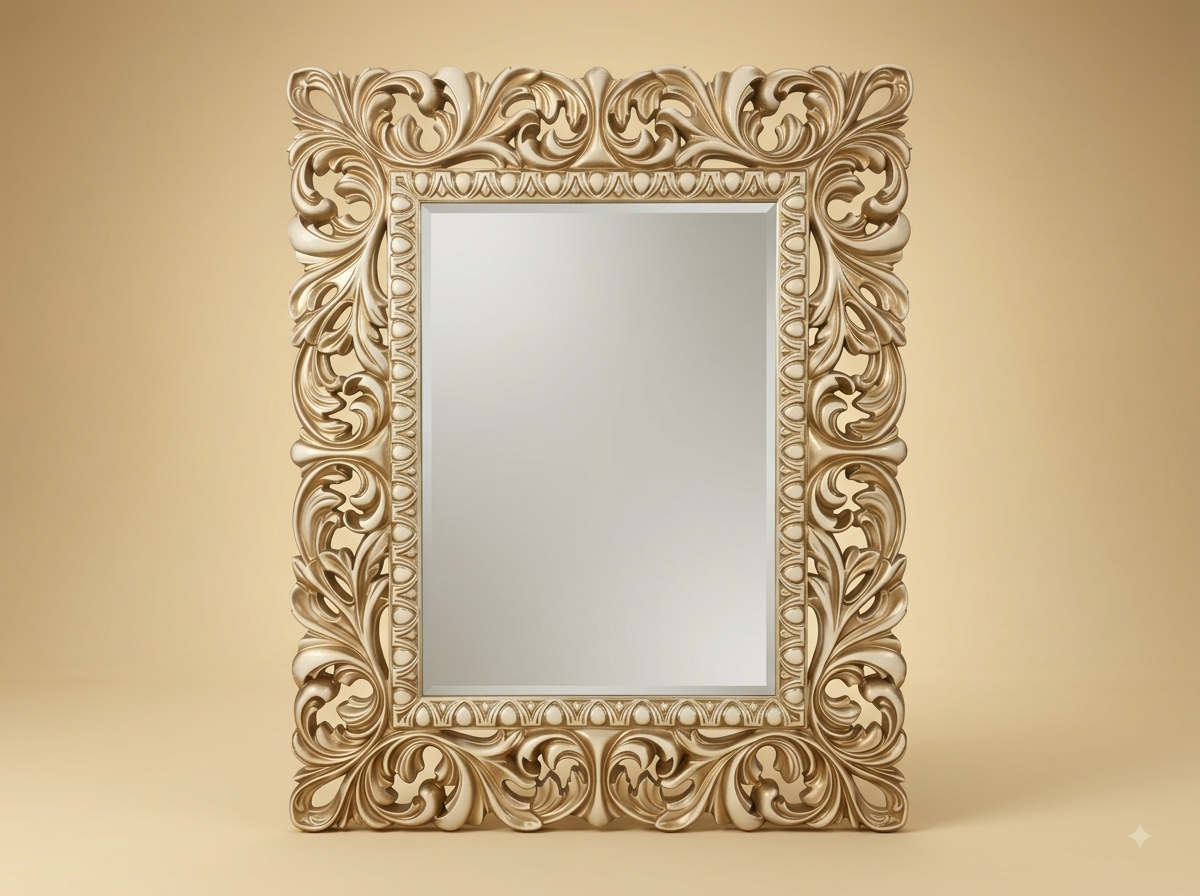
A frame carved this deep cannot be cut from a single plank, and the reason is short grain.
Wherever a scroll curls back on itself, the fibres of the timber run across the narrow neck of the curl rather than along it. In a solid board that neck is a weak point waiting for the first knock. So the blank for a frame like this is laminated: several thicknesses of teak glued together, with the grain of the middle layer set at an angle to the outer ones.
The result is that every curl has some long grain running through it in at least one direction, whichever way the scroll happens to turn. The carver can then cut confidently into the tightest part of a volute instead of leaving it thick and safe - which is precisely what allows the openwork to be as fine as it is.
Because all the layers are teak, nothing behaves differently from anything else as the seasons change, and once the piece is carved and finished the lamination is invisible. What you see is a frame carved deeper than a solid one would allow.
 Ask Price On WhatsApp