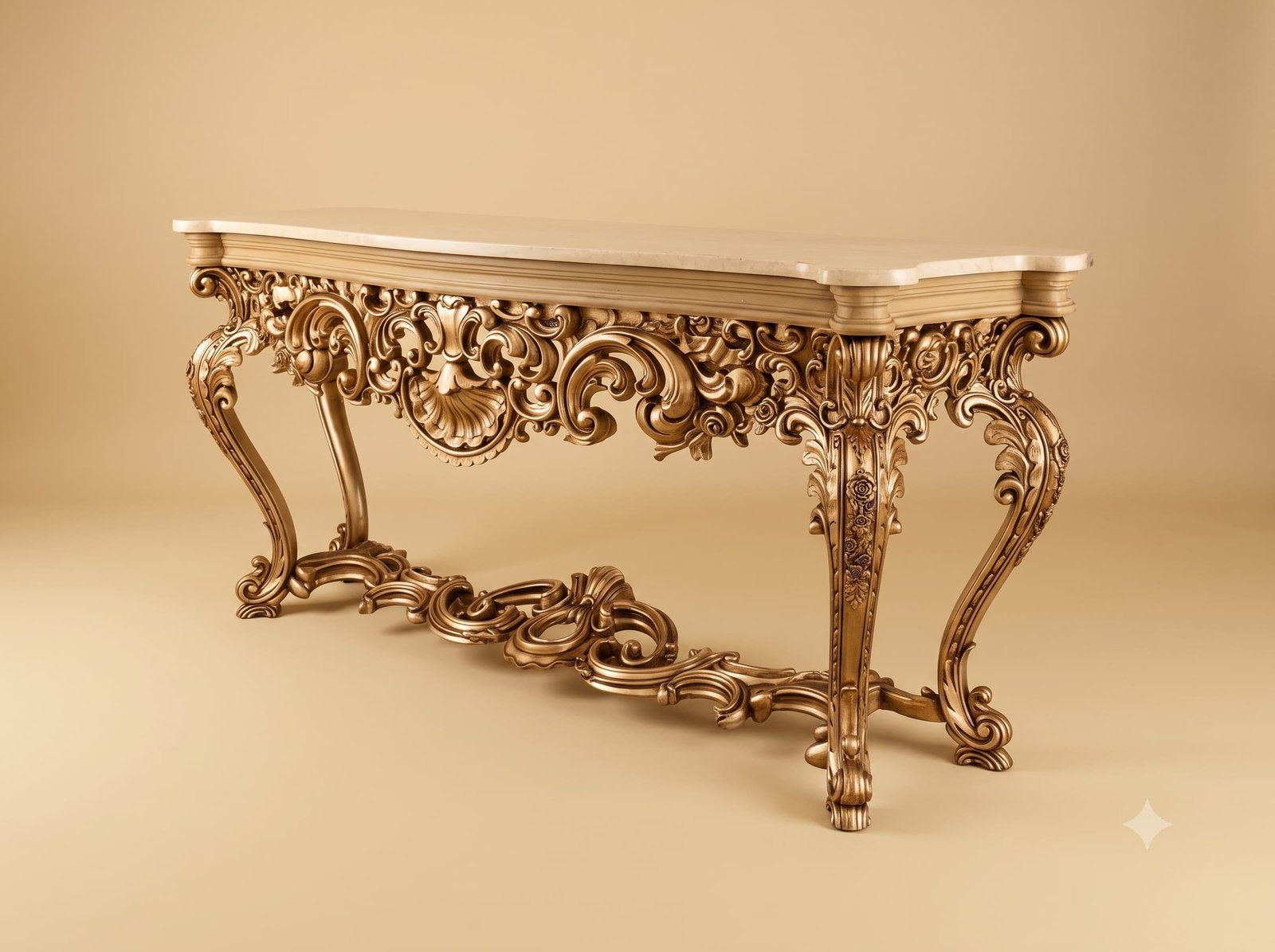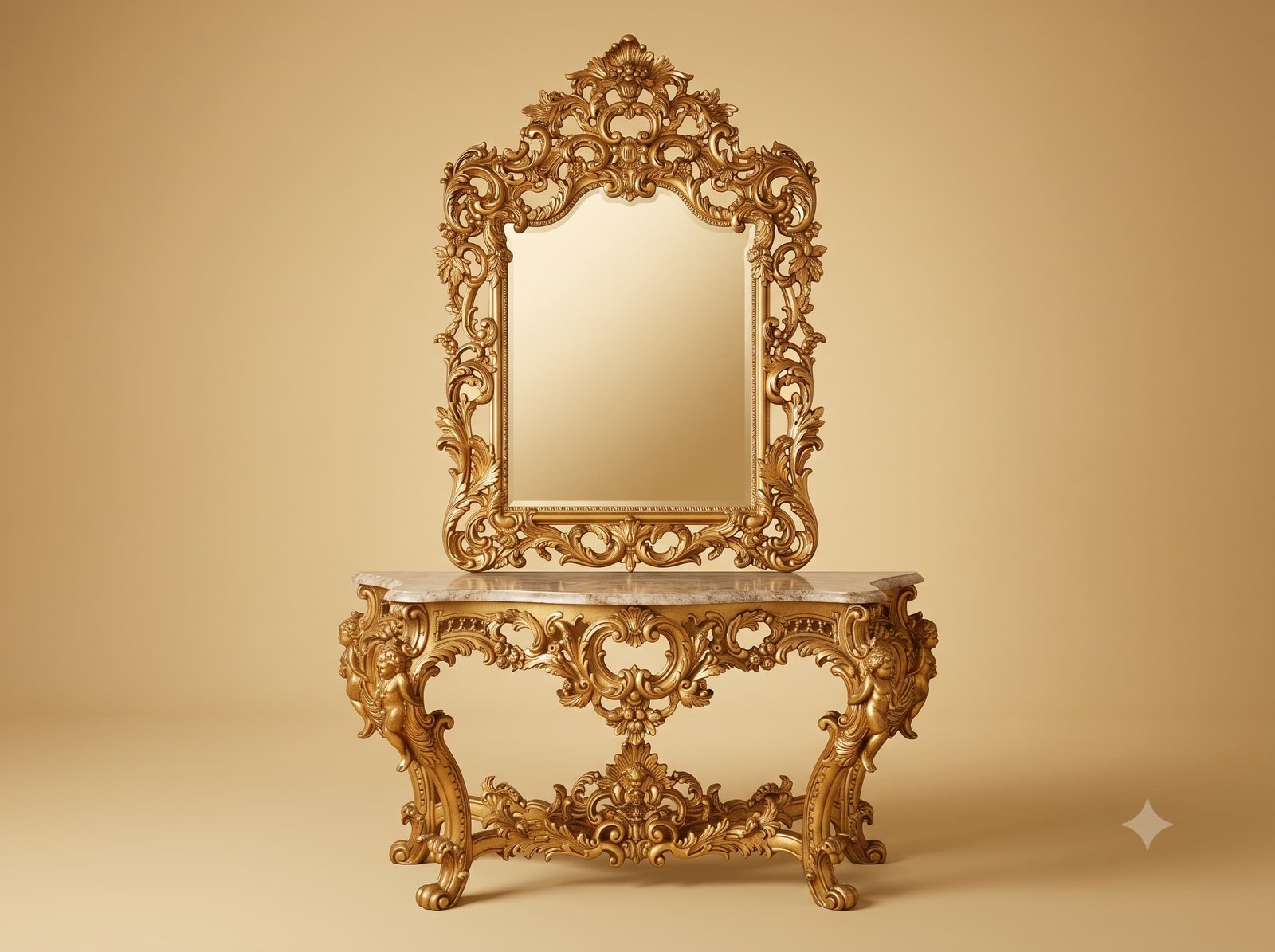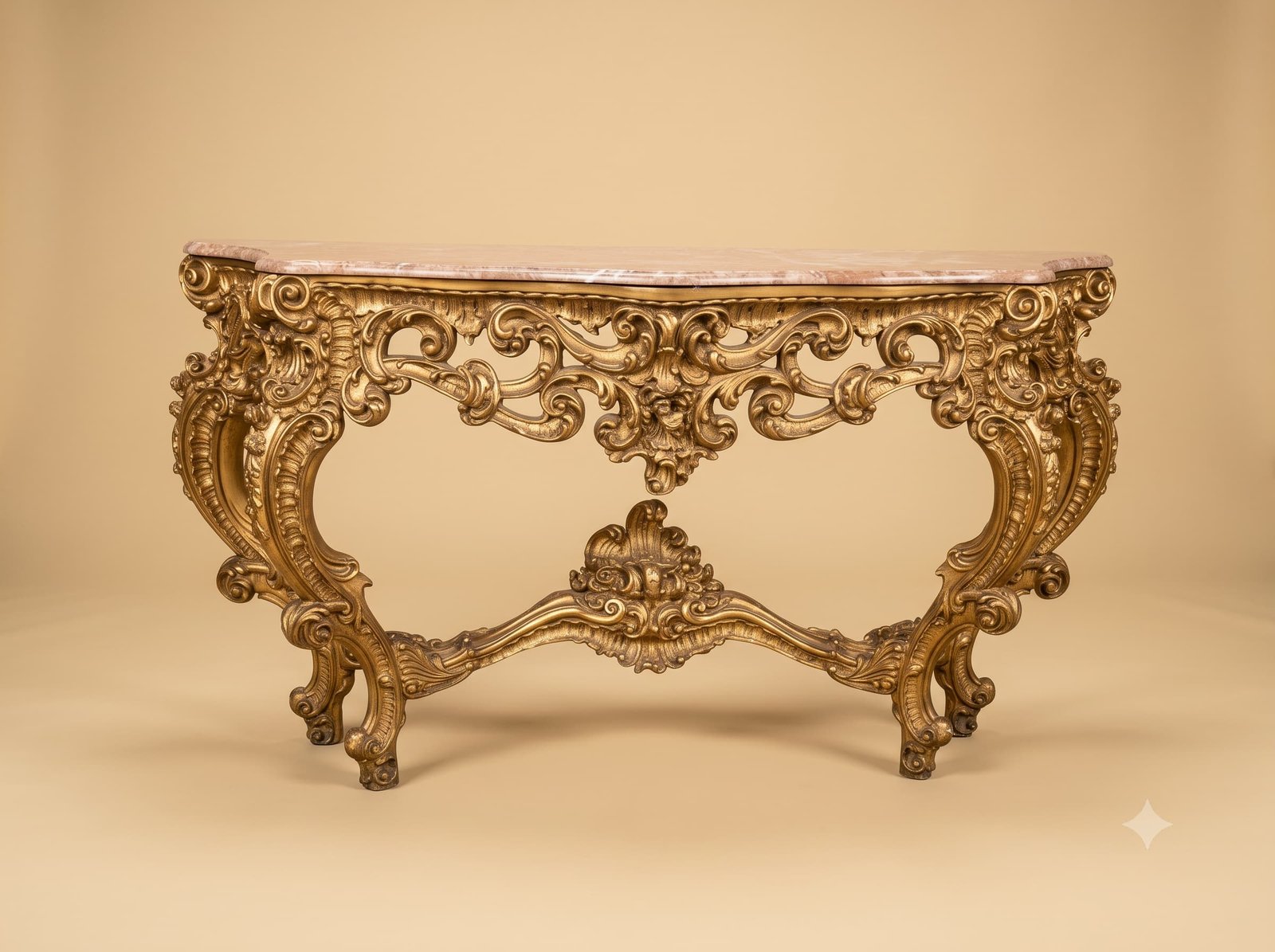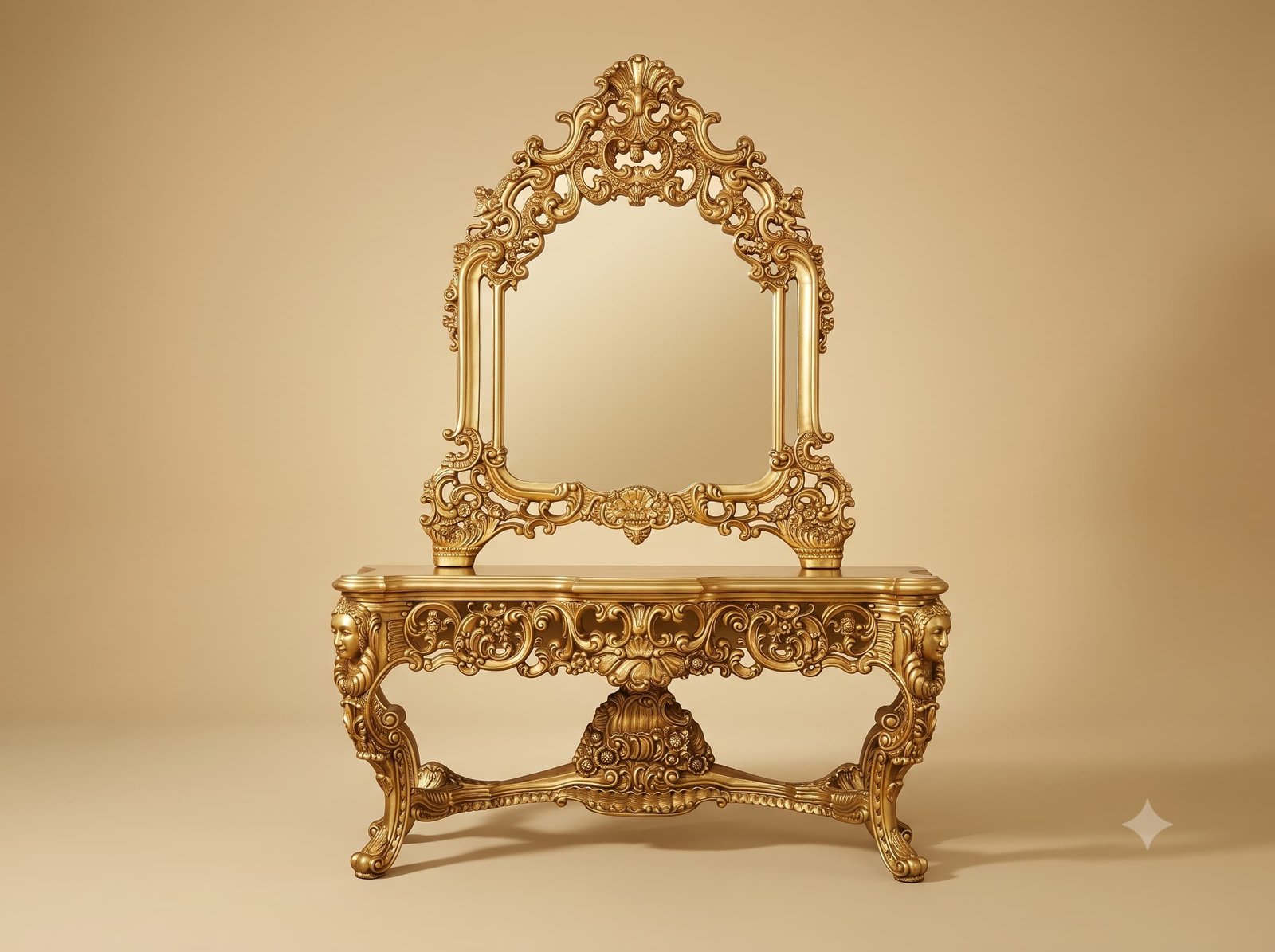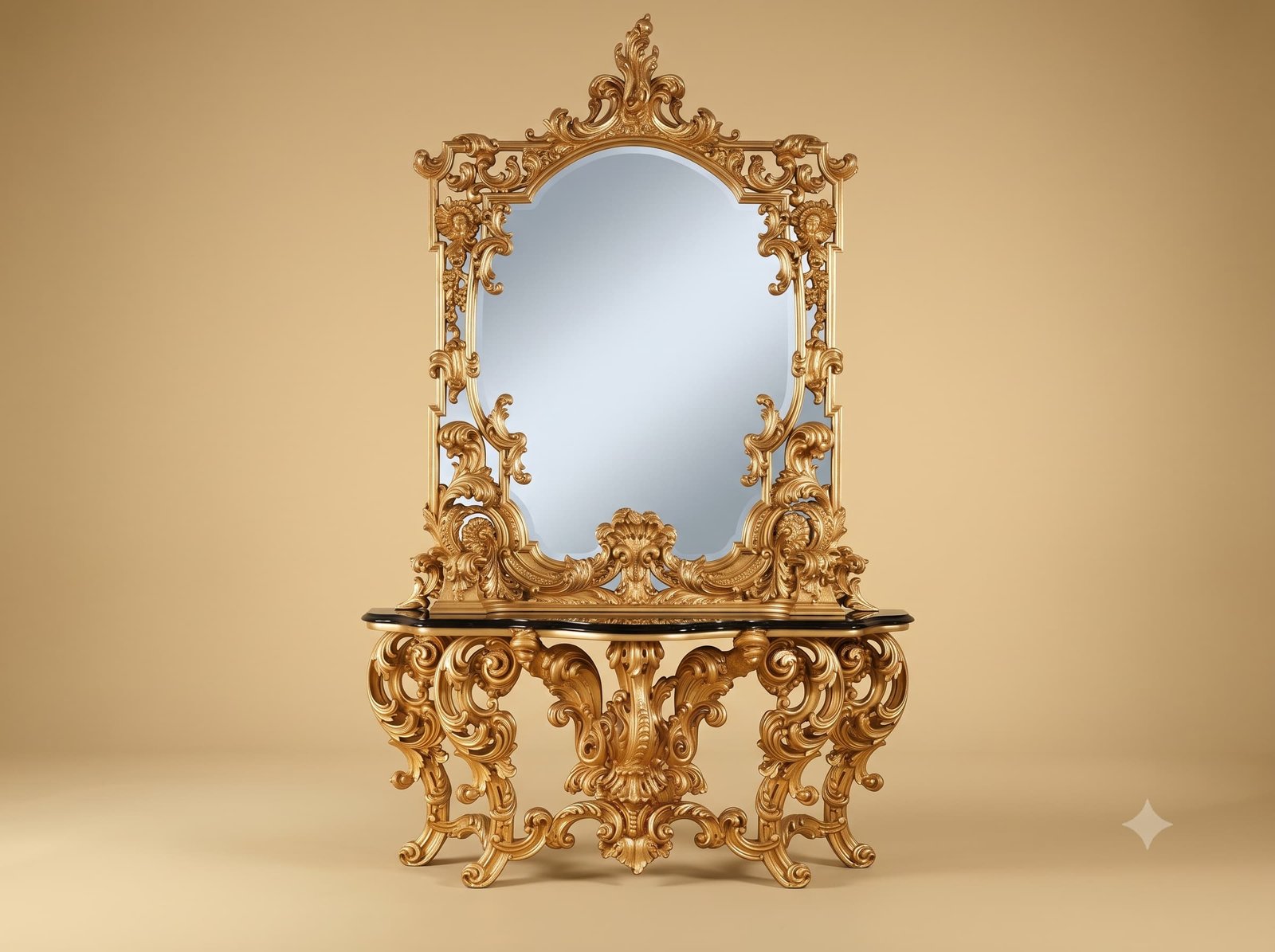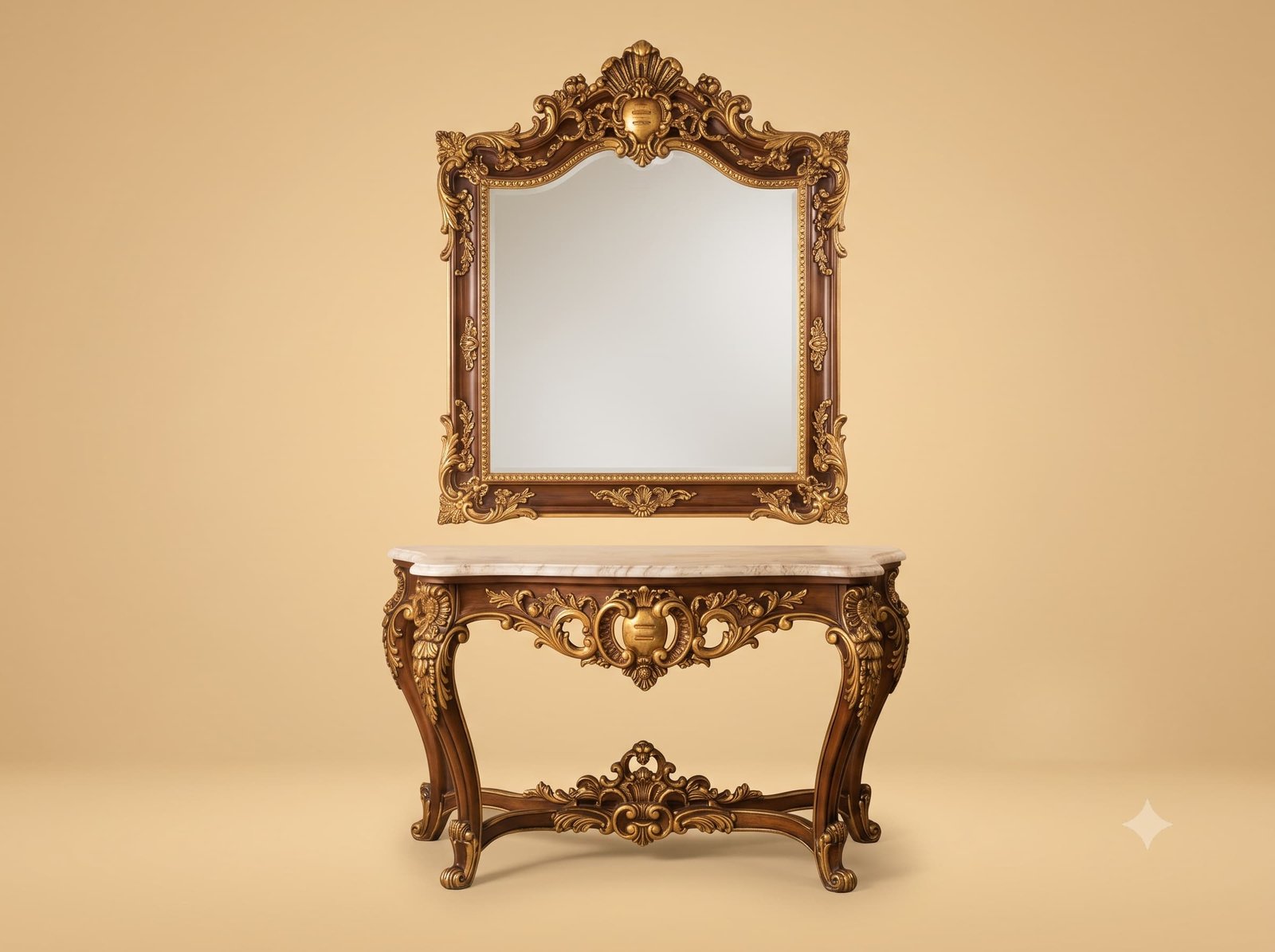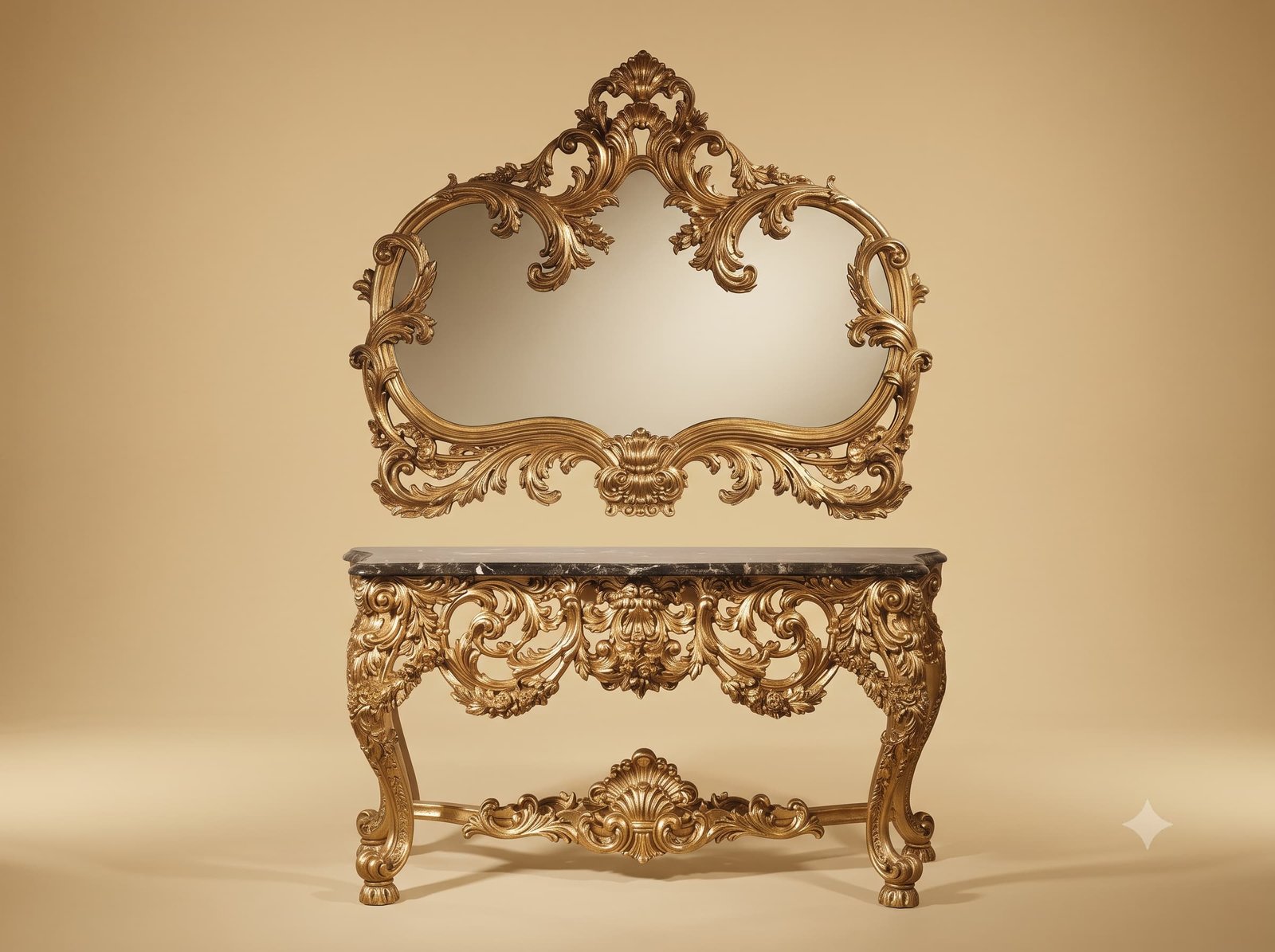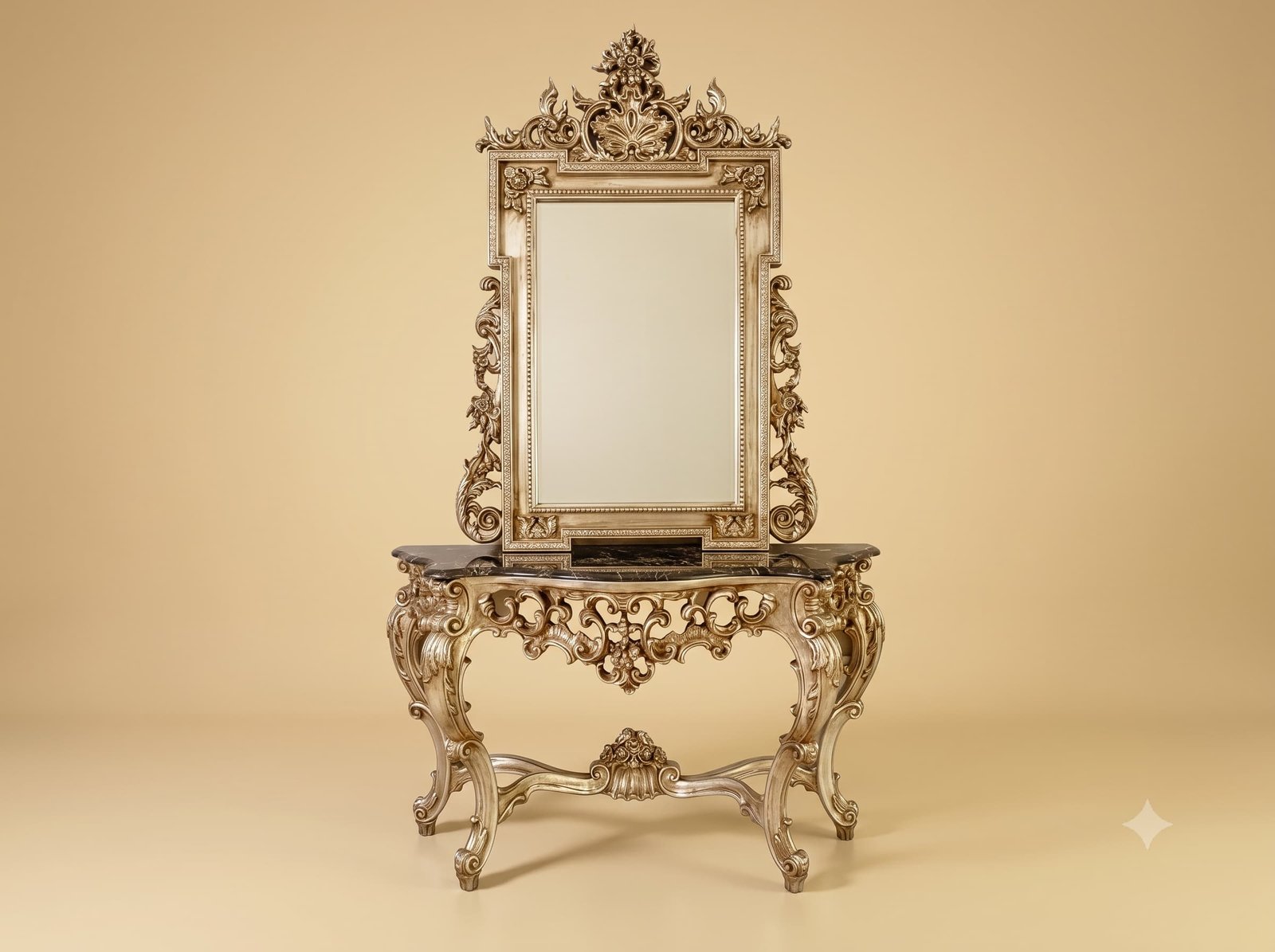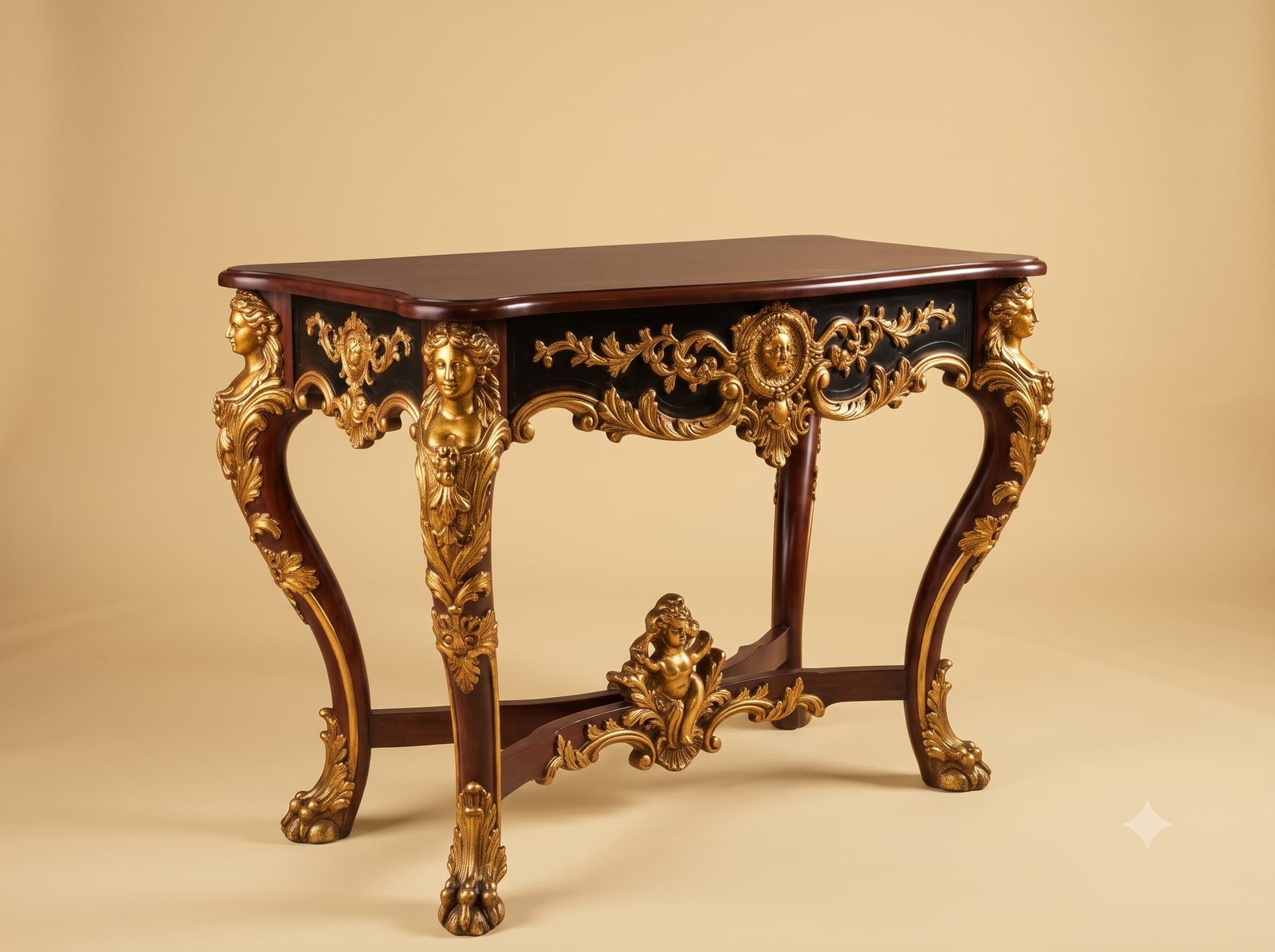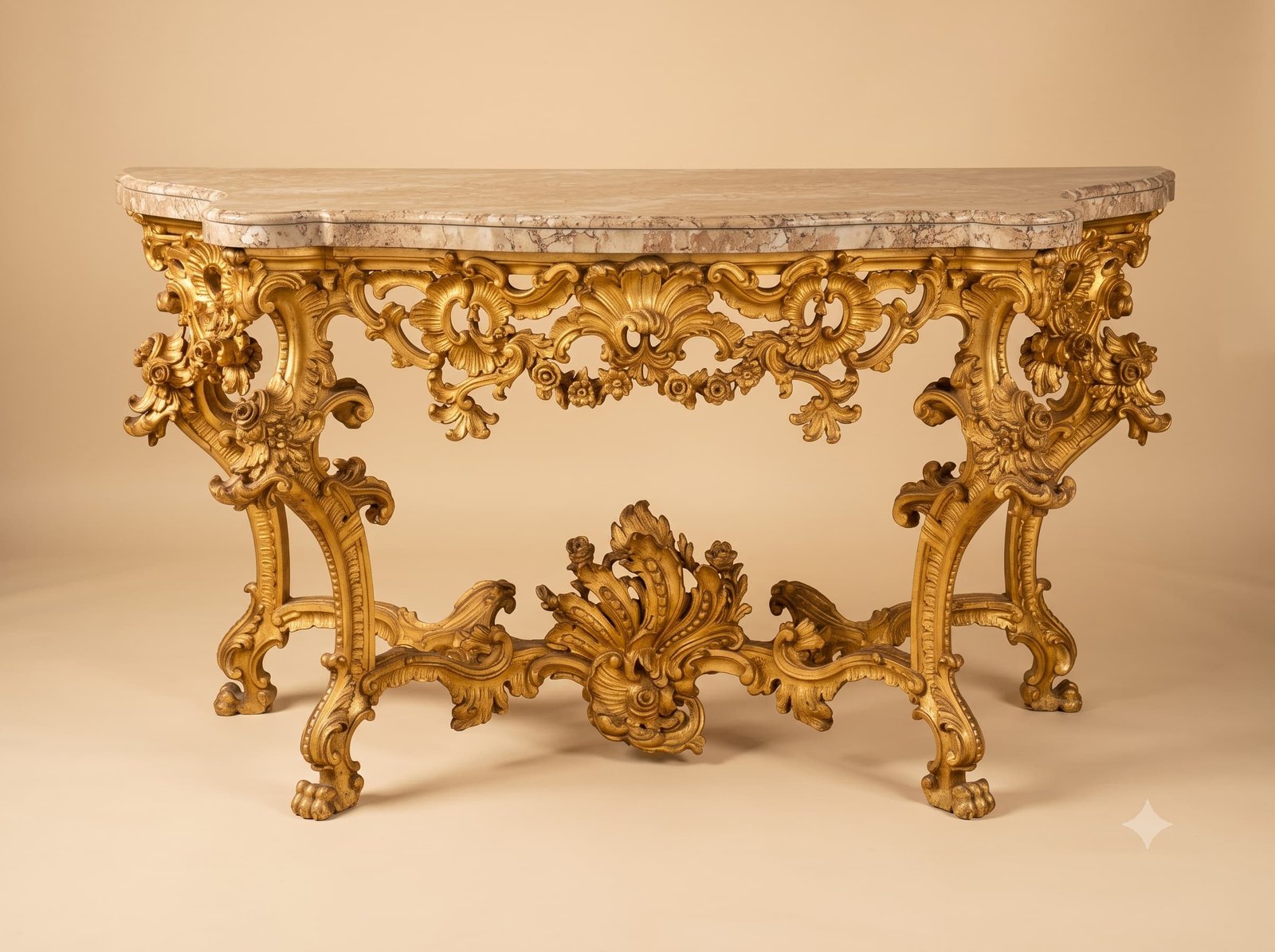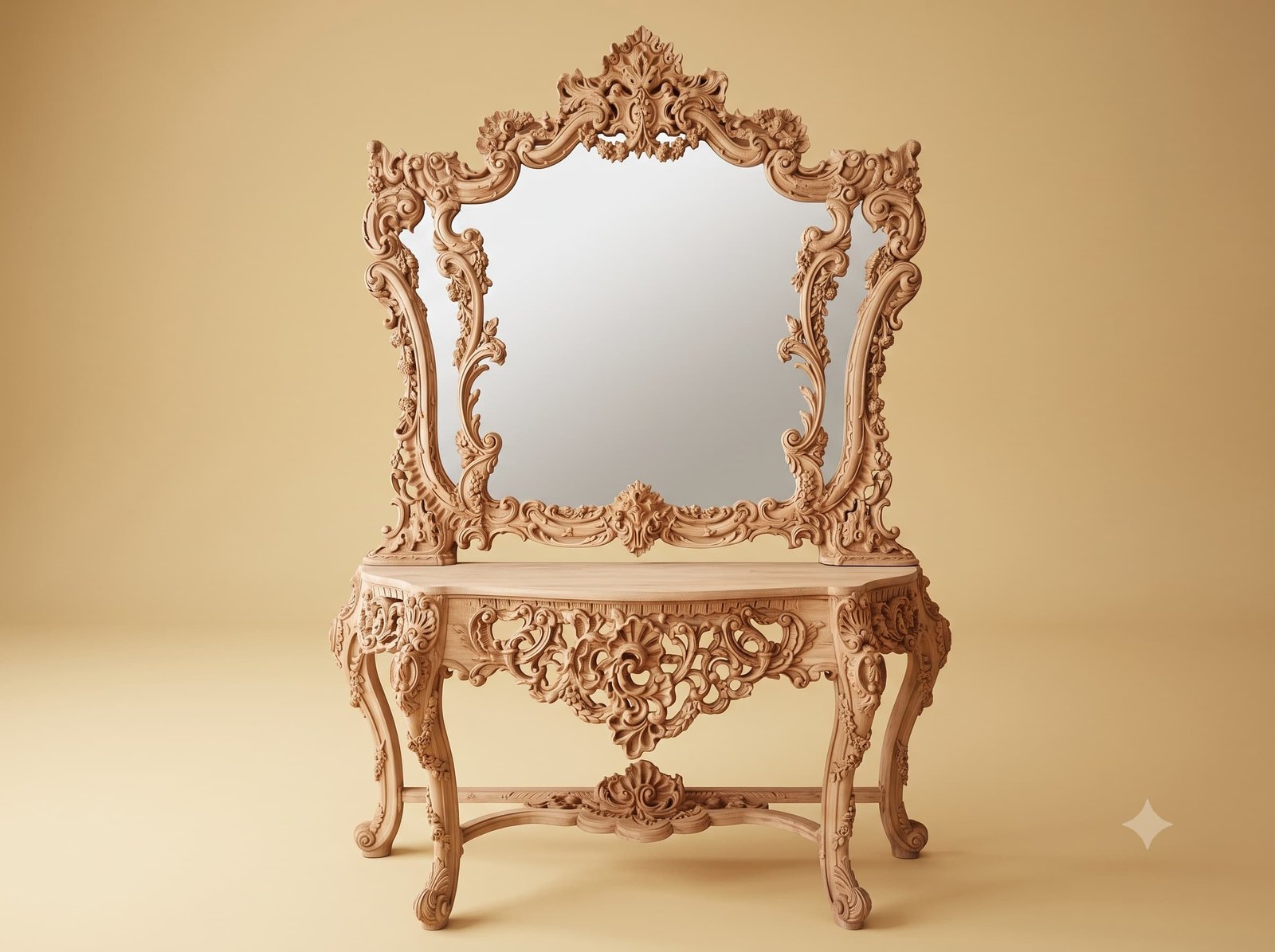
Gilding forgives. Paint forgives. A natural finish forgives nothing, and that changes how the carving has to be done.
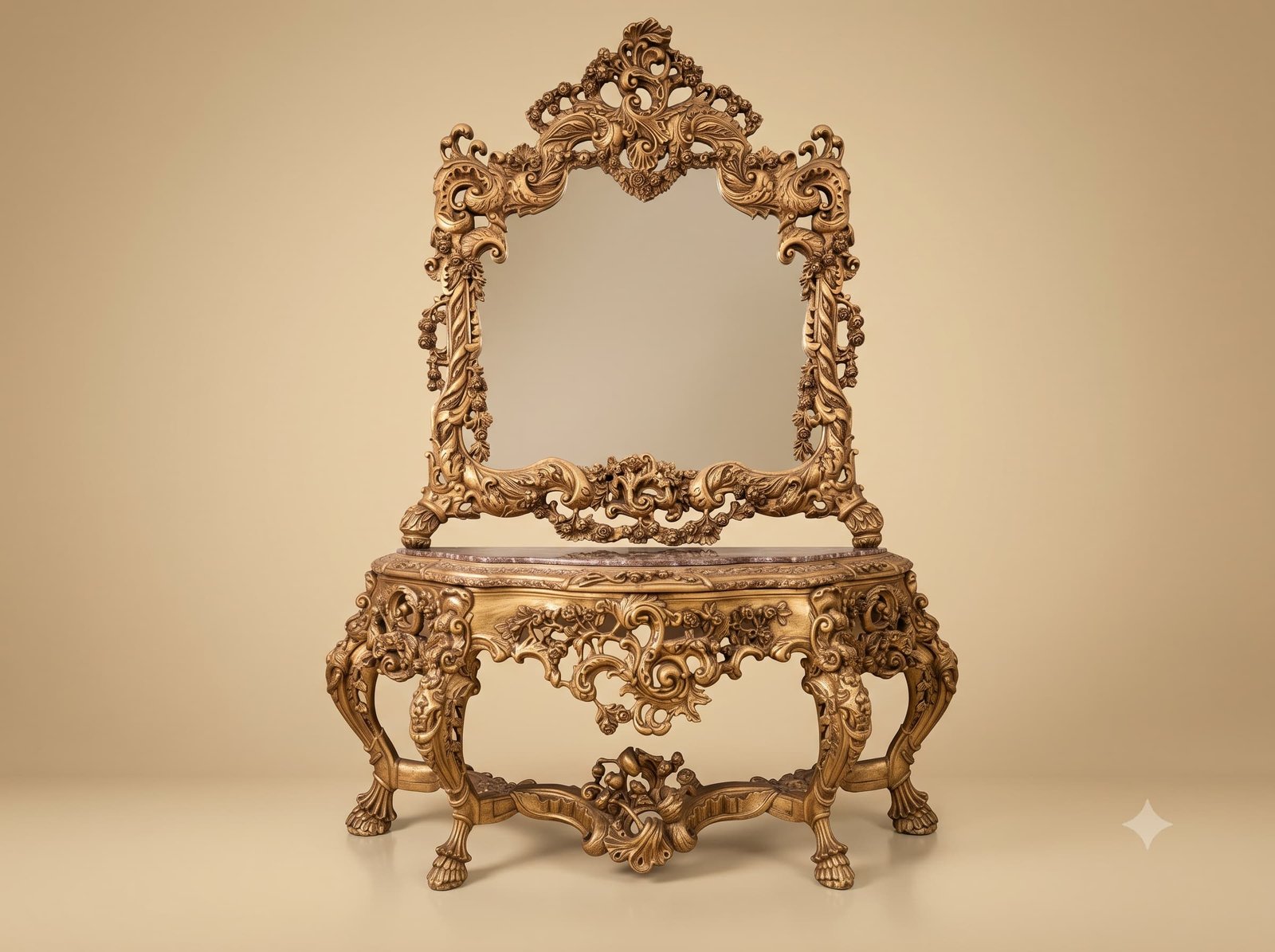
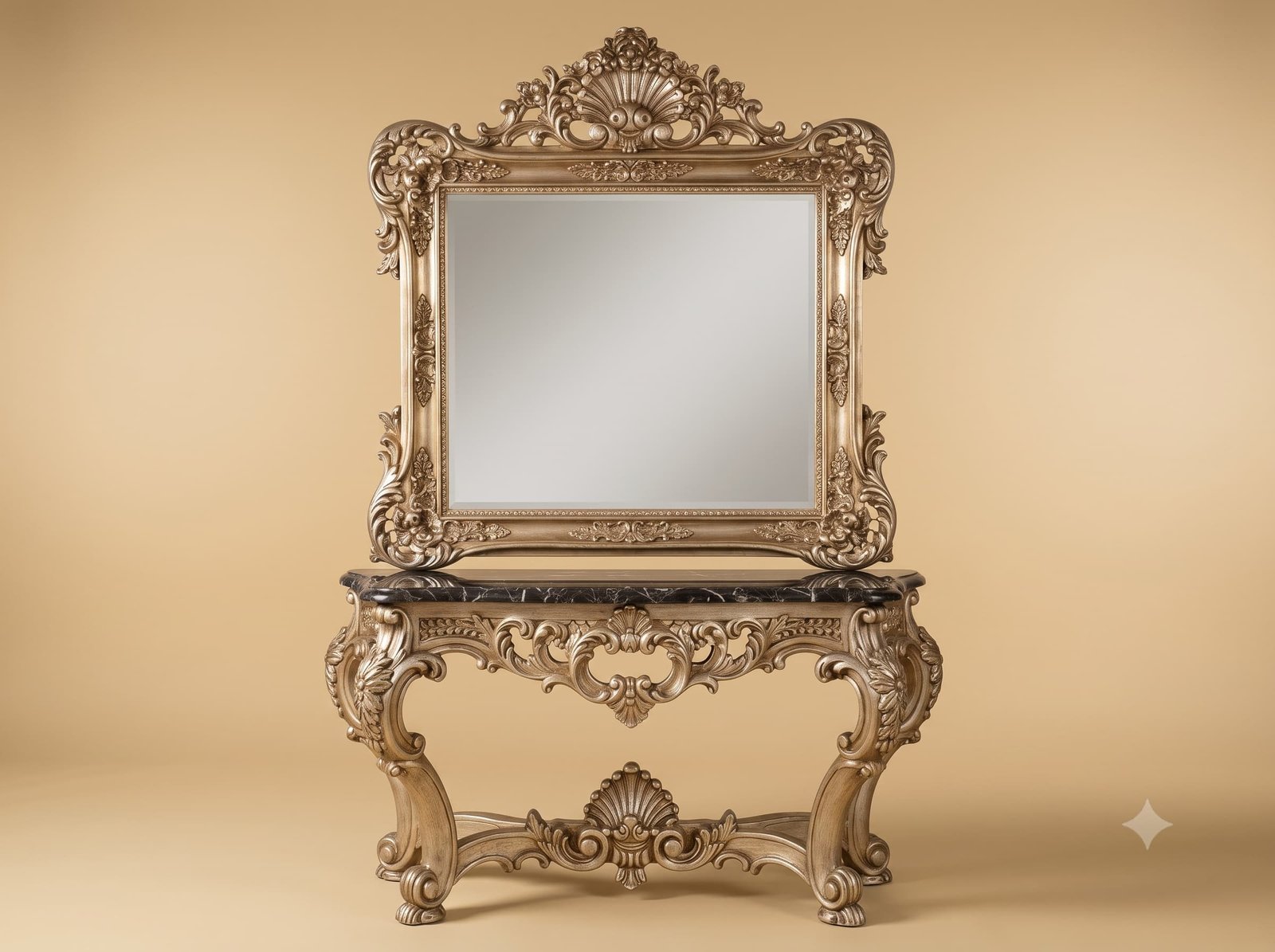
Under gold, a slightly torn leaf edge or a tool mark left in a hollow disappears - the metal reflects and the eye reads shape, not surface. Under a clear finish, every one of those marks is visible, and worse, they are magnified, because the grain runs through them and shows exactly where the tool wandered.
So our master Indian artisans finish this work off the tool. The last cut on every surface is made with a sharp gouge and left as it falls, rather than being sanded afterwards. That sounds like less work and it is considerably more: it means the final cut has to be right, because there is no correcting it.
Sanding would seem the obvious alternative and it is the wrong answer twice over. It rounds the crisp arrises that give carving its definition, and abrasive cannot reach into the recesses anyway - so it flattens the parts you can see and leaves the parts you cannot.
A clean tooled surface also takes oil more evenly than a sanded one, which is why the polish on a piece finished this way looks deep rather than sitting on top.
 Ask Price On WhatsApp