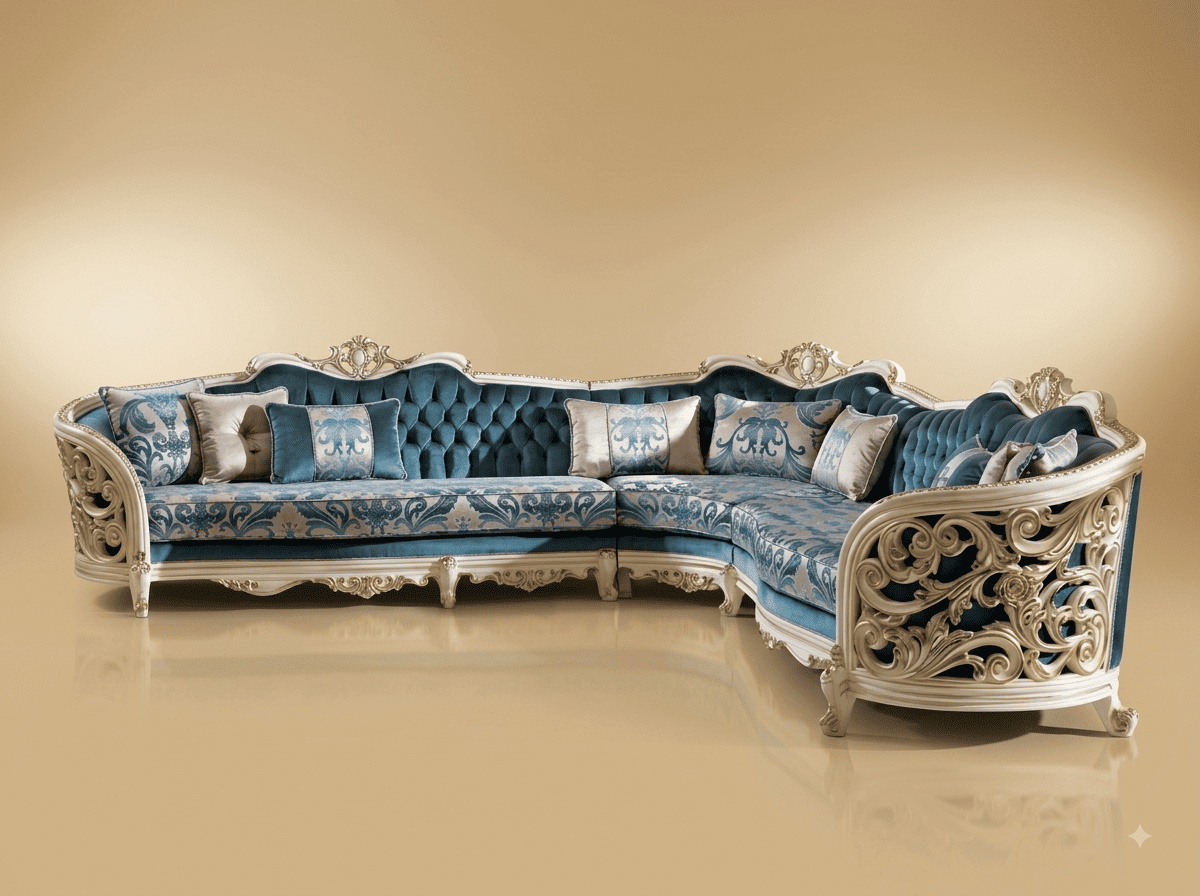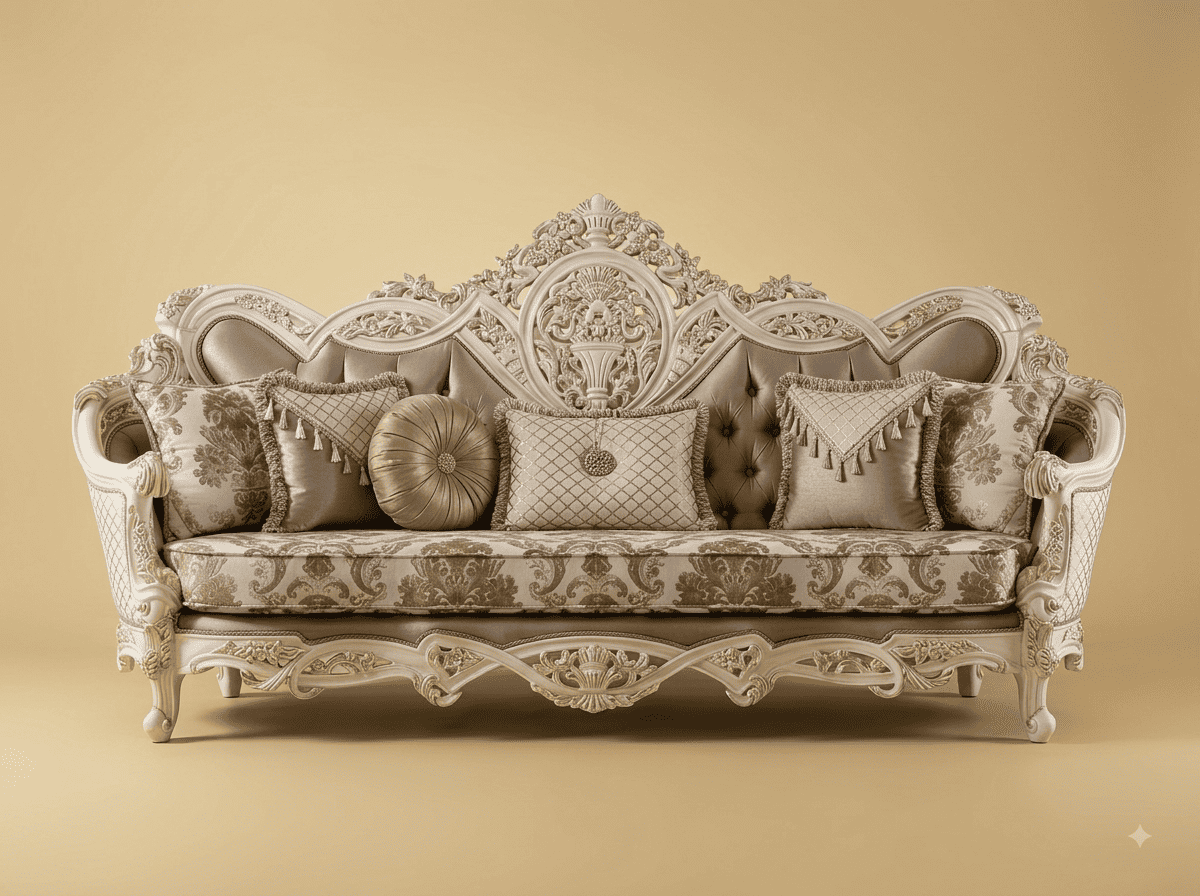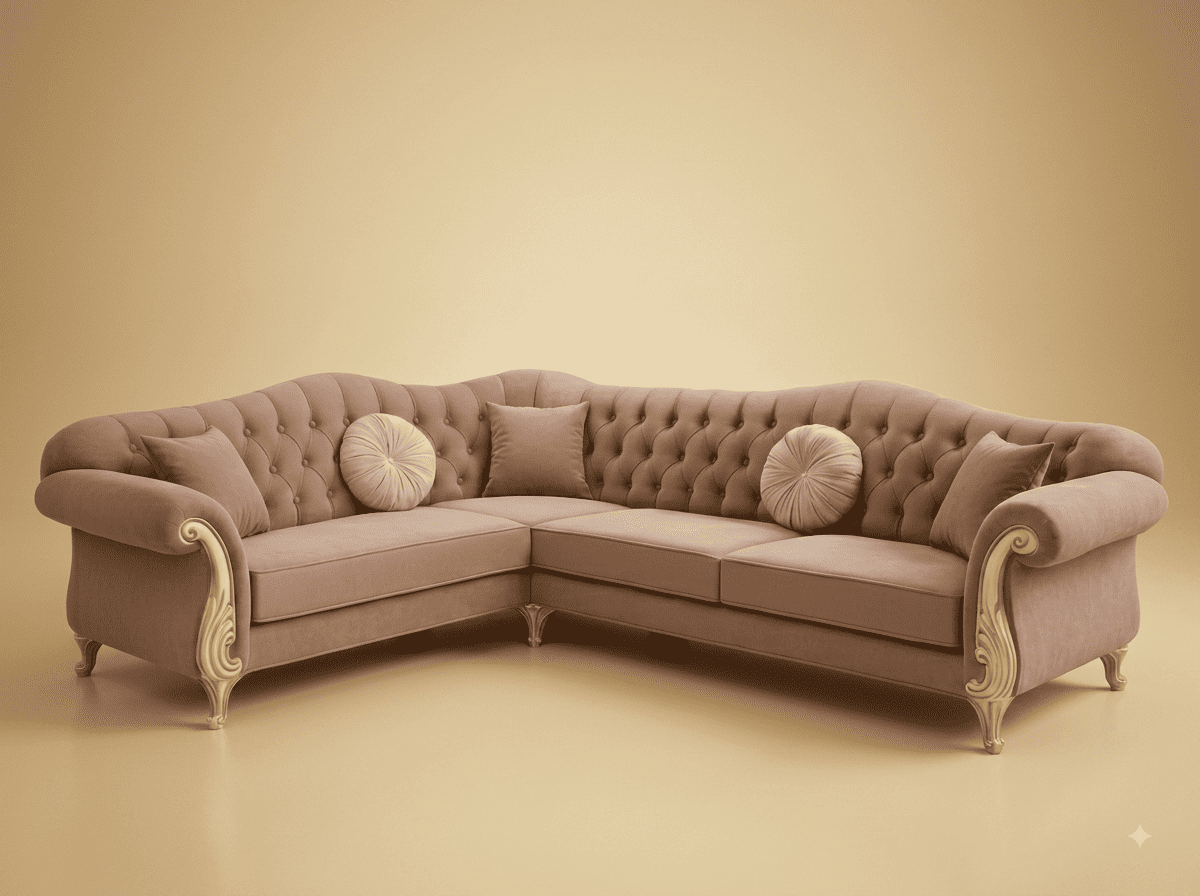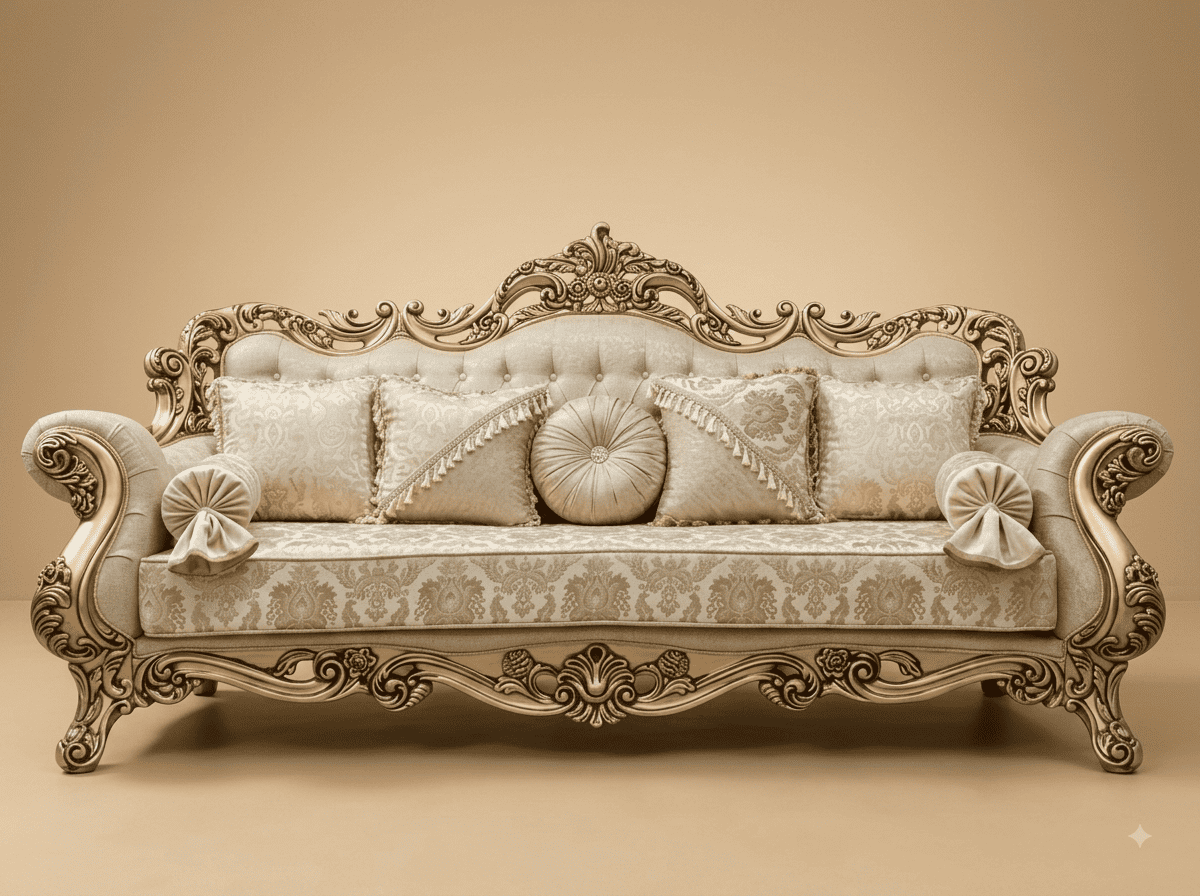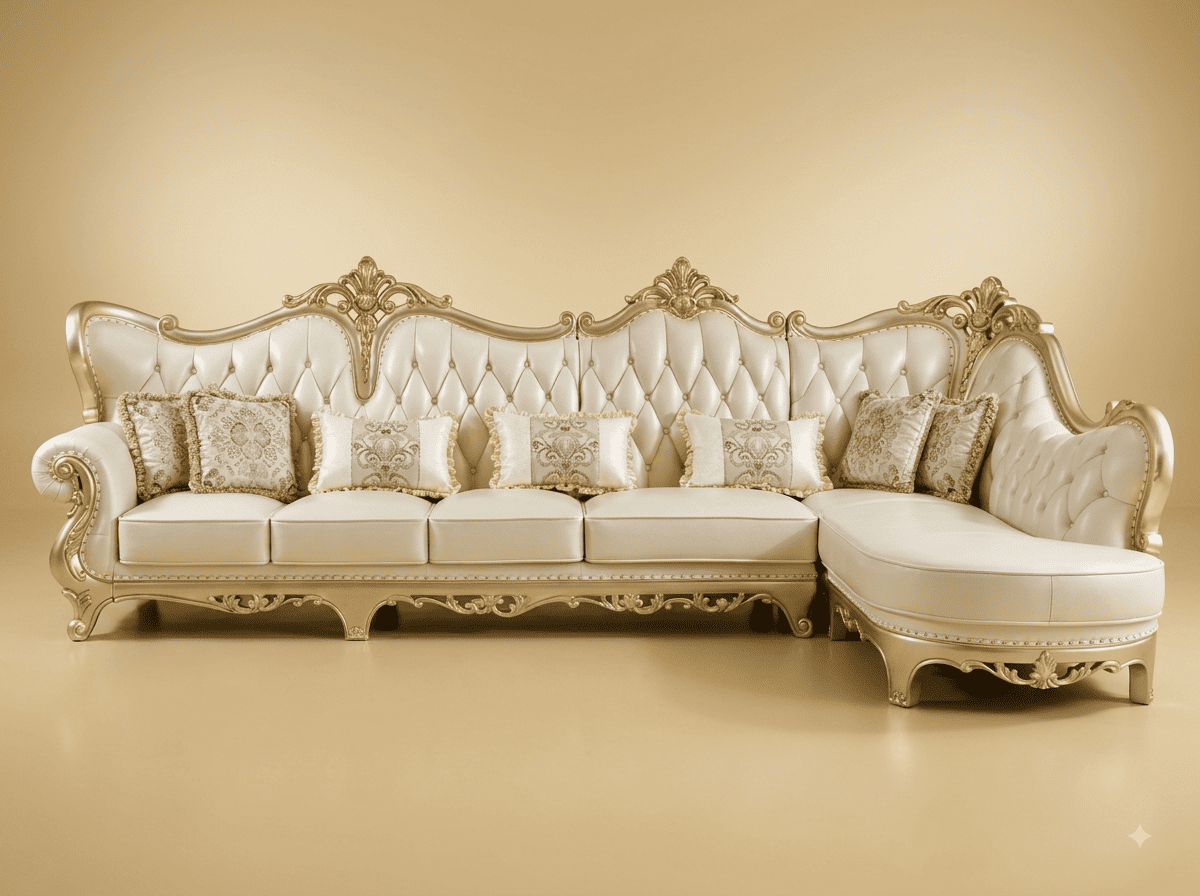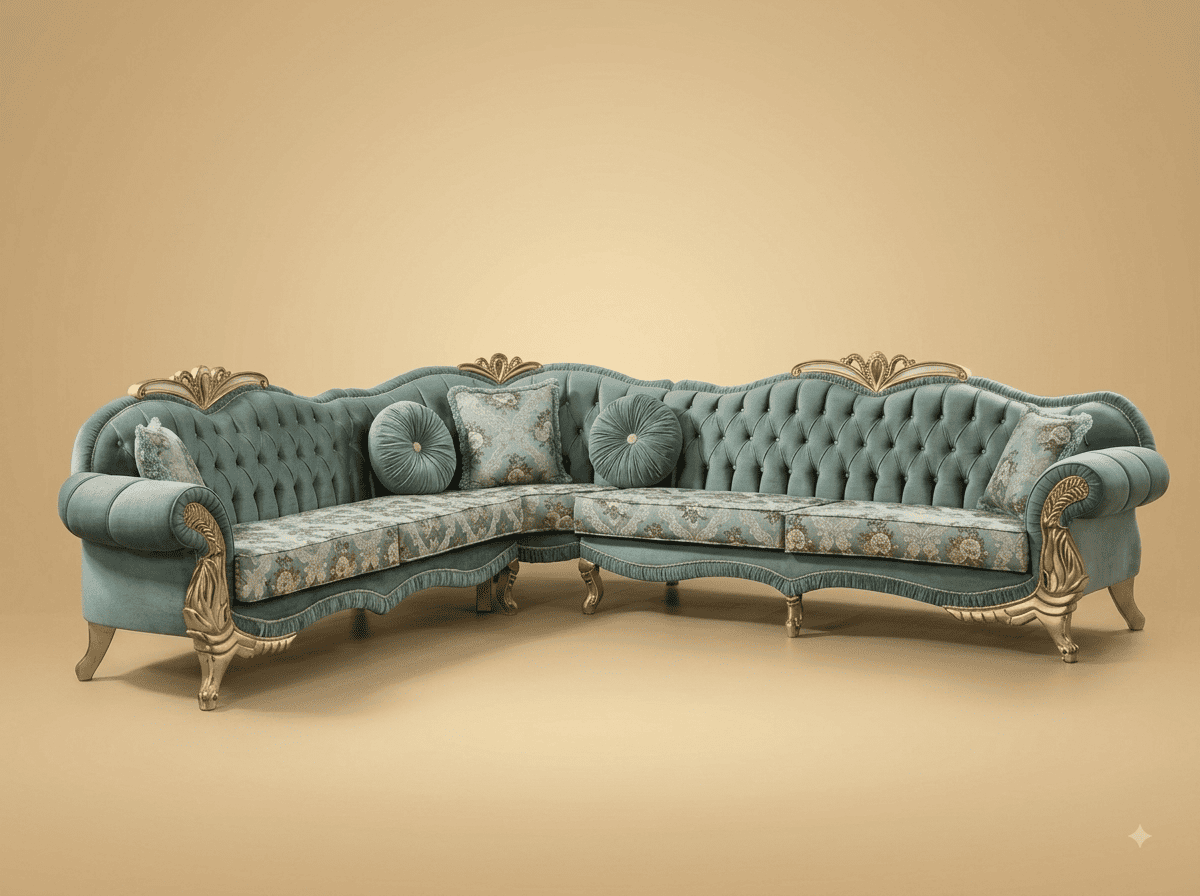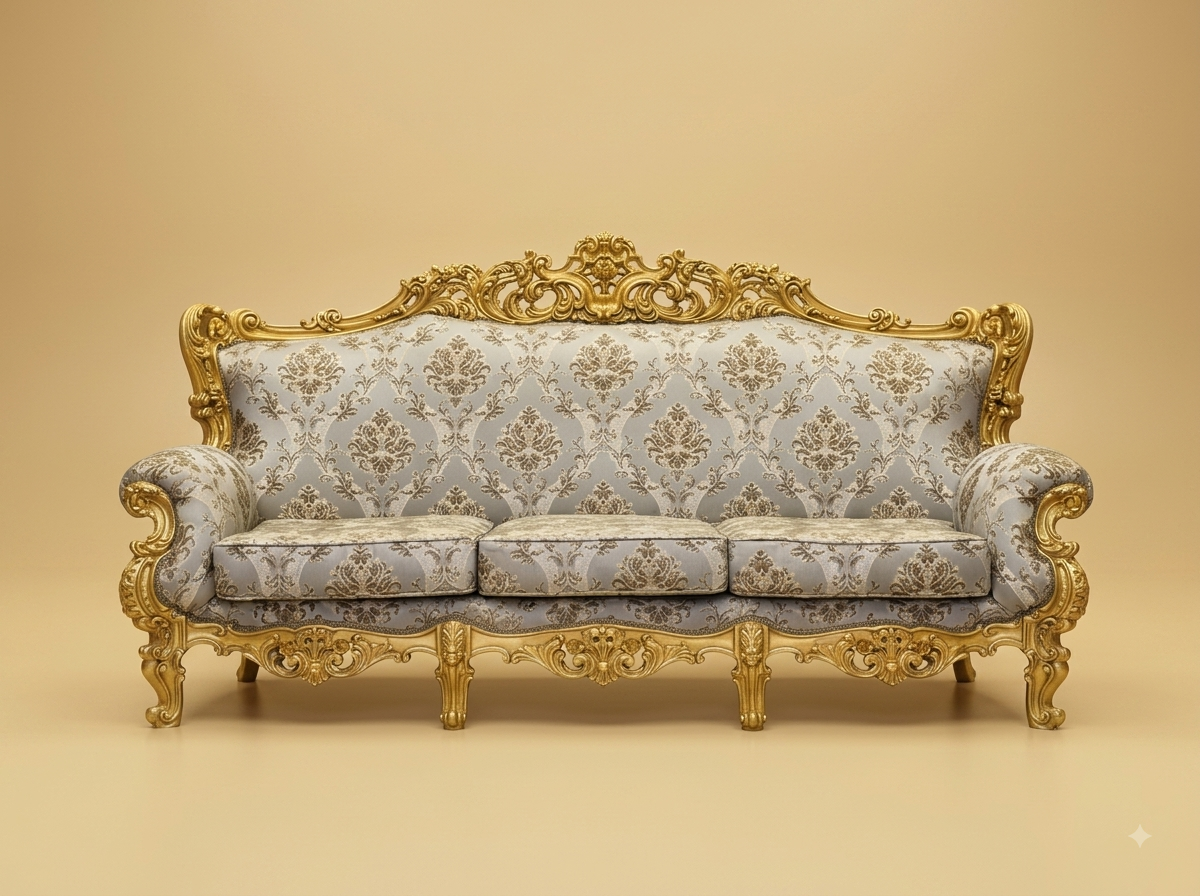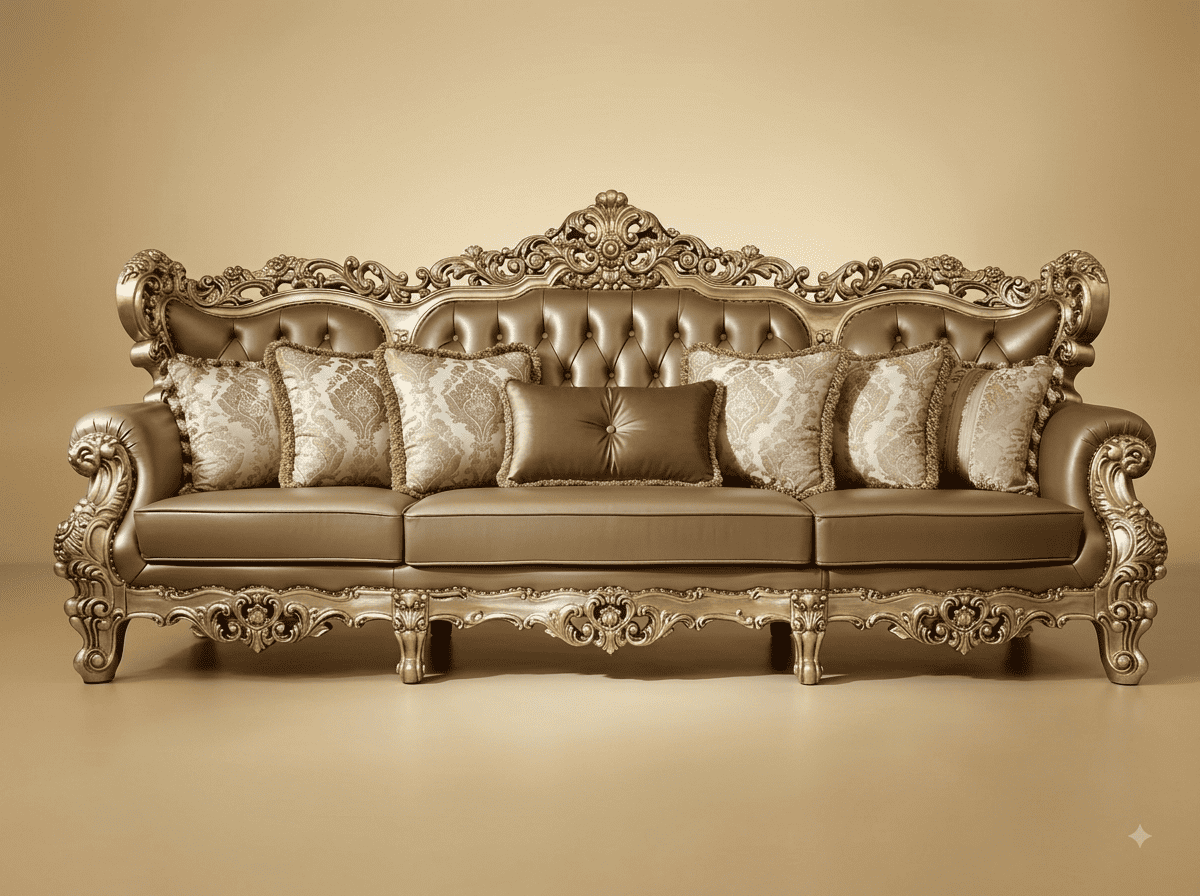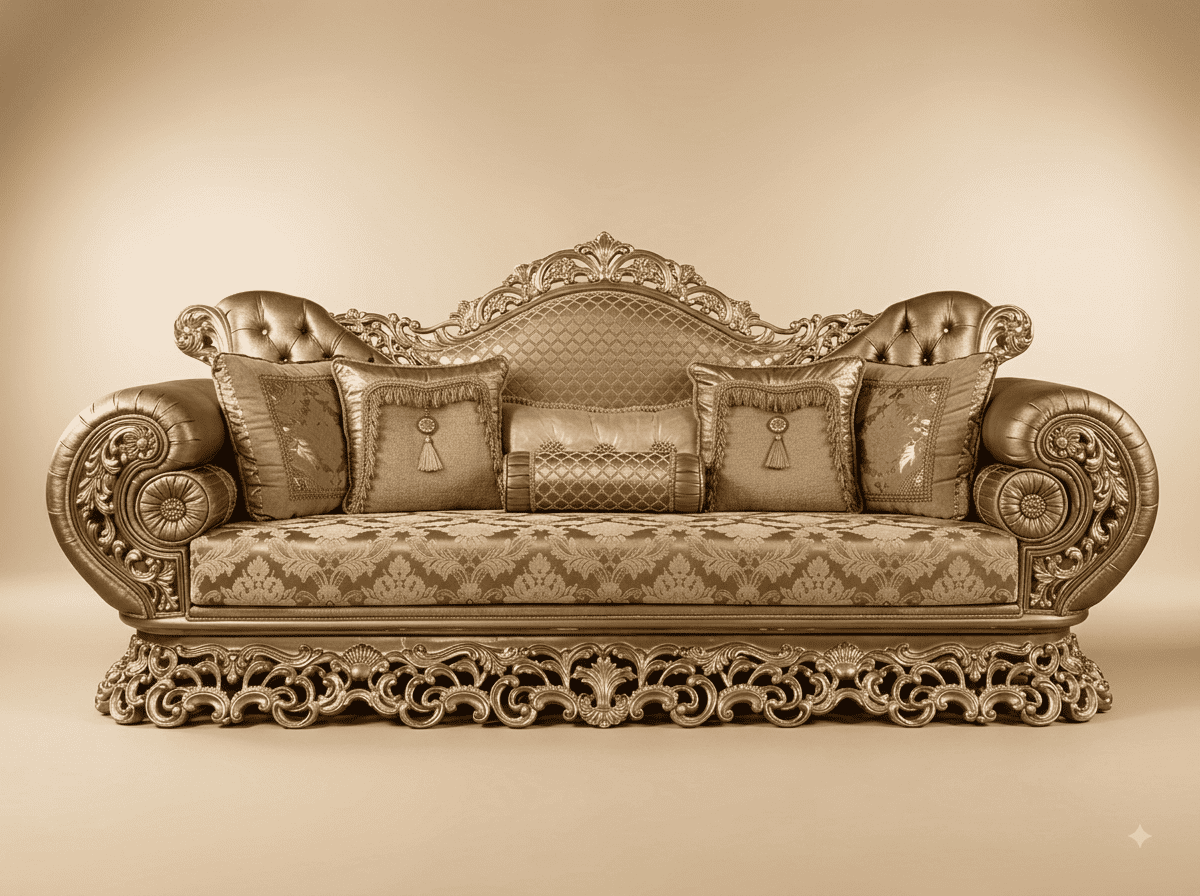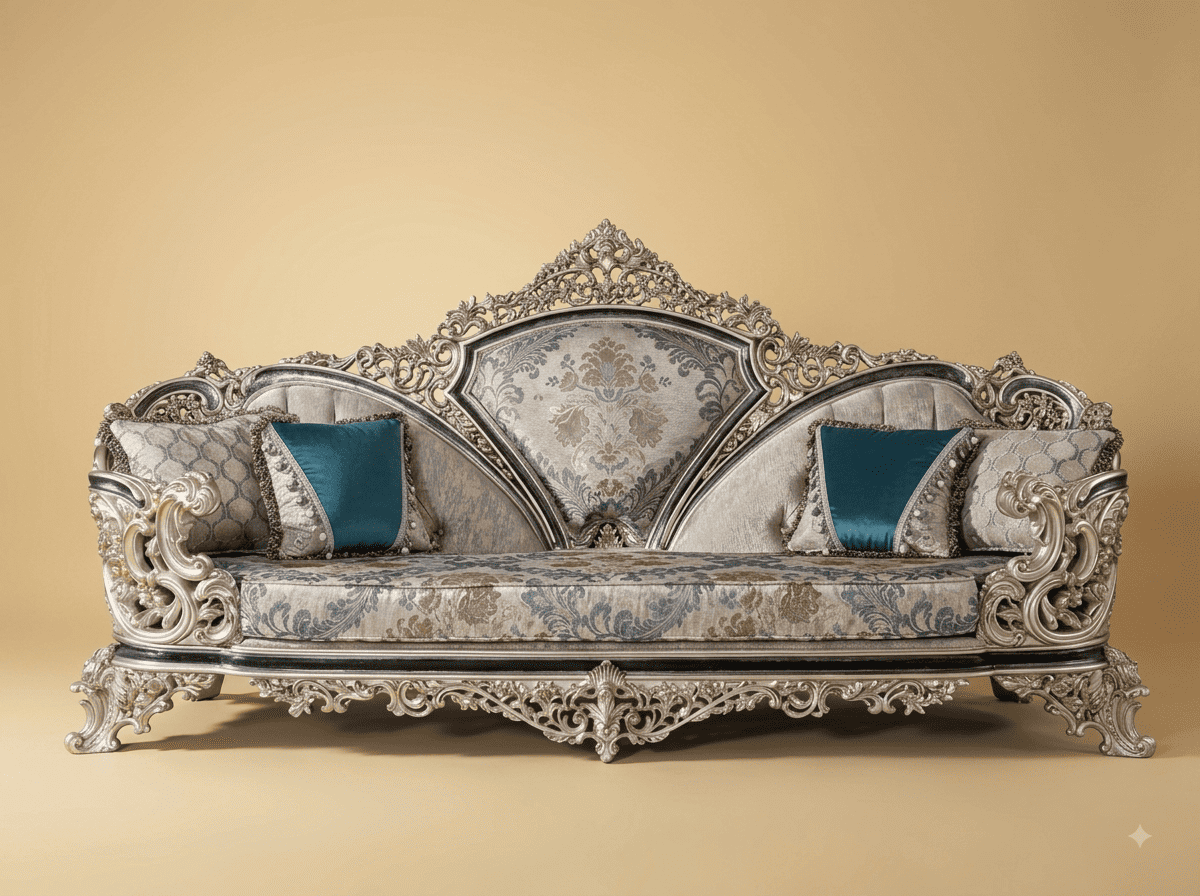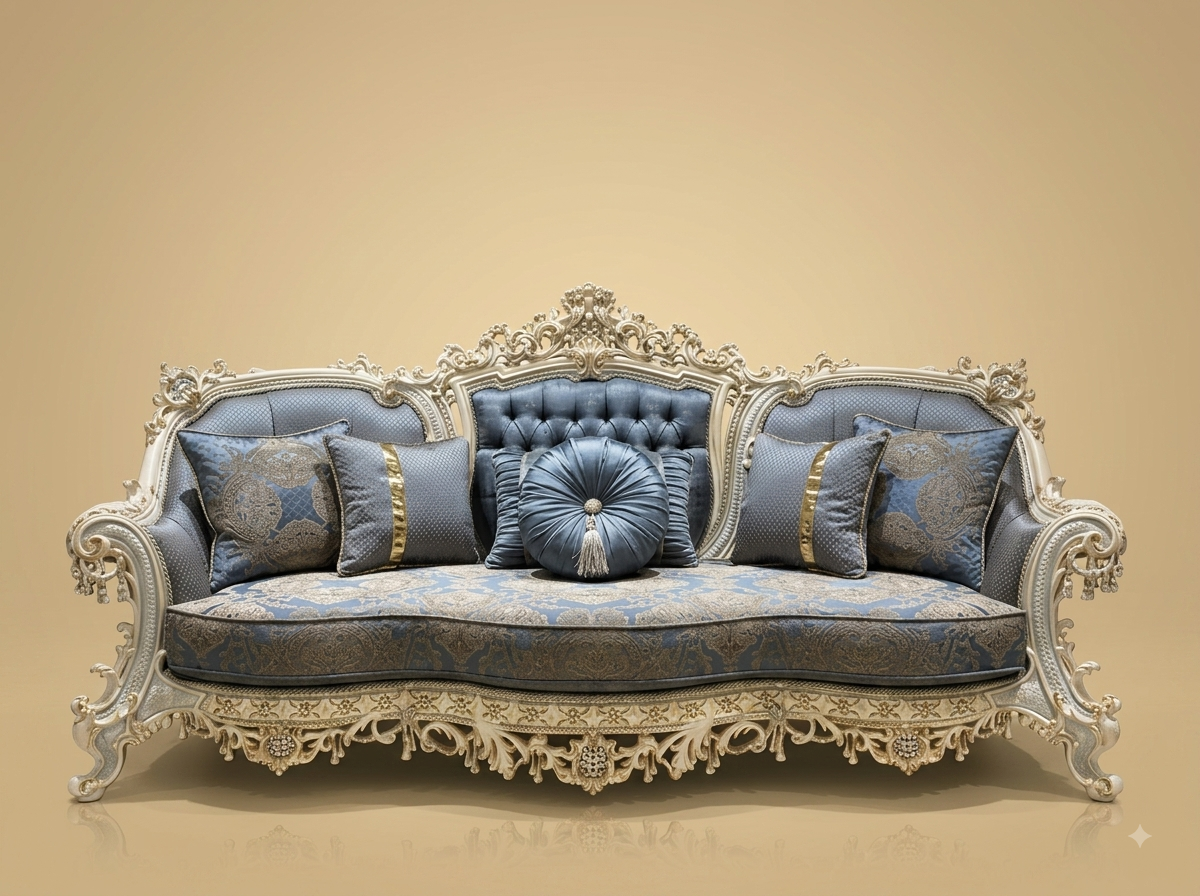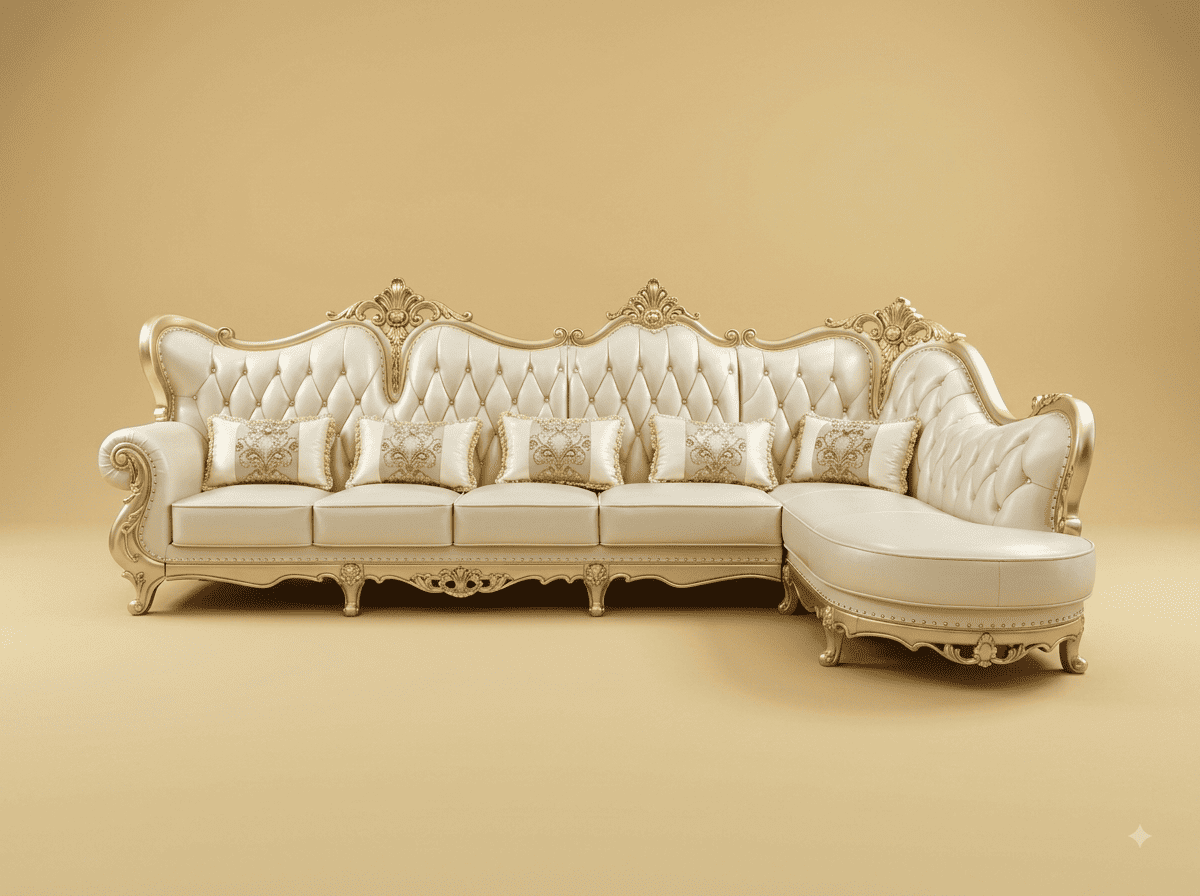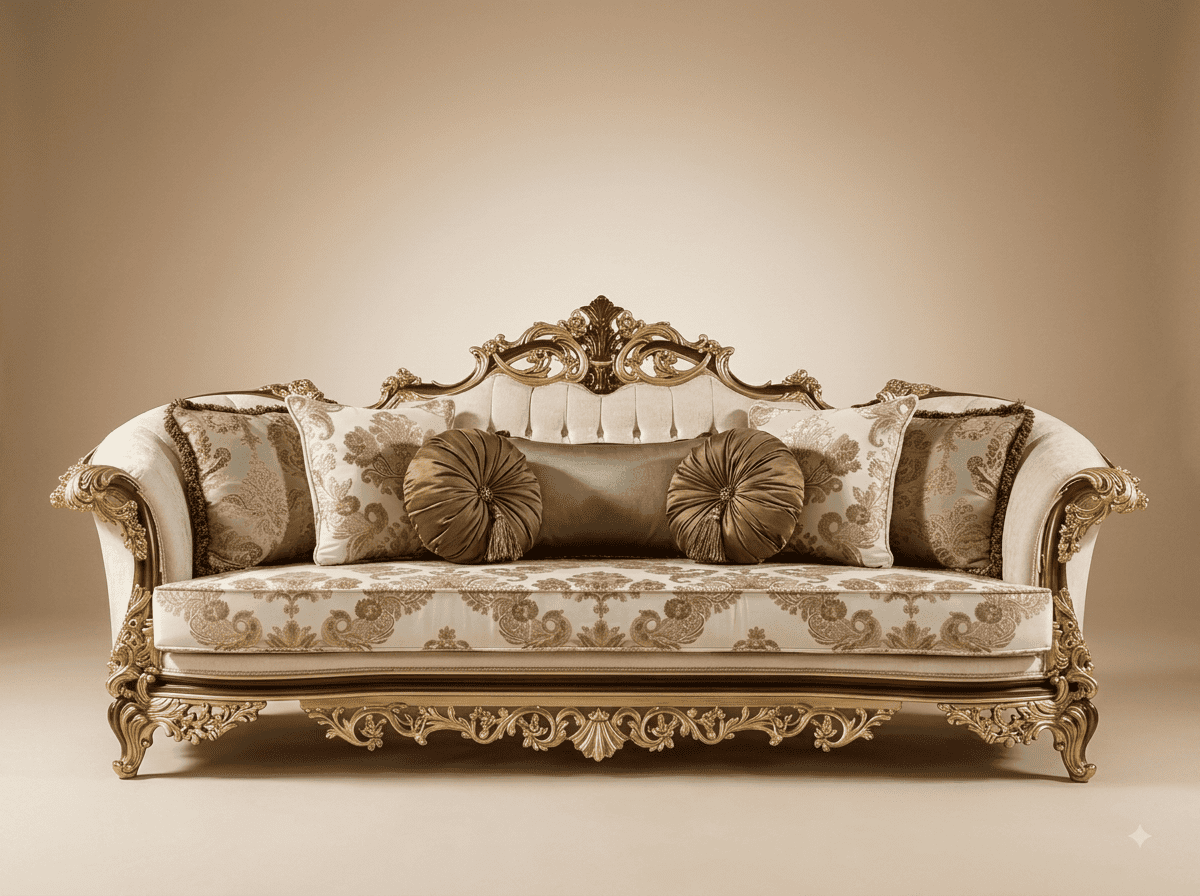
Piping looks like a decorative line. It is actually the strongest seam in upholstery, and that is why it is on every edge of this sofa.
A plain seam joins two pieces of cloth with a single line of stitching, and every time someone sits down that line takes the strain directly. A piped seam sandwiches a covered cord between the two pieces, which means the stitching passes through six layers instead of two and the load is spread along the cord rather than concentrated on the thread.
The cord also does something for the shape. An upholstered edge without piping softens and rounds over the years as the filling settles behind it; with a cord run into the seam, the edge keeps its line - which is why a piped sofa still looks crisp long after an unpiped one has gone soft at the corners.
Our upholsterers cut the piping strips on the bias, at forty-five degrees to the weave, so the covering can turn a corner without wrinkling. Cut straight it would be quicker and it would pucker at every curve, and this sofa has curves everywhere.
 Ask Price On WhatsApp