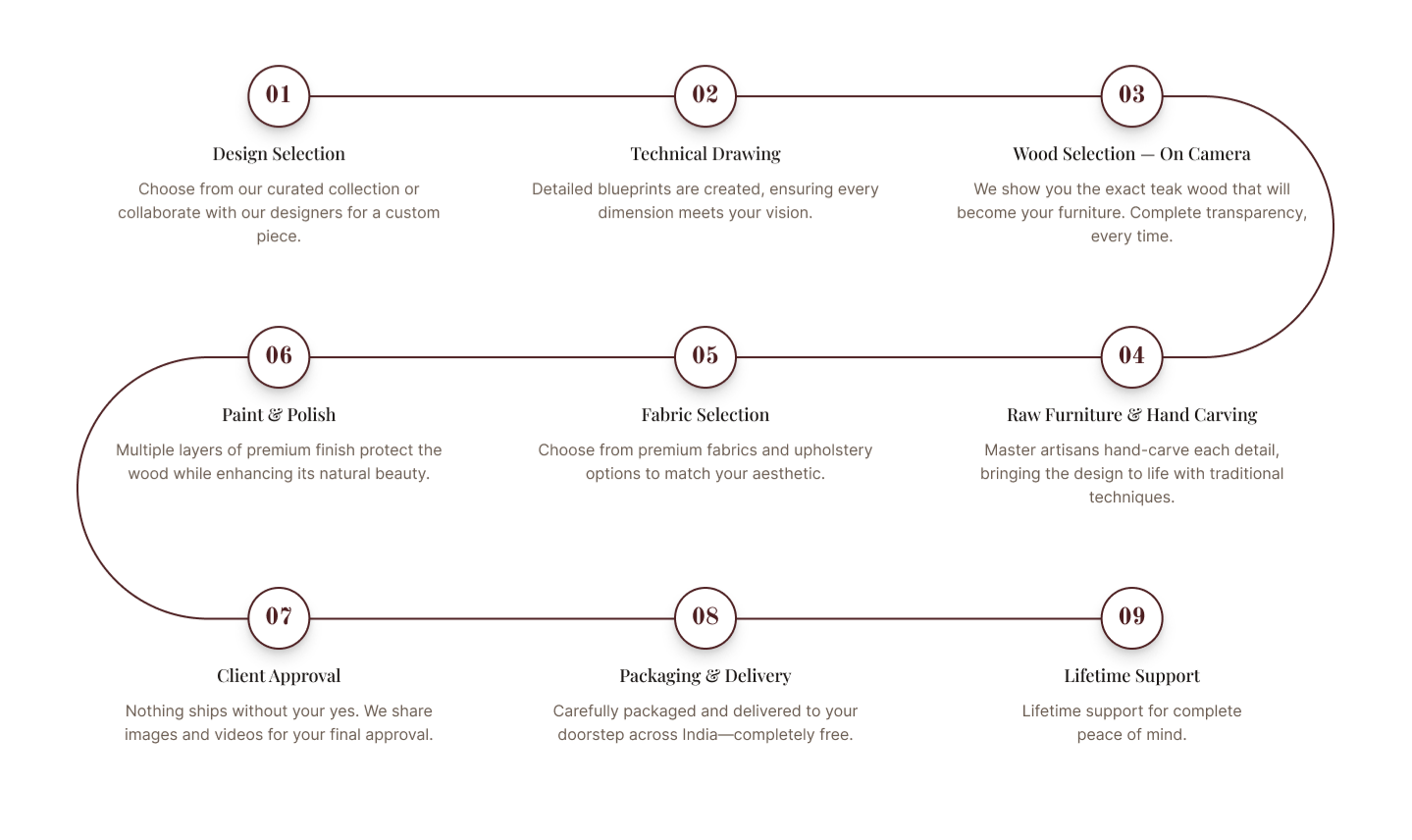
Matching Paint to Cloth Is Harder Than It Sounds
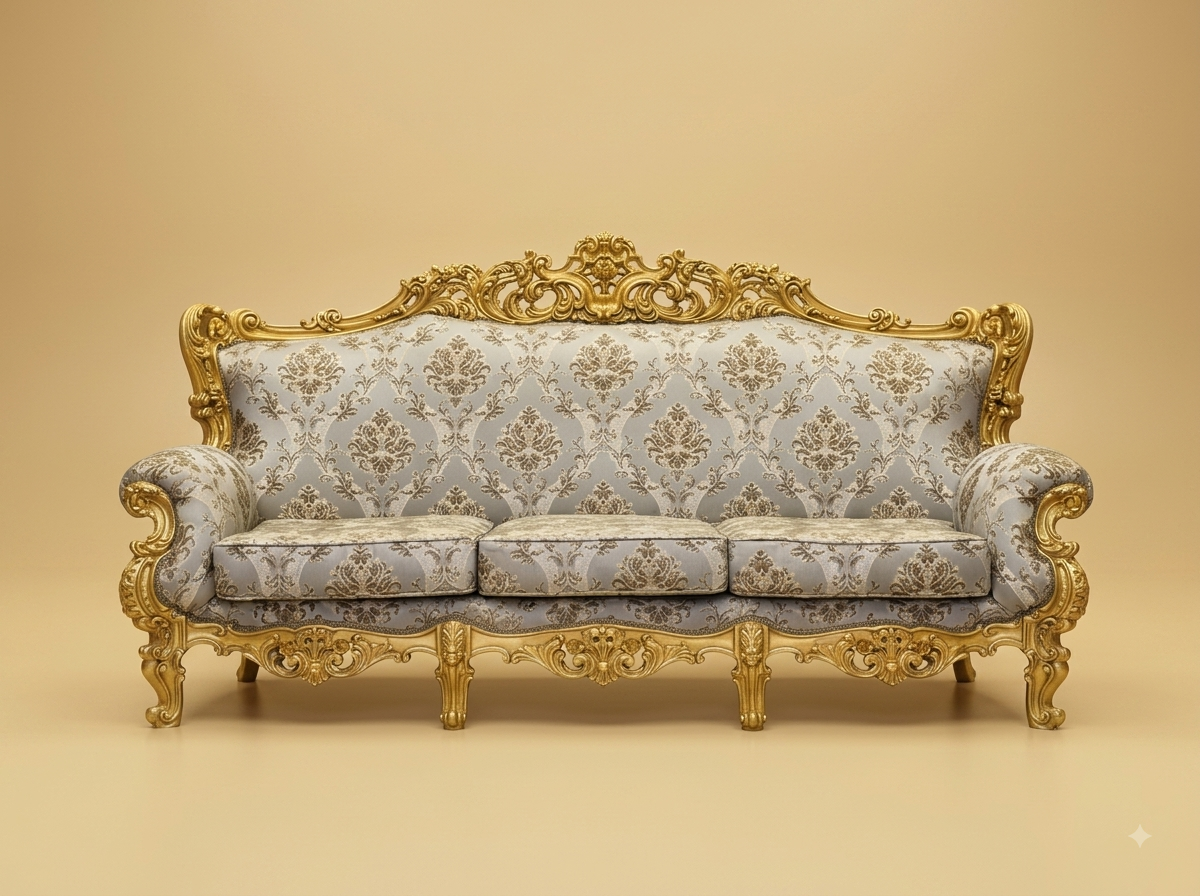
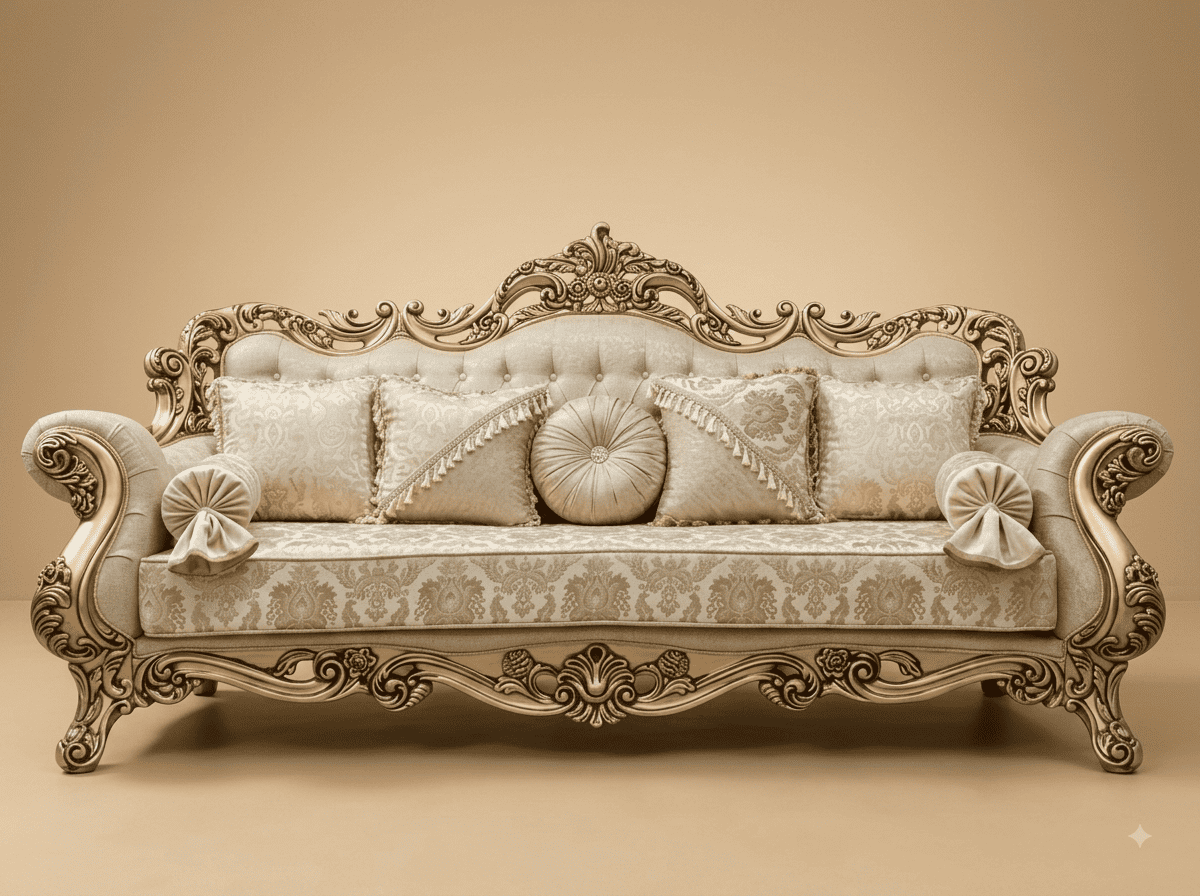
Two cream samples that look identical side by side on a workbench will often refuse to agree once they are in a room. A painted wood surface is pigment on a hard, slightly reflective ground; a woven damask is dyed fibre with a texture that scatters light and a pattern that shifts as the weave catches it. Put them under a cool workshop tube and they match. Put them under a warm bedroom lamp at night and one goes yellow while the other stays neutral, and the whole point of a tonal piece collapses.
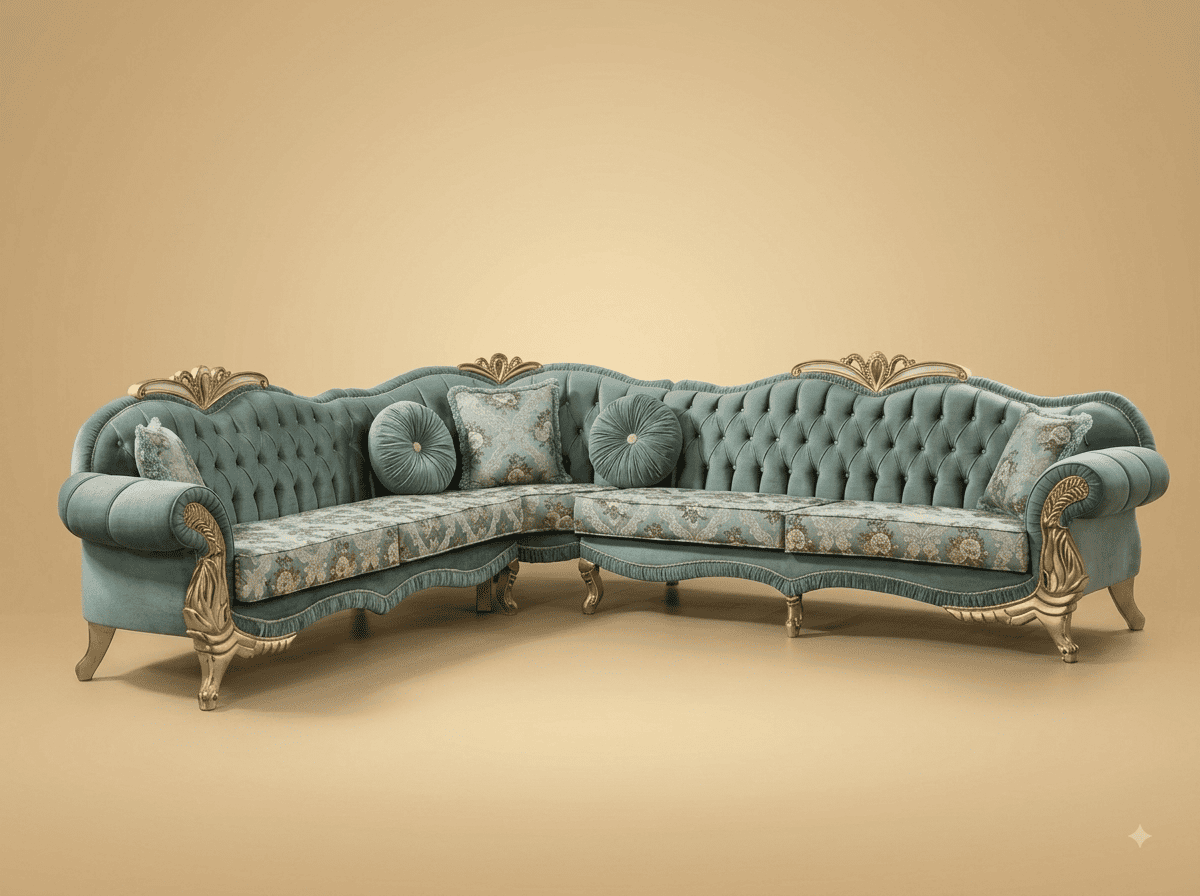
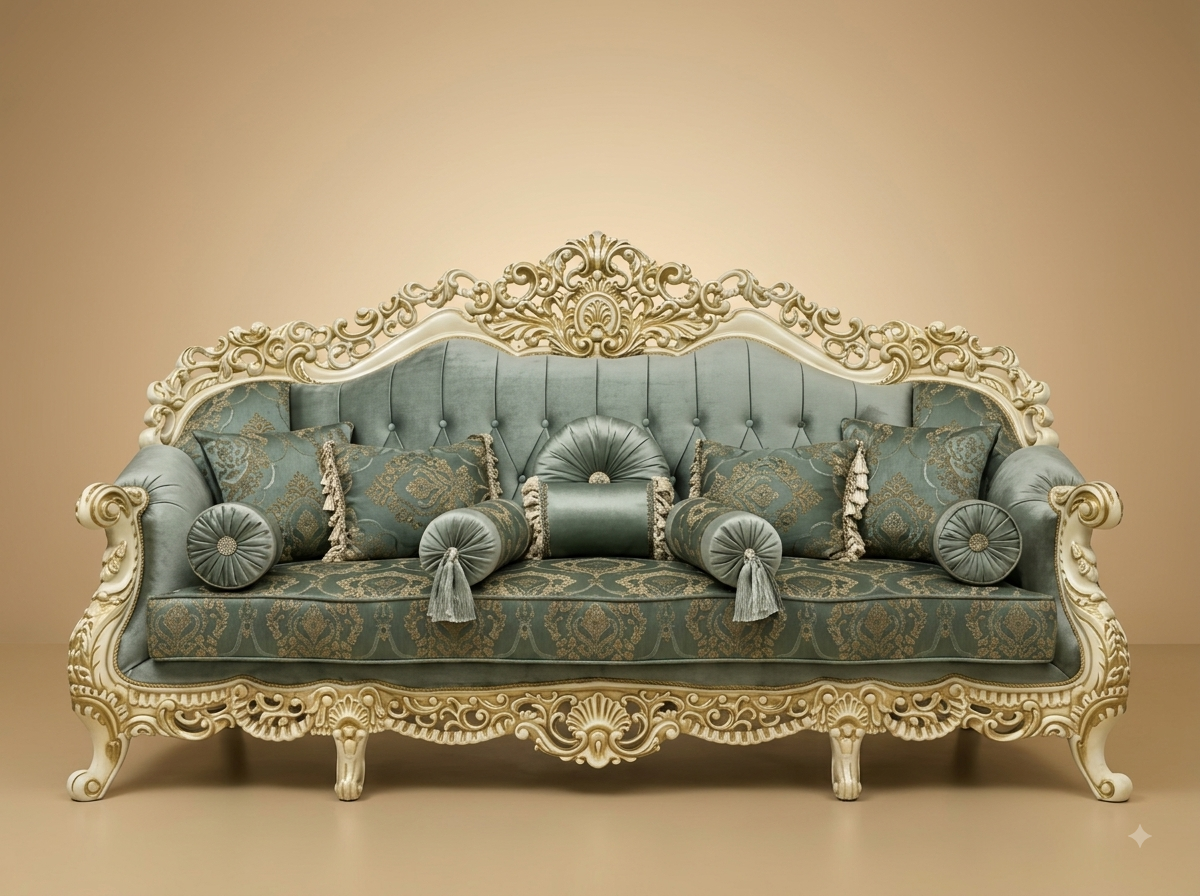
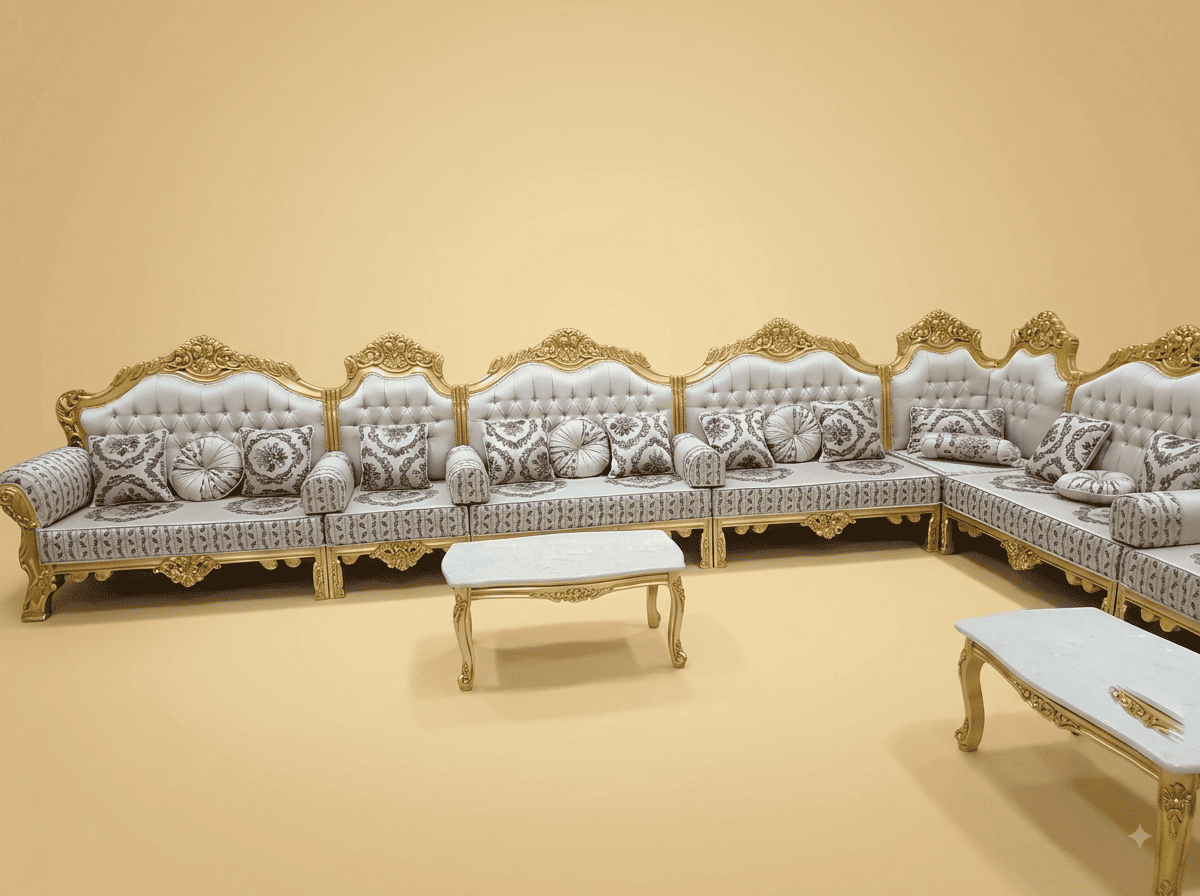
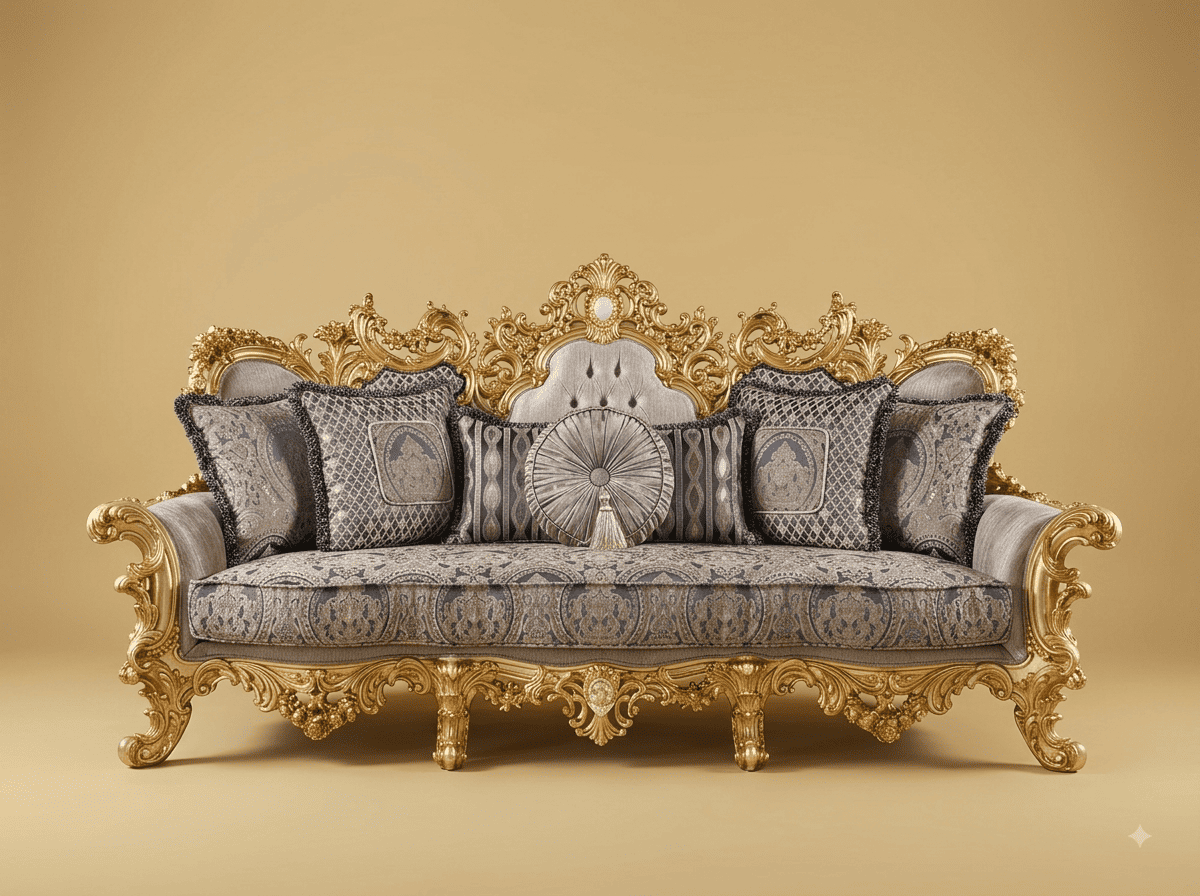
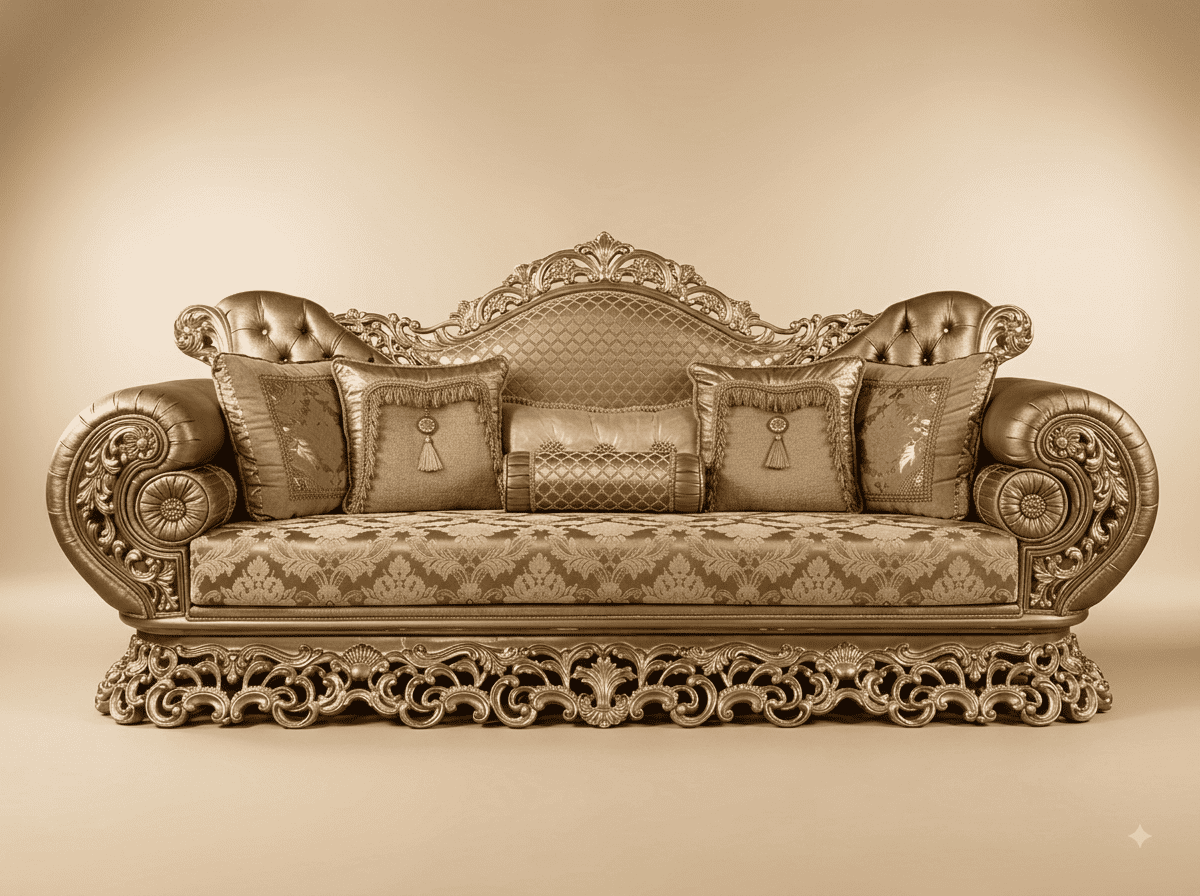
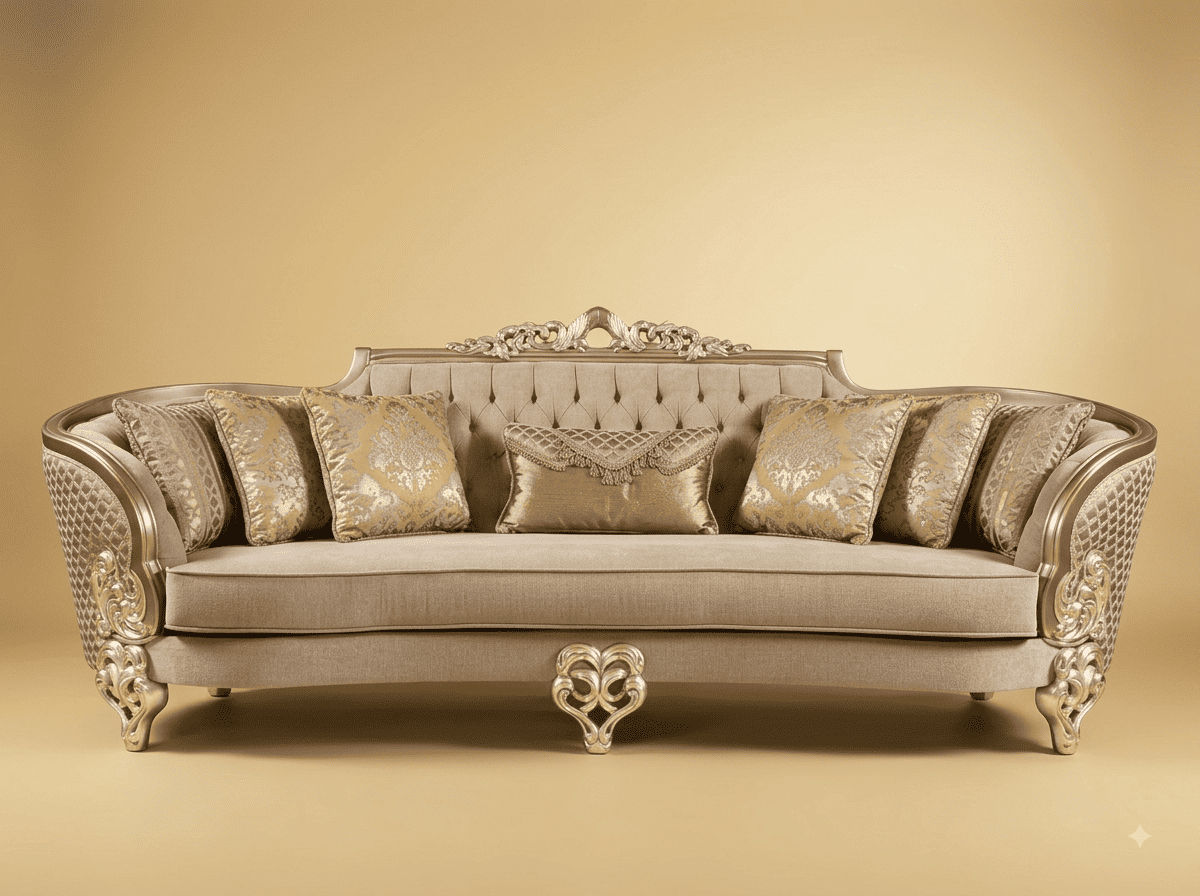
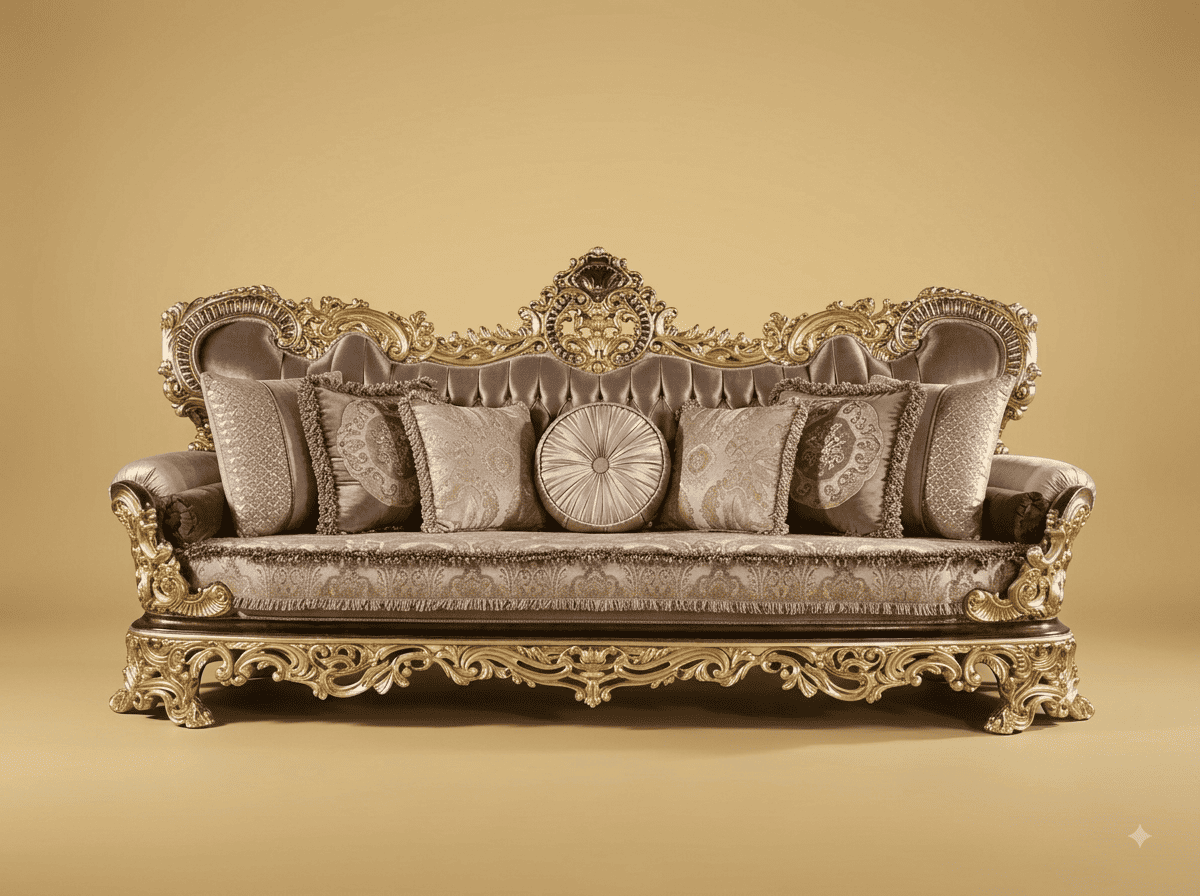
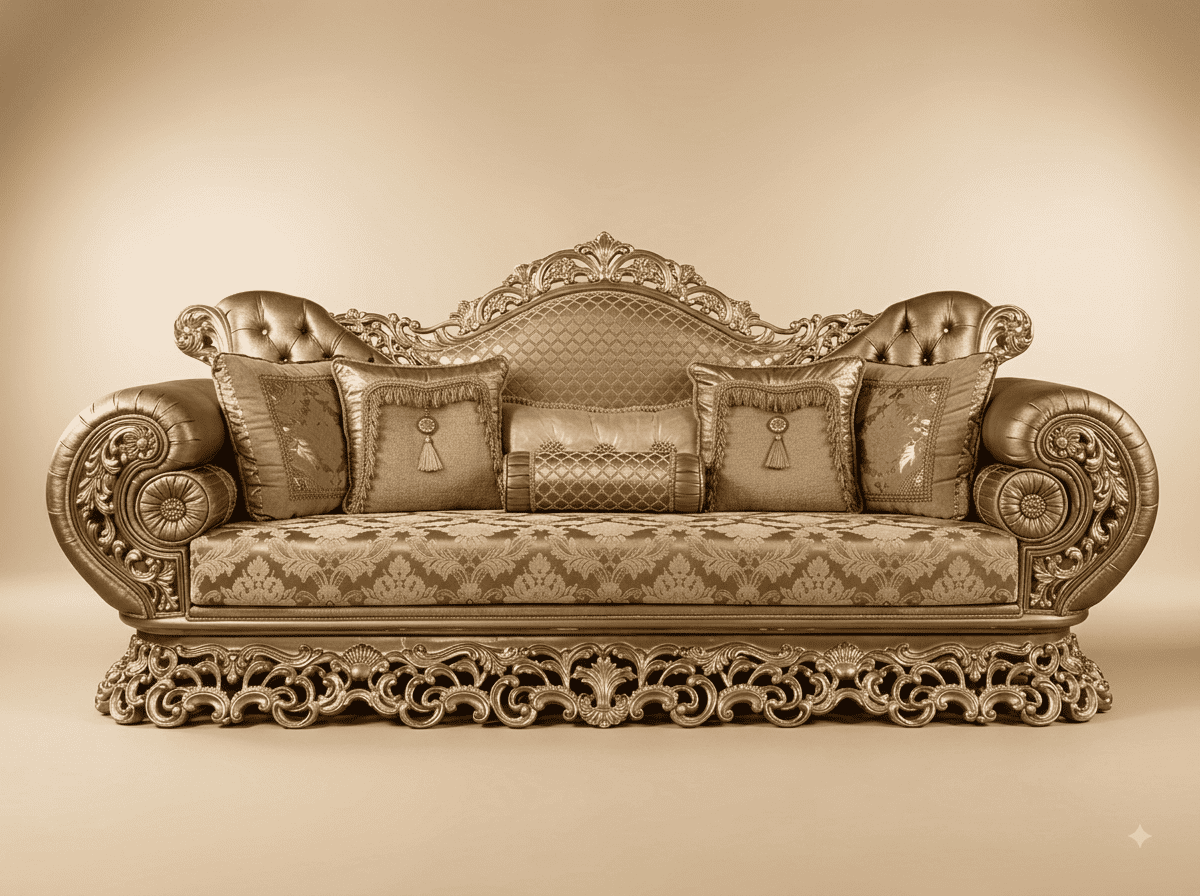
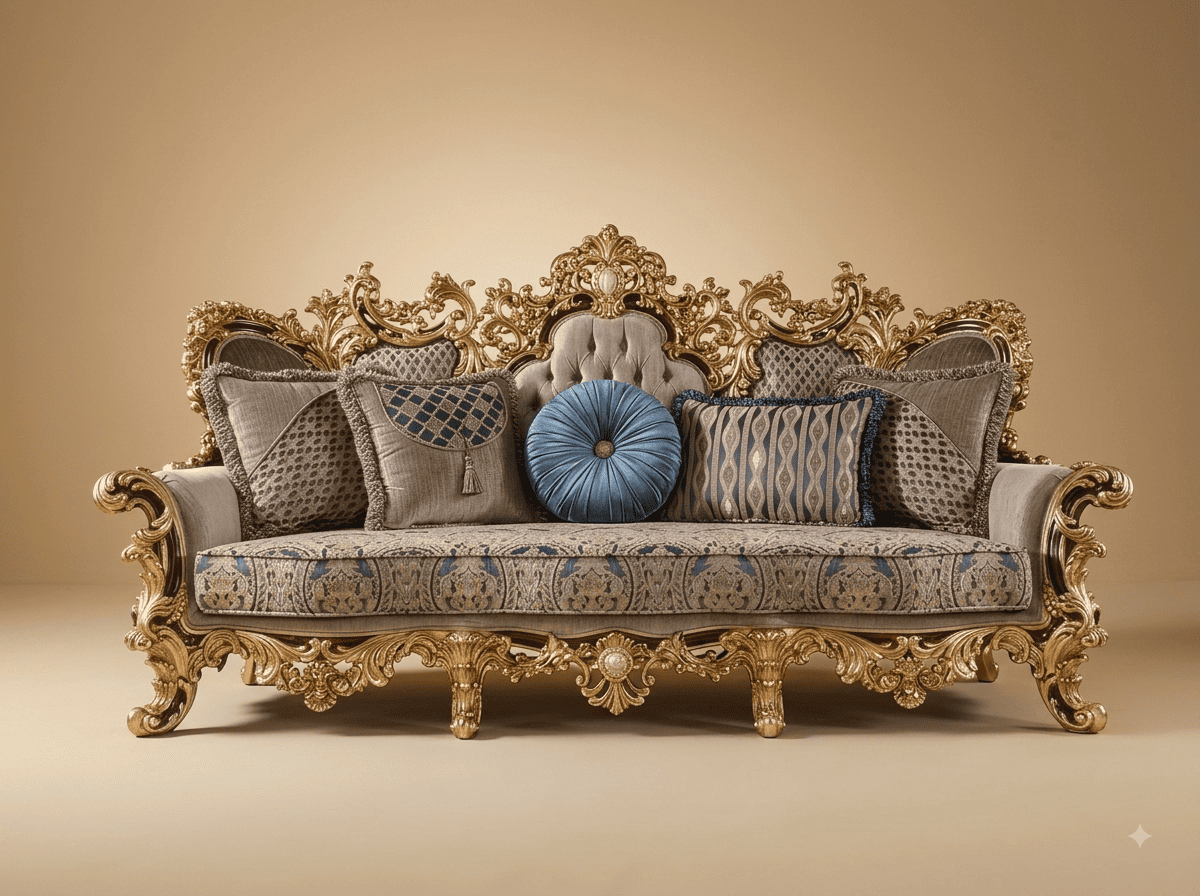
So the matching on this sofa is done against the light the piece will live in rather than the light it is built in, and adjusted until frame and fabric hold together in daylight, in warm lamplight and in the flat light of an overcast afternoon. That is the part of the work you will never see. What you will see is the consequence: with no colour separating the wood from the cloth, the carving has to carry the entire design on its own. The crest is pierced through, the arm scrolls are cut deep and properly undercut, and the apron stands proud enough to throw a real shadow, because nothing else is available to give the sofa definition. It is carved, finished and upholstered by hand by master Indian artisans.
 Ask Price On WhatsApp