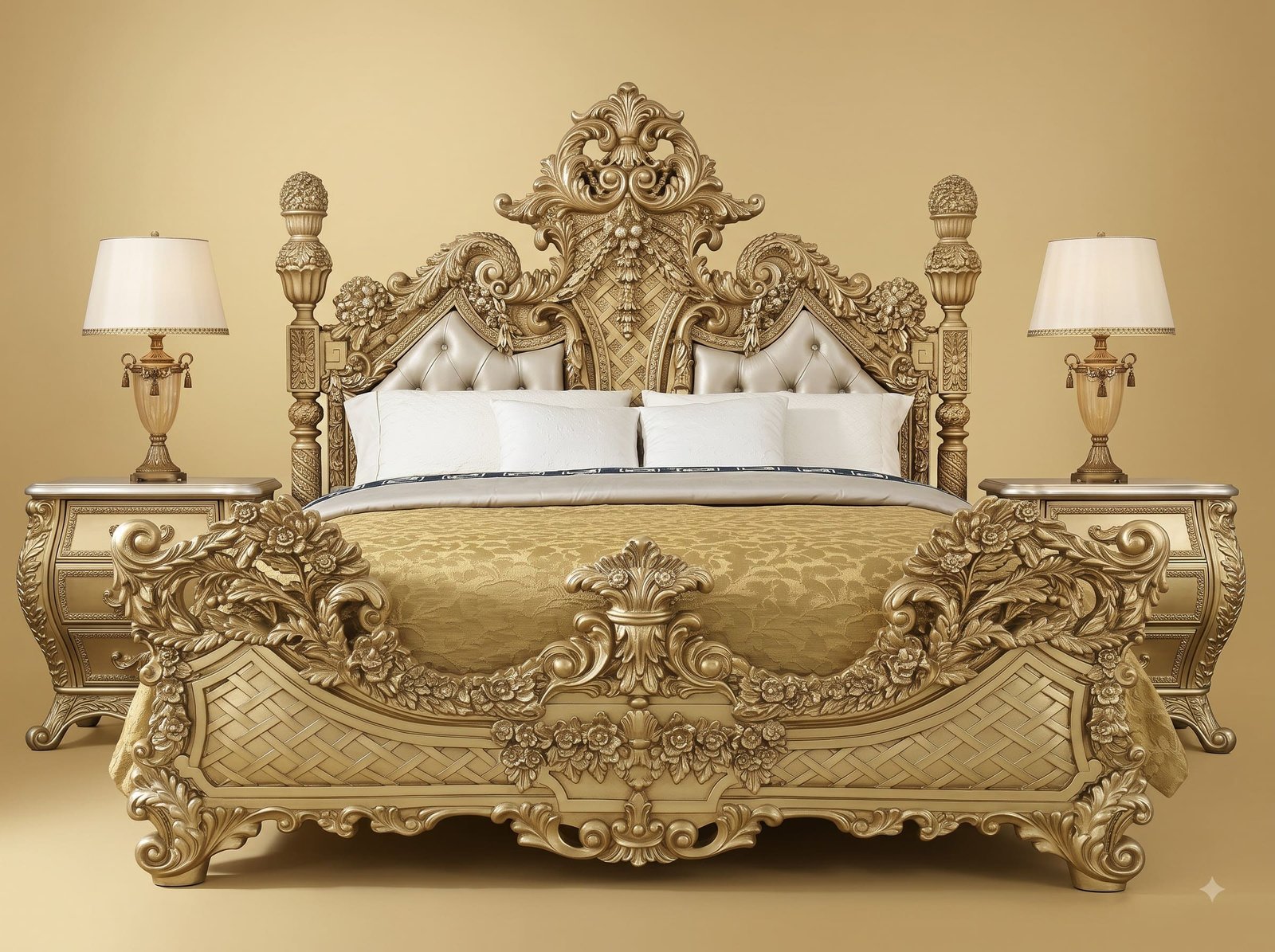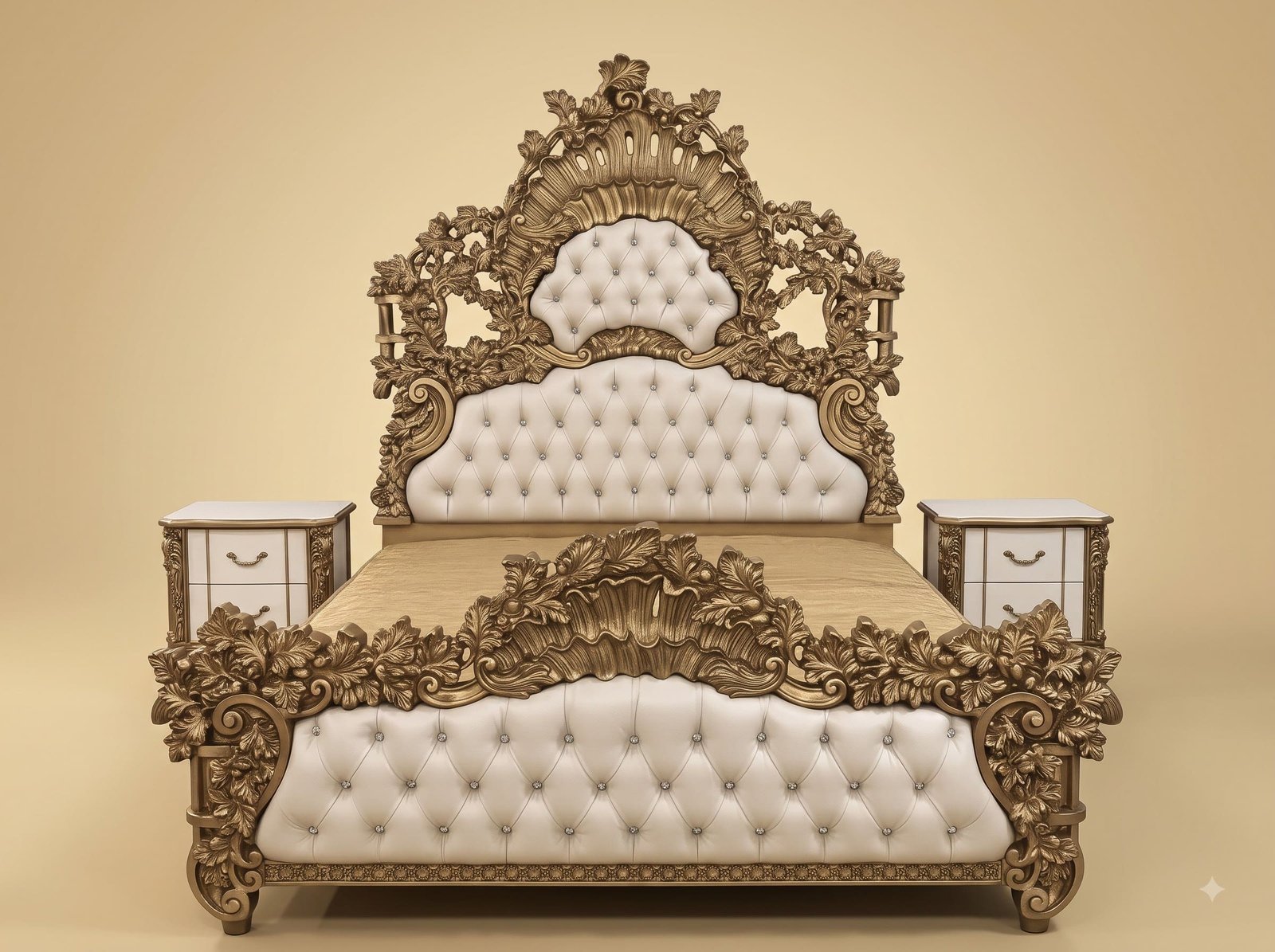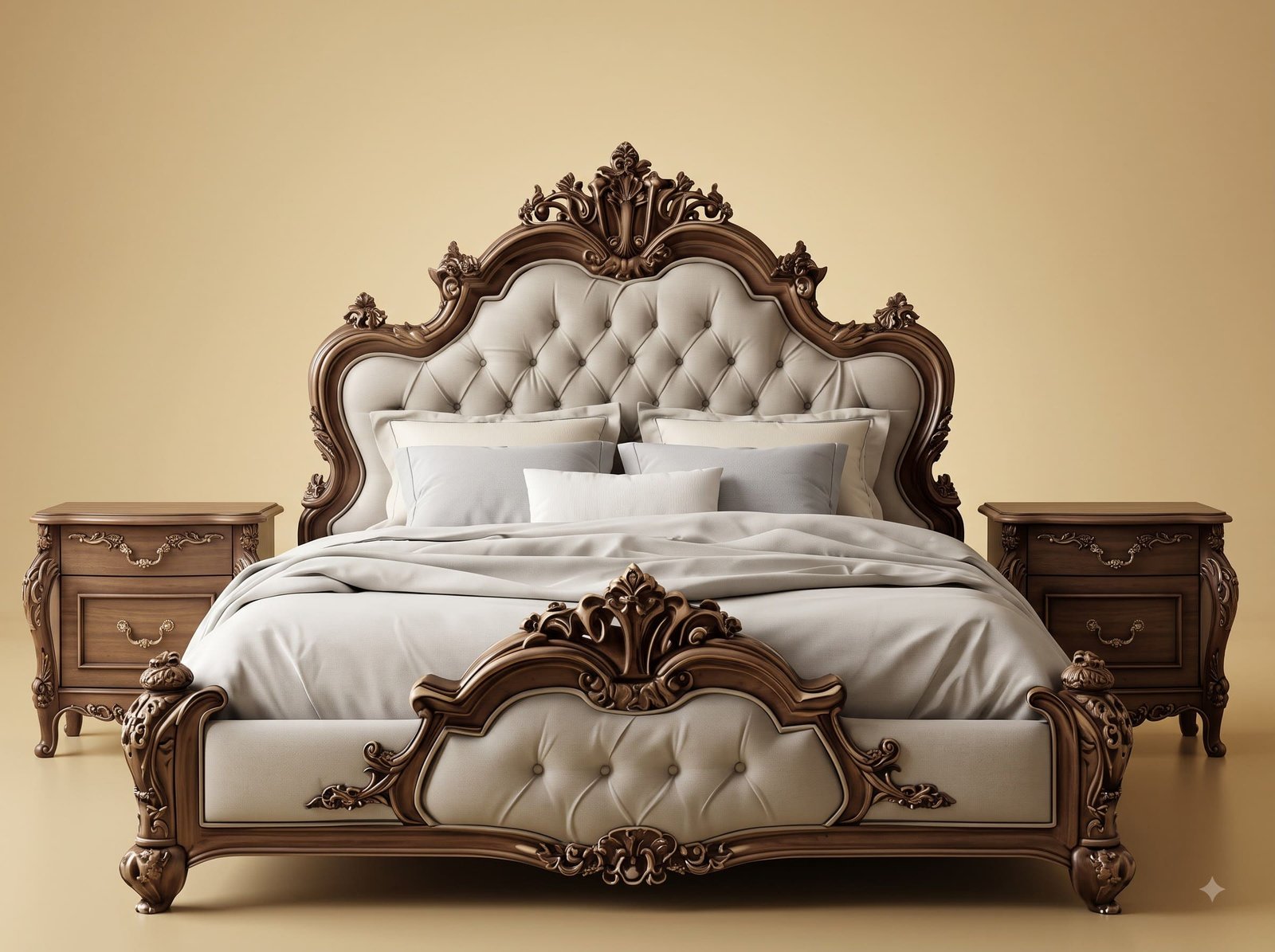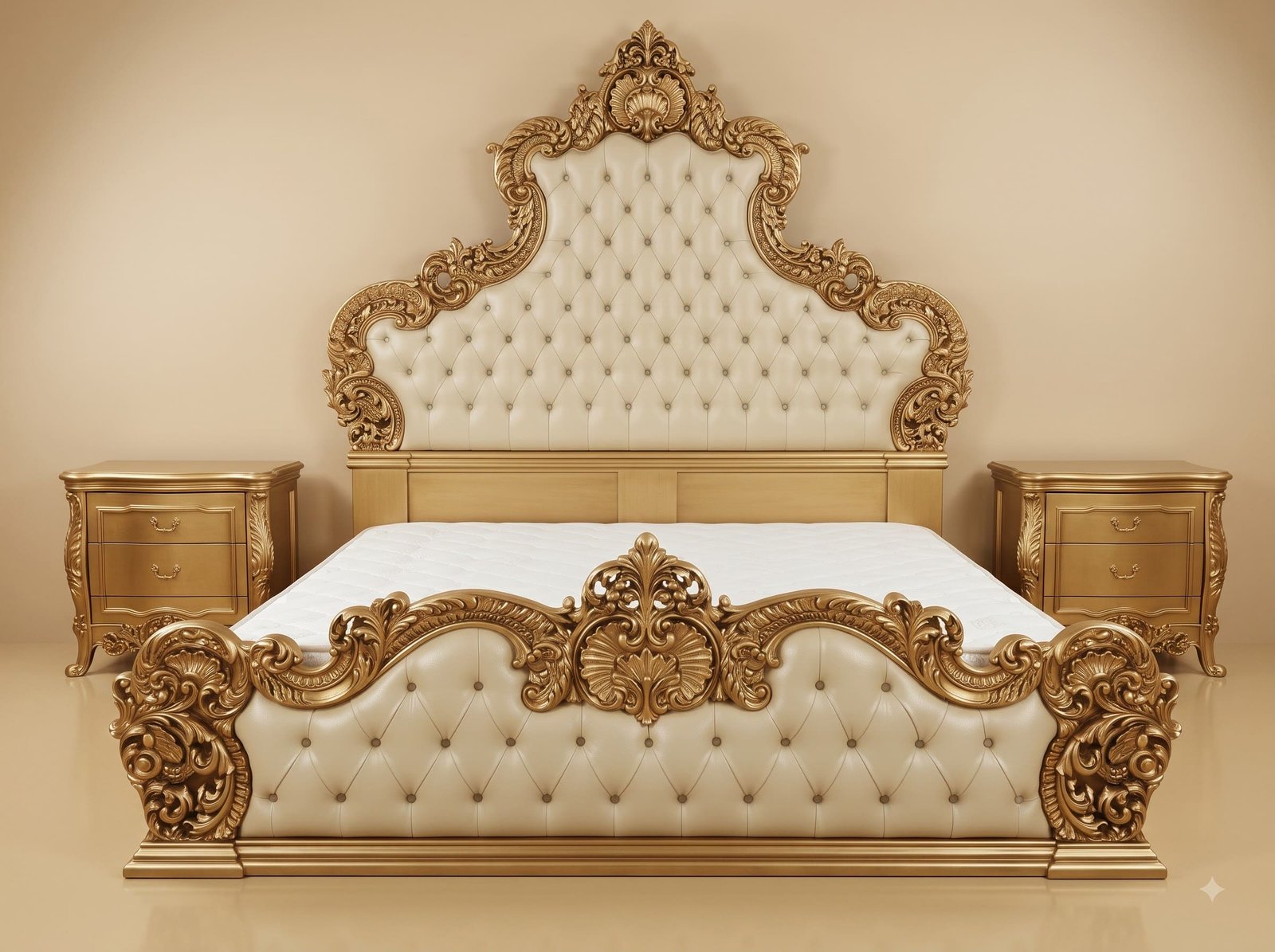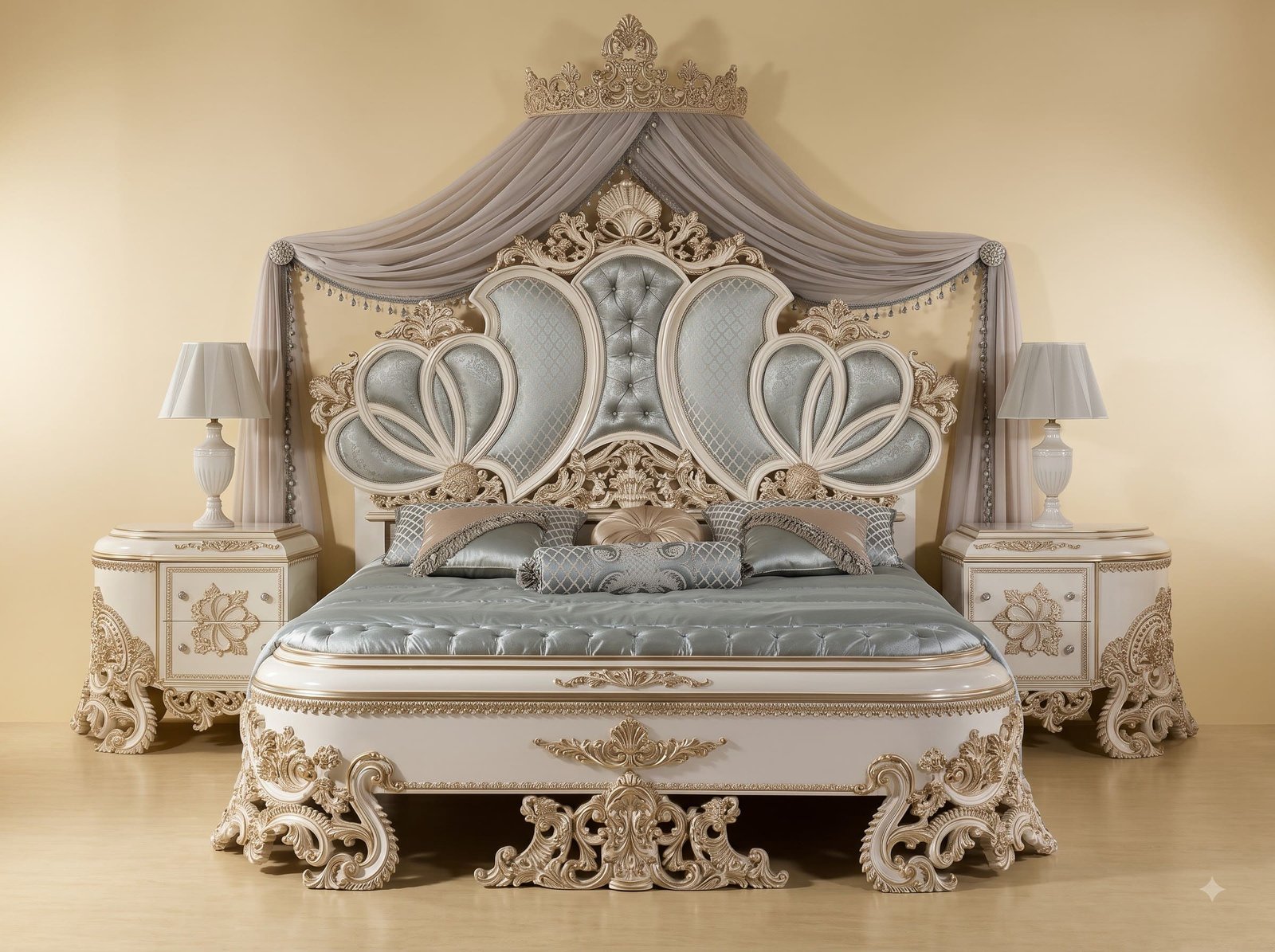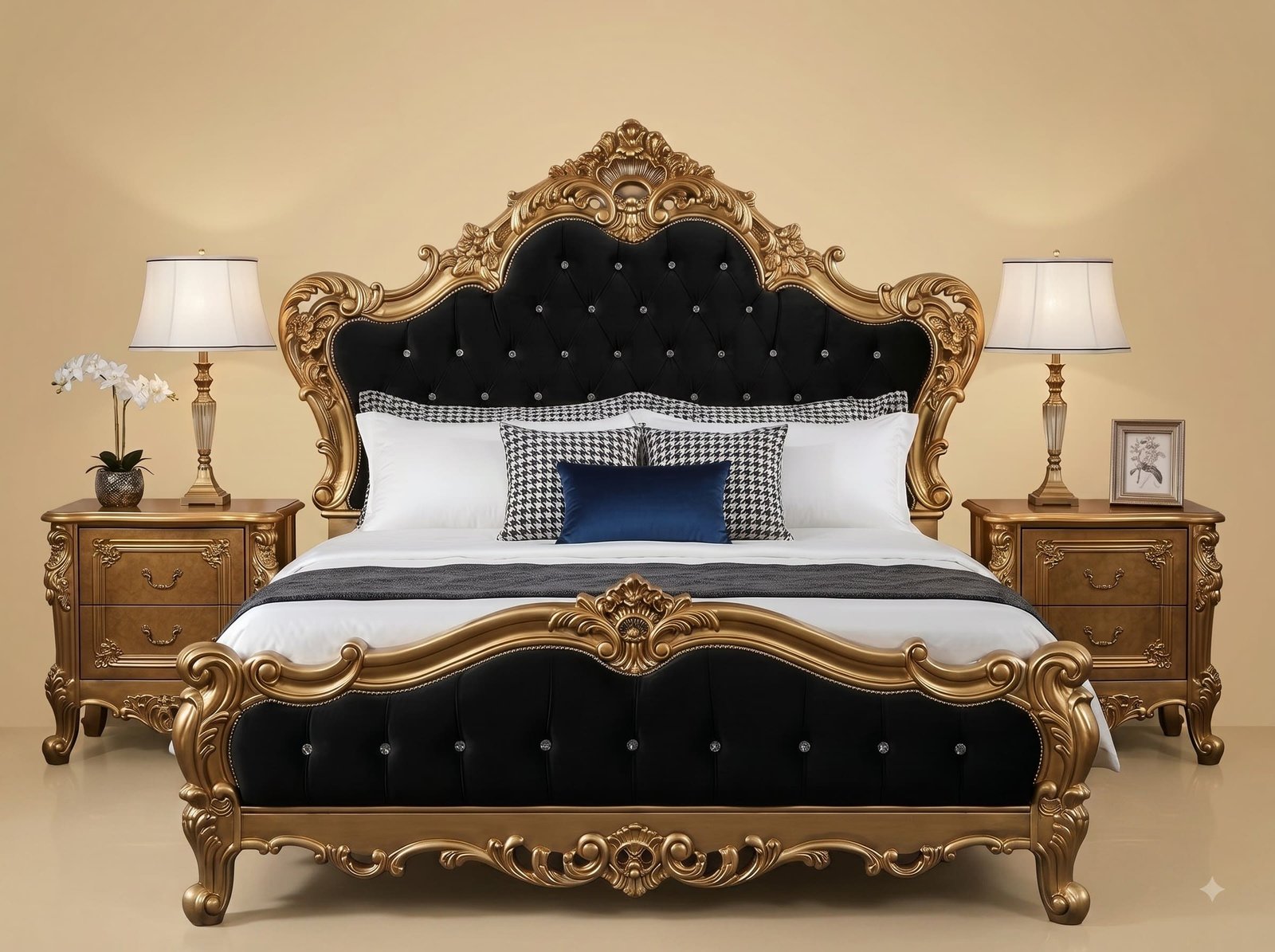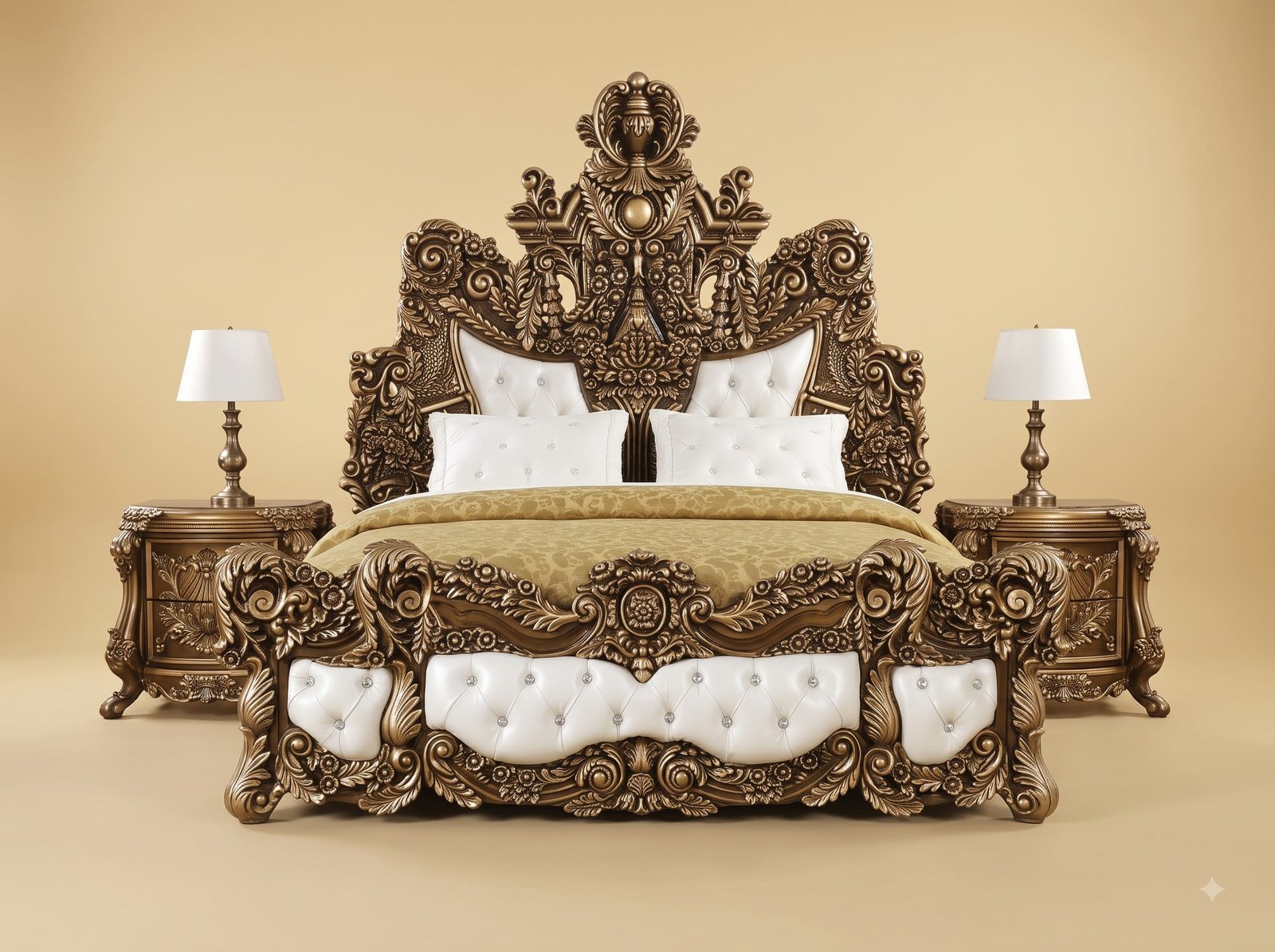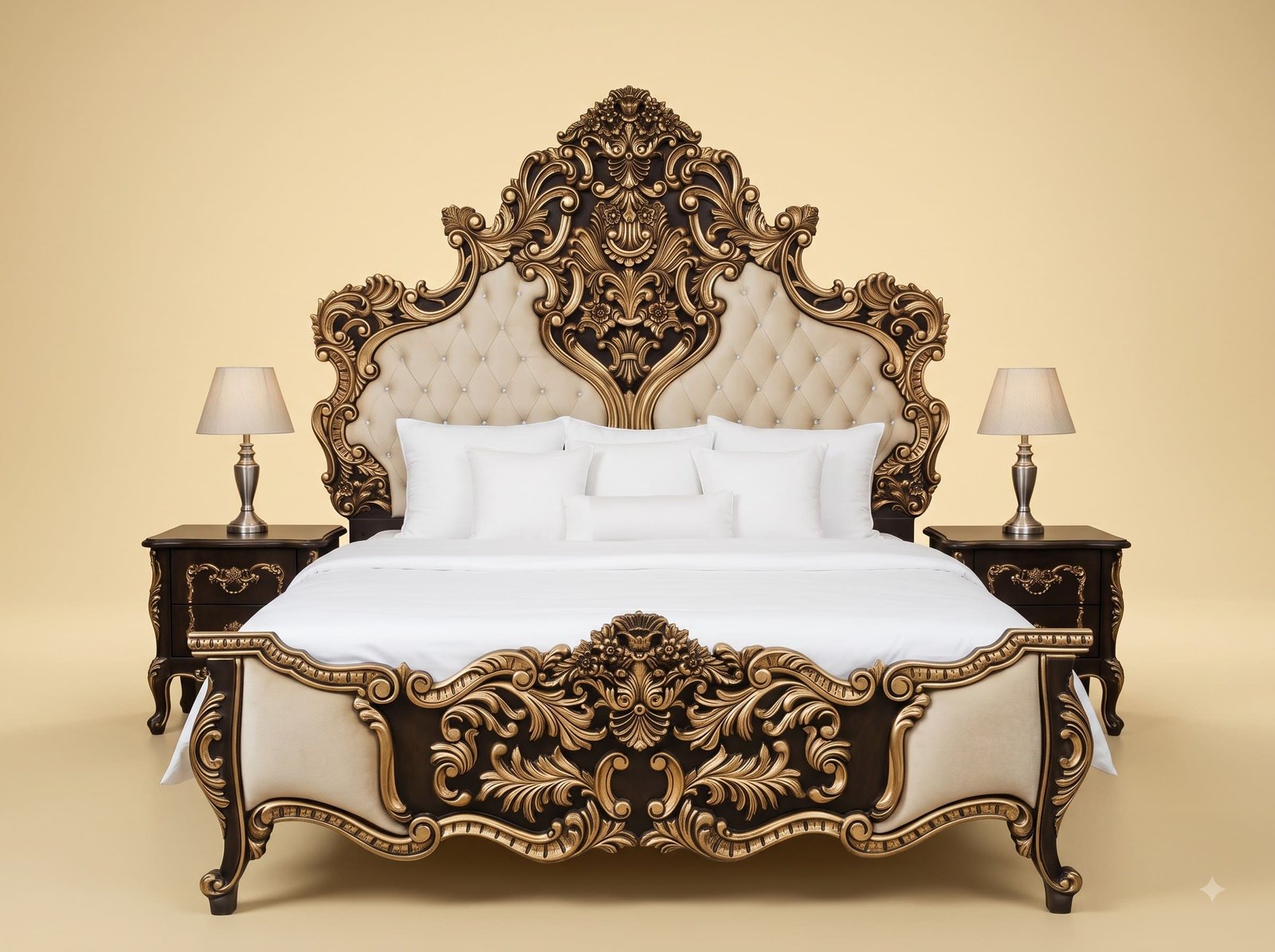
Damask is a weave, not a print. The pattern is made by the way the threads themselves are interlaced - warp-faced in one area, weft-faced in the next - so the motif appears purely through how each part of the cloth catches light. Turn a damask panel to the window and the pattern reverses. That is why it has been used in rooms rather than on clothing for most of its history: it is designed to be seen from across a space.
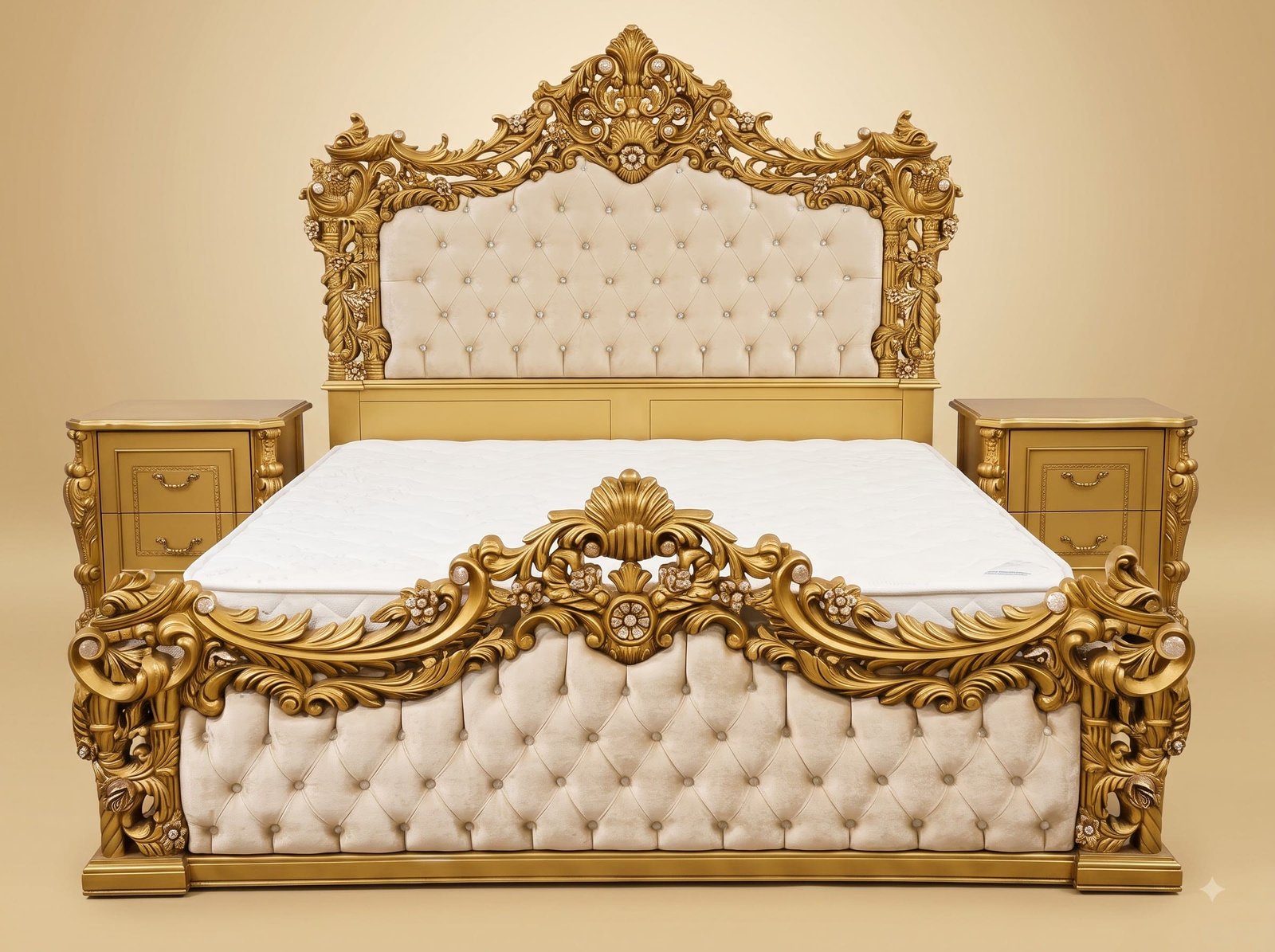
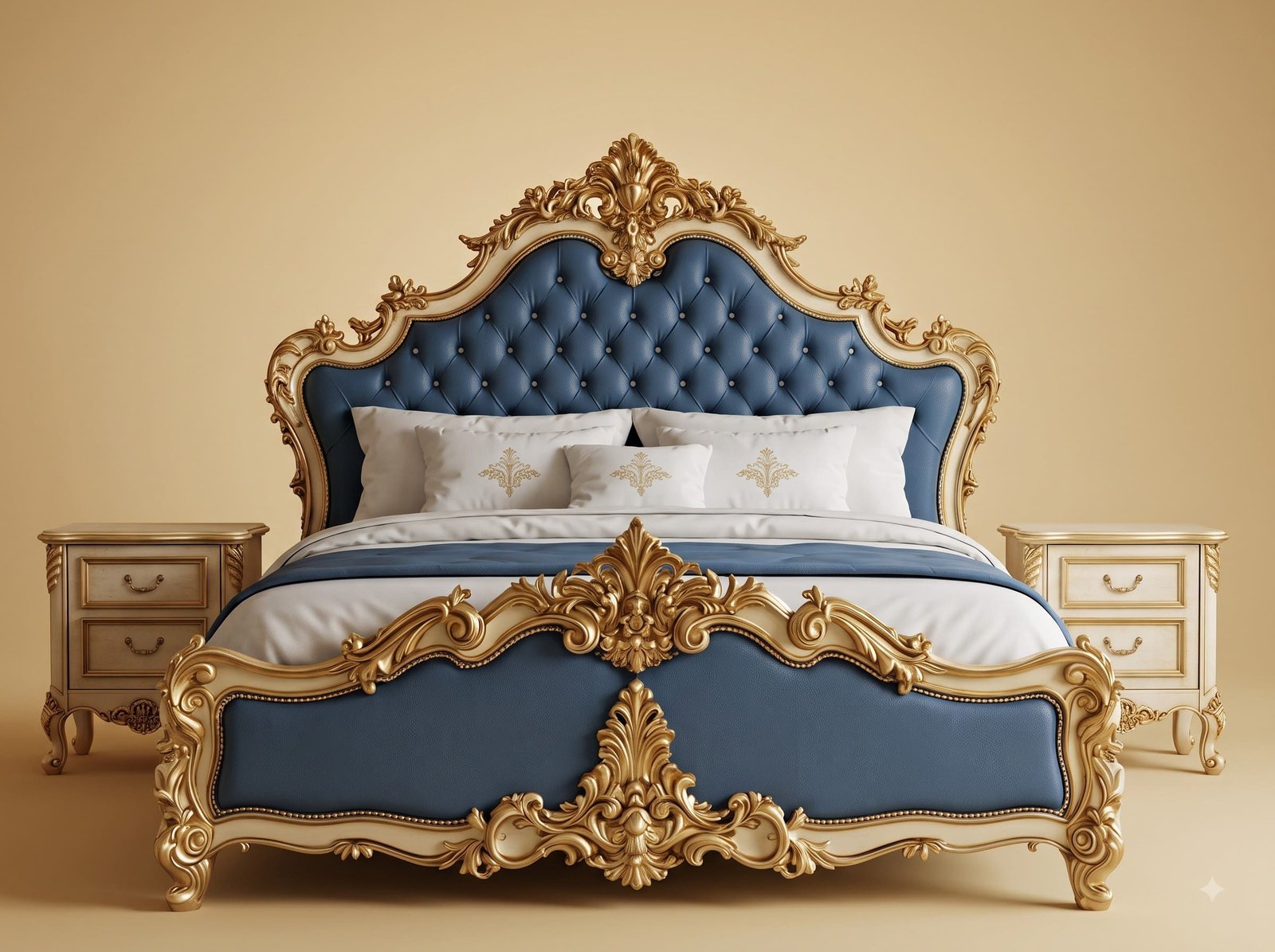
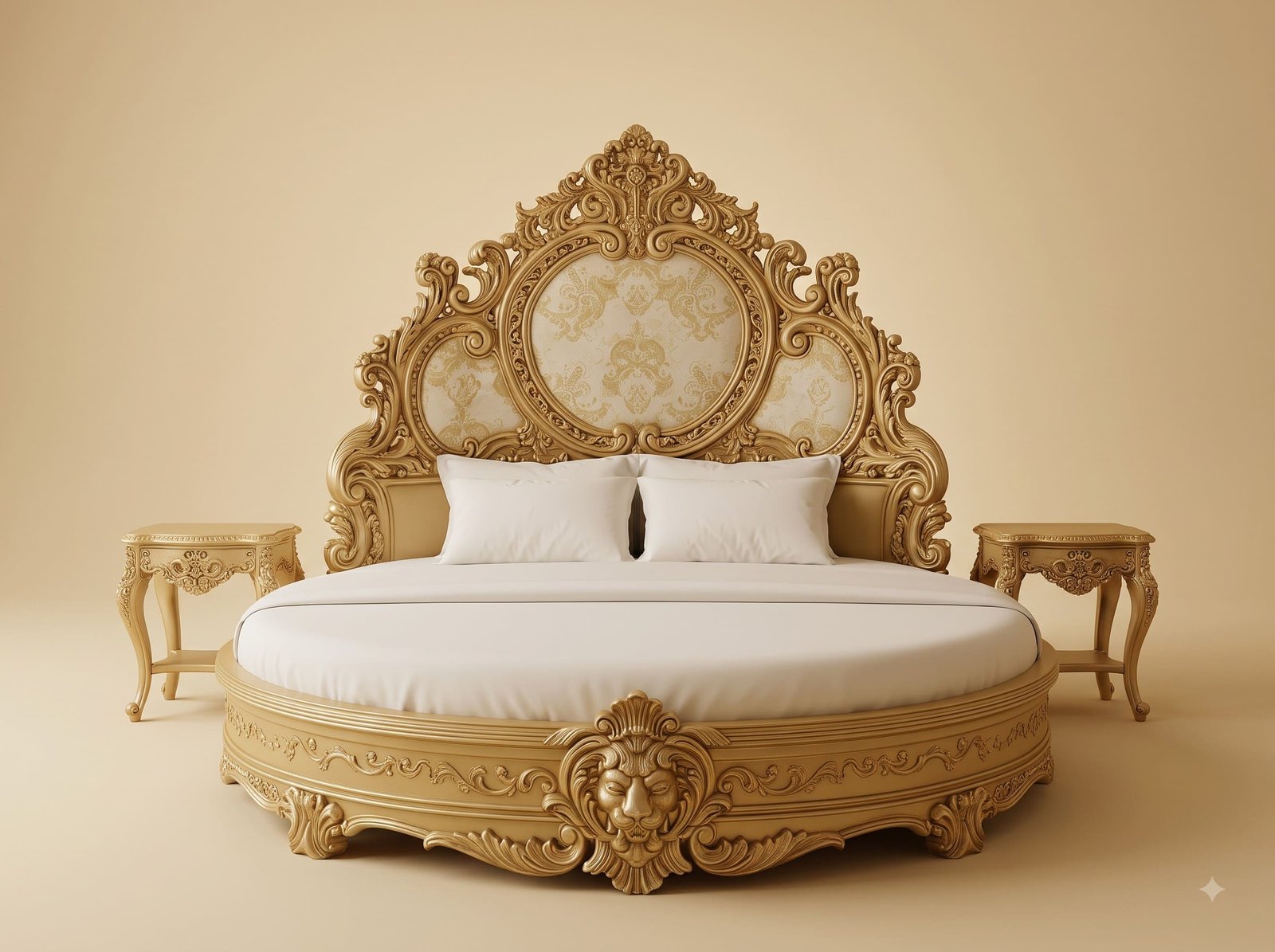
Setting damask into carved wood rather than buttoning it is a deliberate choice, and it follows from what the cloth is. Buttoning pulls a fabric into folds, which is beautiful on a plain velvet and destructive on a woven pattern, because the motif disappears into the creases. Laid flat inside a carved ring, the weave keeps its geometry.
Our master Indian artisans carve the ring first and stretch the panel to it afterwards, working from the centre outward so the damask motif lands square inside the circle rather than drifting off-axis - which is the sort of detail nobody consciously notices and everybody feels.
 Ask Price On WhatsApp