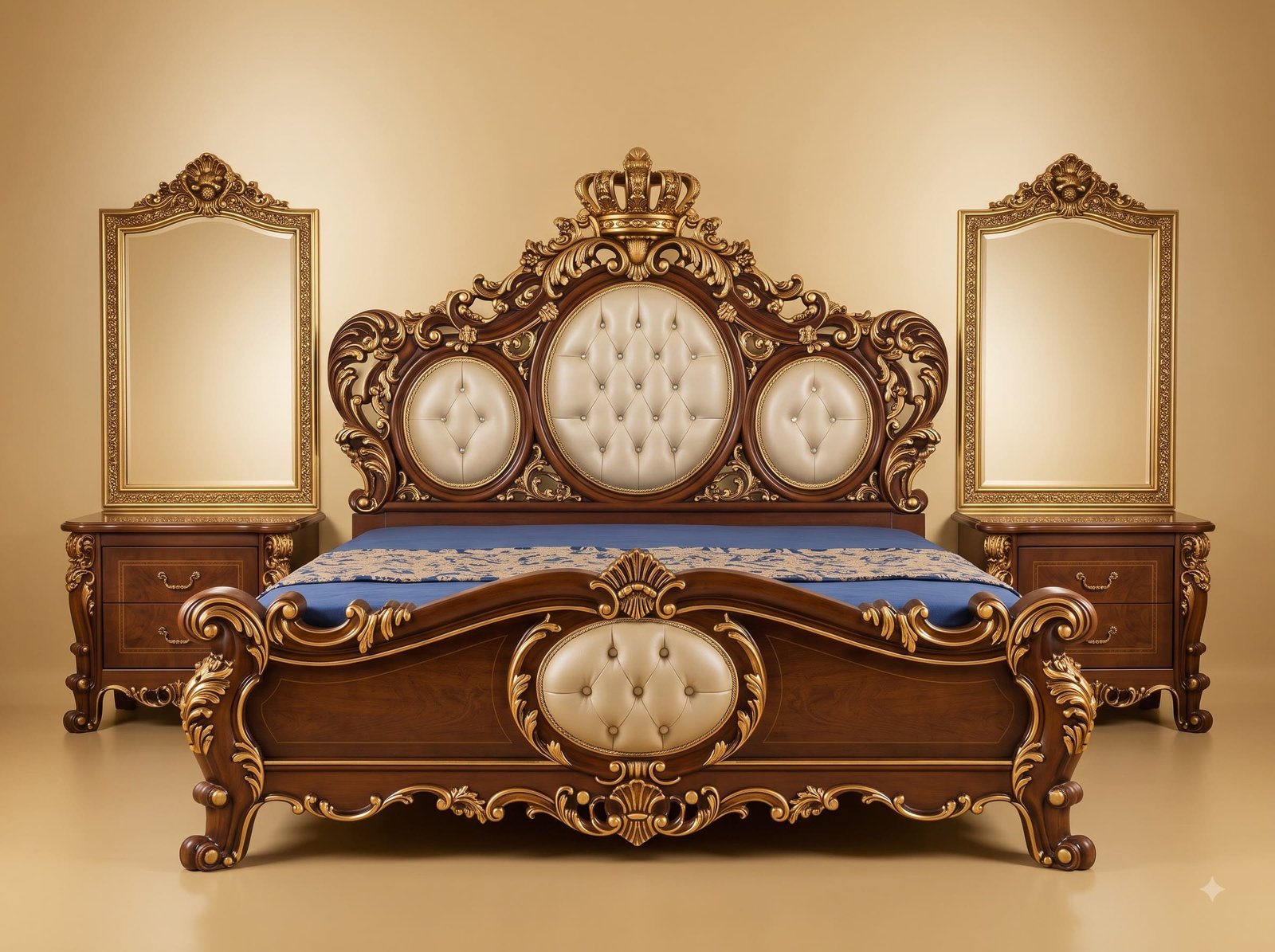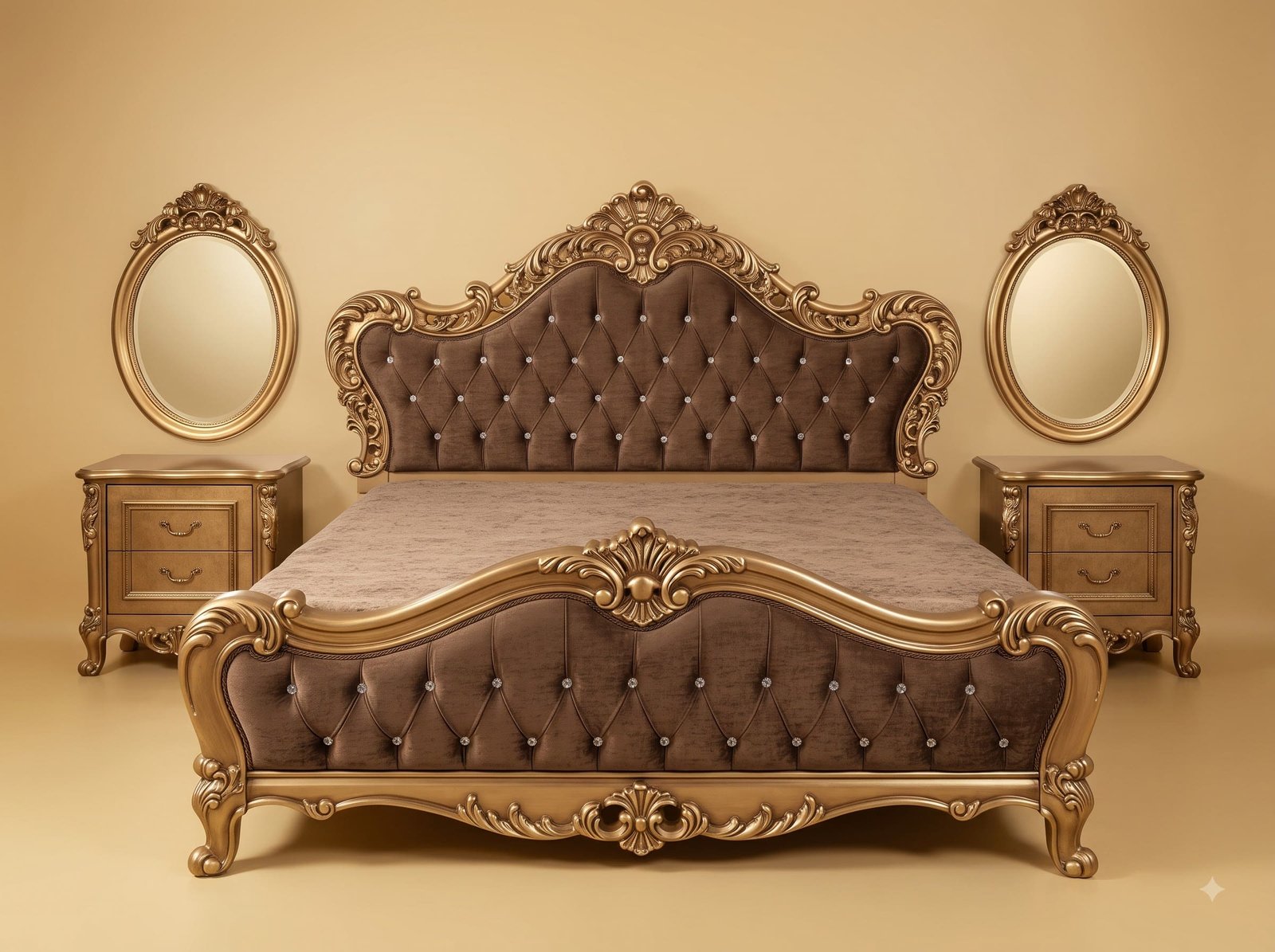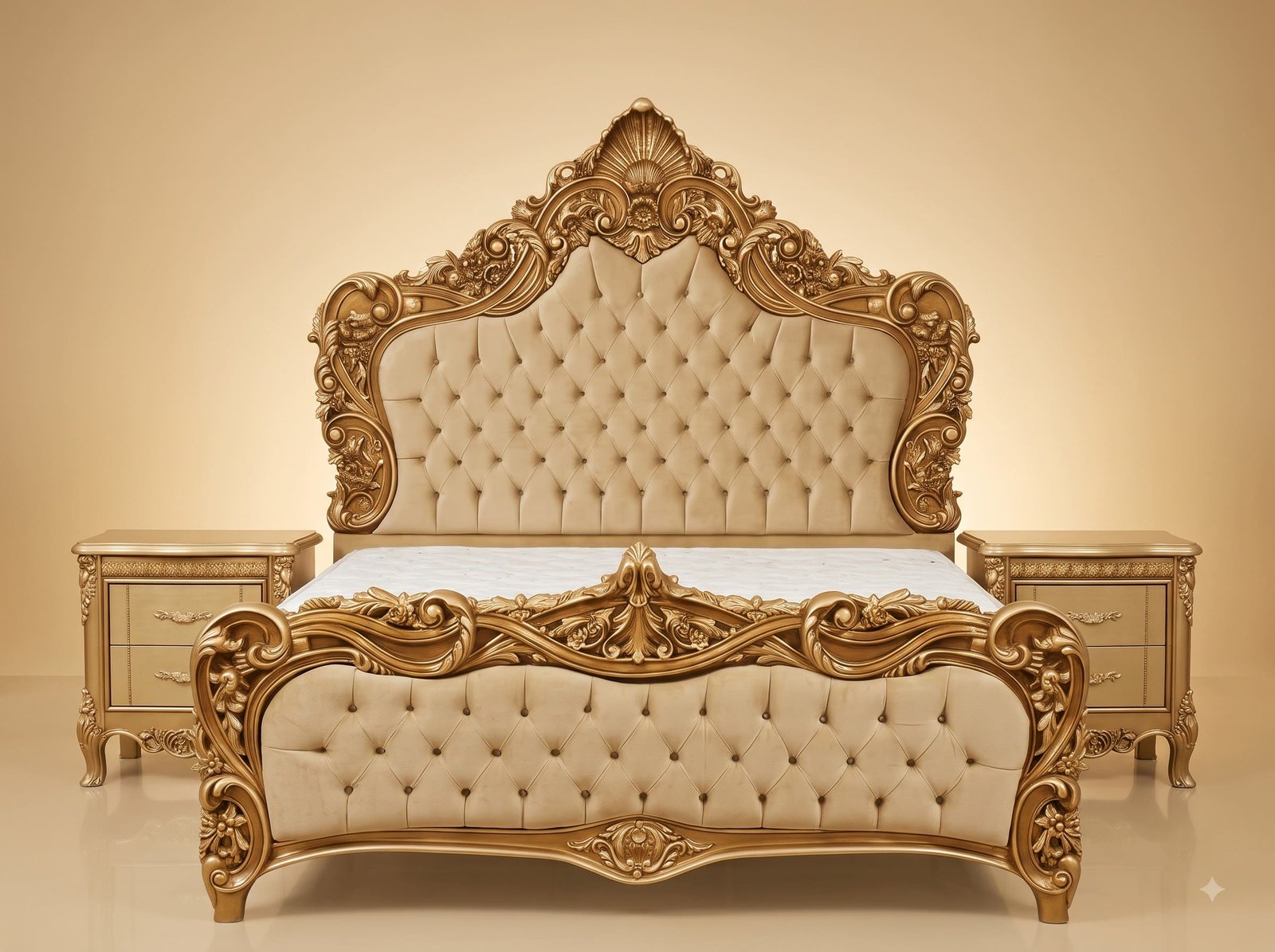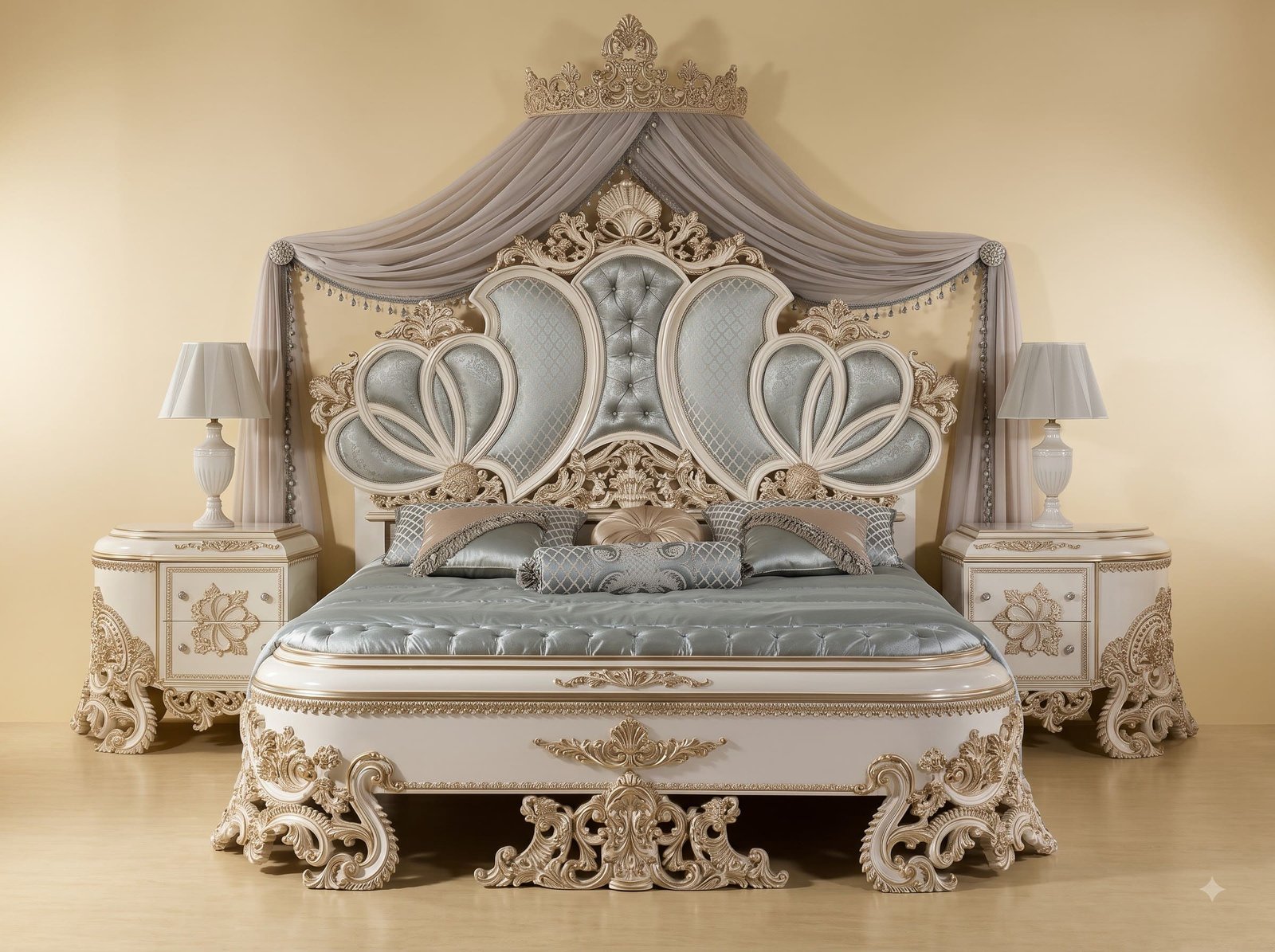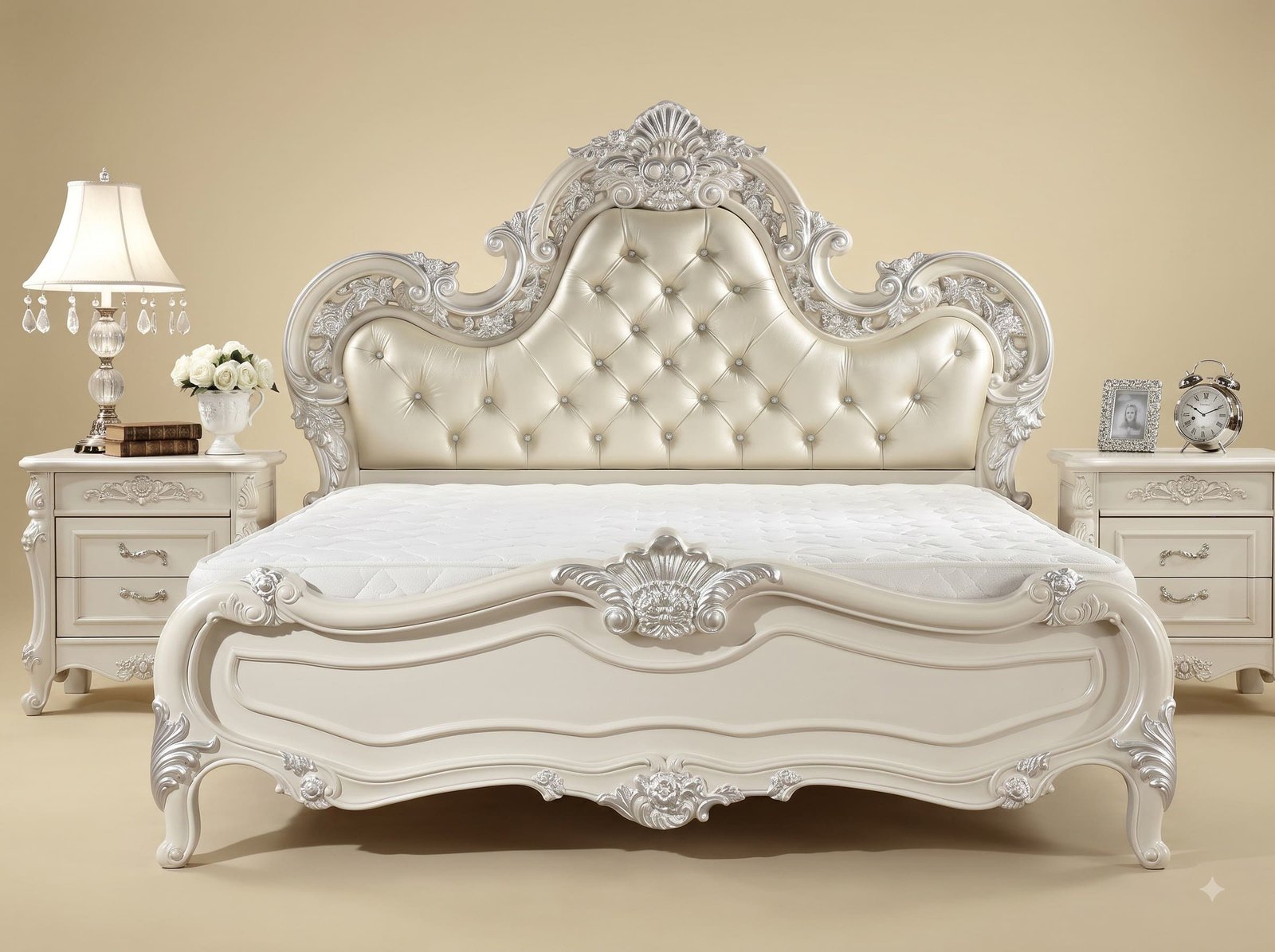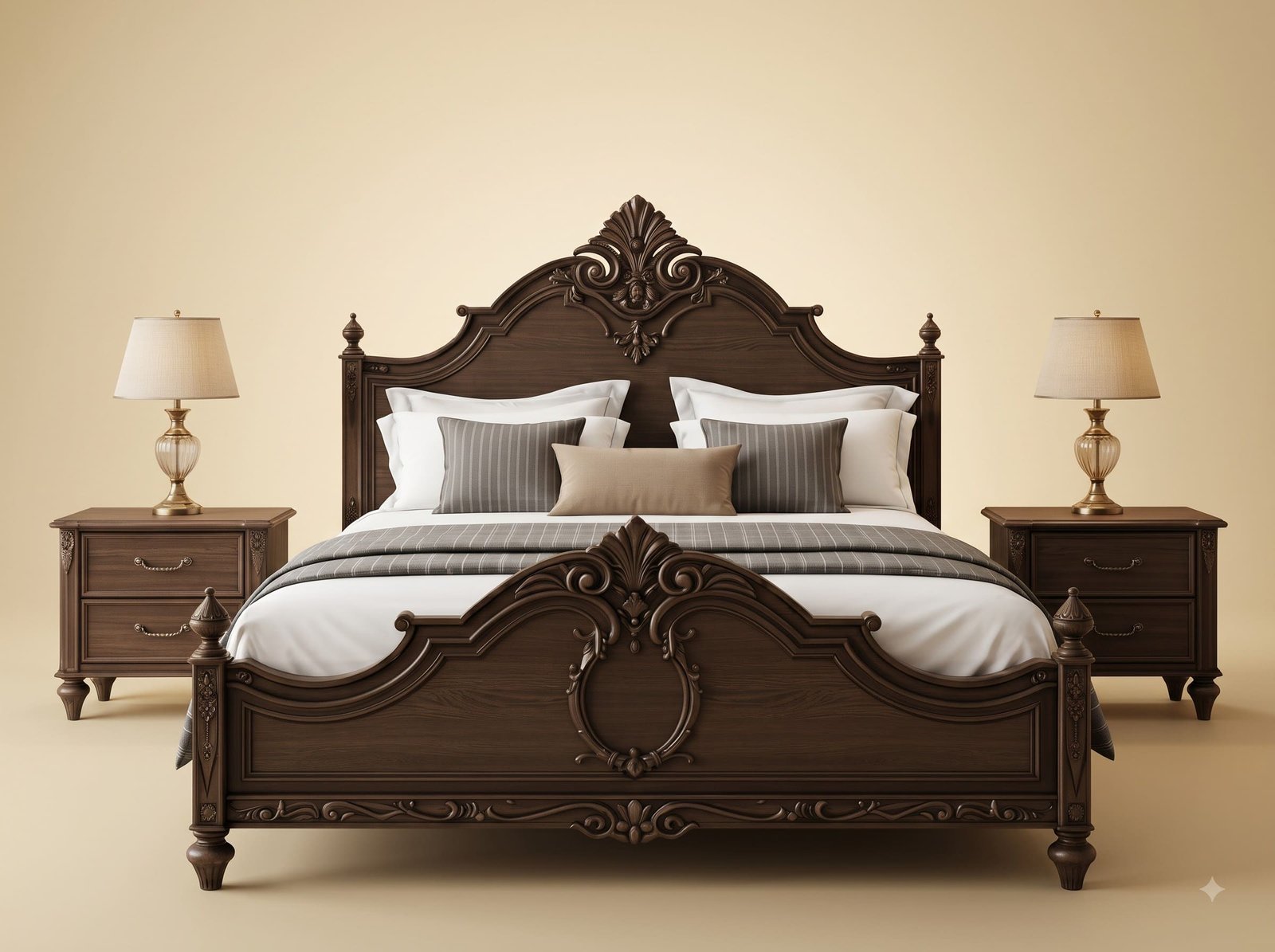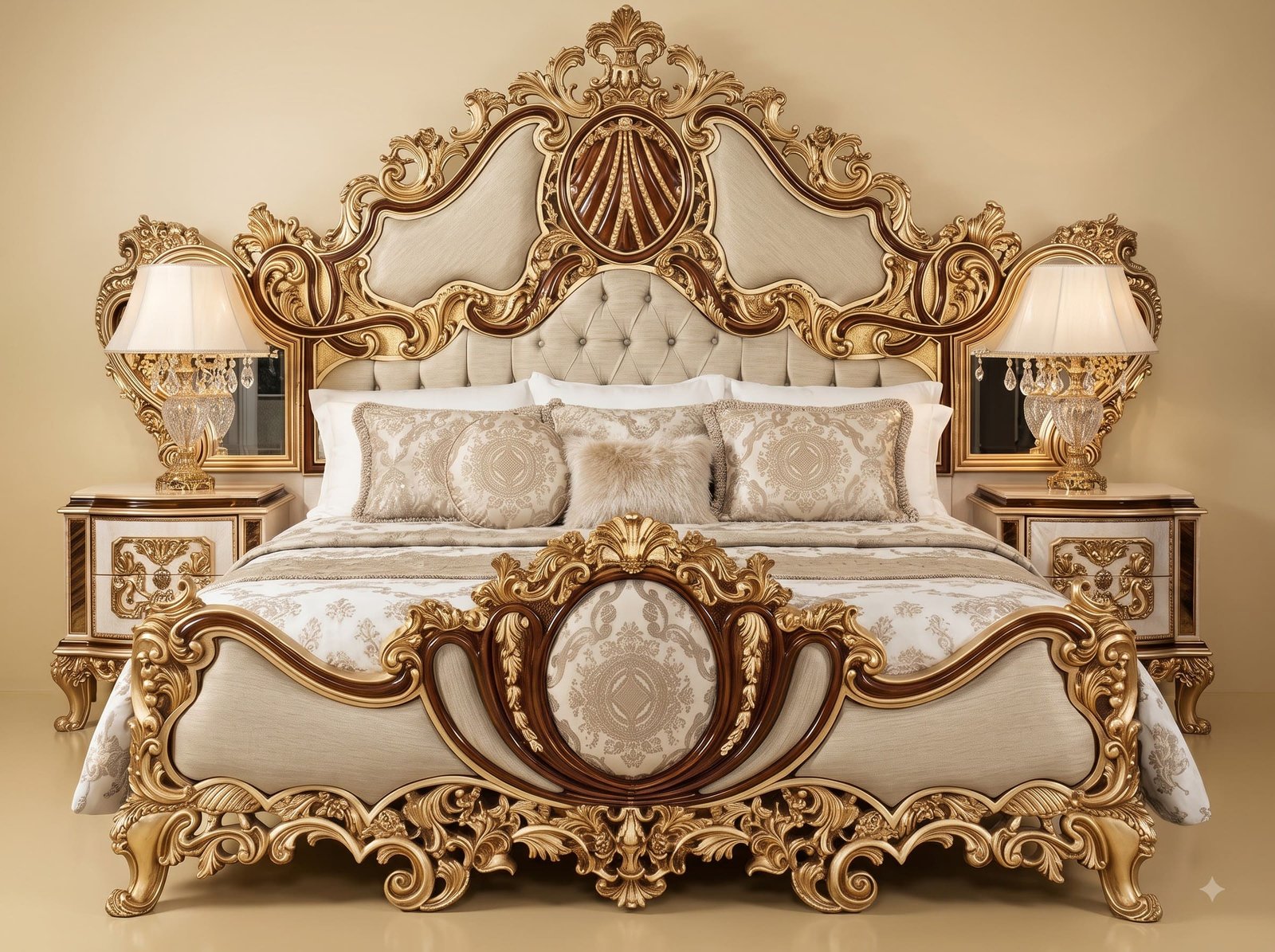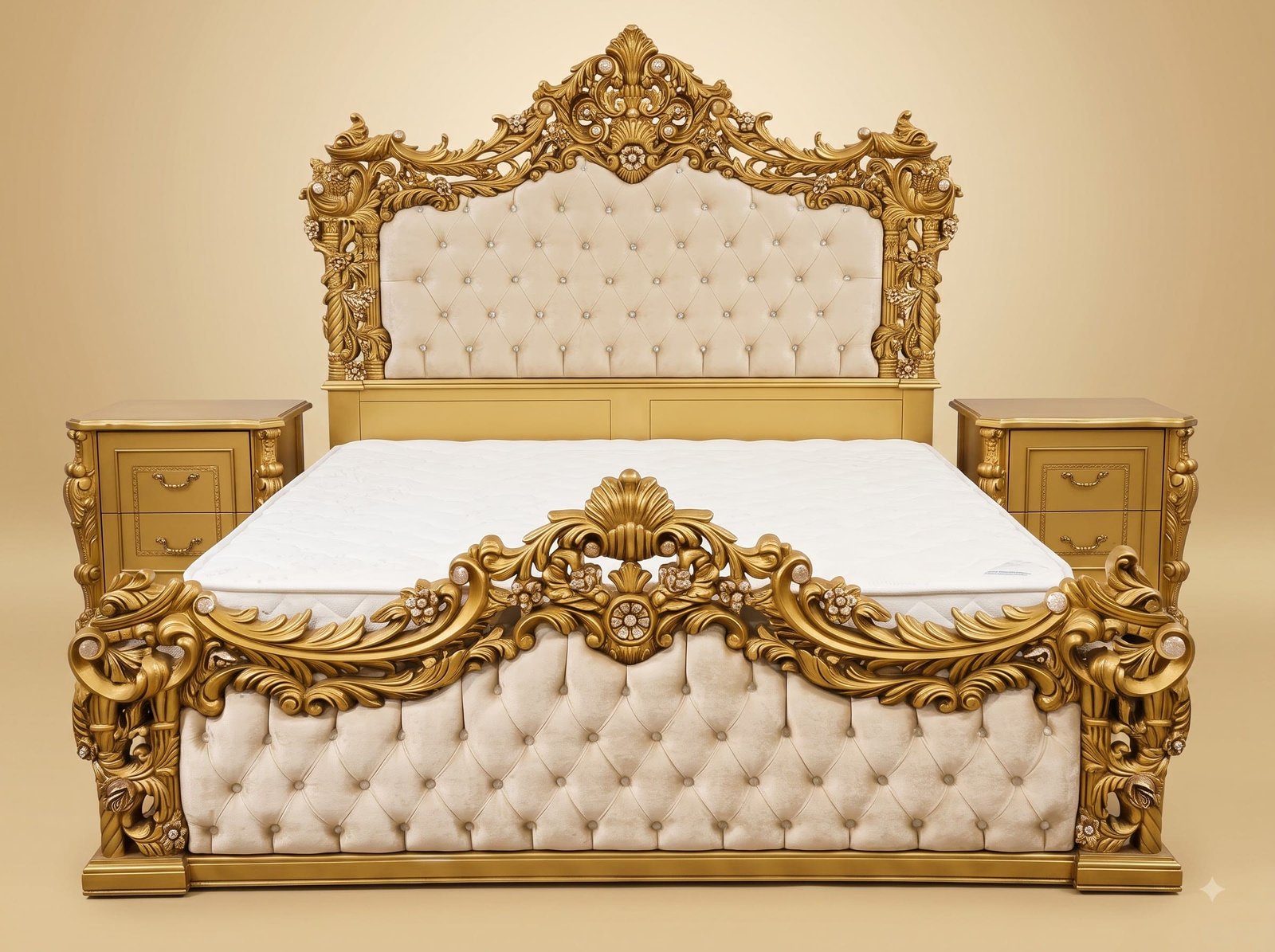
Flowers carved into furniture were once a way of bringing the garden indoors in a climate where you could not leave the windows open. Indian palaces are full of them - in stone jaali, in inlay, in the borders of painted ceilings - and the same vocabulary moved onto carved wood without much translation.
Carving them well is a matter of depth. A flower is a round form, so it has to be cut down into the block far enough that the petals separate and throw their own shadows. Cut shallow, it becomes a printed circle. That is why floral carving is the quickest way to tell hand work from machine work: a router follows one depth, a chisel follows the form.
Our master Indian artisans place the blossoms deliberately rather than evenly - clustered where the scrollwork turns, sparse where it runs straight - because regular spacing reads as pattern and irregular spacing reads as growth. It is the kind of decision that takes years to learn and a second to see.
 Ask Price On WhatsApp