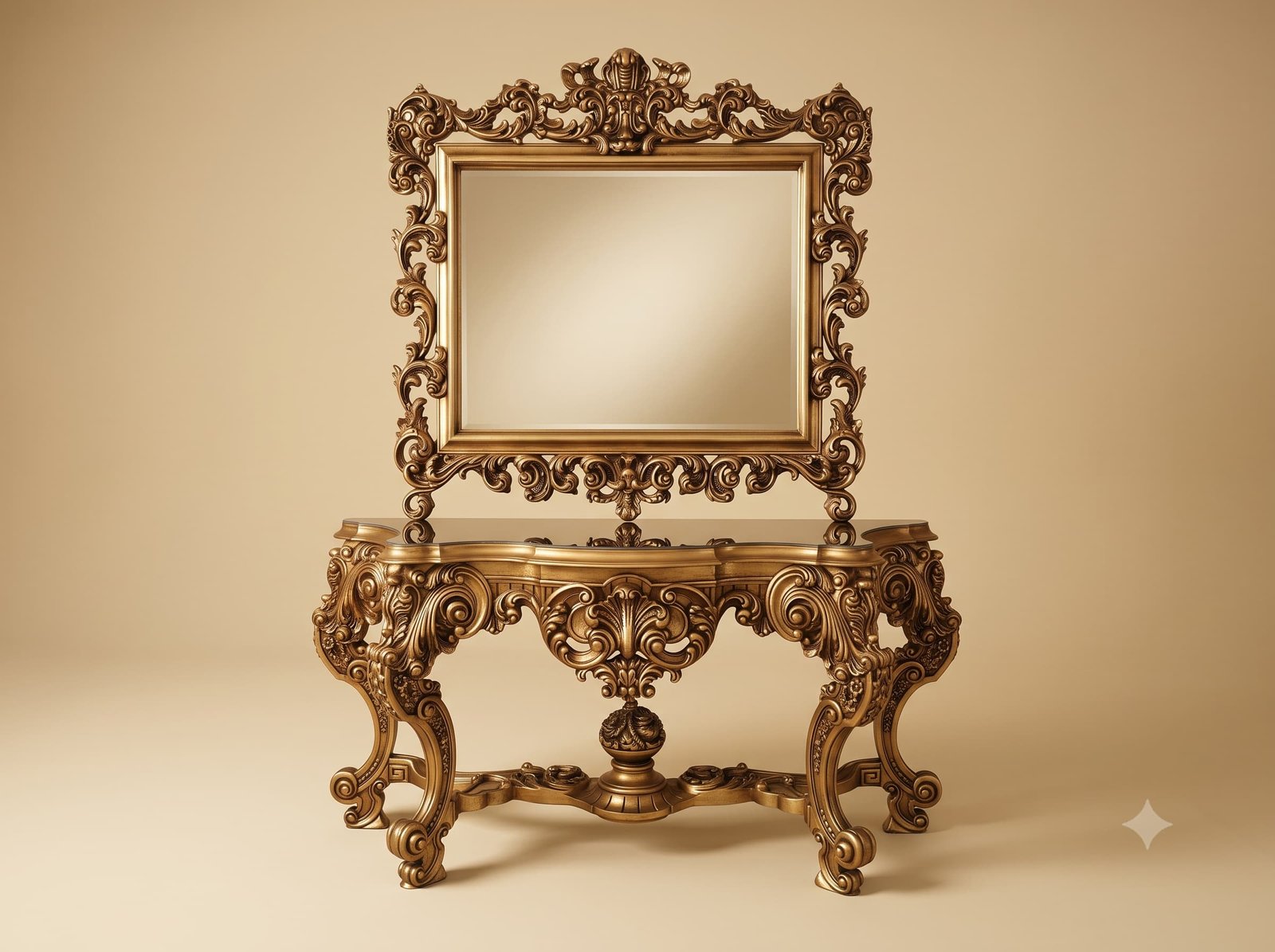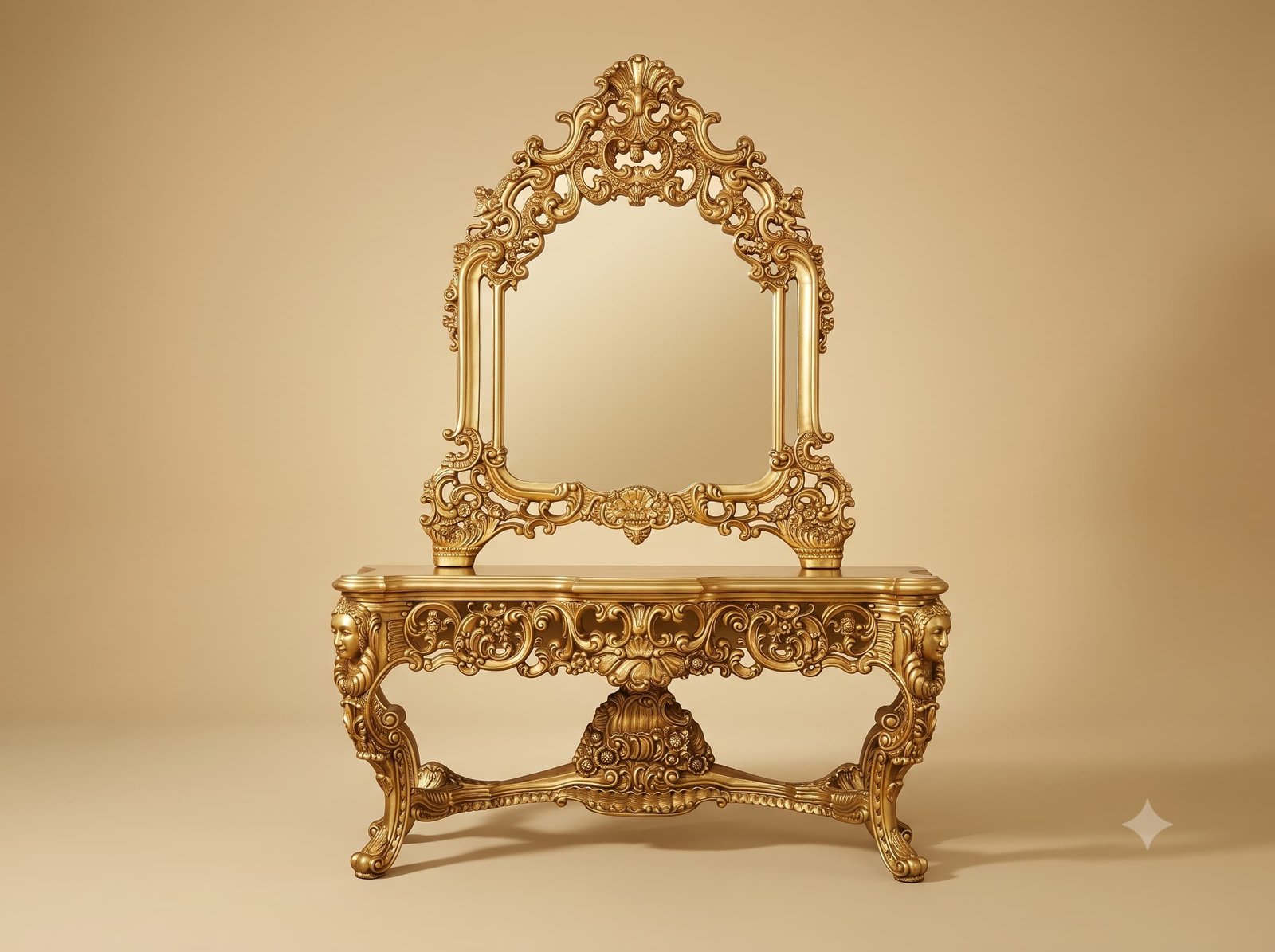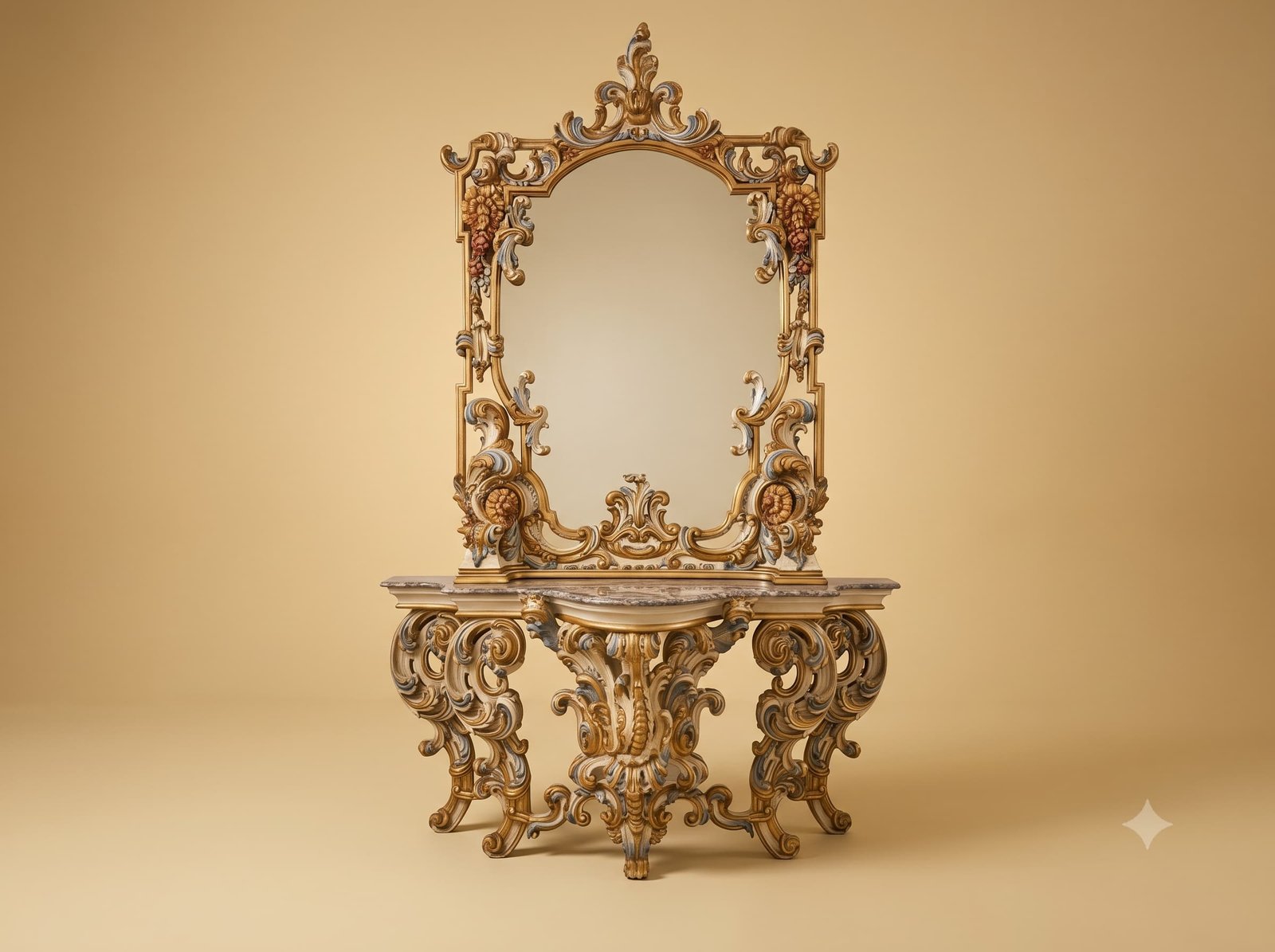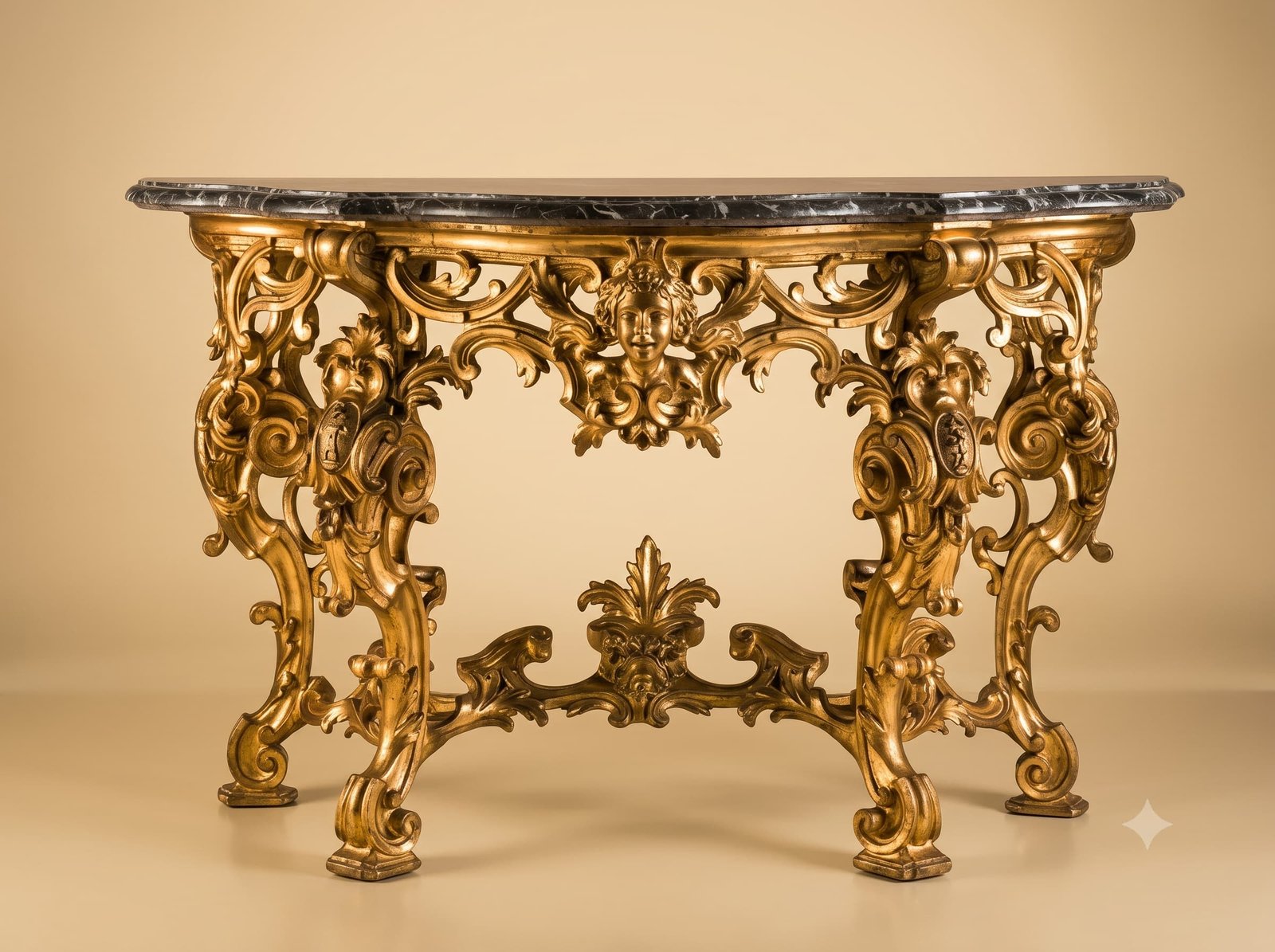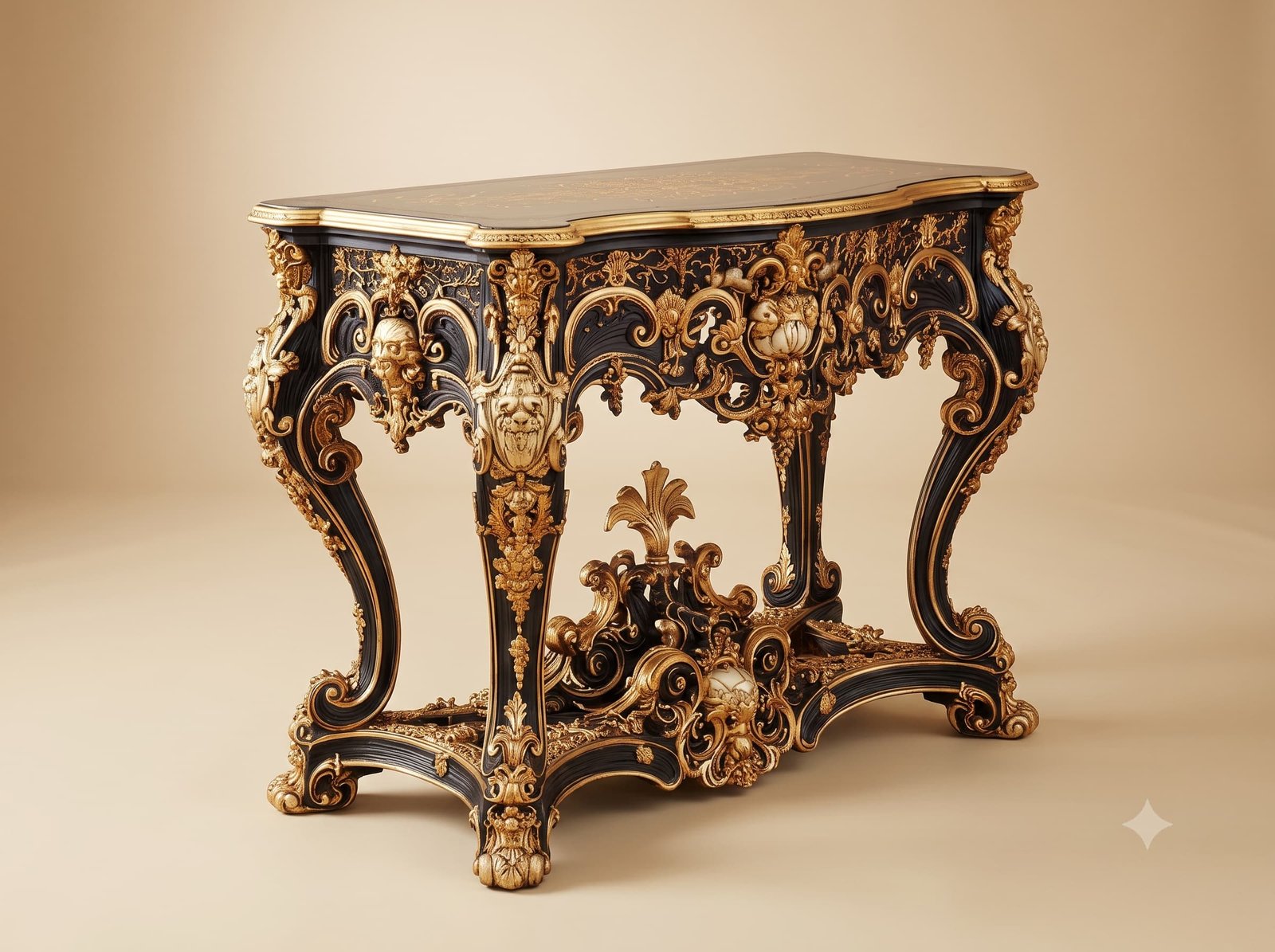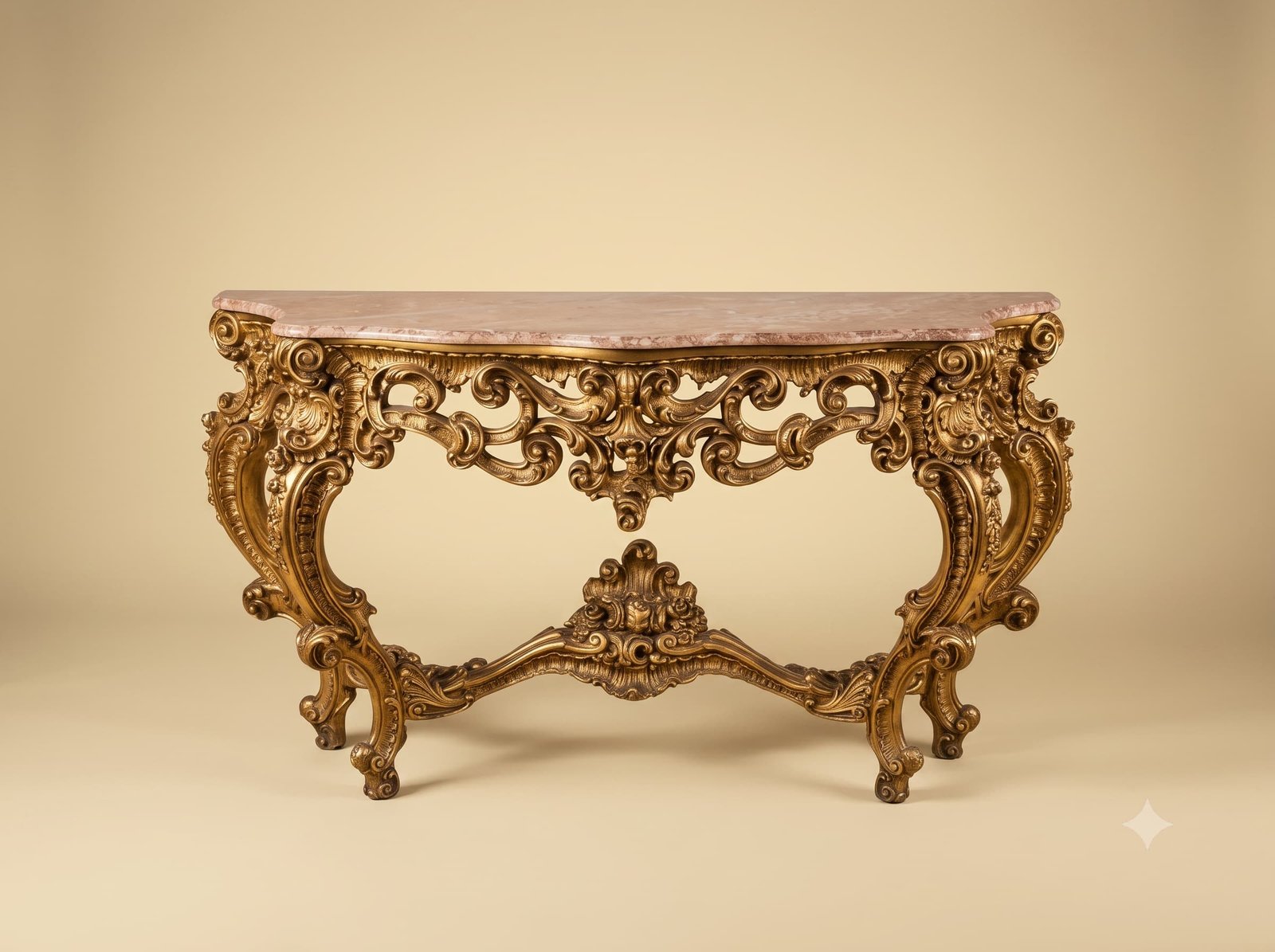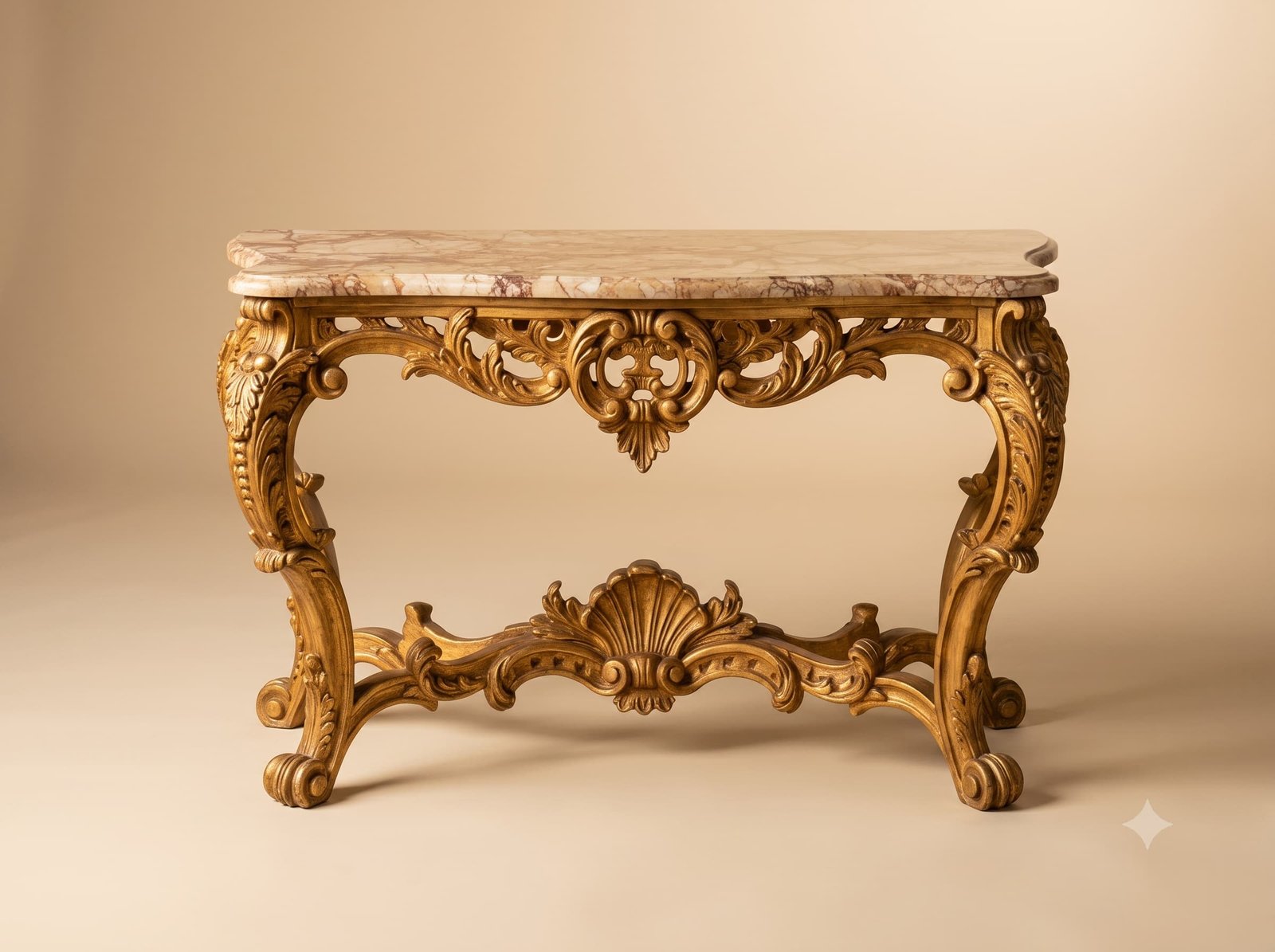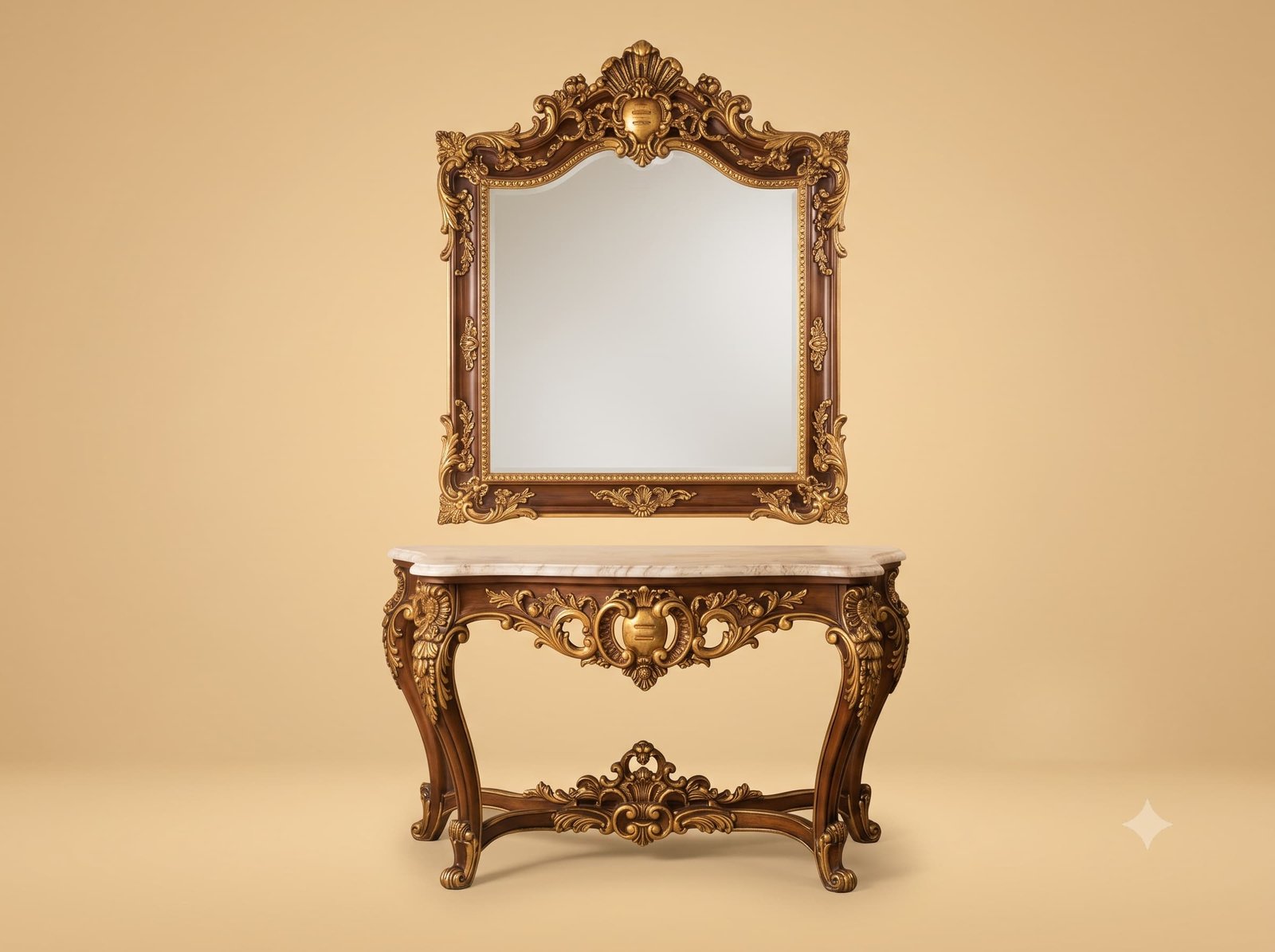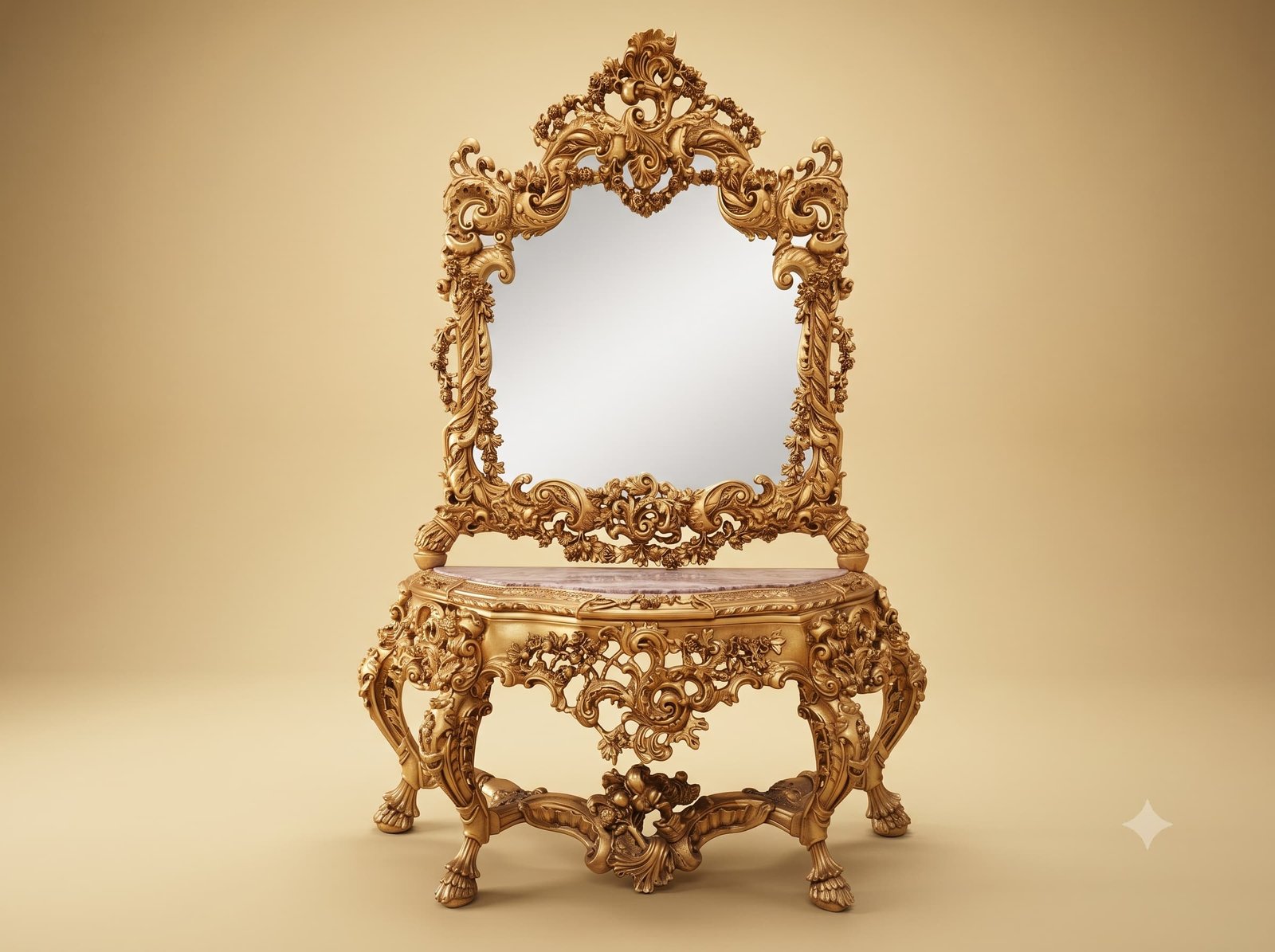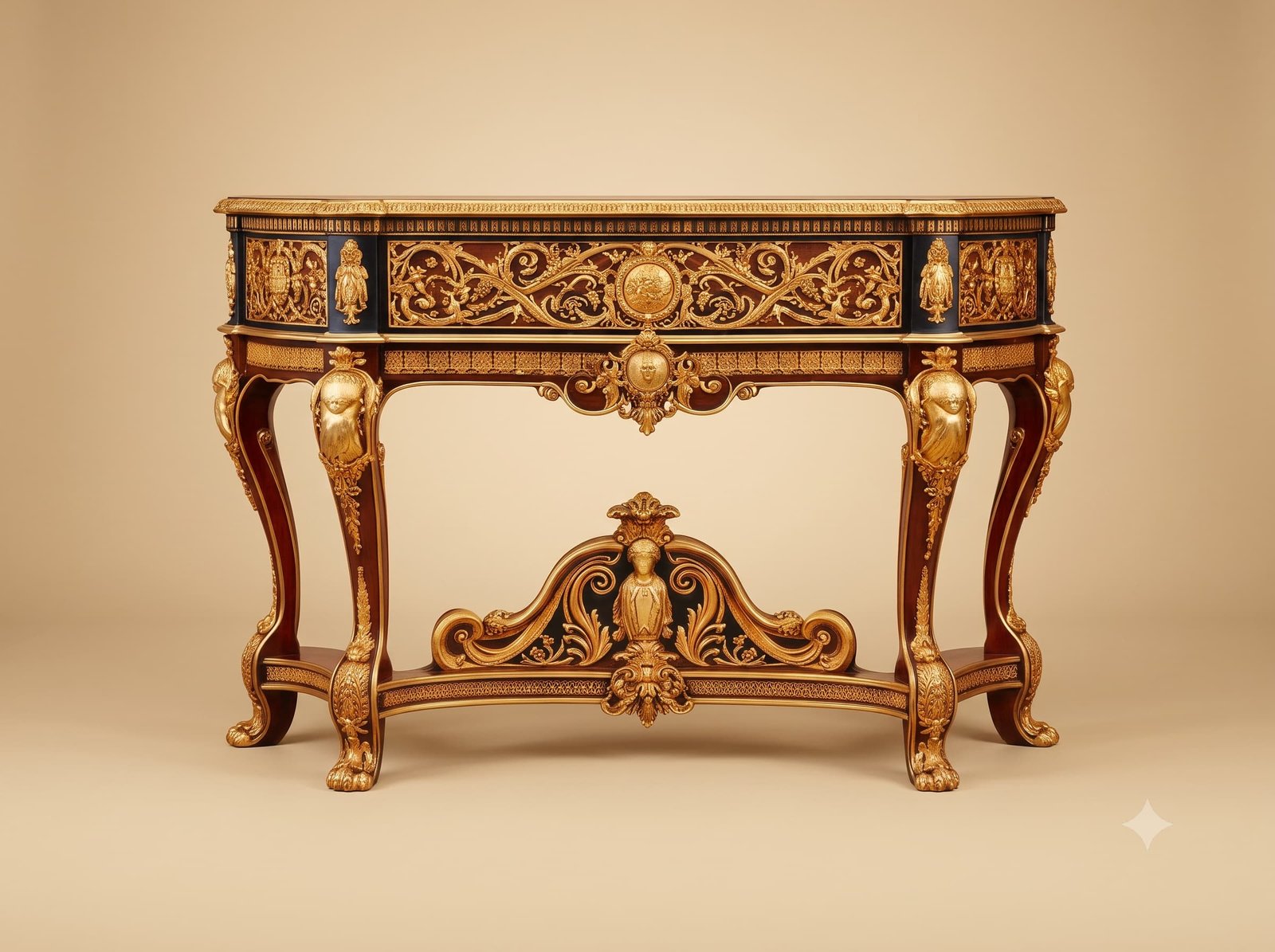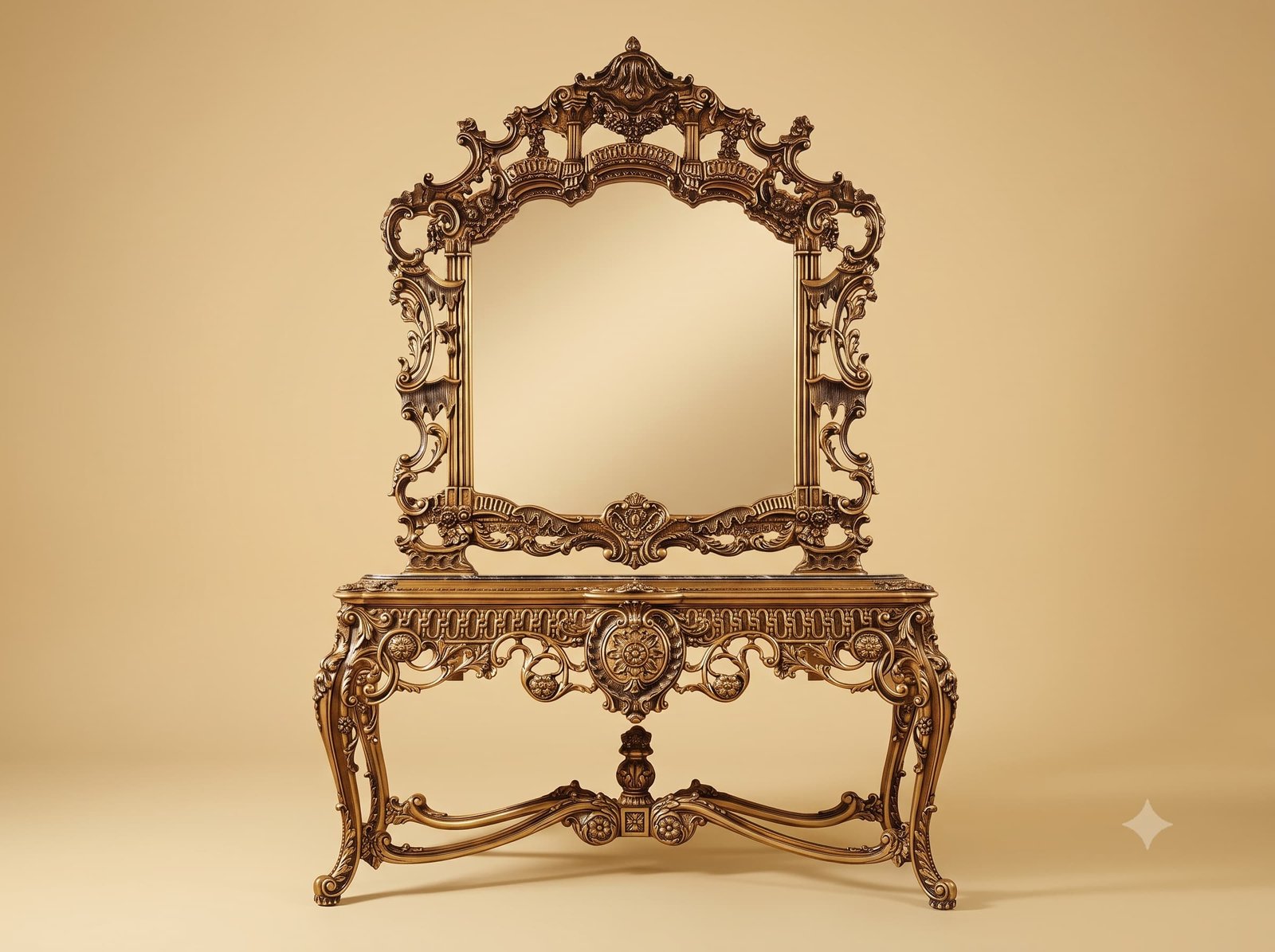
The rosette at the centre of this apron looks like the simplest thing on the table and is one of the least forgiving. A rosette is a circle divided into equal petals, and the eye can detect an error of a fraction of a degree in that division - not as a measurement, but as a wobble.
Measuring the divisions with a protractor does not work well in practice, because any small error at each step accumulates around the circle and lands as a visible gap at the last petal. So our master Indian artisans do it the old way, with dividers. The points are set to a best guess of one petal's width and then stepped round the circumference. If the last step falls short of the starting mark, the dividers are opened a hair; if it overshoots, they are closed. Step round again. Three or four passes and the last step lands exactly on the first.
Only then is anything cut. The petals are carved outward from the centre so the hollows all run the same way and the light behaves consistently across the whole flower, and the outer ring is cut last so the edge stays crisp.
 Ask Price On WhatsApp