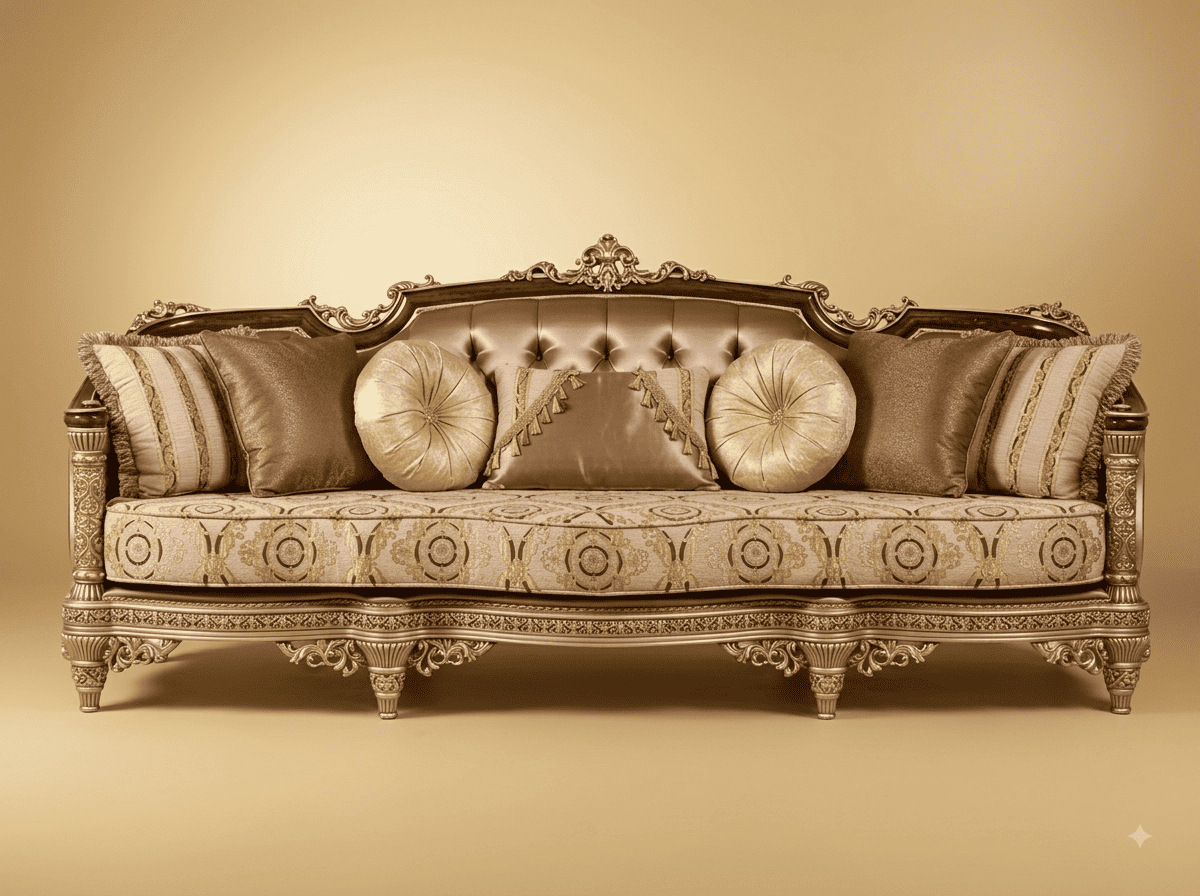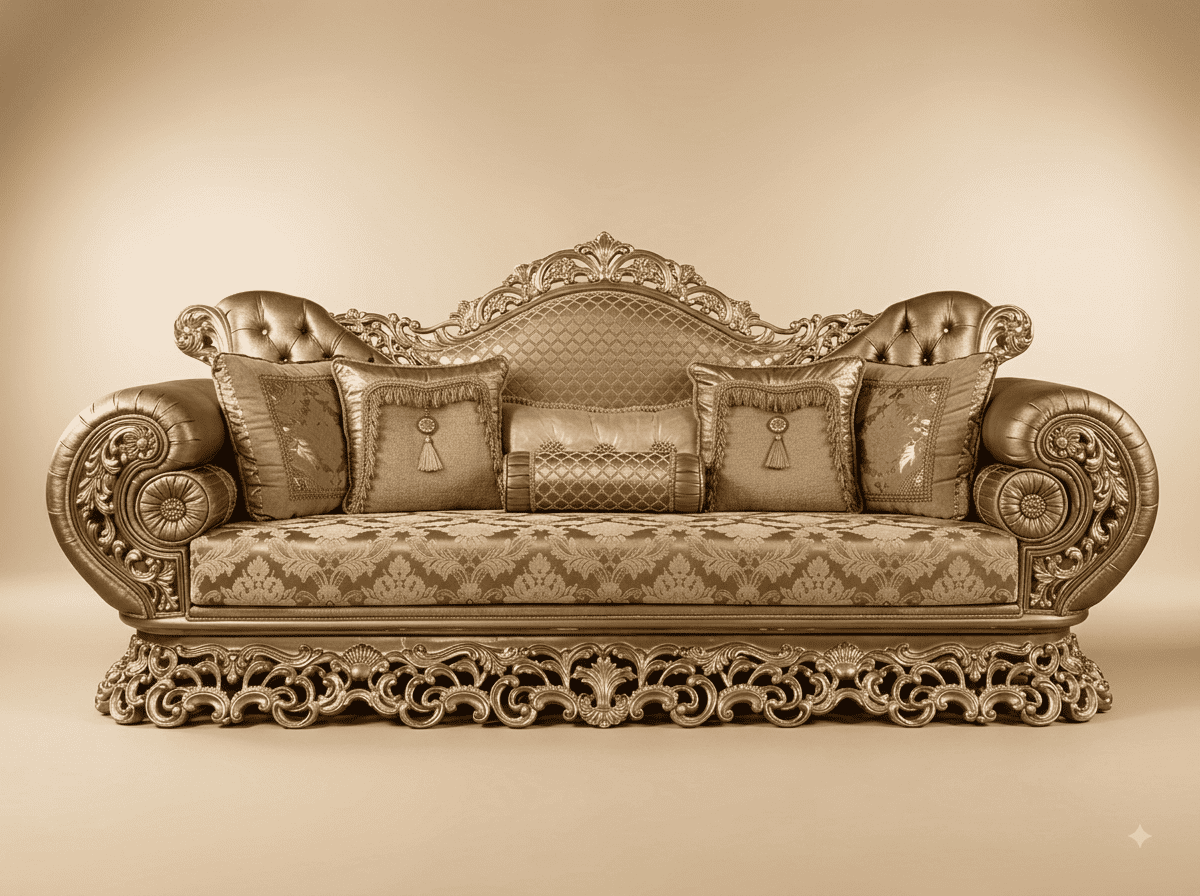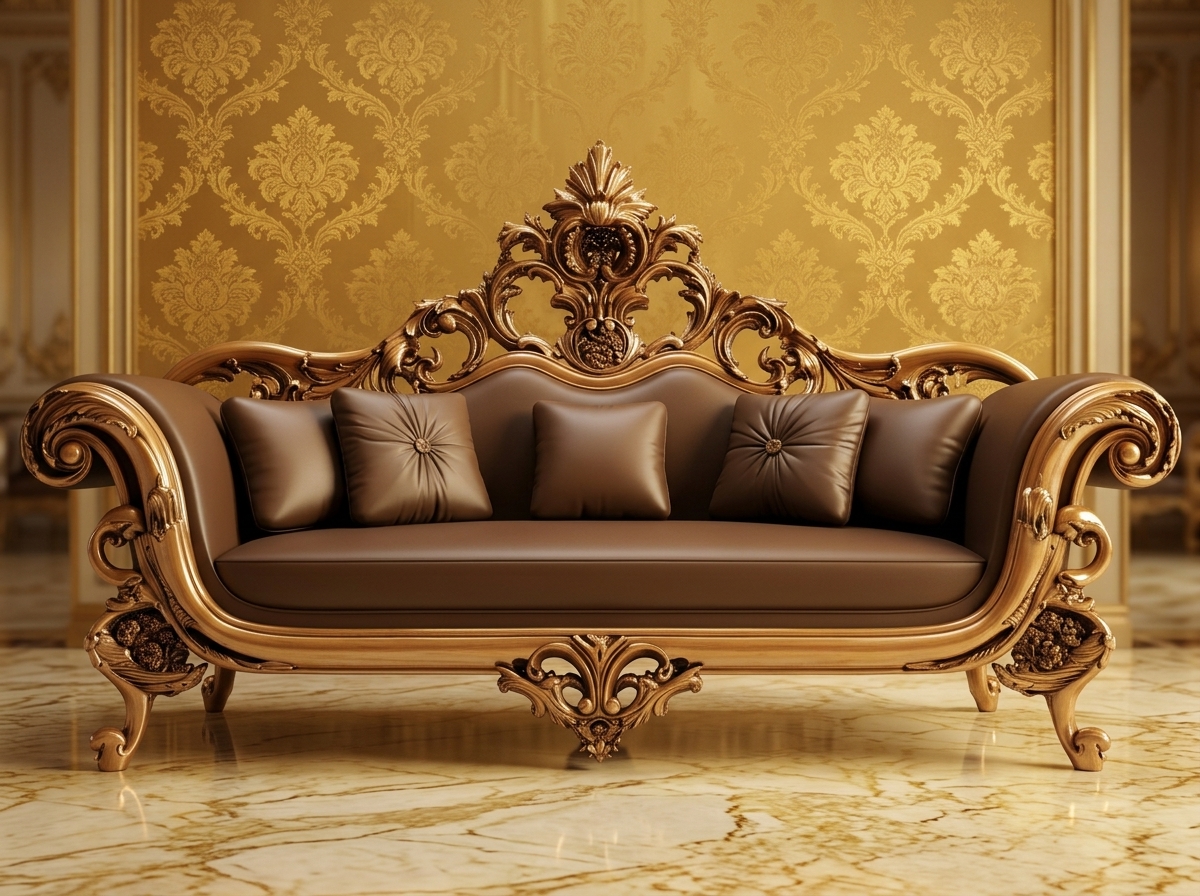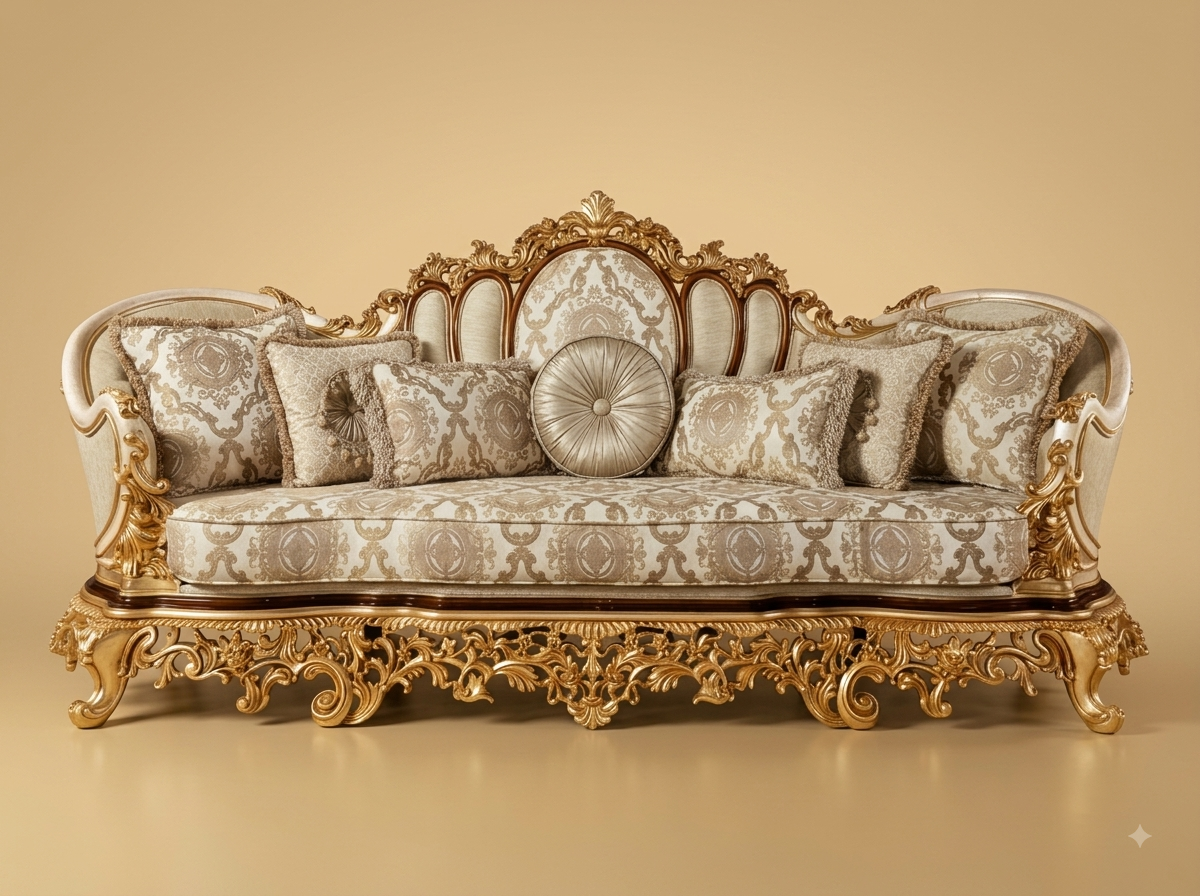
The Story Behind This Sofa
Piping - also called welting - is made before it is used. A length of cord is wrapped in a strip of cloth cut on the bias, meaning diagonally across the weave rather than along it. Bias-cut cloth stretches slightly, which is the whole point: it lets the piping follow a curved seat edge or a scroll arm without puckering. Cut it straight to save fabric and it will wrinkle on every curve, which is exactly what you see on cheaper upholstery.
The piping is then sewn into the seam between two panels, so the cord sits proud along the join. Structurally it doubles the seam - two lines of stitching instead of one - which is why piped edges survive years of people dropping onto a cushion where a plain seam splits.
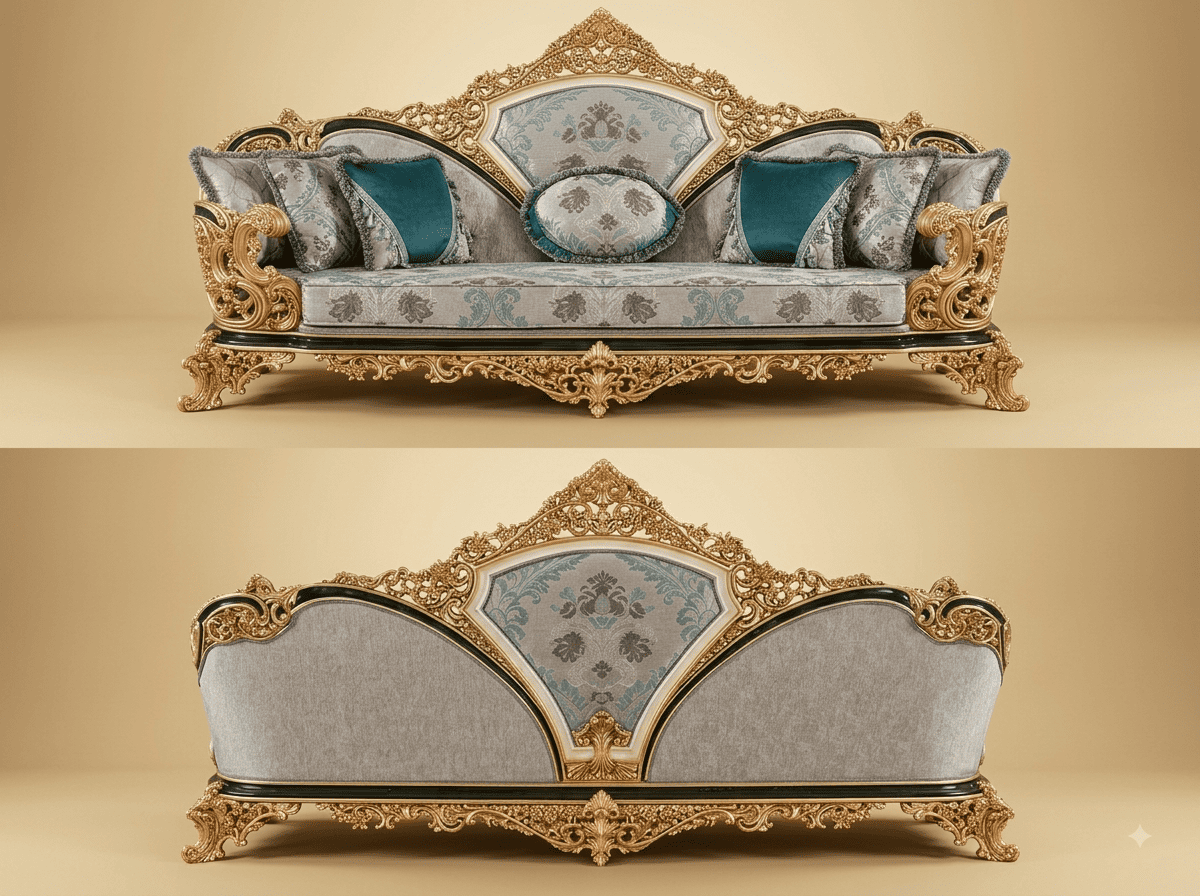
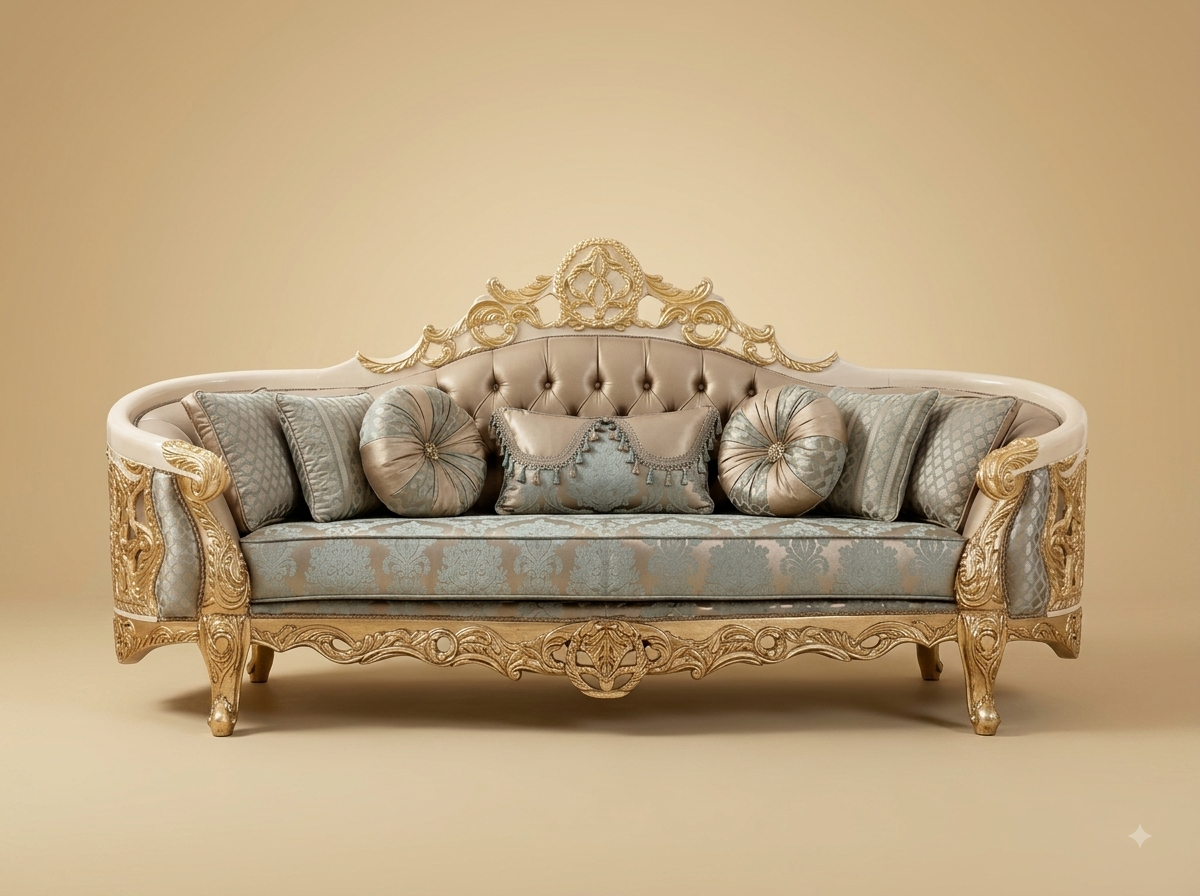
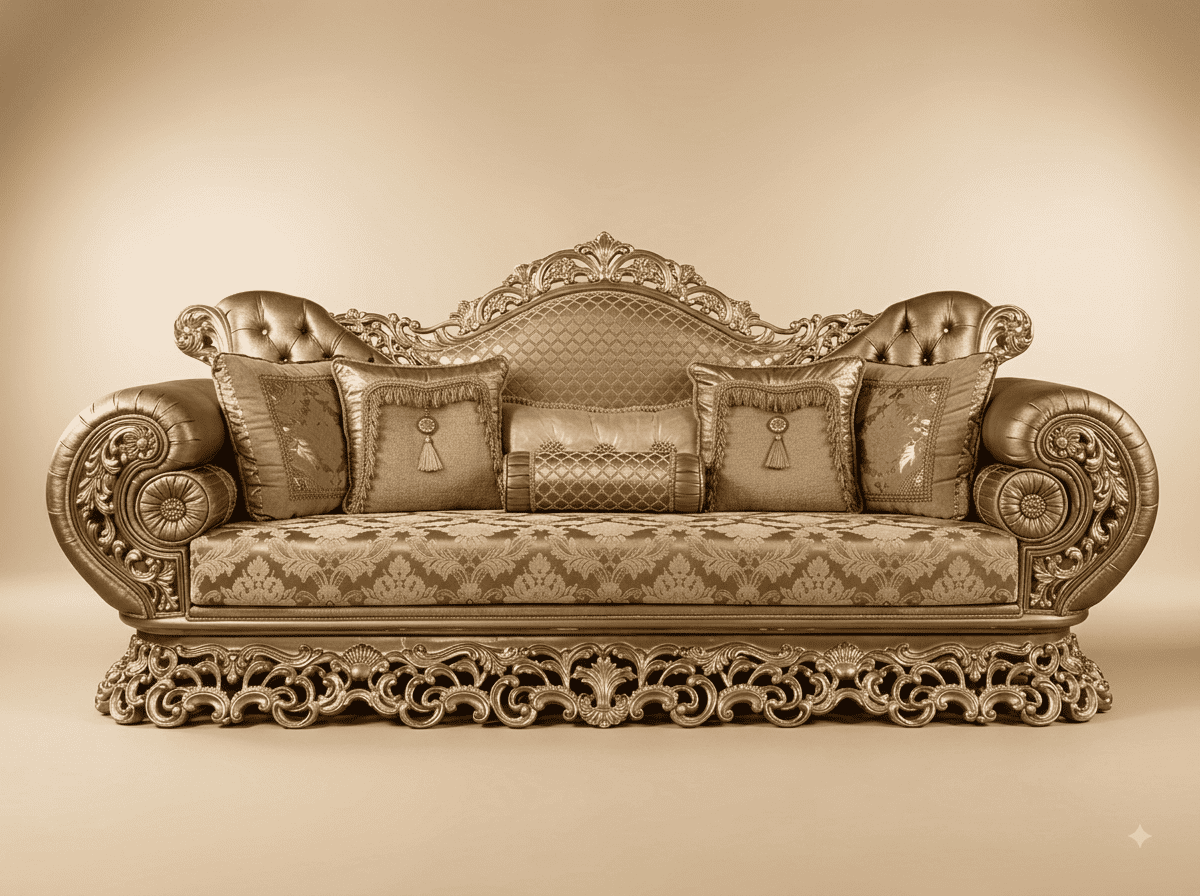
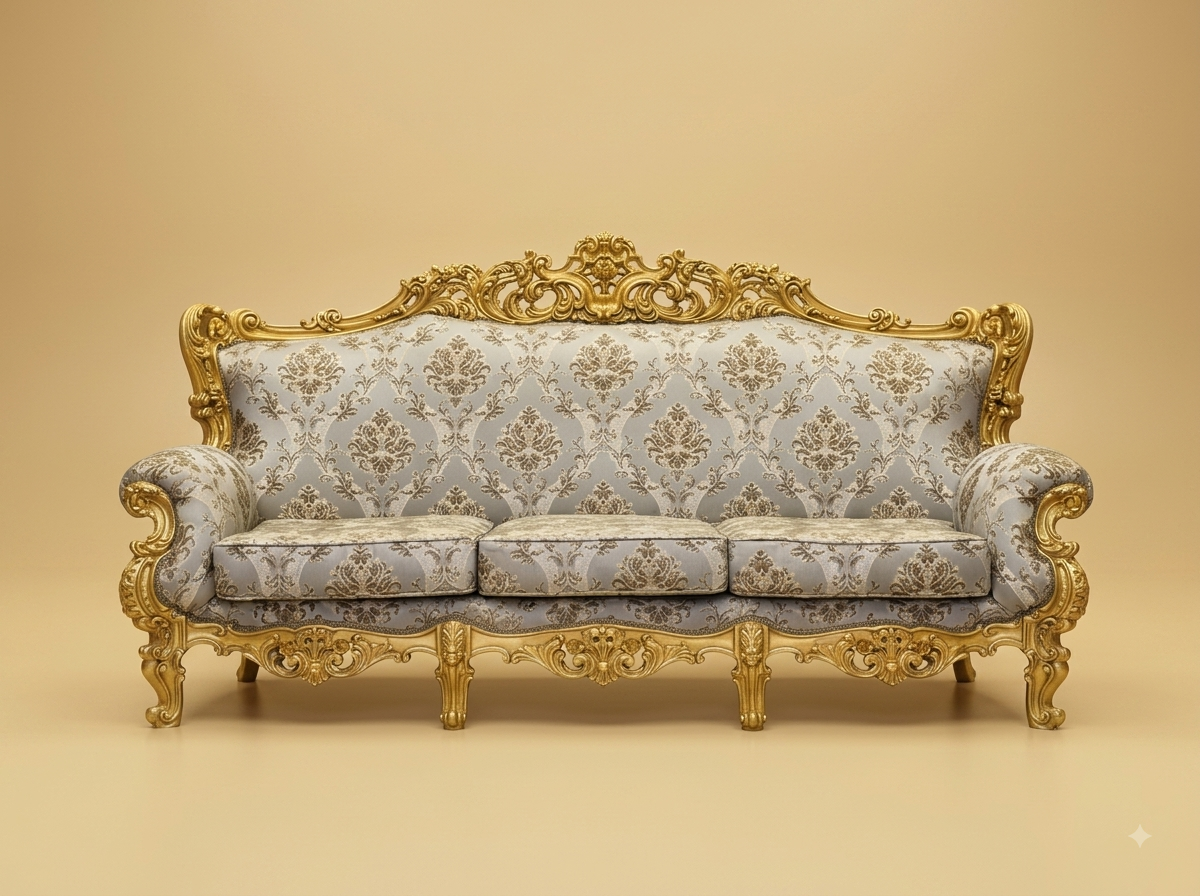
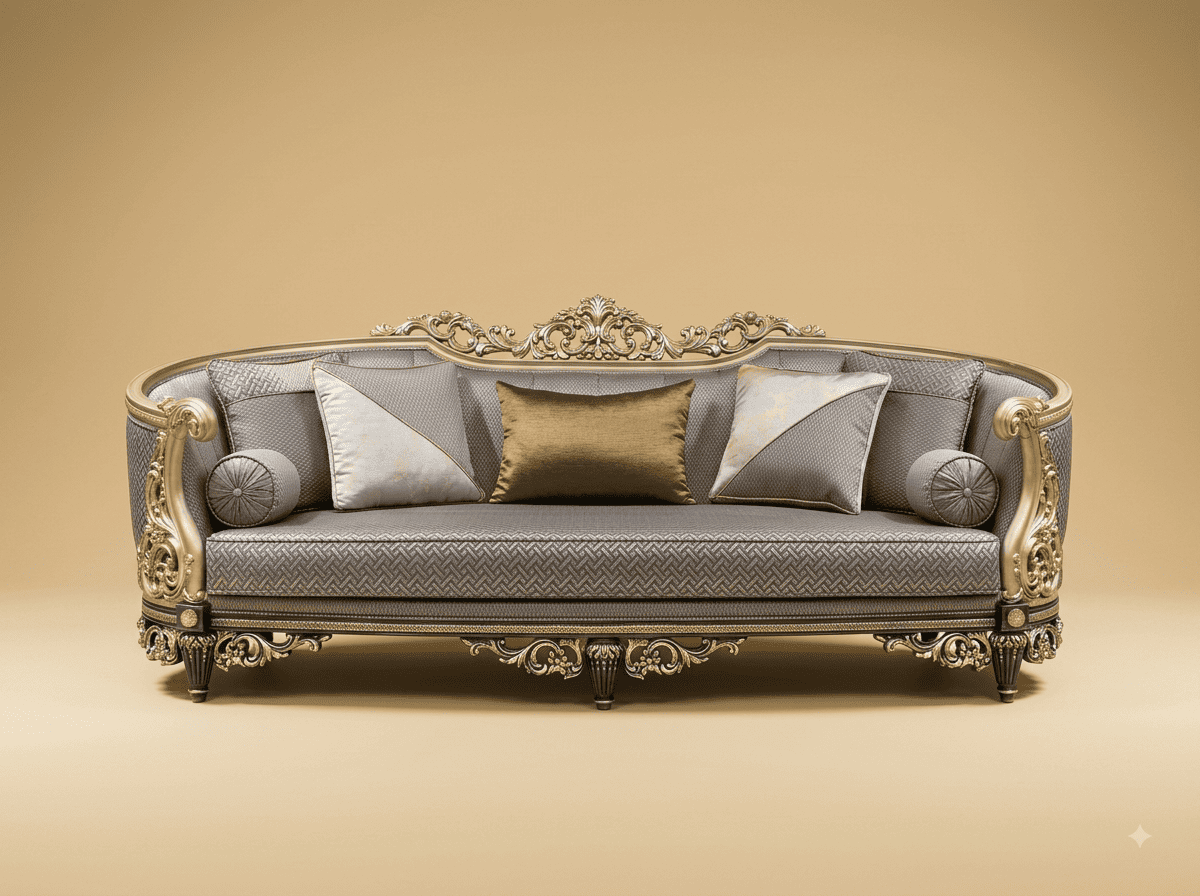
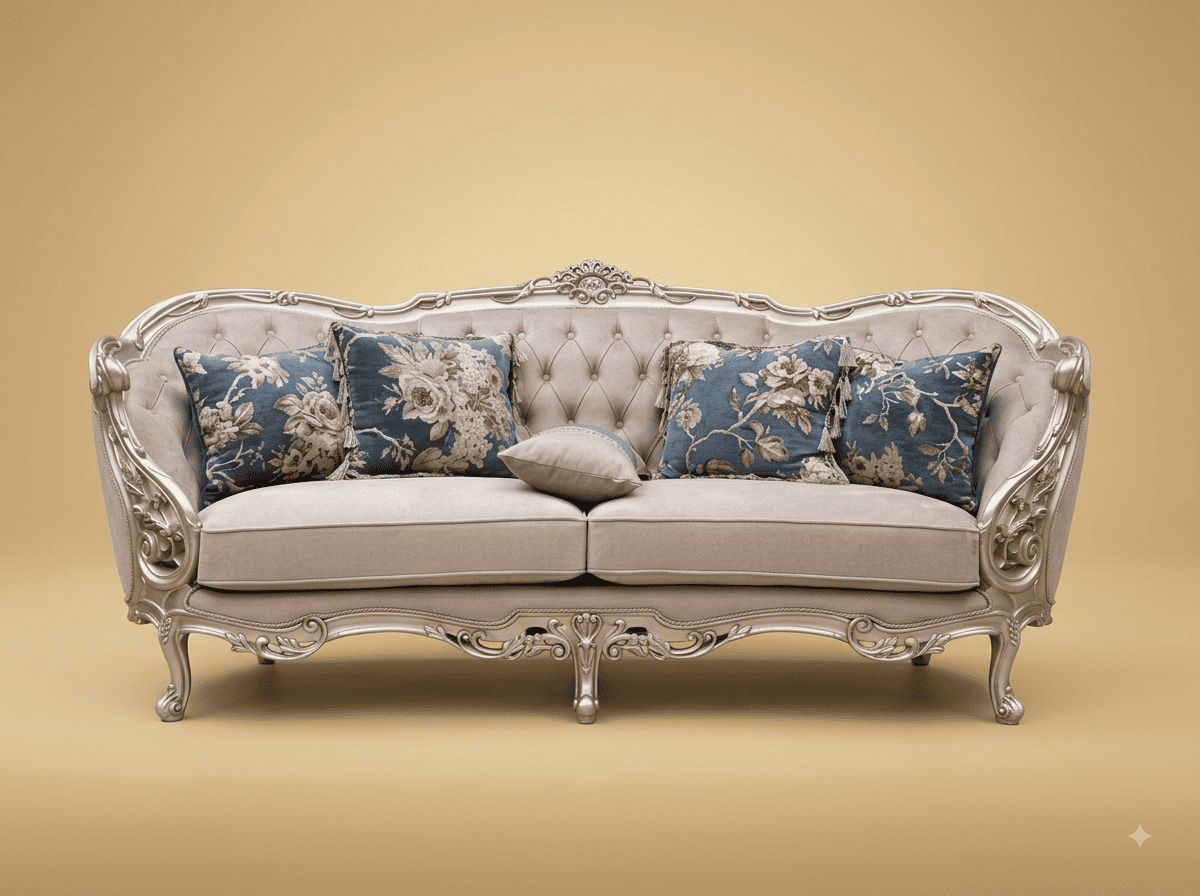
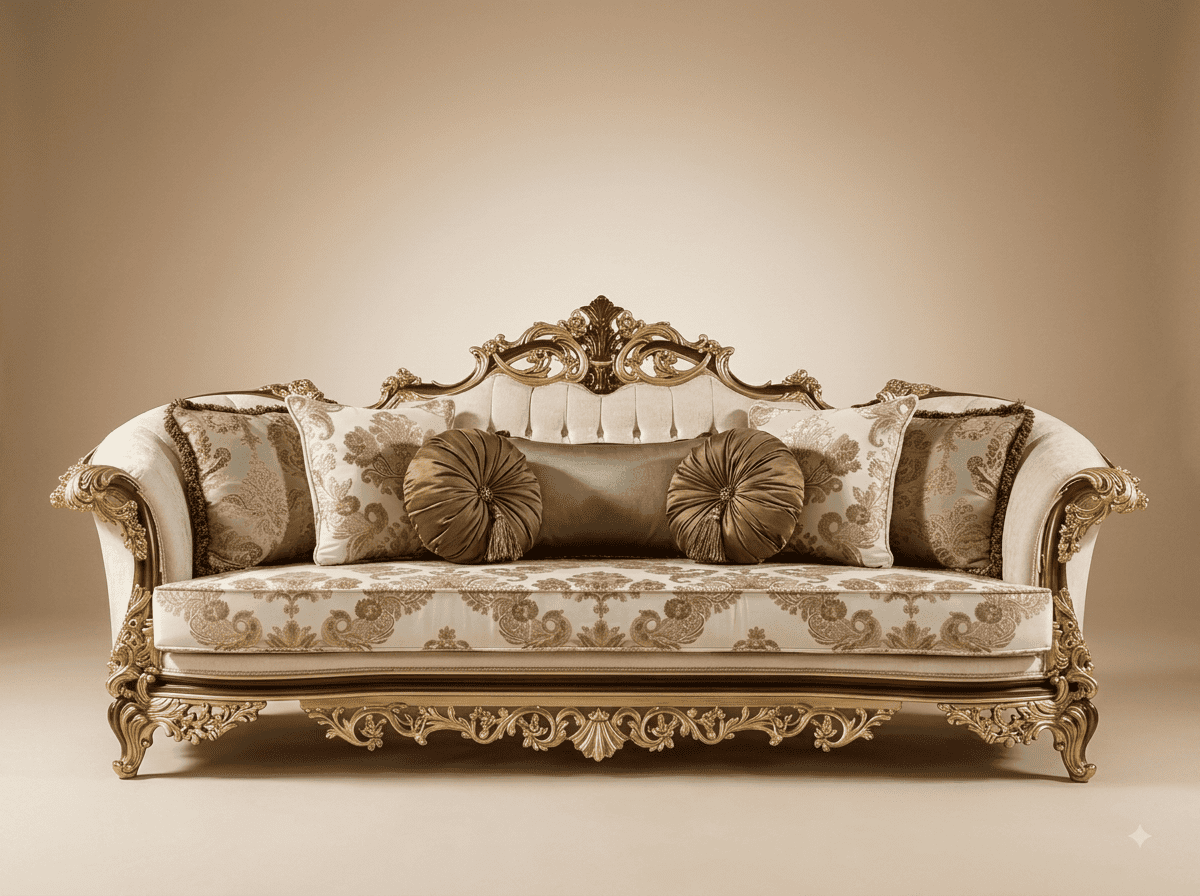
Getting it right means the piping must run dead straight along straight edges and turn corners in a true radius without a kink. On a sofa this pale, every millimetre of that line is visible from across a room, which is why we choose contrast piping here rather than matching: it is a statement of confidence in the sewing.
 Ask Price On WhatsApp