
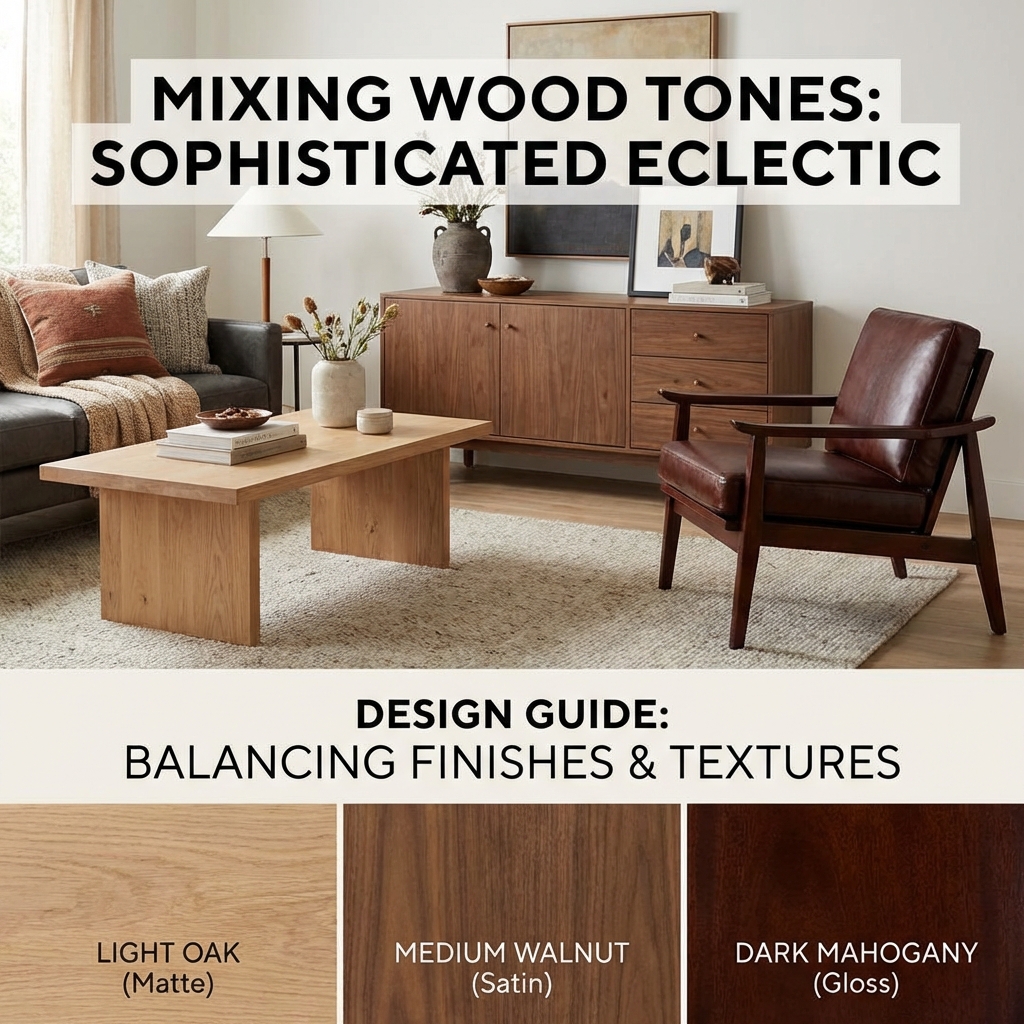
Understanding Wood Tones
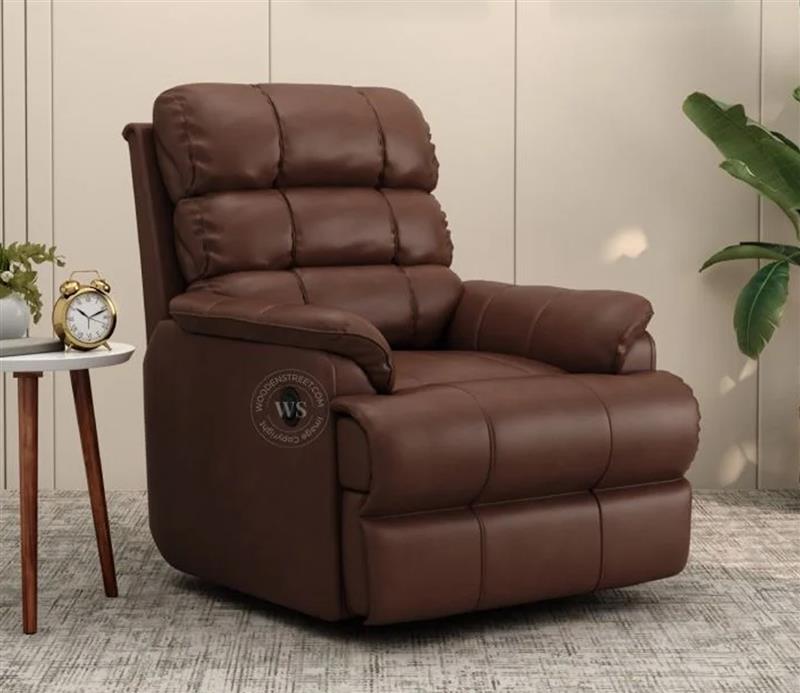
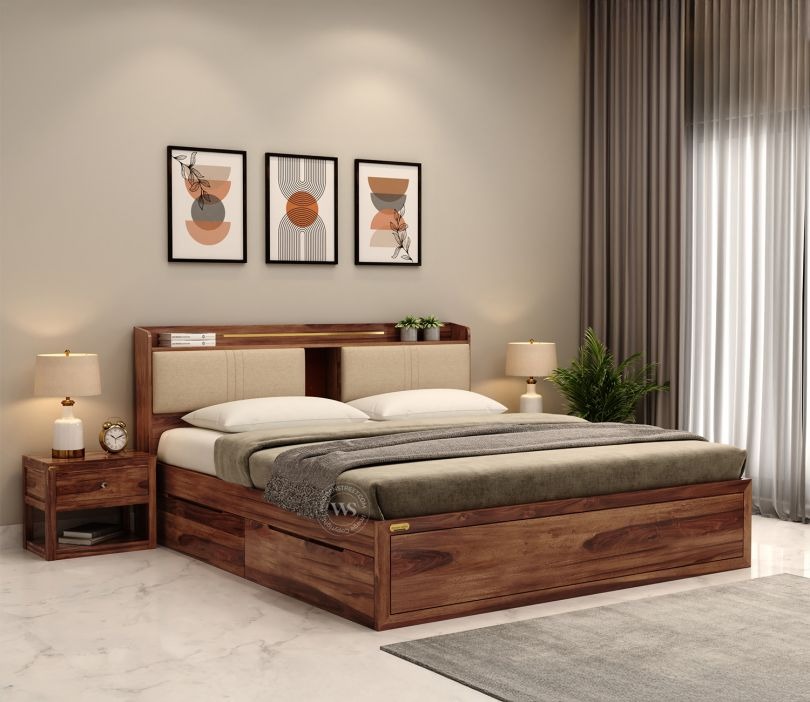
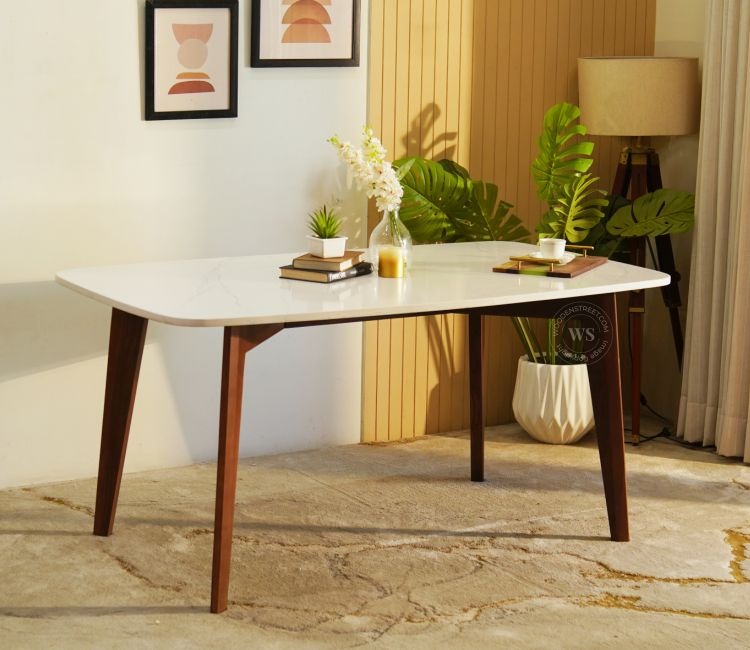
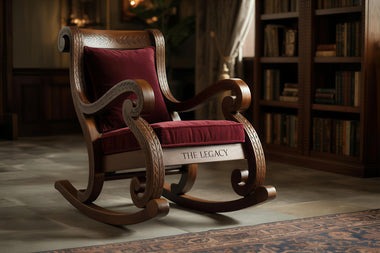
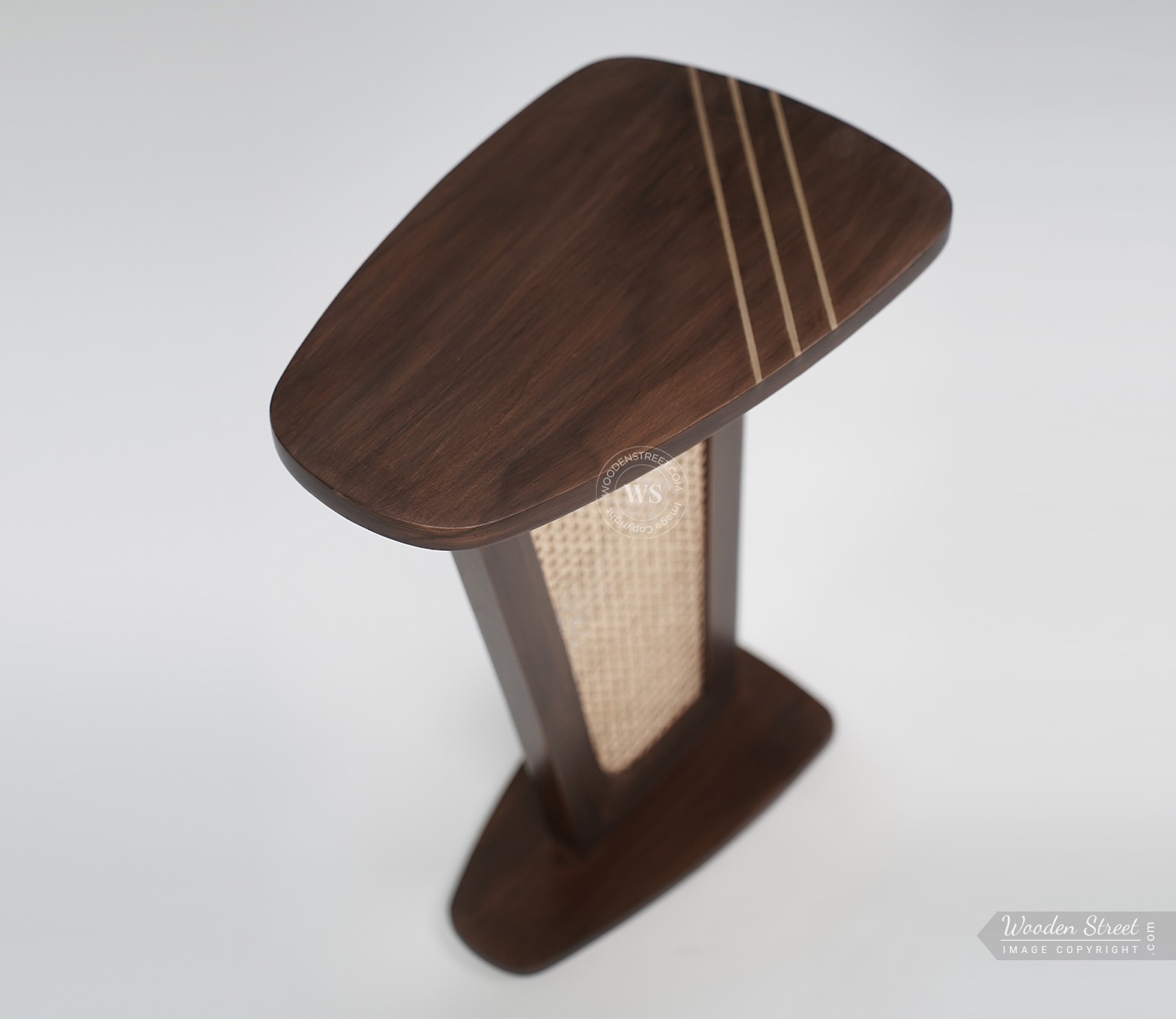
Wood tones generally fall into three categories: Light (maple, pine), Medium (oak, teak), and Dark (mahogany, cherry).
The 60-30-10 Rule
Use one dominant wood tone for 60% of wooden elements, a secondary tone for 30%, and an accent tone for 10%.
Consider Undertones
Pay attention to undertones – warm (red, orange, yellow) or cool (gray, white).
Vary the Finish
Mix matte, satin, and glossy finishes to add depth.
Create Contrast
Pairing light and dark woods creates drama and definition.
Use Texture as a Bridge
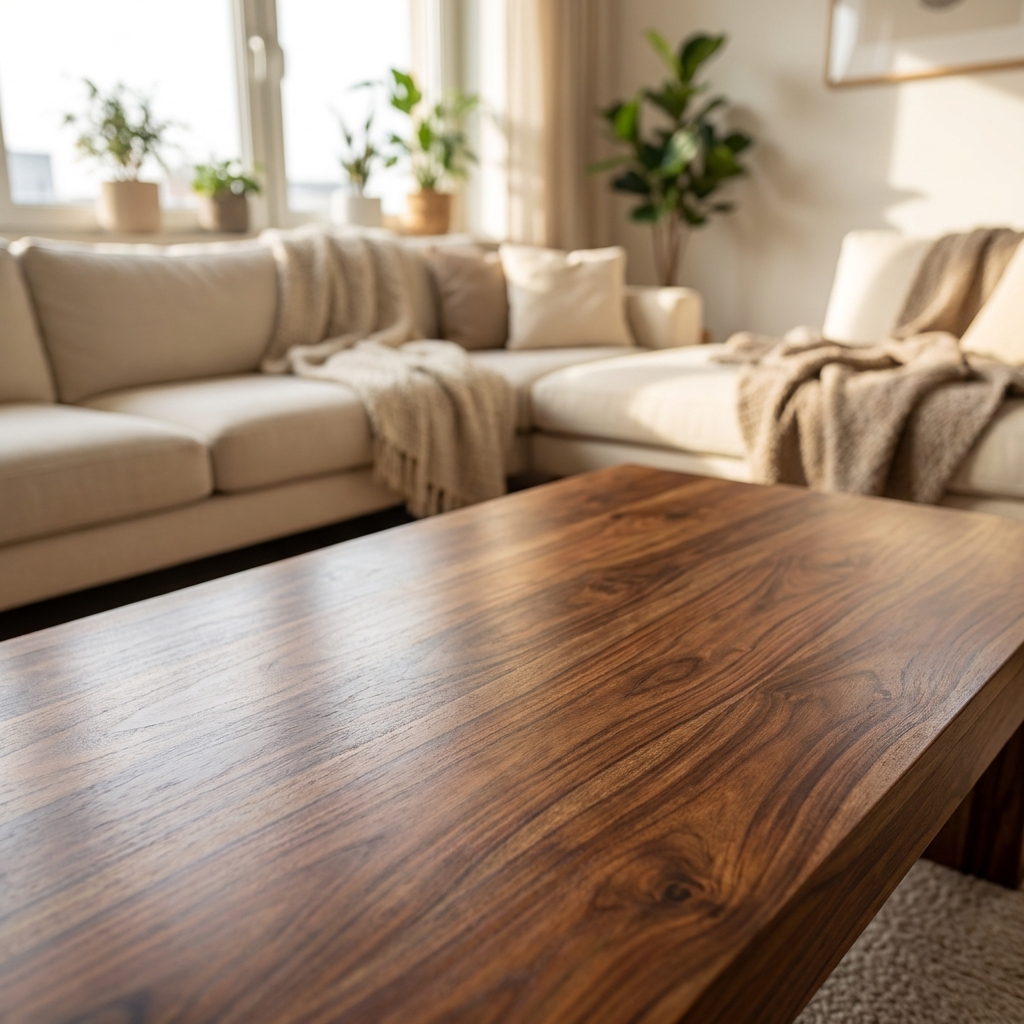
Different wood grains and textures can help tie together various wood tones.
Anchor with Neutrals
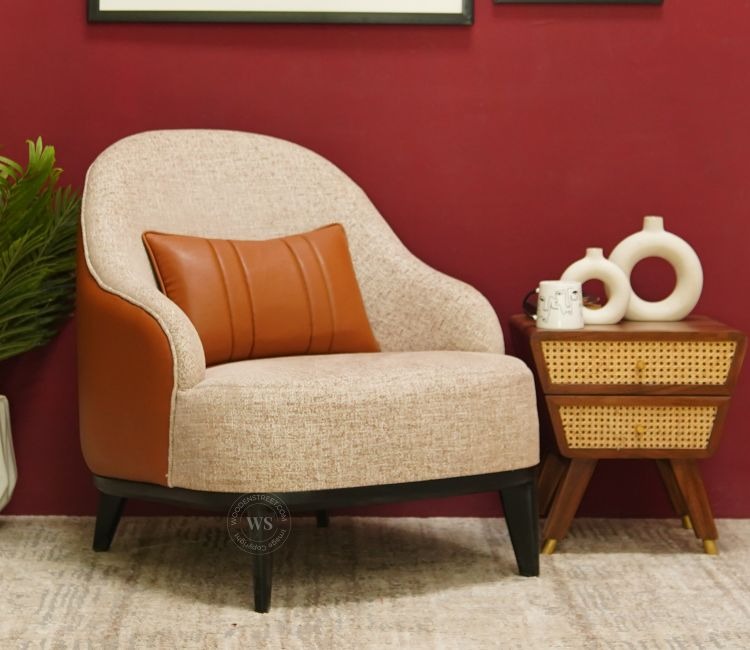
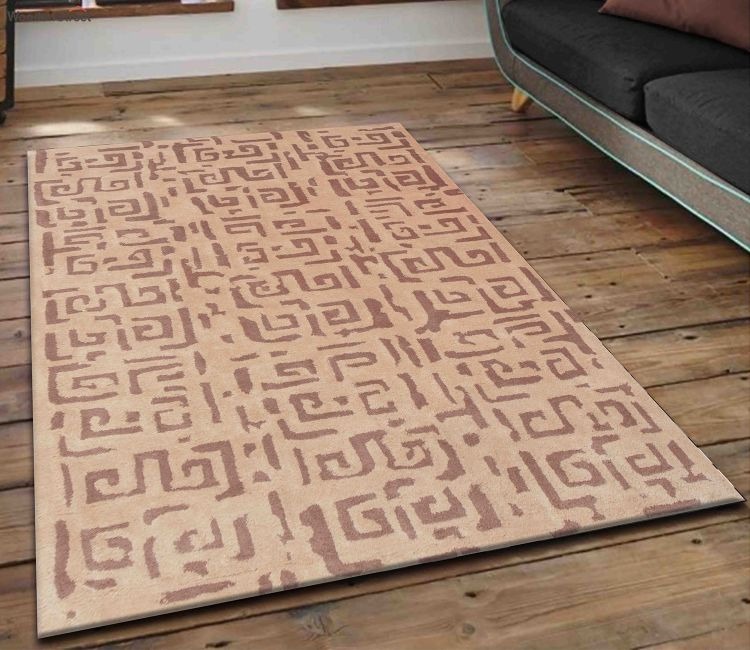
Neutral walls, rugs, and upholstery provide a backdrop.
Don't Forget Metal Accents
Metal hardware in brass, copper, or black can tie together different wood tones.